


There’s very few automobiles in the world that enjoy the kind of reputation the Toyota Hilux does. It’s almost become synonymous with toughness and reliability, and an ability to keep going when everything else has given up. For the matter, I have driven the previous generation Hilux enough and more, including a road trip to the high mountain passes of Spiti, and while I liked it for a list of reasons, the indestructible feel it offers tops that list easily. It always felt like a workhorse, despite being sold here as a ‘lifestyle’ pick-up. It looked rugged, felt tough and seemed capable of going pretty much anywhere. And finally, Toyota has launched the all-new, ninth-generation Hilux in India that’s more modern and more sophisticated. But has it lost some of that old-school toughness along the way?
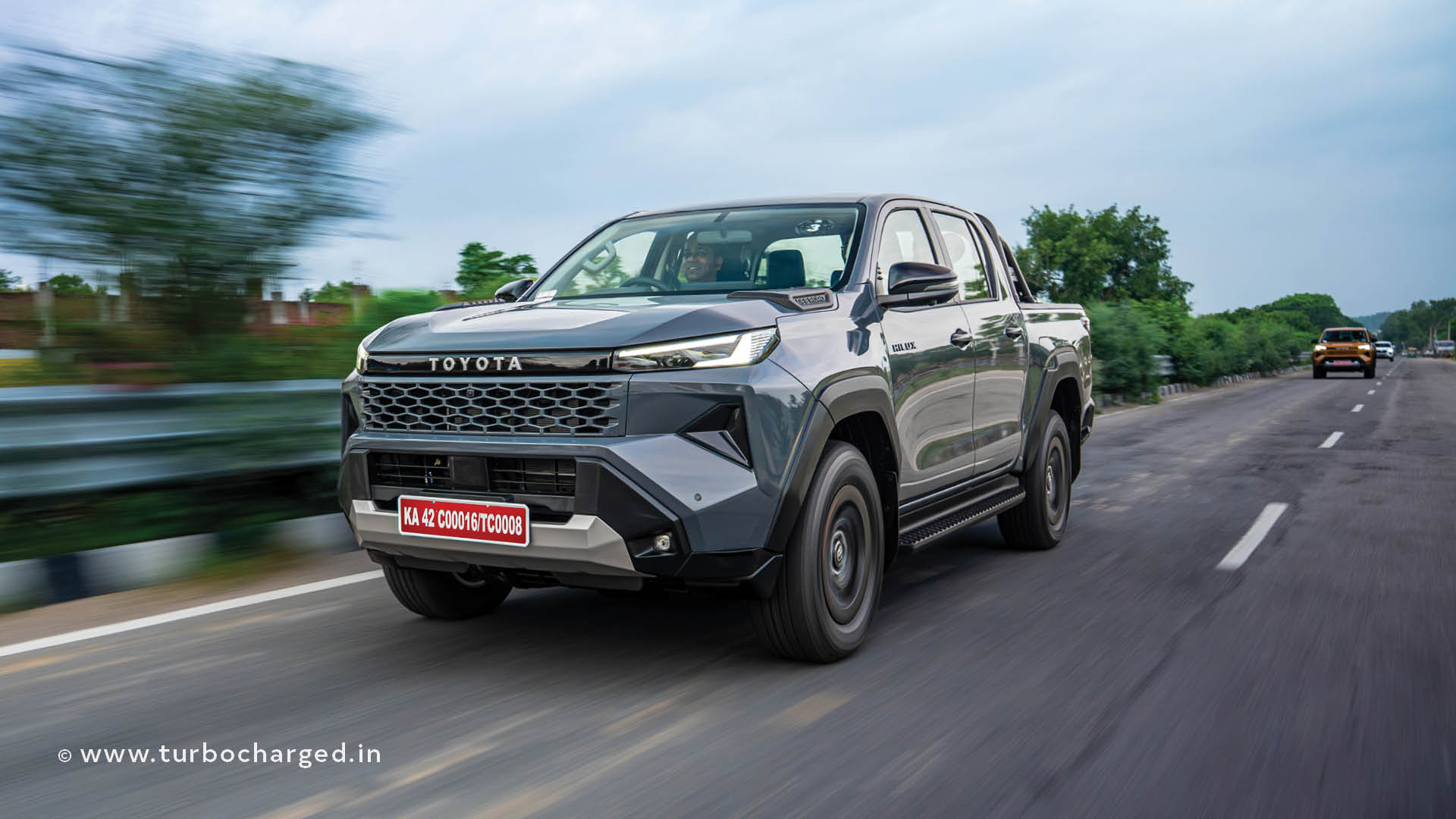
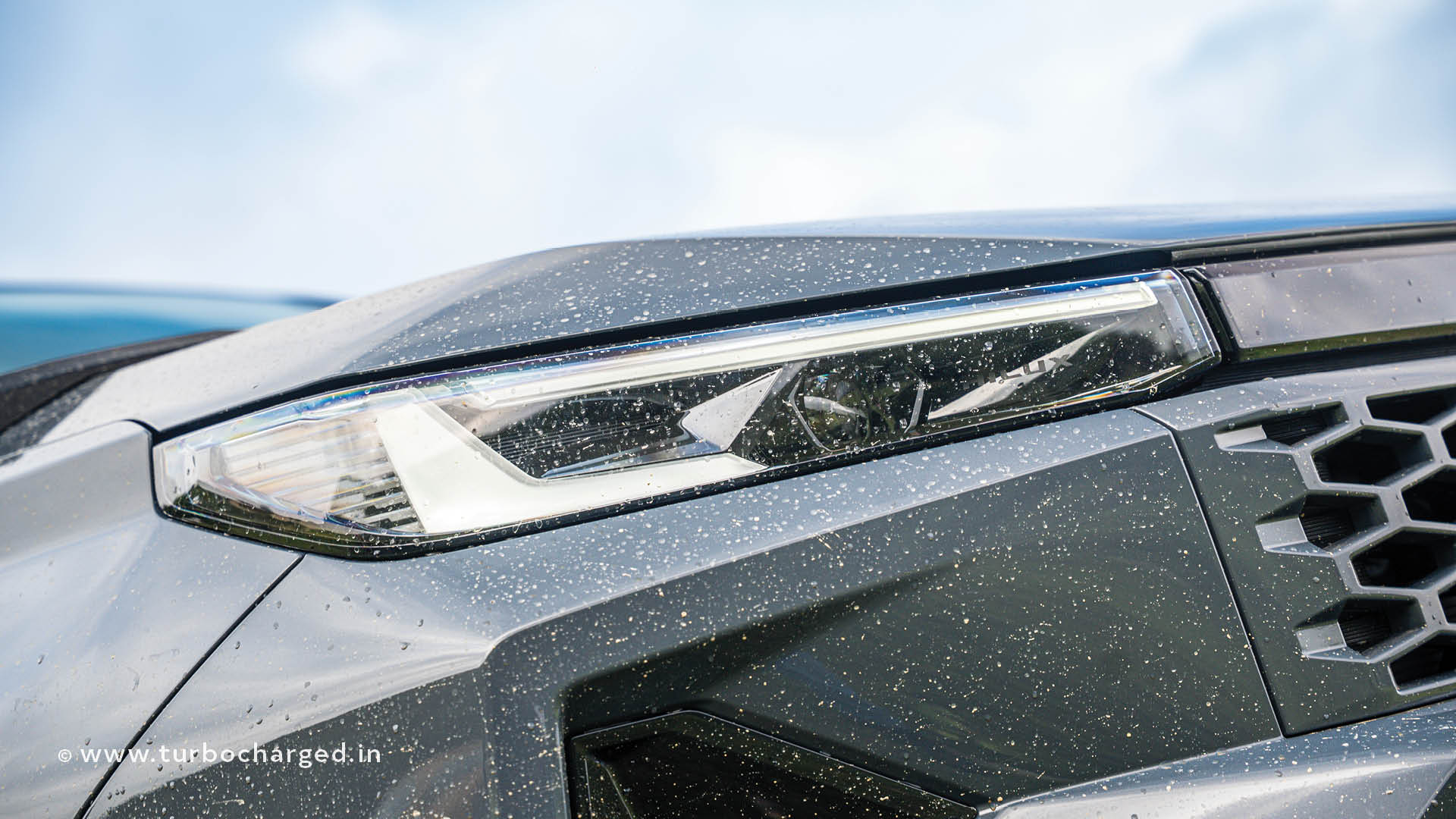
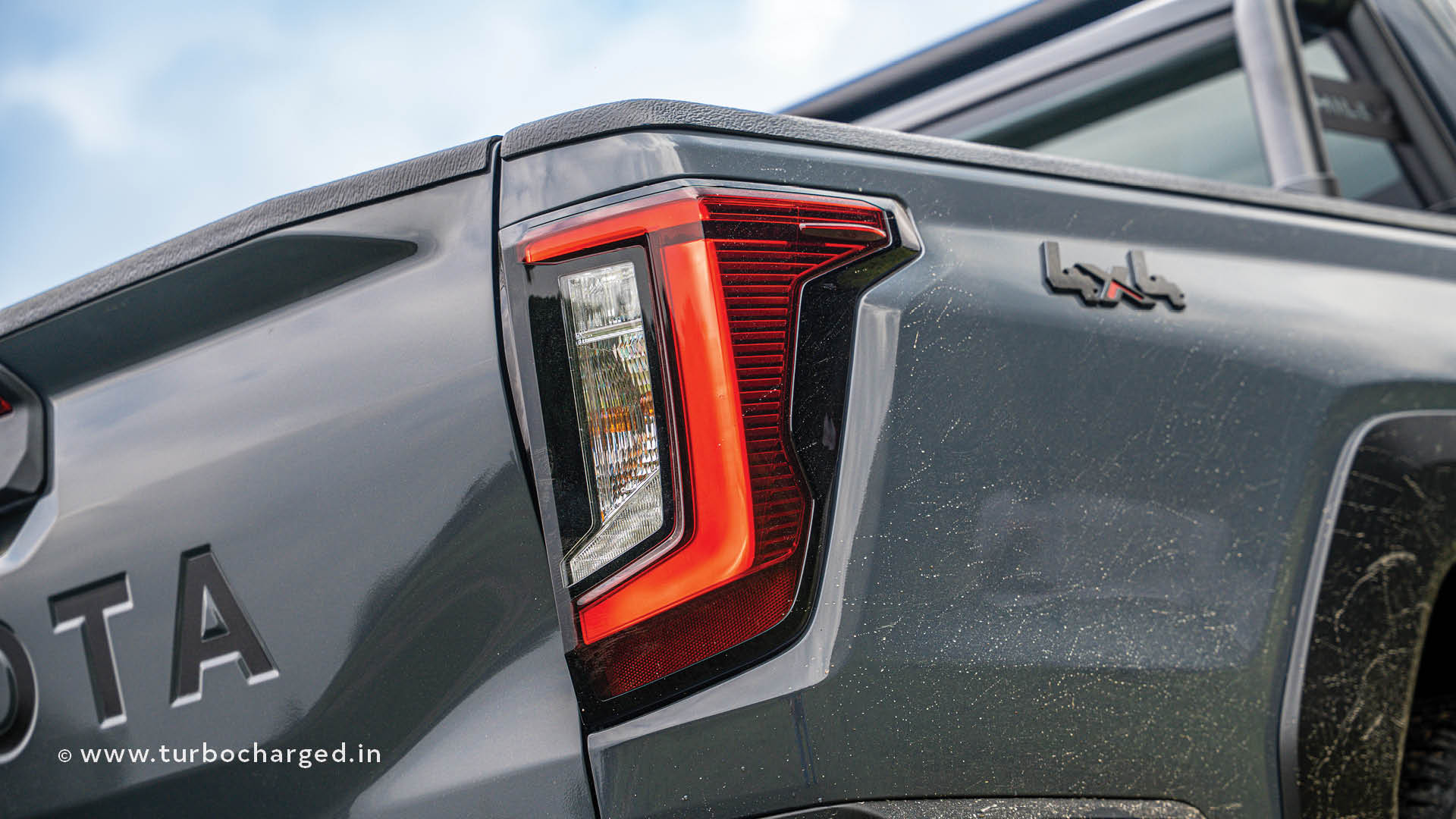
I’ll start with the design because that’s where the change is most obvious. This being a full generation change the new Hilux has no resemblance to the older one, and this one also looks a lot sleeker and more modern. But it seems to have traded some of the ruggedness of the older one in the quest to look modern and more appealing. The headlamps are slimmer, and the grille almost looks like it was designed for the electric version first, and then slapped onto the petrol and diesel versions! The front bumper is sculpted and has sharper creases, with more contemporary detailing. The overall silhouette looks considerably more polished, and even the rear end looks more modern thanks to the new tail lamp design.
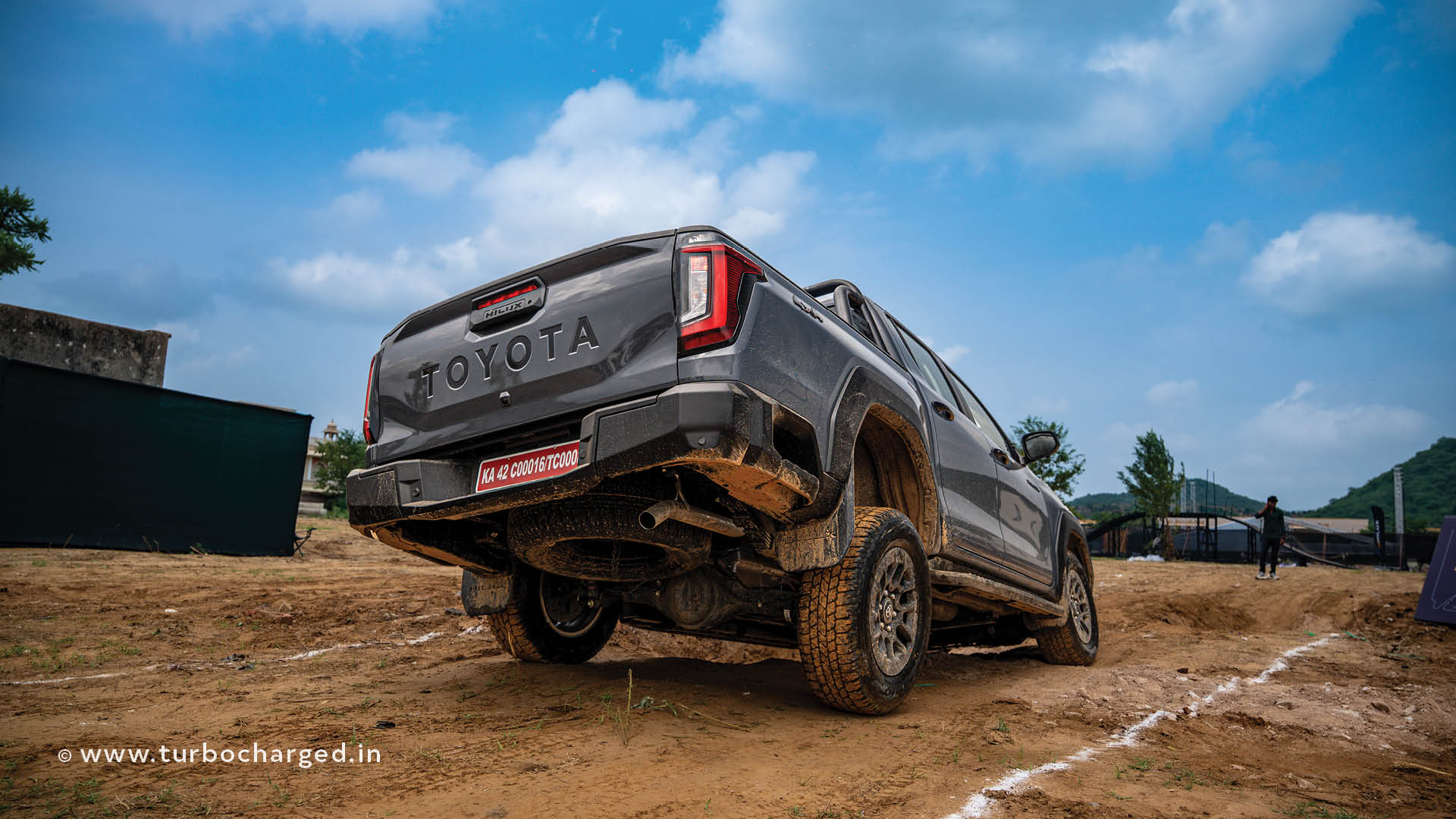
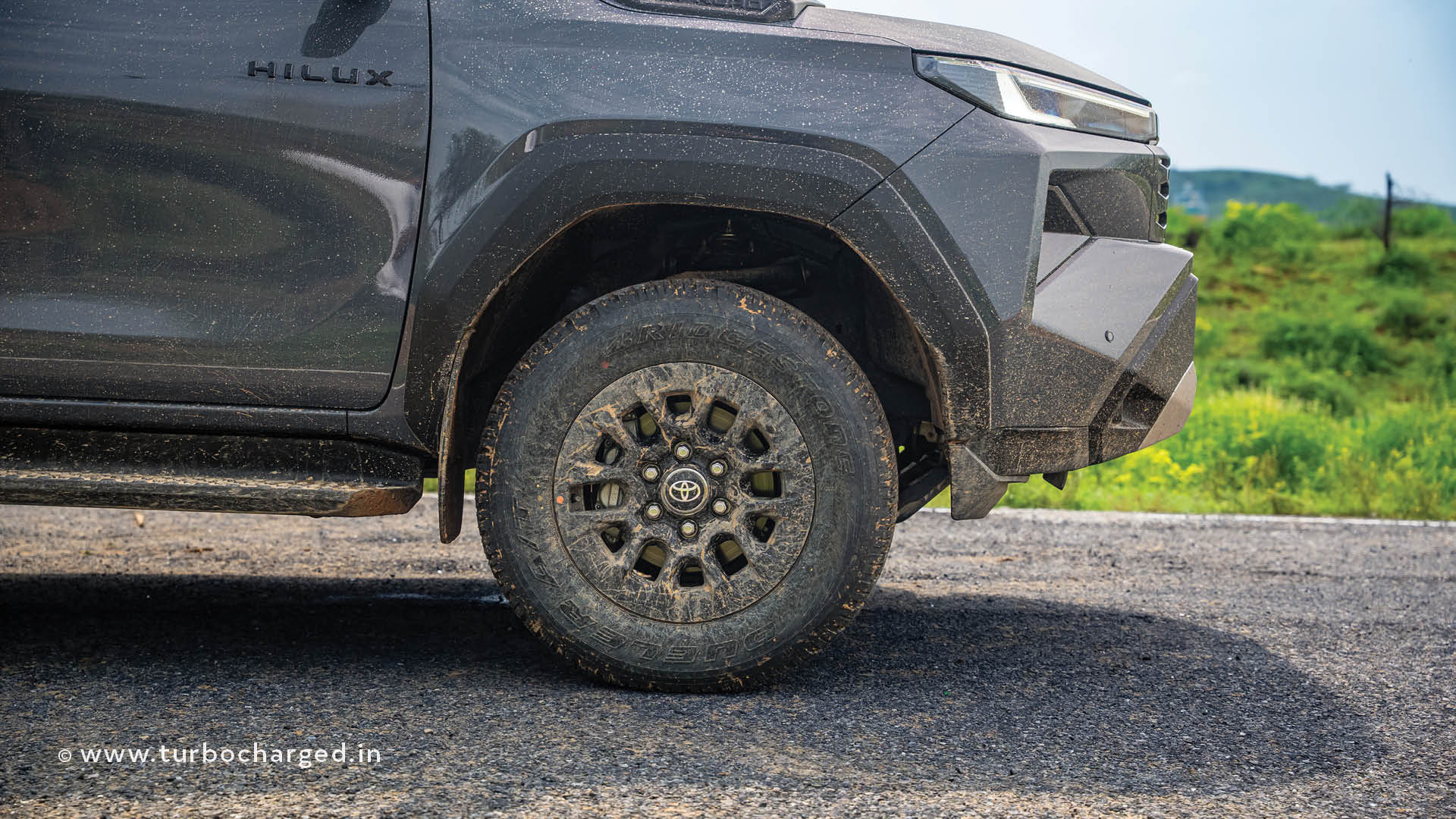
So yes, the new Hilux certainly has road presence, but I’m not sure it has quite the same rugged appeal as the previous generation. That Hilux looked like it could drive through a wall if you pointed it at one, this one looks like it would rather go around it! Toyota has also downsized the wheels to 17 inches from the older one’s 18-inch wheels, and the tyres now have taller sidewalls, which is a clever move. The large wheel arches, chunky tyres, high ground clearance and massive load bed do remind you that this is still a proper pick-up though. It’s also still a ‘body-on-frame’ and still looks like it could take a serious beating. But Toyota has clearly moved the Hilux towards the lifestyle end of the spectrum, which makes sense in many ways in the Indian context. Pick-ups are no longer bought only by people who need to carry stuff – some people just want something big, different and, well, cool!
The cabin has undergone an even bigger transformation. The old Hilux had a fairly utilitarian interior. This one doesn’t. The dashboard is cleaner, the steering wheel is new (it reminds of the Land Cruiser Prado’s), and the 8.0-inch driver display and 12.3-inch infotainment screen make the cabin look a lot more modern. There’s more technology too. But then you start touching things, and that’s where things aren’t quite as impressive. Some of the plastics feel hard and slightly cheap, which is surprising given how much more sophisticated the cabin looks. And there’s another oddity. Toyota has actually taken away some of the equipment the previous Hilux got in India. Automatic climate control, for instance, is gone. You now get a manual setup instead. Why? I’m not sure!
Leather upholstery is gone too, and the front seats are not powered or ventilated either, besides which there’s no rear defogger either – all are features that should have absolutely been there in the top variant at least, given the more lifestyle positioning! It’s not all doom and gloom though as the cabin is as spacious as before, and the layout easy to get used to. I also like the fact that Toyota has retained physical controls for important functions. There’s modern connectivity, wireless Apple CarPlay and Android Auto and a wireless charger too. So yes, the Hilux feels considerably more contemporary, but I just wish some of the materials matched the design!
Big news for India is something you cannot see – for the first time, Toyota is offering a rear-wheel drive version, which I reckon is a smart move. Not everyone buying the Hilux is going to spend weekends crawling over rocks or driving through slush. Some will simply want the look, the space and sheer presence, and for them, the 4×2 makes perfect sense. It’s also heartening to note that the India-spec Hilux continues to use Toyota’ bulletproof, 2.8-litre, four-cylinder diesel engine producing 204PS and 500Nm, paired with a six-speed torque converter automatic. We only drove the top-spec, 4×4 this time though, which gets proper four-wheel-drive hardware like before. There’s plenty of grunt, and the engine has the kind of effortless torque delivery we’ve known it to boast. You also get Eco, Normal and Sport modes and of course, Sport is where you’ll have more fun.
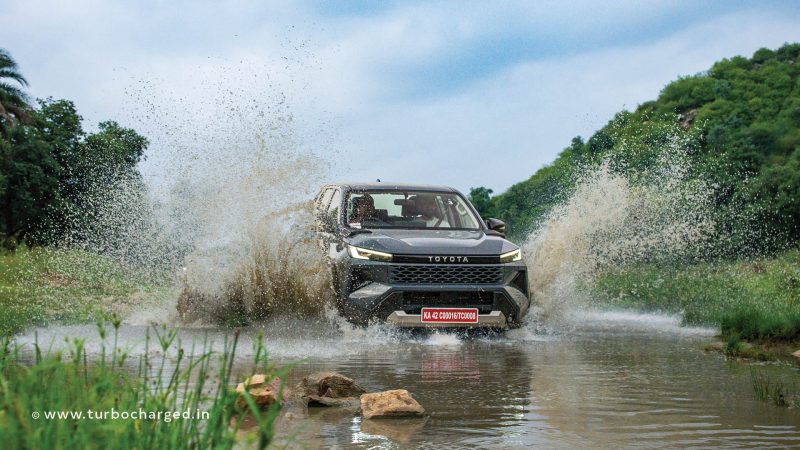
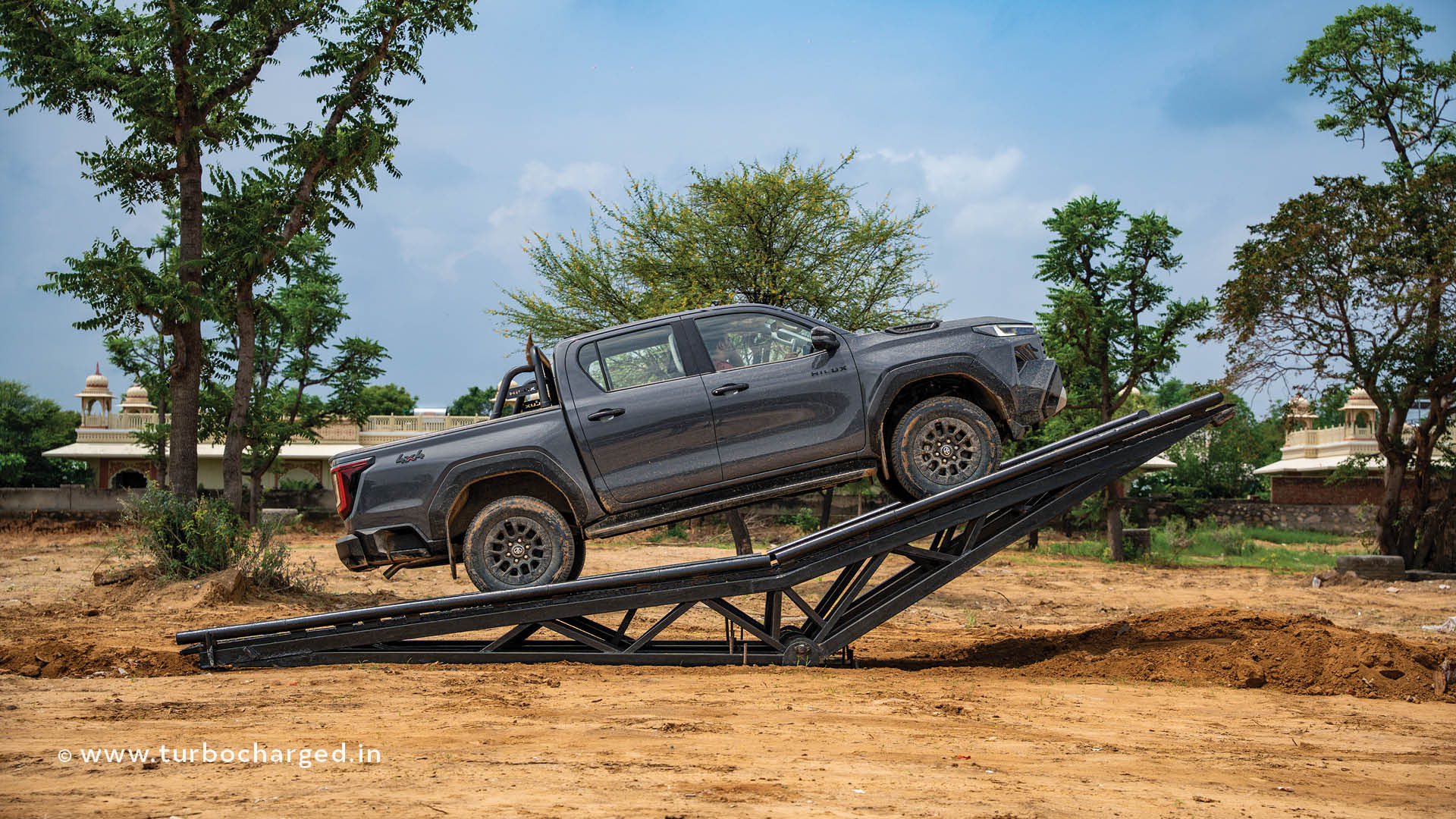
Toyota had also chalked out an interesting route for us to drive the Hilux on, most of which was off-road trails. And yet again, within minutes of driving it on the trails, it was crystal clear to me: if you’re buying a Hilux to actually go where the road ends, the 4×4 is the one you’ll need. Because this thing can go places that make most SUVs look rather silly. H4. L4. Electronic differential lock. Downhill Assist Control. Proper body-on-frame construction. The right ingredients are all there. Take it off tarmac, and the new Hilux reminds you what it really is about – it just keeps going! You point it at a nasty-looking climb, it crawls up. Throw rocks, mud, slush or broken terrain at it, and it simply shrugs them off, thanks to its low range and rear locking differential.
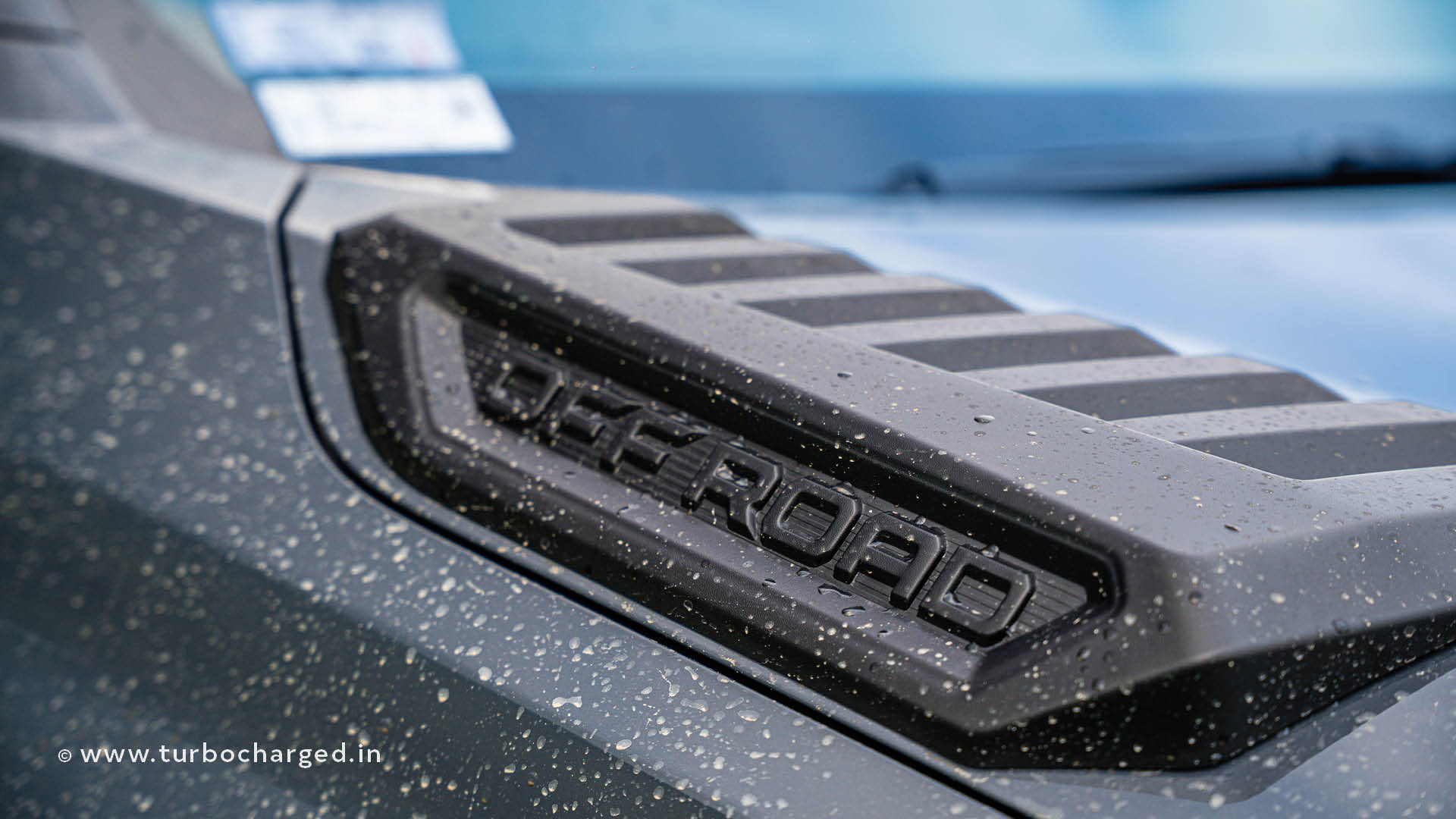
The suspension takes a beating without losing composure, and there’s always this feeling that the Hilux is going to survive long after you’ve given up. On the other hand, the ride quality feels good on tarmac, besides which, despite its large dimensions and overall length, the Hilux is also well-behaved on the road. Yes, the size can make it a handful in traffic, but then, it was never meant to roam around in concrete jungles. More importantly, it doesn’t feel delicate. You don’t drive it gingerly over rough terrain wondering what you’re going to break, you just drive it. The Hilux has this reassuring sense of indestructibility that very few vehicles can manage to replicate. Of course, the new one has changed. It looks sleeker. It feels more modern. The cabin is more contemporary and the 4×2 makes it more accessible to a wider audience.
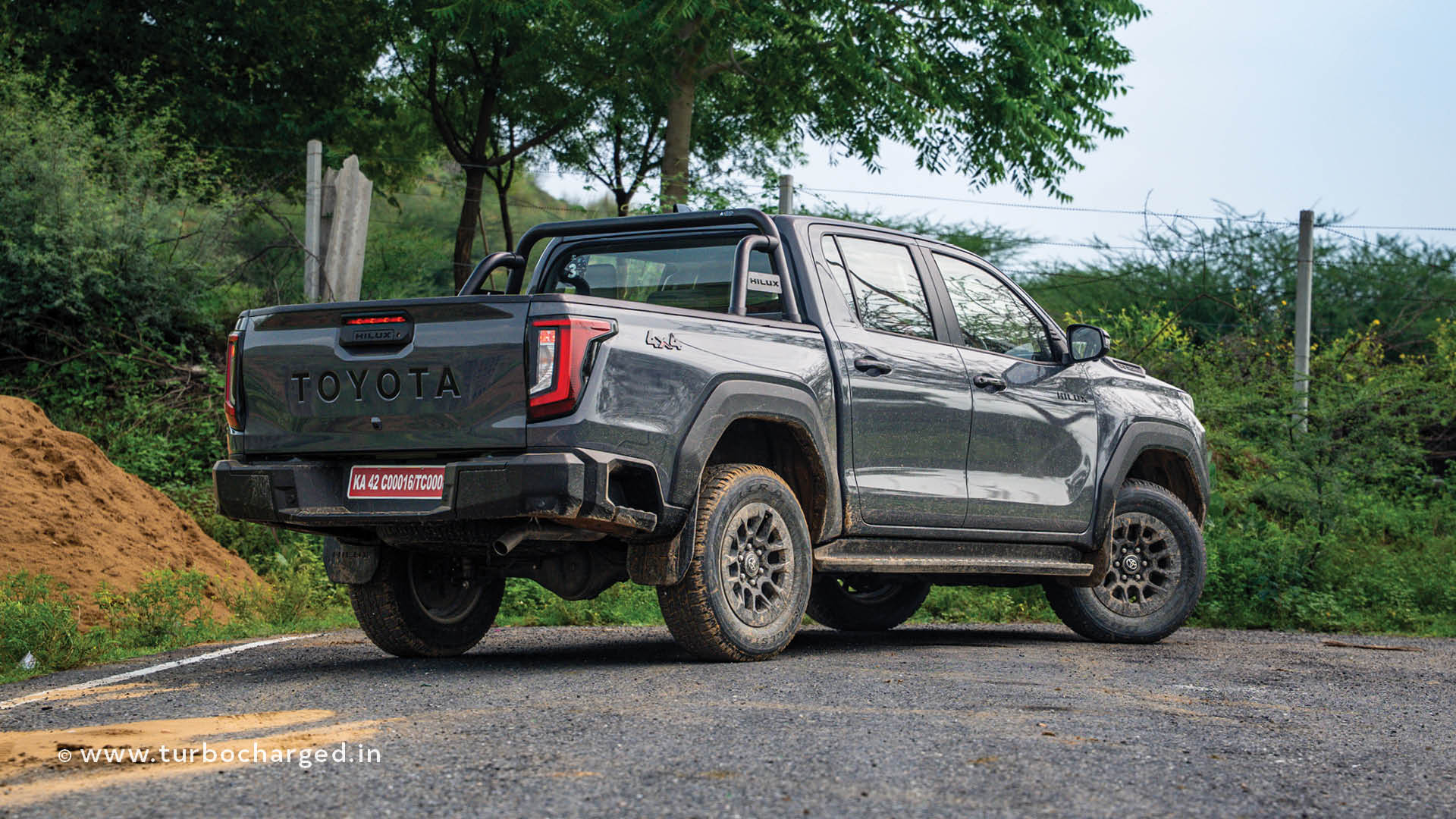
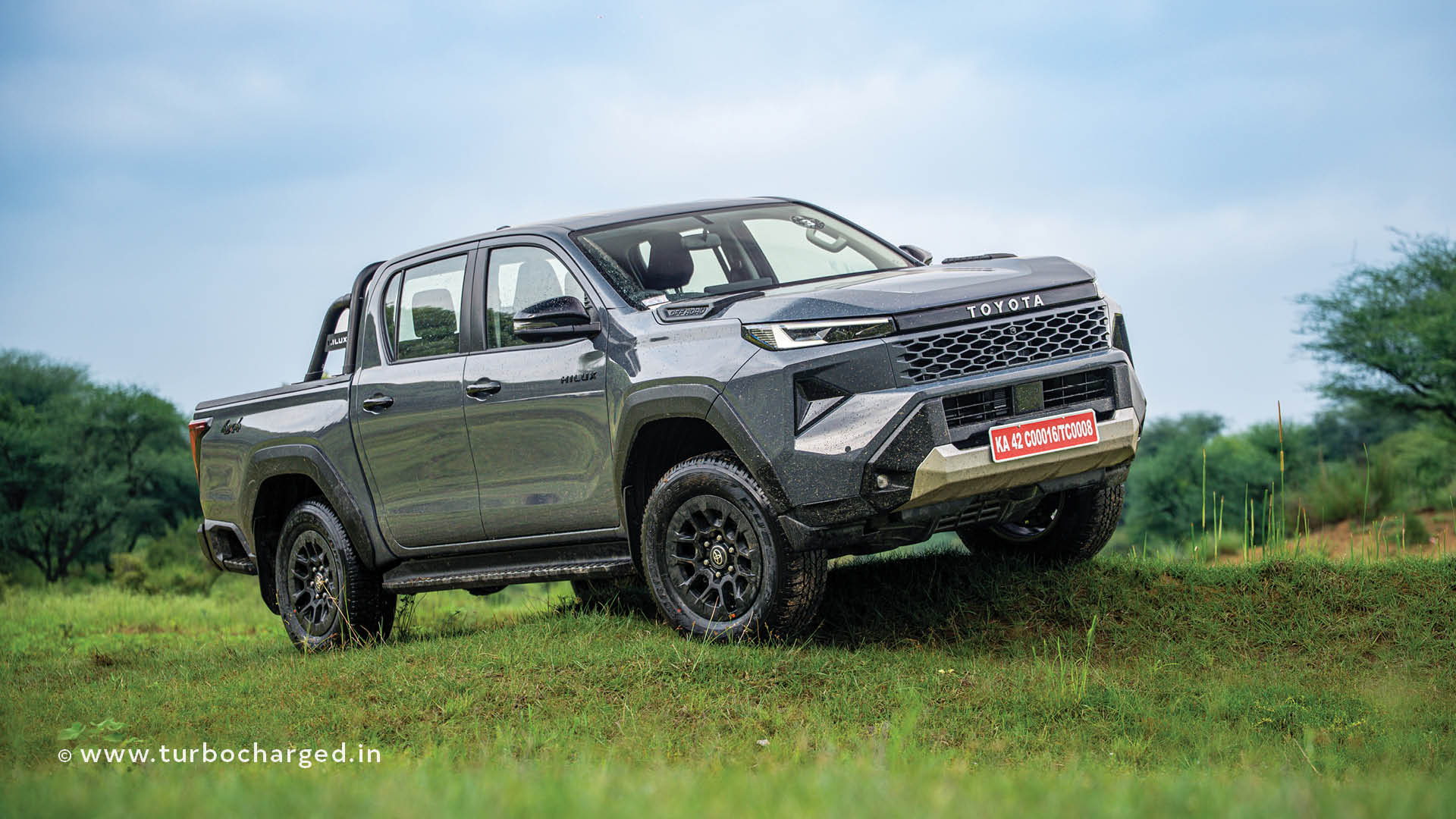
Yes, some of the old Hilux’s rugged visual appeal has been lost, and I’m still wondering why Toyota decided to take away things like automatic climate control. But then you leave the tarmac, and all of that becomes rather irrelevant, because underneath the new styling and modern cabin is the same basic Hilux philosophy. Tough. Capable. Uncomplicated. It still feels like it could survive an apocalypse, and then drive home afterwards. So yes, the new Hilux may have become a little more civilised, but thankfully, it hasn’t forgotten how to be a Hilux. And priced from ₹31.99 lakh ex-showroom onwards for the base 4×2 variant, it also costs lesser now!
Words Abhay Verma
Photography Saidatta Naik