
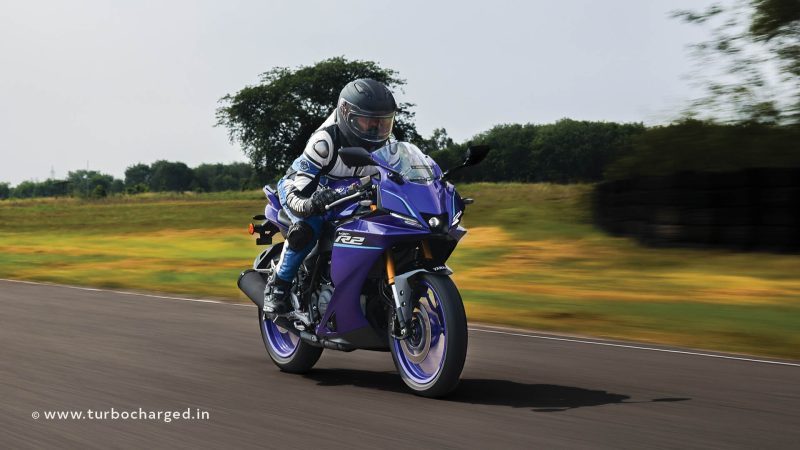
When it broke cover back in 2008, the Yamaha YZF-R15 was unlike anything Indian enthusiasts had envisioned. Some scorned it being called a ‘supersport’ despite the puny 150cc single-cylinder engine, but the R15 was quick – in terms of performance and lap times, and resultantly, to also dispel any qualms about its supersport status. The original R15 introduced an entire generation of Indian riders to the joys of a proper lightweight supersport with its Deltabox frame, high-revving engine and razor-sharp handling. It has enjoyed a cult status across its four generations, and after what feels like an eternity, Yamaha has launched the YZF-R2, a motorcycle meant to be the next step in the entry-level supersport space.
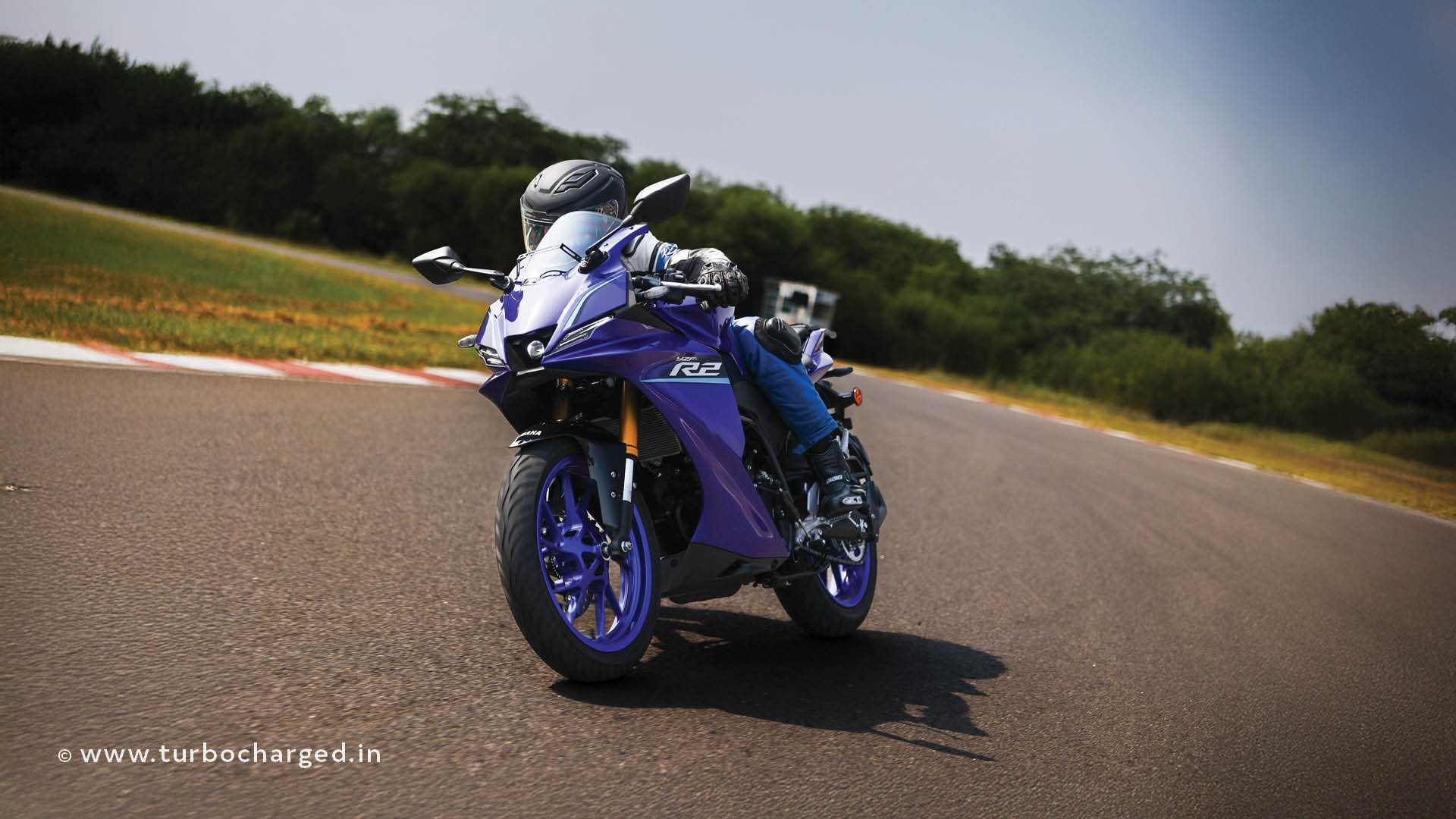
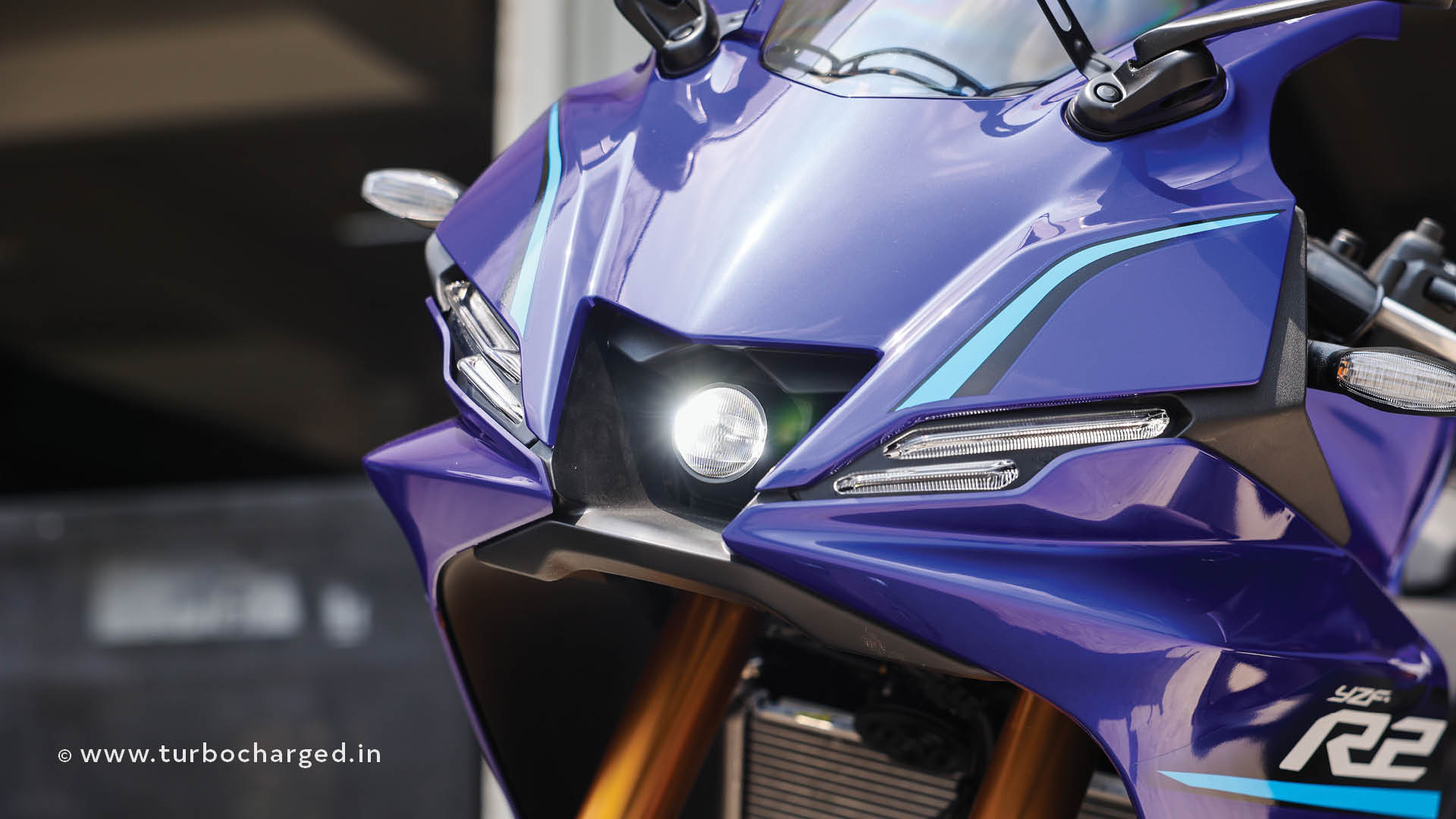
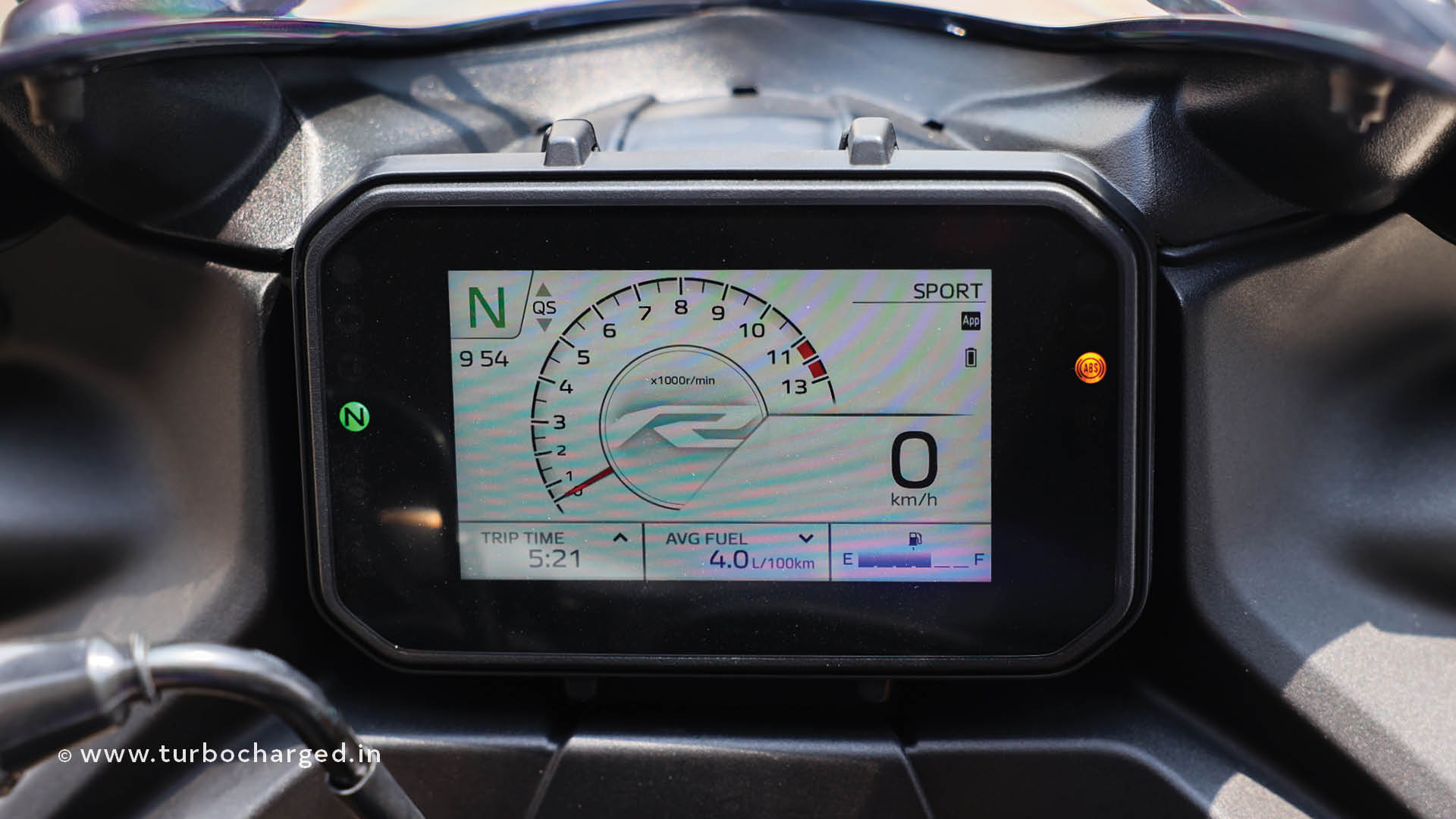
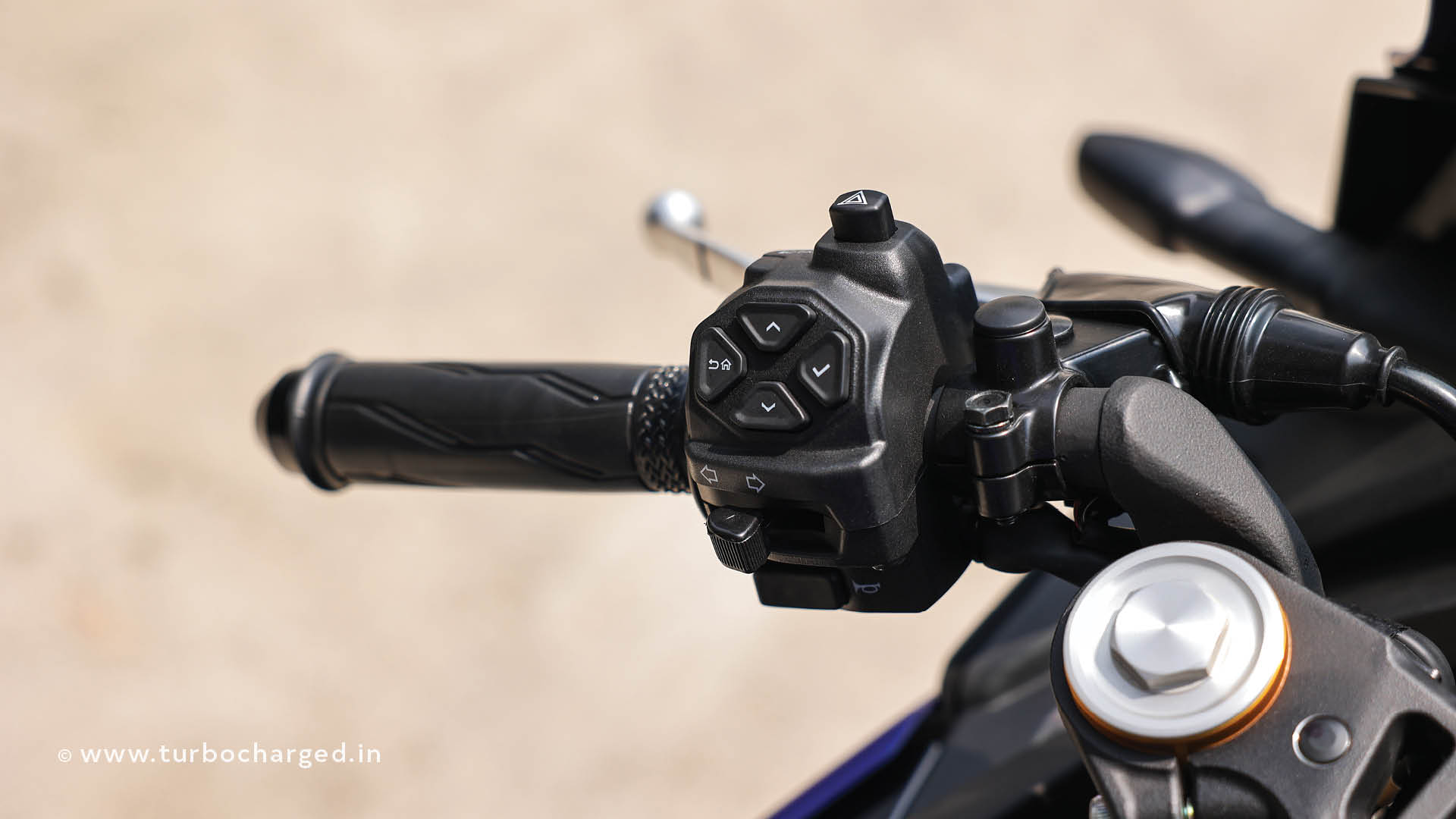
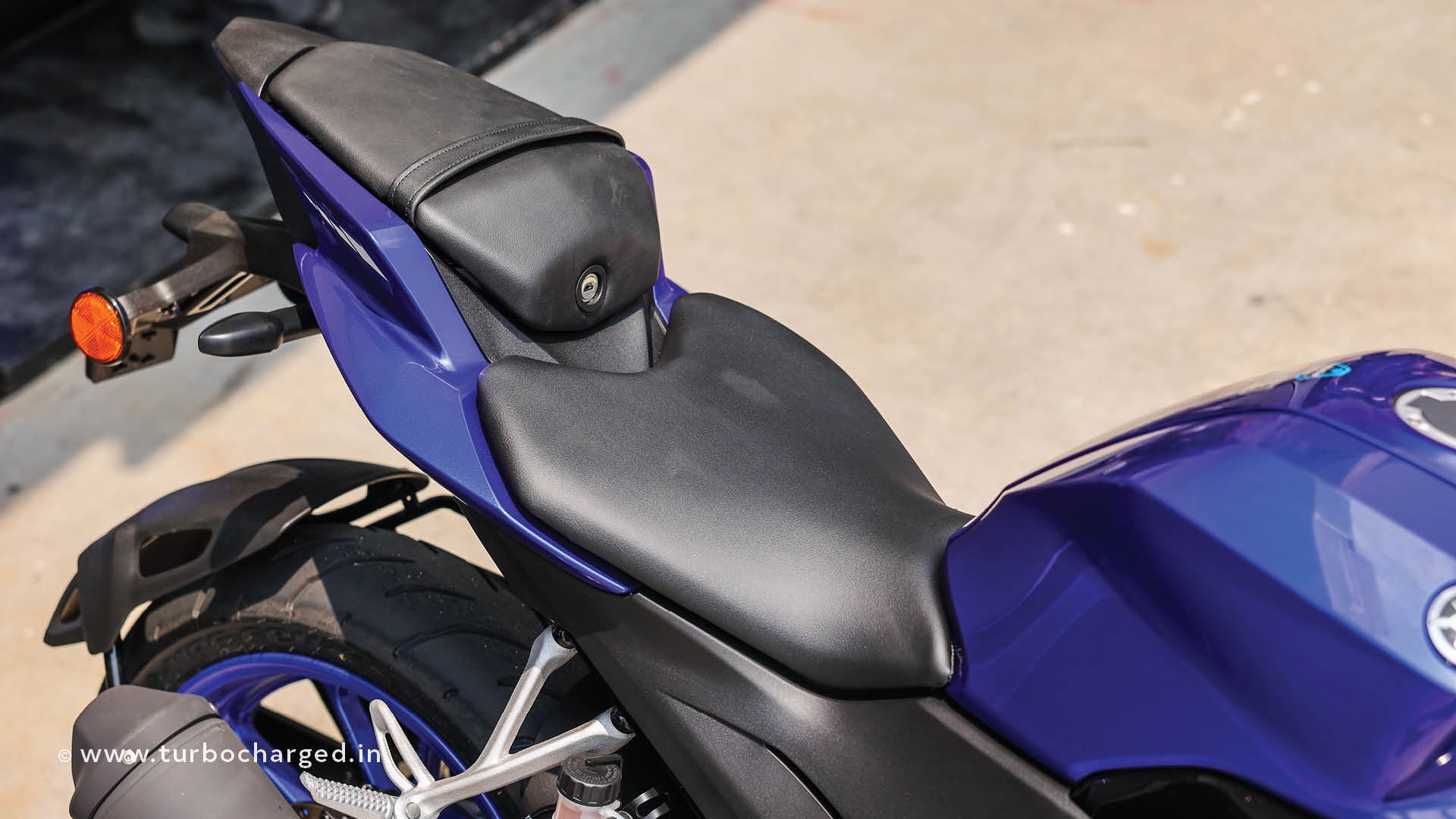
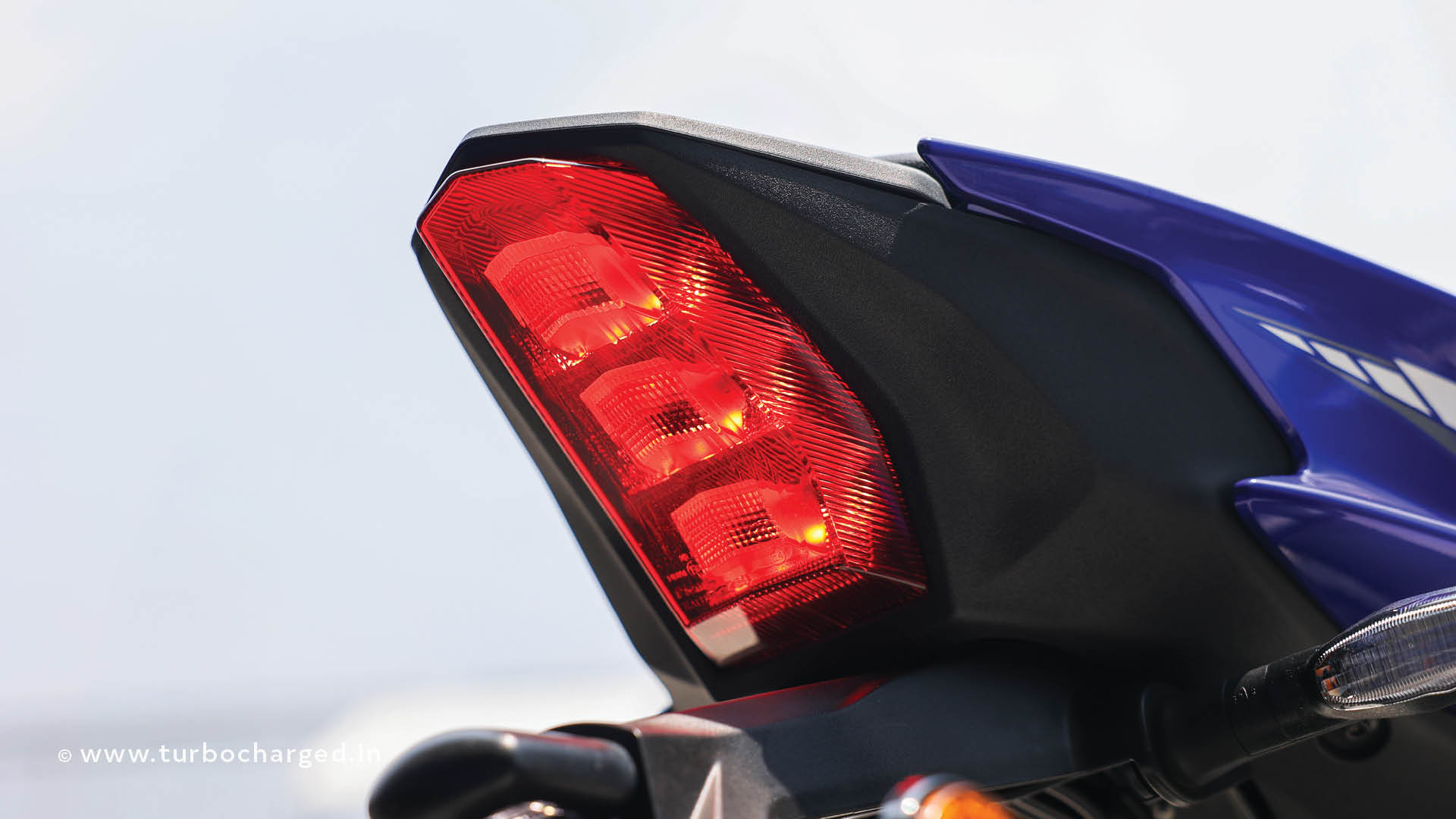
Visually, the R2 looks every bit the modern YZF-R-series motorcycle, though admittedly, it looks a little too similar to the R15. That said, the aggressive front fairing, sharp LED lighting and sculpted bodywork give it the right proportions, even if the design feels derivative rather than distinctive. It looks purposeful and makes a great first impression in that sense, especially when you consider the target audience. The slim tail and overall stance are pure supersport, while the seating position is committed but not too aggressive, and it feels perfect, familiar even. Seat height is down by 5mm to 810mm, and should offer shorter riders better reach. The instrument cluster display is a 5.0-inch TFT unit and I like its layout and how neatly information is displayed.
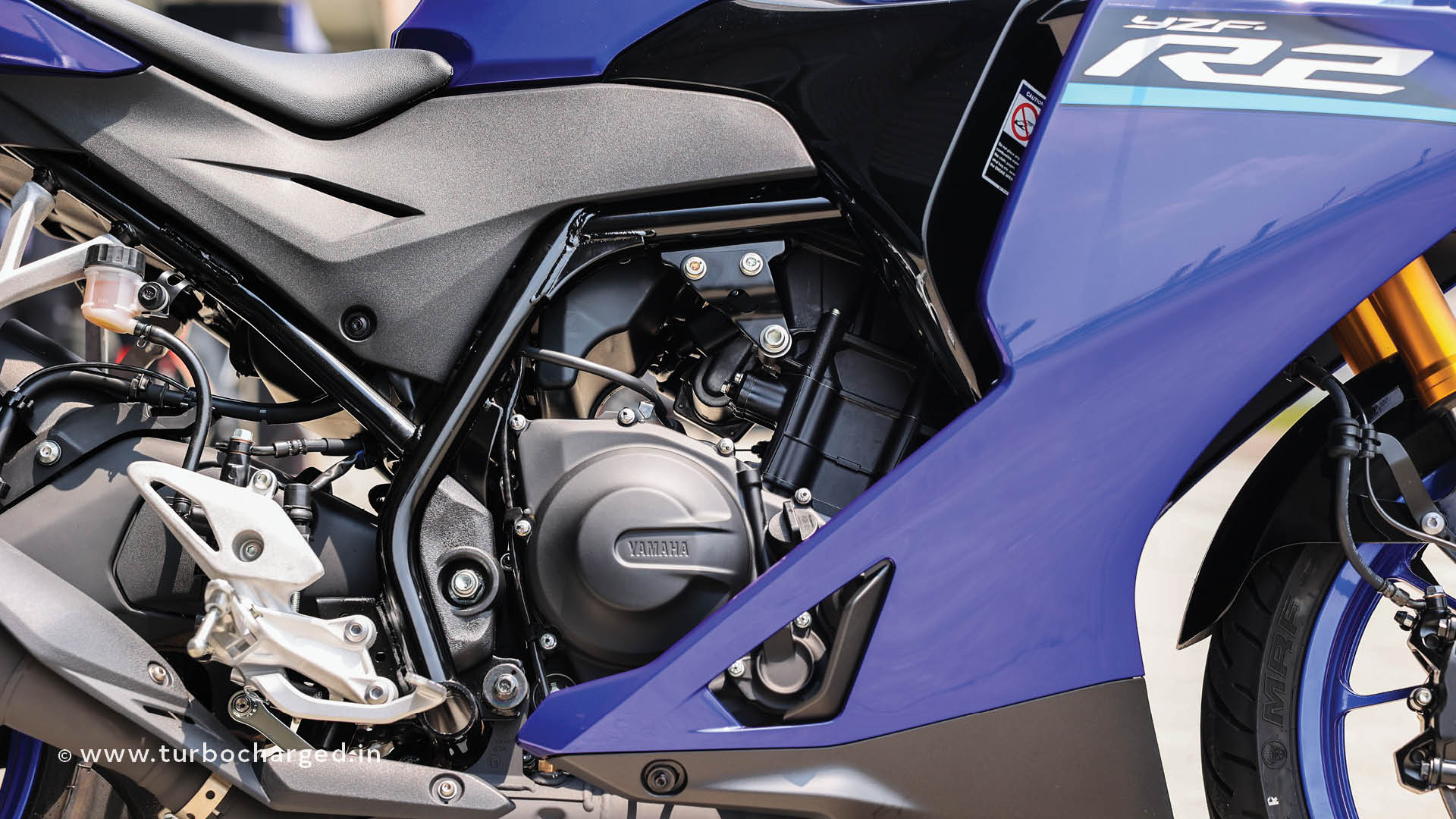
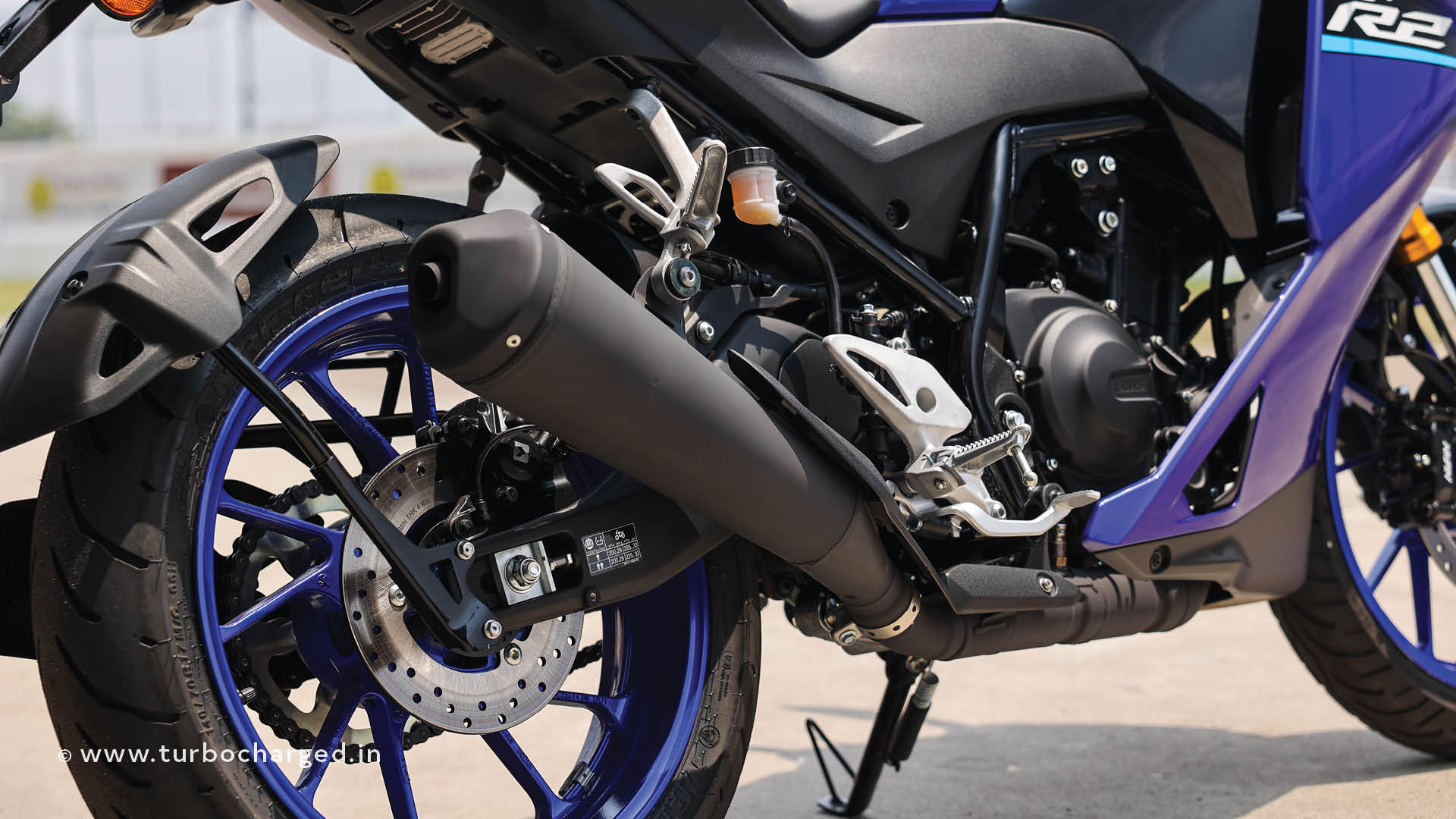
Fit-finish levels are excellent and overall, there’s a lot to like about the R2 even at standstill. Intriguingly, Yamaha has also moved away from its trademark Deltabox frame and gone in for what is essentially a tubular diamond frame. This might sound like a step-down, but the R2’s unit is anything but that. More importantly, the R2 is powered by an all-new 204cc, liquid-cooled, single-cylinder, four-stroke engine with a DOHC, four-valve layout. It produces 26.5PS at 10,000rpm and 19.1Nm at 8,000rpm, and is paired with a six-speed gearbox with an assist-and-slipper clutch. The engine also gets a finger-follower rocker-arm valvetrain with Diamond-Like Carbon (DLC) coating, technology derived from Yamaha’s legendary YZF-R1. There is no VVA here either, and again, like the R2’s frame, this is a move that had armchair racers scorn at launch.
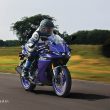
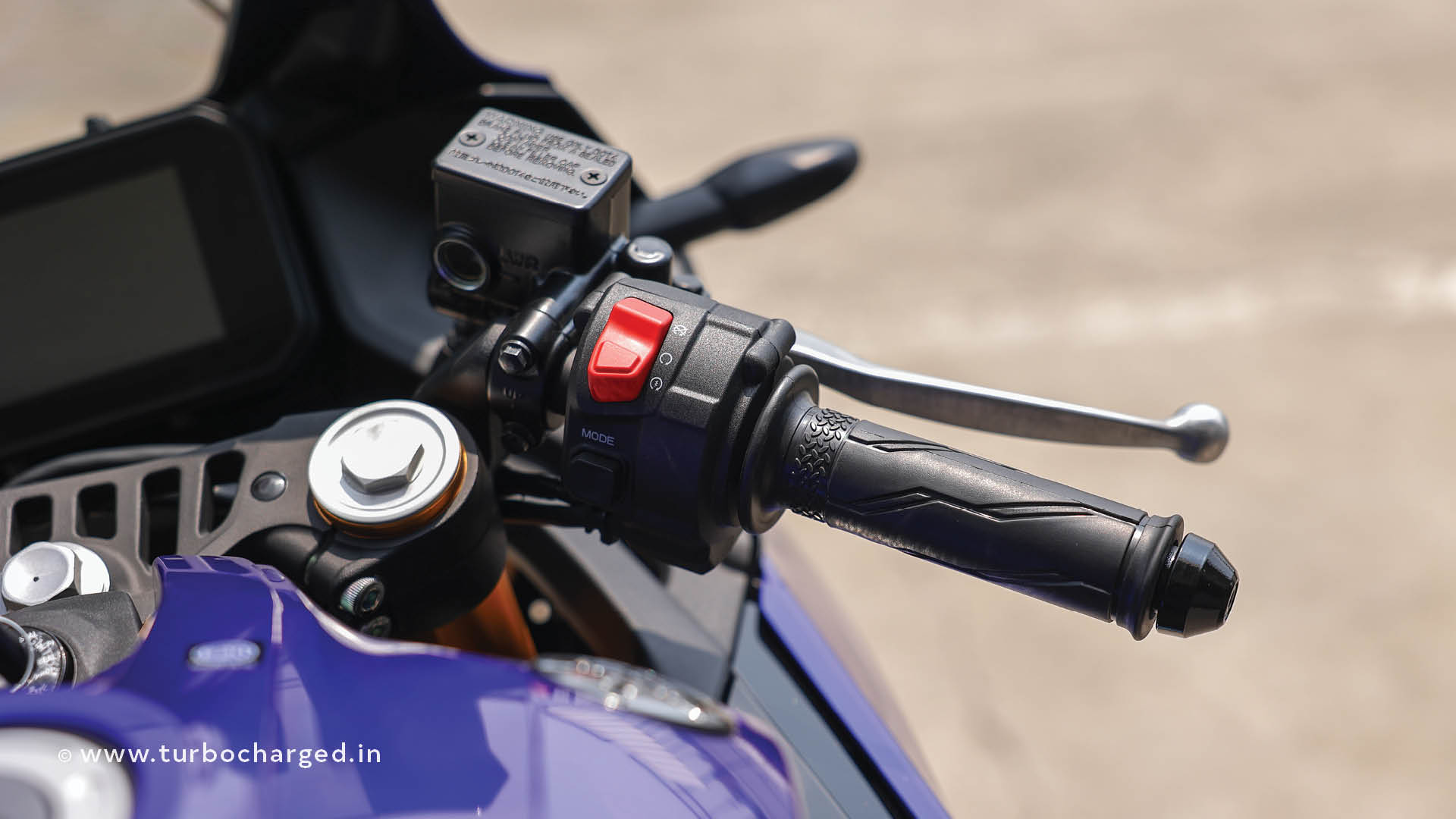
The proof of the pudding is in the eating, as they say though. The engine feels eager to rev, and has that characteristic DNA we’ve known Yamaha’s sportsbikes to offer. Power delivery is peaky as you would expect which means the bike needs to be revved and the gearbox also likes a bit of a workout, but the experience feels rewarding enough for you to want to keep at it. We only managed to get our hands on the quickshifter-equipped R2 which gets a quickshifter but not adjustable suspension unlike the R2. We’re not complaining though because as a sportsbike, there’s a lot to like about the R2’s formula. It does not feel like a quantum leap over the R15 on track, though it does feel like a step-up. The engine revs freely and there’s a likeable feel to the performance, besides which the single-cylinder unit also sounds good. There’s good drive out of corners and throttle responses are progressive, which should help novice riders as well.
At 149kg kerb, the standard R2 is about 9kg heavier than the R15, but Yamaha has focused on compact packaging, chassis geometry and weight distribution to keep the motorcycle agile. The bike is suspended on 37mm upside-down front forks at the front and a link-type rear monoshock while tyre sizes are 100/80 R17 at the front and 140/70 R17 at the rear. The setup helps the R2 feel composed and predictable on track, with handling that lives up to Yamaha’s reputation. The bike also feels agile and changes direction quickly, while offering ample confidence to carry speed through corners. The MRF tyres are adequate for most riders, but I reckon a stickier set of Michelins or Pirellis would offer more grip and potentially help shave a few tenths off lap times.
Our 20-minute track session helped me understand the R2, and at the end of it I realised that its engine characteristics and chassis and suspension come together to offer an experience that left me wanting for more track time. And that’s exactly what a sportsbike is meant to make you feel like, right? For that matter, the R2 makes you want to commit on track, and when you do so, rewards you with a feel that a lot of other small capacity, sporty motorcycles are unable to match. We’re yet to ride the motorcycle on public roads, but there’s a lot to like about the R2 already – it’s quick to endear itself to you, just like the R15 did, and in that sense, this is a job well done. Yes, it is intriguing that Yamaha didn’t do a full-blown quarter-litre R25, but as a successor to the iconic R15, the R2 is very impressive. Prices begin from ₹2.30 lakh ex-showroom for the base version which does not get a quickshifter or riding modes, but is a very promising option for riders looking to step into the fascinating world of sportsbikes.
Words Saidatta Naik