

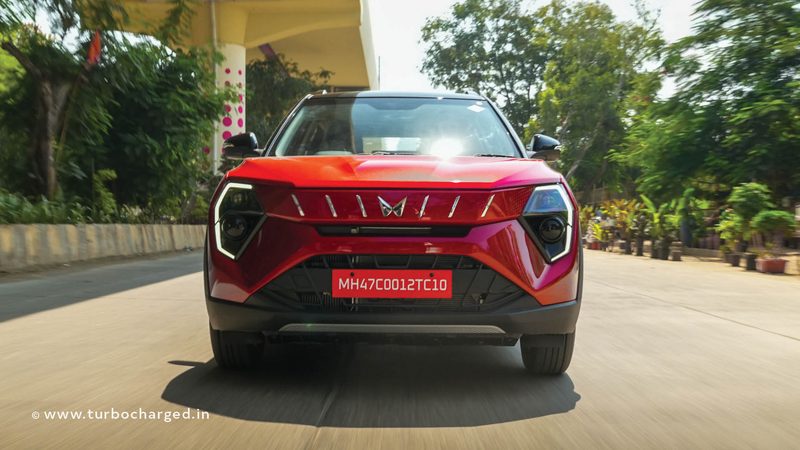
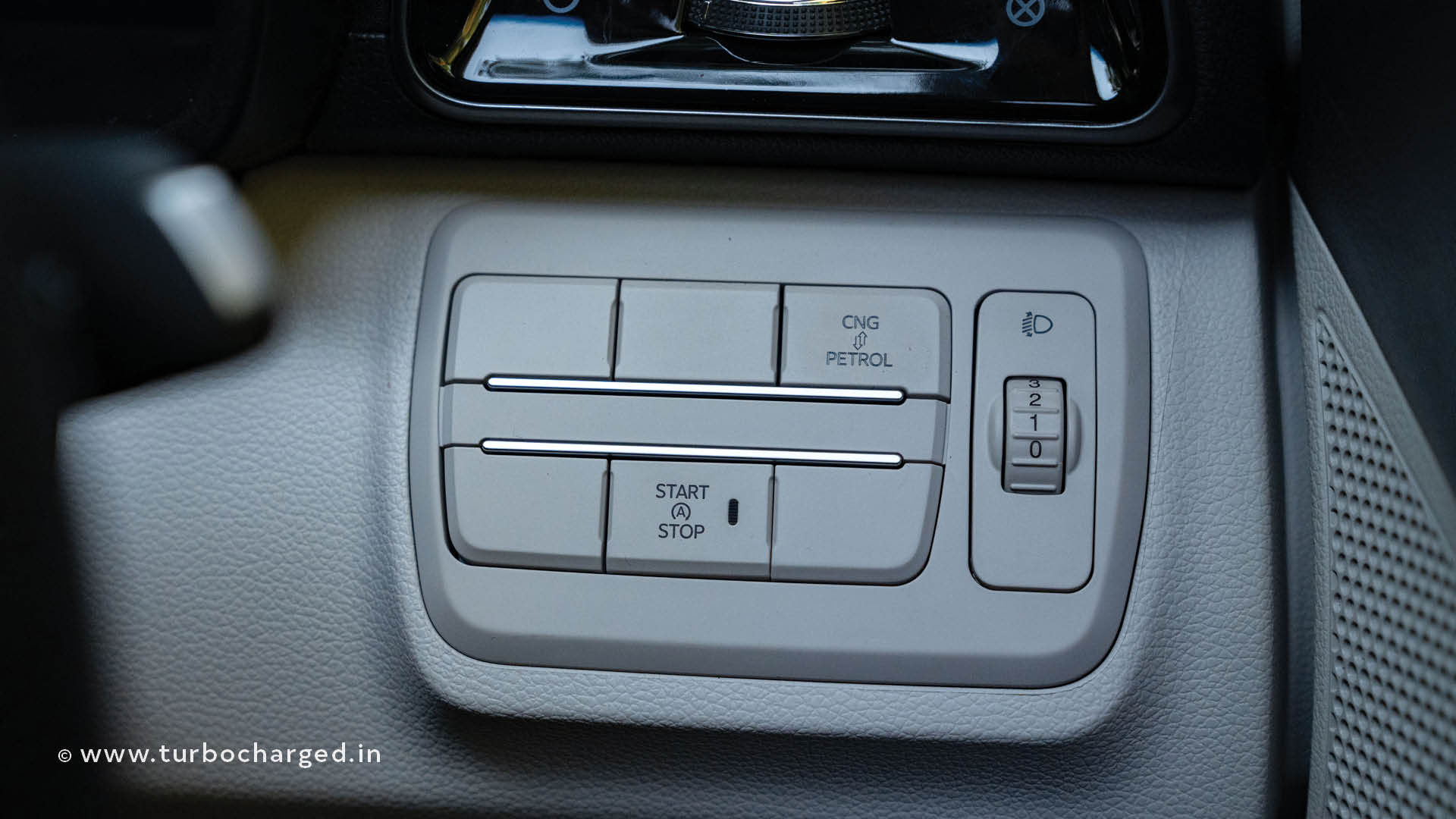
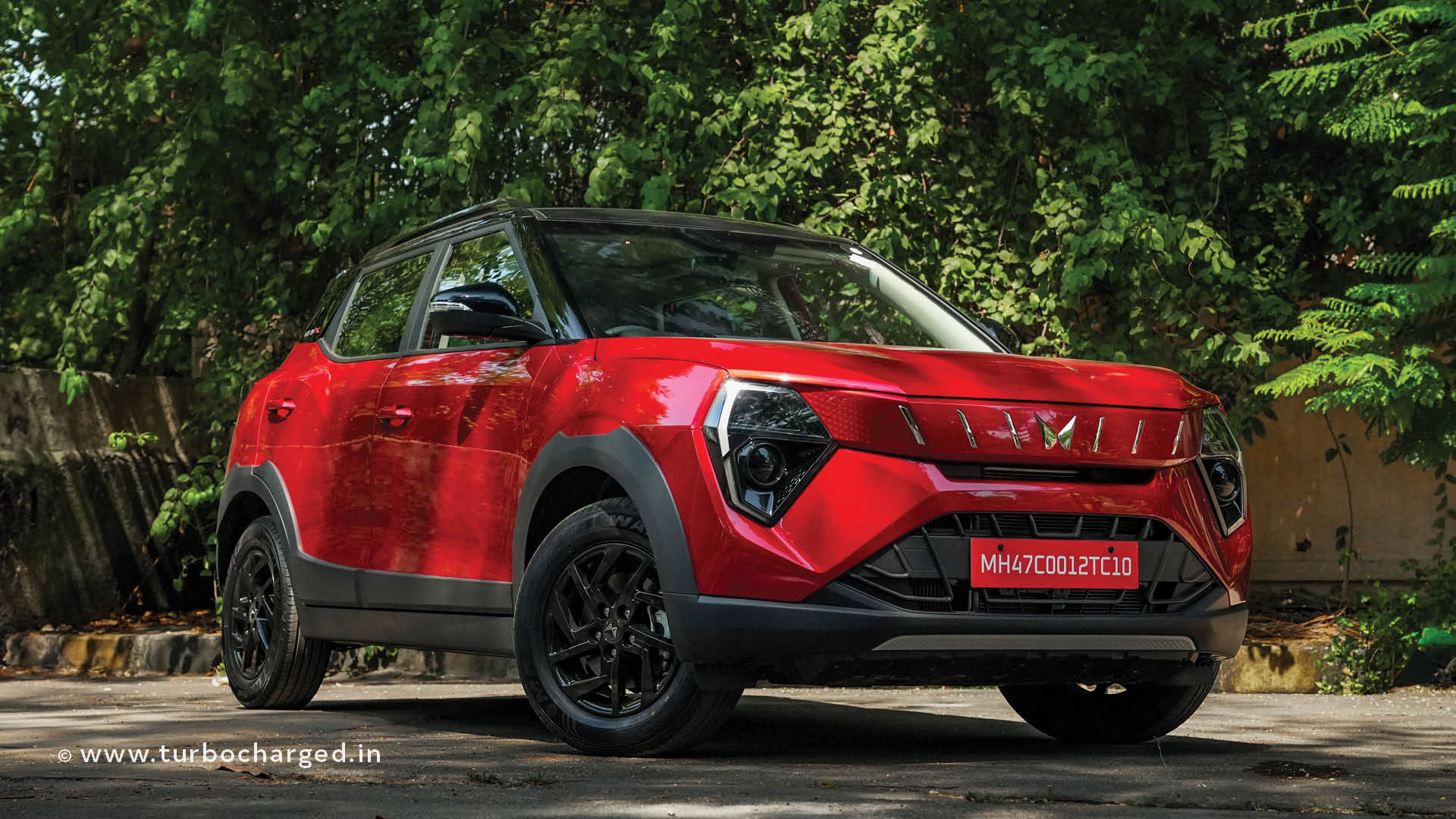
One of the key aspects of the Mission: Impossible movie series is that the missions are always offered with an option, and the voice states, “…your mission, should you choose to accept it…” which provides a choice. It may not be the best of choices, but there is the option of doing nothing, at least theoretically. Granted, if those agents chose NOT to accept their missions, we wouldn’t have this highly entertaining series, but they could have chosen to walk away. Mahindra also could have engineered a CNG-powered car where there is the inevitable loss of output when switching from petrol to CNG, but instead, they chose the mission to make a CNG-fuelled vehicle with zero power drop when switching over, with the Mahindra XUV 3XO ZNG — its first-ever CNG car.
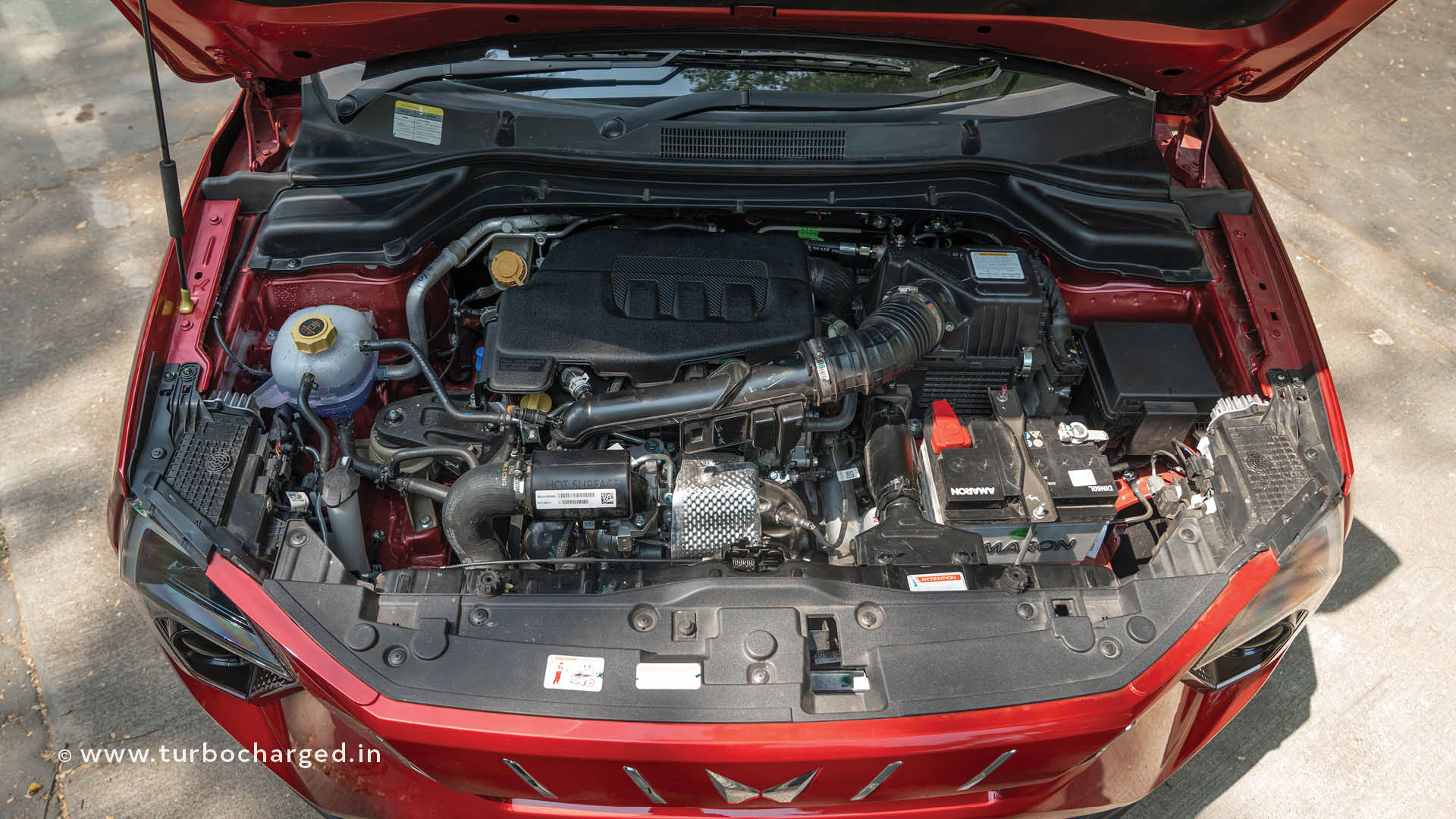
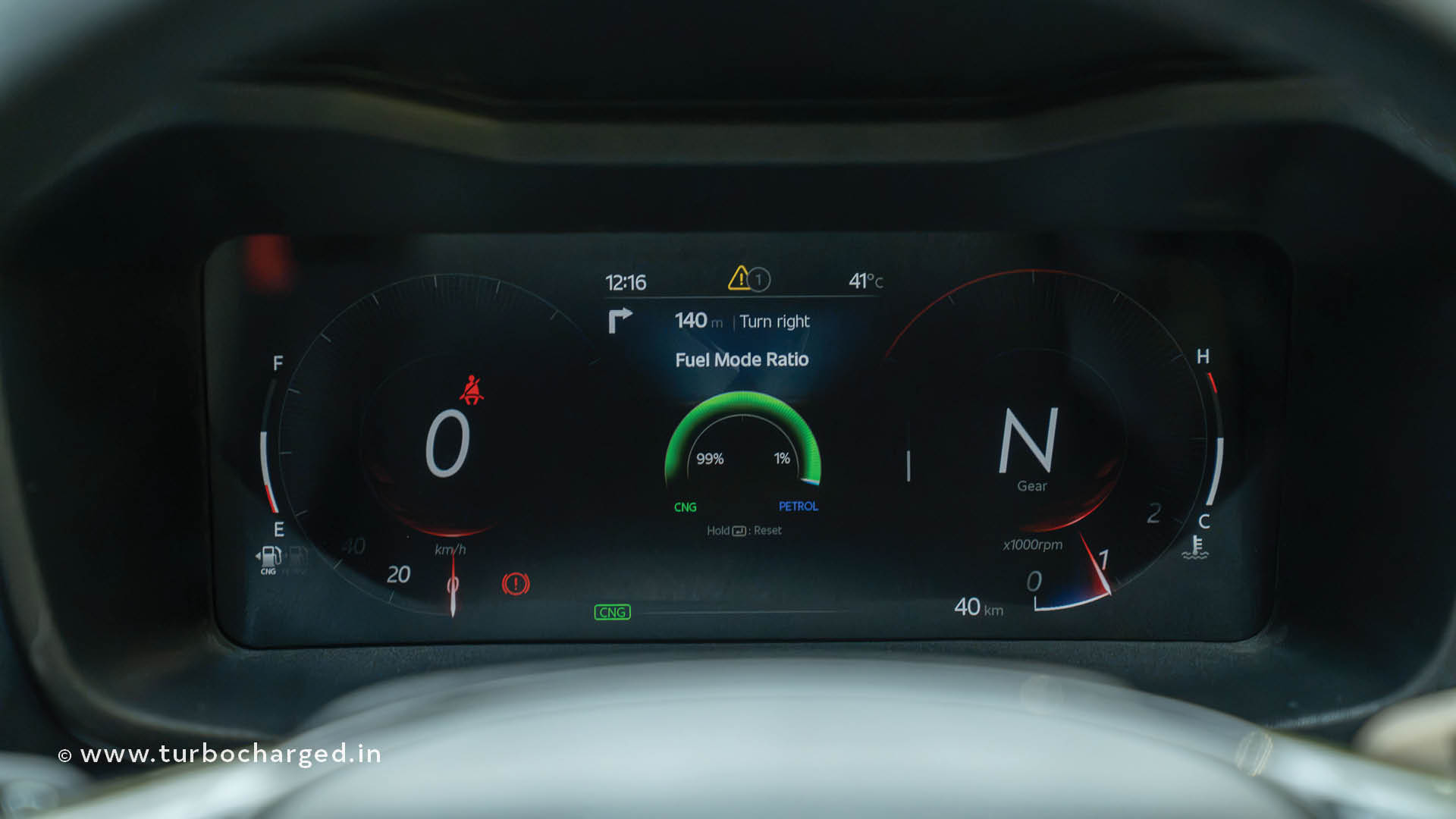
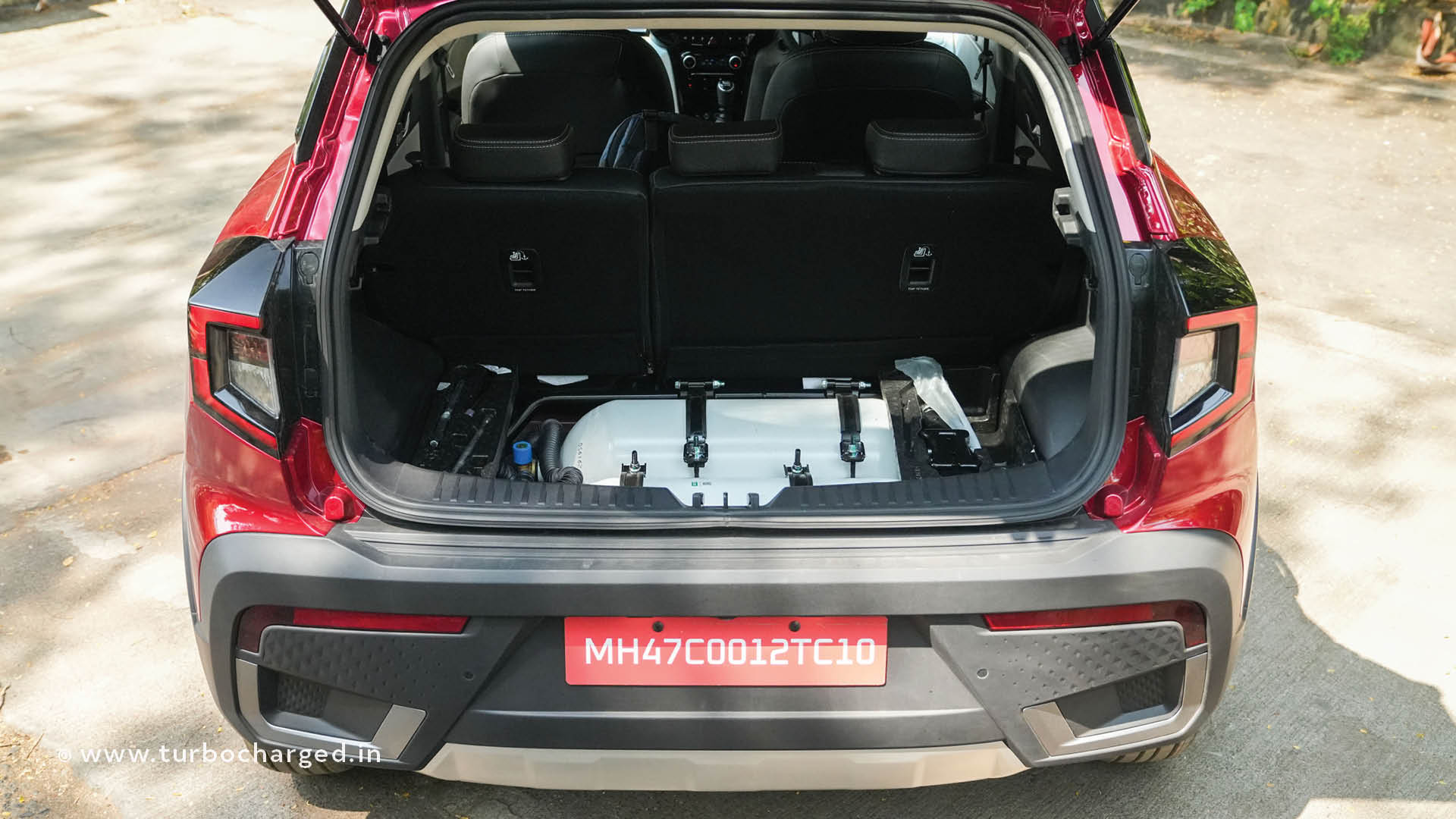
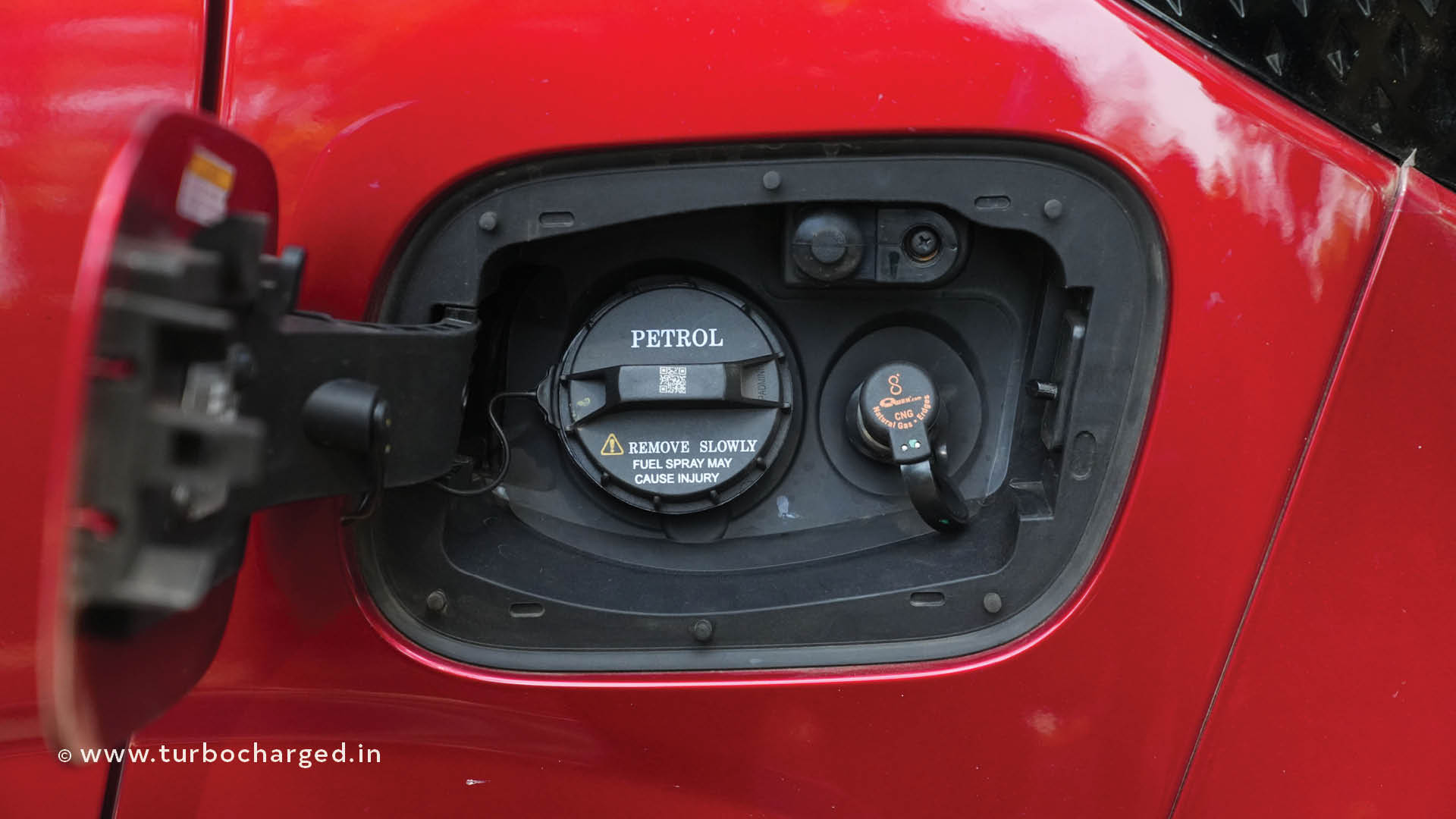
How did Mahindra pull this off? To understand that, we need a quick refresher on WHY cars lose power when they switch over from petrol to CNG, despite CNG having a higher RON. Petrol enters the engine as a fine mist, taking up very little volume inside the combustion chamber, which is not the case with CNG, as it is in gaseous form when entering the cylinders. Thus, the CNG displaces some of the air available for combustion, effectively lowering the volumetric efficiency of the engine and, in turn, lowering the output. Mahindra has found a way around that, which is to raise the pressure at the injector to 10 bar (nearly ten times that of the atmospheric air pressure at sea level) instead of the usual 1.5-2.5 bar they operate at. This results in much better volumetric efficiency, as the mStallion 1.2-litre engine pumps out 111.45PS and 200Nm — figures which are identical to the mStallion MPFi (it would not be fair to compare it with the TGDi engine, which has 130PS and 230Nm). They even optimised the turbocharger itself for the CNG application.
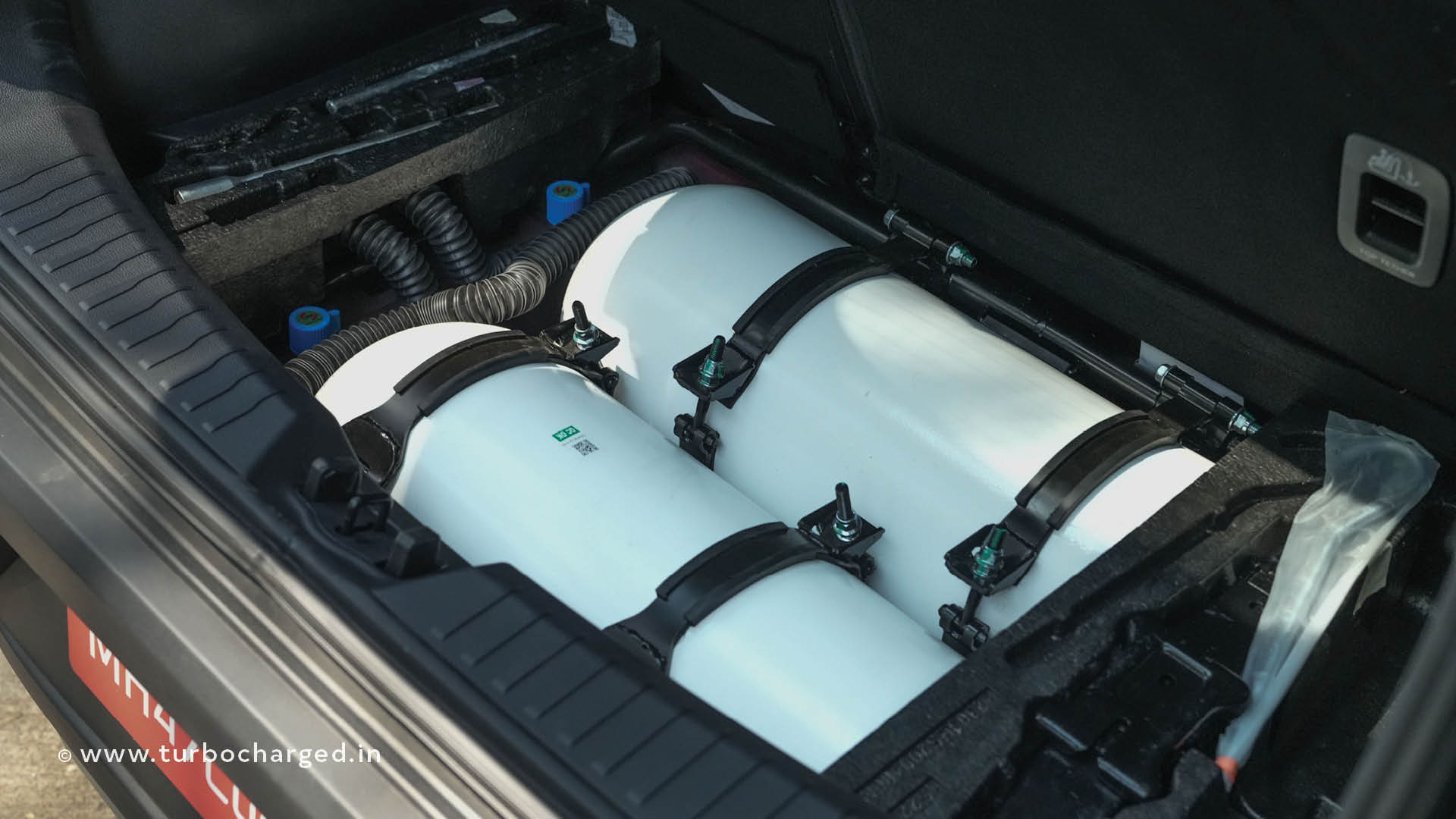
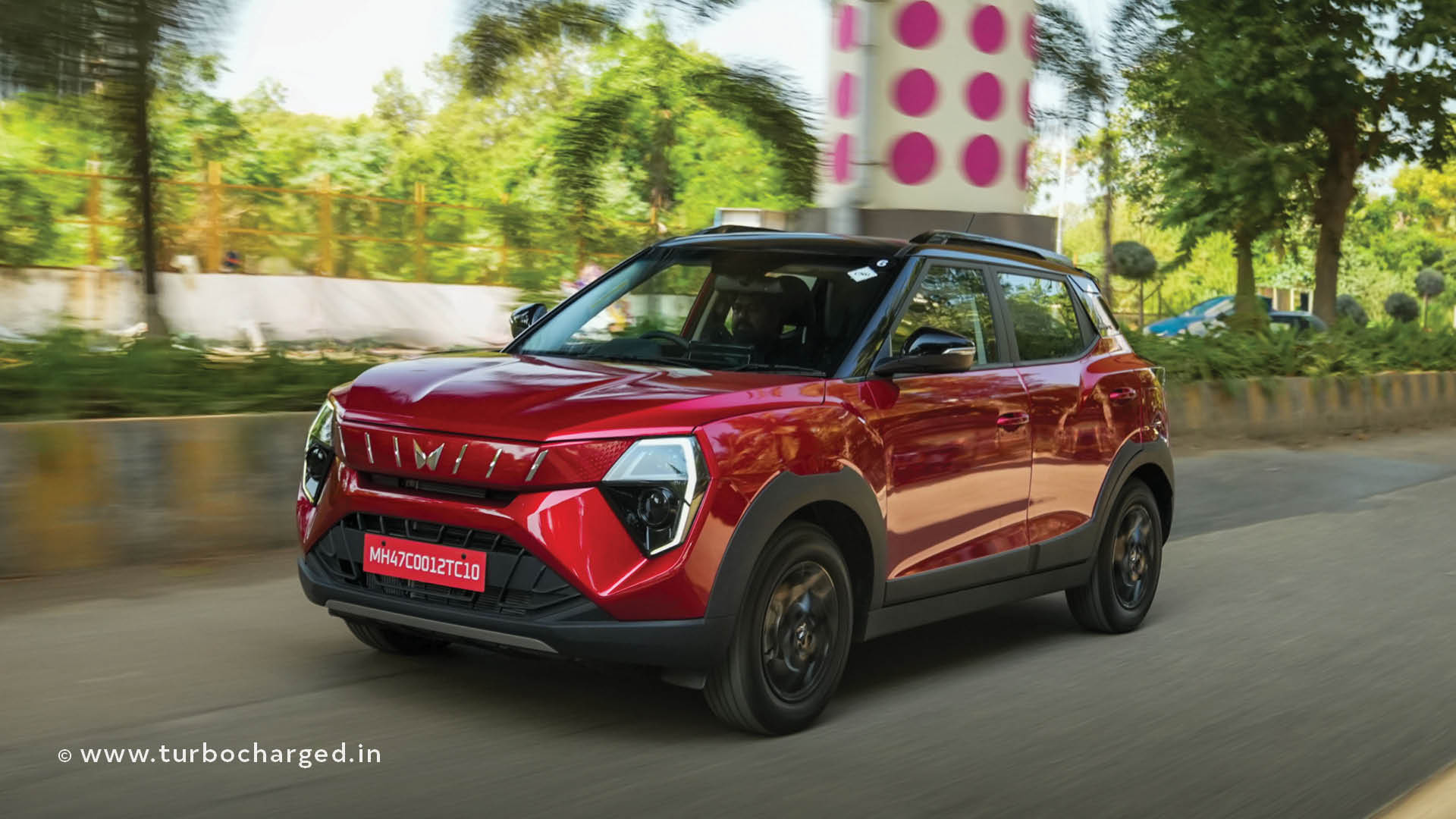
So what does the most-powerful Indian CNG-powered car feel like from behind the wheel? It feels completely normal, which is the biggest compliment I can bestow upon it. The changeover between petrol and CNG is so incredibly smooth that even when you are listening for it, you can barely register the almost-imperceptible change in the engine note. According to Mahindra, the XUV 3XO ZNG accelerates to 60kmph from a standstill in 4.9 seconds, and hits 100kmph in 11.8 seconds, despite a weight penalty of around 100kg over the petrol version. Some of the extra weight comes from the use of high-boron steel in the front and rear of the car, for added protection for the CNG componentry in the event of a collision. This has not diminished its braking performance in any discernible way, as the XUV 3XO ZNG comes to quick halts and responds well on tight turns, even when taken at high speed, as we found out on the gymkhana track!
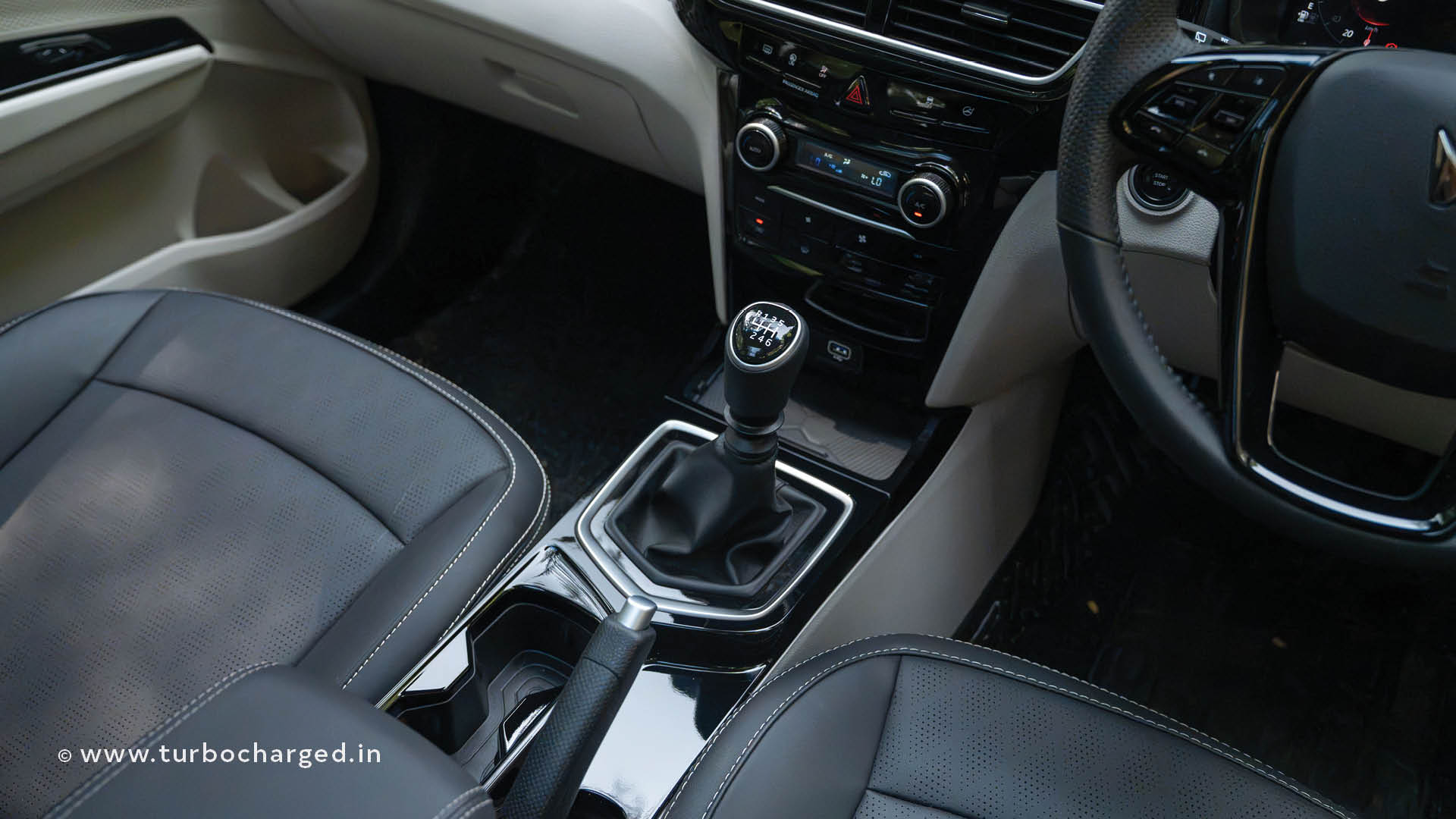
We also tested it thoroughly in the real world, and the world doesn’t get any more real than the hazardous streets of Bombay, strewn with potholes, speedbreakers, rumble strips, acute turns, unexpected flyovers, suicidal auto rickshaws, semi-hidden traffic lights and the terrifying feeling that you are being watched…by the Bombay Traffic Police via their cameras. The XUV 3XO ZNG passed this gauntlet with flying colours, as I felt instantly comfortable in the car, literally and figuratively; literally, as it still has one of the rides of anything in its class, it is borderline magical with such a short wheelbase, which, in turn, gives it the agility to thread through traffic, which made me feel comfortable…figuratively. The manual transmission was slick, but lacked a little bit of positive action, though it is definitely an improvement from the XUV 300 days (unfortunately I only drove the XUV 3XO petrol with an automatic, when it was launched).
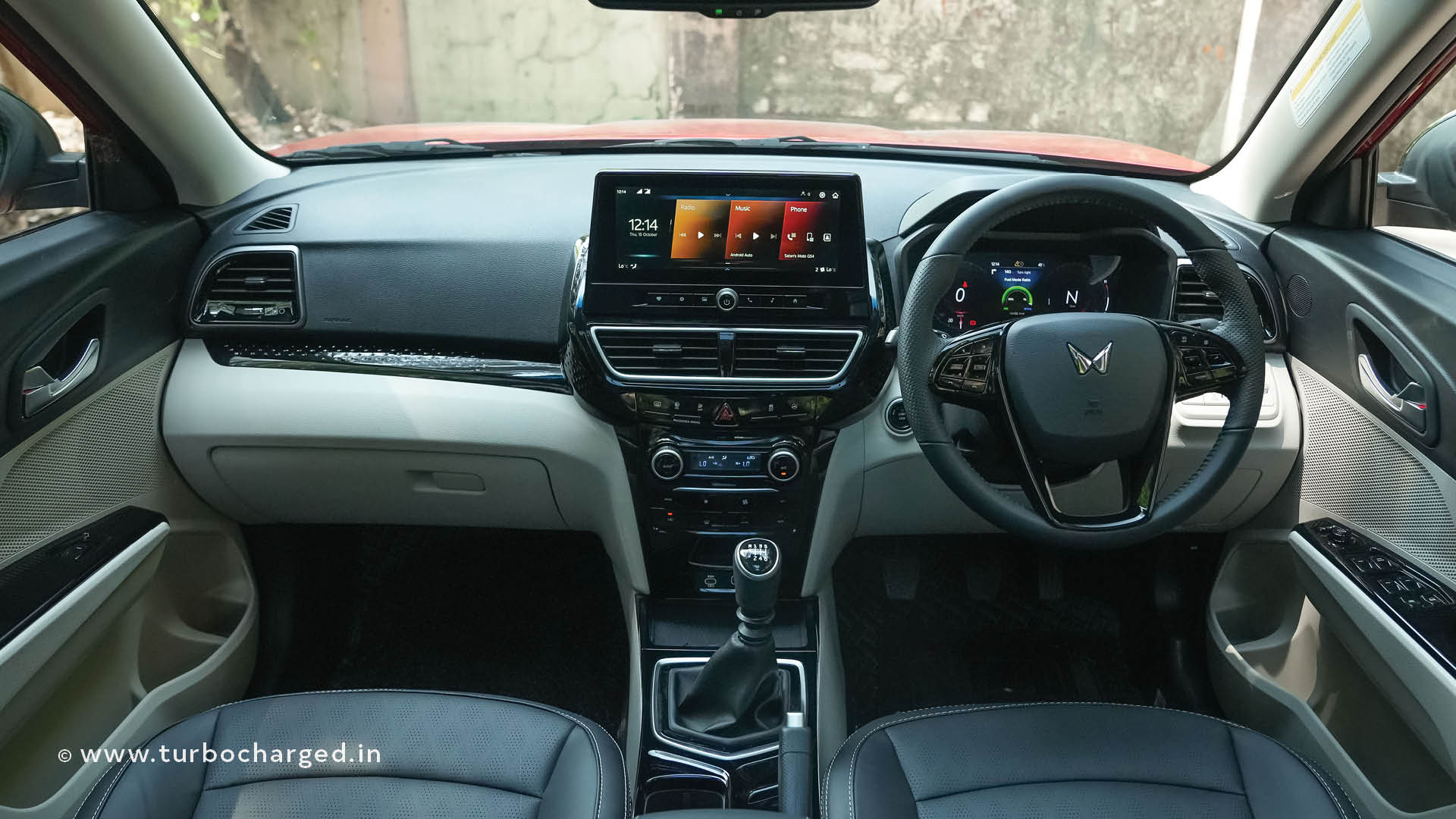
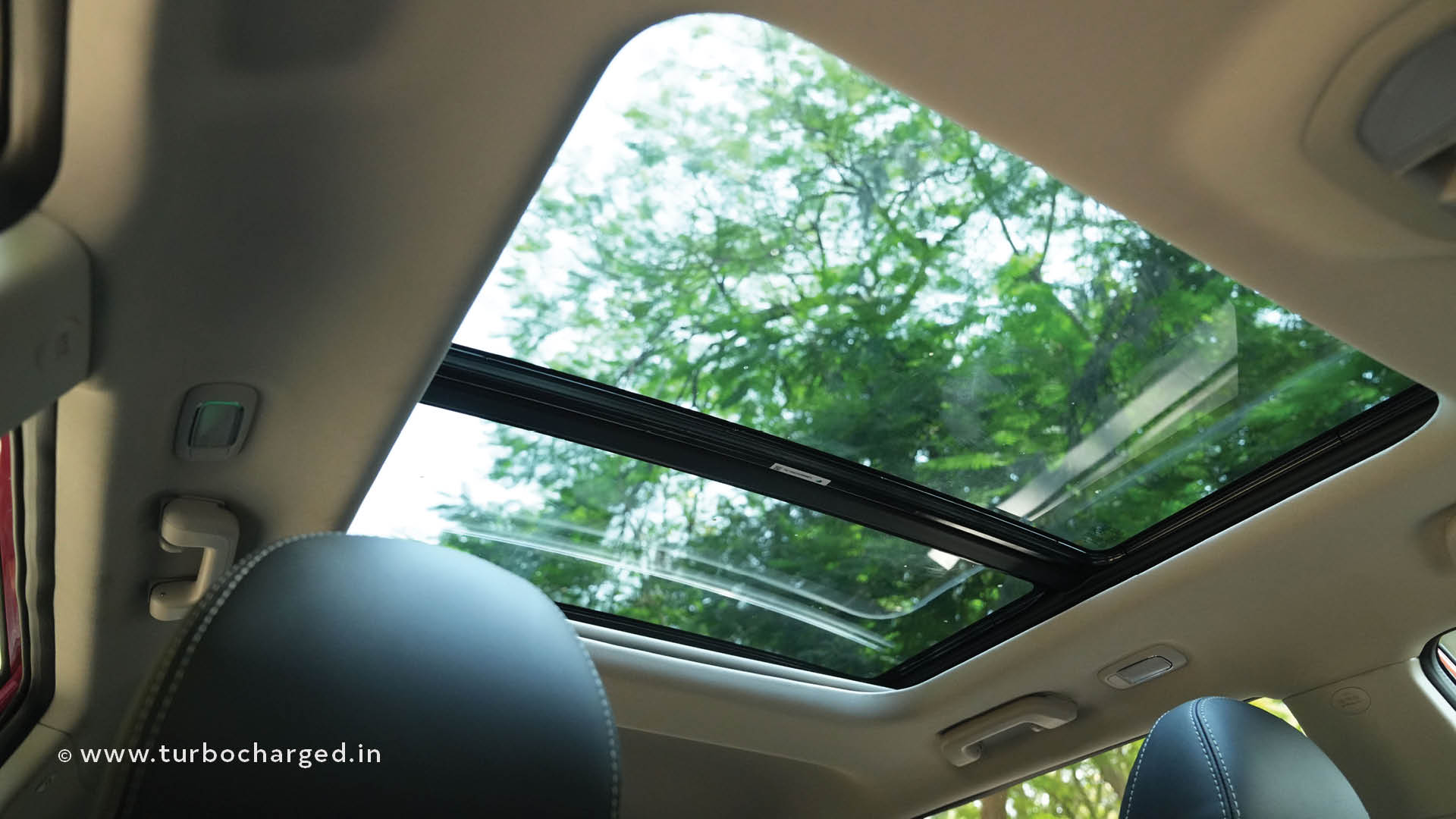
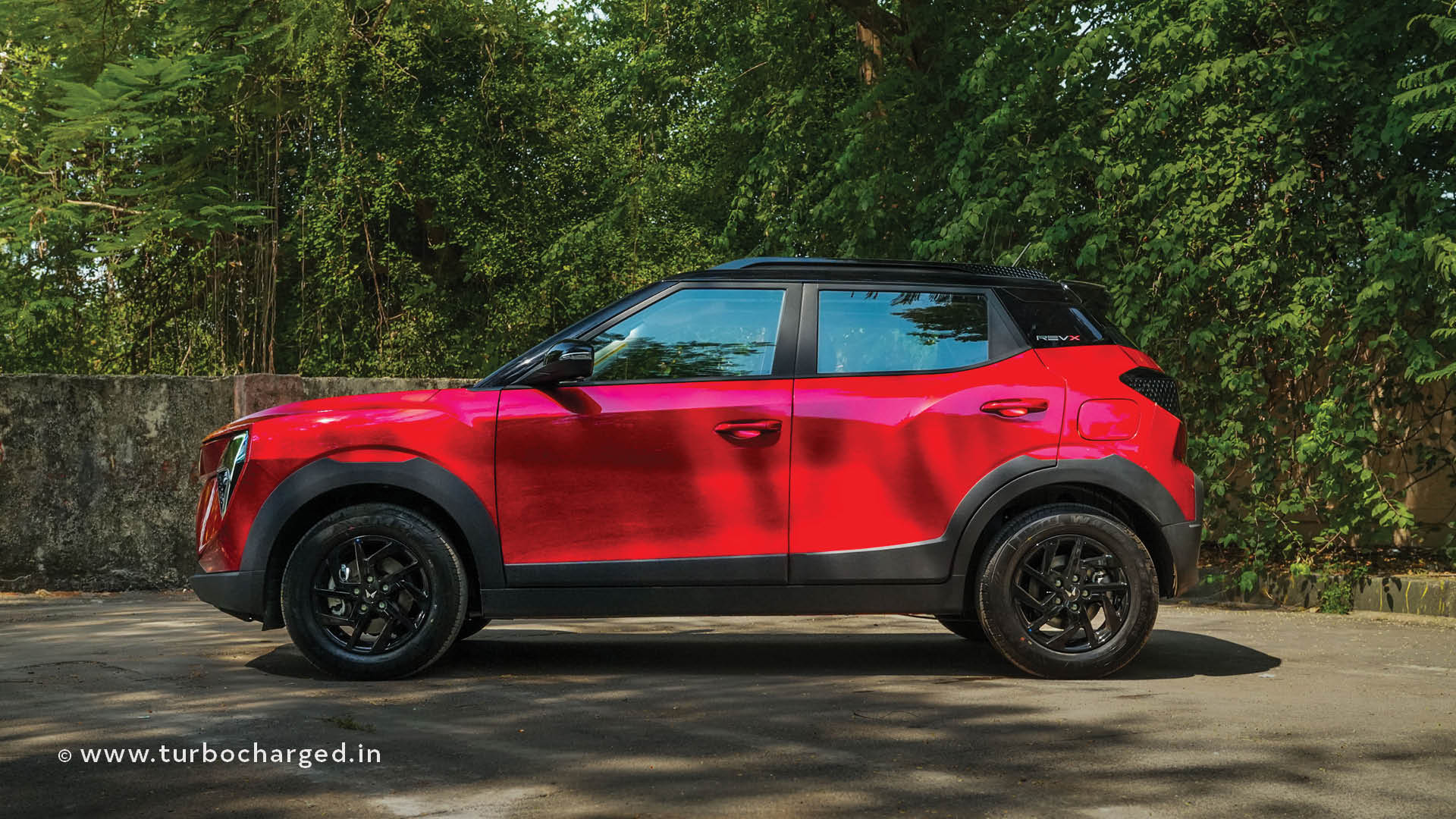
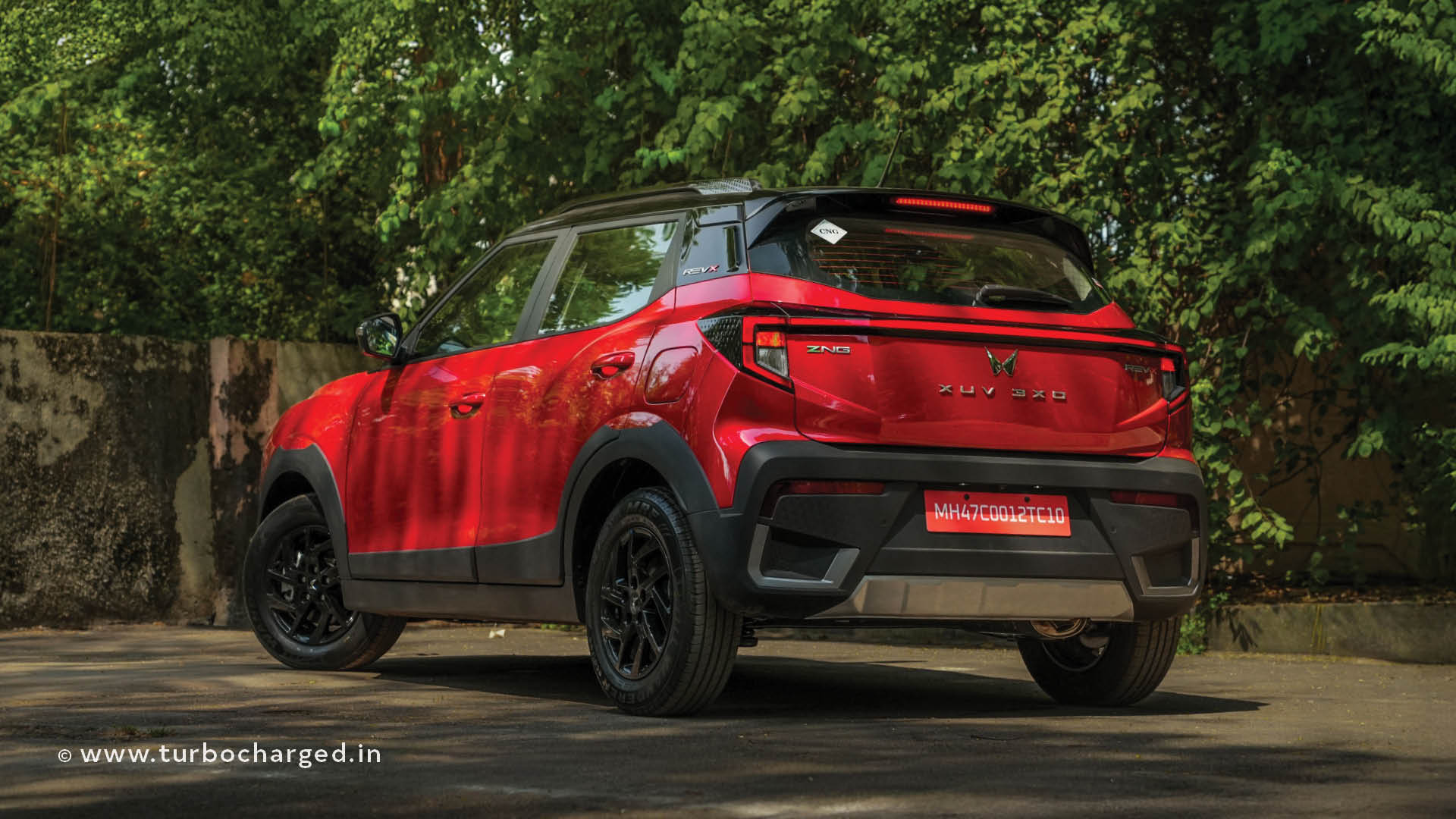
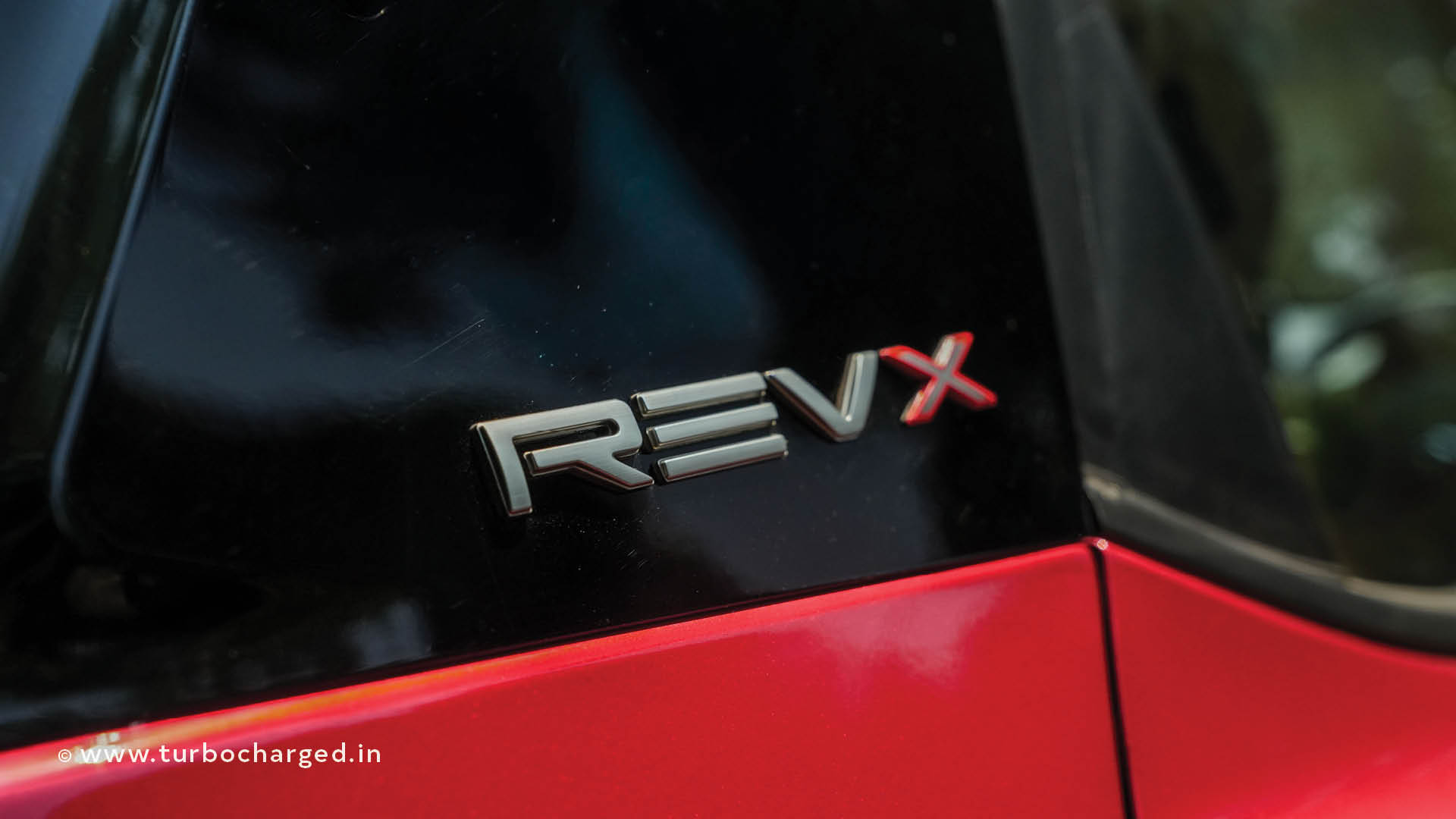
All of this, at a starting price of ₹10 lakh ex-showroom, packaged in the already appealing countenance of the XUV 3XO, and loaded with value-added features, such as a height-adjustable driver’s seat, a sunroof, and even dual-zone climate control and a wireless charging pad. What it misses out on are the same things that had been missing in the regular model — ventilated seats and a telescopic adjustment for the steering wheel. However, despite that, I would still go on the record and call the REVX A variant that we drove, with a price tag of ₹12.27 lakh ex-showroom, really good value, simply because of Mahindra’s uncompromising approach towards the powertrain, for building the most non-CNG-like CNG car in India, and the value, therefore, is derived from the fact that you, the driver, don’t have to make any compromise to choose CNG over petrol. We believe, therefore, that Mahindra chose to accept the mission and succeeded!
Words Sayantan De
Photography Tanmay Vartak