

There’s something rather amusing about how quickly the automotive world has evolved. Not too long ago, the idea of a large, 7-seat family SUV running purely on electricity would have seemed like an expensive experiment, best suited to early adopters with a charging point at home and a second car in the garage. Today, we have manufacturers trying to make electric mobility appeal to precisely the sort of buyer who wants one car to do everything. And that brings us to the MG Hector Tomahawk EV. Despite the familiar model name with a new suffix, this isn’t an electric version of the Hector we have known since 2019. It is an entirely new SUV, built on an all-new platform, packed with technology and rather interestingly, offered at a price that puts it within reach of a much wider audience than you might expect!
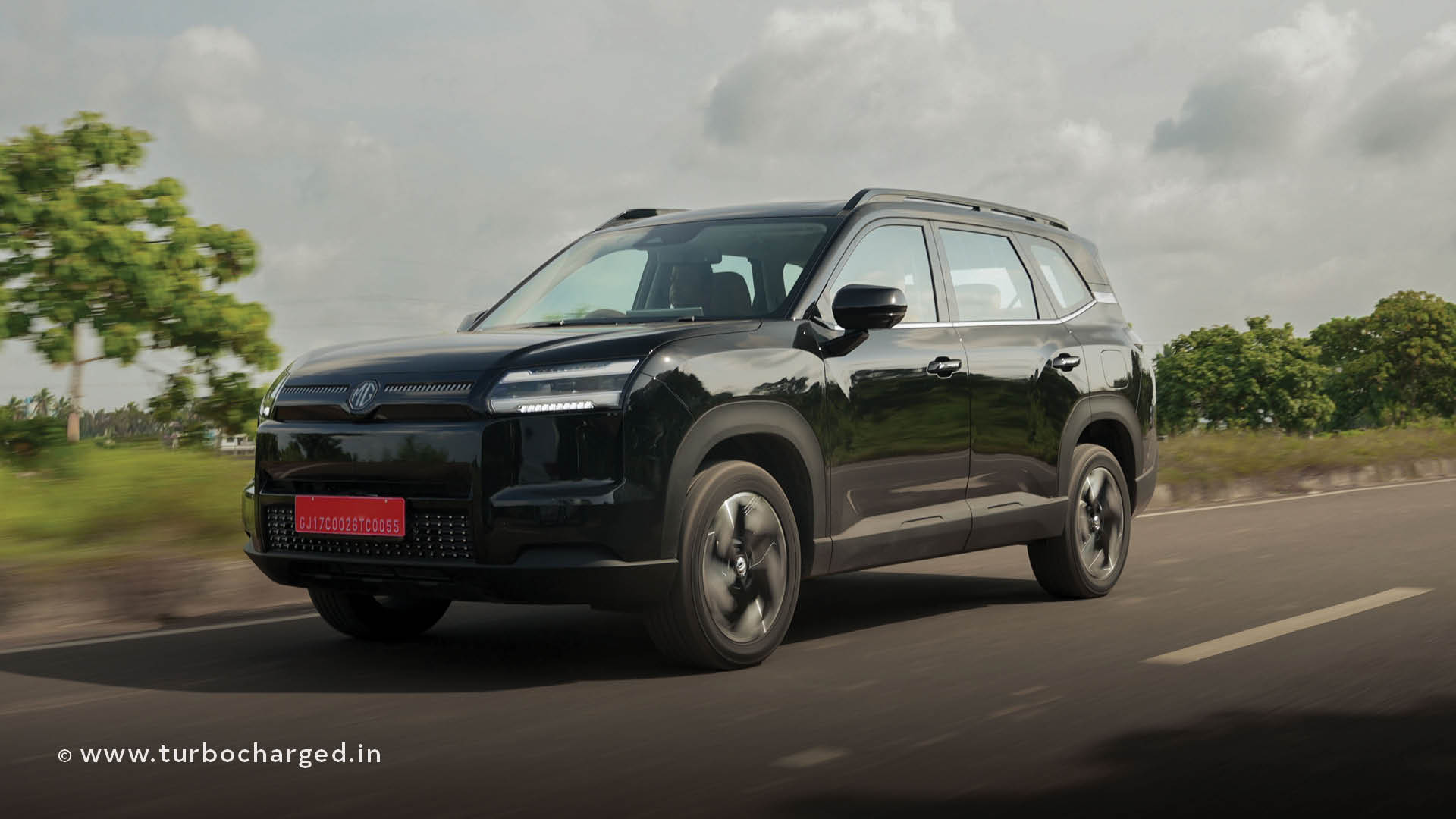
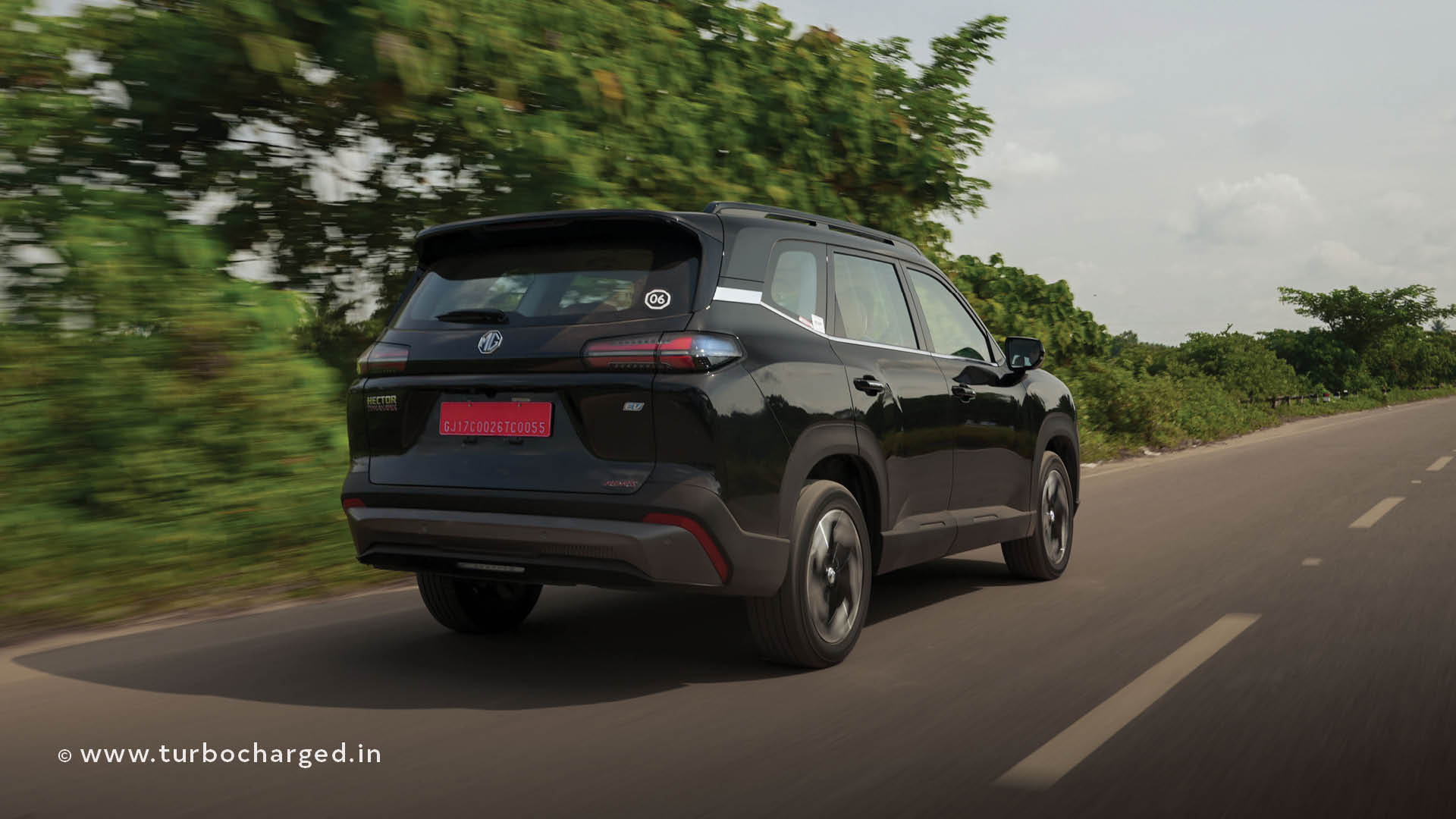
The Tomahawk EV is an important product for MG Motor. It is the first Indian-market model built on the company’s new ADAPT (Advanced Drive Architecture Platform Technology) architecture that has been engineered to accommodate multiple forms of electrification including EVs, hybrids, plug-in hybrids and range-extender EVs. The platform also underpins the Hector Tomahawk PHEV, making it a strategic foundation for MG’s future products. With five- and seven-seat configurations, a 69.2kWh battery and a claimed range of 517km per charge, the Tomahawk EV is aimed squarely at families who want space, equipment and convenience without having to stretch their budget.
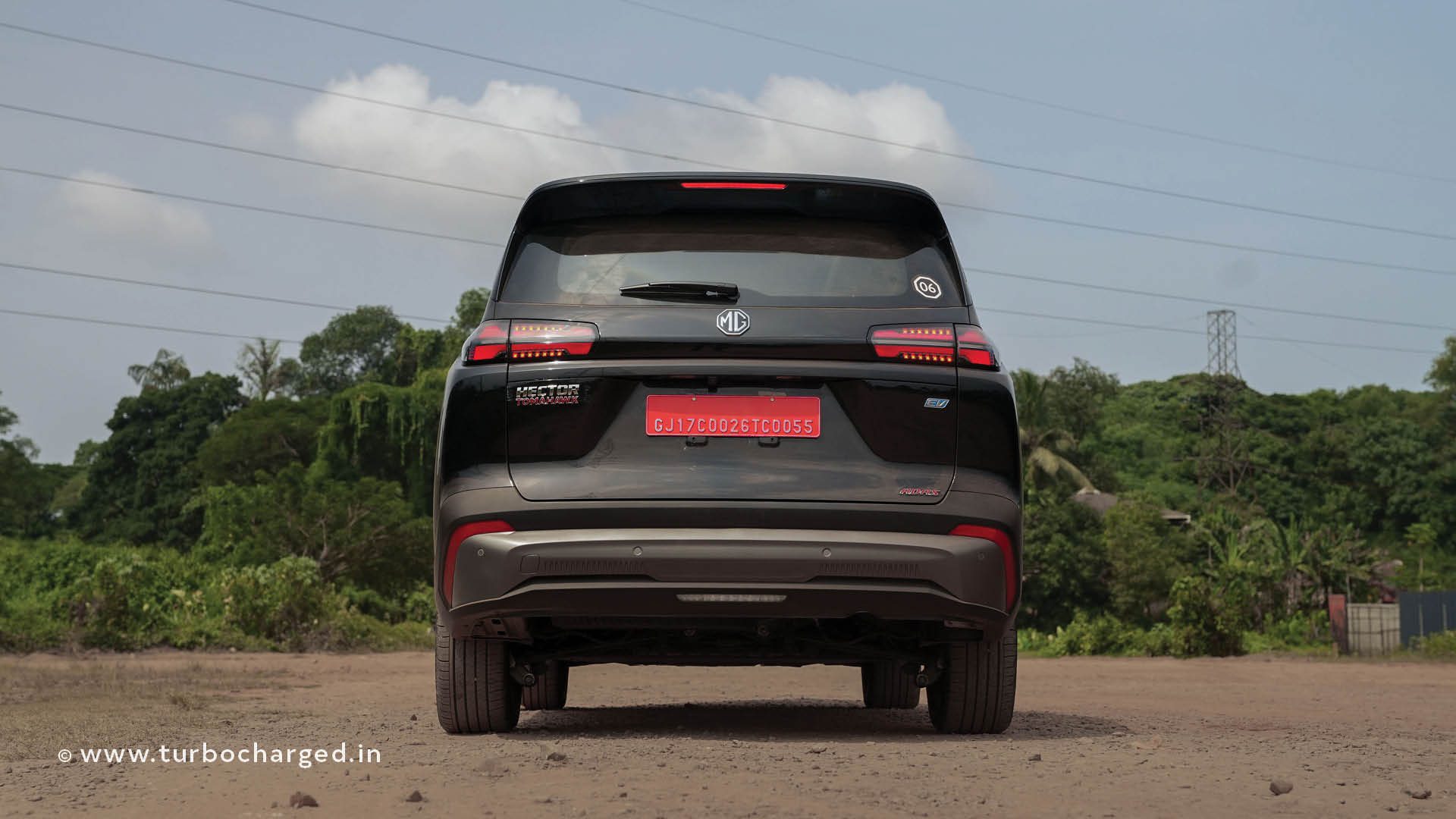
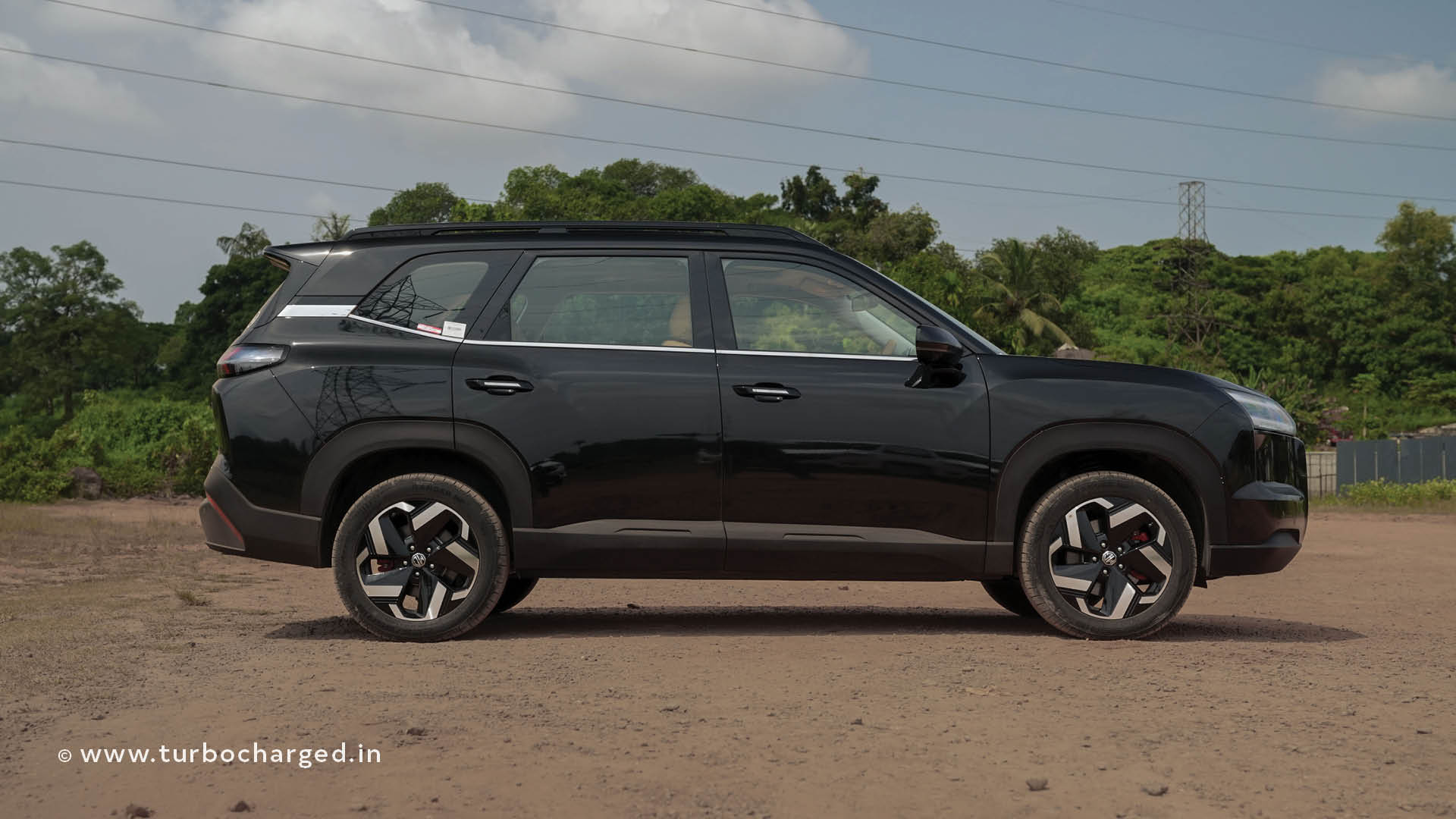
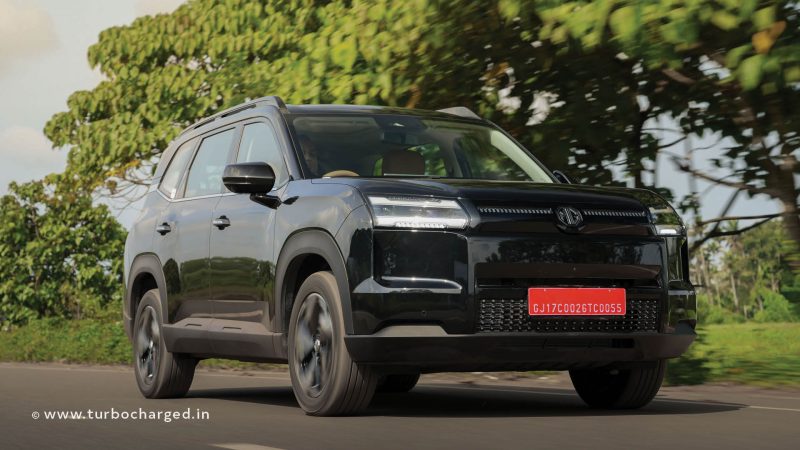
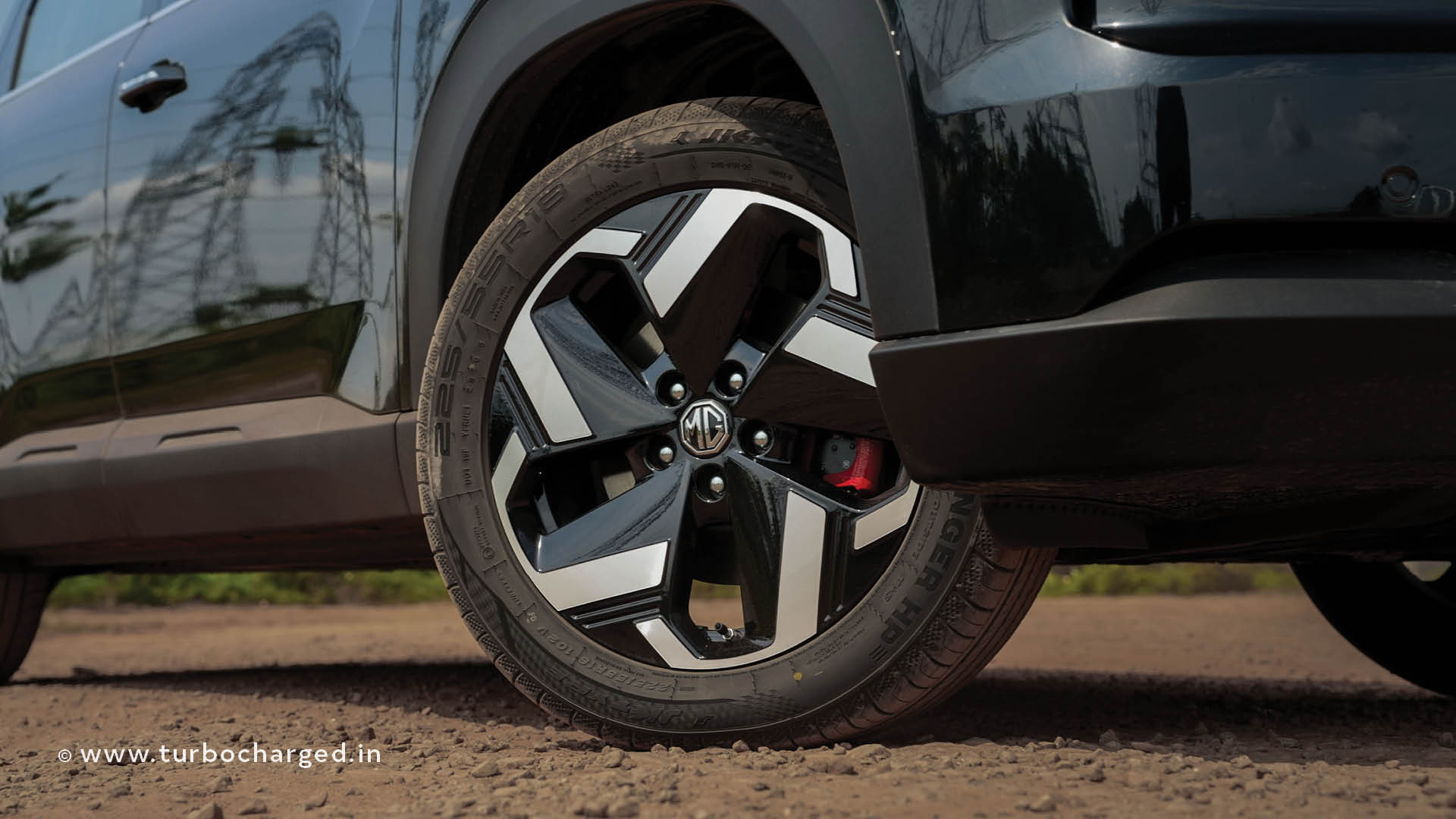
The first thing that strikes you about the Tomahawk EV is its sheer size. At 4,745mm long, 1,850mm wide and with a wheelbase of 2,810mm, it is a substantial SUV, and the upright proportions give it a distinctly family-oriented stance. The squared-off nose, slim LED headlamps and blanked-off gloss-black grille establish its electric identity without resorting to the sort of styling gimmicks that many EVs seem to require. The intricate LED tail-lamps add a little visual drama and – thankfully – neither the headlamps nor the tail lamps are connected! Sharp creases and roof rails add character to the sides, along with the roof mounted spoiler, but while the 18-inch alloy wheels look good, they also look undersized given size of the SUV. I also think the Tomahawk could have done with a more muscular and aggressive design to make the most of its dimensions. It looks contemporary and well proportioned, but doesn’t quite have the visual heft that its size suggests it should.
It is inside, however, that the Tomahawk impresses far more. The long wheelbase translates to lots of space, especially in the second row, while the cabin feels airy and offers plenty of storage. The five-seat version makes most sense if you travel with luggage frequently, but the seven-seat layout adds the flexibility that Indian families tend to appreciate. The third row is best reserved for shorter journeys, and luggage capacity is 192 litres with all three rows in use. Fold the third row and that expands to 528 litres. The overall cabin presentation is modern, though some of the materials and detailing could have been better executed. In a vehicle that wants to position itself as a premium family SUV, little things matter, and the Tomahawk doesn’t quite deliver the consistently plush feel its technology-rich cabin promises.
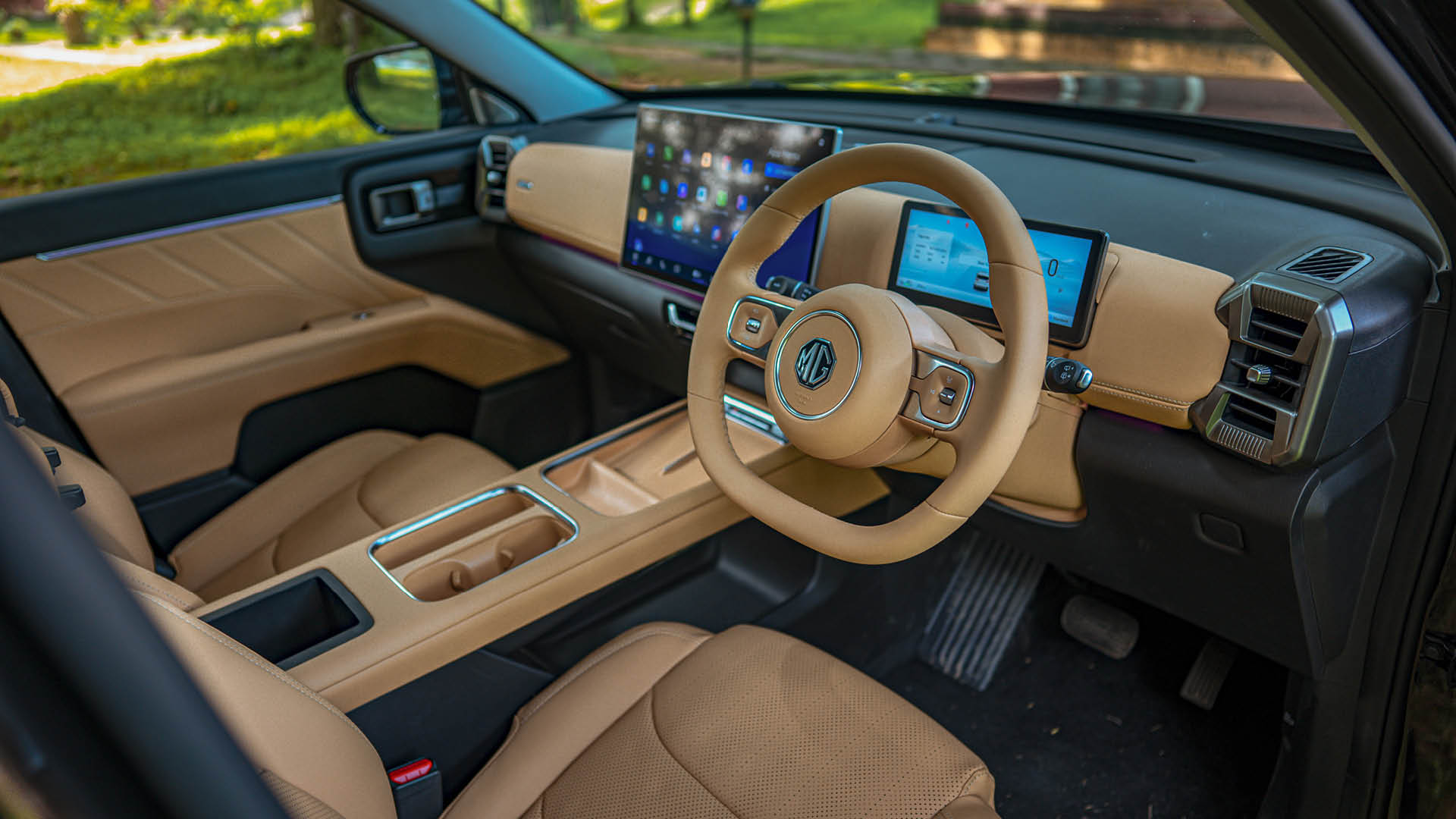
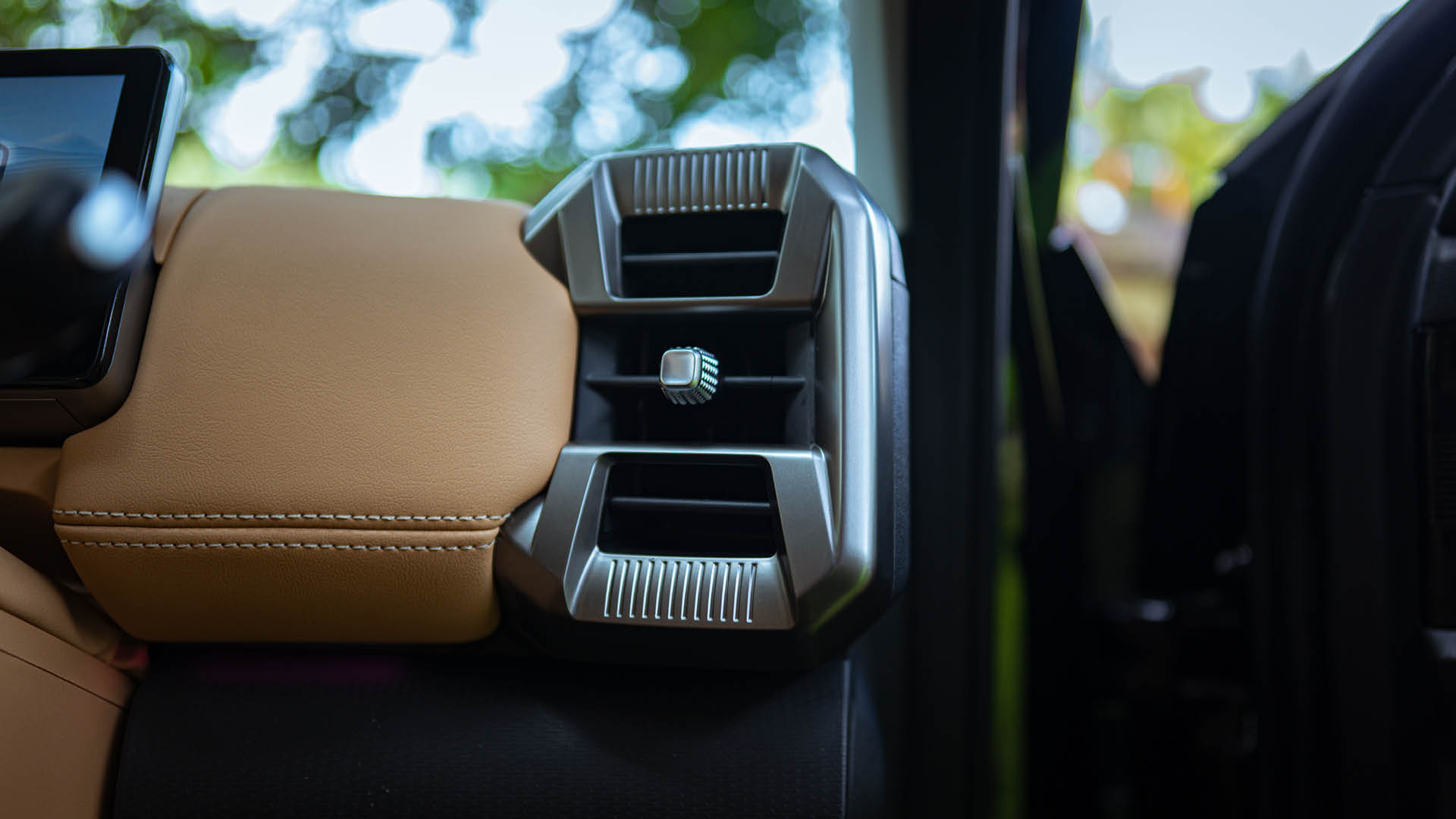
That said, there is a lot to like about the interiors too, especially the light brown hue of the dashboard and door trims, the abundance of soft-touch panels, the panoramic sunroof and also how the Windsor-like, steering column-mounted drive selector lever has liberated lots of space in the centre console. On that note, you also get a start/stop switch here, unlike the Windsor or Comet, a welcome addition. You also get a wireless charging pad, cup holders, cubby holes and a large arm rest with more space underneath. Also, front seats are large, feel plush and comfortable, while the second row offers excellent legroom and kneeroom, and the seatback also reclines a fair bit. Accessing the third row is easy too as the second row slides and tumbles forward and there’s lots of space to walk through to the third row.
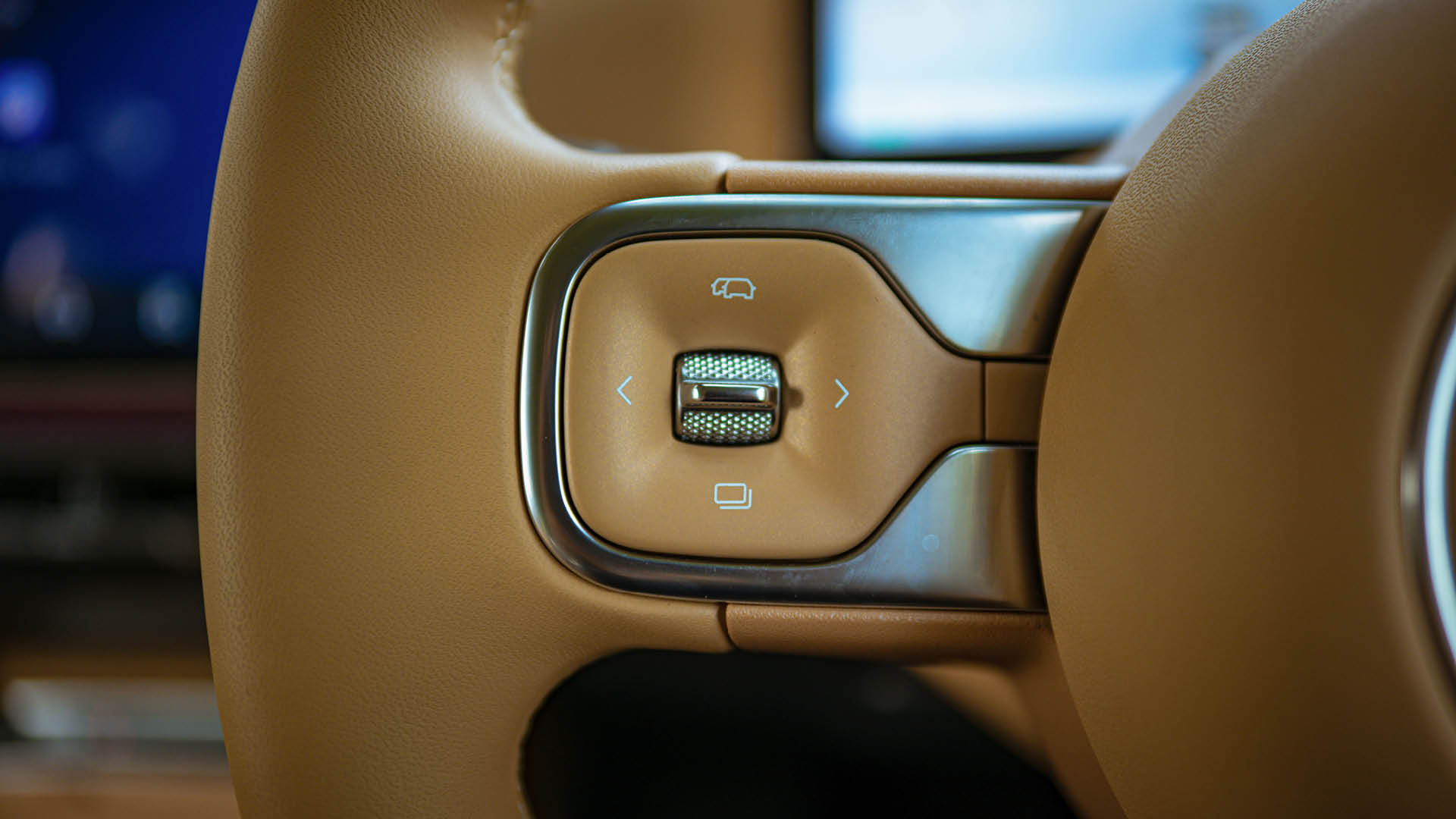
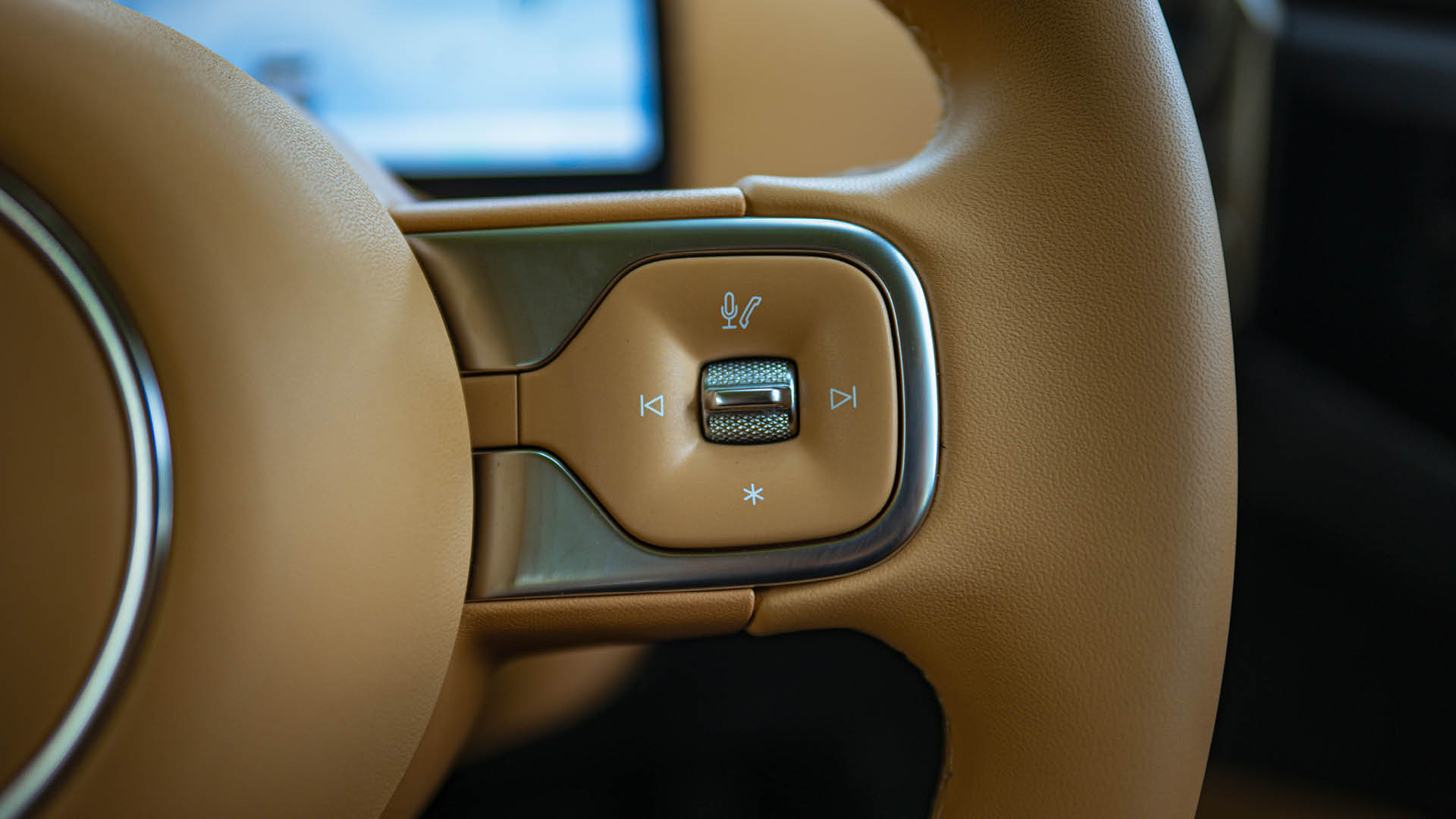
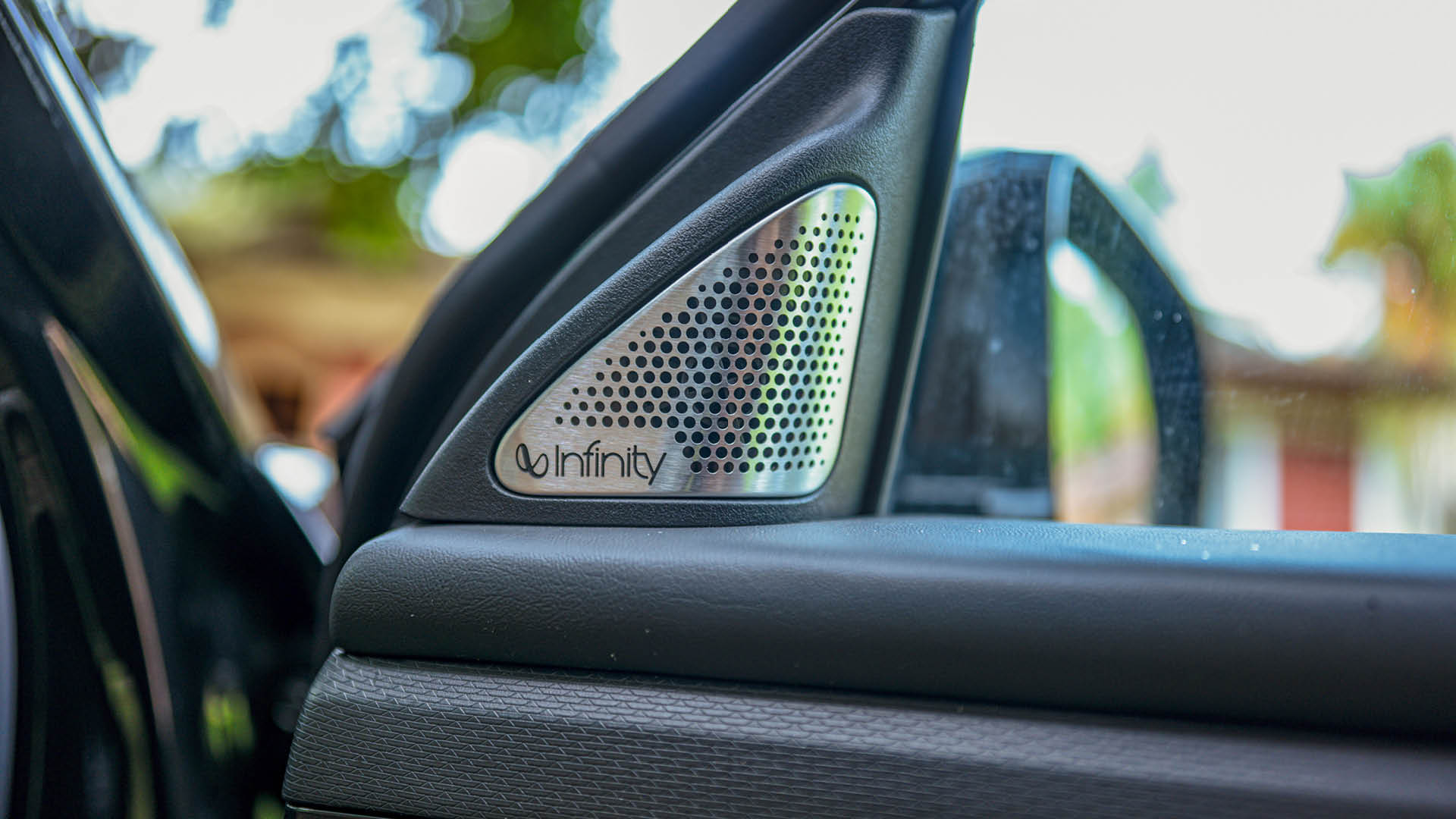
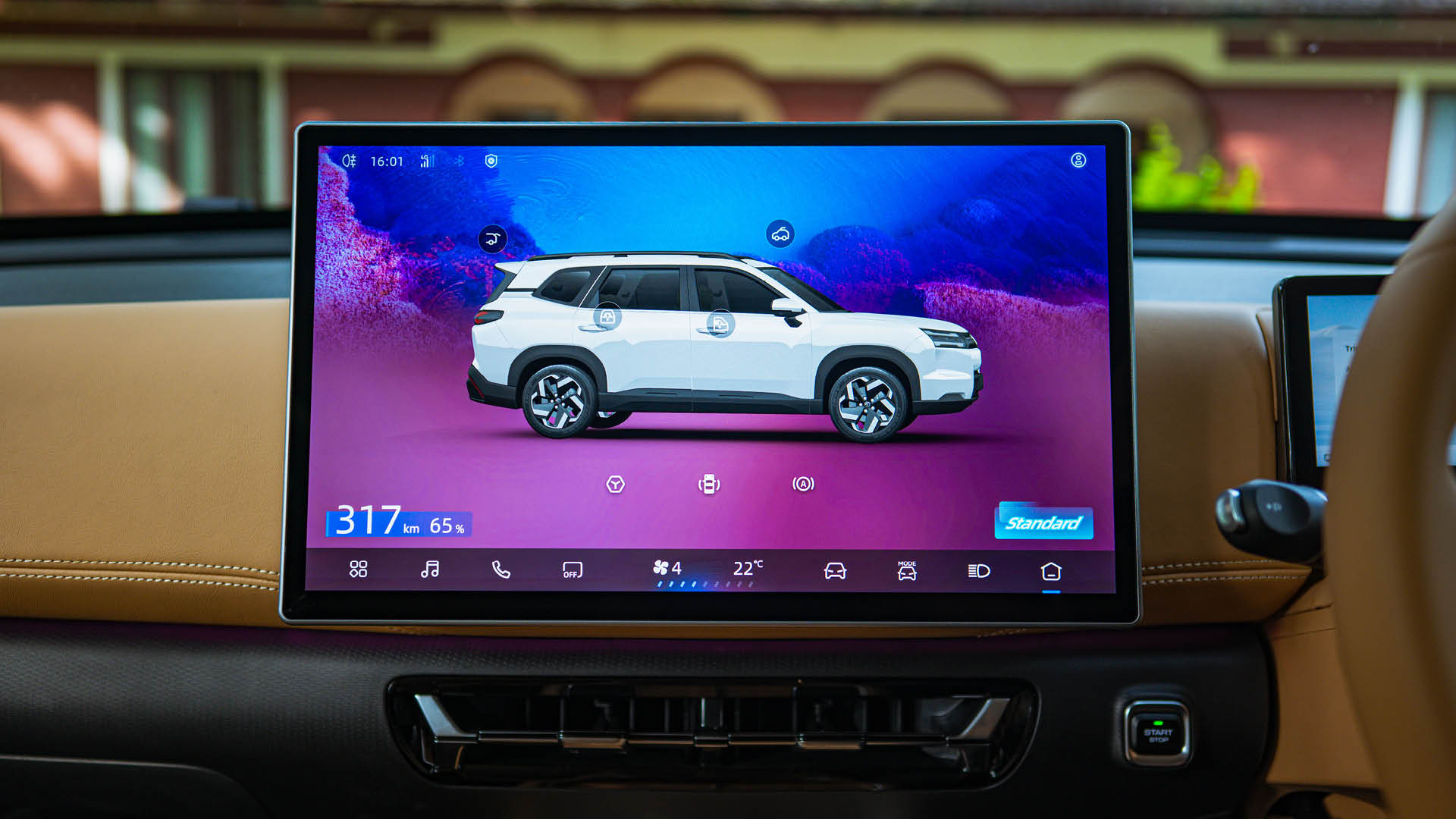
MG has not held back on the equipment front either. A 15.6-inch touchscreen dominates the dashboard, accompanied by an 8.8-inch digital instrument display. Both displays look good, but the font size for a lot of the information in the driver display is too small. Another reservation I have is the heavy reliance on the touchscreen for most functions, though admittedly, gesture control for adjusting volume and temperature is cool and welcome. Front seats are ventilated and powered, and the driver’s seat gets a memory function too, the tailgate is powered, there’s 360-degree and Level 2 ADAS and even a Karaoke mode. The 10-speaker Infinity sound system impresses with its acoustics, there’s connected technology and an AI assistant too. The Tomahawk EV’s party trick though is what MG calls V2H or Vehicle to Home, which lets you power a full house (literally!) with its charge. So while vehicle to load lets you run compatible external equipment, vehicle to home can supply power to a compatible household setup.
The Tomahawk EV uses a 69.2kWh LFP battery paired with a front-mounted permanent-magnet synchronous motor offering 204PS and 310Nm. Claimed 0–100kmph time is an impressive 8.2 seconds, and the claimed range of 517km should translate to a shade under 450km in the real world. DC fast charging is supported at up to speeds of 90kW, with a claimed 30-80 percent charge time of around 35 minutes. The battery chemistry favours durability, while the generous capacity should make the Tomahawk a viable proposition for more than just urban commutes.
What is particularly interesting here is that, despite its size and the power and torque figures, the Tomahawk isn’t intimidating to drive. The light steering, commanding seating position and good all-round visibility make manoeuvring in town relatively straightforward. The electric motor has sufficient muscle to get this sizeable SUV moving briskly, though power delivery could be calibrated better. Step on the err… gas, and the front wheels can struggle to put the motor’s torque down cleanly, resulting in torque steer. Sport mode makes this more apparent, so a smoother, more progressive approach to the accelerator is the better way to drive it. That said, when it’s hammer time this EV doesn’t hold back, almost as if paying homage to the fighter plane it gets its name from.
So covering distances rapidly is easy, and I can foresee the Tomahawk impressing on a long, multi-day road trip with family, provided you plan your charging stops well. This, also since NVH levels are excellent and particularly impressive for an EV. It feels reasonably composed on the road, controls body movements well and is more approachable on the move than its dimensions suggest. The multi-link independent rear suspension also helps it deliver a more sophisticated ride, and it should certainly impress family SUV buyers. That said, the suspension can get noisy over broken surfaces, and sharper bumps are not always dispatched with the refinement expected of a premium SUV. For a vehicle likely to spend much of its life carrying family and luggage, a little more suspension refinement would go a long way.

Priced from ₹19.49 lakh to ₹23.49 lakh ex-showroom, the MG Hector Tomahawk EV makes a strong case for itself as a spacious, well-equipped electric family SUV. Battery-as-a-Service brings the price down to ₹13.99 lakh ex-showroom along with ₹4.90 per km as battery rental. The Mahindra XEV 9S is its key rival, while the Kia Carens Clavis EV offers an alternative for buyers prioritising three-row practicality in a more MPV-like package. What the Tomahawk gets right is the big stuff: space, equipment, a sizeable battery and a competitive price tag. To sum it up, the Hector Tomahawk EV needs some more polishing but it has a lot going for it, especially with its convincing combination of family-friendly practicality and electric performance. And in a segment where buyers increasingly want their one car to do everything, that counts for quite a lot.
Words Abhay Verma
Photography Tanmay Vartak