
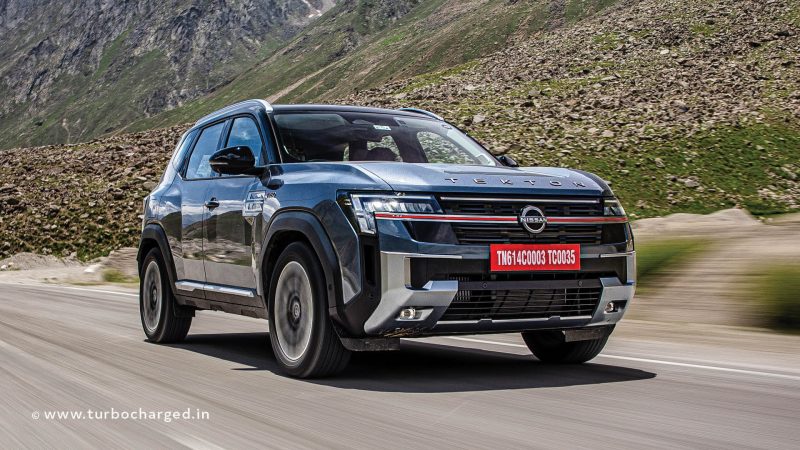
There are easier ways of getting to Leh. You could fly in, and be in the mountains well before you can complain about the lack of legroom on the flight. But that would also mean missing out on the most spectacular part of the journey: the journey itself. And that’s why driving from Chandigarh to Leh is such a good test of an SUV. It throws just about everything at it, from highways and open roads to broken tarmac, steep climbs, hairpins, high-altitude passes and the kind of thin air that makes you question every life decision that led you there.
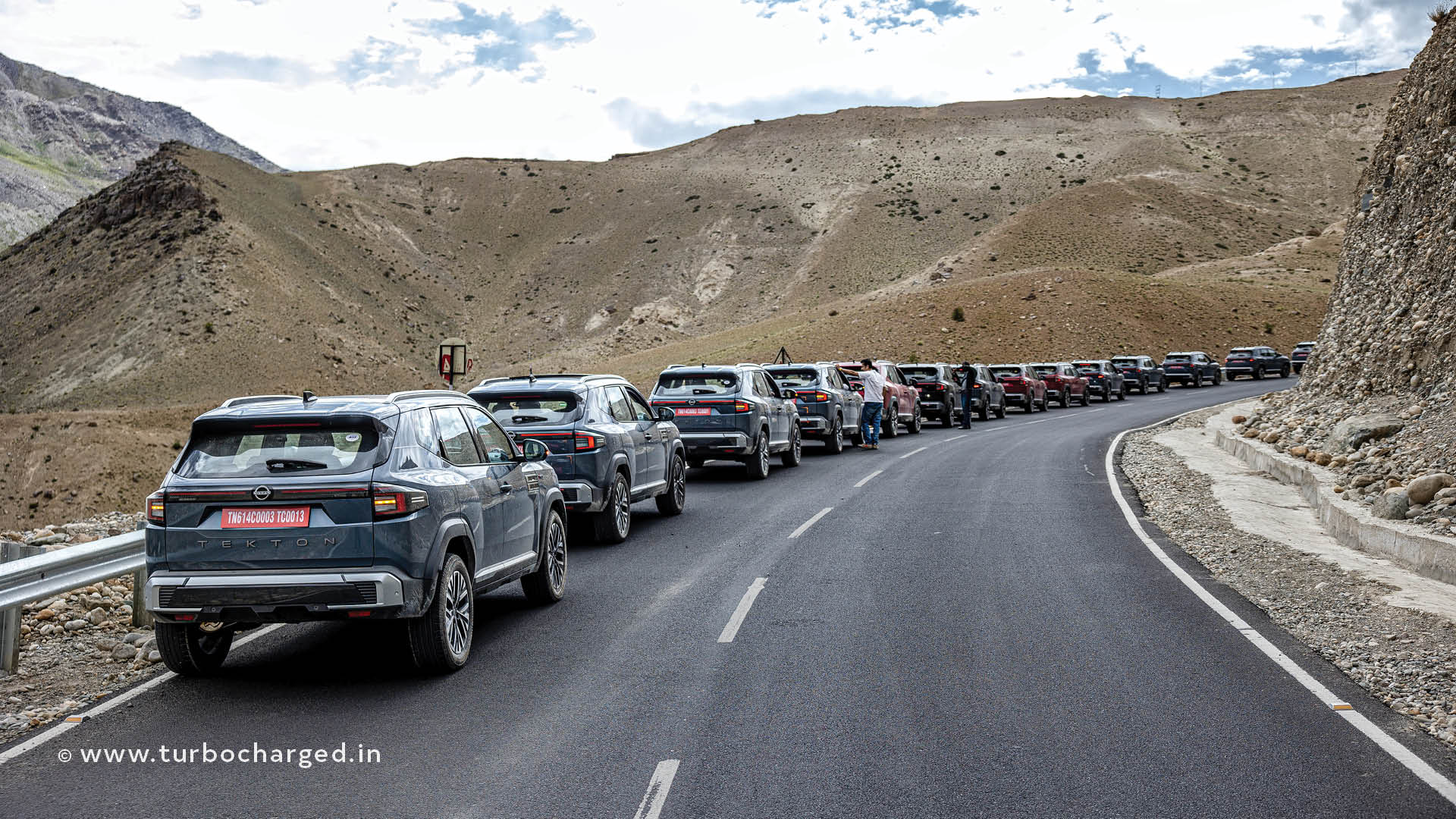
Despite the challenges I’ve found myself driving up to Leh rather frequently though, for nearly two decades, as the allure of the mountains is hard to resist. So when Nissan’s invite to drive the all-new Tekton to Leh showed up in my inbox, I just had to pull rank and go myself! The Tekton is also Nissan’s most important launch in India in recent times. While the Magnite has been soldiering on for over half a decade, the Japanese car maker has been conspicuous by its absence from the all-important midsize SUV segment.
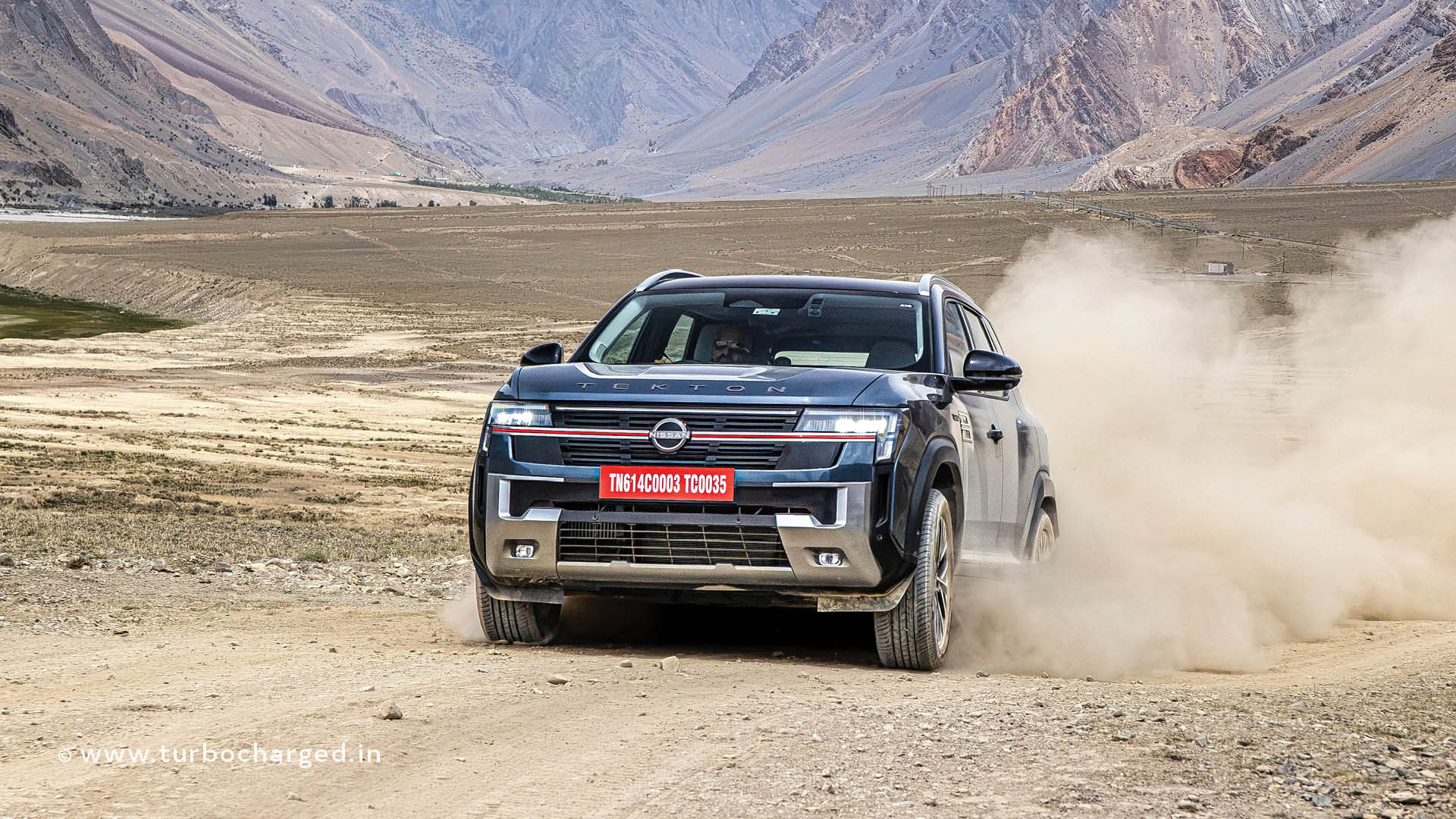
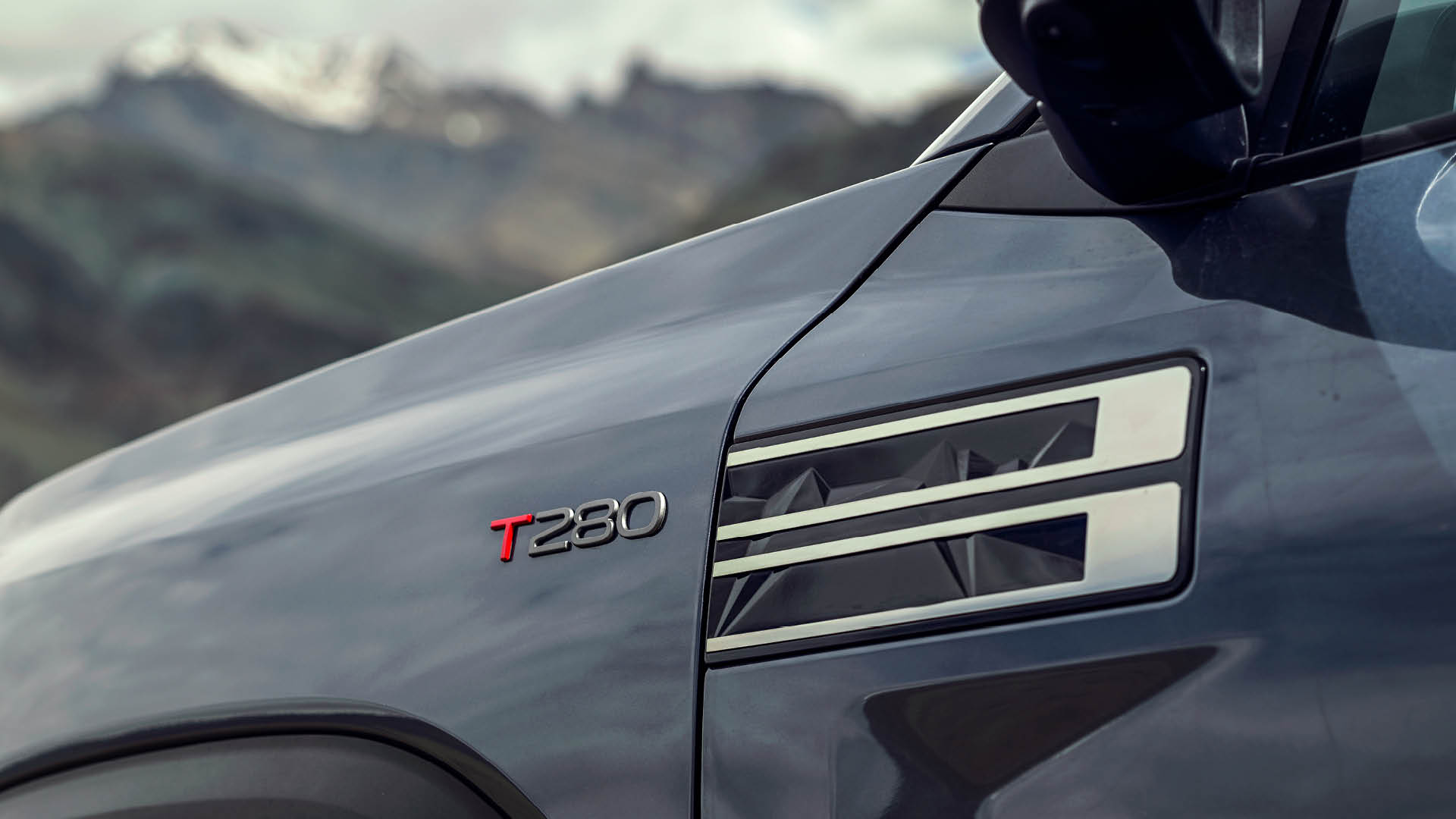
A ‘first drive’ of more than 700km, from Chandigarh to Leh, was thus a great idea for Nissan to have us evaluate the Tekton, an SUV that holds tremendous importance for it, not just in the Indian car market, but for exports too. The Tekton shares a lot of its underpinnings with the new Renault Duster, as both SUVs have been co-developed by the two manufacturers. We were to test both versions of the Tekton, dubbed the T160 and T280, powered by the three-cylinder, 1.0-litre turbocharged petrol engine and four cylinder, 1.3-litre turbocharged petrol engine respectively.
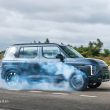
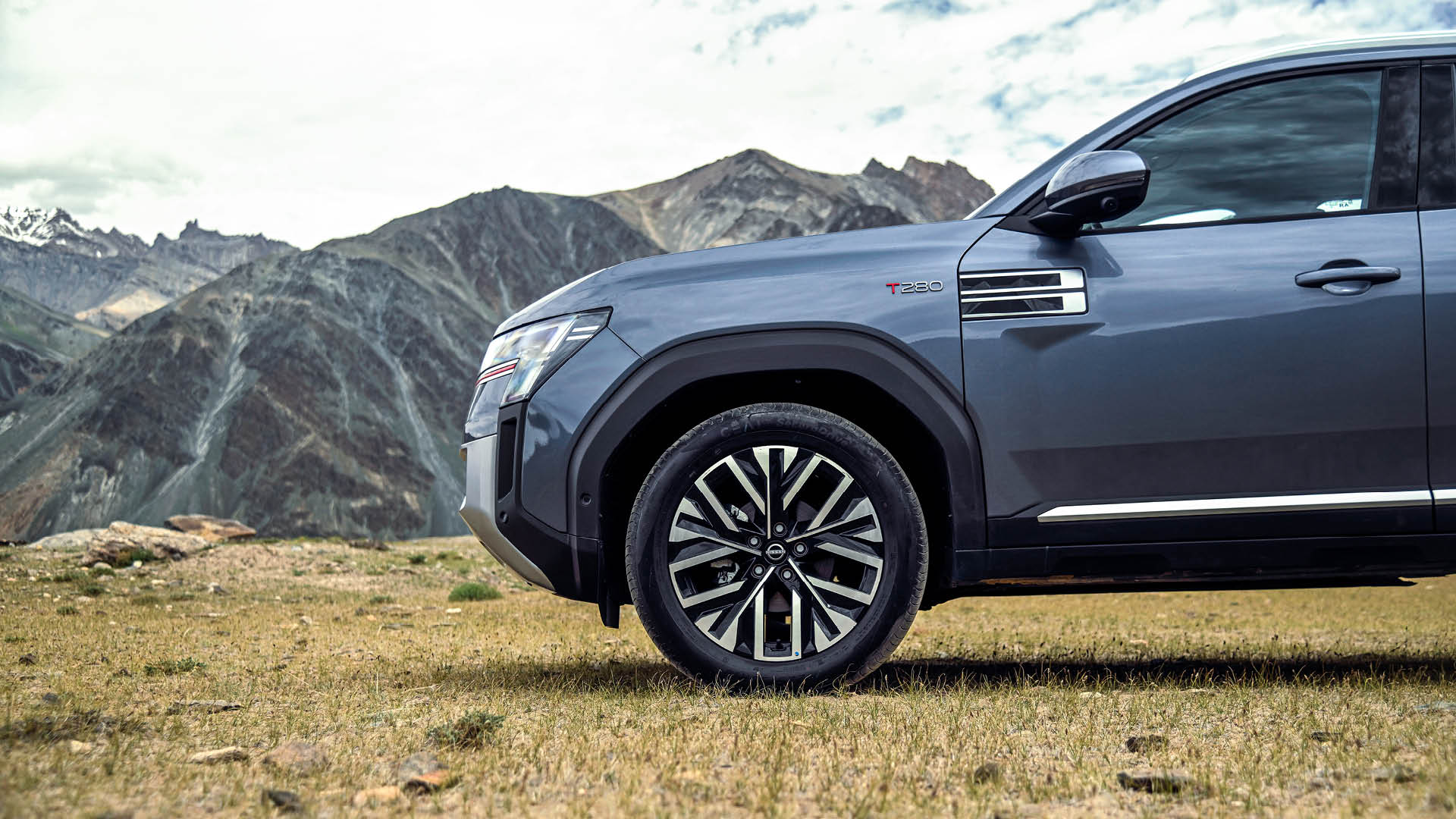
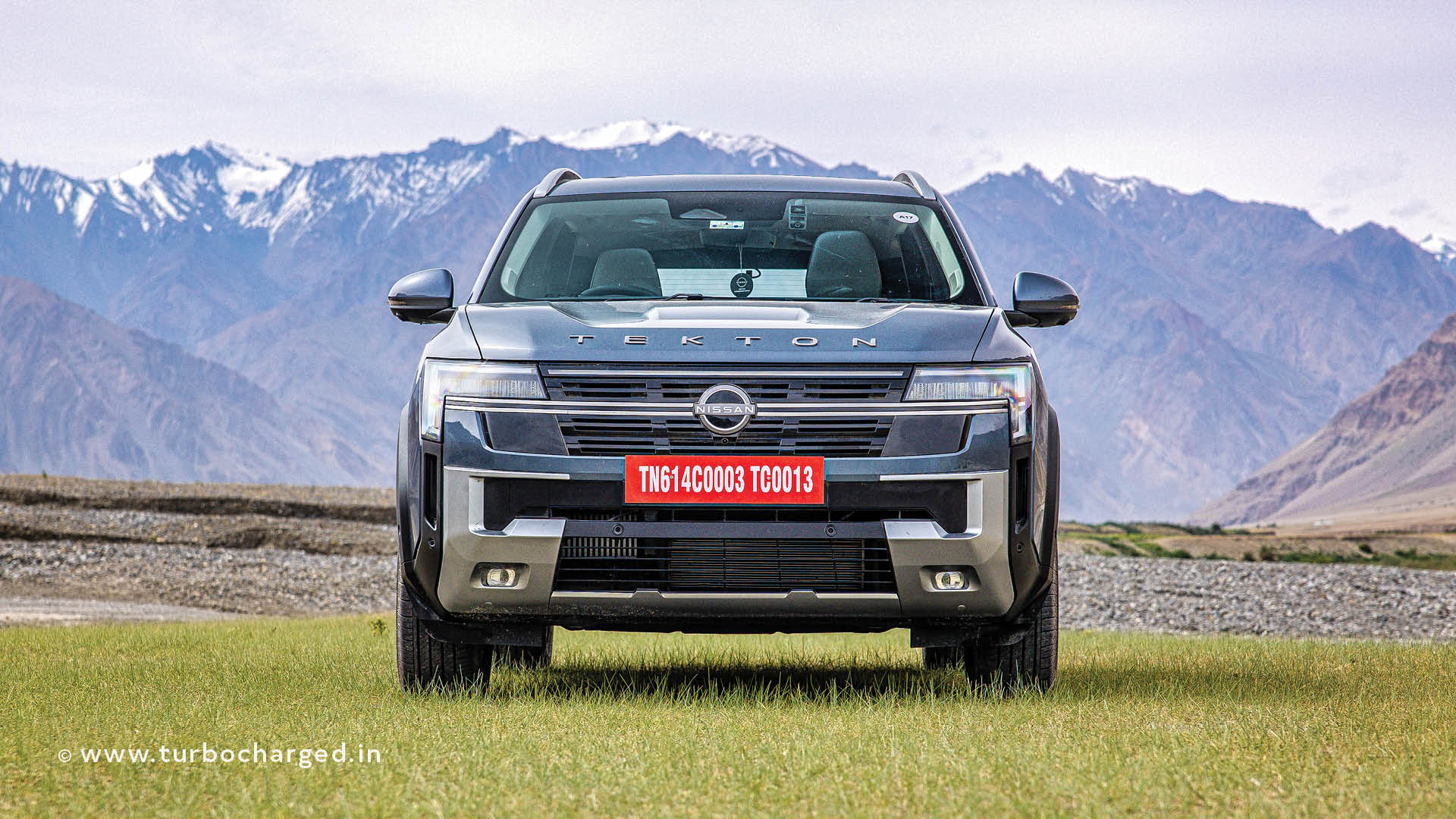
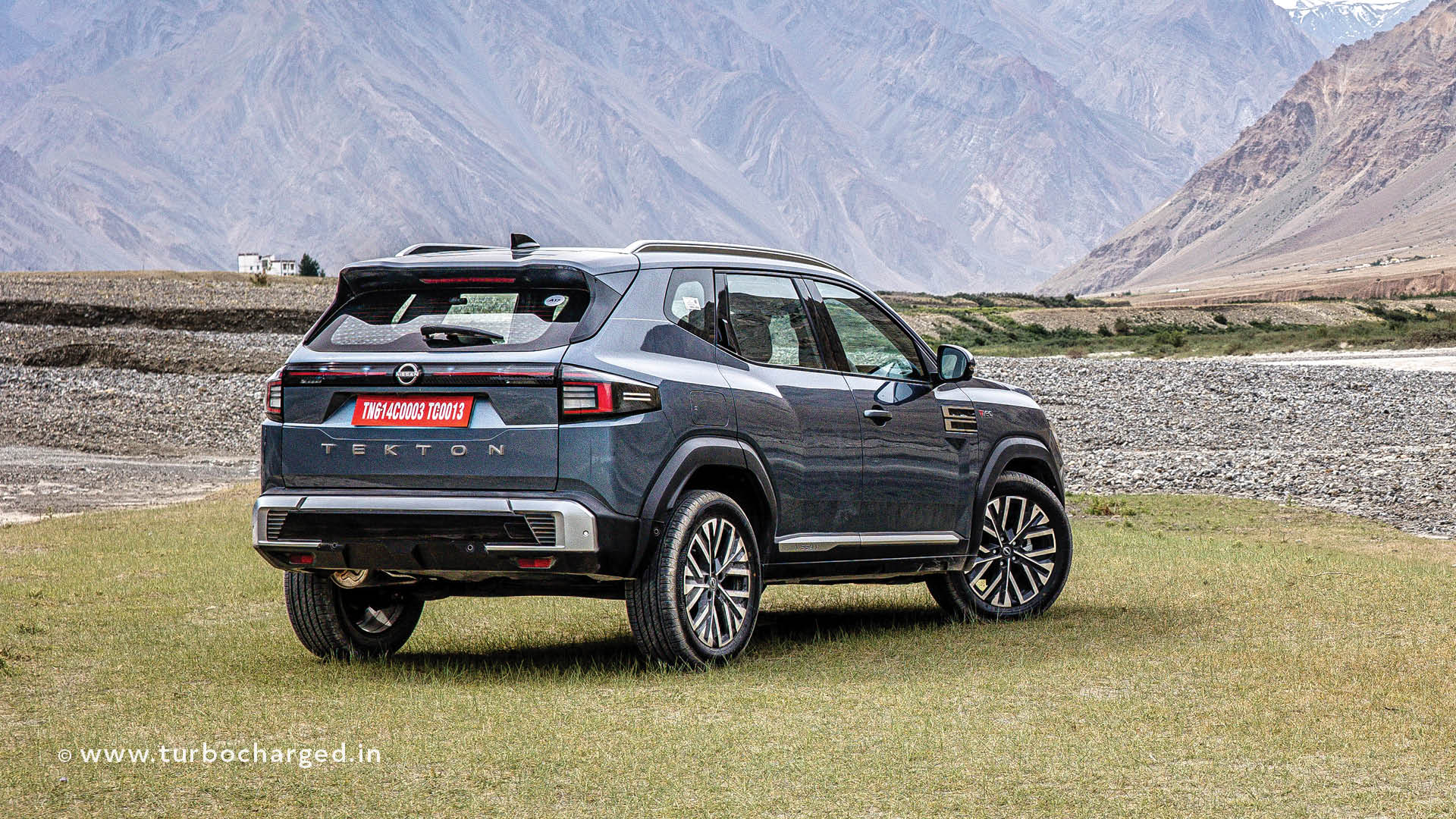
The 1.0-litre engine offers 100PS and 166Nm, and is on offer only with a 6-speed manual gearbox for now, while the 1.3-litre engine offers 163PS and 280Nm and can be had with a 6-speed manual or 6-speed DCT. But before you even get behind the wheel, there’s no denying that the Tekton makes a particularly strong first impression, as its design is inspired by the Nissan Patrol, nameplate that enjoys an iconic status around the world. The upright stance, squared-off proportions, bold front end and large, C-shaped DRLs have the Tekton look bigger and more substantial than it is, while the muscular hood adds a sense of purposefulness.
The Patrol influence is particularly evident at the front where the broad grille, connected headlamps and red highlighting give it an unmistakable family resemblance, and a more stately presence than its French cousin. The rear end looks equally distinctive and appealing thanks to the distinctive tail lamp design, though admittedly, the Tekton name etched across the bootlid (and hood!) looks a little too loud. I also like the design of the spoiler, as it has extensions on the sides that add an extra dash of sportiness. Overall, this is arguably one of the best-looking midsize SUVs currently.
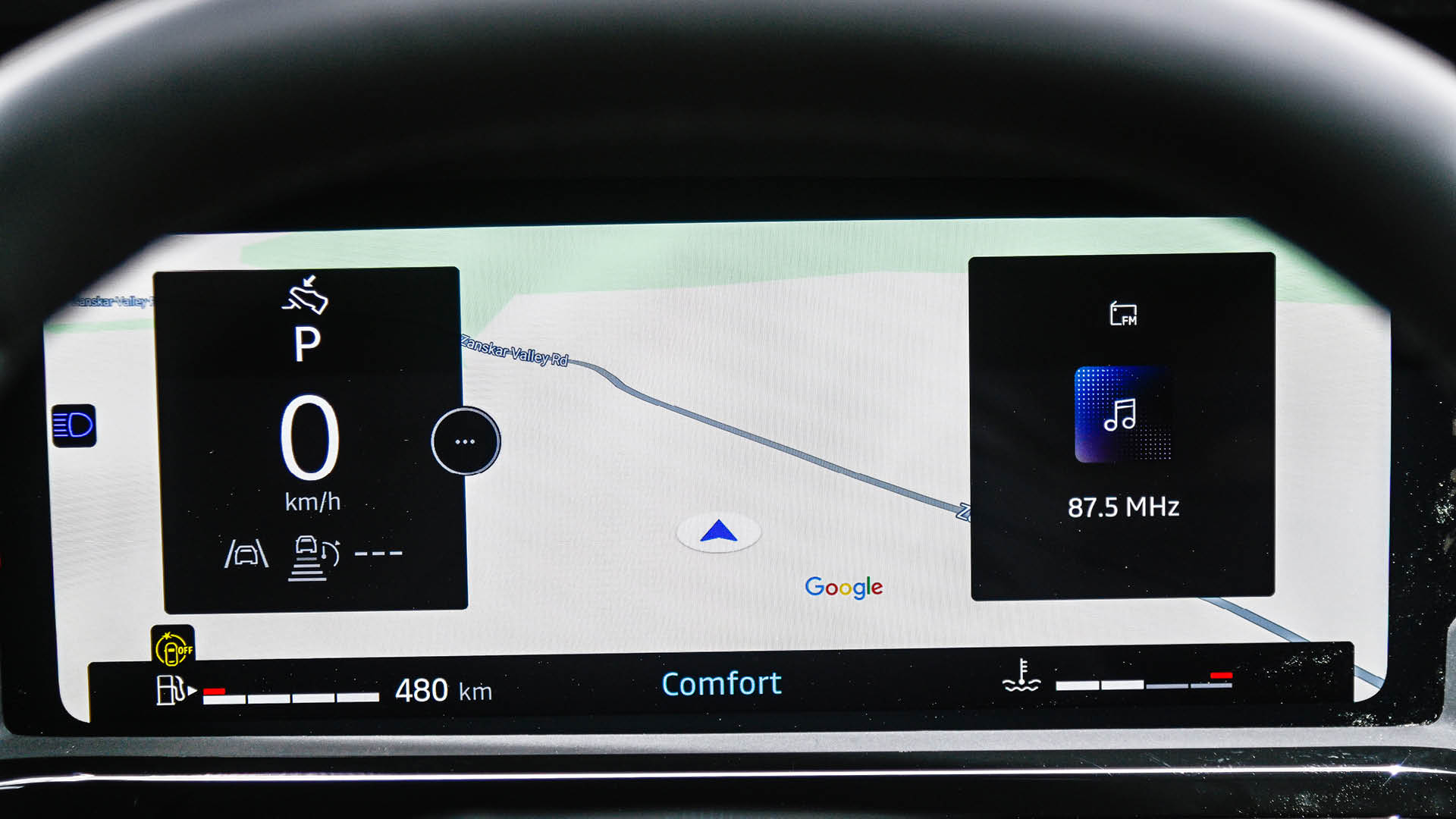
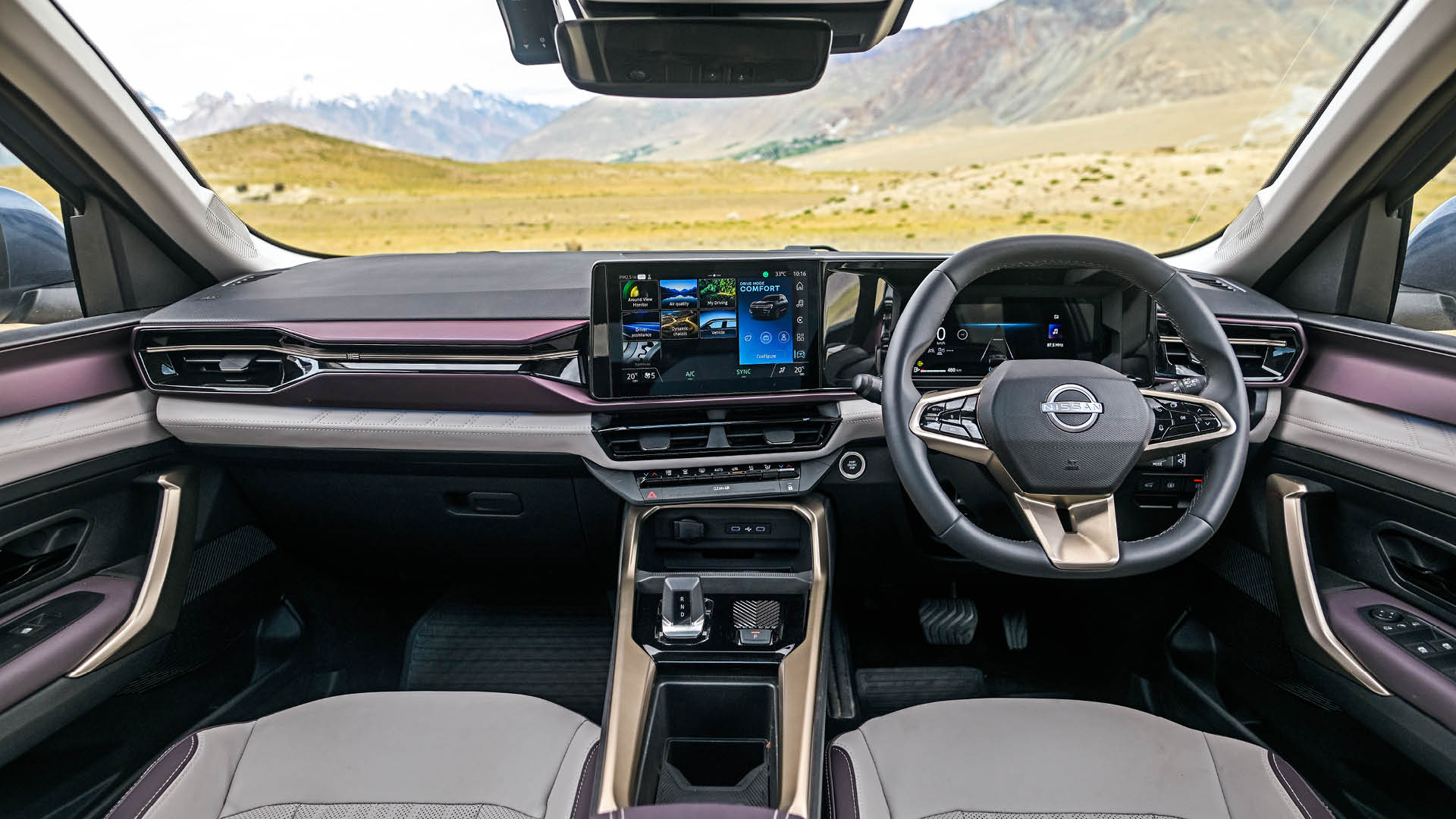
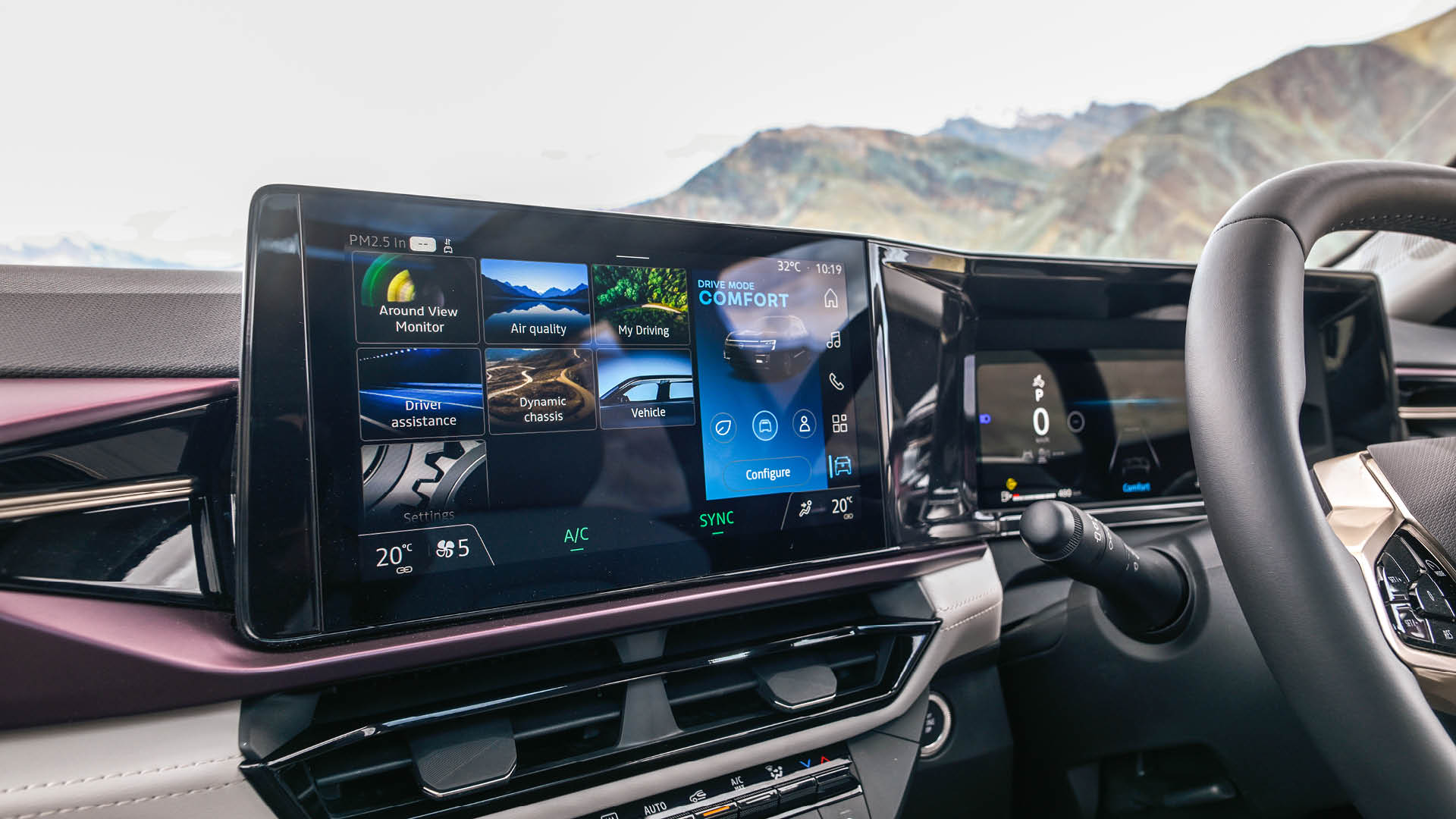
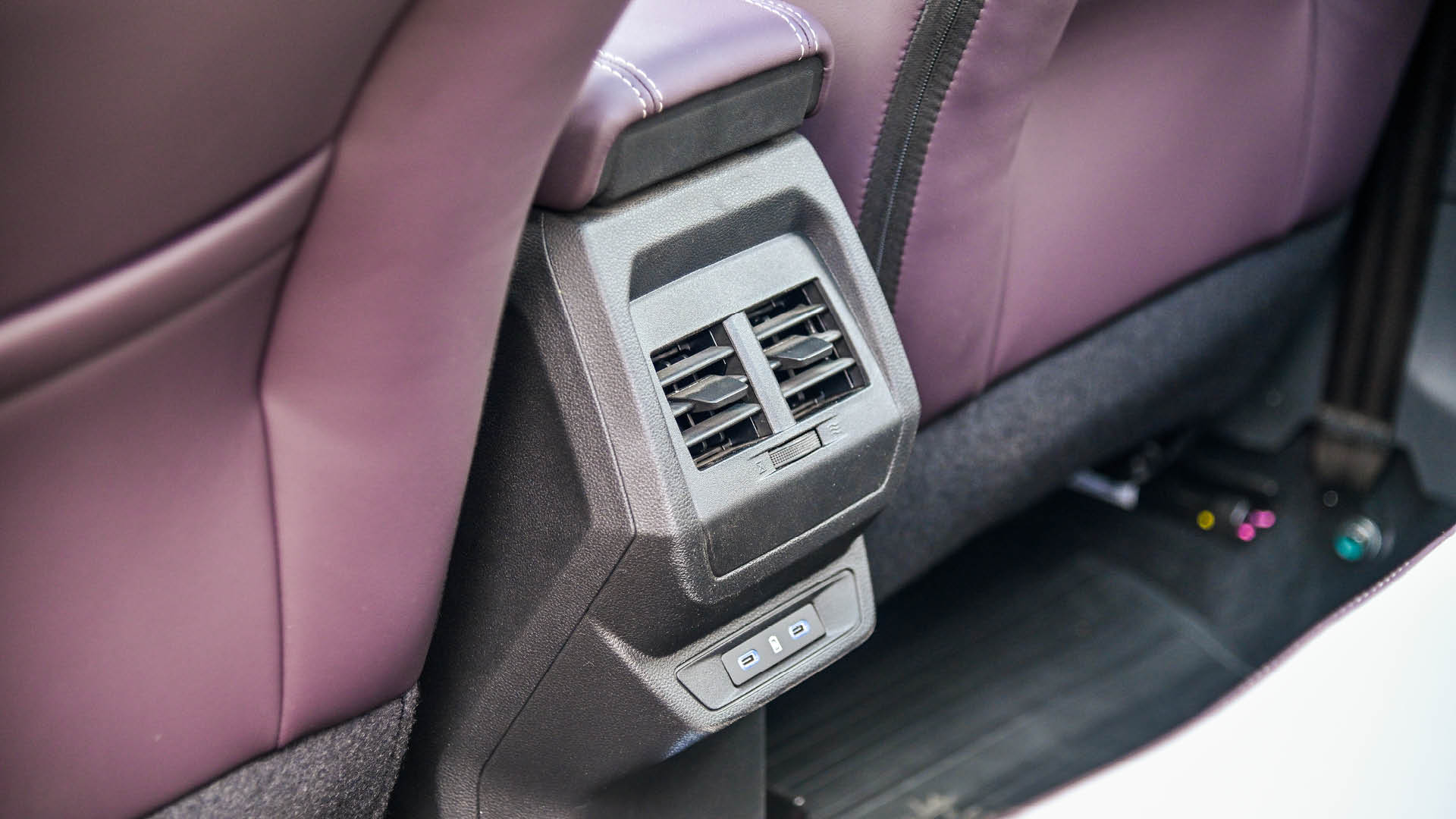
Inside, Nissan has clearly gone after the feature-hungry Indian buyer. Depending on the variant, you get a 10.1-inch touchscreen infotainment system with Google built-in, a 10.25-inch digital driver display, wireless Apple CarPlay and Android Auto, wireless charging, dual-zone climate control, a panoramic sunroof, ventilated and powered front seats, ambient lighting, rear AC vents and a six-speaker Arkamys audio system with 3D surround sound. You also get 360-degree view and a comprehensive ADAS suite, along with six airbags. It is an elaborate list, and one that makes the Tekton feel properly modern rather than merely functional.
I started off with the 1.0-litre version which impressed in heaps as the engine almost belies being a three-pot, 999cc mill, as there’s plenty of shove, and the open roads allowed some spirited driving. The clutch is light and gears slot in nicely, though the shifting action requires effort. That said, overtaking requires a little more planning, especially with passengers and luggage. You need to work the 6-speed gearbox and make use of the engine’s turbocharged mid-range rather than simply burying the throttle and expecting the SUV to surge forward.
The Tekton’s ride quality is also very good – Nissan tells us the suspension setup is the same as the Duster, because both manufacturers have worked upon the suspension and tuned it together. The suspension does a commendable job of absorbing undulations, while the SUV feels stable and reassuring at highway speeds. The steering is light enough to make long-distance driving easy, but without feeling completely devoid of weight when the road opens up. We ended day one in the picturesque hill station of Manali, which thankfully was devoid of its usual chaotic traffic. The next morning we crossed the Atal Tunnel and started ascending into the heart of the Himalayas, taking the mighty Shinku La, a mountain pass that sits at over 16,000 feet.
This is where the T160 felt a little out of place, but refused to give up, and managed the climb commendably, though the 6-speed gearbox called for more effort than I would have liked again. Day two also had us also cross the famous Gonbo Rangjon, a sacred, standalone mountain that towers over everything around it in the Zanskar Valley. On steep gradients, especially at high altitudes, you have to maintain momentum in the T160 and be more deliberate with your gear selection, calling for alacrity. That isn’t necessarily a bad thing because it keeps you involved, but can become tiring after long stints behind the wheel!
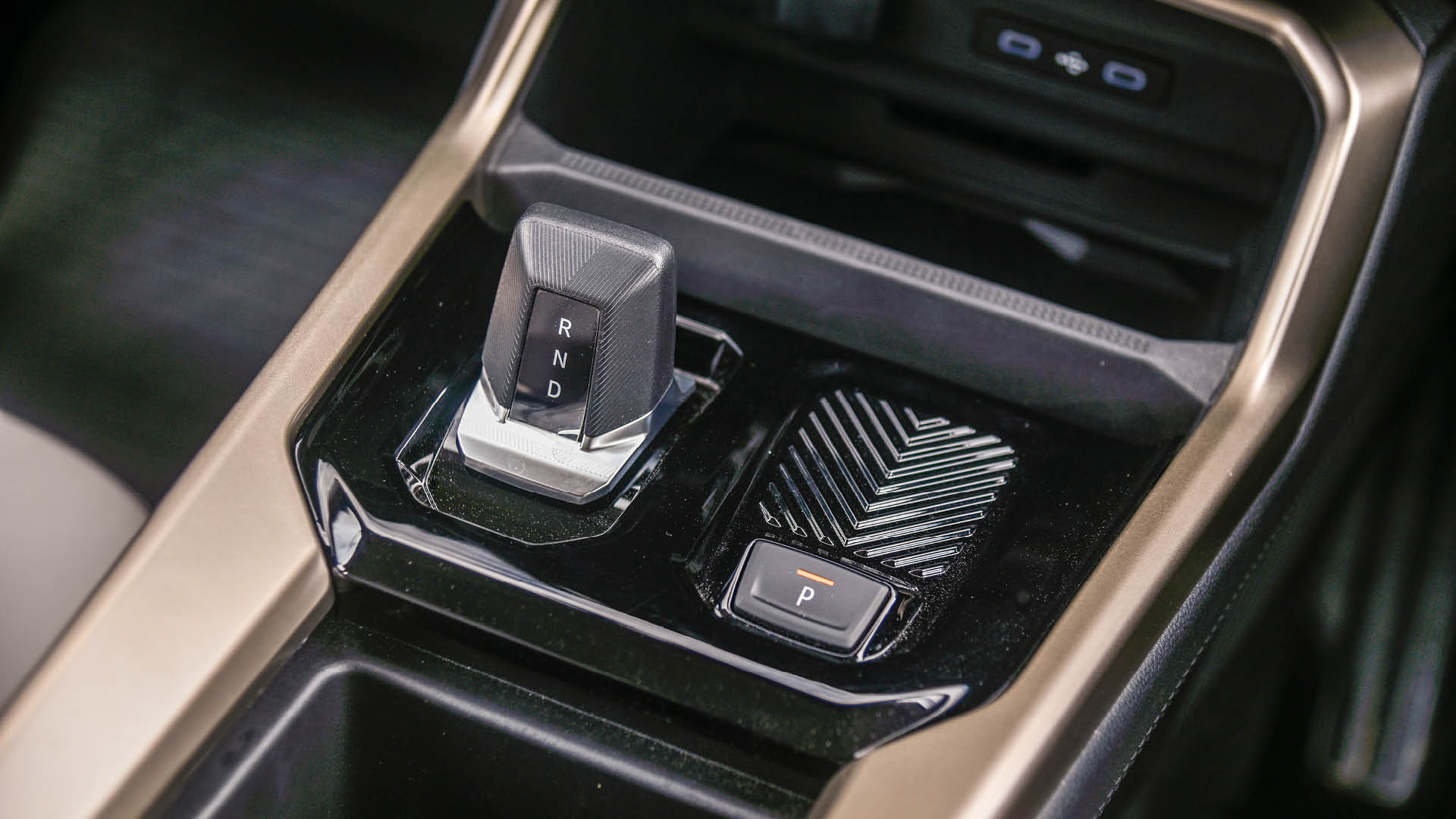
A campsite had been set up for us in Zanskar which added to the sense of adventure, and also helped us detach from the world, as mobile networks were non-existent. I was looking forward to the next day, not for mobile networks though, but to swap the T160 for the T280! And with 163PS and 280Nm on tap, put down via the 6-speed DCT, the T280 has considerably more muscle, and that extra torque makes itself felt every time the road points upwards or you need to execute an overtake. The dual-clutch gearbox was also taking the strain out of the long driving stints, allowing me to concentrate on the road rather than constantly work the gearbox. I was thus convinced that while the 1.0-litre engine is brilliant for city driving with some highway runs thrown in, if you really like driving and do long drives often, it’s the 1.3-litre engine you need to look at.
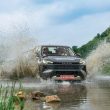
The Tekton also felt at home in the mountains, as its suspension has enough compliance to deal with rough surfaces, while maintaining composure when the road gets smoother and faster. It doesn’t feel like an SUV designed for urban roads, and that is one of its strengths. The drive to Leh can expose a vehicle’s weaknesses quickly, but the Tekton never felt particularly out of depth. It isn’t trying to be an off-roader, and its appeal lies in being a comfortable, well-equipped and capable SUV that can take you from the city to the mountains without demanding too many compromises.
The Tekton’s thus feels like an SUV from a manufacturer of Nissan’s repute. The Patrol-inspired design gives it a strong identity, the elaborate equipment list and fit-finish levels make it feel premium, and the underlying mechanical package gives it the versatility expected of a modern SUV. The road to Leh simply happened to be a particularly good way to discover all of that. In a nutshell, with the Tekton, Nissan may just have found the right formula for its comeback. This, while pricing it aggressively, from ₹10.49 lakh ex-showroom onwards!
Words Abhay Verma
Photography Saidatta Naik