

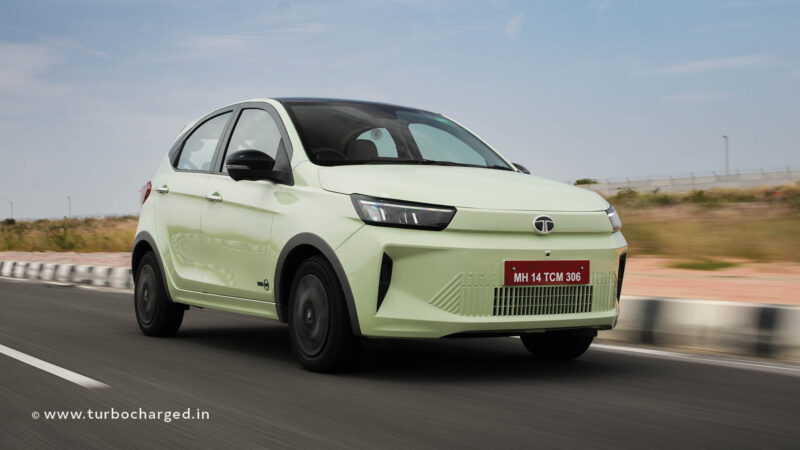
The Tiago has been one of the most underrated launches from Tata Motors in my opinion. The hatchback has been around for exactly a decade now, doing its thing and raking in serious numbers for the car maker, while all of its elder siblings hog the limelight! And come to think, it’s perhaps the only hatchback on sale in the country to be offered with as many powertrains since it was launched originally – petrol, diesel, CNG and electric! Of course, the diesel was done away with a few years, but the launch of the Tiago EV in 2022 ensured the hatchback attracted buyers looking for a small city car with ultra-low running costs.
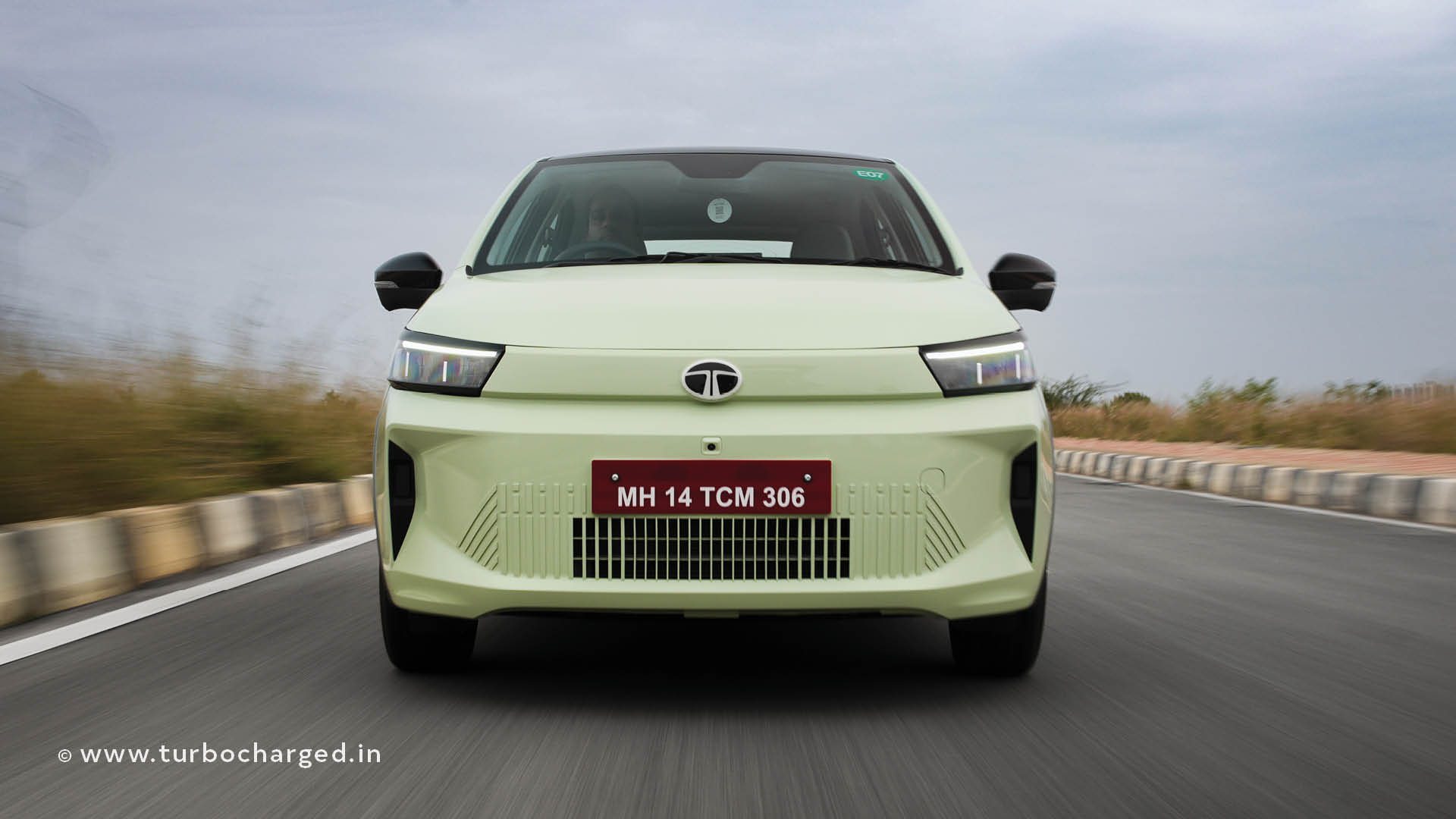
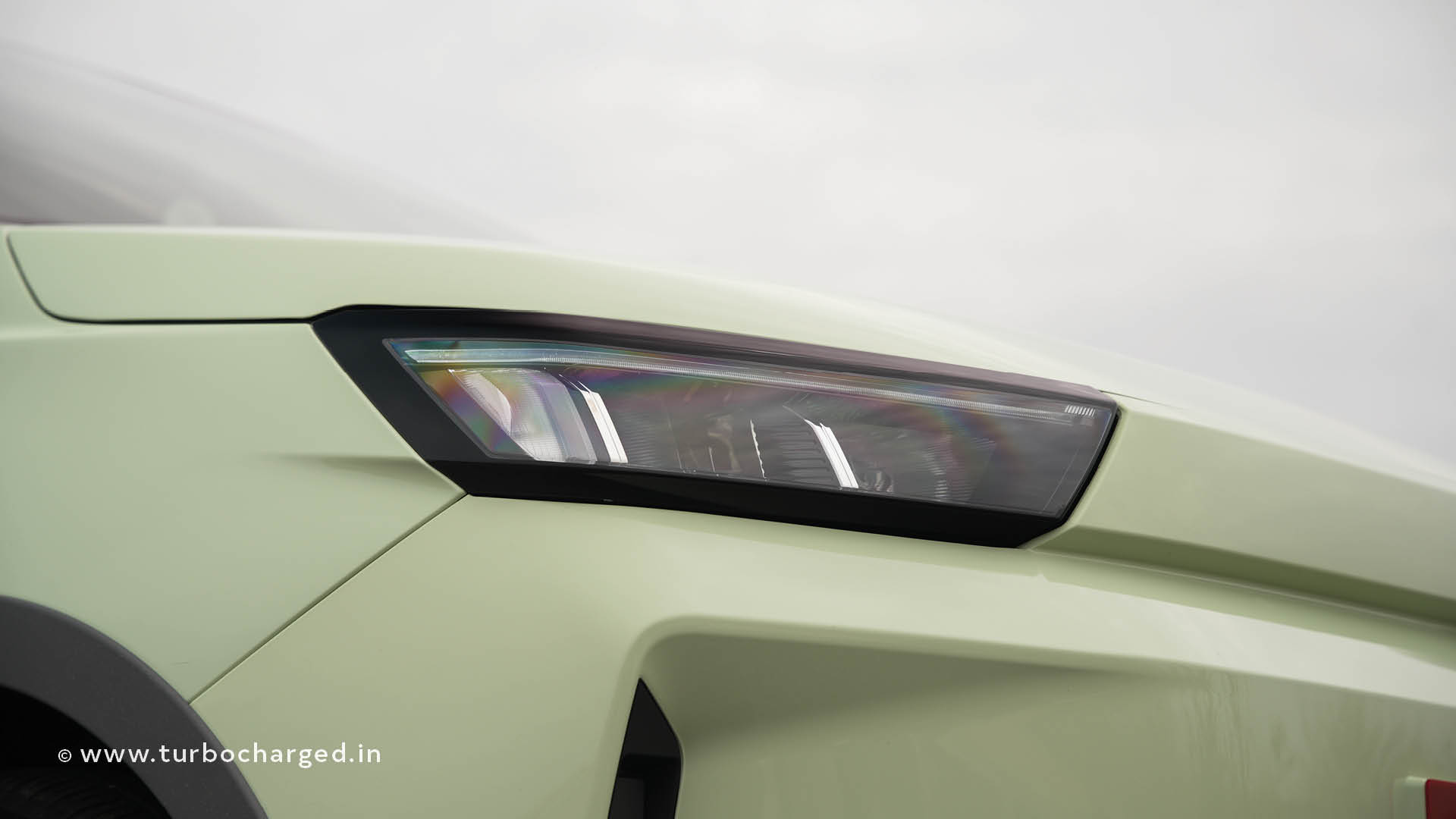
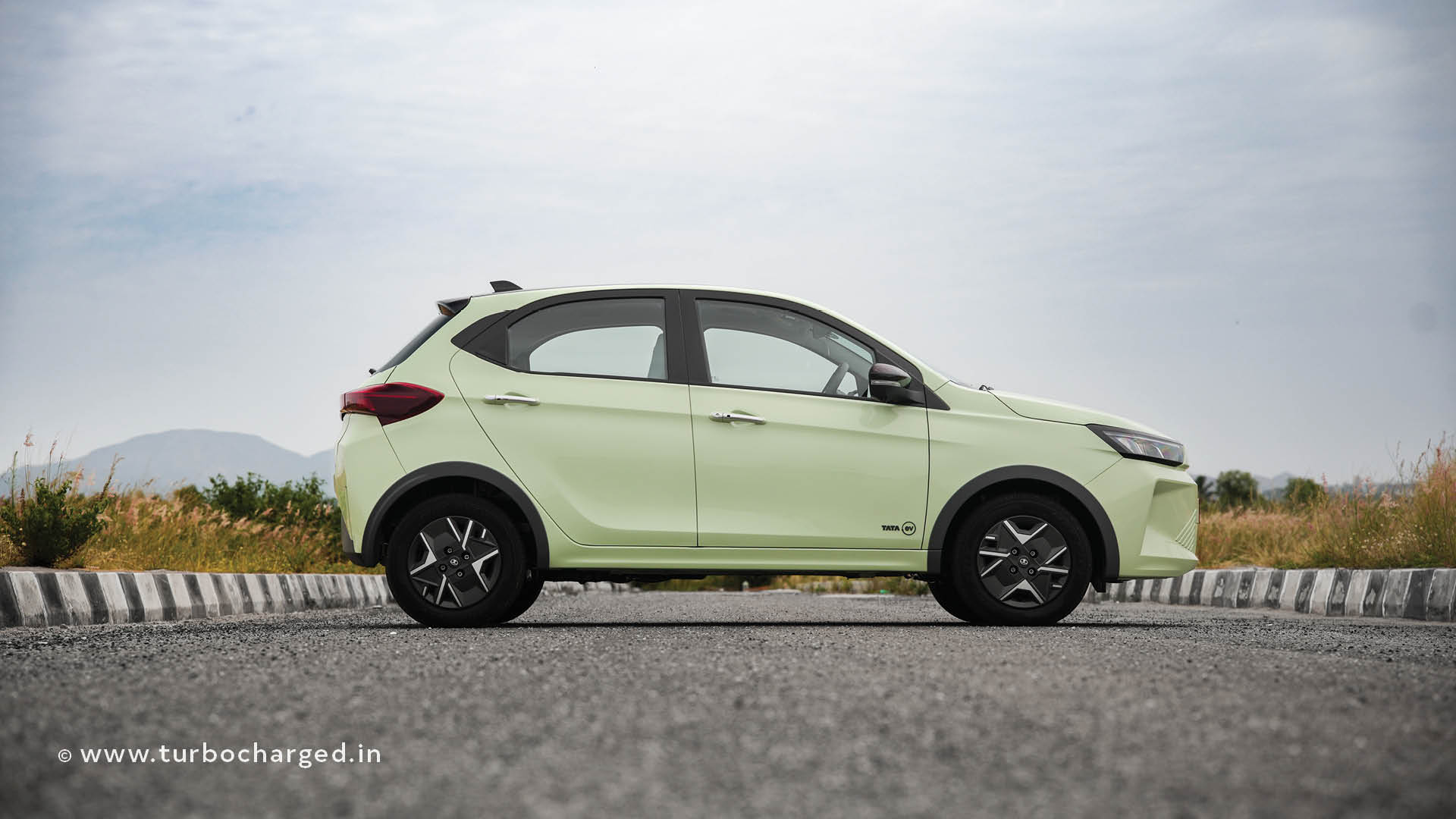
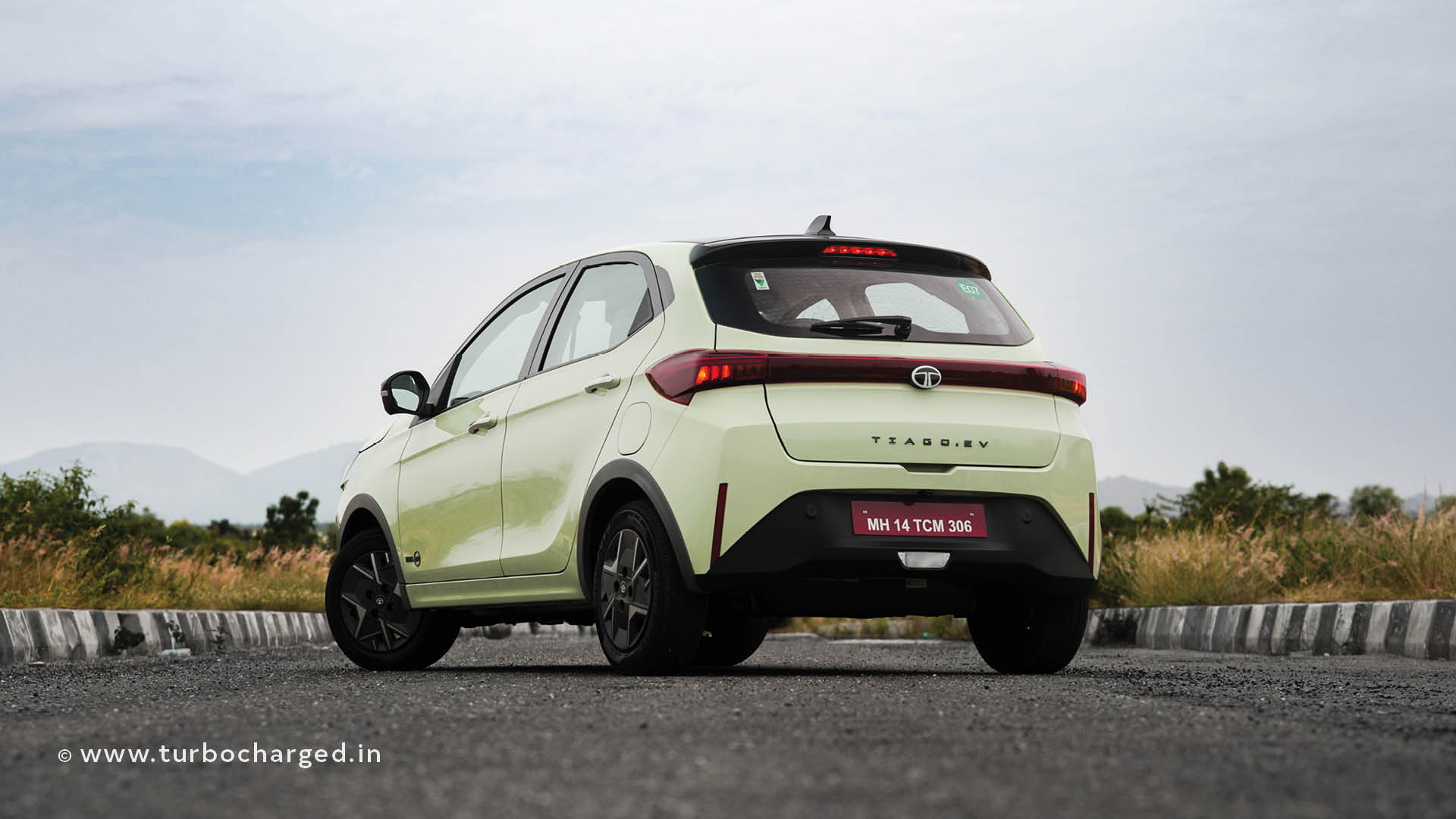
The formula hasn’t changed for 2026, but the Tiago EV sure has! Tata Motors has just given the electric hatchback what is easily its most comprehensive makeover, though the powertrains and underpinnings remain unchanged. But before I got to driving, I just couldn’t resist spending a few minutes soaking in the car’s updated design. First things first, as always, there’s enough differences to tell this one apart from the Tiago’s petrol and CNG versions. More importantly, I’m really liking the new front end of the EV because it reminds me of the cute-looking hatchbacks you see in Japan! And that’s thanks to the new headlamp design – they look sleek and sharp, the closed-off grille, the new bumper and of course, the car’s pastel colour which is called ‘Dehradun Dew’ by Tata Motors, but looks like a shade of minty-green.
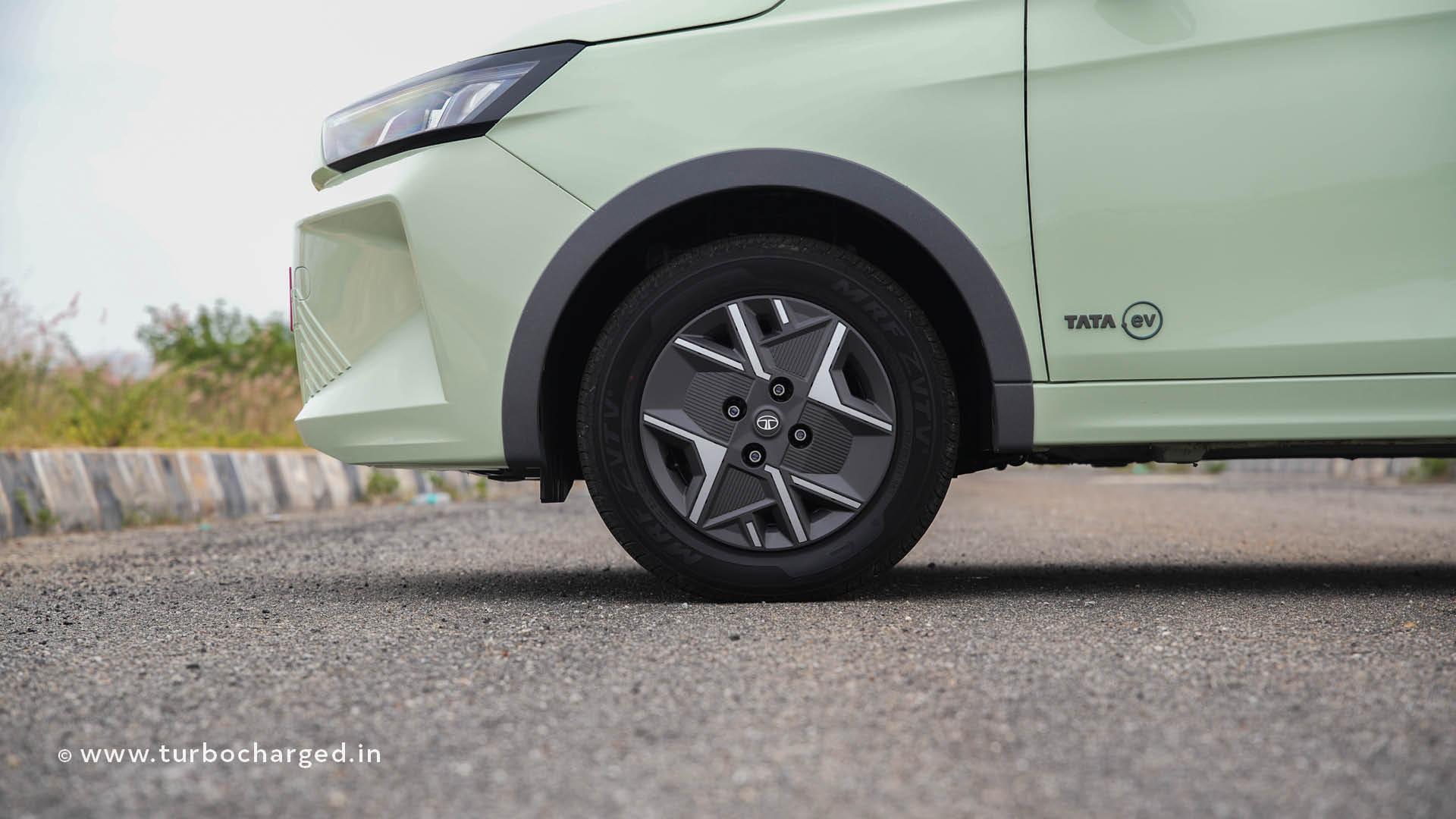
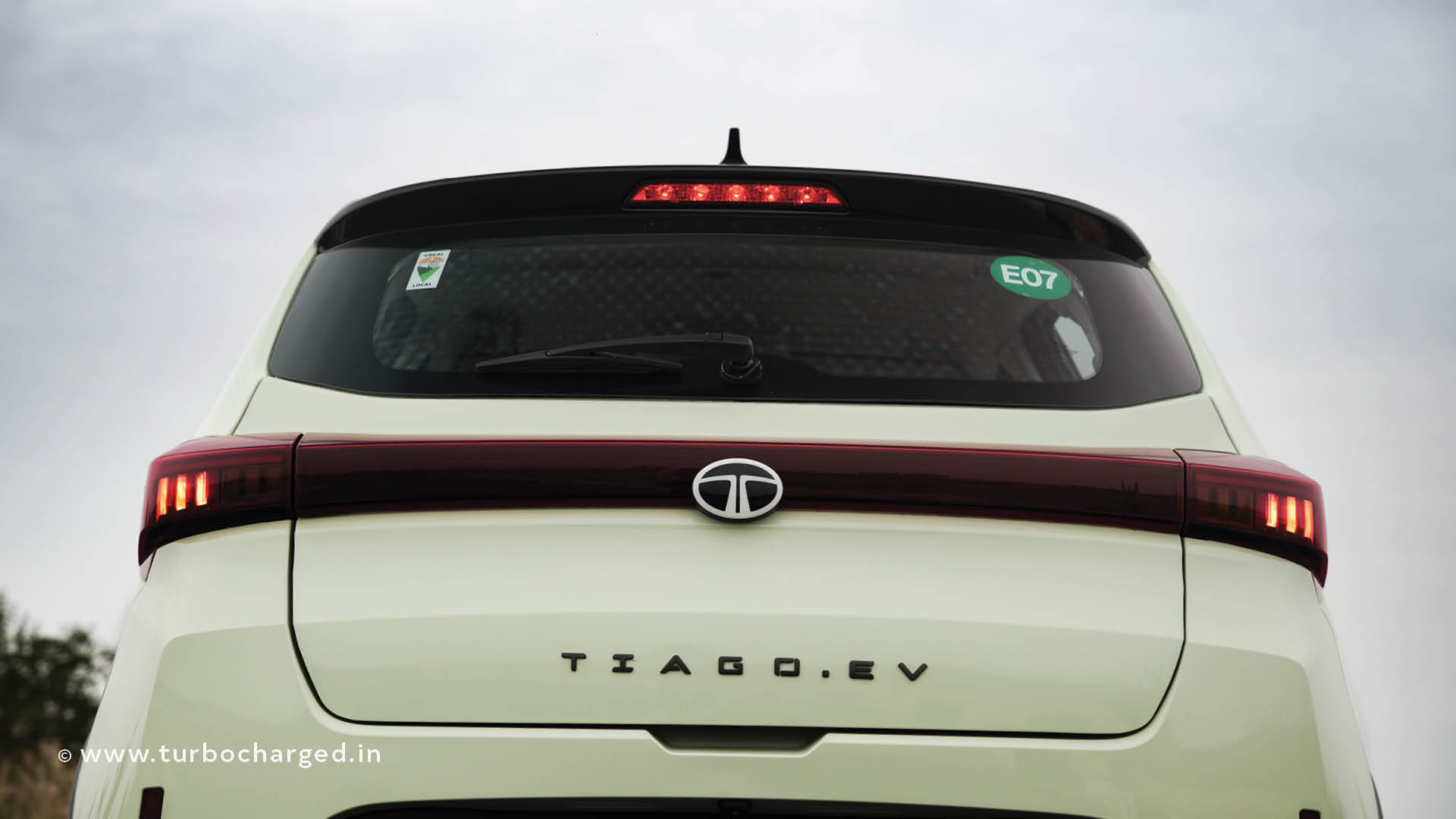
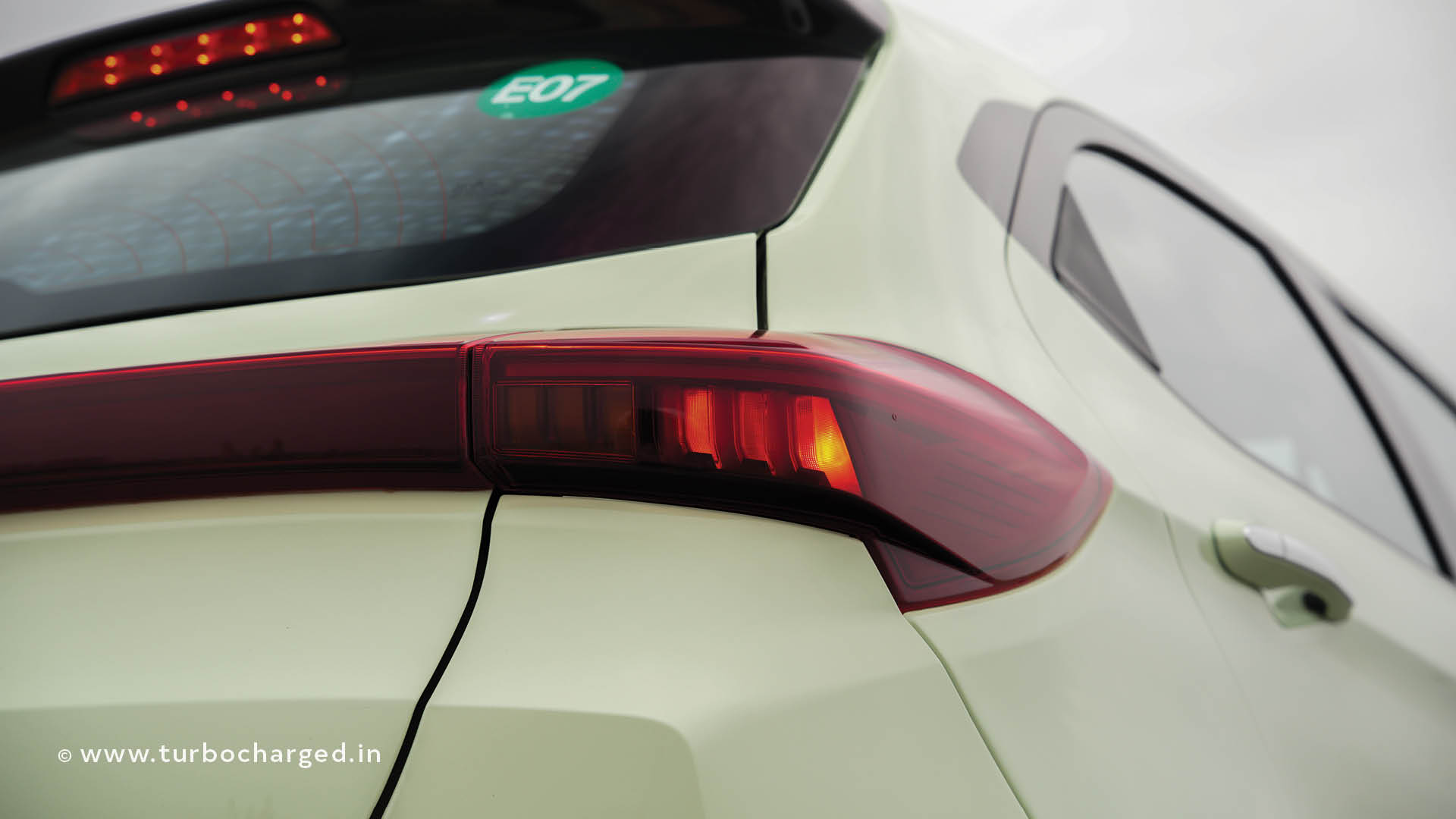
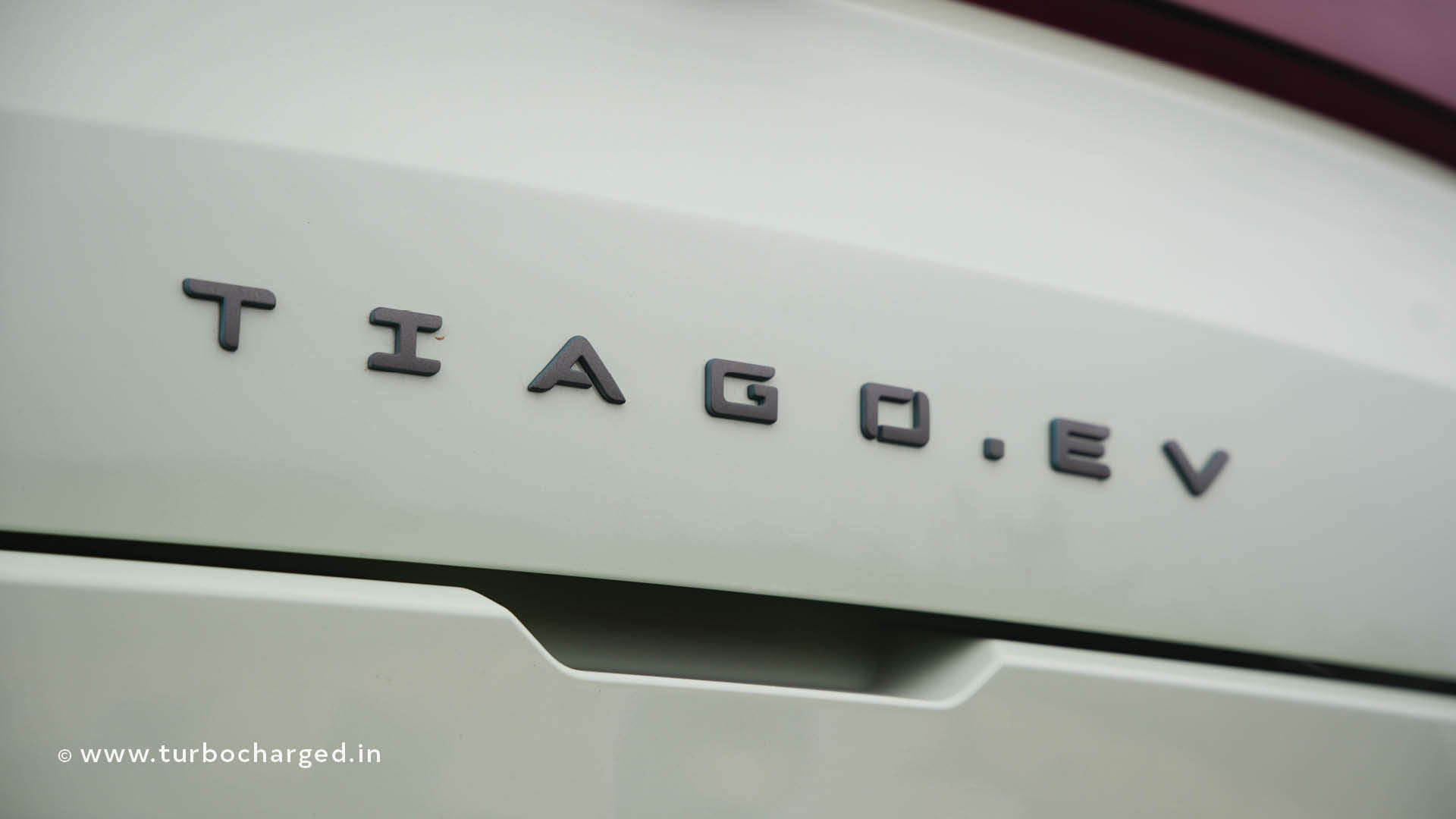
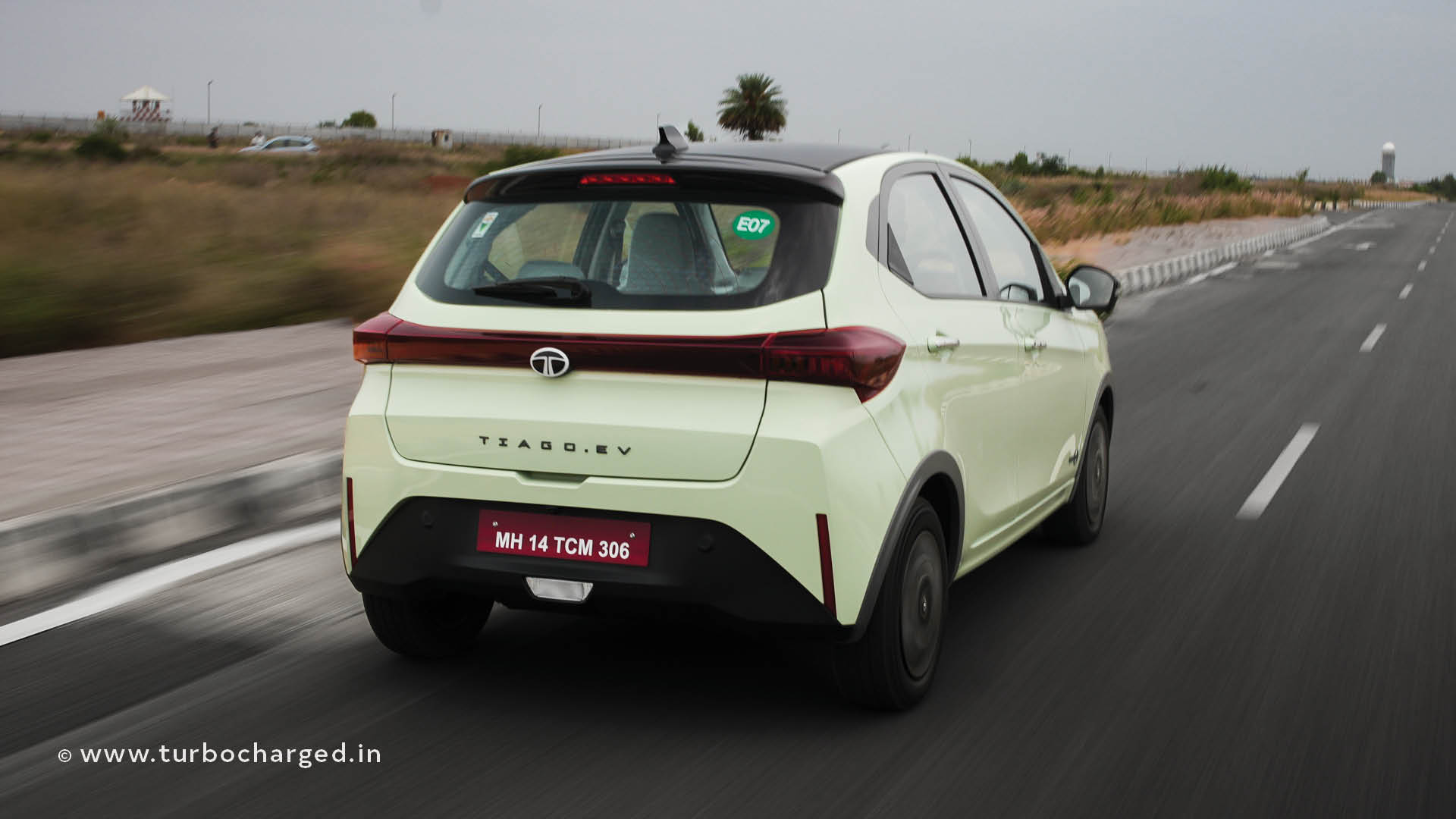
Interestingly, Tata Motors has used recycled materials for the wheel claddings, and their speckled texture adds to their appeal. But while the Tiago petrol can be had with larger, 15-inch wheels, the EV makes-do with 14-inch wheels, which looks a tad too small in conjunction with the wheel arches and cladding. A missed opportunity! The Tiago EV also gets a shark fin antenna now, along with redesigned tail lamps. The lamps look striking and are connected, but the strip of plastic connecting them is not illuminated and is just a reflector. The Tiago.ev name on the boot in matte black, with blue highlights is a nice touch too, and overall, this is a very good looking hatchback.
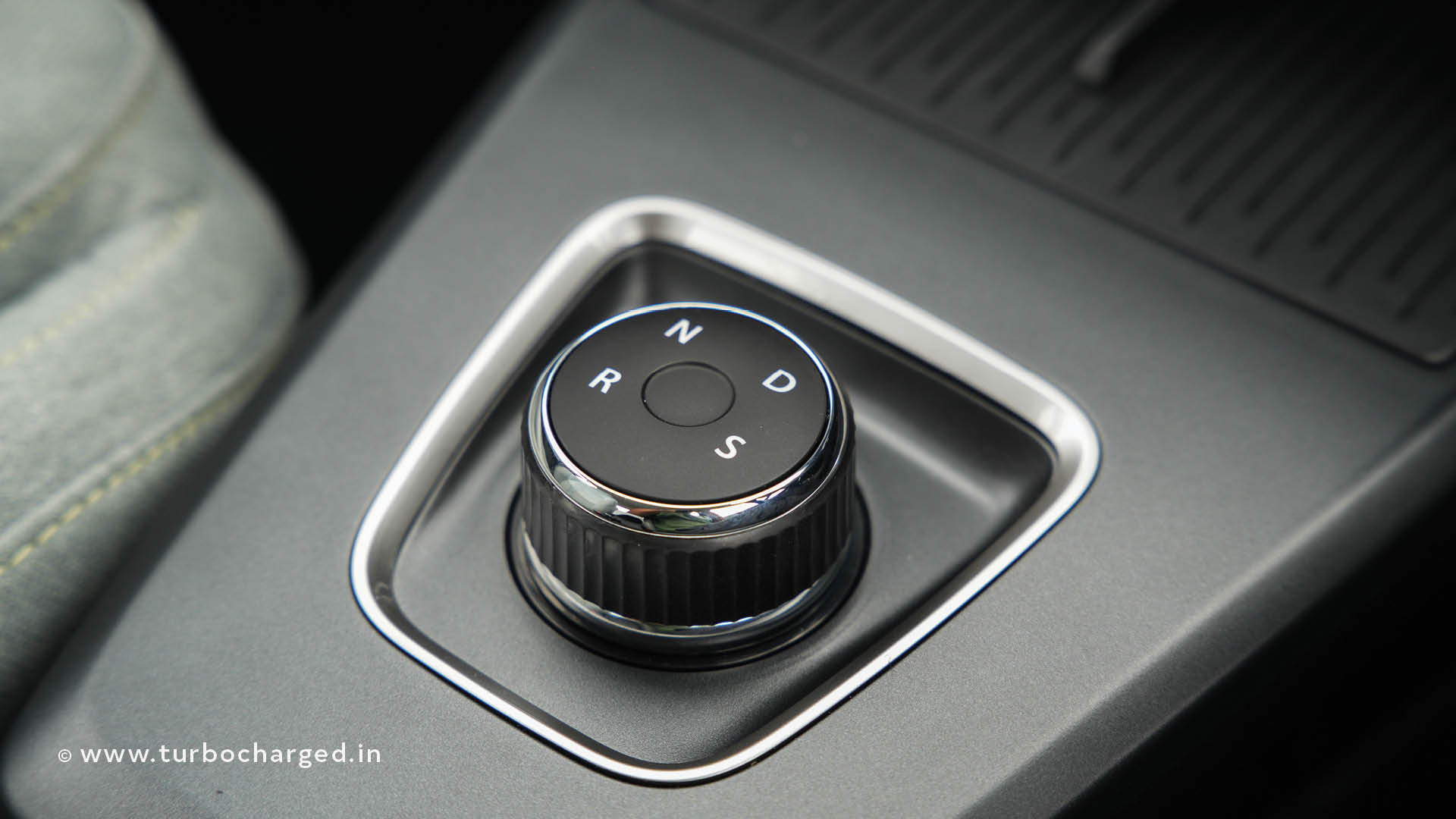
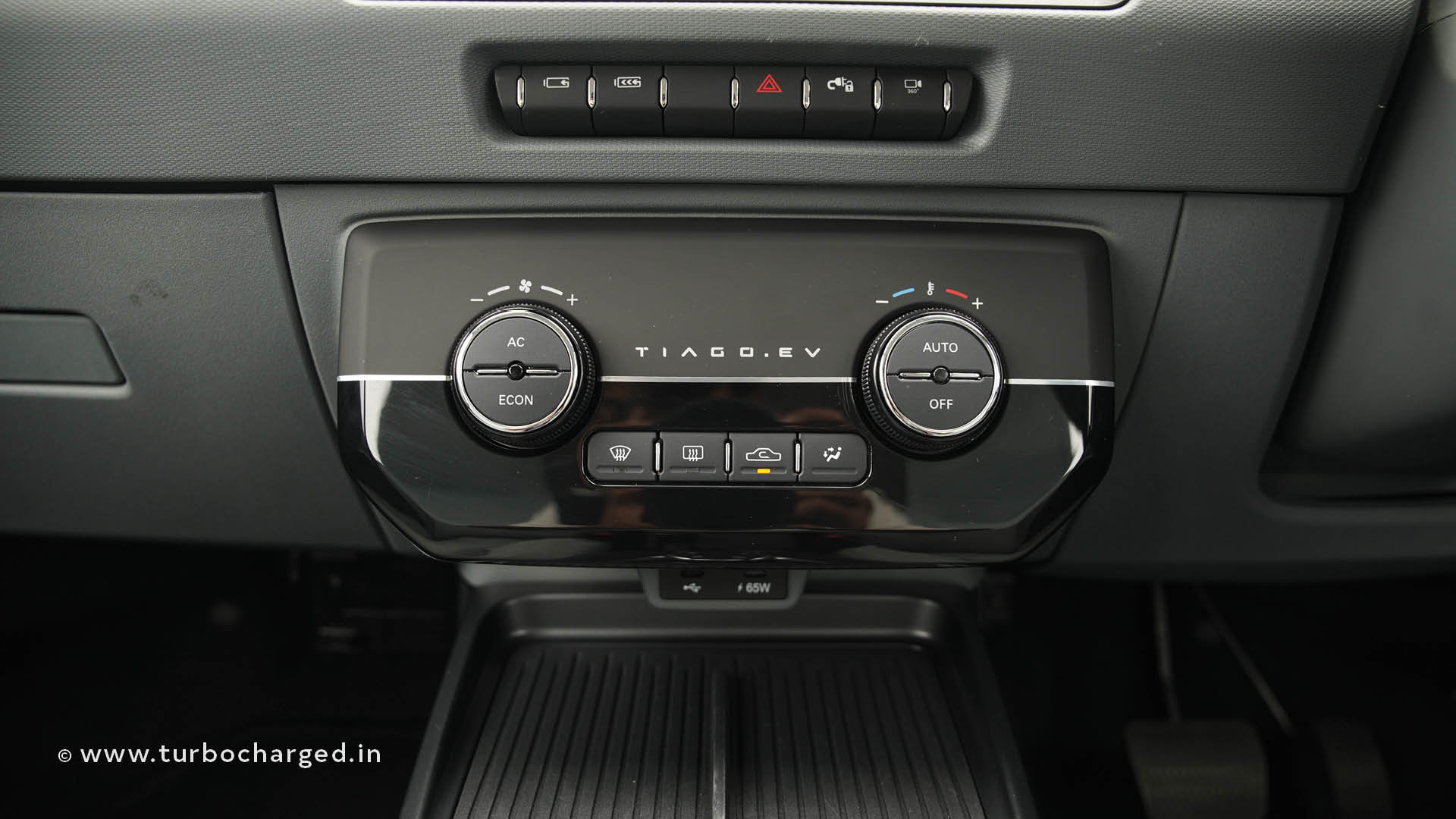
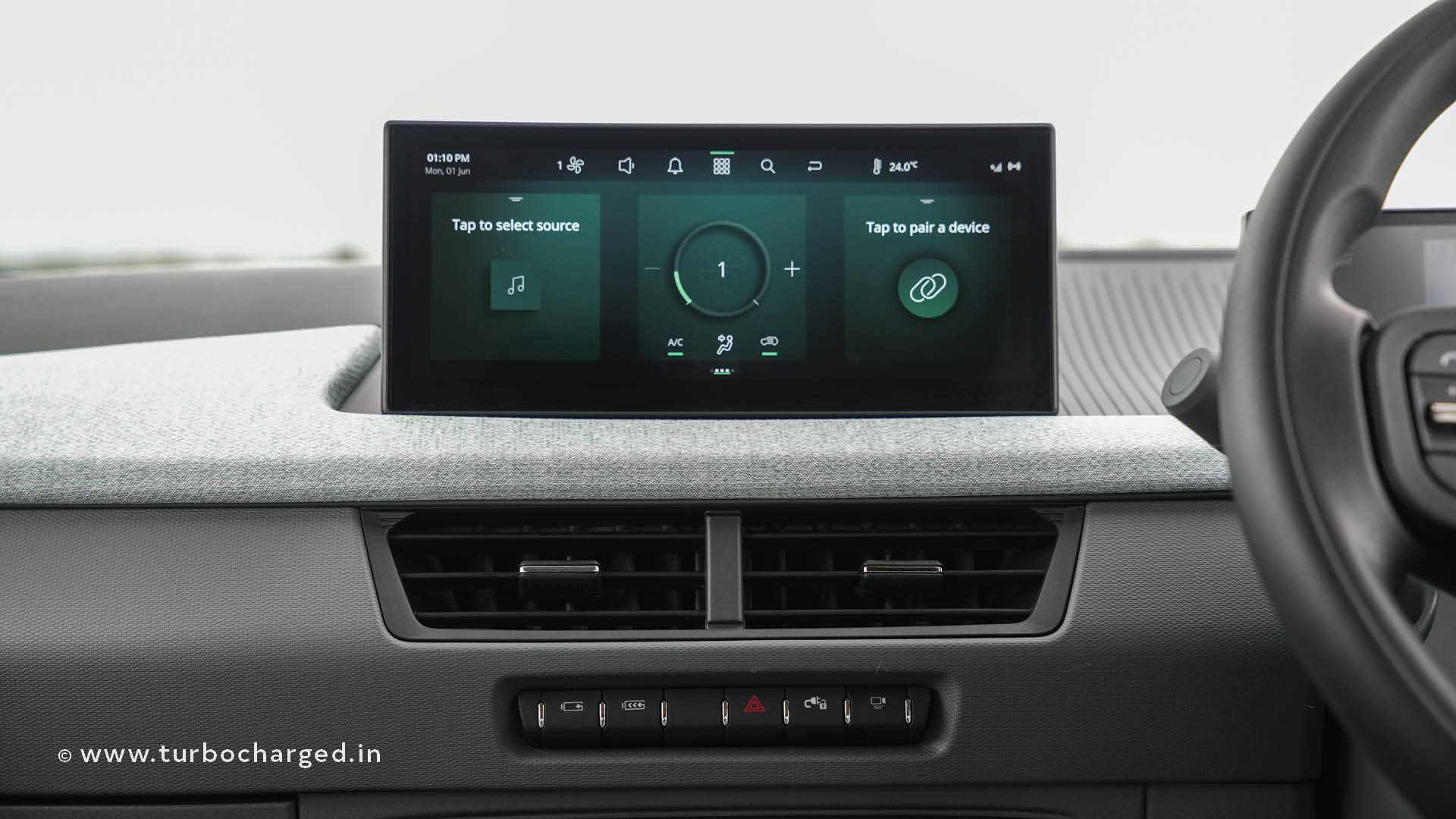
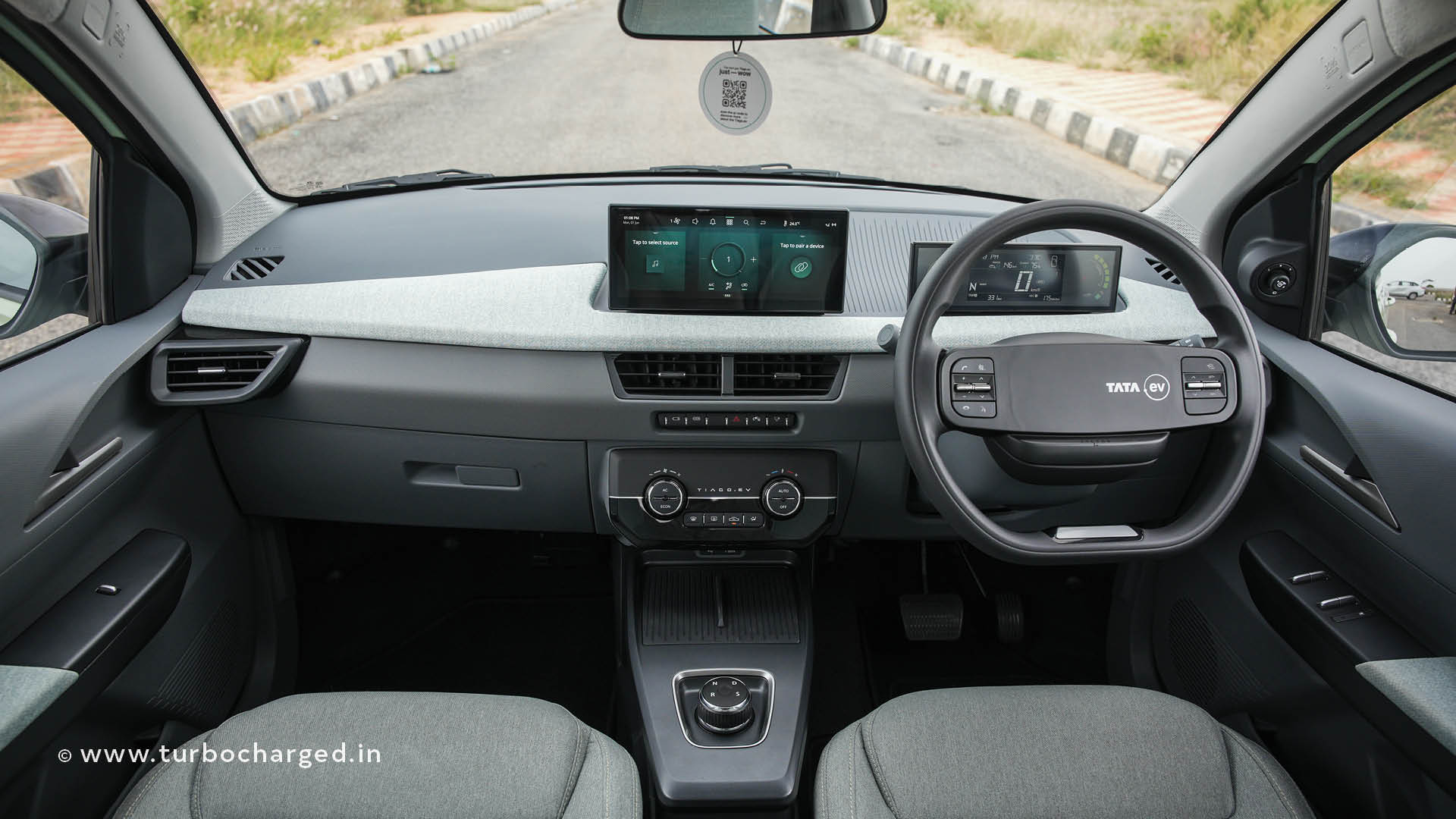
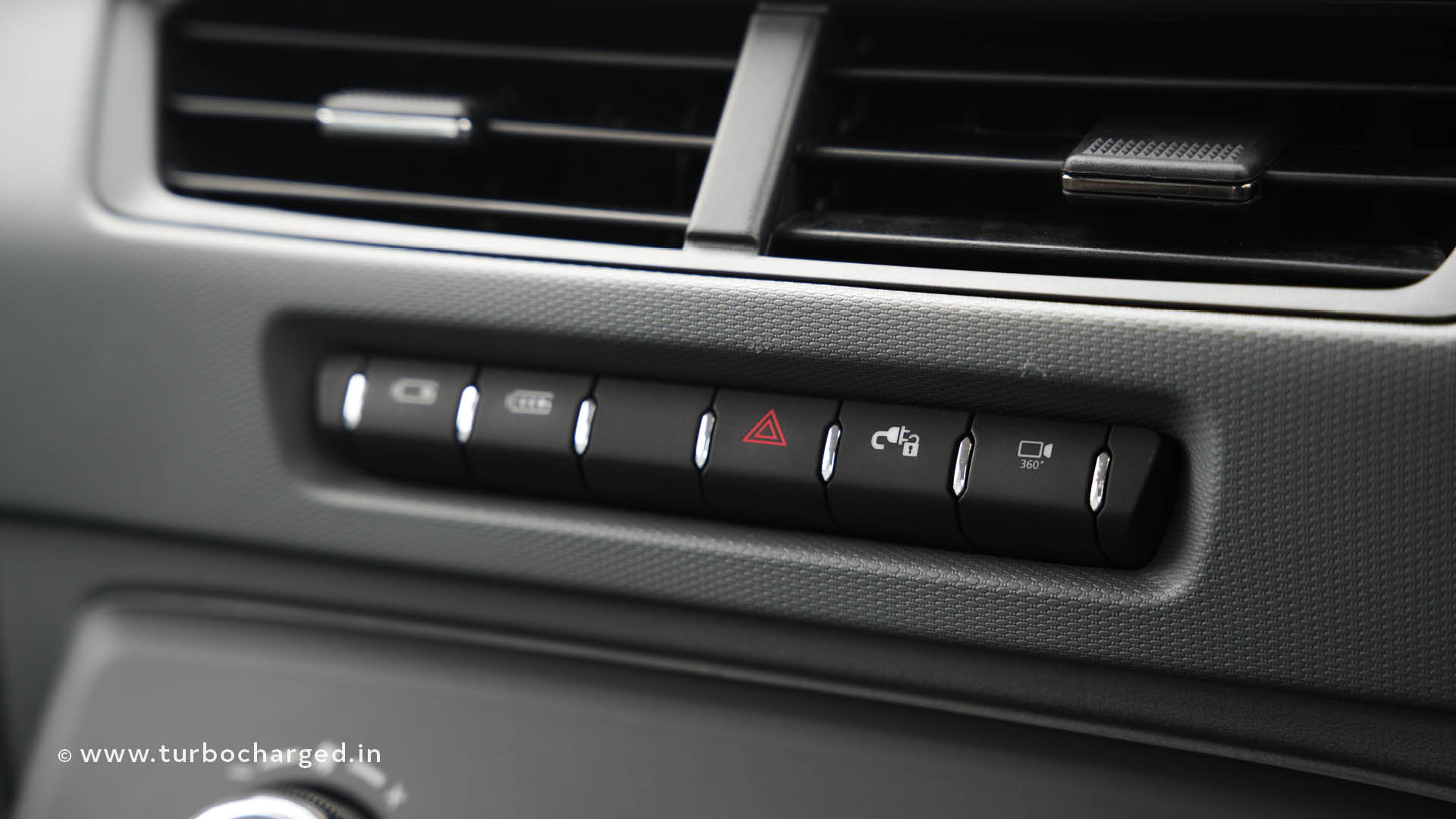
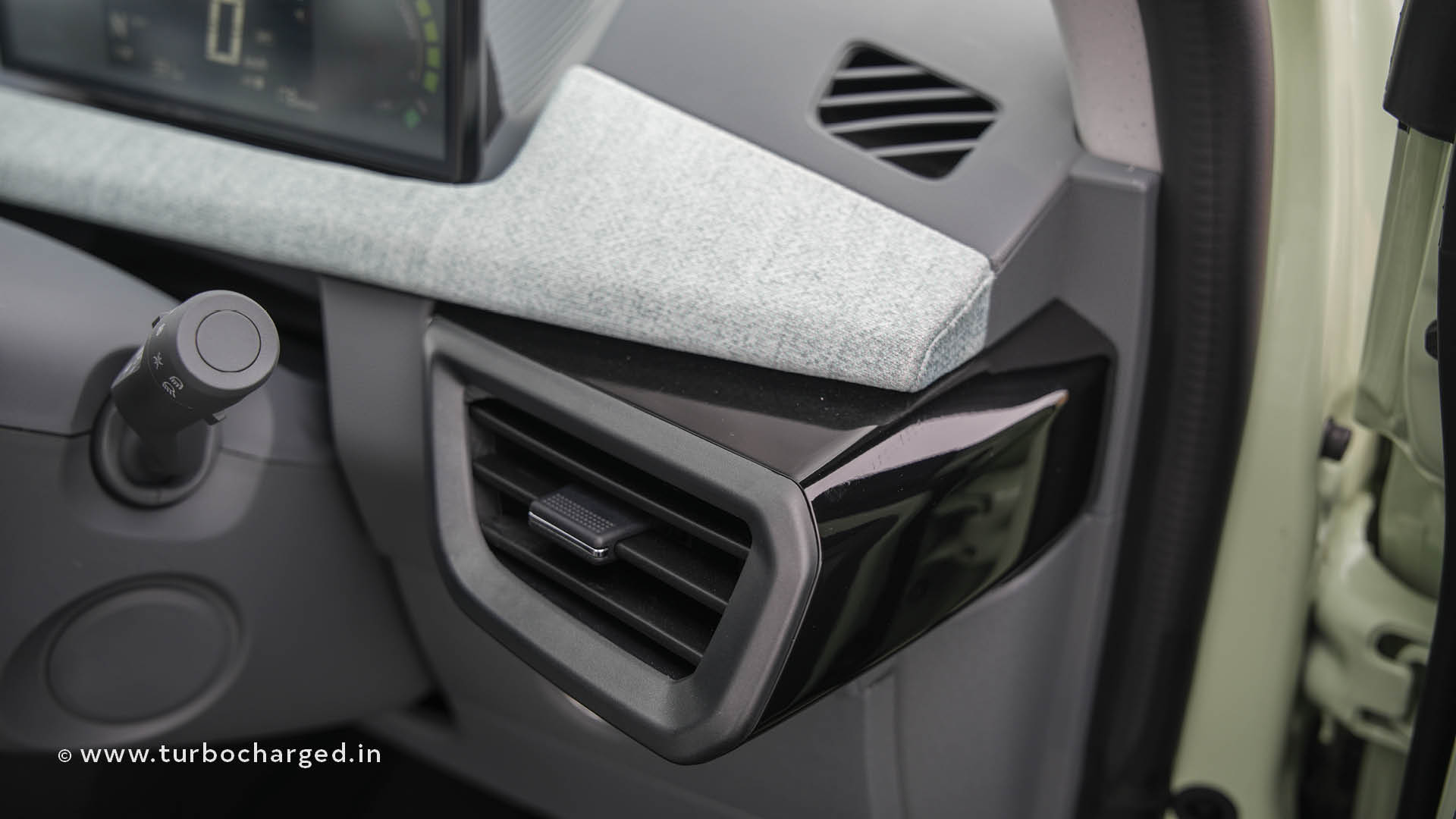
The interiors have been spruced up too, and again, there are some differences between the EV and petrol and CNG versions. Tata Motors has tried to offer a more premium feel inside and you get different surface finishes, especially on the dashboard, including a fabric-like finish. The touchscreen is the same size as before at 10.25 inches but gets new software and hardware, and the centre console has been redesigned too for a cleaner, more organised look. But the EV only gets dedicated space to place two phones and not a wireless charging pad, which is odd. You also get a new, sleeking looking instrument cluster behind the steering, which integrates a digital display in centre along with tell-tale lights on either side – it’s basic to say so, but does its job well.
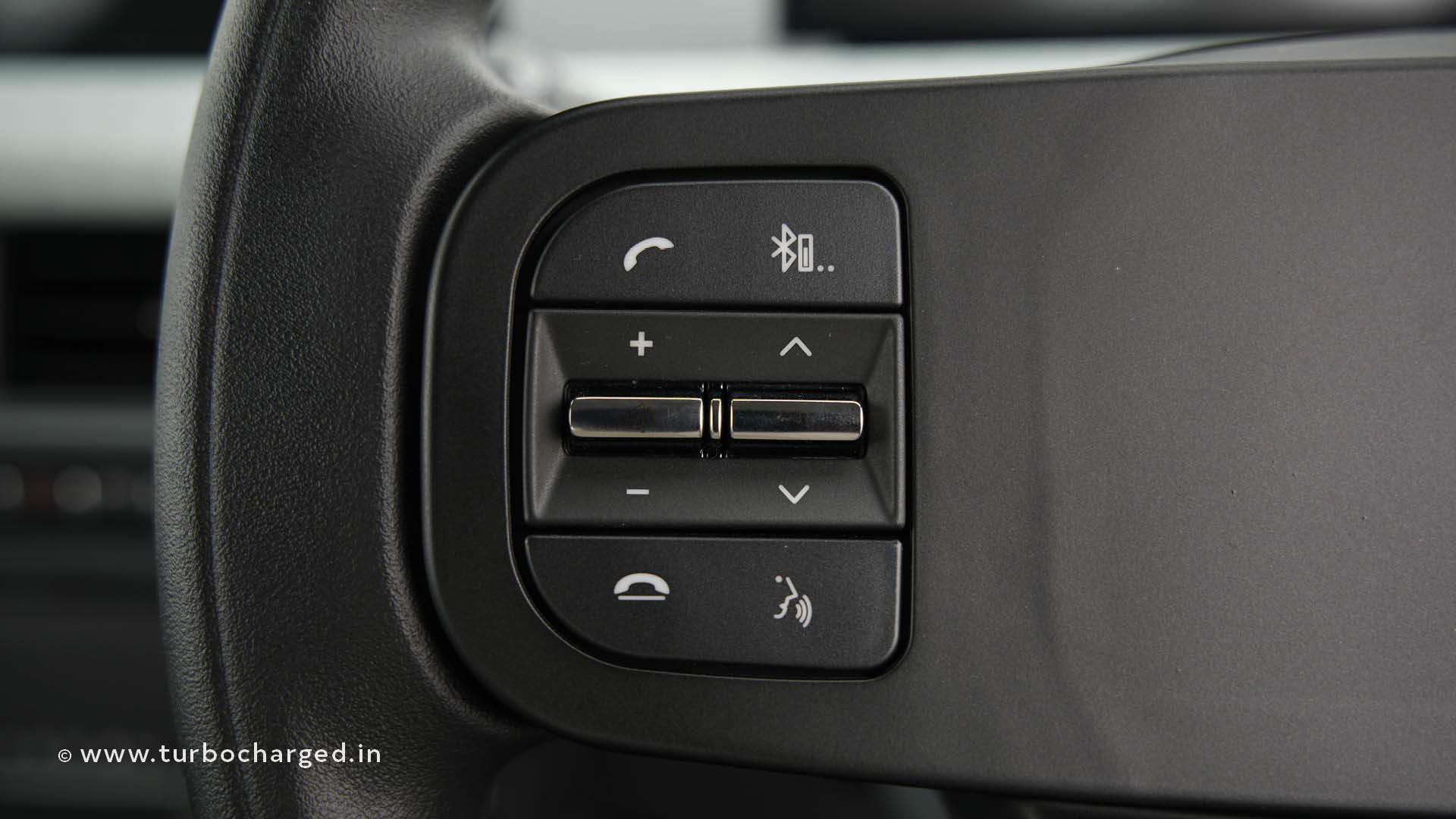
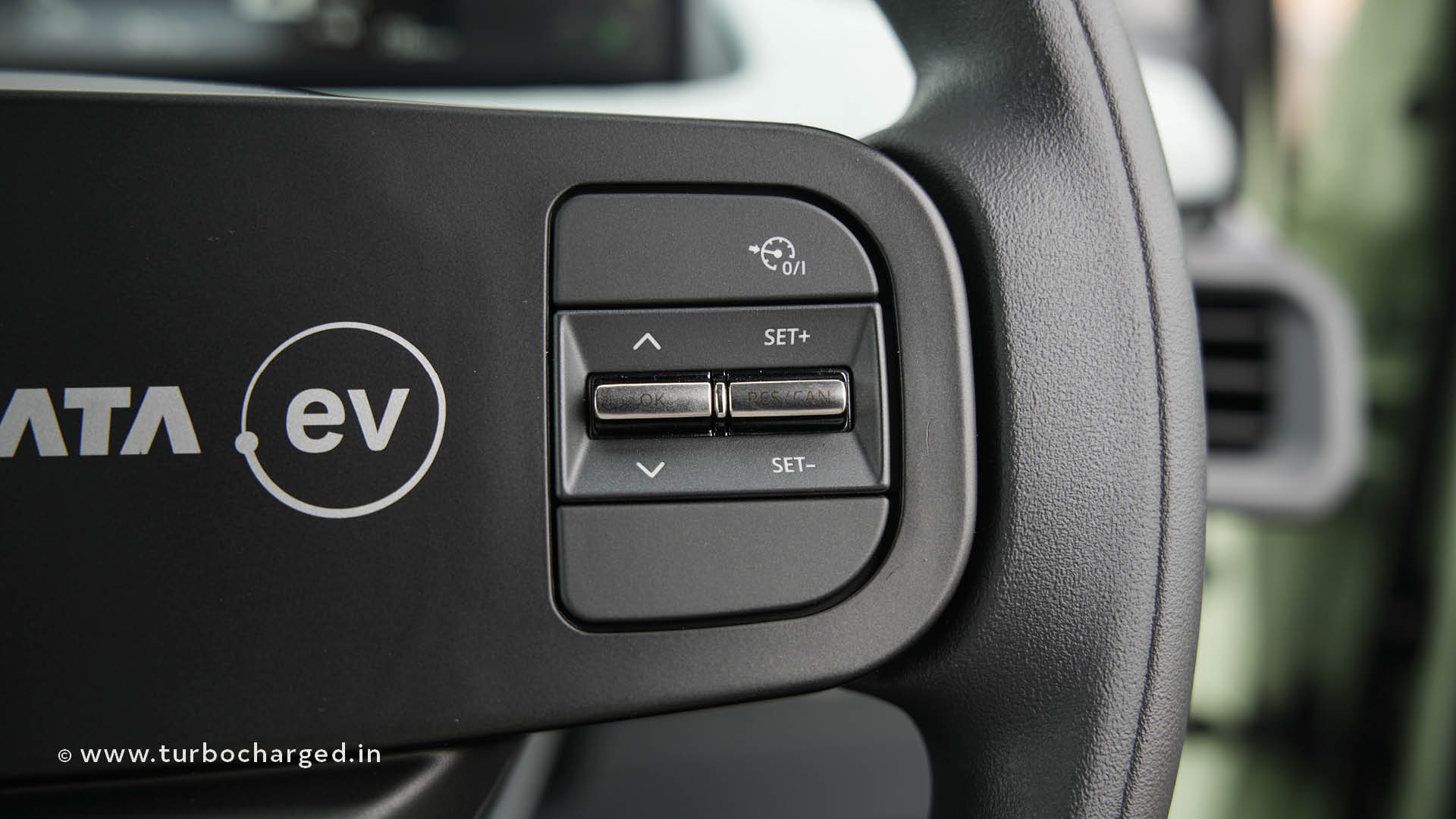
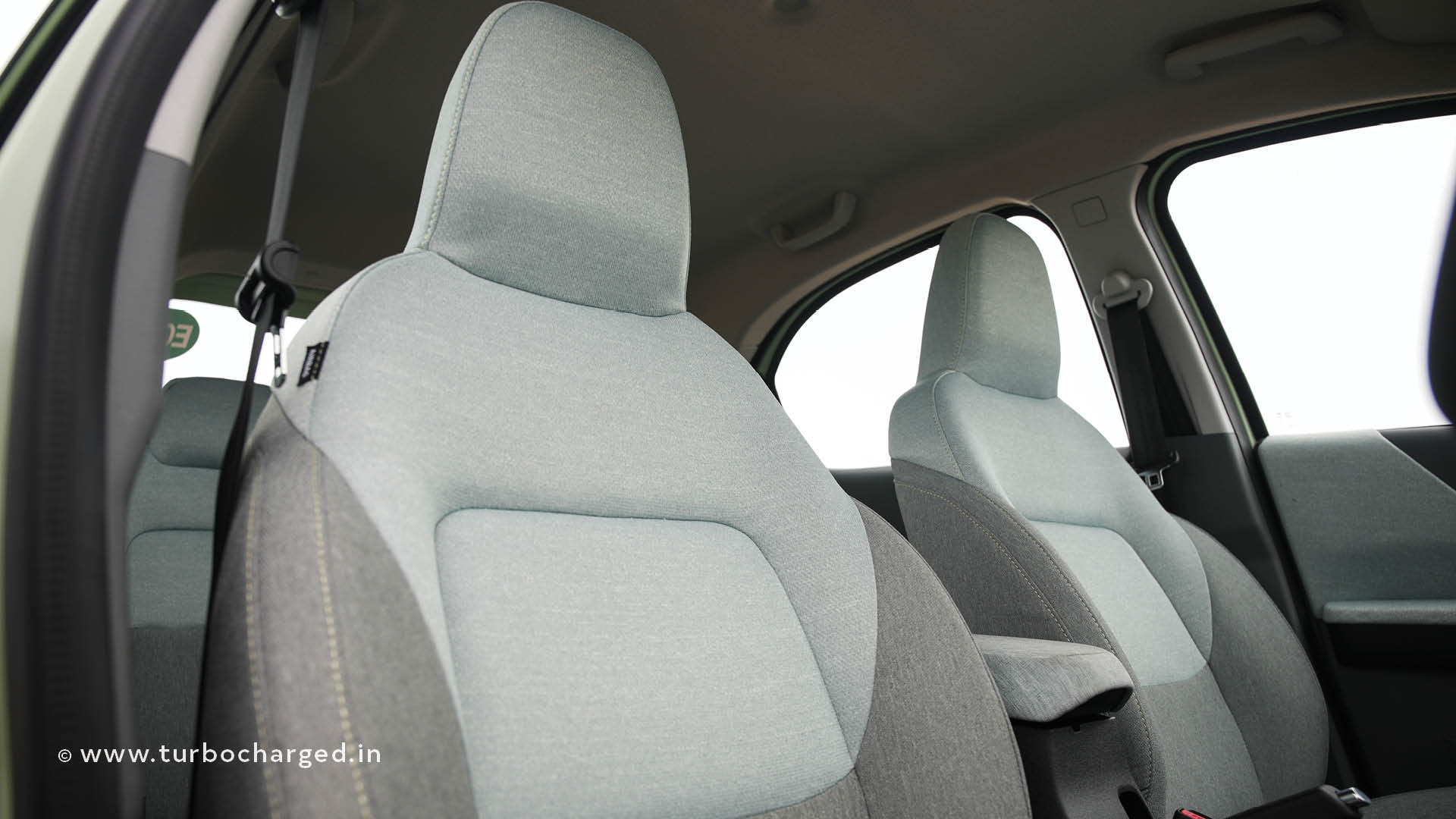
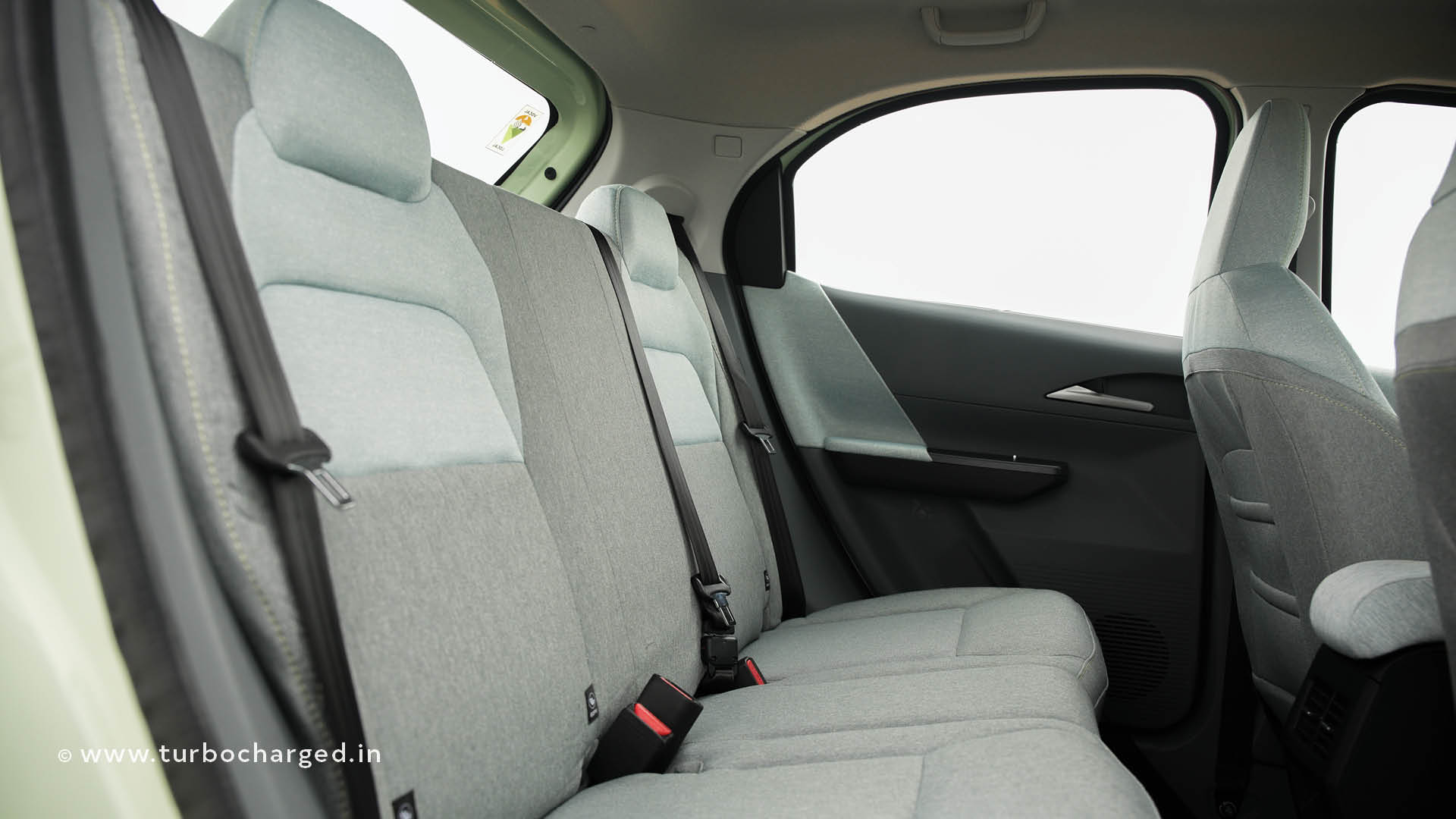
The Tiago EV also gets a different steering wheel with the Tiago.ev name sitting off- centre. Fit-finish levels have improved and clearly, there has been a strong focus on having the cabin feel more premium. Another big update are the seats. Front seats get additional underthigh support, and density of foam all round feels better, which means the seats feel more comfortable and offer better support.
The Tiago EV continues with the same 19.2kWh and 24kWh battery packs. We only drove the 24kWh version, where the electric motor offers 75PS and 114Nm, which results in reasonably quick acceleration. More importantly, Tata Motors has recalibrated throttle responses to offer a more progressive feel, and a lot of first time buyers, especially women and the elderly will appreciate the progressiveness.
The Tiago EV also gets a hill-hold function now along with three regeneration levels, but it still misses out on a single-pedal mode. Claimed range per charge is 285km, and we expect the car to manage a shade over 200km per charge in the real world, which is reasonable.
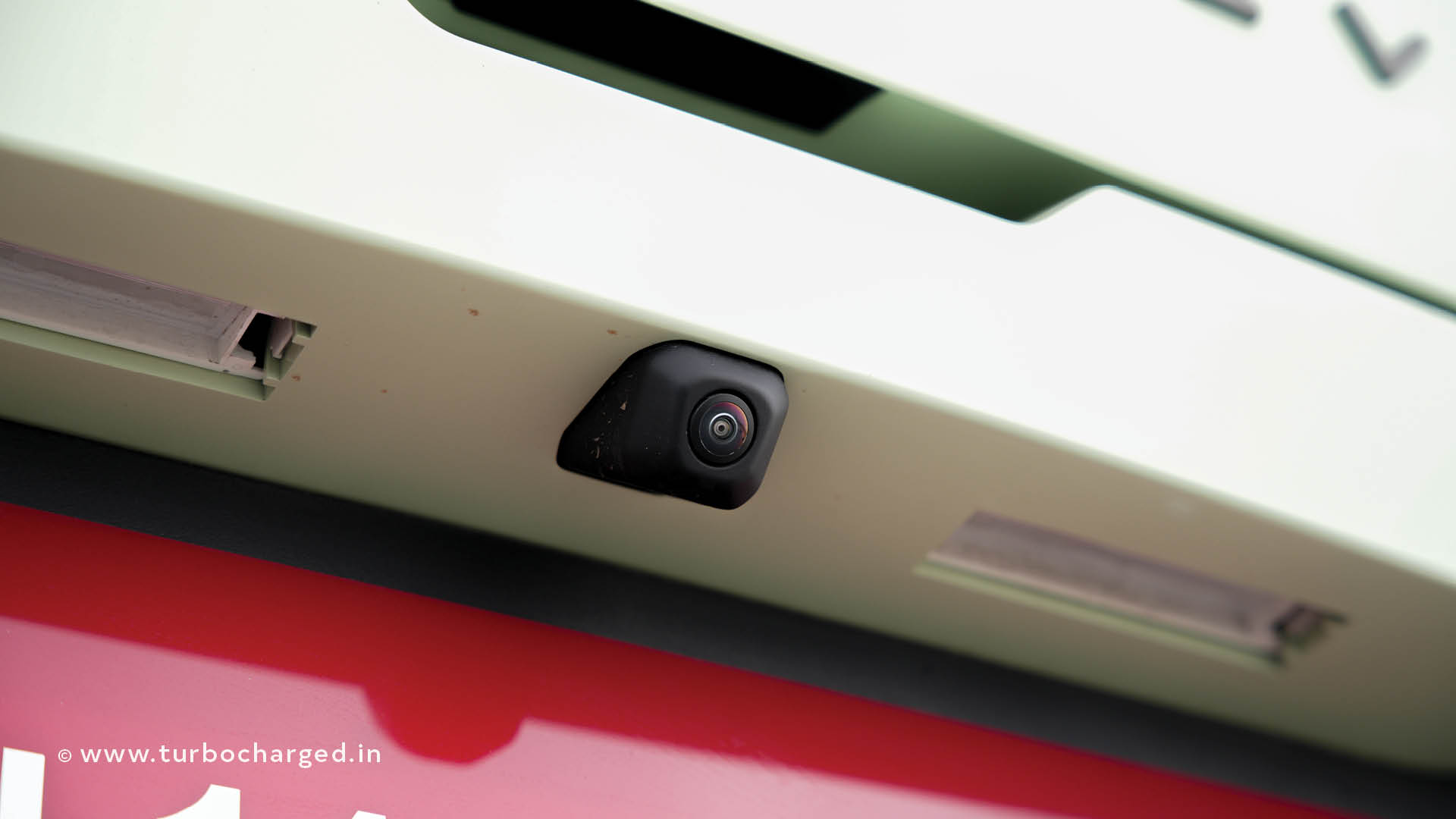
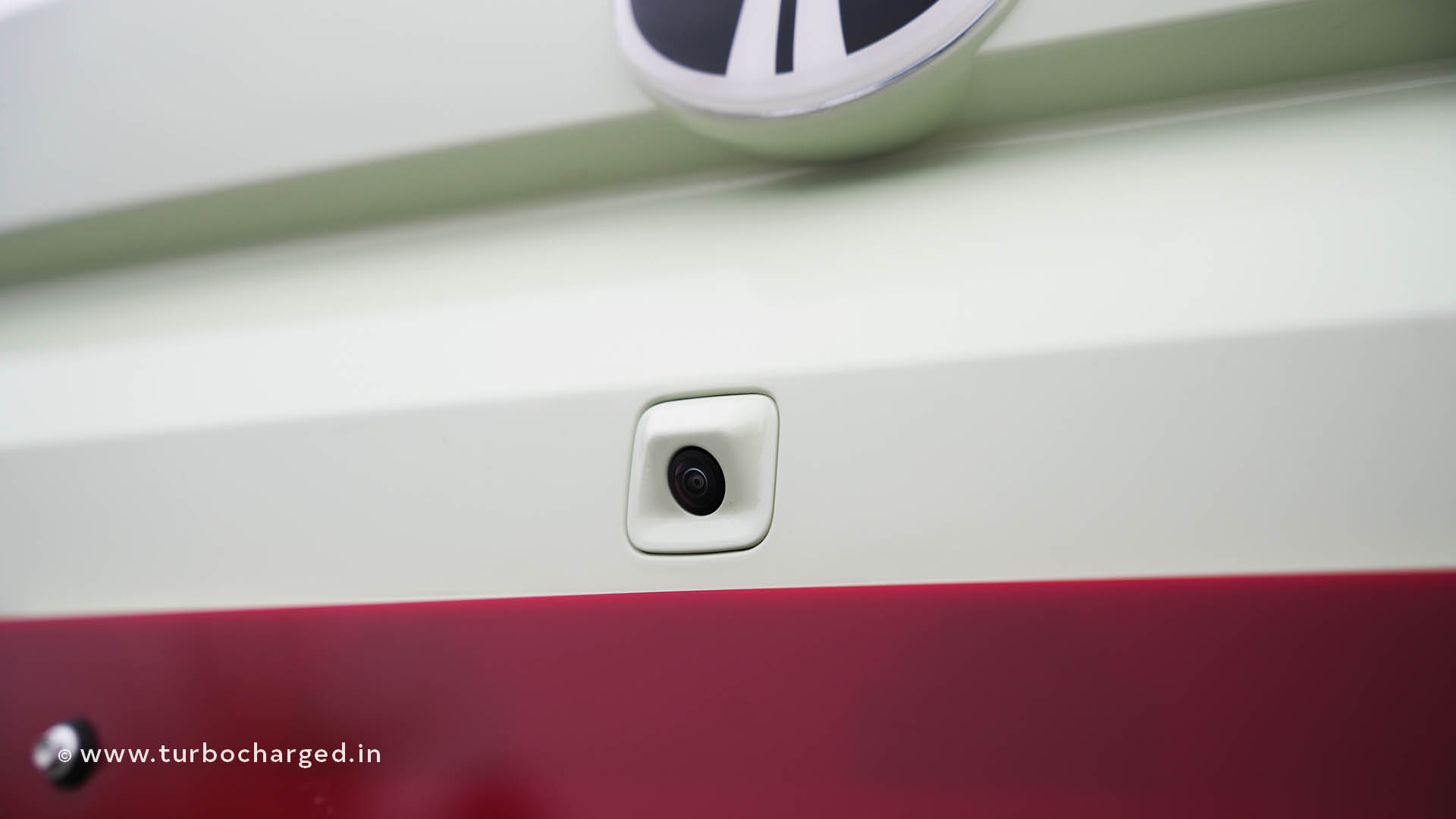
Tata Motors also claims the Tiago EV supports faster charging speeds thanks to improved battery chemistry and updated software, and can go from 20 percent to 80 percent in just 30 minutes now, down from 45 minutes earlier. A big addition to the list of features is 360-degree view, and I like camera resolution and views. You also get blind spot monitoring and when you use either turn indicator the infotainment screen is quick to display a live view, but this has you move away from navigation momentarily, in case you are using maps. Wireless Apple CarPlay and Android Auto worked flawlessly too. You also get six airbags along with hill-start assist and rain- sensing wipers, helping ensure the Tiago EV is one of the most feature-rich cars at its price point.
With no changes to the suspension the Tiago continues to impress with its plush ride quality, soaking up ruts beautifully. The soft suspension affects the car’s handling though, so body roll is noticeable when driving spiritedly around corners, along with some understeer. That said, the balance between ride and handling feels apt considering the car’s target audience and positioning both.
To sum it up, Tata Motors has given the Tiago EV a makeover that was perhaps needed but not asked for yet by buyers. One can argue that a bigger battery could have been offered but that would have also bumped prices up. For the matter, despite the updates and significantly more premium feel, prices under the ‘Battery as a Service’ scheme start from a very attractive ₹4.69 lakh ex-showroom, while the full price of the Tiago EV is ₹6.99 lakh ex-showroom, which makes it a very compelling choice as a city car!
Words Abhay Verma
Photography Saidatta Naik, Swapnil Dhawale