


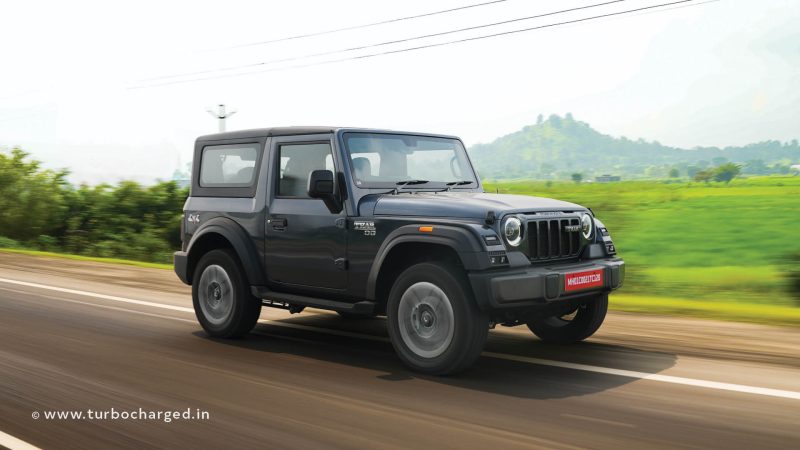
Divergent evolution is an evolutionary process where a single ancestral species splits into two or more distinct, increasingly dissimilar descendant species over time. The line is lifted straight from Google, as it succinctly explains the concept. For our discussion, that original ancestor is the CJ-3B. The divergent evolution took different routes in the USA, the UK, Germany, and Japan, and, of course, India; and the Thar OG is the pinnacle of that evolution.
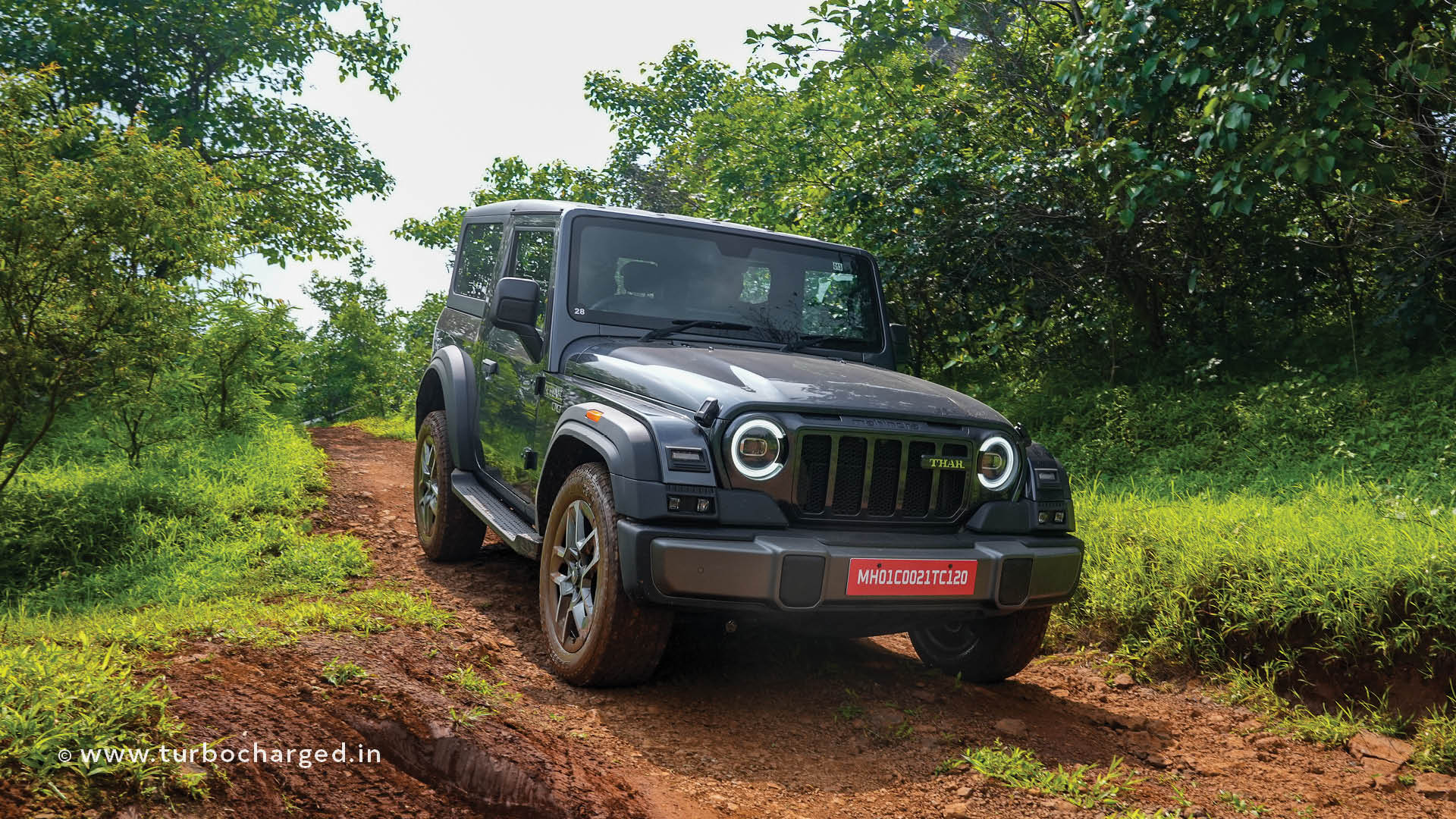
And what a pinnacle it turned out to be. However, let’s start at the beginning. The Thar OG is not the best name, and Mahindra could have come up with something a lot better. It is the Xbox 1 of names, which came after 360 and made no sense, because the OG Thar was the one derived from the MM540/550. With that out of the way, Let’s talk about the visual differences, or lack thereof. The front fascia gets a new grille, new bumper, and new LED DRLs, and new fog lamps on the fenders, which are immune to the obligatory bumper replacement, unlike the old fog lamps, which were in the bumper. The tail lamp is the only new thing from the rear, and the wheels (now 19-inch), from the sides. I did not like the new design, and while this is subjective, I would have preferred a six-spoke design, more in line with an off-roader than the five-spoke it currently has and the five-spoke it used to have. Another thing that irks me slightly is that there’s absolutely no way to tell the Thar OG apart from the previous iteration from the side, apart from the wheels.
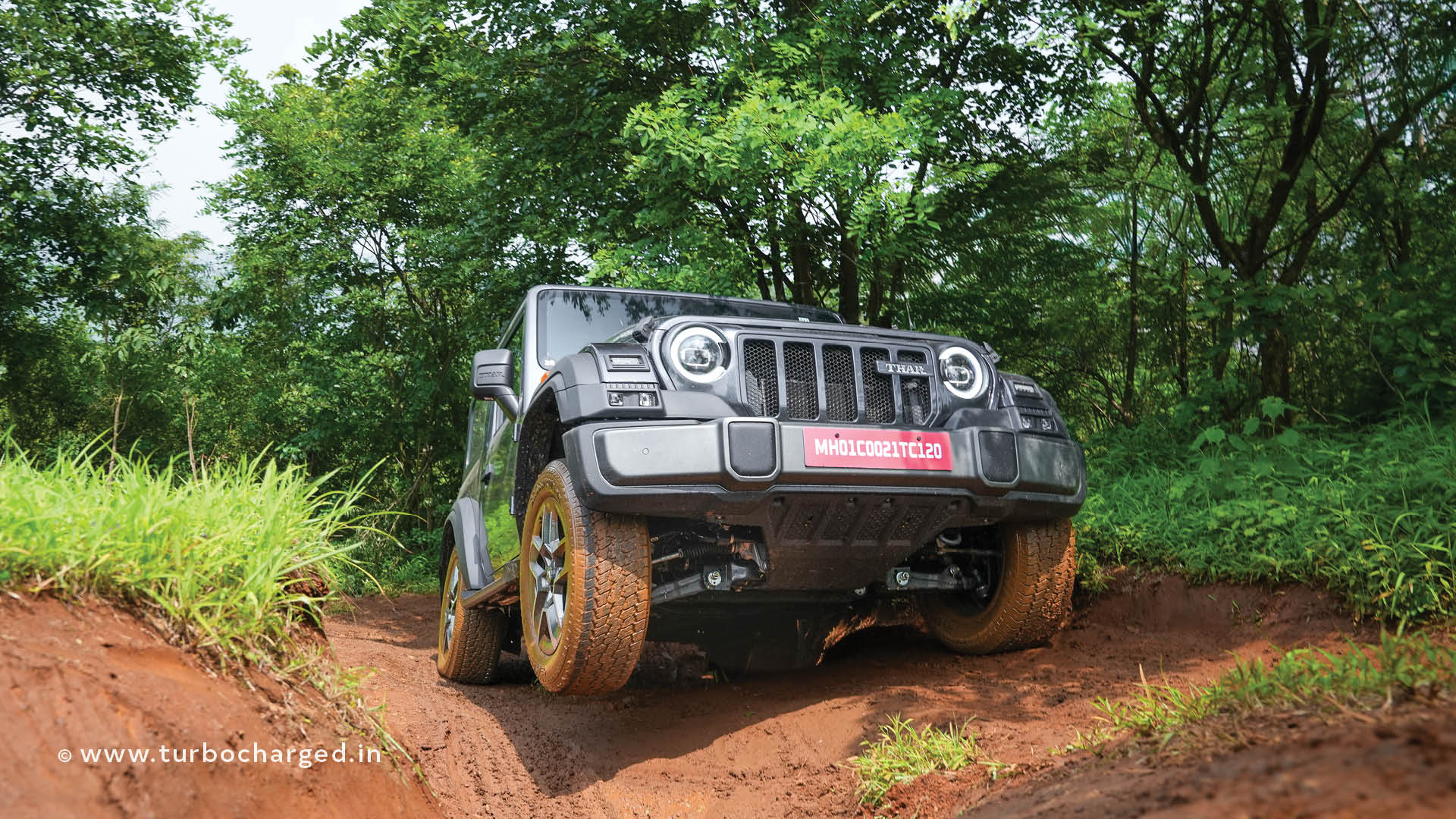
The power steering system is now electric instead of hydraulic (and the steering wheel still doesn’t telescope; it tilts only), and while I will insist that this change is worse for most enthusiast cars, the Thar is not a sports car and actually benefits from this transition, as steering kickback has reduced massively while the front wheels encounter obstacles. The other significant feature update is the addition of an electric locking diff, which is better than the mechanical limited-slip diff, and can get you out of actual sticky, or rather, slippery situations (the BLD is not part of this discussion as it is not even a differential, and I still feel it was one of the major backtracks from Mahindra for the Thar).
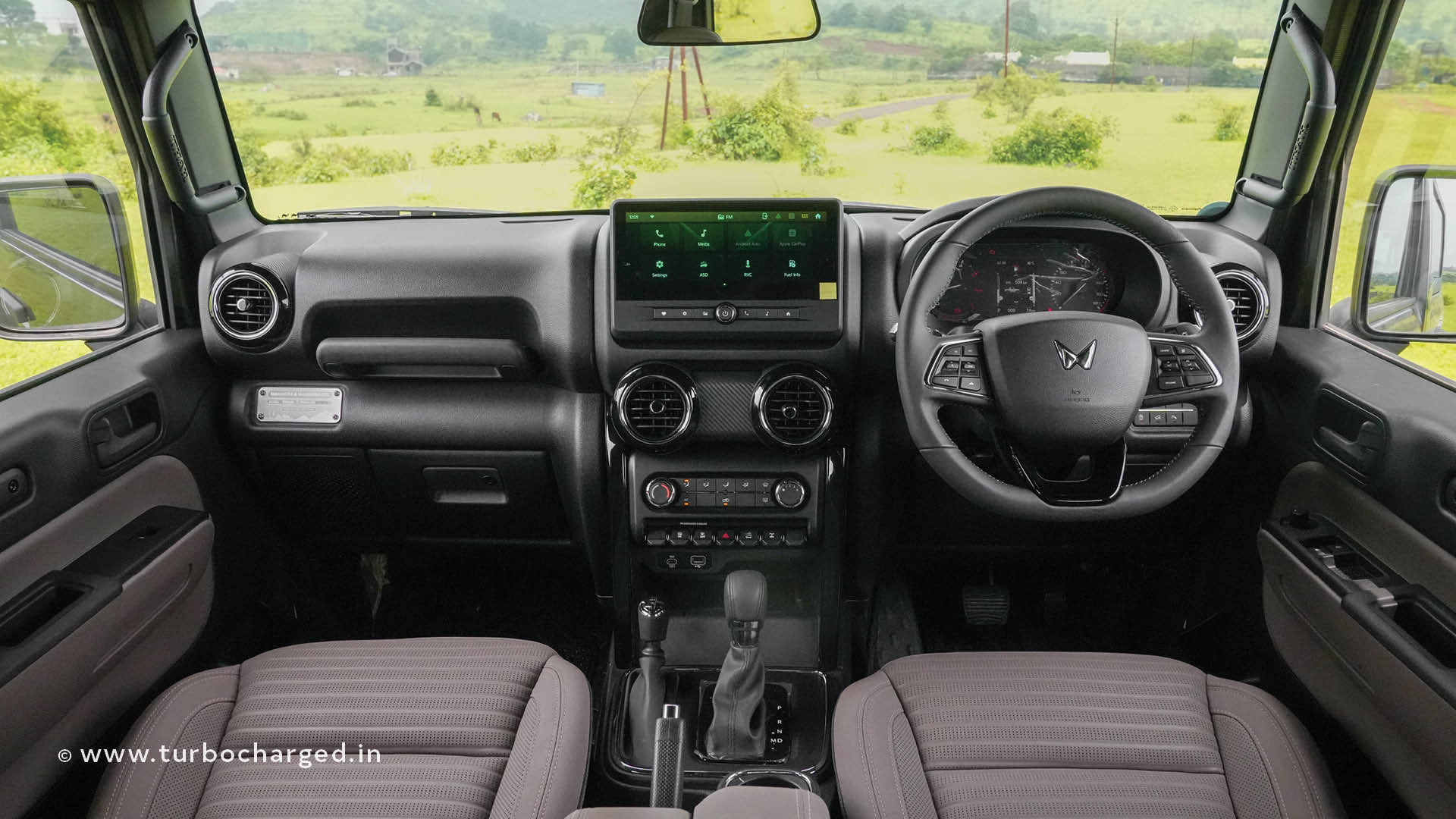
The seats are reasonably comfortable, and the new brown-coloured ones in the Thar OG felt made out of grippier material than before. And speaking of comfort, the Thar OG is now equipped with the DaVinci frequency-dependent dampers, which made it the single most comfortable short-wheelbase three-door body-on-frame 4×4 I have ever driven. Big, small, medium – all kinds of road irregularities and trail challenges couldn’t unsettle it, while retaining its composure at nearly three-digit lane change maneuvers and displaying levels of body roll consistent with monocoque cars. While hard-core off-roaders will definitely opt for an OKBJ front live axle swap, the IFS works for most off-road situations except the most extreme ones. Also, the departure angle could be better, and a rear off-road bumper would be a useful modification.
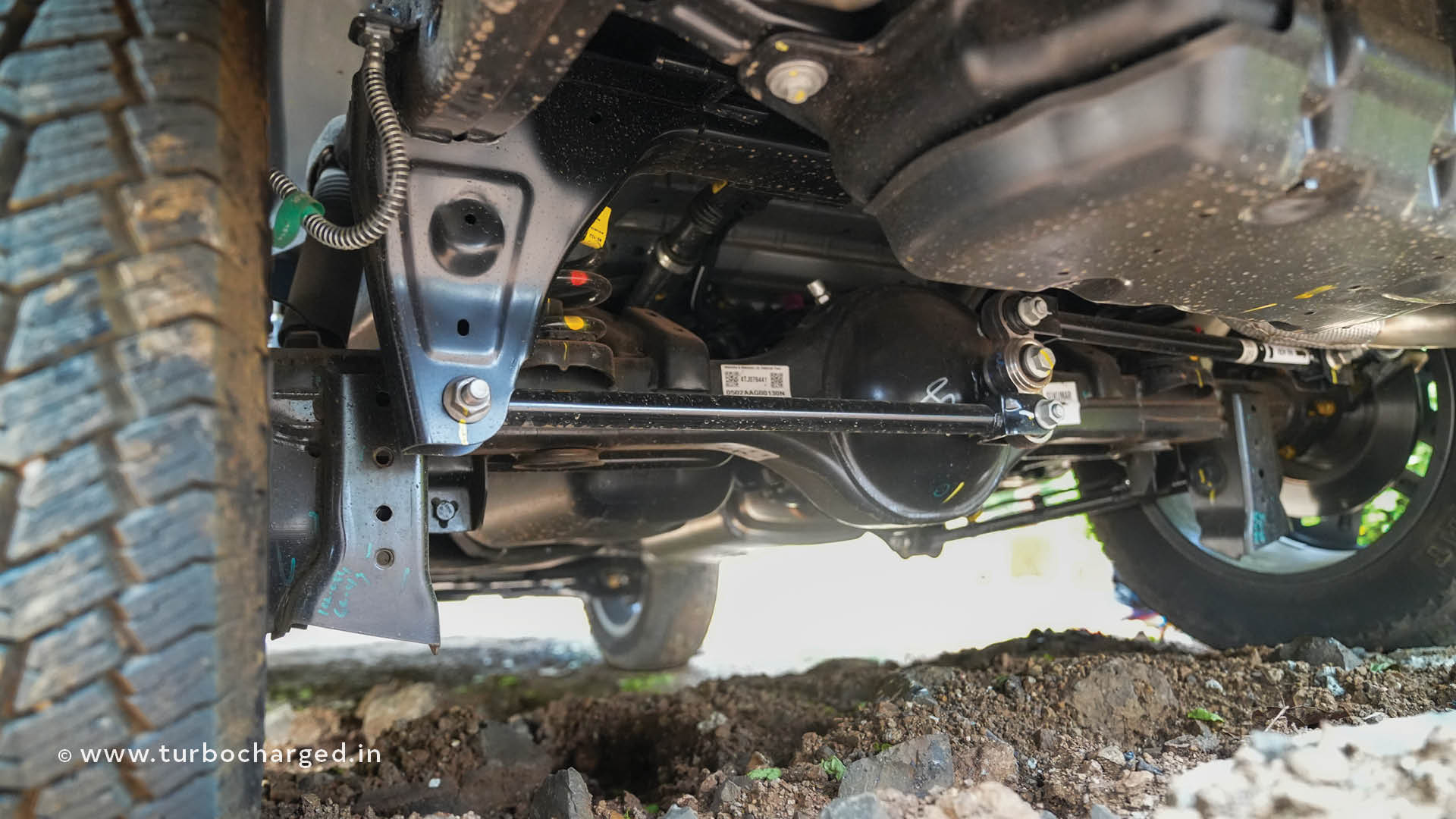
The rear axle, on the other hand, gains a Watt’s linkage (named after James Watt himself, as he was the inventor) — a system comprising two arms of equal length connecting to a central pivot — mounted on the rear differential. It limits side-to-side movement almost entirely, and that has transformed the handling. It is particularly useful in high-articulation off-road situations, and during sharp U-turns at low speeds. The chassis is wider, stiffer as well as lighter, which definitely helps.
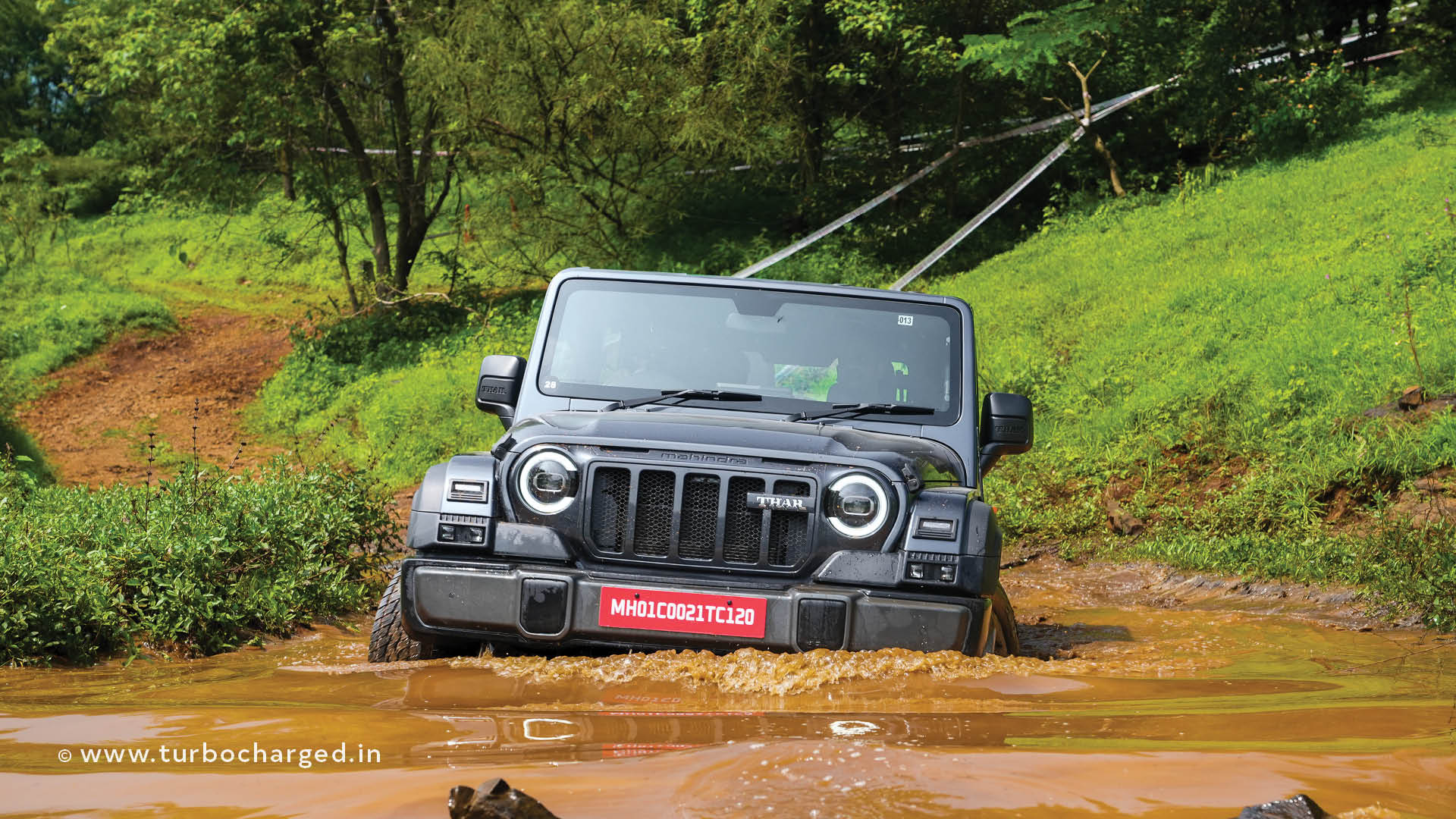
Speaking of incremental improvements, the petrol and diesel both gain 30Nm of torque for a total of 330Nm, and the petrol now produces 162PS and diesel 152 — increments of 10PS and 20PS respectively. Turbo lag is quite noticeable, and the six-speed automatic still takes some time to acquiesce to your request for downshift, executed by the mashing of the loud pedal. However, the Thar OG remains composed at speed on the highway, and even the braking is improved, thanks to the addition of all-wheel disc brakes. The shimmy and shake typically associated with braking from a high speed in an SWB BOF vehicle have also been significantly minimised.
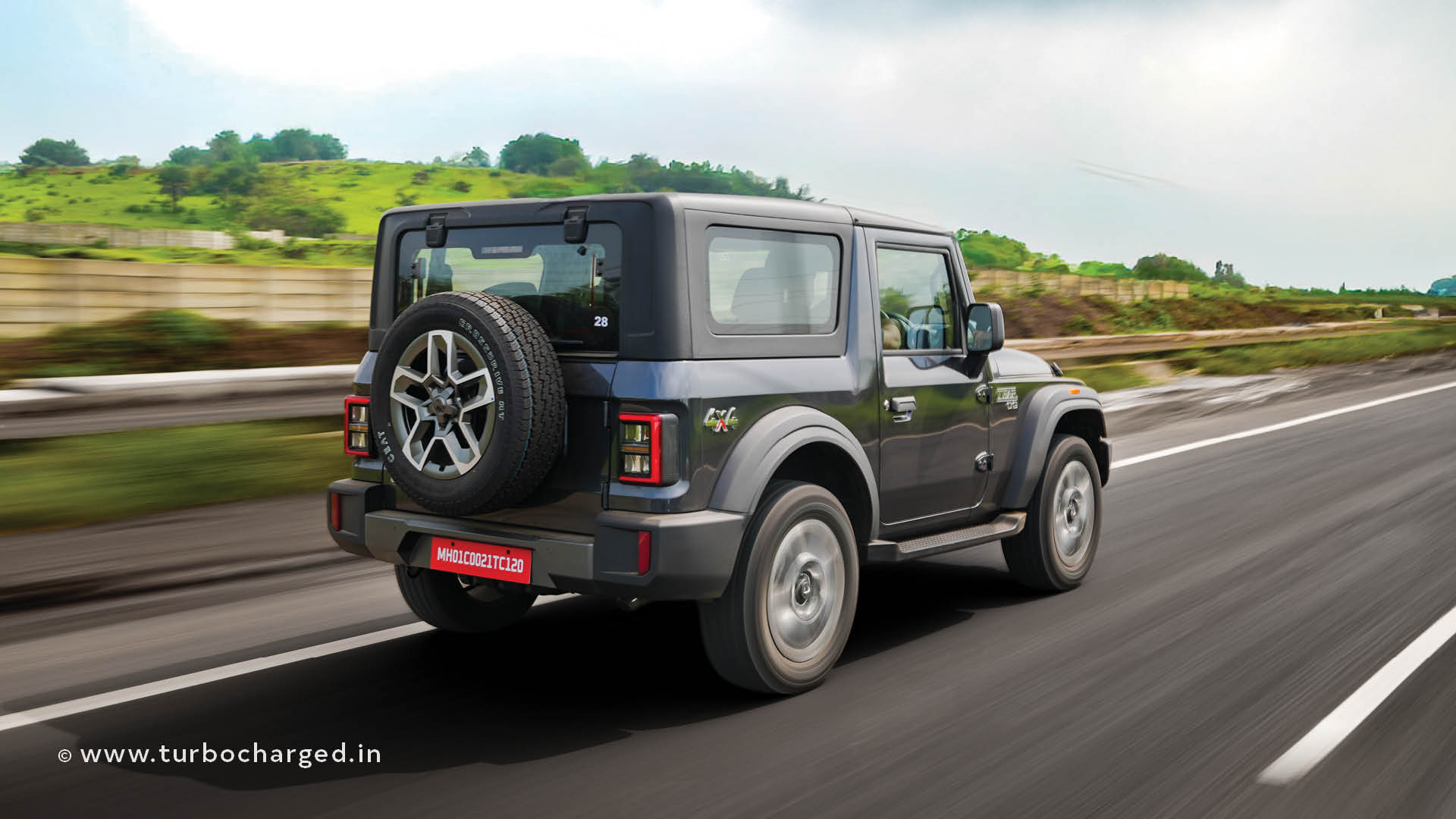
So, a plethora of updates, improving the breed. It is quite different from other body-on-frame 4x4s from other countries, having taken its own path to get here, and better for it. And as all of this is brought to you without a price increase, it is incredible value. So unless you have your local Mahindra dealership on speed dial, be prepared for the inevitable year-long waiting list!
Words Sayantan De
Photography Tanmay Vartak