



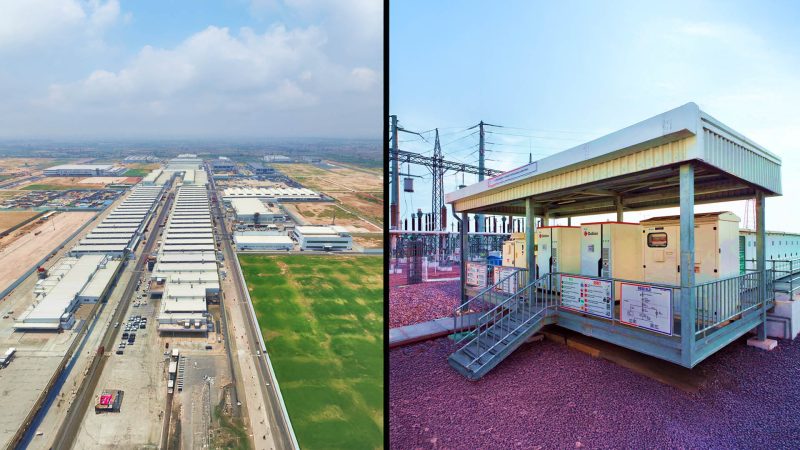
Maruti Suzuki has commissioned a 1MWh Battery Energy Storage System (BESS) at its Kharkhoda manufacturing facility. The system is designed to work alongside the 20MWp solar power project the automaker set up at the same plant in 2025.
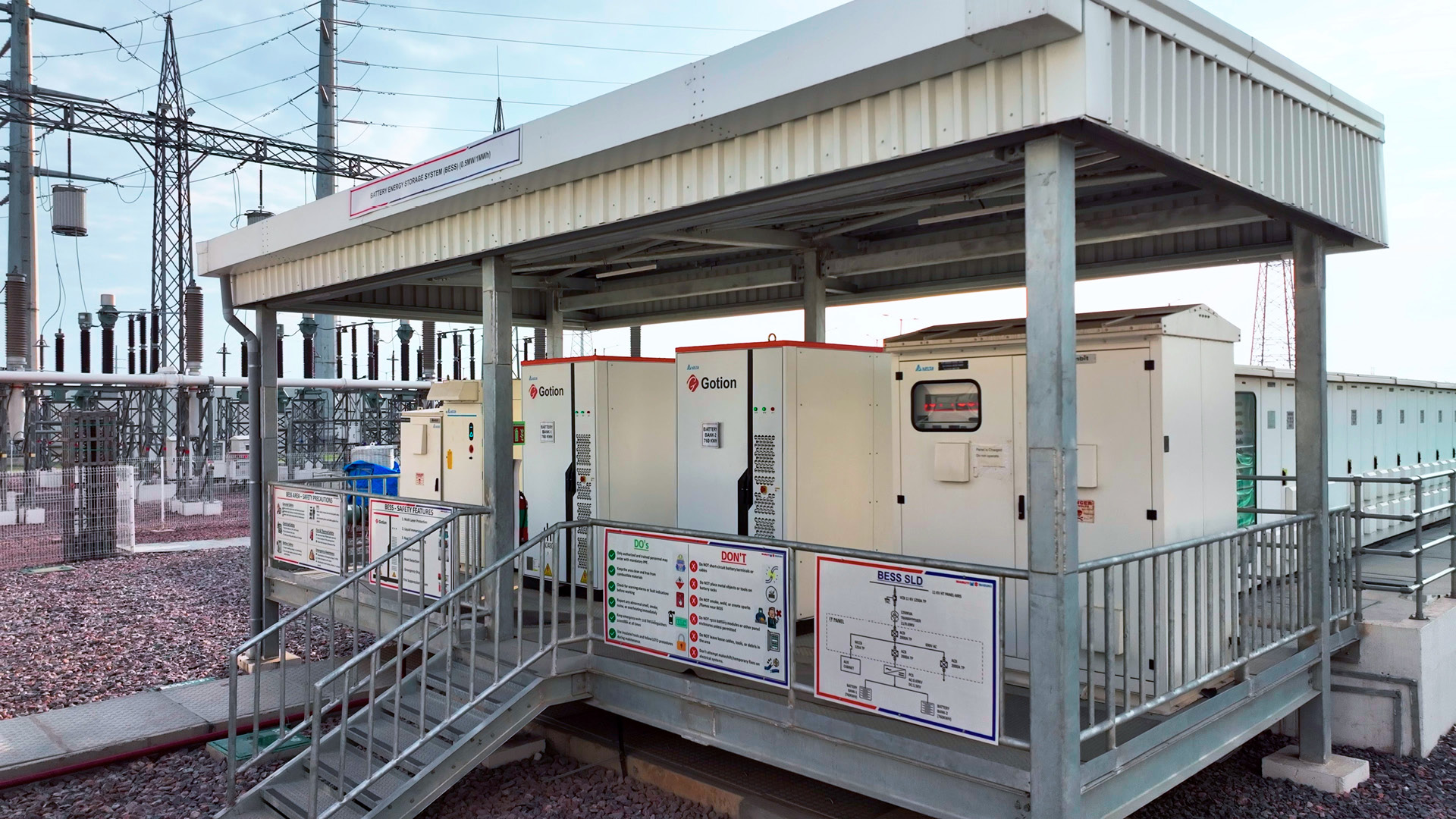
The problem that the BESS solves is simple: on facility holidays, the solar array keeps generating power, but with no production running, there’s no demand to consume it. The battery storage system captures that surplus electricity during low-demand periods and releases it when the plant needs it, while also helping stabilise the local grid. For now, it’s running as a pilot initiative, integrated into Kharkhoda’s internal electricity distribution network.
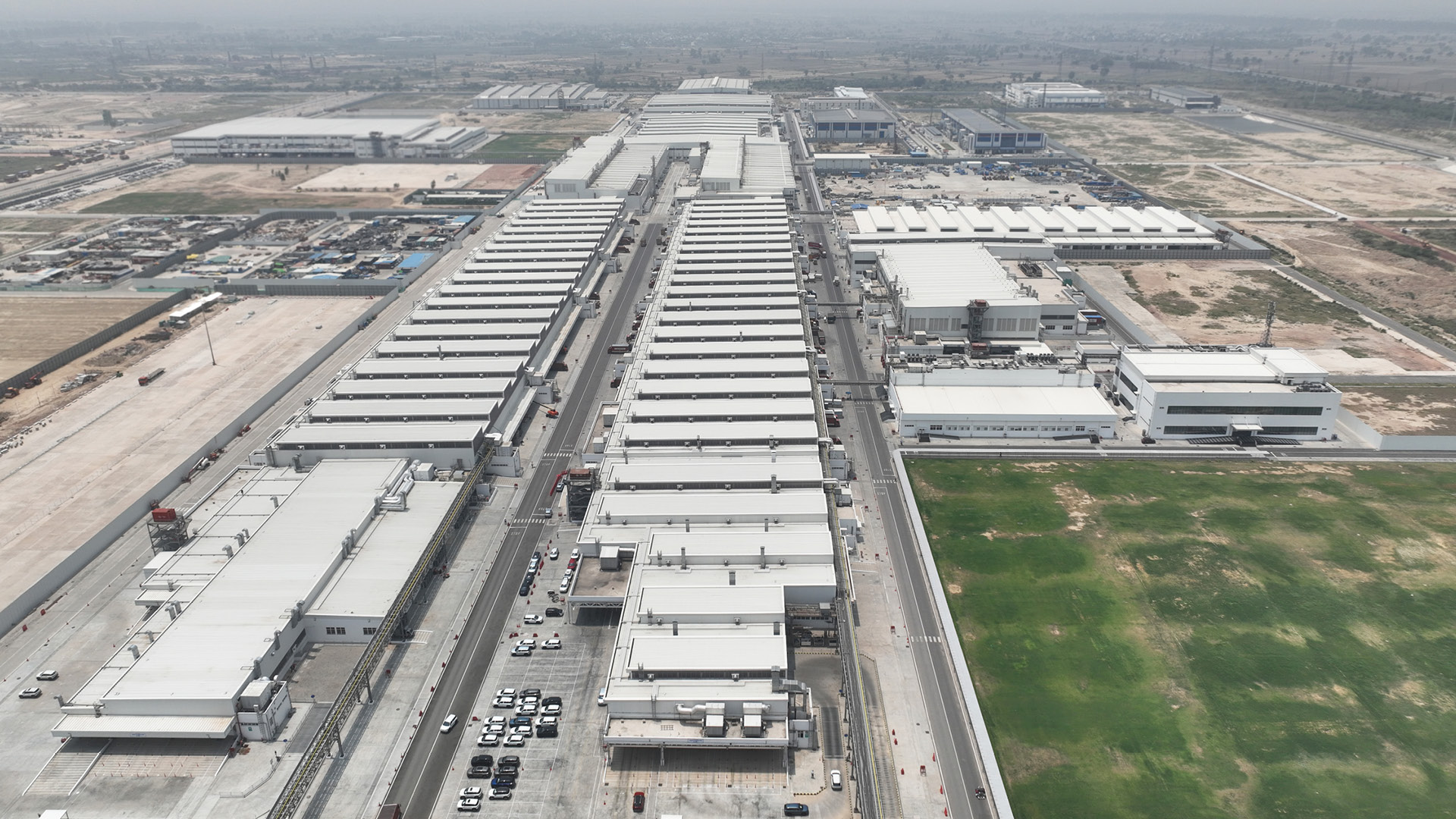
With the Kharkhoda facility now running solar generation and battery storage in tandem, Maruti Suzuki has a working template it could extend to its other manufacturing sites as it works toward Suzuki Motor Corporation’s 2030-31 emissions target to reduce Scope 1 and 2 CO2 emissions by 42 percent.