





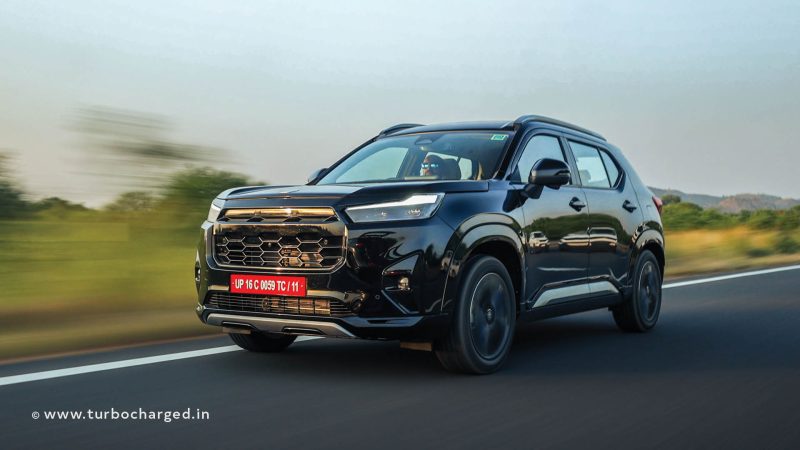
The Honda Elevate has always had its priorities rather well sorted. It is spacious, practical, drives well and comes with the kind of mechanical reliability that Honda buyers have come to expect. However, in a segment where feature lists are getting longer and competition is becoming increasingly sophisticated, the Elevate was beginning to feel a little short on equipment. Enter the 2026 update, which attempts to address some of those shortcomings without messing around with a formula that already works.
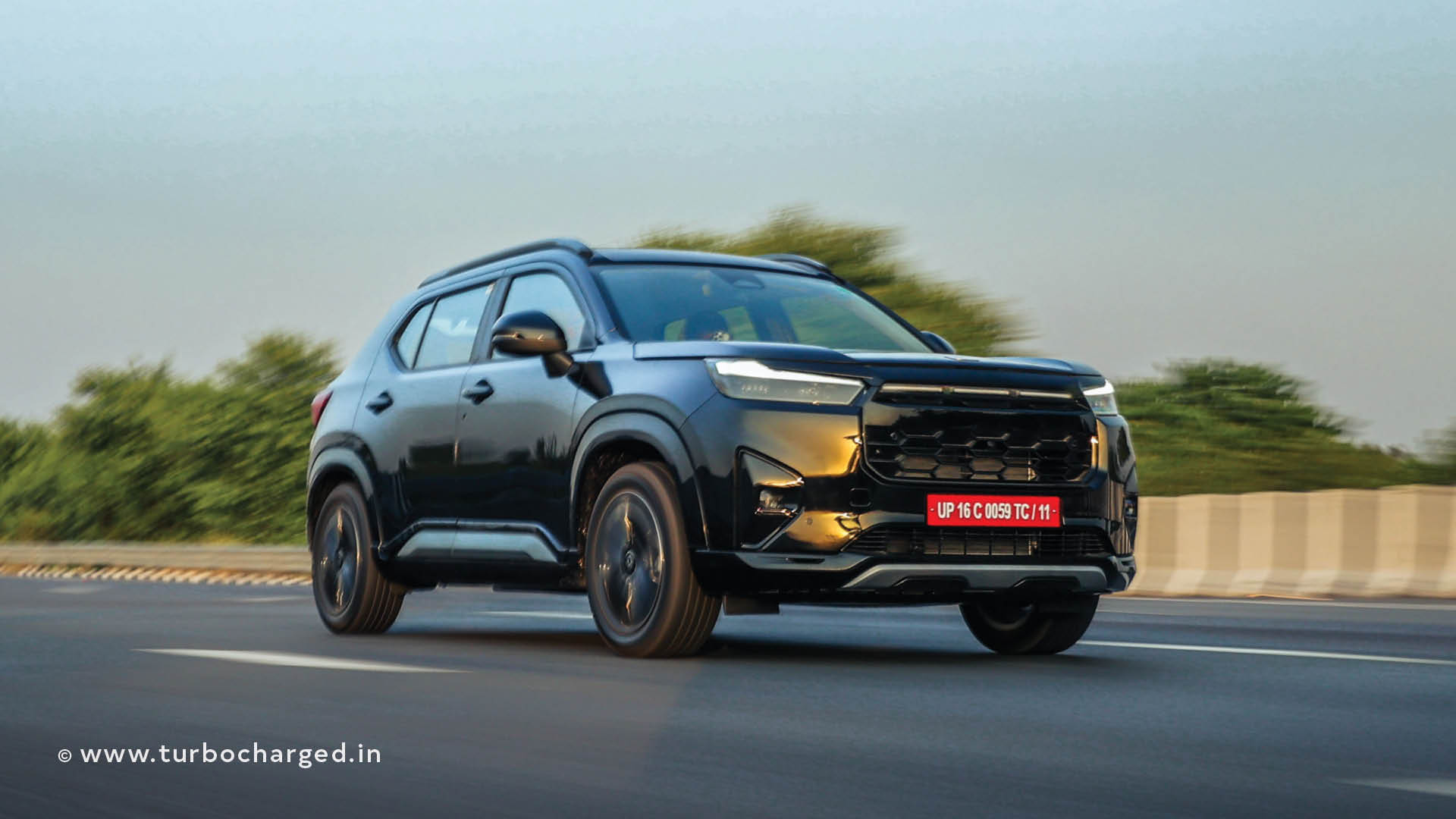
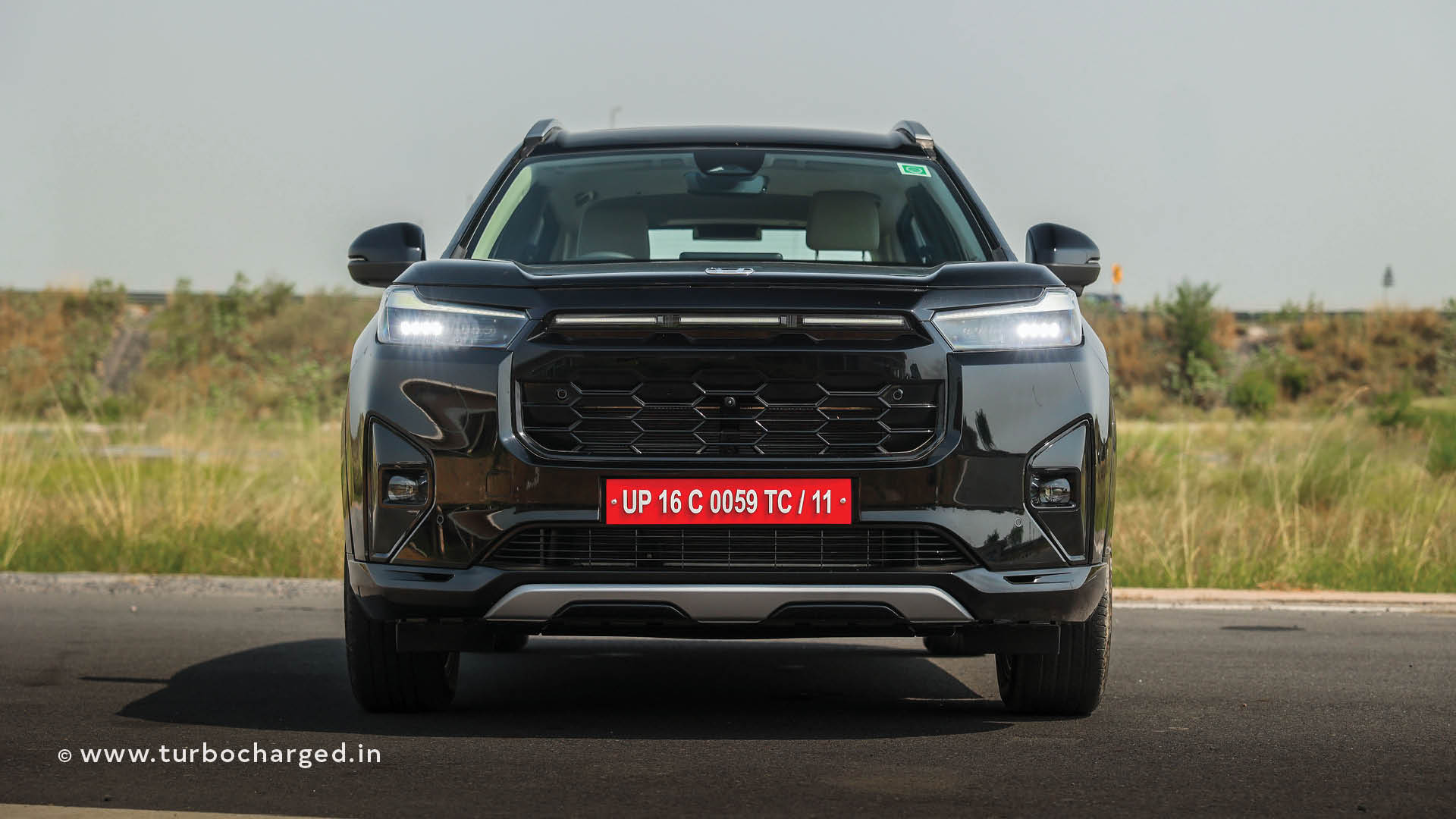
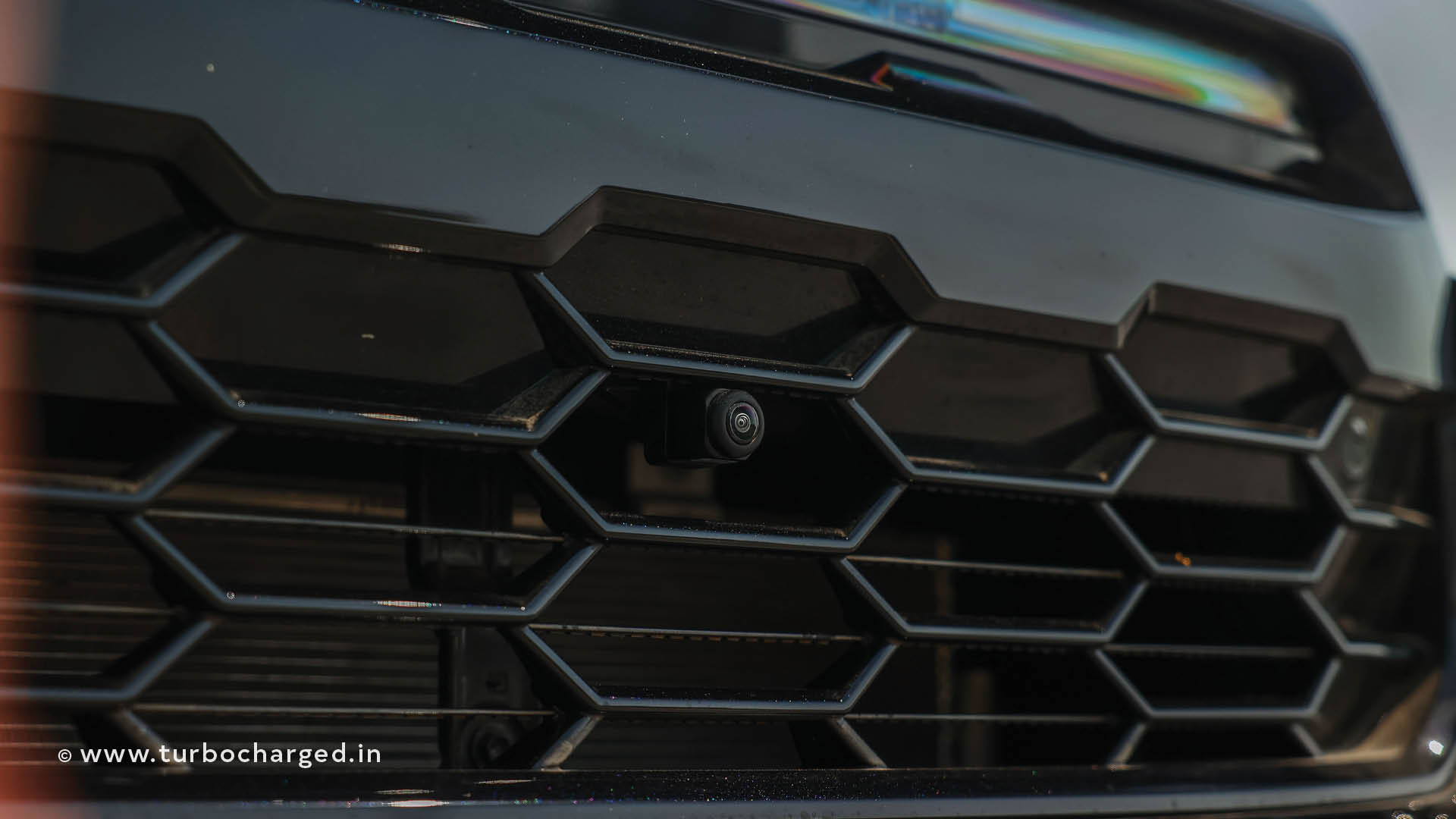
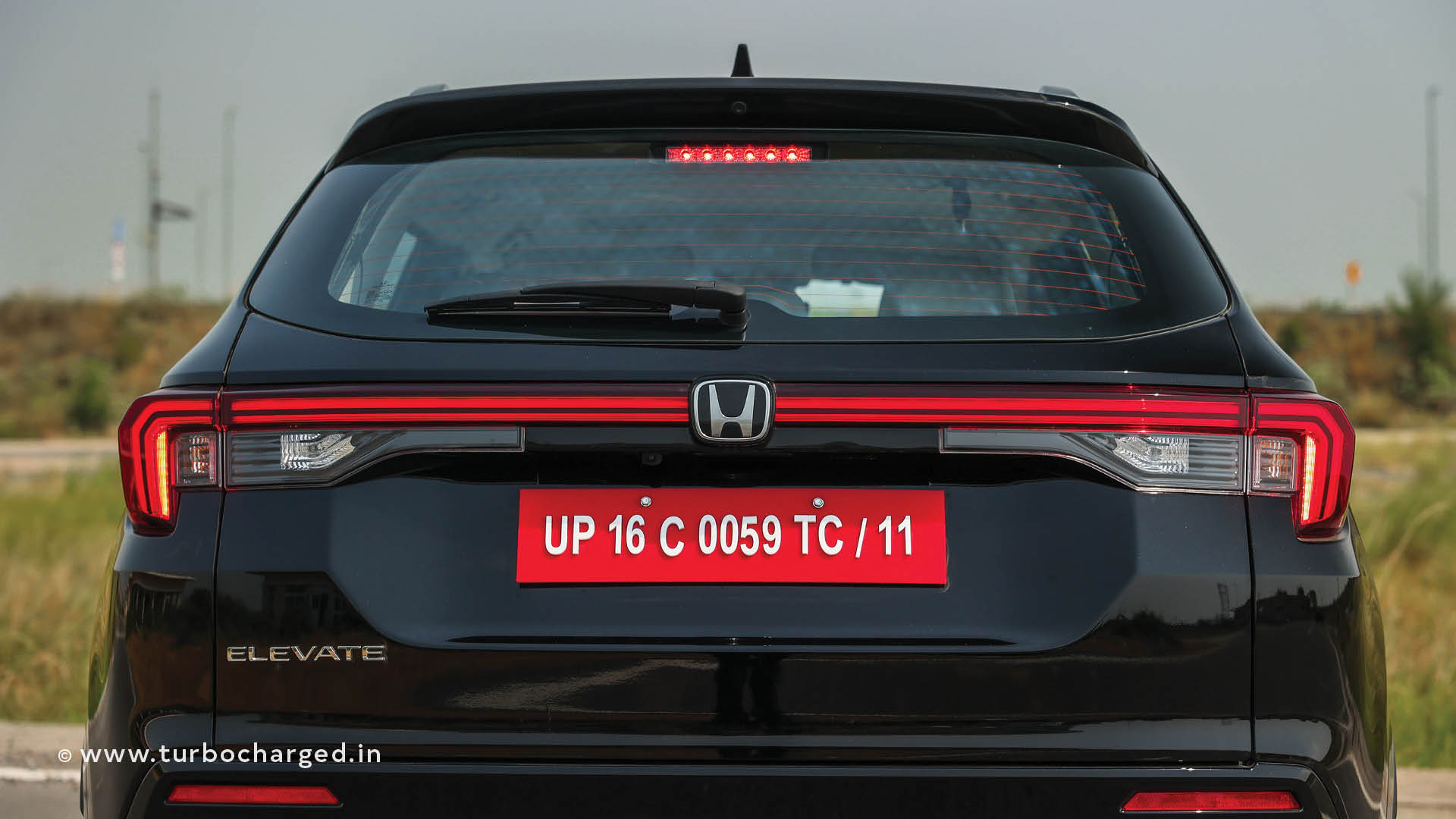
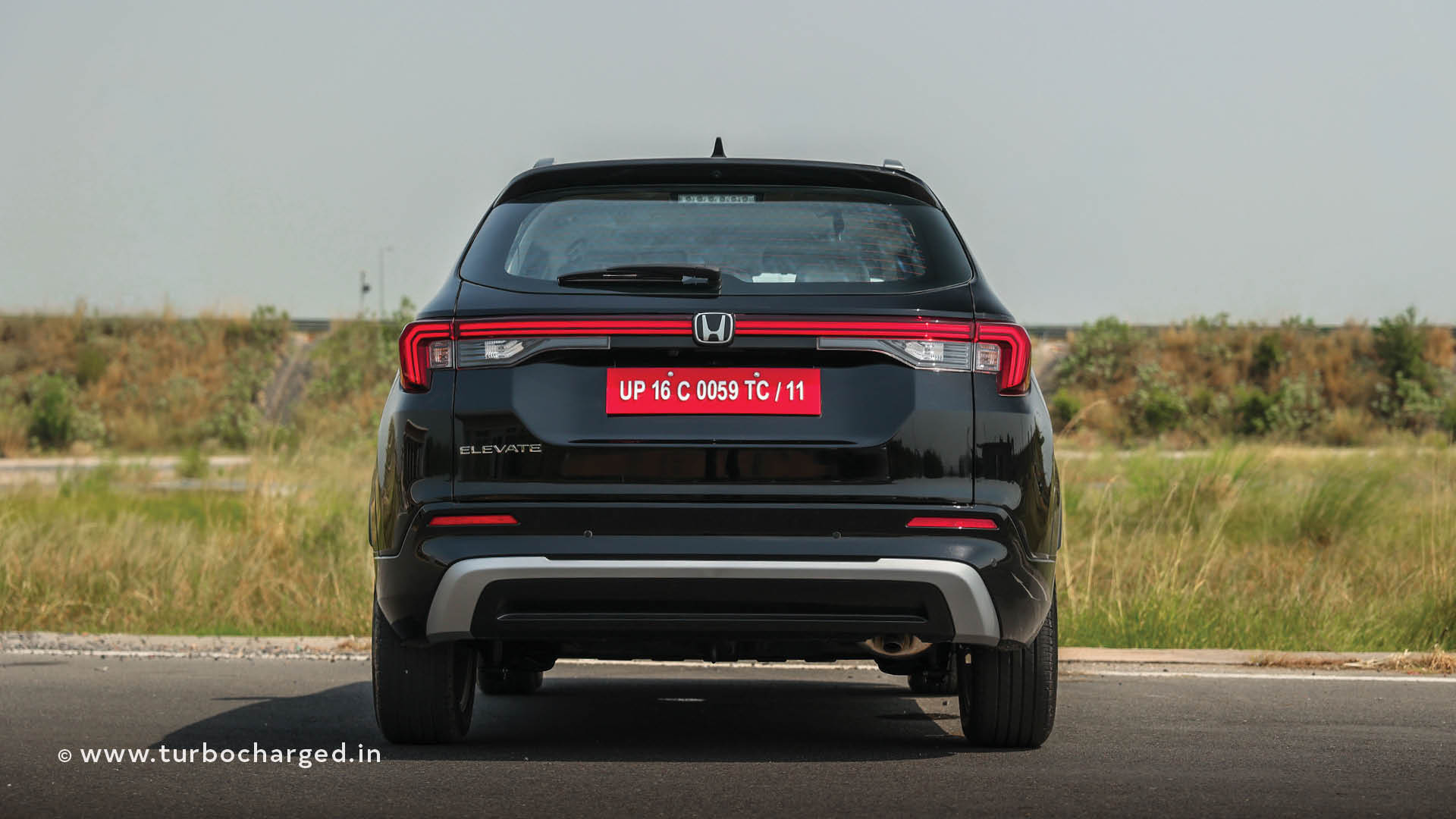
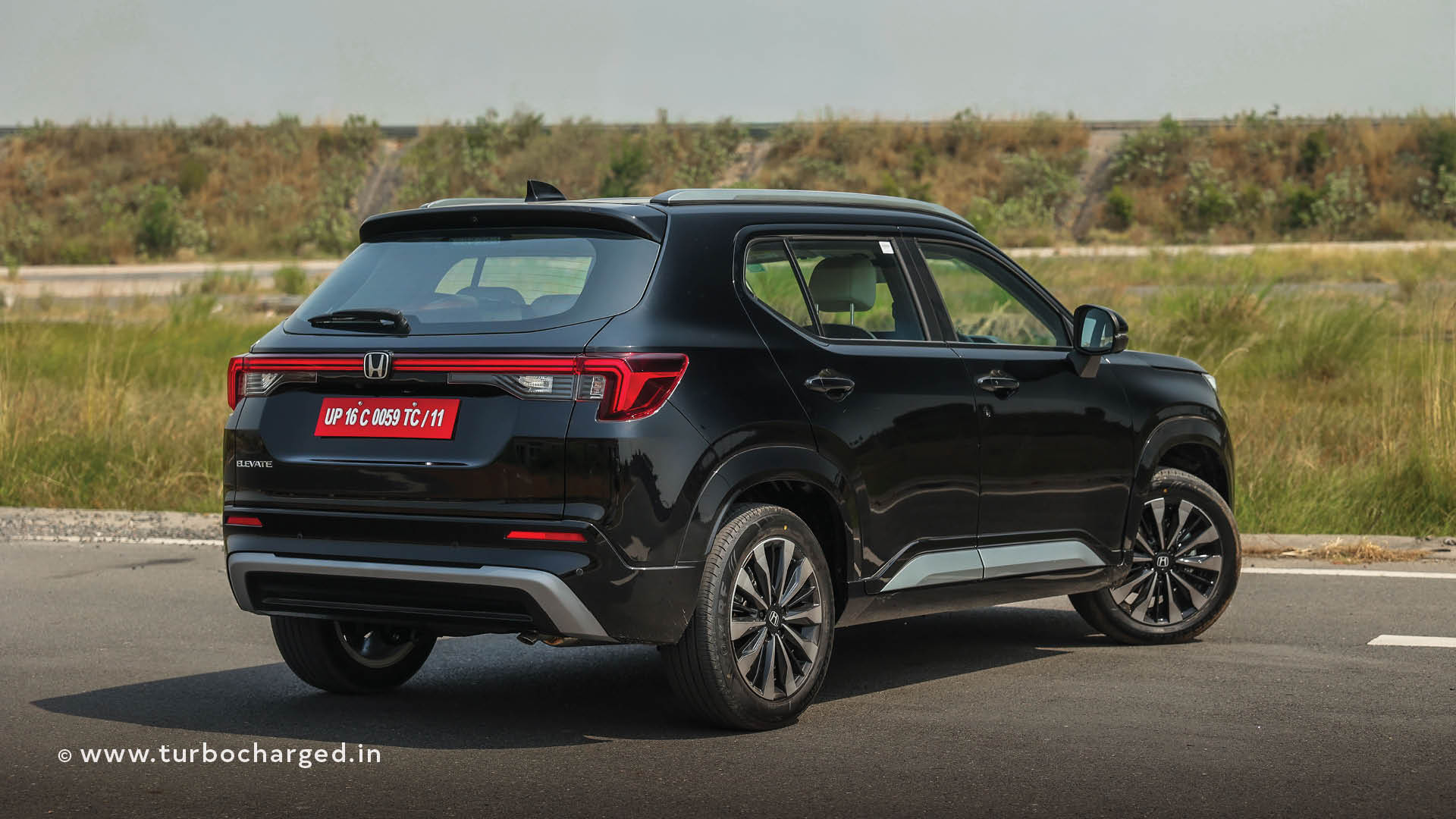
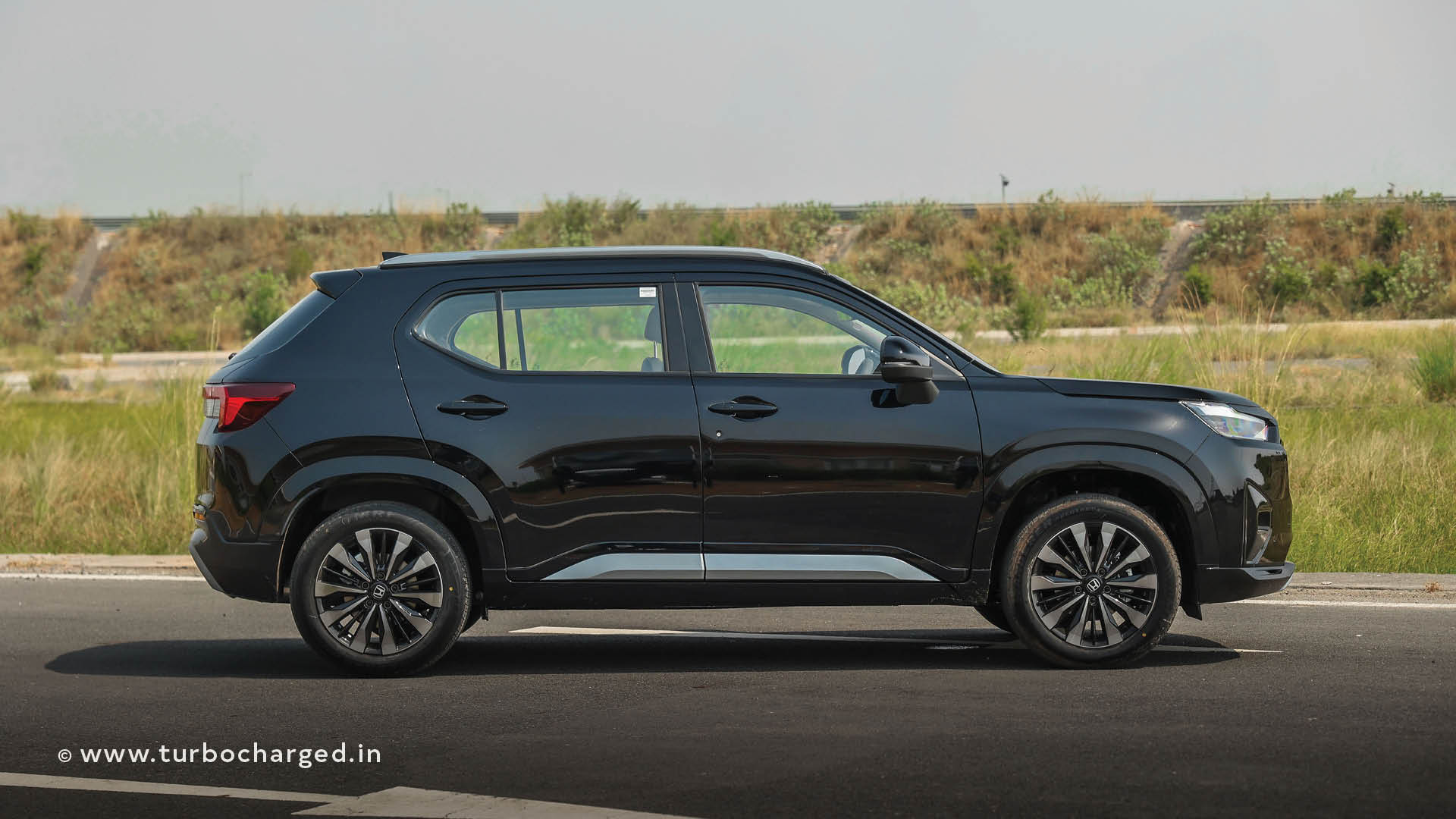
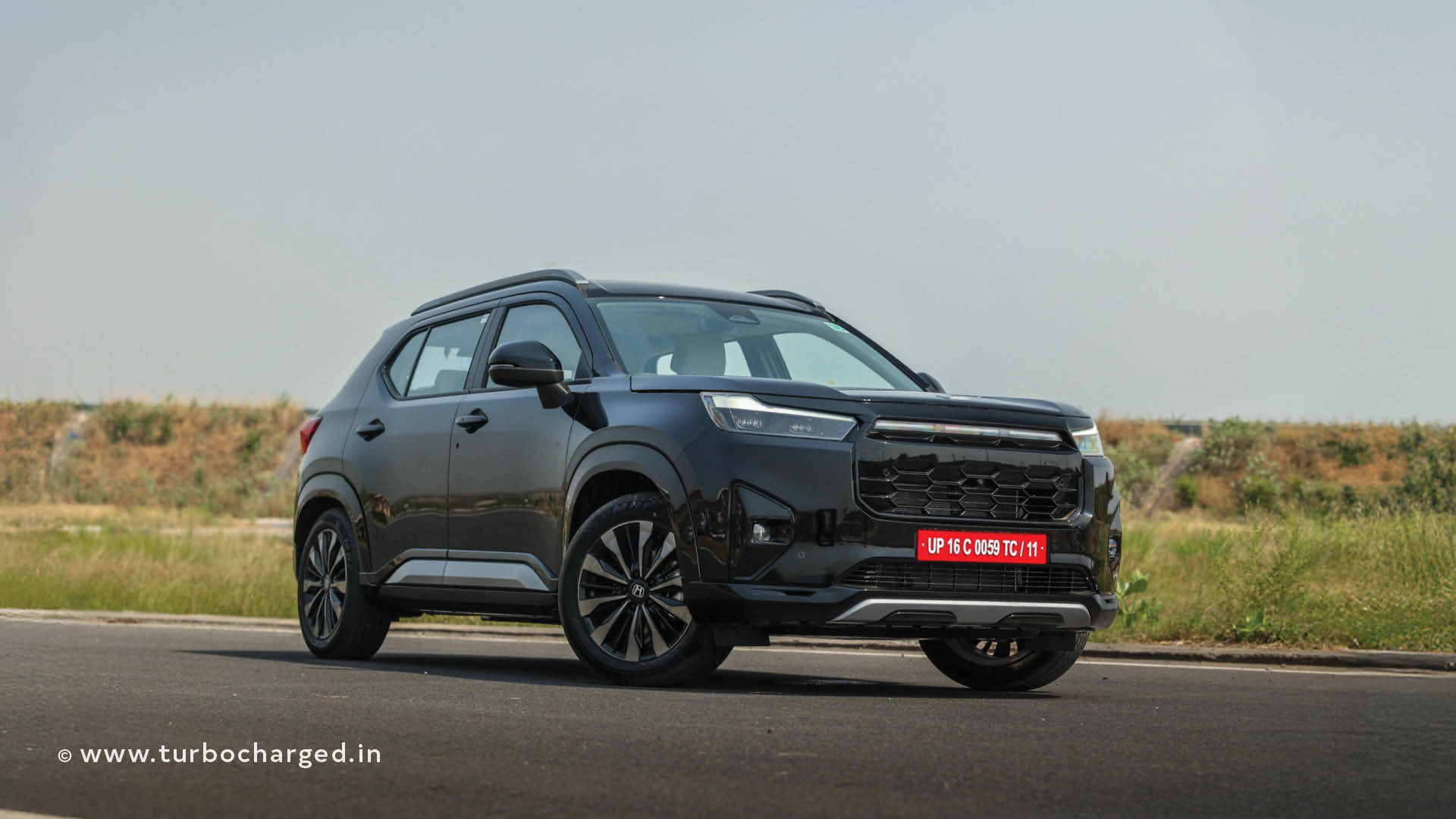
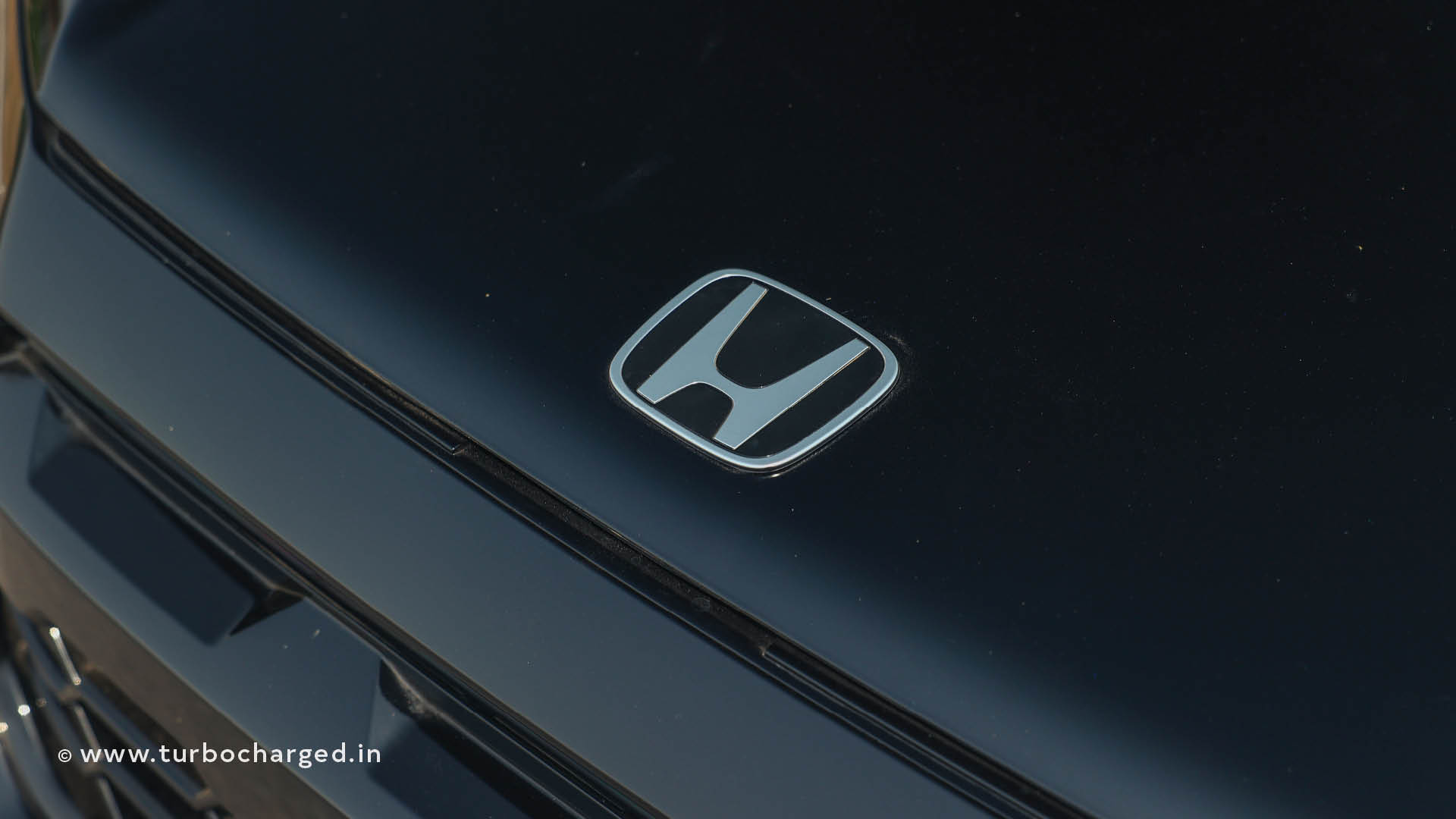
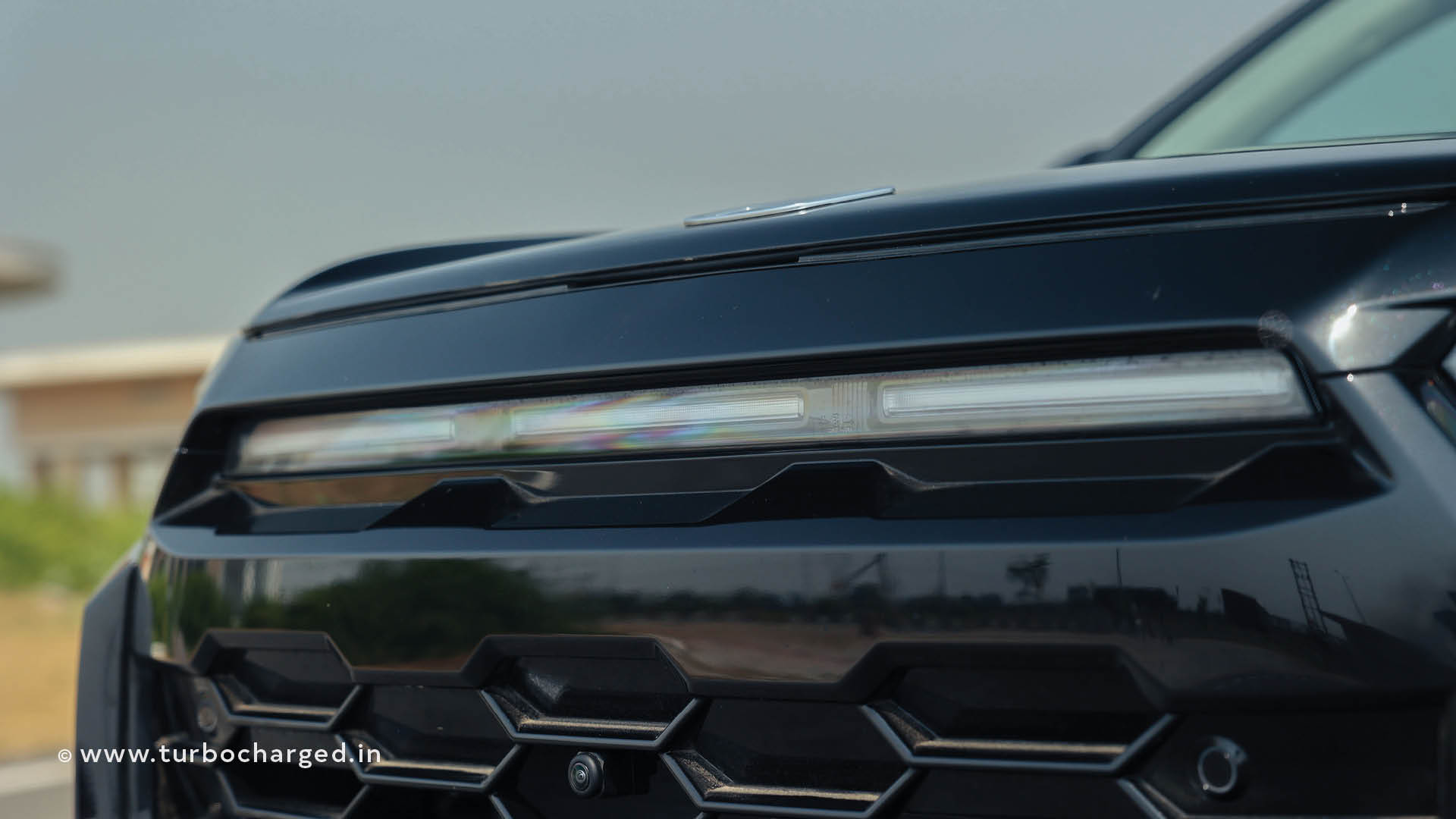
The changes are most prominent at the front, where a new gloss-black honeycomb grille, a segmented LED light bar and the repositioned Honda badge give the Elevate a slightly more contemporary face. The chrome has made way for darker finishes, while the rear gets a connected LED light bar between the tail-lamps. There are new finishes for the body cladding and a rather attractive Nordic Forest Pearl paint shade too, which I particularly like. Overall, this isn’t a dramatic makeover, but the Elevate does look fresher – the older design was getting long in the tooth for sure.
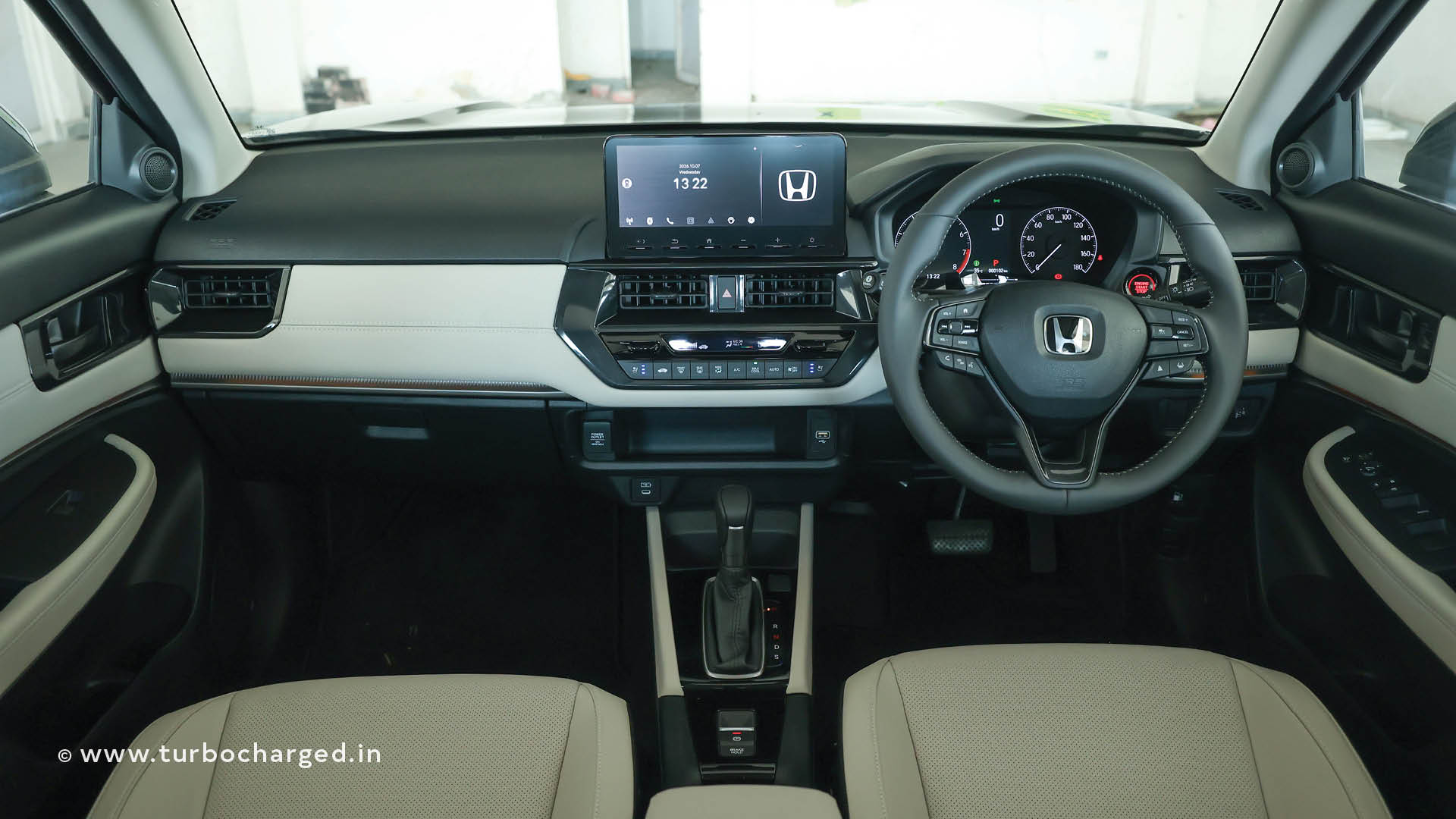
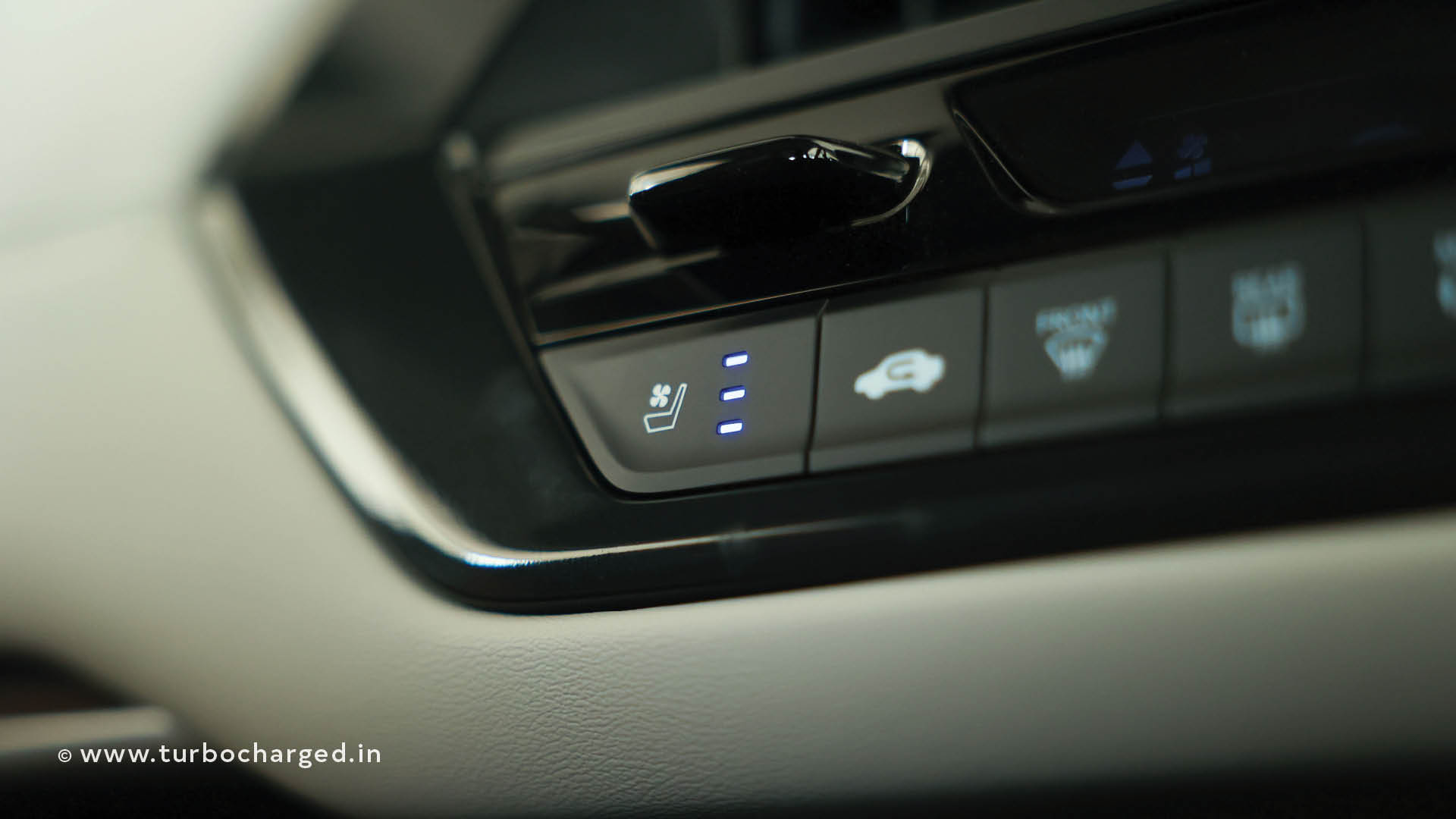
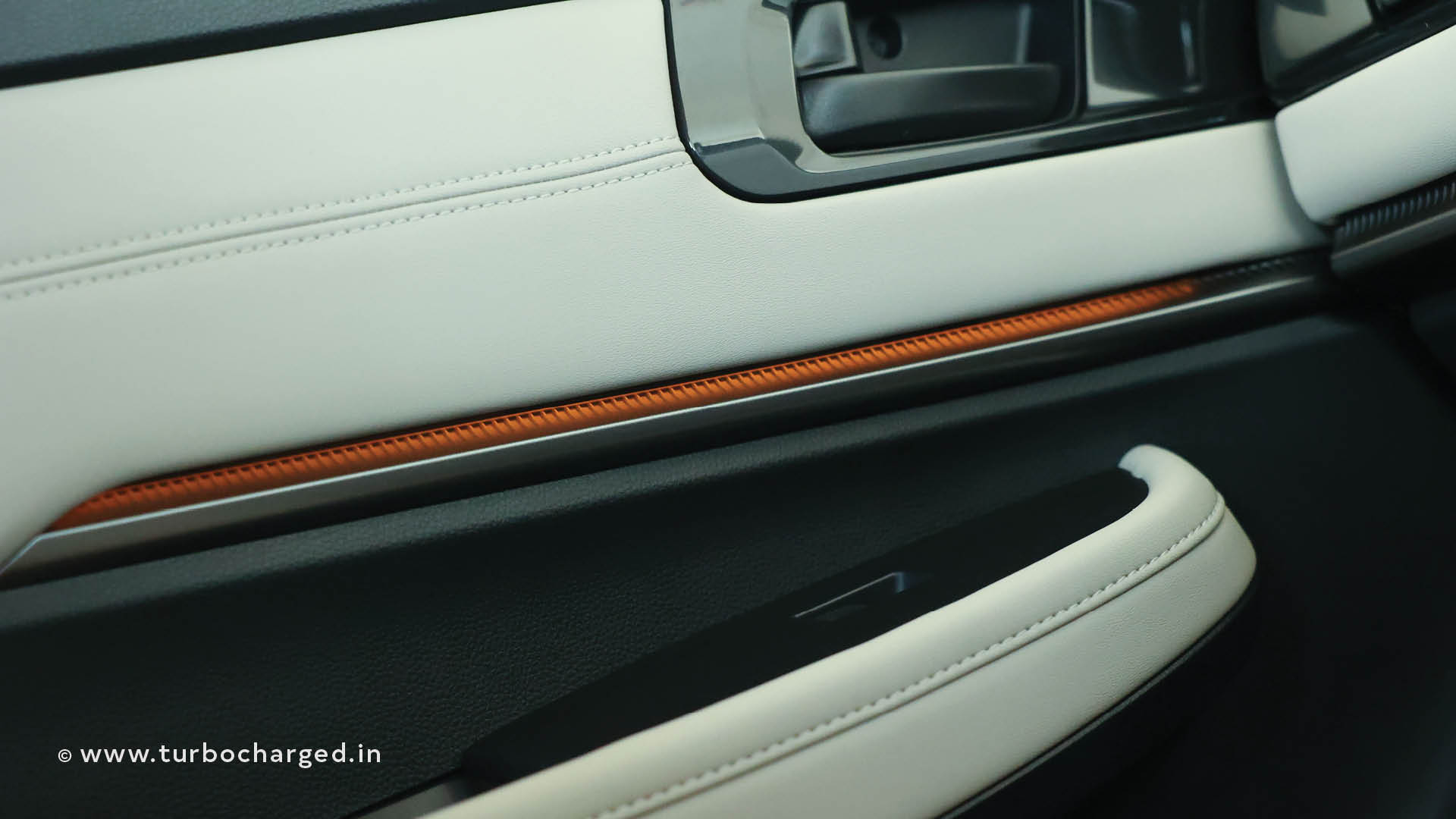
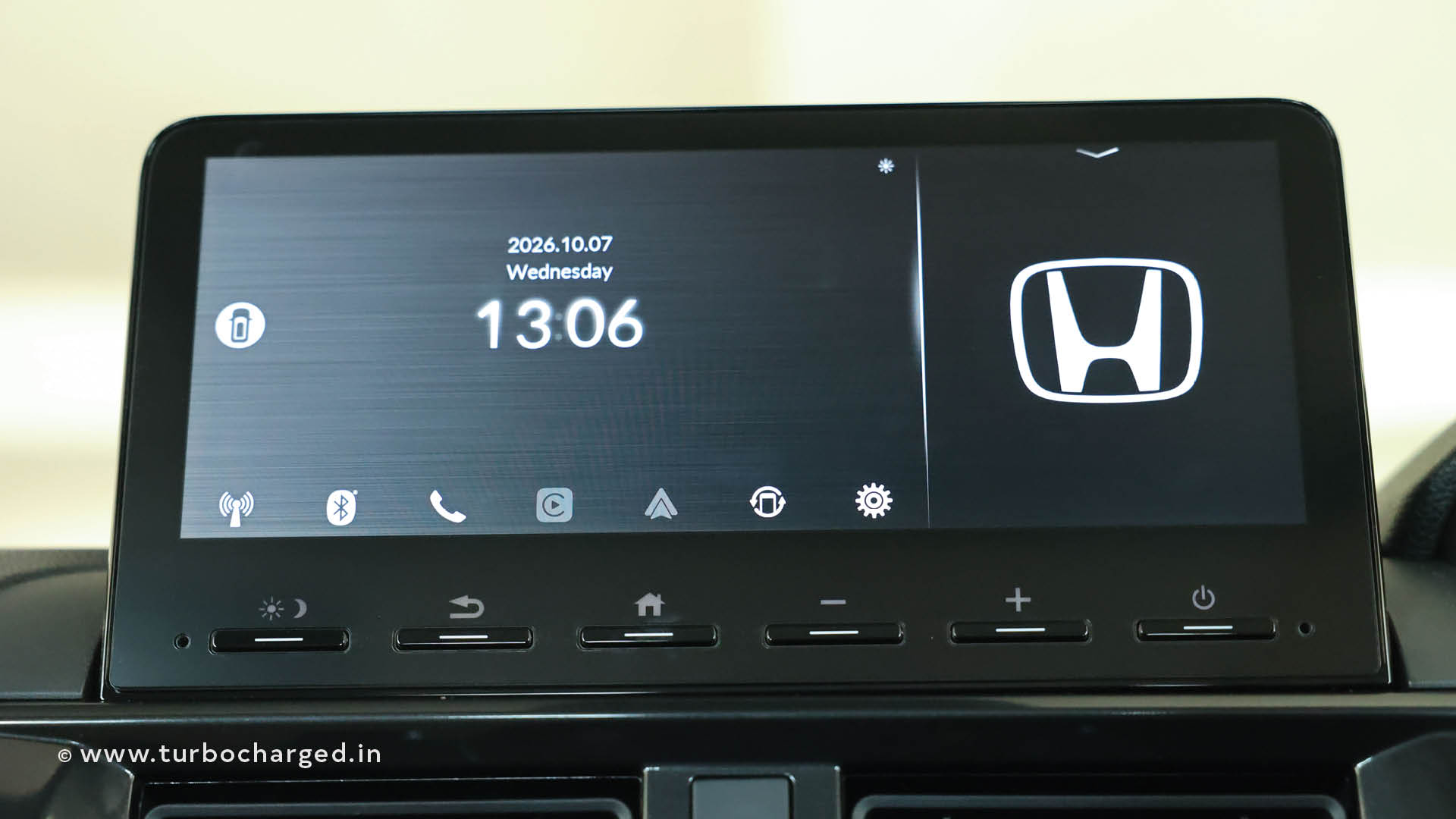
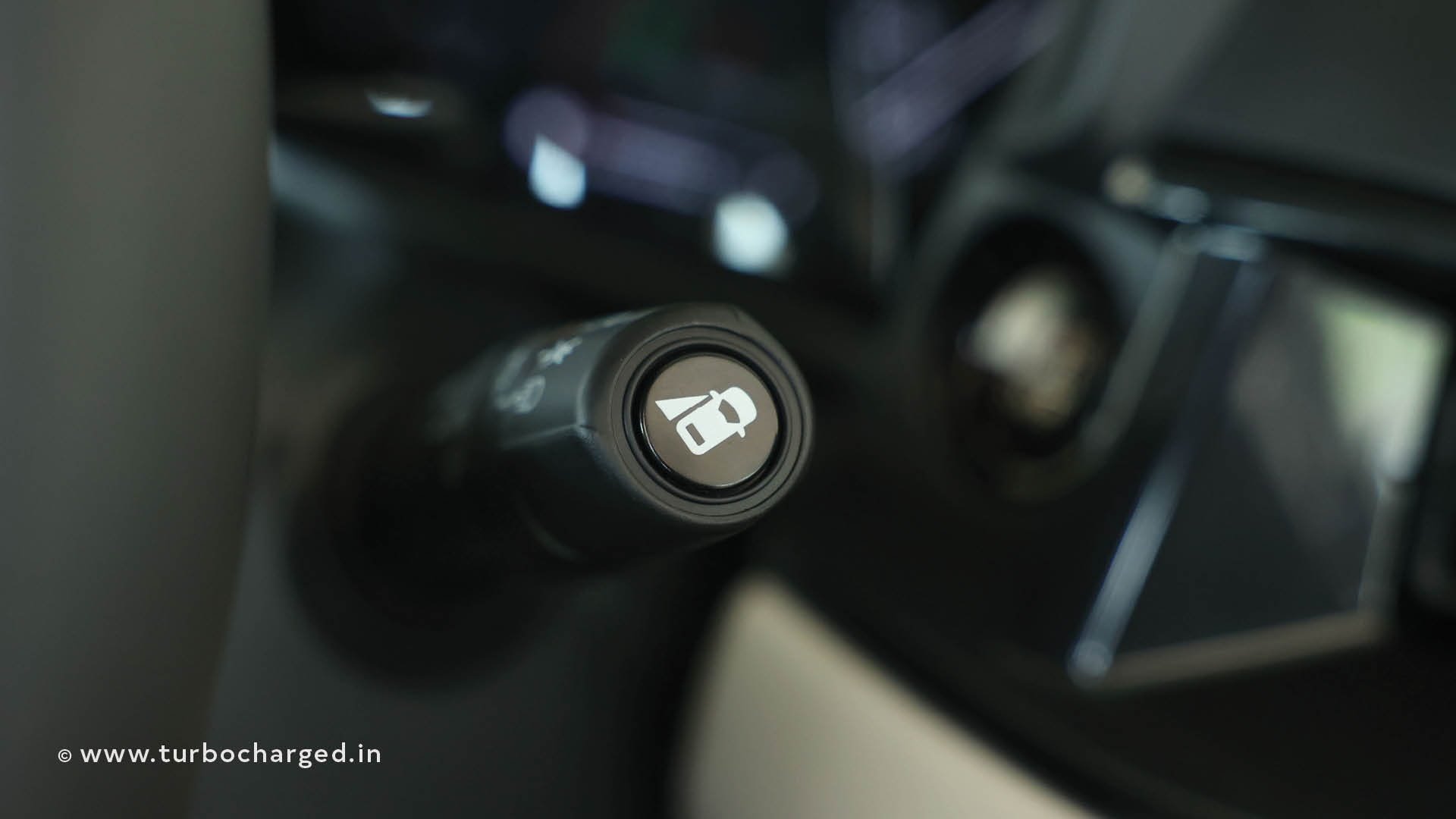
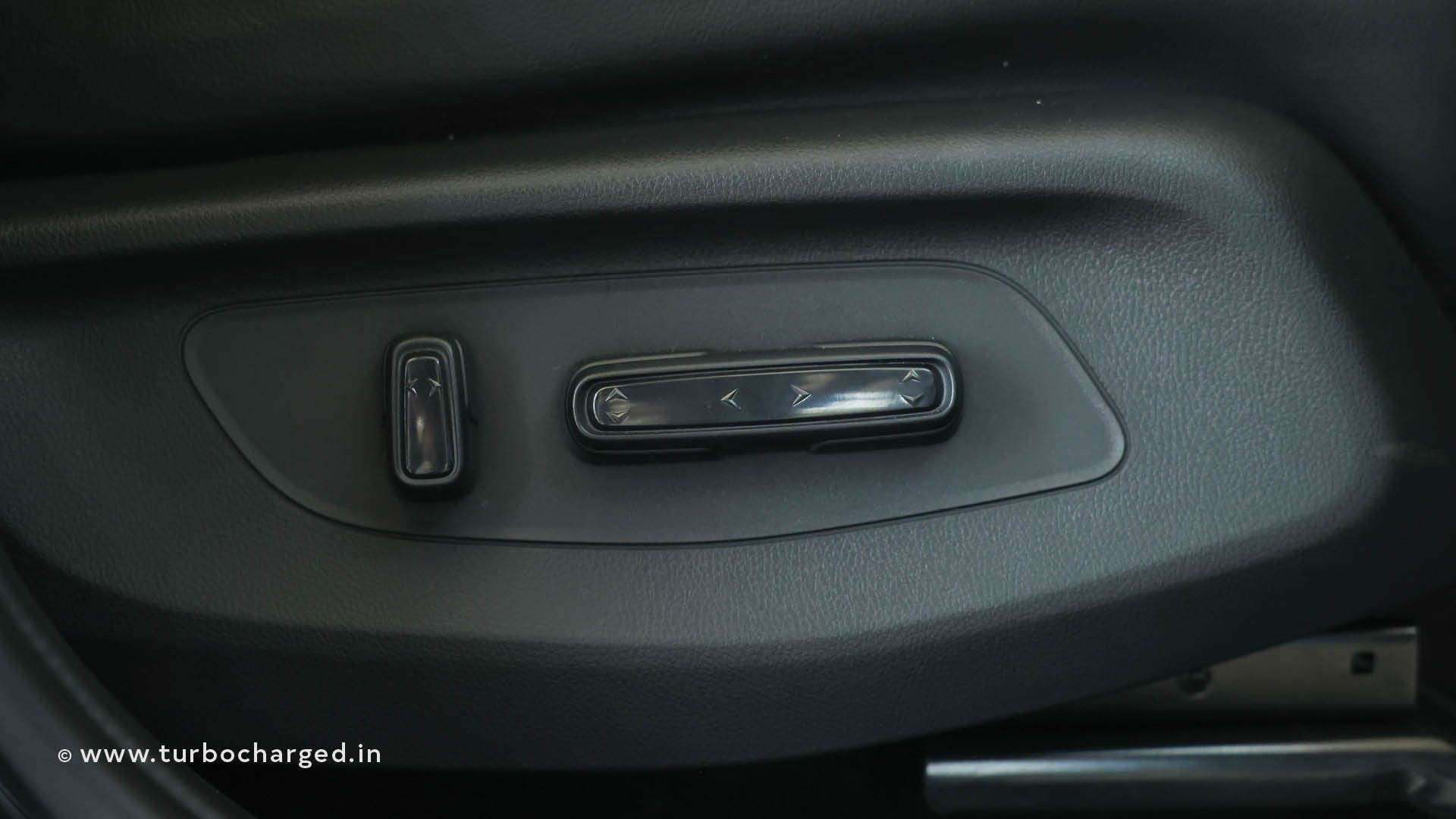
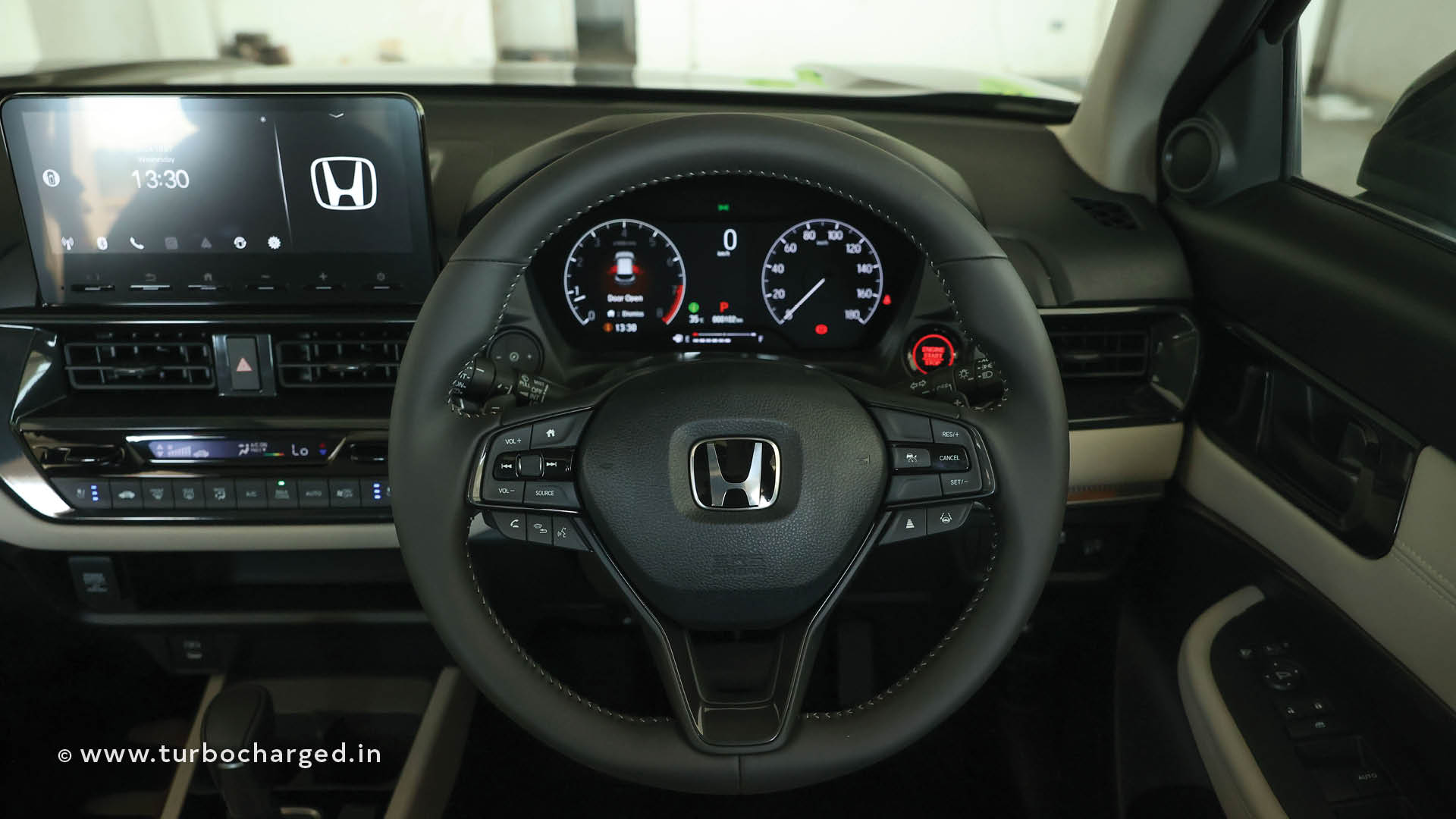
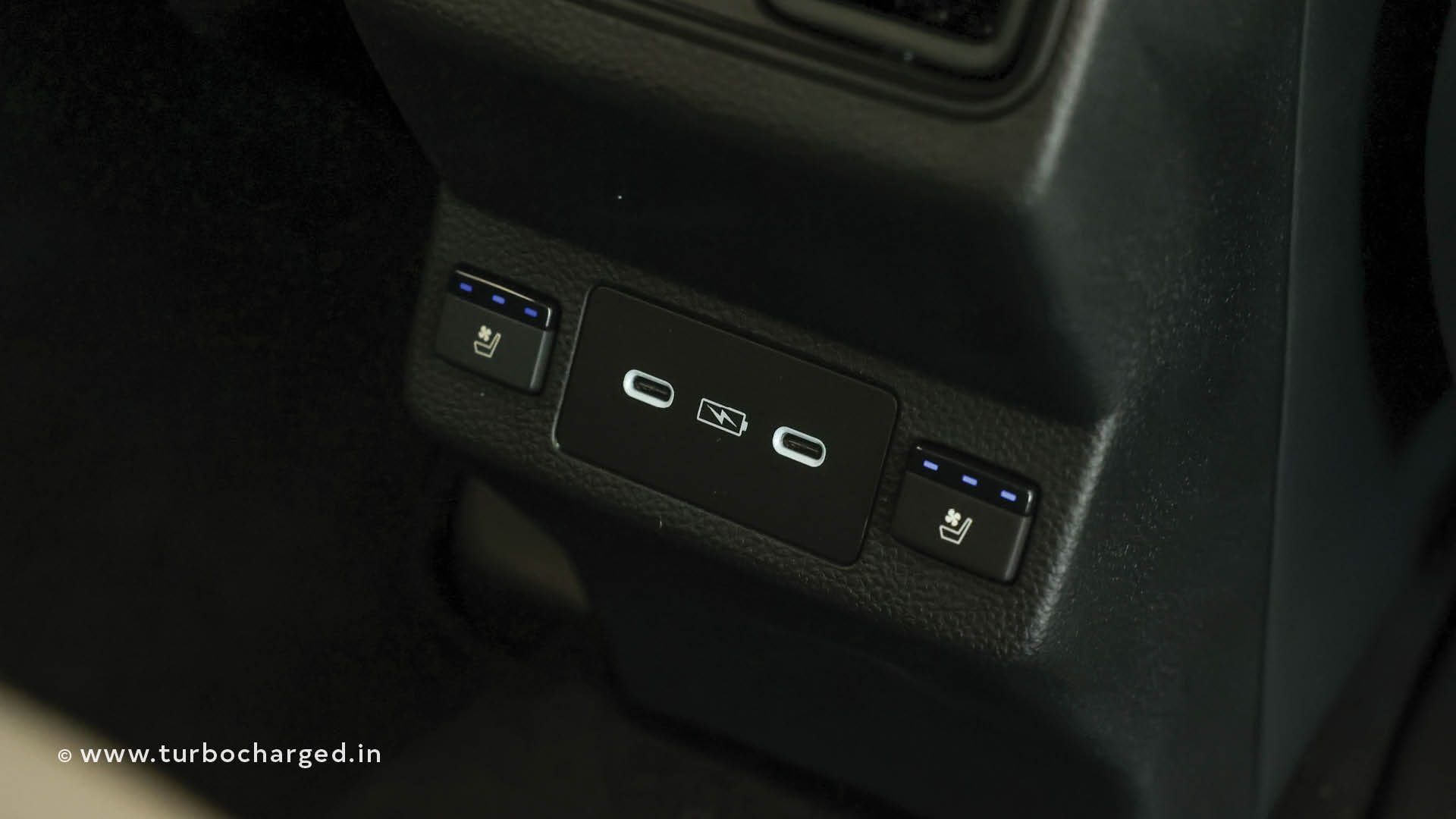
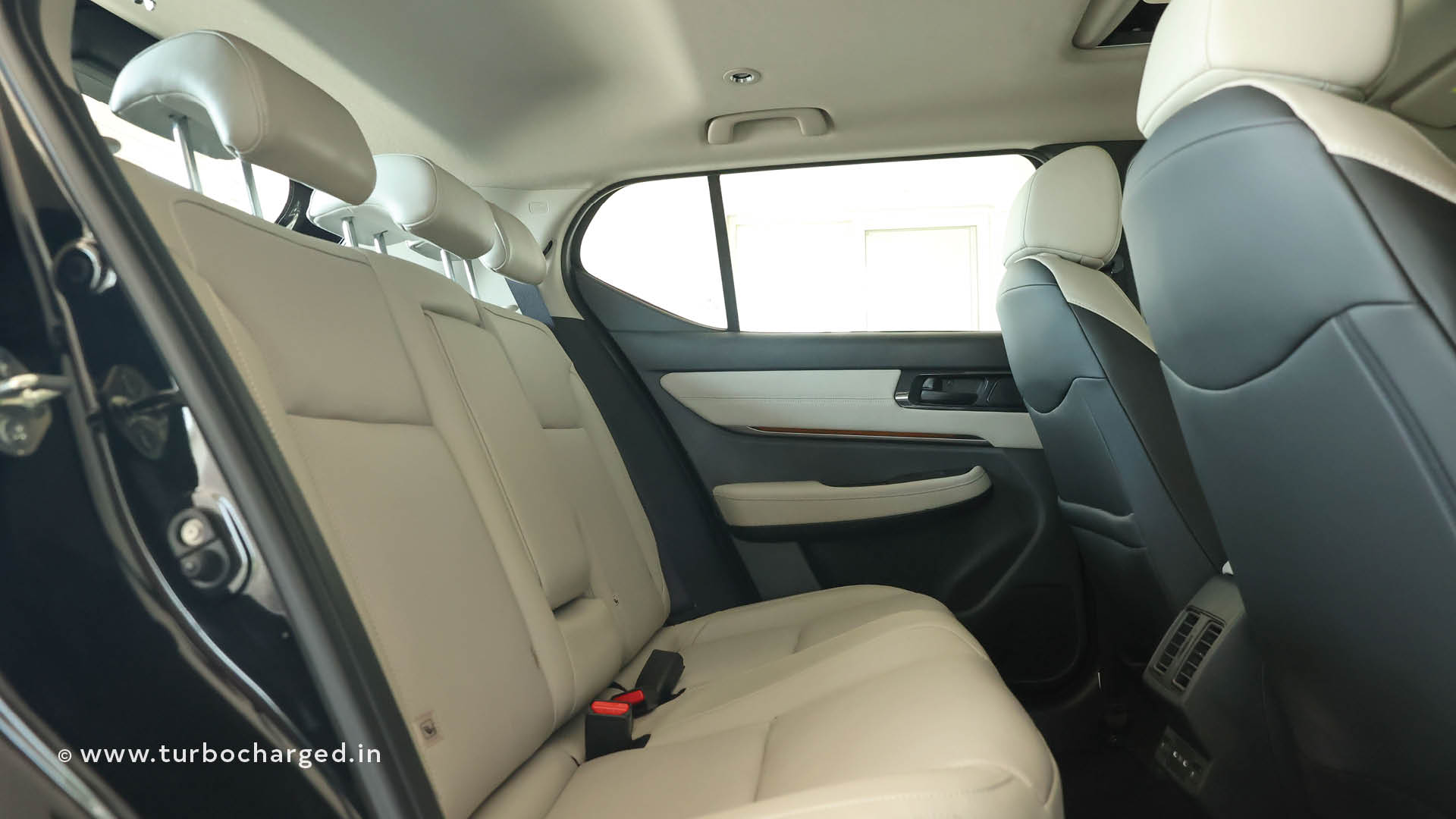
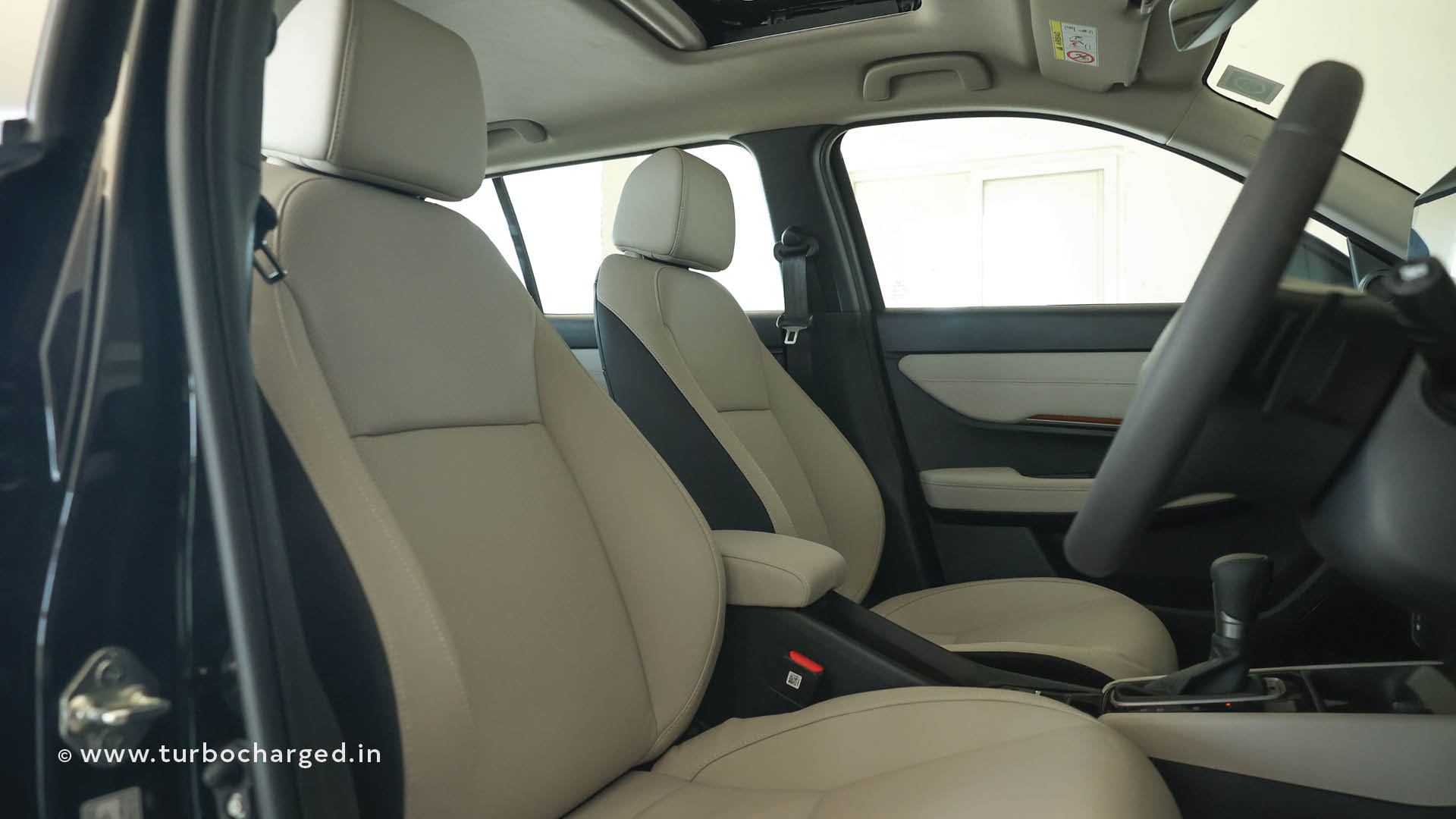
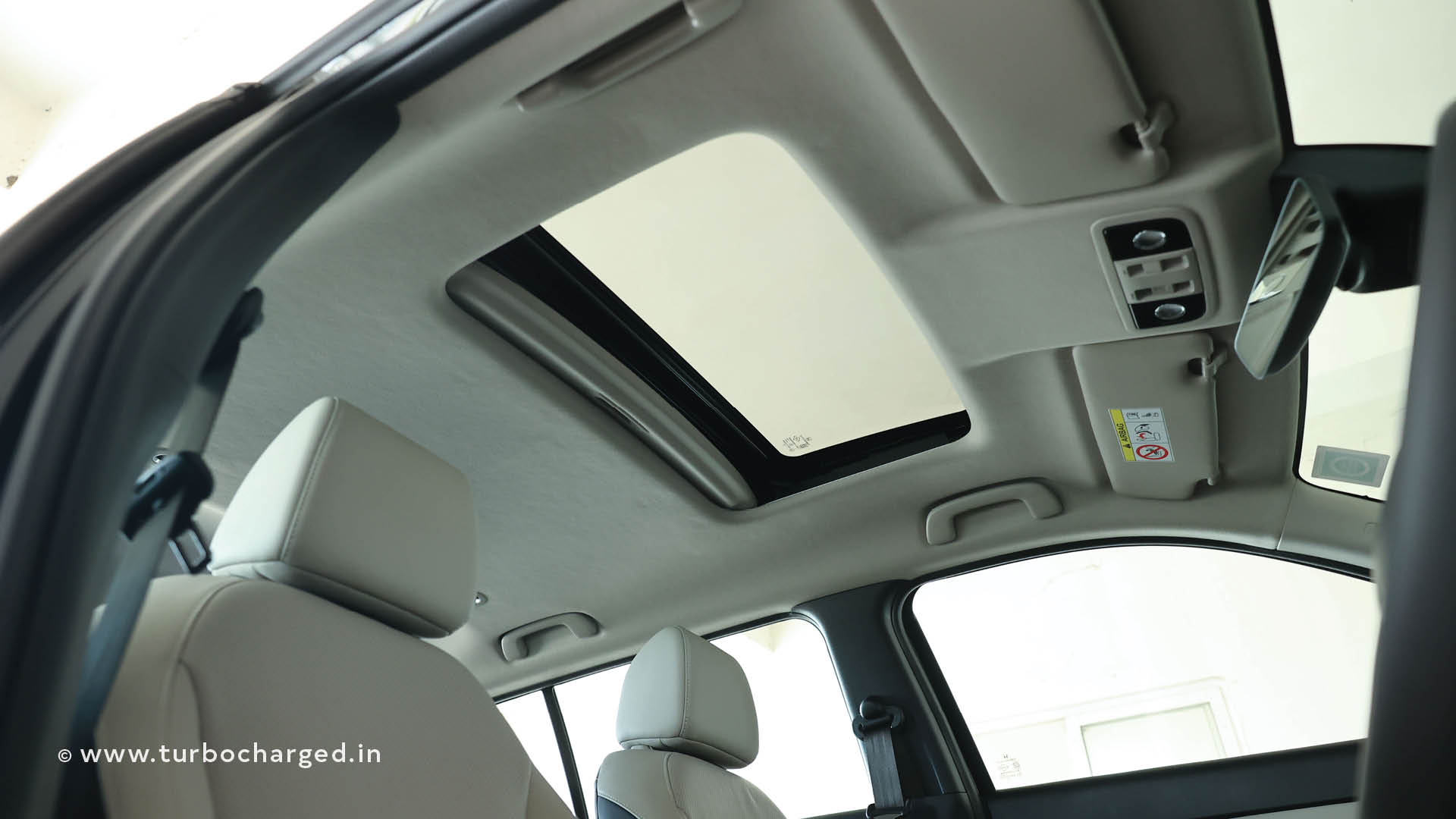
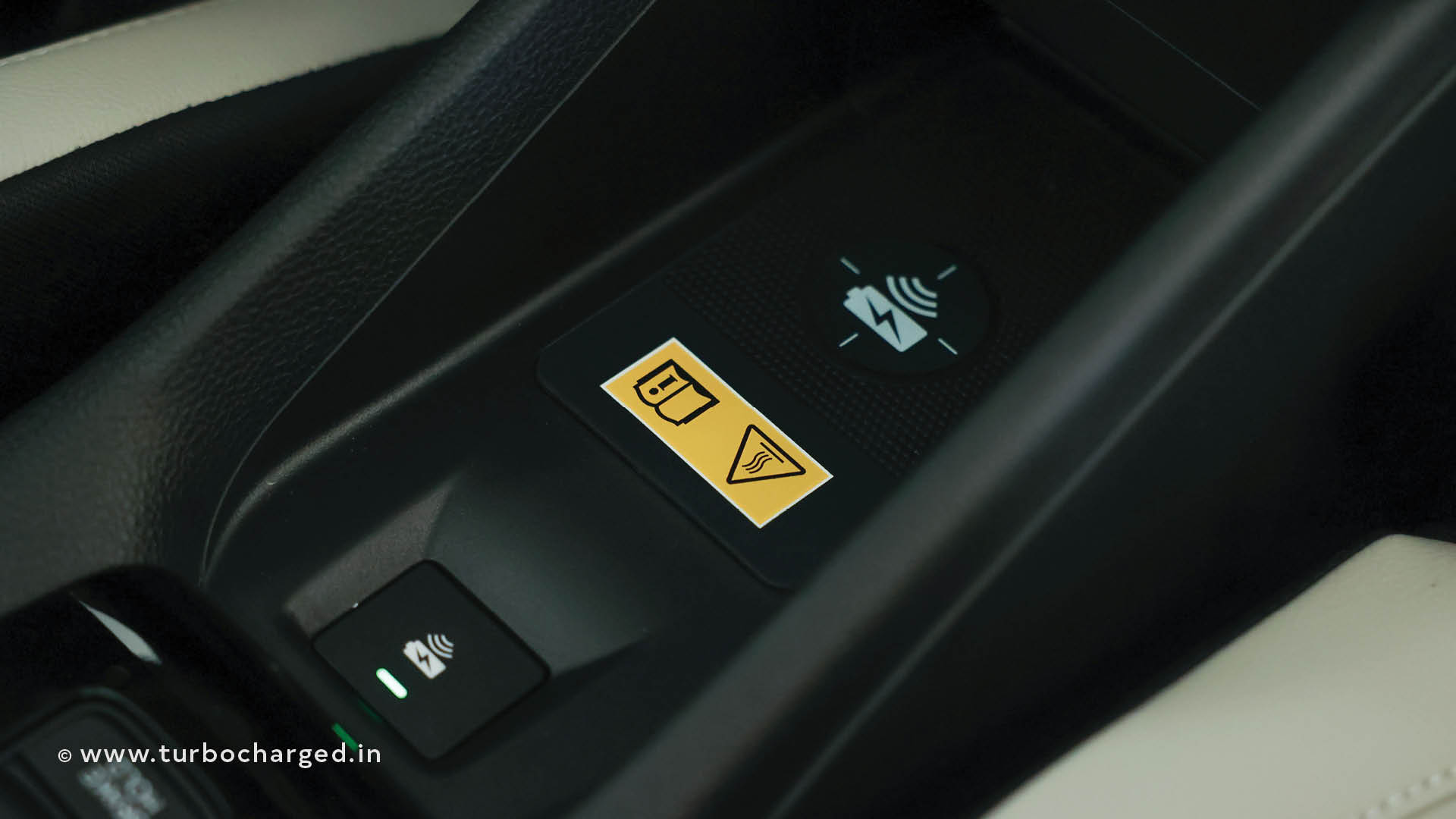
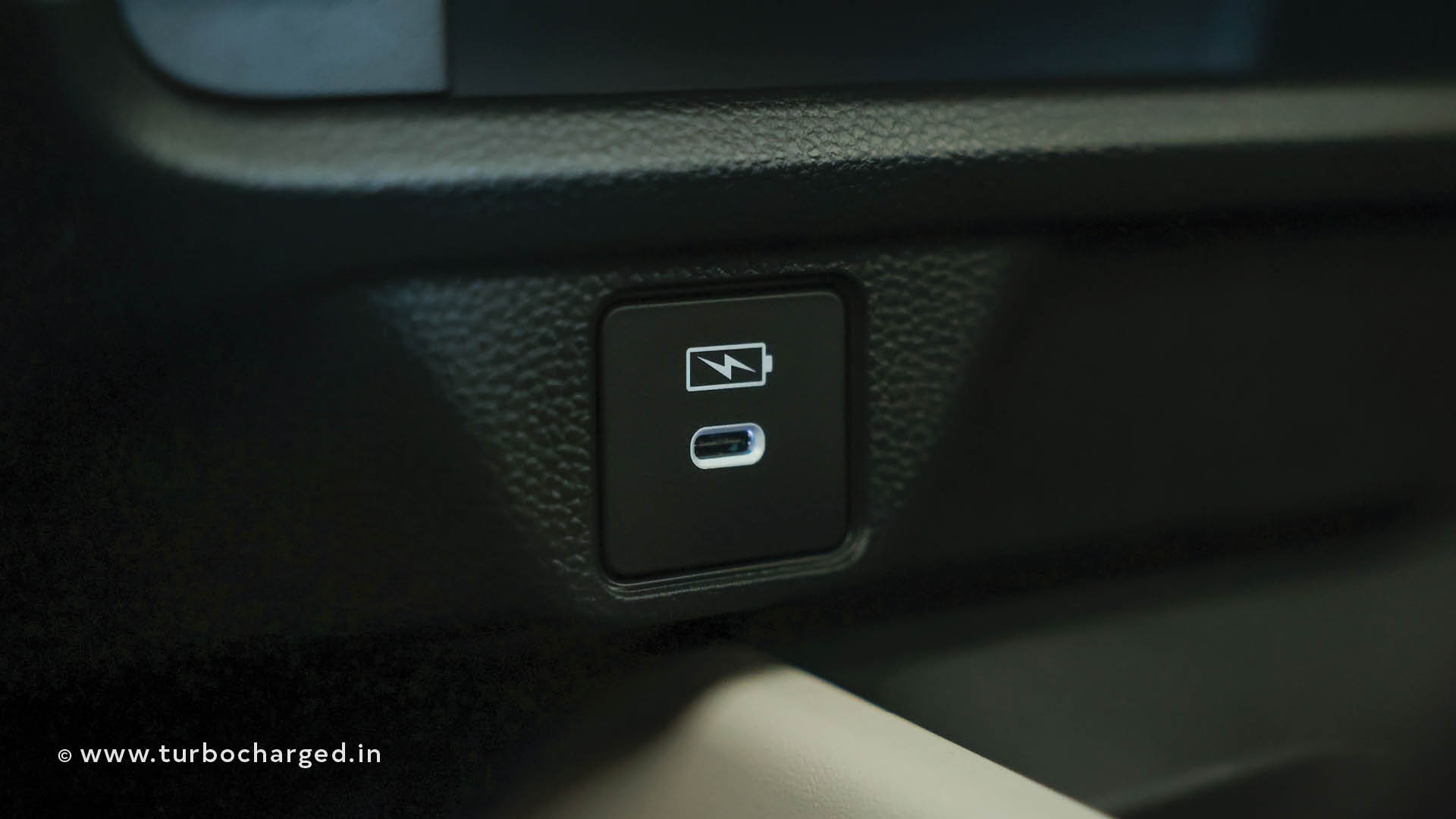
The cabin, however, is where Honda has made more meaningful improvements. The new ivory-and-black upholstery, leatherette padding on the dashboard and revised roof lining lend the interior a more upmarket feel. More importantly, the equipment list now includes powered and ventilated front seats, ventilated rear seats – a segment-first – along with ambient lighting, a PM2.5 air purifier and a 360-degree camera. The latter could do with a better display, but it’s a welcome addition, nonetheless. The 10.25-inch touchscreen, wireless smartphone connectivity and Honda Sensing ADAS suite continue, with adaptive cruise control now getting a low-speed follow function on CVT versions.
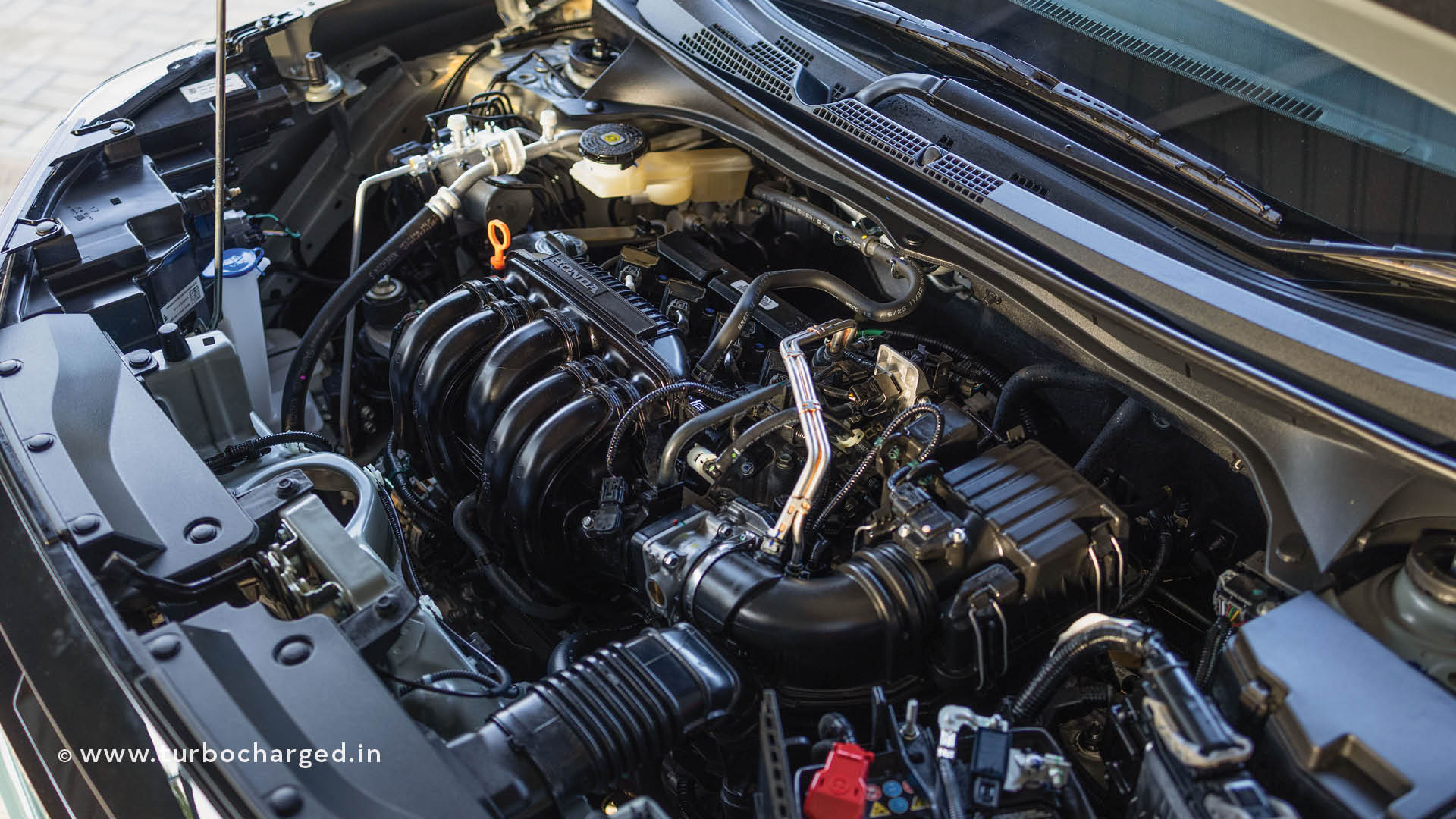
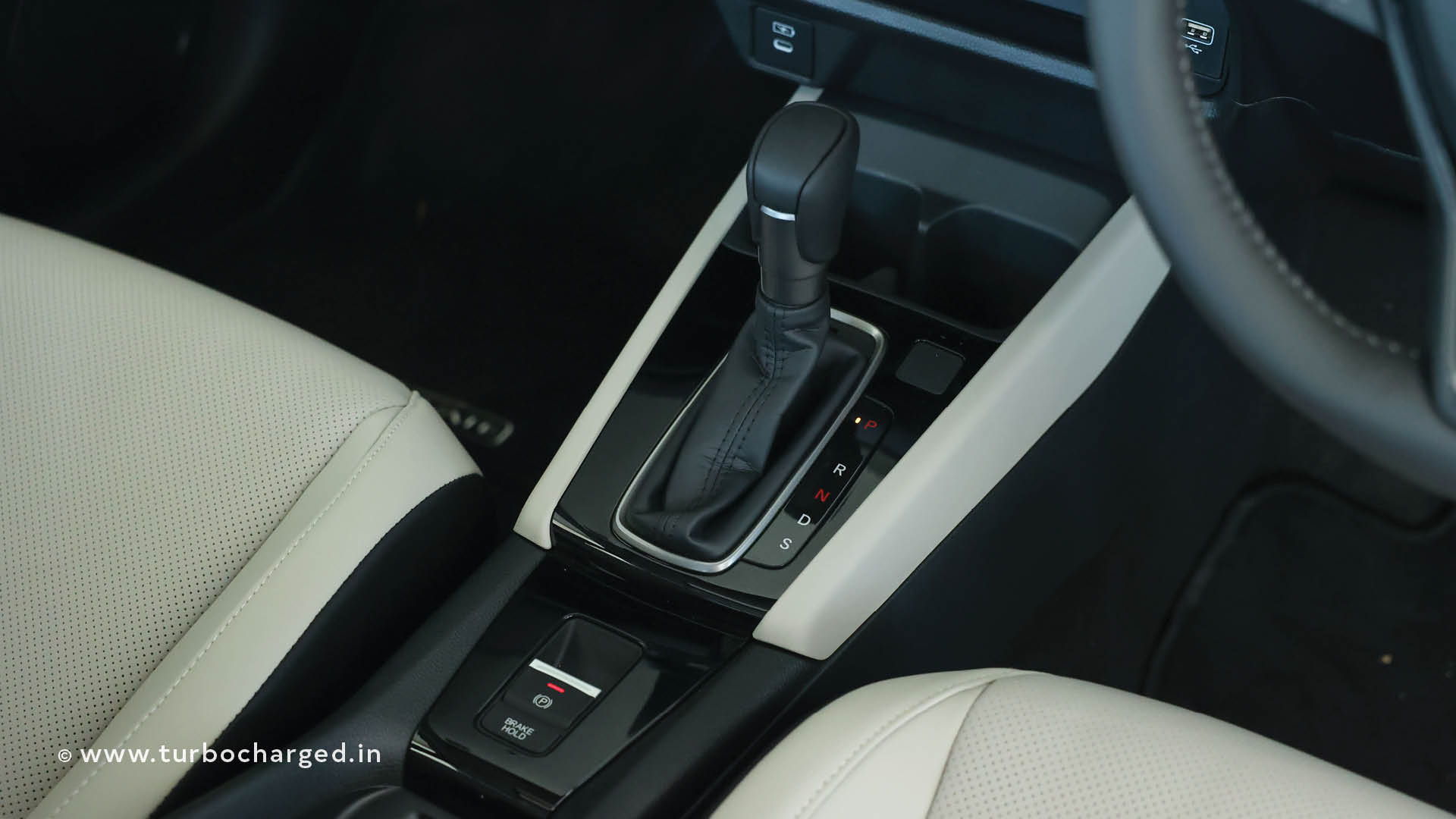
Things remain familiar under the hood, and that’s not necessarily a bad thing. The 1.5-litre naturally aspirated i-VTEC petrol engine continues to deliver 121PS and 145Nm, and it can be paired with either a 6-speed manual gearbox or seven-step CVT. It remains a responsive, free-revving motor that enjoys being worked hard, though the CVT can get a little noisy when pushed. Honda has also worked on cabin insulation, but engine and road noise haven’t disappeared entirely. What remains genuinely impressive is the Elevate’s driving experience. The suspension strikes a good balance between ride comfort and body control, while the steering is light around town and weighs up progressively as speeds rise. Despite its relatively high ground clearance of 220mm, the SUV also feels reassuringly planted through corners, and impresses on the handling front, as we discovered on our drive from Delhi to Jaipur, taking the new, Delhi-Mumbai Expressway.
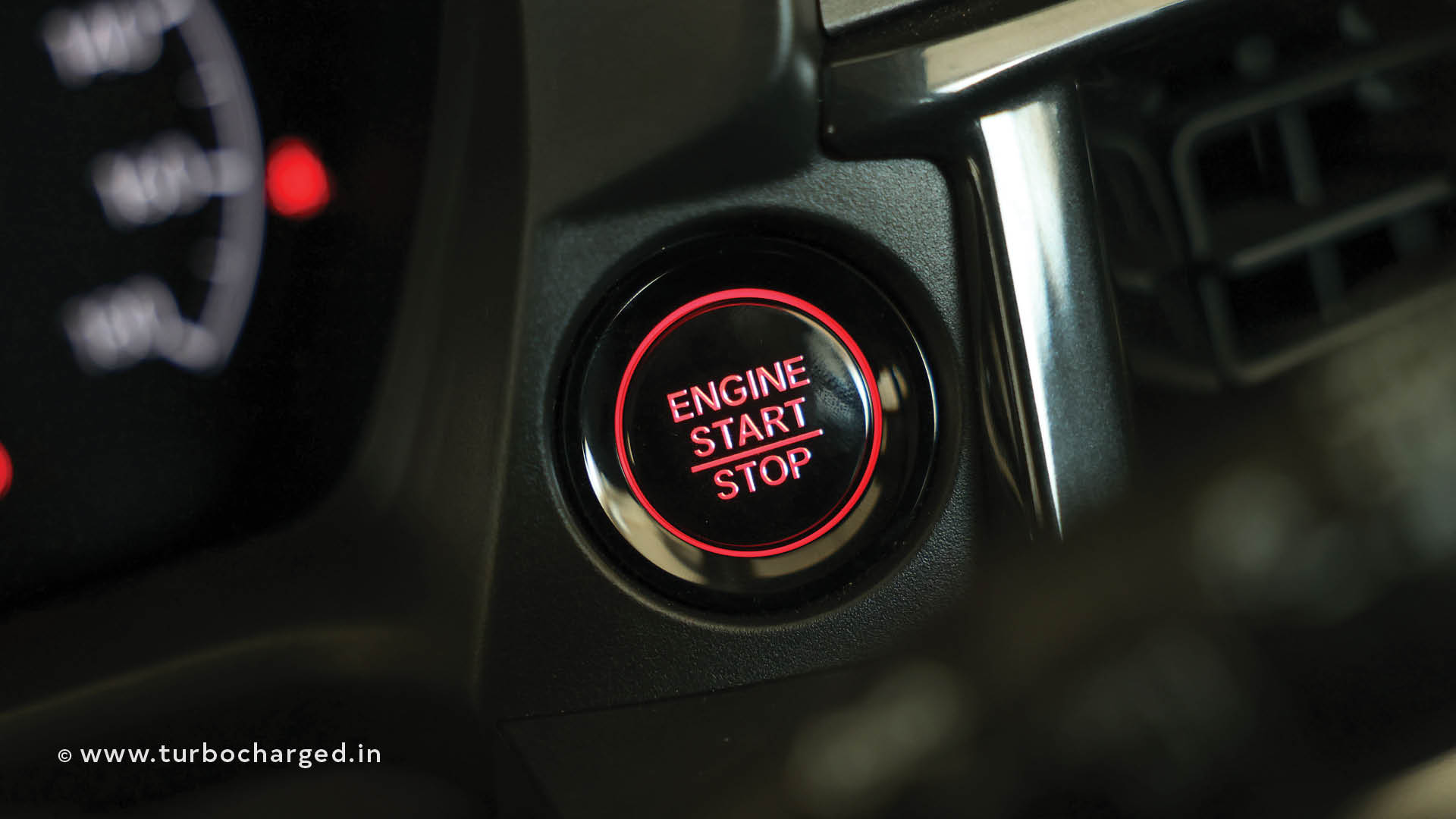
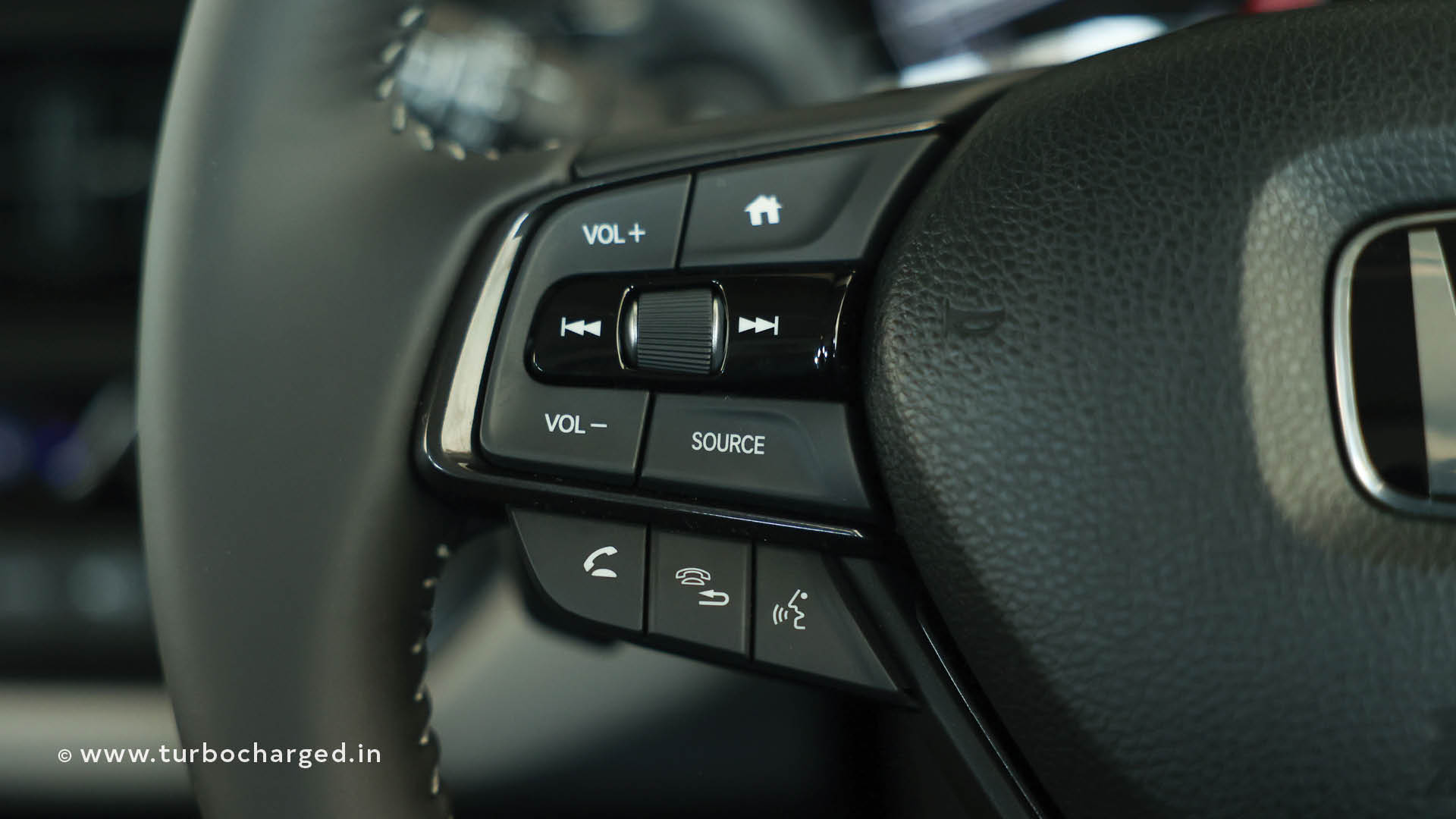
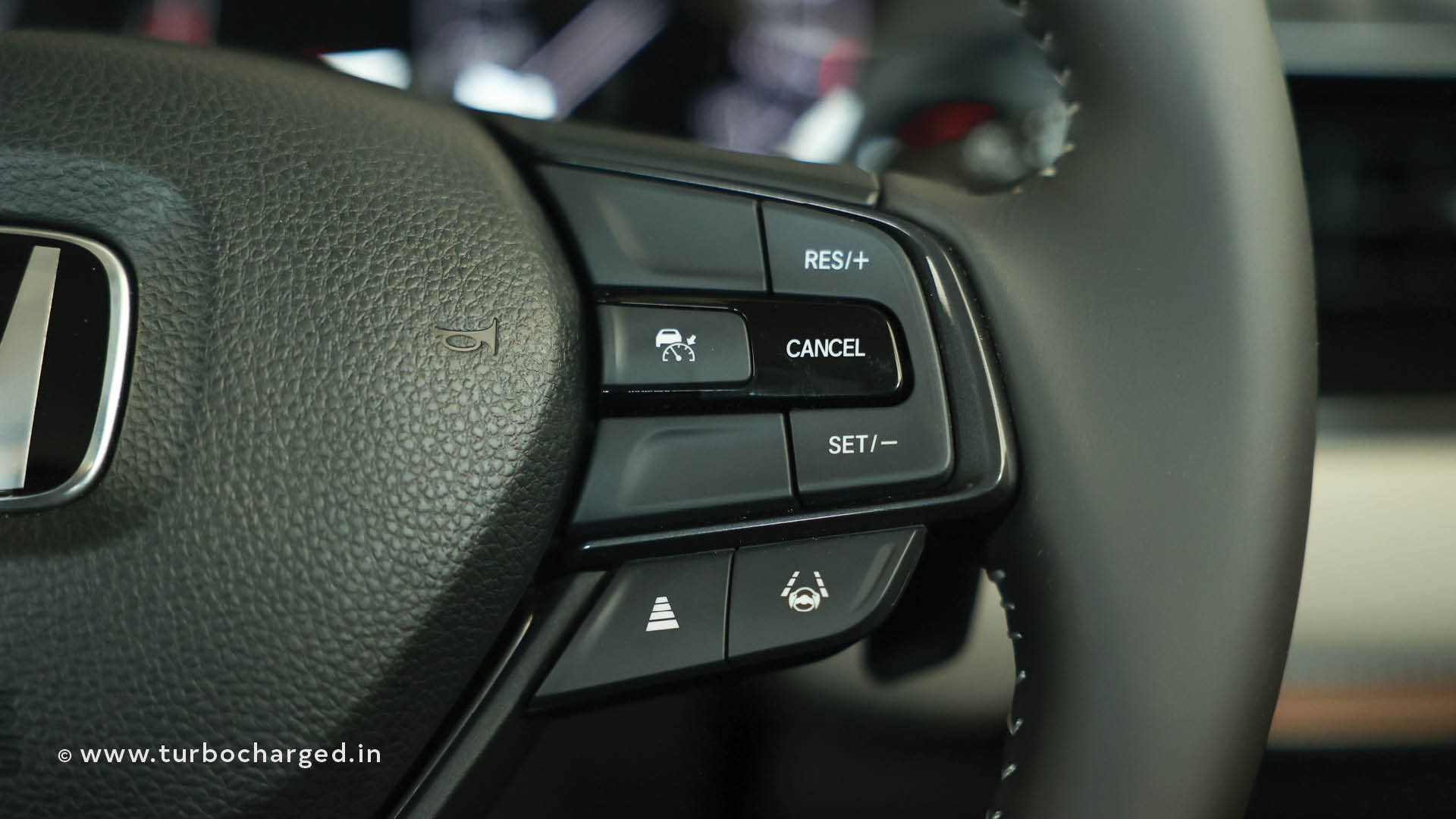
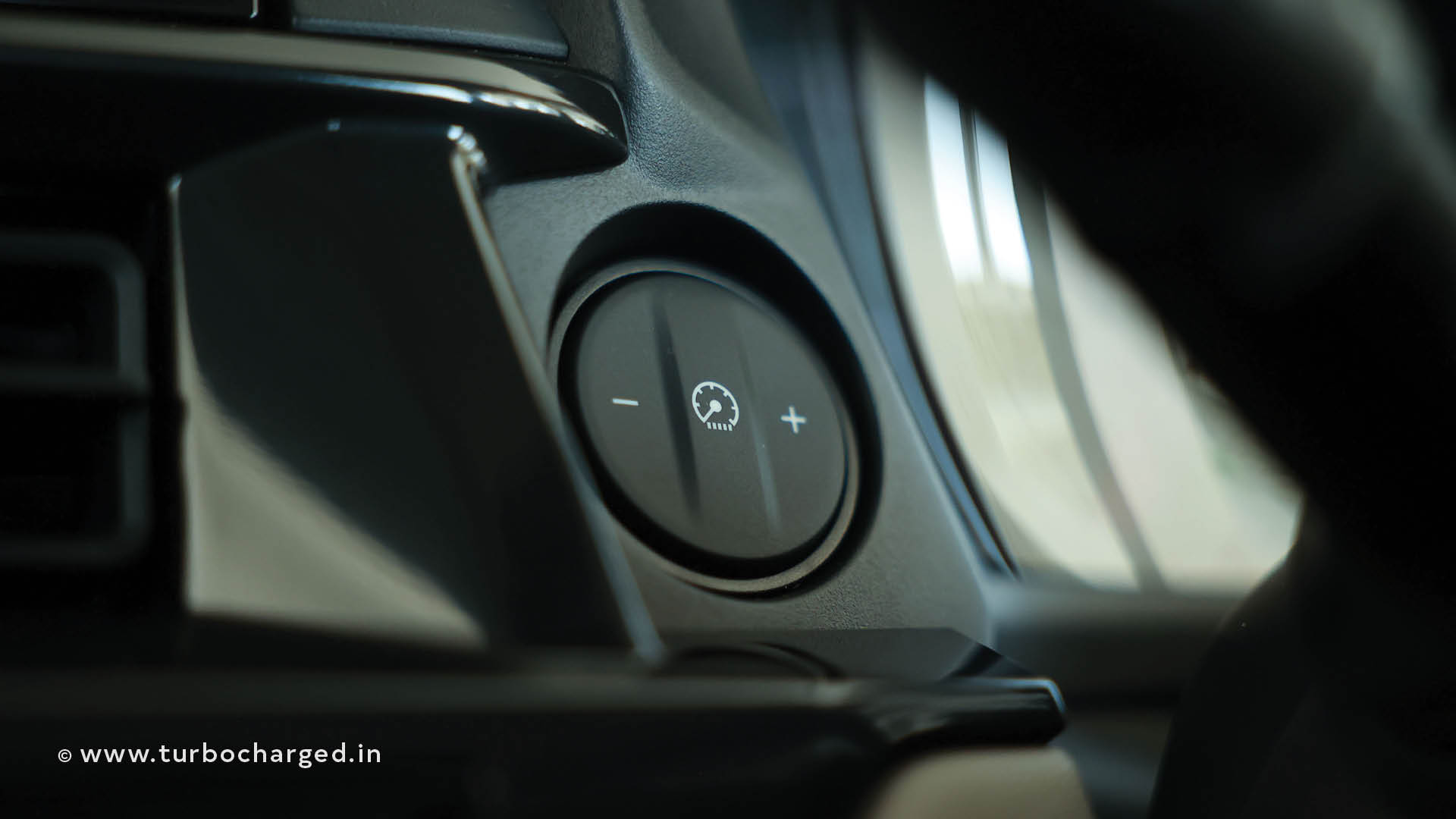
Priced from ₹11.80 lakh ex-showroom onwards, the 2026 Elevate is a considerably more rounded proposition now, though the option of a hybrid or turbocharge petrol powertrain option would have made it even more compelling. Honda has addressed many of its earlier shortcomings though, which should help the SUV impress buyers further. Sometimes, getting the basics right and adding a little more of what buyers want is all that a good SUV needs, no?
Words Abhay Verma
Photography Saidatta Naik, Tanmay Vartak


