

As a motorcycle riding enthusiast, a swanky lid (read helmet) is a must-have. In fact, a lot of riders can be identified by their helmet alone. A helmet not only protects your head in case of a mishap, but it also becomes a part of your identity. With more and more stylish helmets hitting the market, choosing one for yourself can become quite a task. Weight, material, certifications, padding, visors – riders are now spoilt for choice.
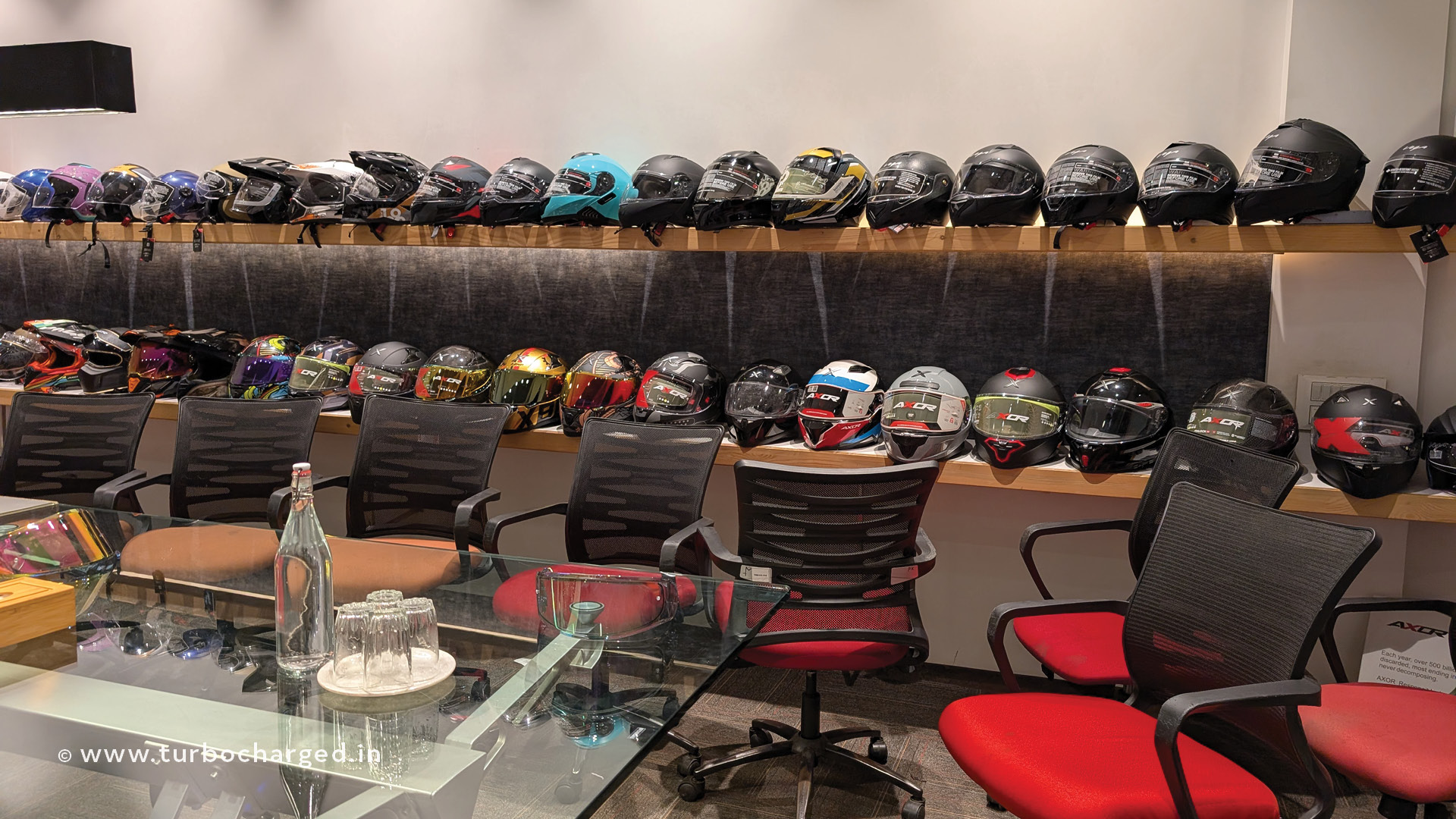
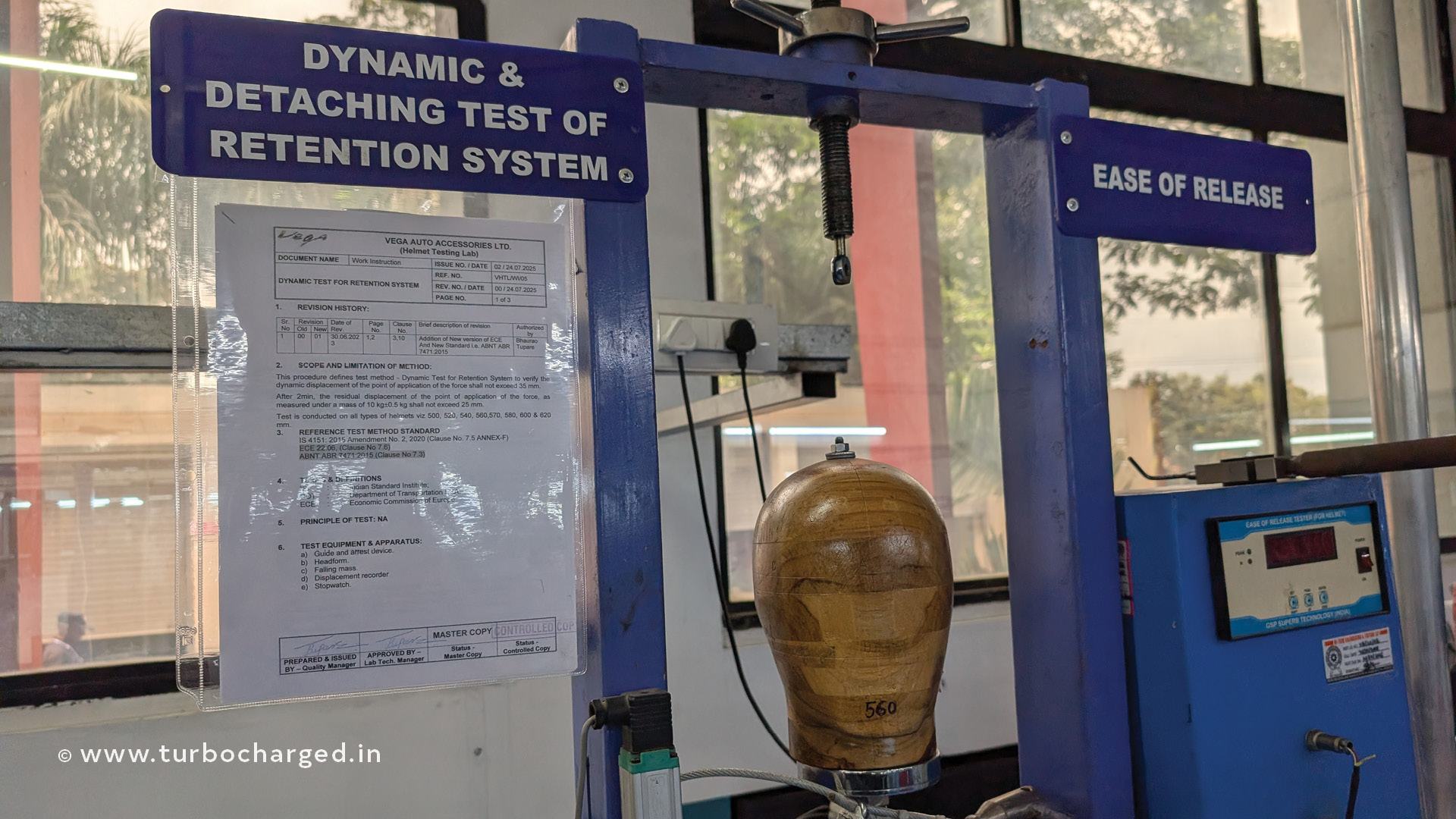
Belgaum-based helmet manufacturer Vega recently invited us to the launch of its new MX Carbon helmet. The brand claims it is the lightest helmet in the world and comes with triple certification – DOT, ISI and ECE 22.06. But what followed the next day was even more exciting. We got the opportunity to visit Vega’s helmet manufacturing unit. And, as it had to be, it turned out to be quite an eventful day.
An early morning call saw all of us at a dirt track, where we took turns riding motorcycles, ATVs and buggies. After a lot of sliding, mud-slinging and plenty of fun, we headed back, freshened up and started for the factory. A warm welcome later, we were taken through the entire process of making a helmet. The process itself isn’t rocket science, because all the science has already been applied. What makes it interesting is how manual effort and automated processes come together to get the final product ready.
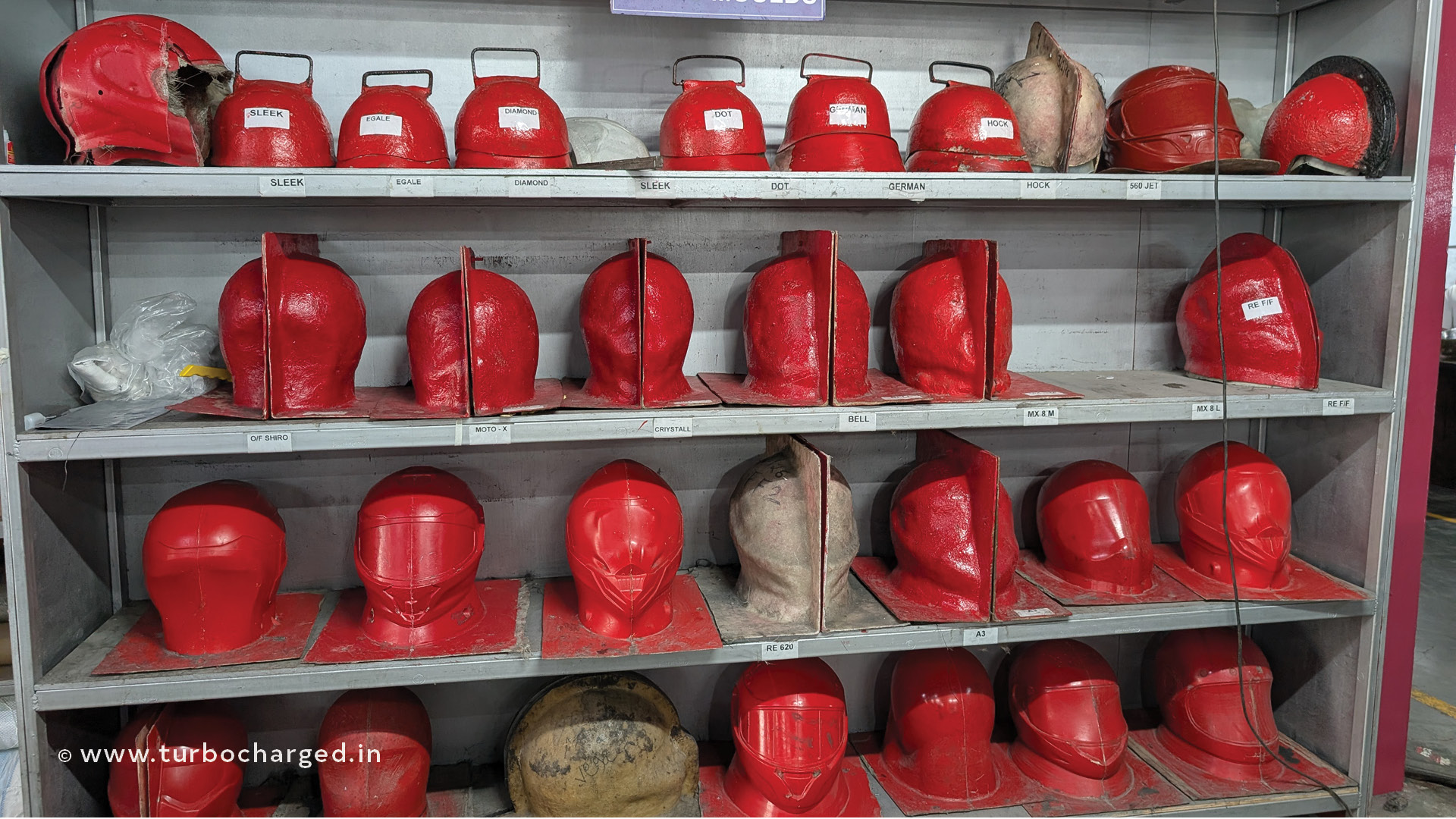
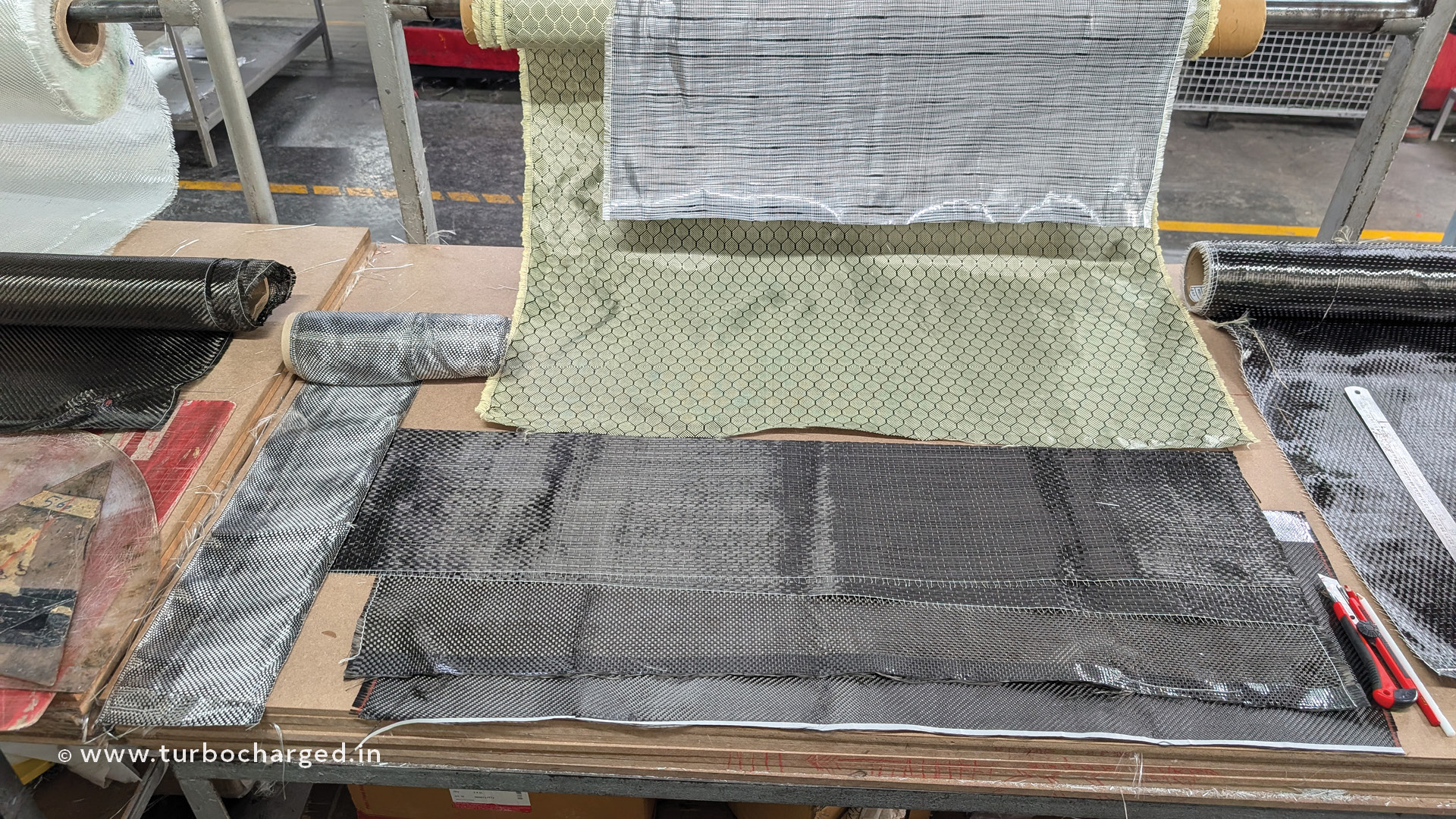
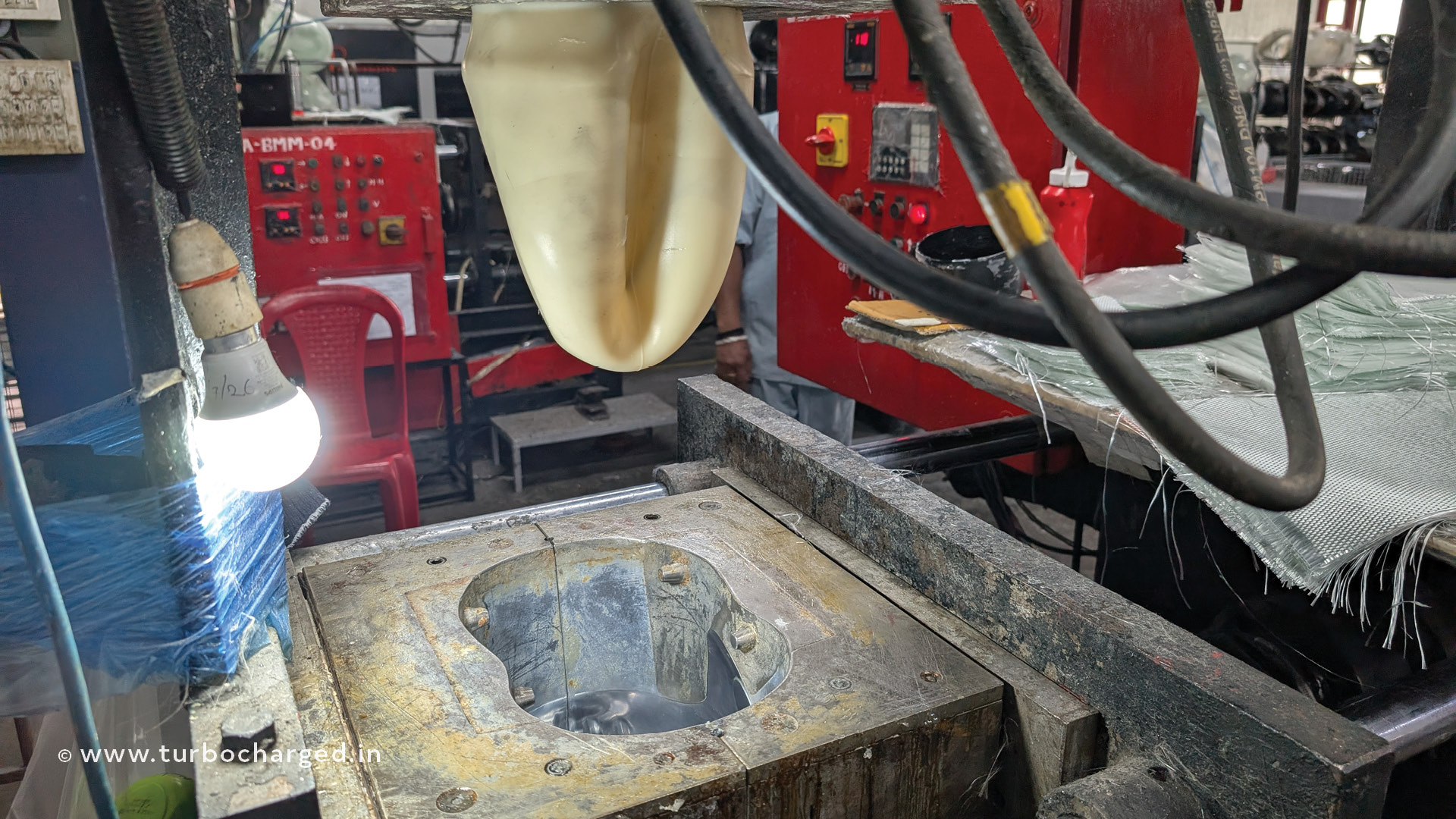
The first step is material selection and moulding the shell. Once the rough shell is ready, the next step is to get precision cuts made on the helmet using a CNC waterjet cutter. After the shells are cut, they go to the polishing and preparation station, where each shell is inspected by hand. Rough edges are sanded down, and the shells are then prepared for primer and painting.
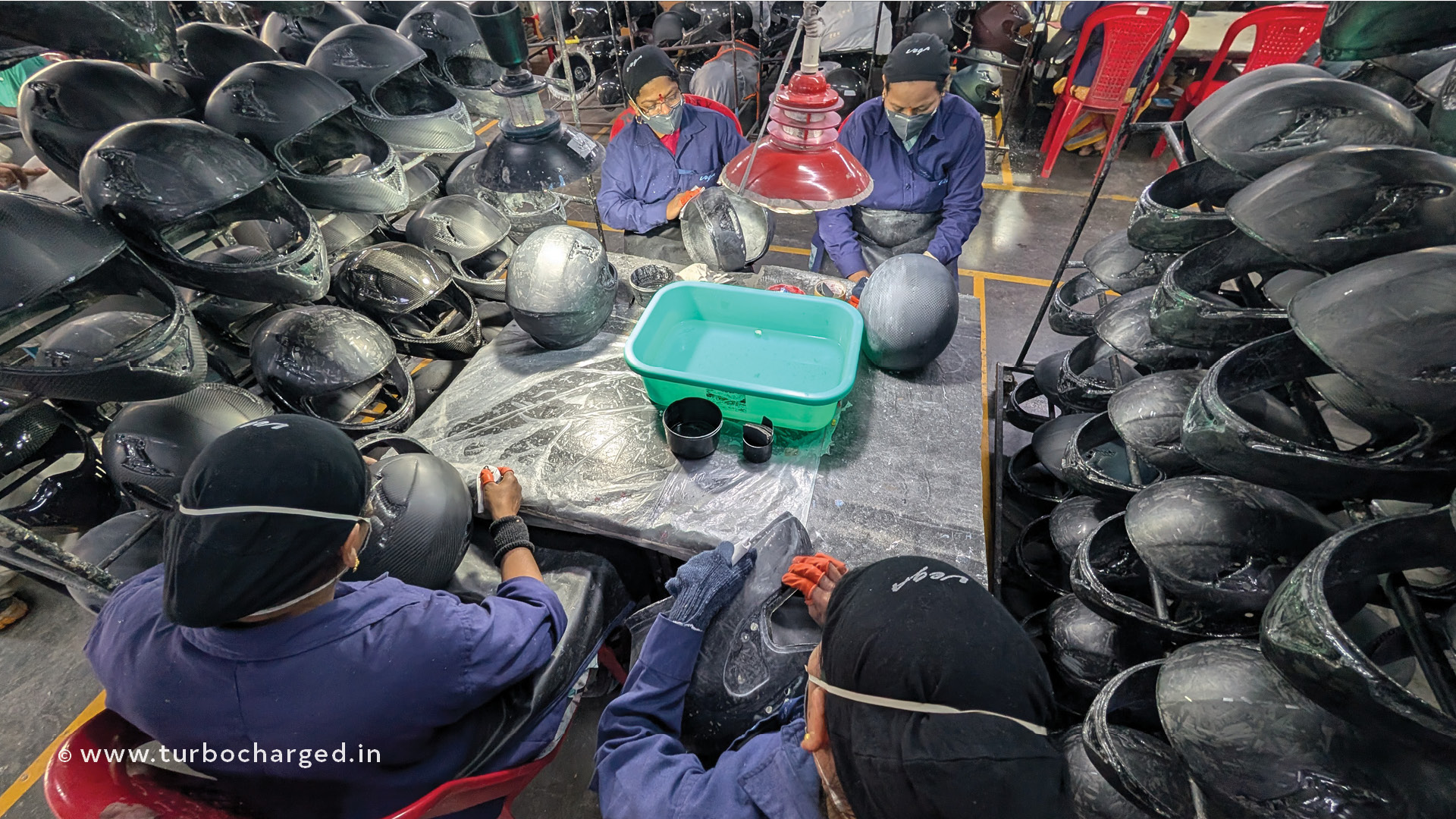
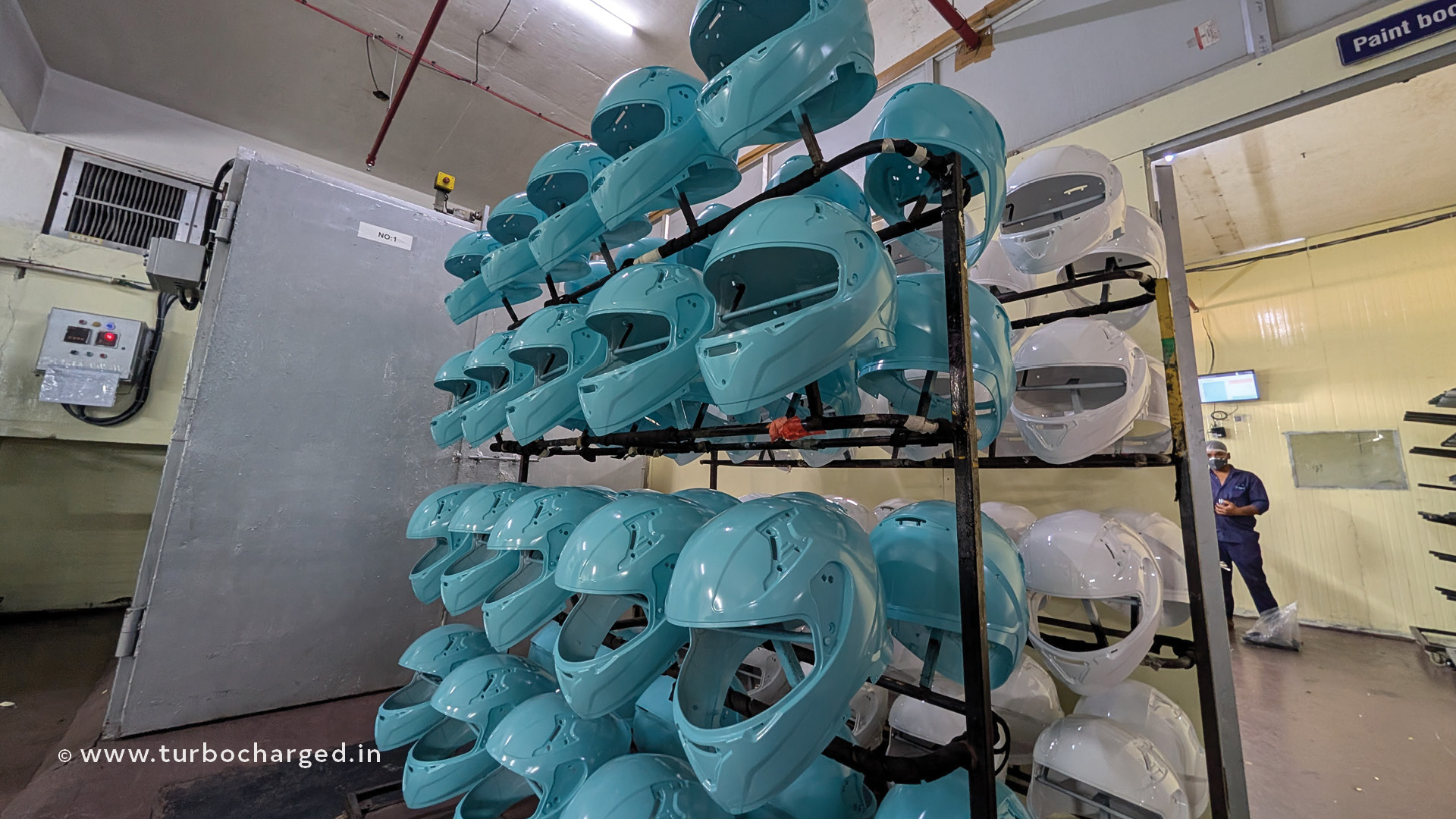
The painting process is automated. Once the shells are painted, the graphics and stickers are placed precisely. Interestingly, all those eye-catching graphics that you see on a helmet are actually applied by hand. Each piece is carefully positioned before the shells are sent for clear coating and the baking process. It is one of those stages where a machine can do the heavy lifting, but a human eye still makes all the difference.
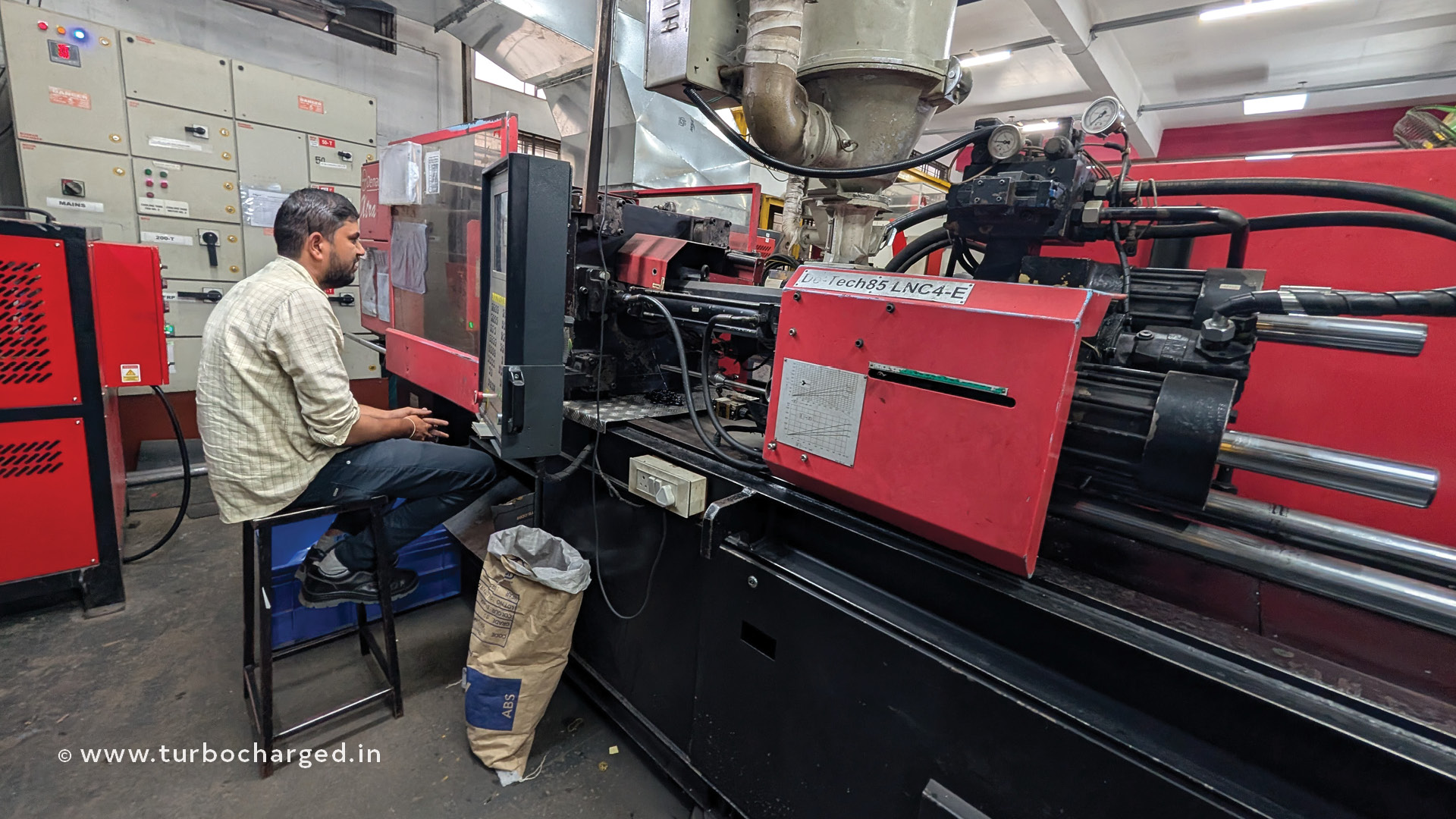
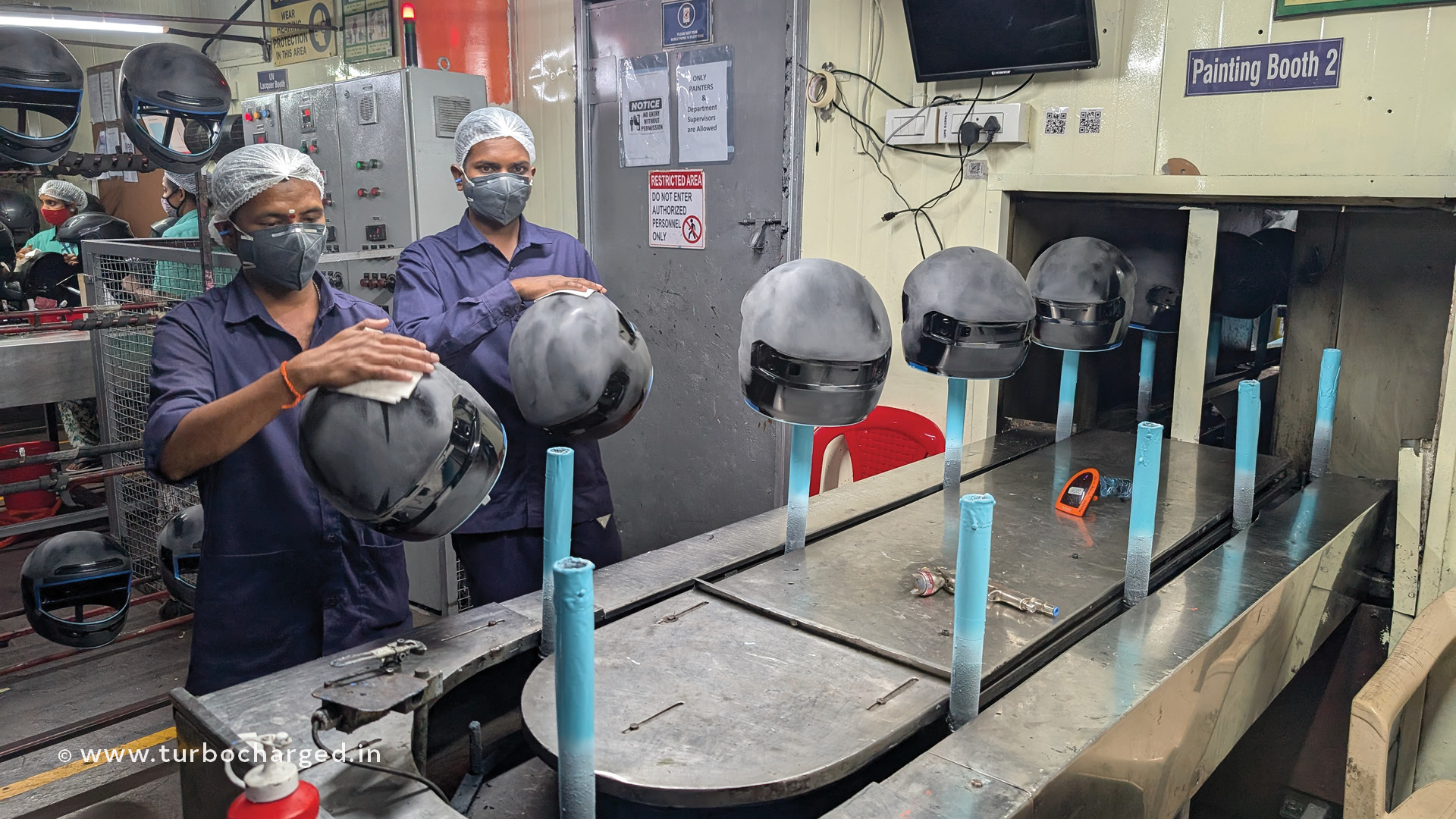
Now begins the final assembly. First, the inside EPS liner is attached, after which the vents, rubber beadings, buttons and visor fixtures are carefully fitted using a combination of hands and machines. Then, the inner liner and padding are attached, and finally, the retention system is fixed. A technician attaches a fresh visor and, at the final station, a quality check is carried out before the helmet goes for packing.
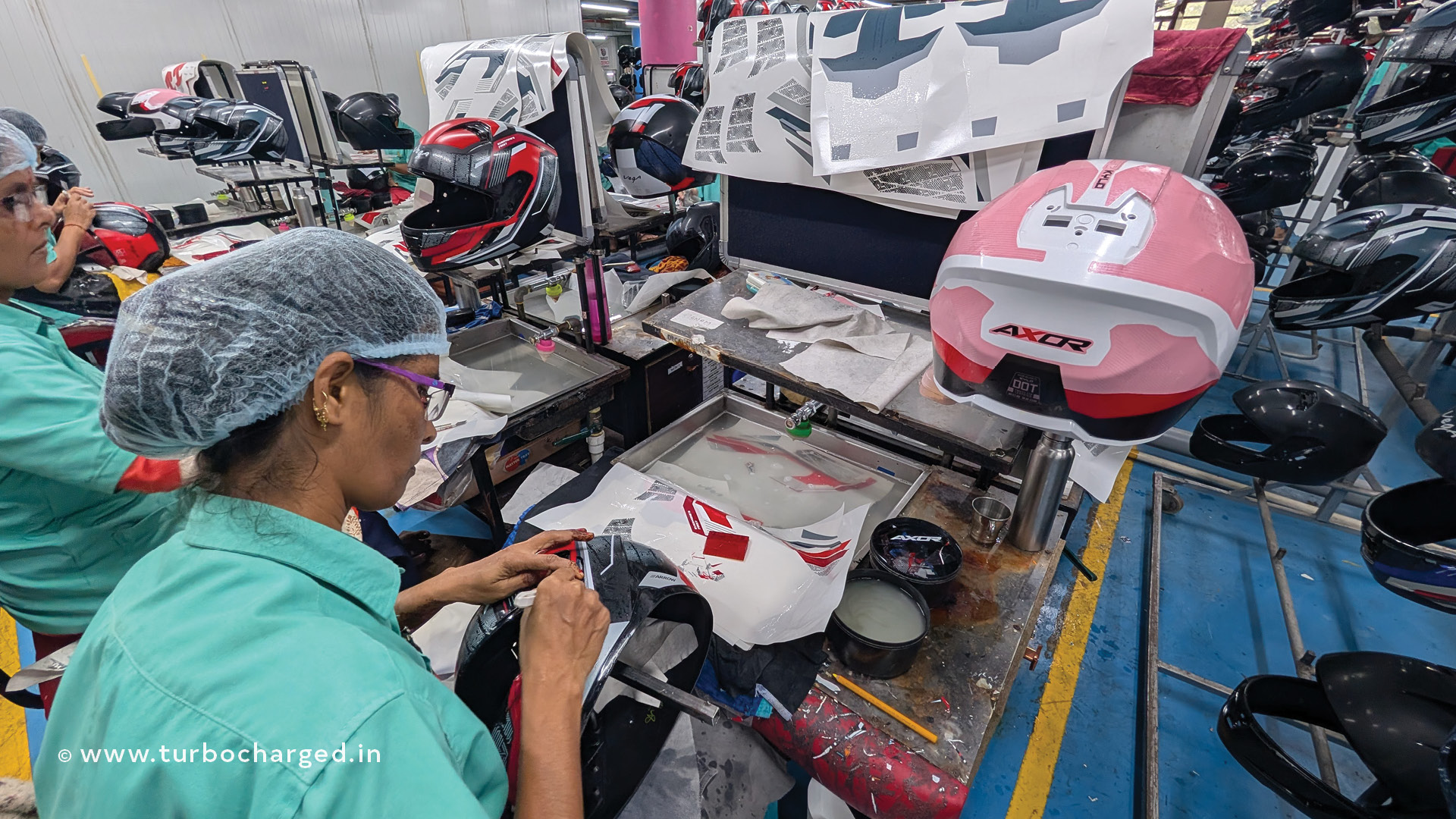
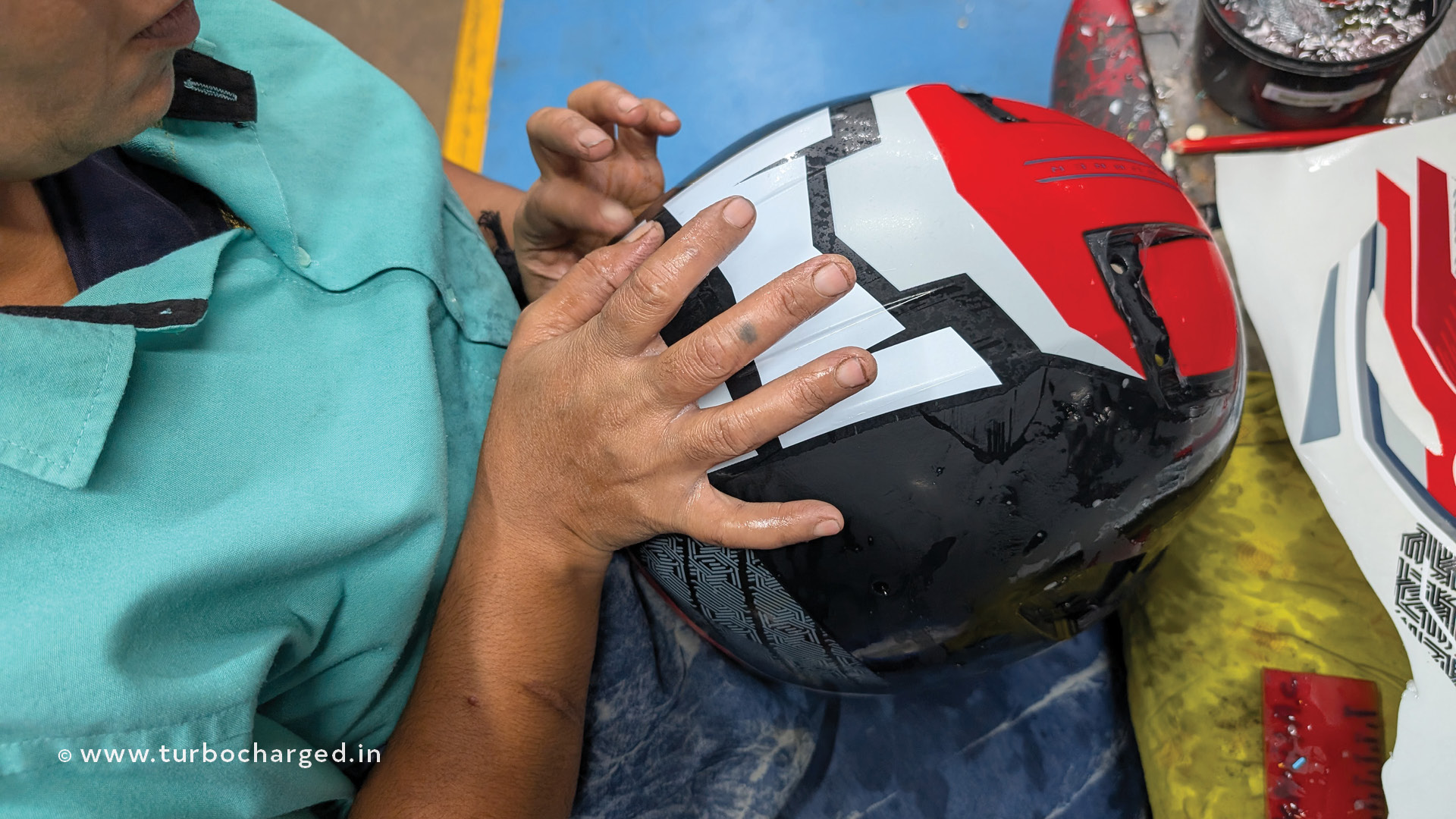
Vega’s helmet business has been around for a long time, and the brand has carved a name for itself by earning the trust of riders. Vega’s premium brand, Axor, is also produced at the same facility. After witnessing the production process first-hand, the high levels of attention to quality were quite reassuring.
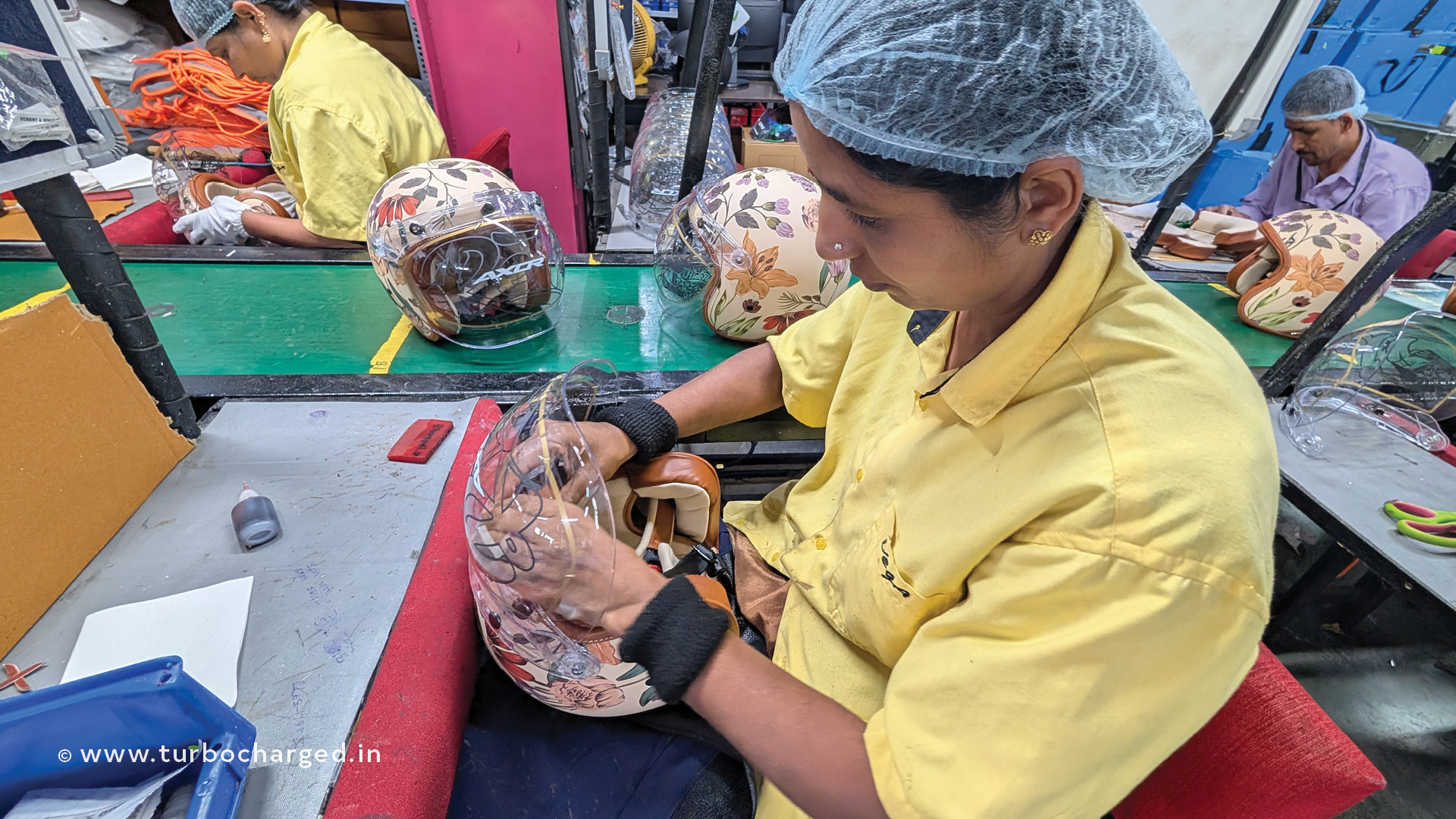
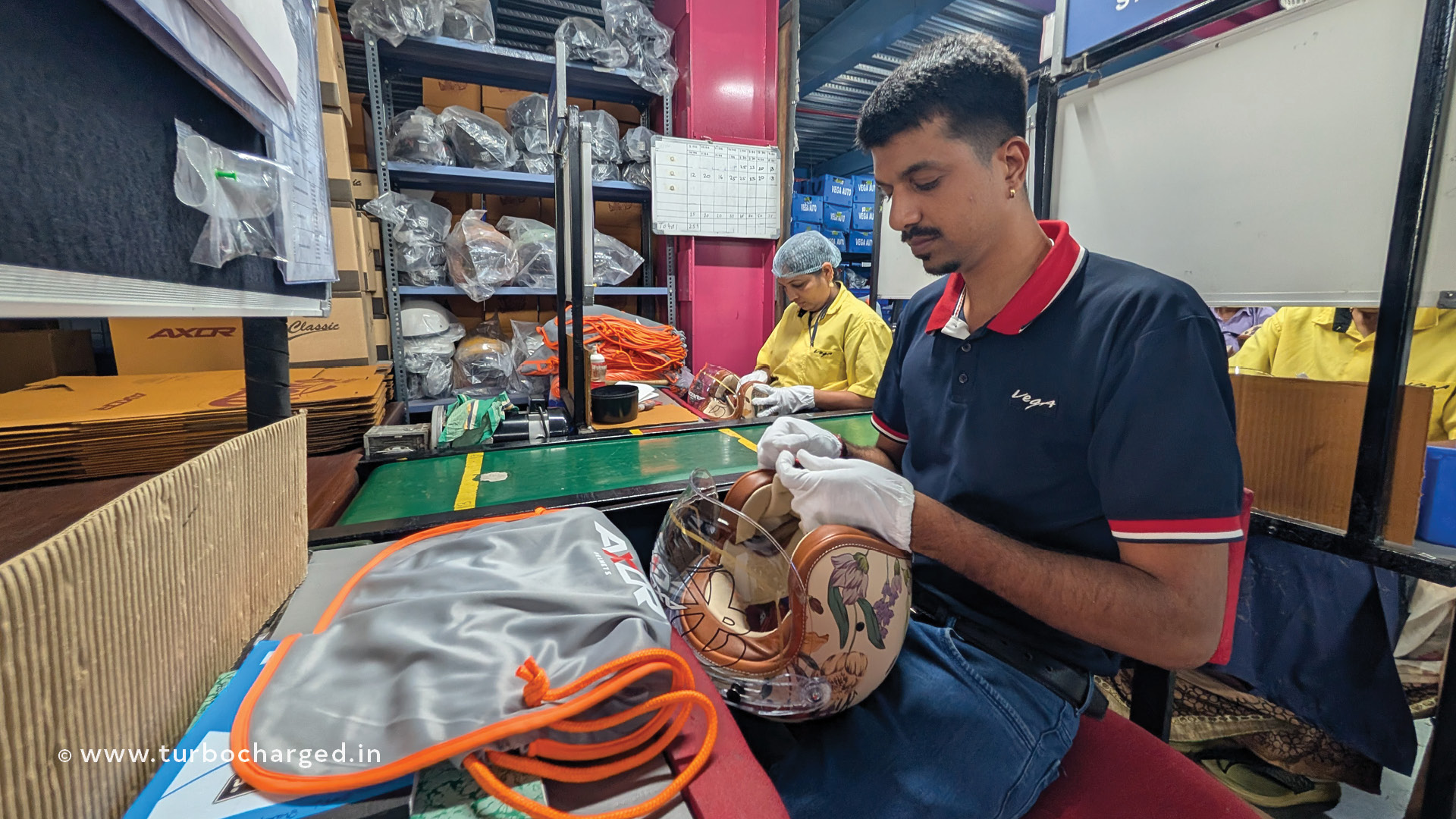
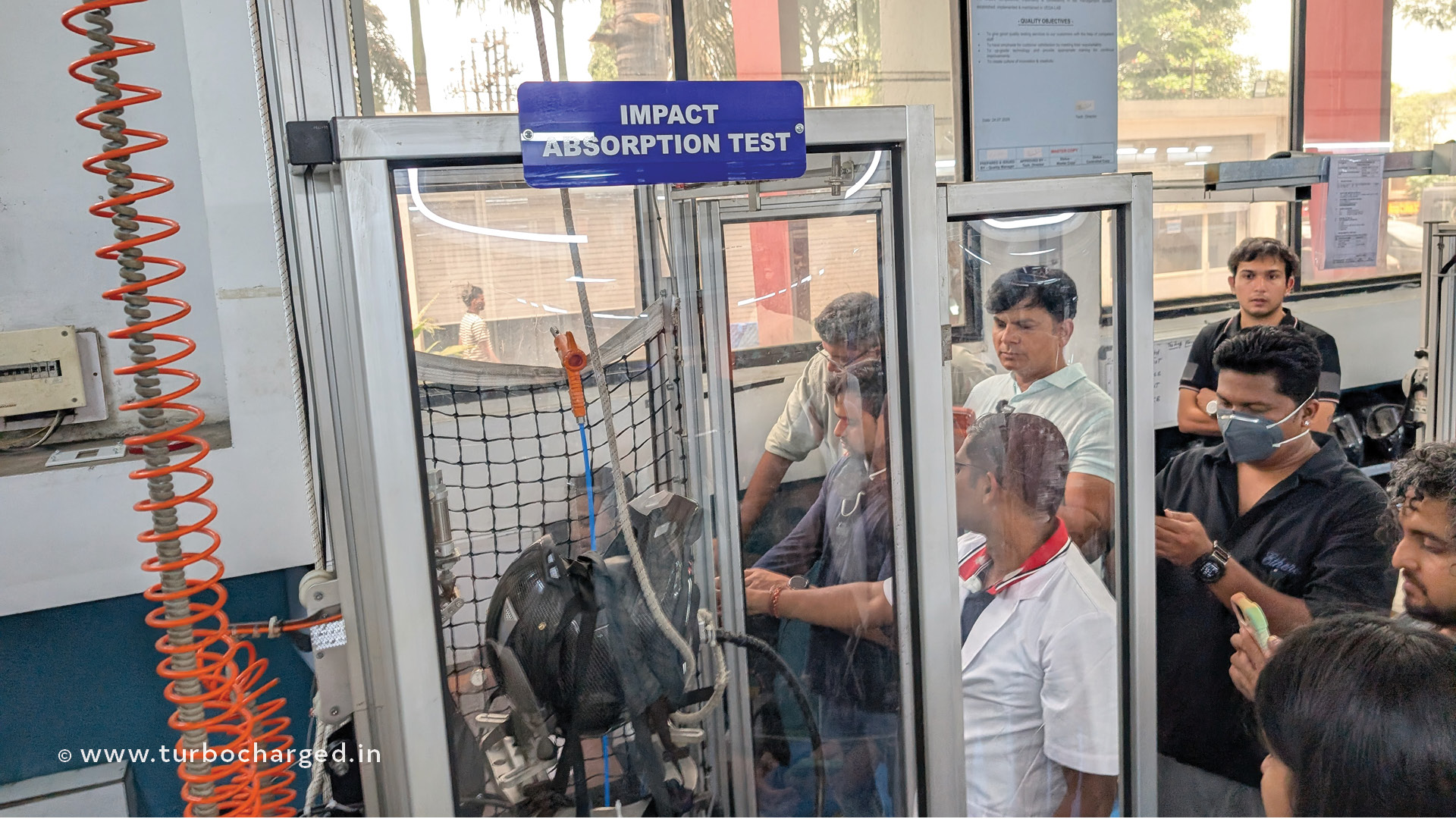
In fact, Vega went a step further to demonstrate the strength of the retention system. The company decided to hang a motorcycle from the strap of the new MX Carbon helmet and hoisted it with the help of a crane. It was quite a sight. The new Revo visors were also driven over by SUVs and came out unharmed and scratch-free. These demonstrations may sound extreme, but they certainly leave an impression when you see them happen right in front of you.The entire experience was both interesting and insightful, especially because the people behind the brand seem committed to providing international levels of safety at affordable prices. It is one thing to read about helmet safety and another to actually see the people, machines and processes that go into making the product.
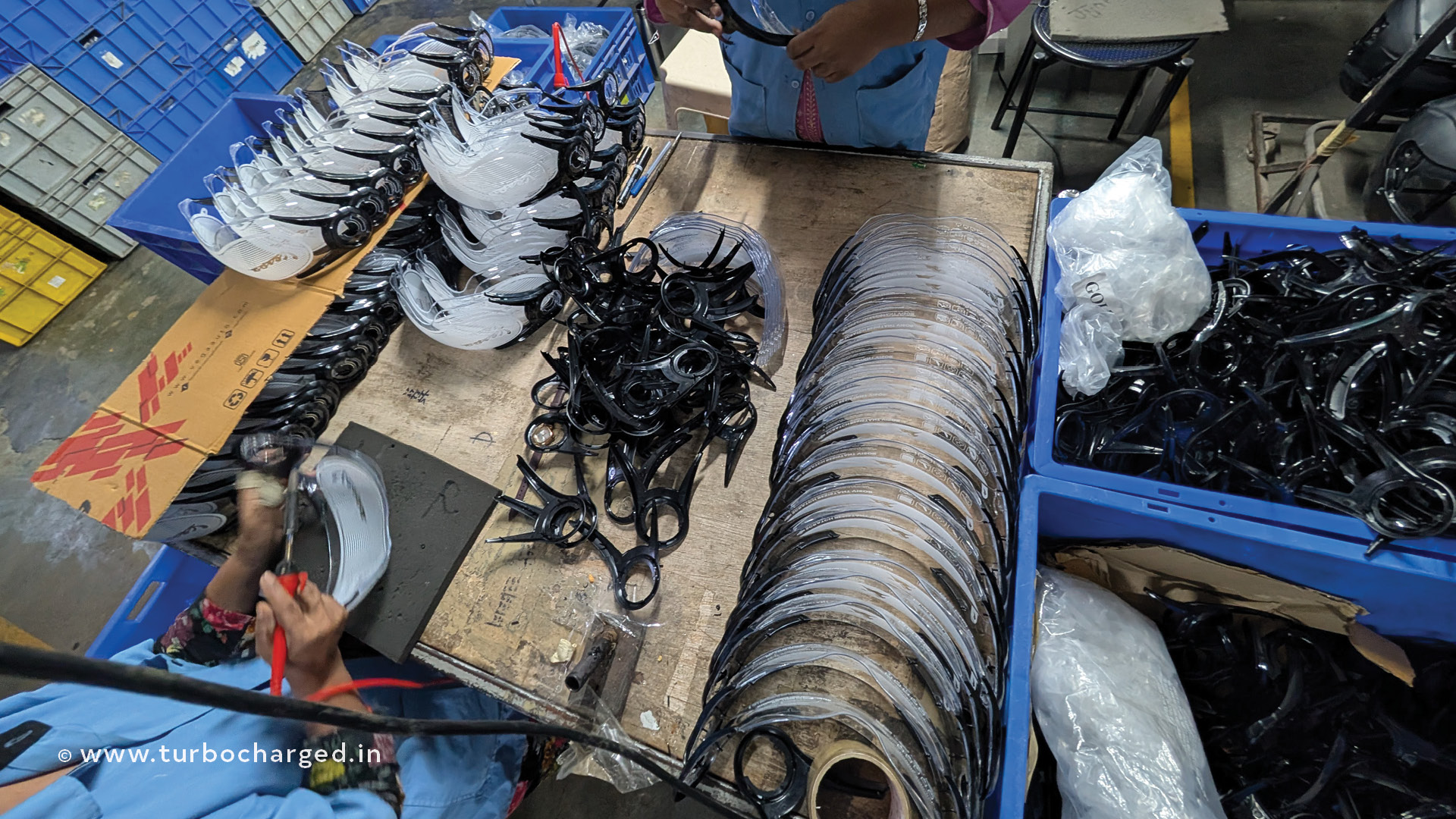
As a rider myself, wearing a helmet is a no-brainer. It is the most basic and important piece of riding gear, regardless of whether you are riding to work, heading out on a weekend ride or pushing your motorcycle on a track. And after seeing the commitment helmet manufacturers have towards their customers, I came away from the Vega factory with a little more confidence in what sits between my head and the road. A helmet may be a rider’s identity, but at the end of the day, its most important job is to protect the person underneath it. And after seeing how much goes into making one, I know I would rather have my head inside a safe zone, wherever the road takes me.