


Affordable performance – that’s what the Pulsars are all about. But the Pulsar NS200 carved its way into the hearts of enthusiasts like myself, thanks to its KTM Duke 200-derived engine, perimeter frame, monoshock suspension, and aggressive styling, all for under ₹1 lakh ex-showroom when it was launched back in 2012. In the 14 years since, the motorcycle has seen multiple updates, but the recipe has stayed the same. So the question I asked myself was: Is the Pulsar NS200 still relevant in 2026?
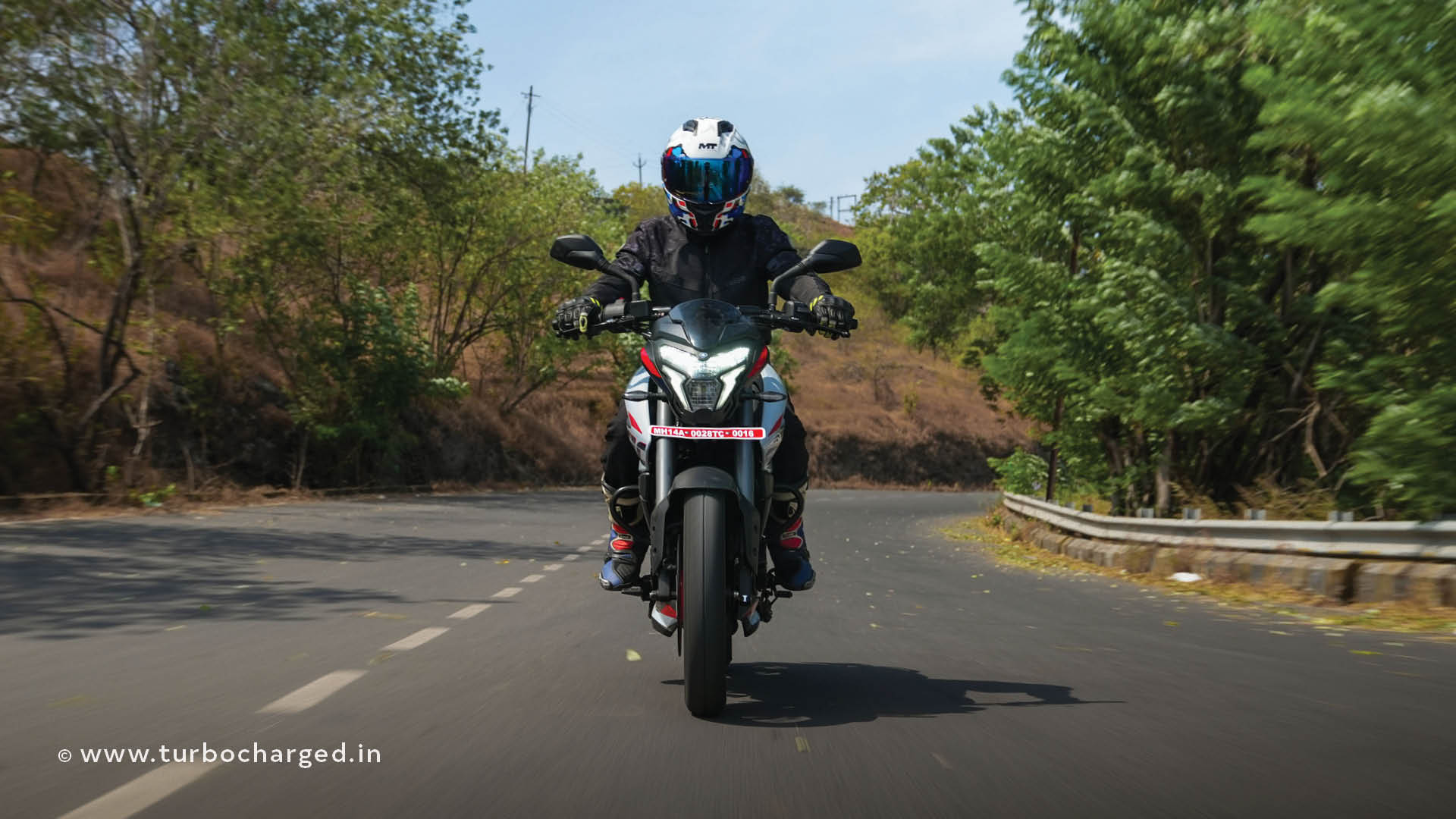
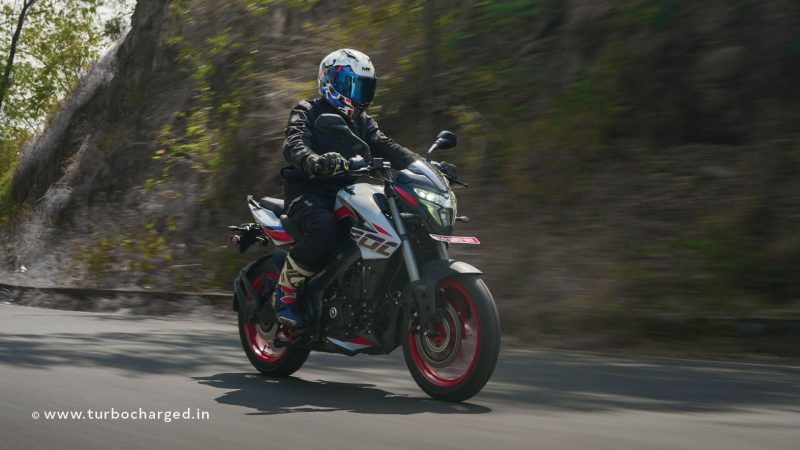
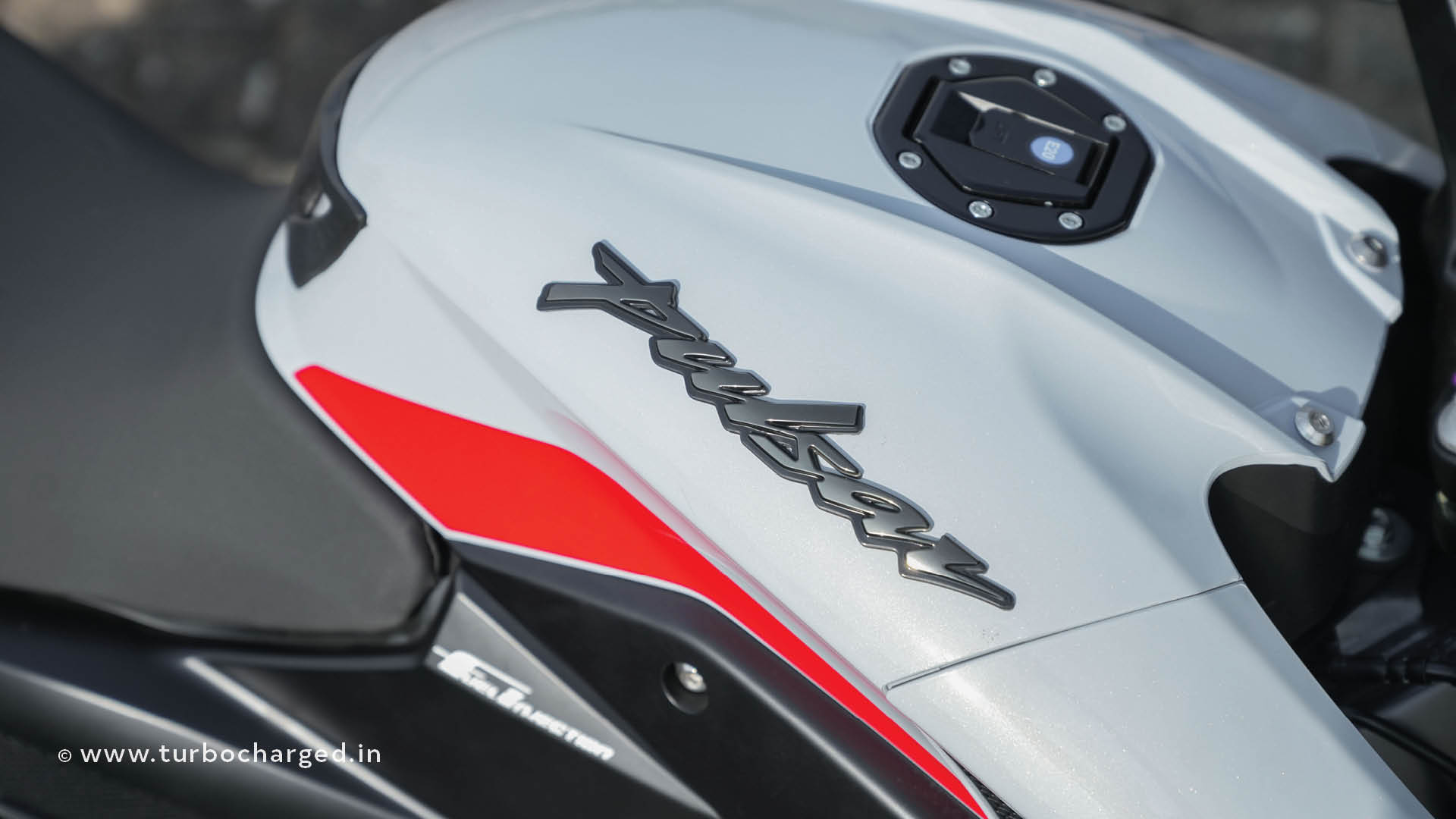
First, the design. Bajaj has deliberately left it unchanged because of its strong identity. The muscular tank, exposed perimeter frame, and aggressive styling give the NS200 a distinct appearance, and Bajaj understands that quite well. Personally, I have no complaints: it still looks fresh thanks to the new paint schemes, and I really like the overall design, though I may be a bit biased as a fellow NS200 owner (wink, wink!). But a few points suggest it’s getting dated; we’ll get to those shortly.
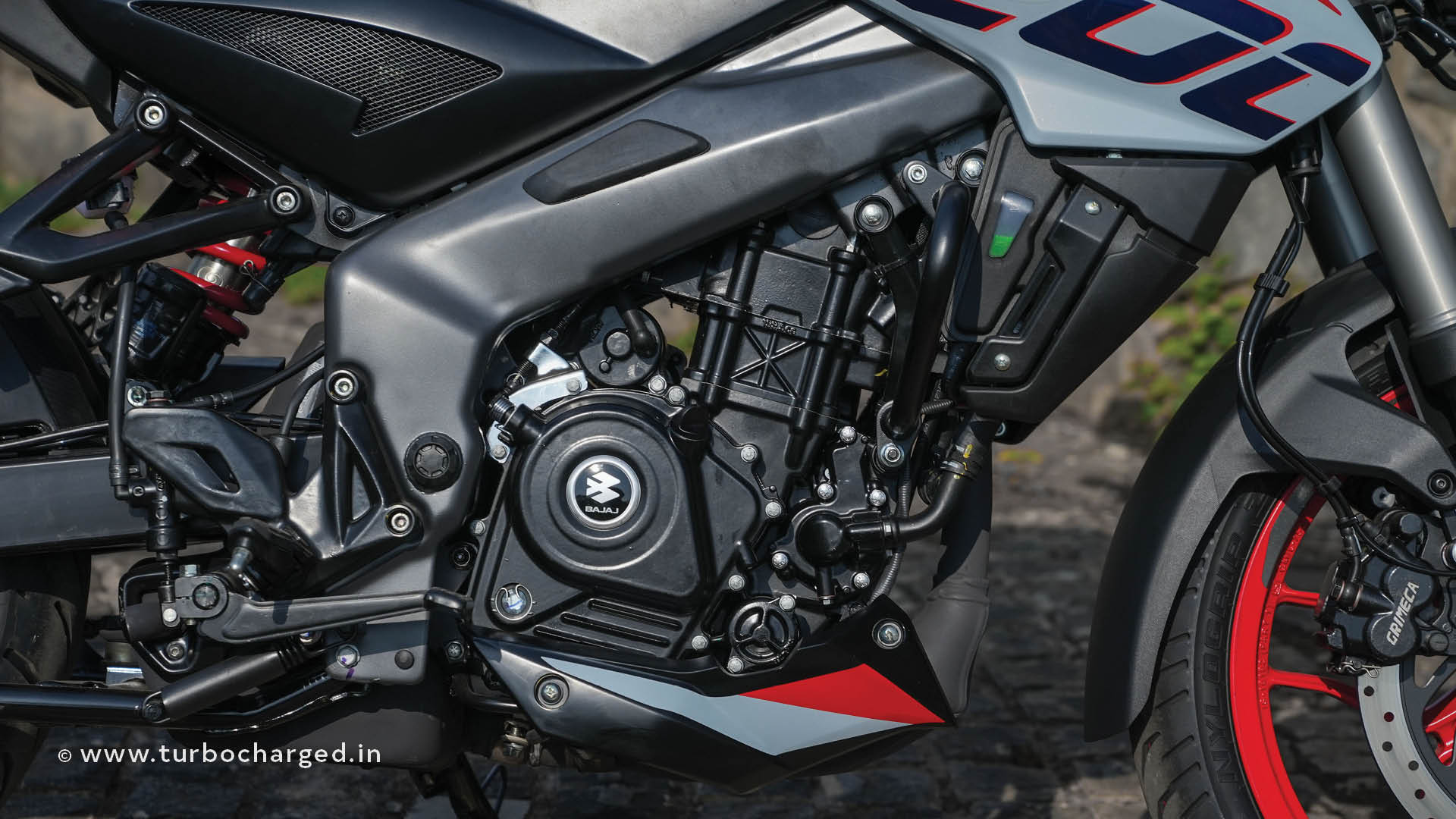
Then there’s the engine. It is carried over, but now makes 1PS more than before, for a total of 25.5PS, thanks to a higher compression ratio. As a result, peak power arrives at 10,250rpm, 750rpm higher than before; torque, however, stays the same at 18.74Nm at 8,000rpm. The kerb weight has stayed the same at 158kg, so the power-to-weight ratio is better. You’ll notice it, but only if you’ve ridden the previous generation.
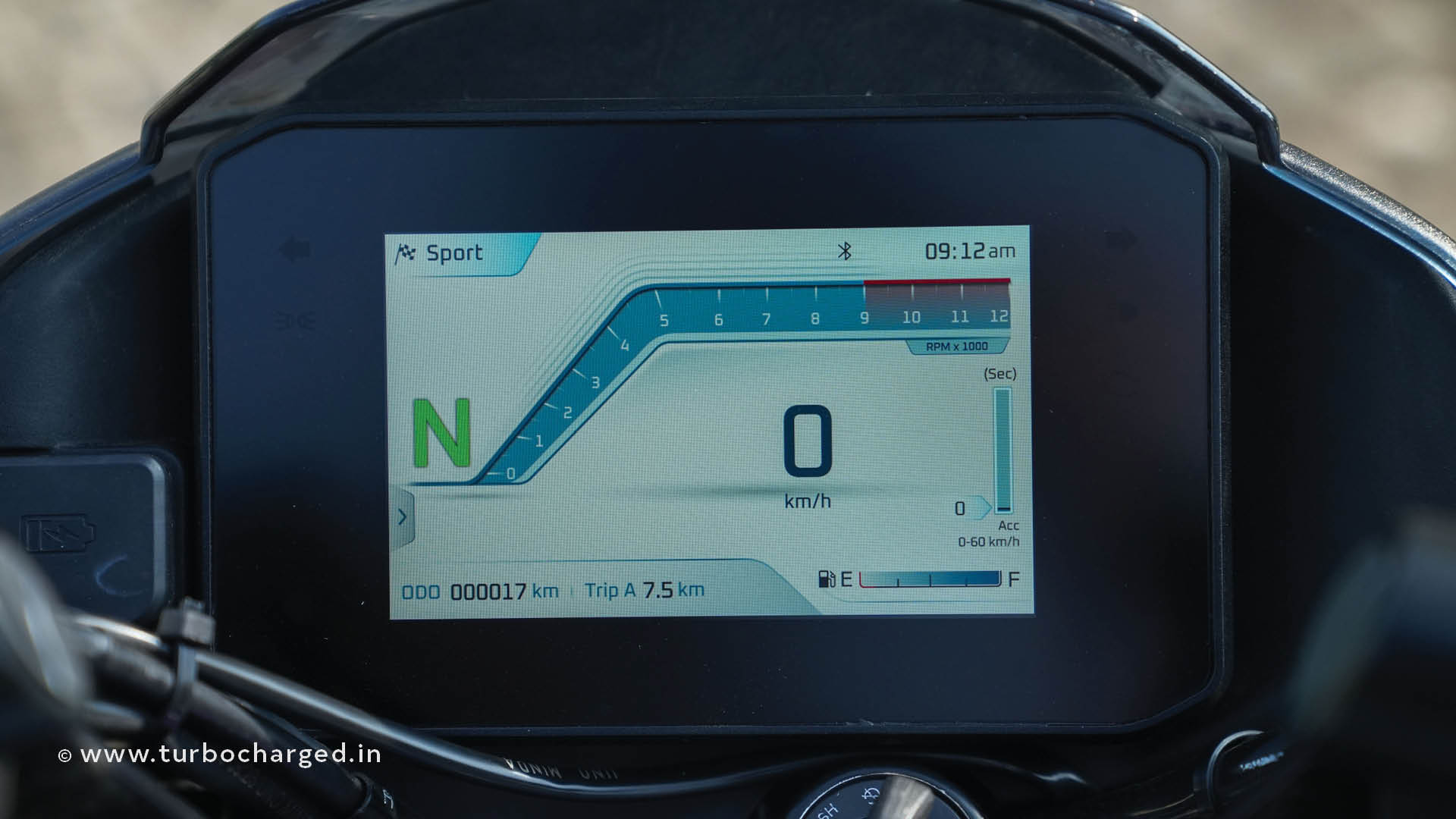
The main highlight, though, is the tech. The LCD instrument cluster is gone, replaced by Bajaj’s 5-inch TFT unit with Google Maps mirroring and phone connectivity. It, however, does come with some features that have lost their relevance or were not relevant in India to begin with, such as the document storage and the lap timer. The display also comes with an anti-reflective coating, a small but much-appreciated touch on bright, sunny days. The unit itself, however, is a bit laggy, as it takes longer to respond to button inputs than most other units found on the competition, plus, those bezels are huge.
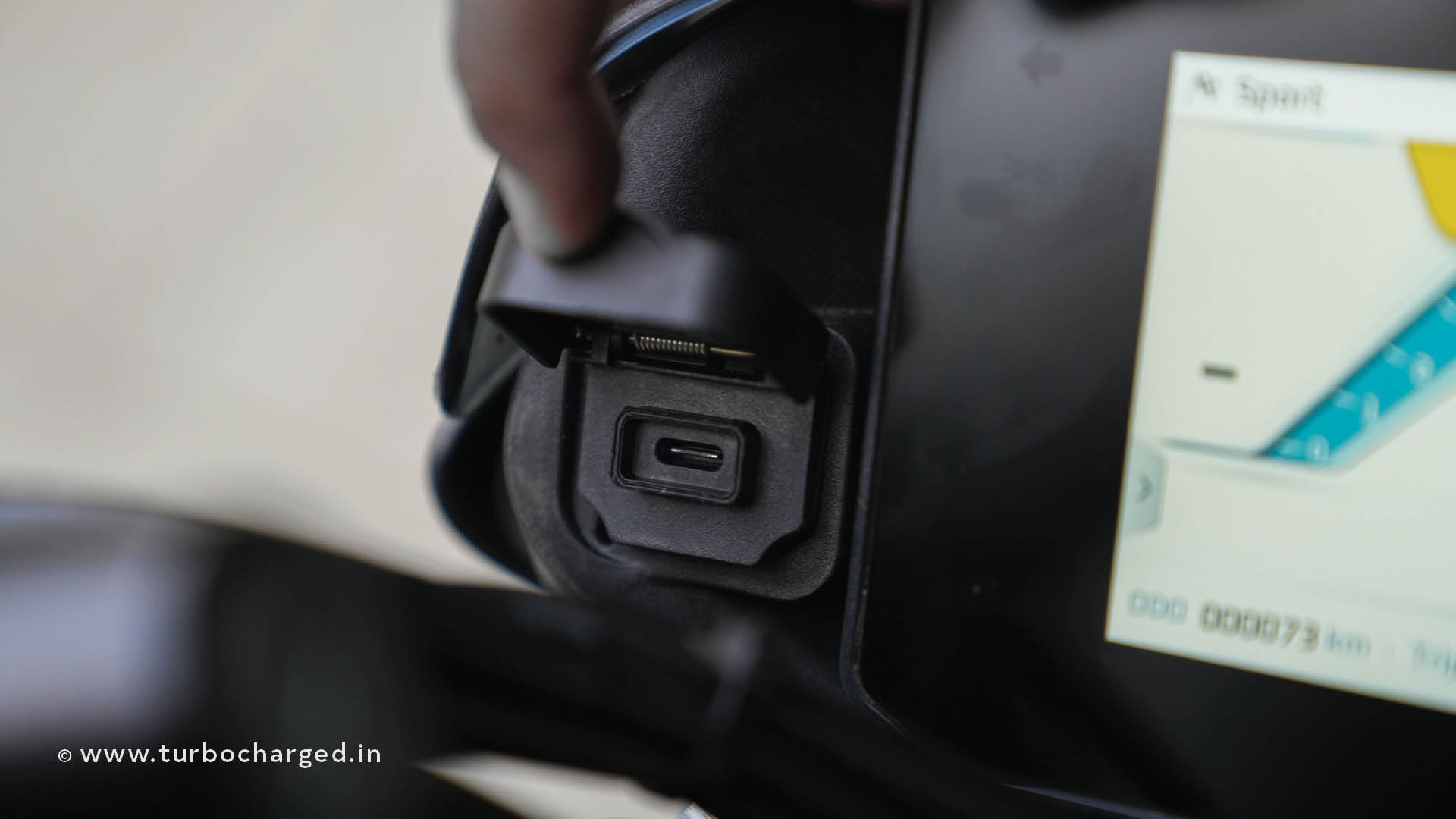
Now, remember I said that a few points suggest it’s getting dated? One is the Type-C charging port; it’s a nice convenience feature, but the placement feels last-minute and looks a bit odd. The same goes for the TFT unit; the proportions don’t look right, as if it doesn’t belong here. Perhaps because the motorcycle was designed over a decade ago, when a charging port and a screen on a motorcycle were rare, whereas now it feels like a necessity.
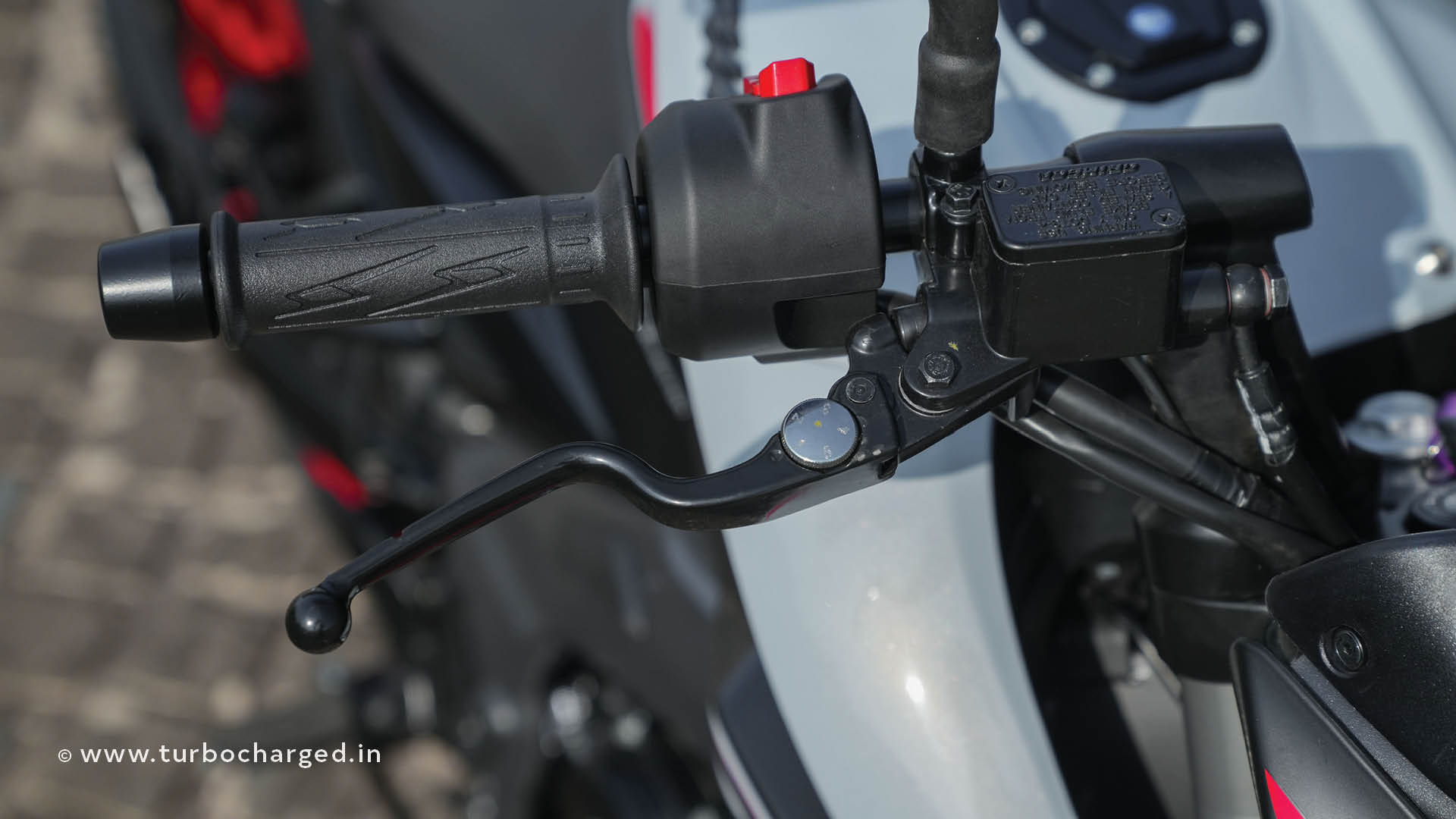
Coming back to what’s new are the electronics. A ride-by-wire throttle enables four riding modes – Sport, Road, Rain, and Off-Road – and there’s also a bi-directional quickshifter. The switchgear has been revamped too, with buttons that are easy to navigate and feel tactile, plus a dedicated hazard light switch that even works when the ignition is off, and the key has been removed. Another quality-of-life upgrade is the addition of adjustable levers.
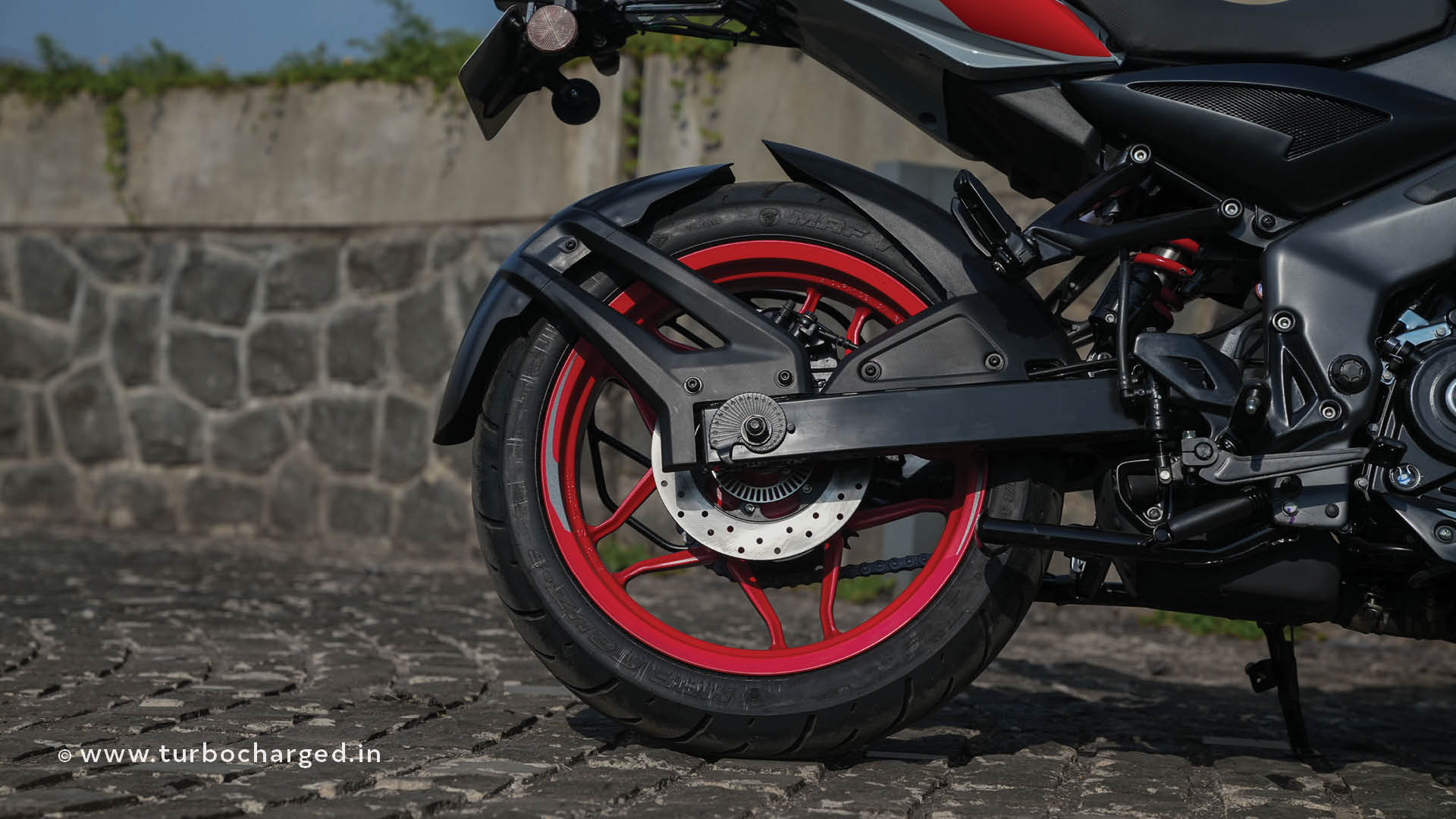
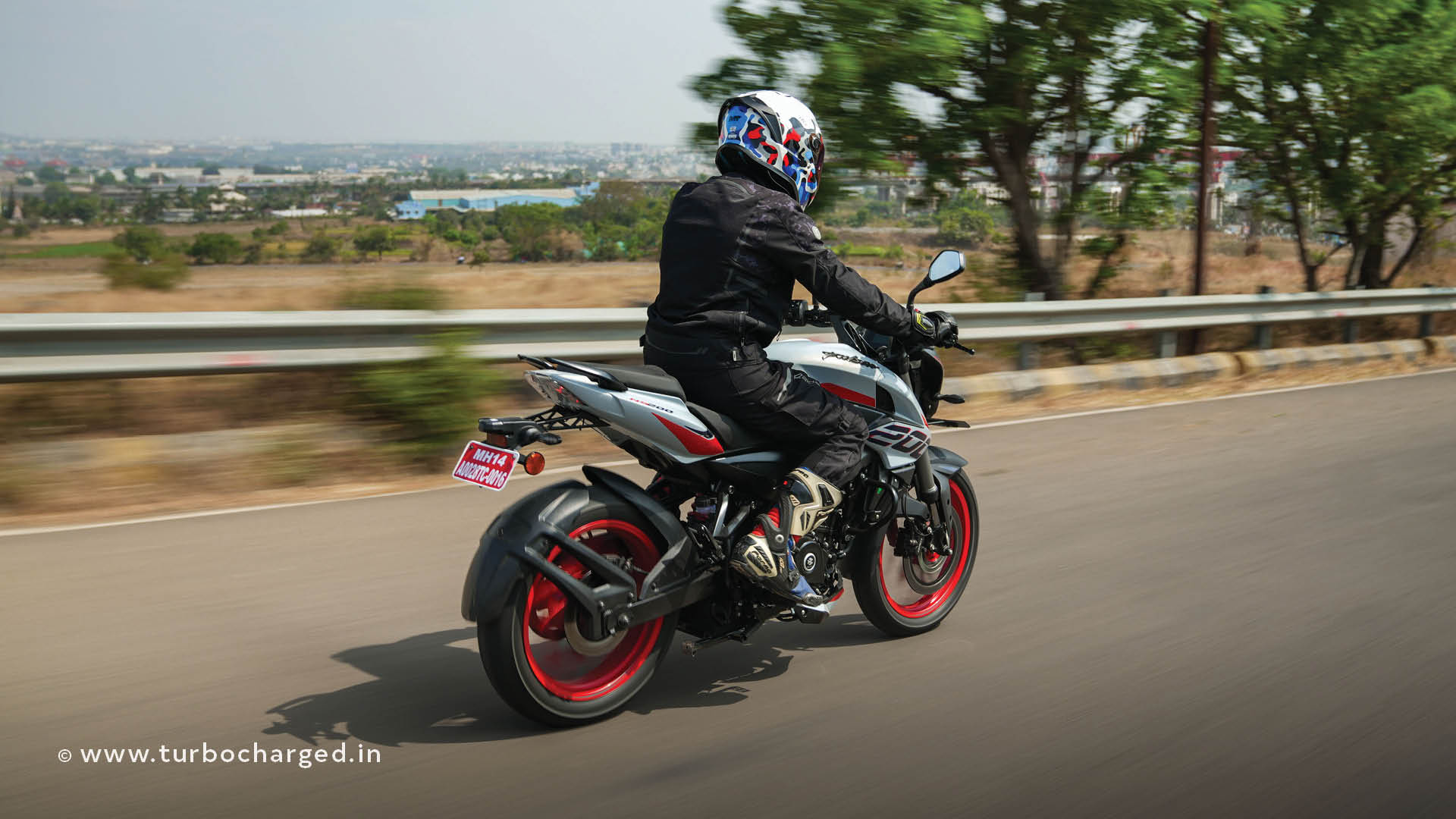
Now enough about what it has. Here’s what it’s like to ride. For starters, the engine is as punchy as ever at the top end, and the bi-directional quickshifter enhances the overall riding experience. The front USD forks have been beefed up from 33mm to 37mm units, and the overall suspension setup is quite excellent. It handles small undulations with ease, and even large, unavoidable potholes pose no problem. While cornering, the bike feels planted and stable, giving me the impression that I will reach my limits before the bike does. It’s still agile, flickable, and very fun to ride. It also gets a radial rear tyre, which definitely hasn’t affected the handling in any way.
But some things could be better. The engine, for instance, is vibey; vibrations start to creep in through the handlebar and footpegs at around 5,000rpm, and it can be felt at highway cruising speeds. The 6-speed gearbox is decent to use but misses gears when downshifting rapidly, and the quickshifter works best at wide-open throttle. Below 5,000rpm there are slight jerks, and when shifting from first to second, the bike lurches quite hard. Braking is adequate, but under hard braking the rear unsettles a bit — this is an old NS200 issue, and while it is not the best, I’m glad that some things never change!
That being said, at ₹1.60 lakh ex-showroom, the updated NS200 demands around ₹11,000 more than the previous dual-channel ABS USD variant. So, is the Pulsar NS200 still relevant in 2026? Yes. For the extra money, you get more equipment and more bang for the buck, while the core appeal of a punchy engine, a sorted chassis, and an agile ride is intact. It suits riders who want a fun, feature-loaded performance bike without burning a hole in their pockets,


