

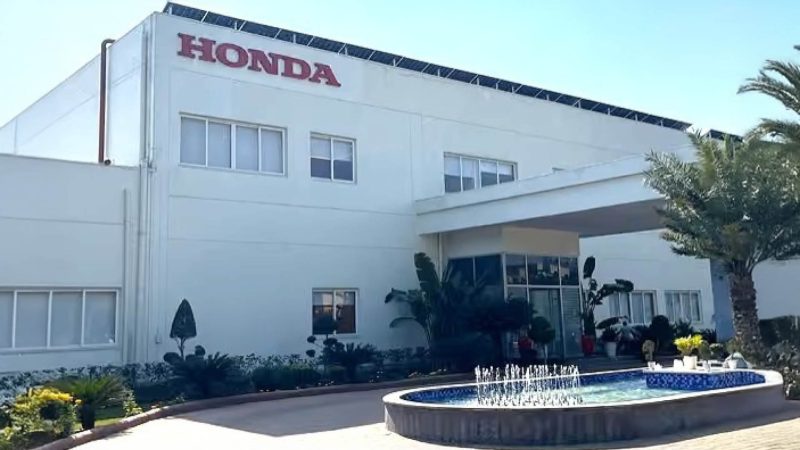
HMSI (Honda Motorcycle and Scooter India) is strengthening manufacturing abilities at its Manesar facility. And a big reason behind this is the Japanese manufacturer’s renewed focus on the premium side of the Indian two-wheeler market. Notably, Honda has been present in the country for over two decades, but has focused almost entirely on the commuter and mass market side of things. It did launch ‘big bikes’ like the CB1000R and CBR1000RR back in 2009 via the CBU route, and over the years, we’ve seen Honda launch a long list of higher displacement and middleweight motorcycles via the CBU and CKD route both, but 2026 has seen a marked shift in its approach to the premium segment.
Earlier this year, Honda showcased as many as 10 new models for India, leaving enthusiasts salivating, and as promised, these are being launched in a phased manner. For now, we’re focusing on the Honda CB500 and Honda Rebel 300 E-Clutch though, as these are two motorcycles see the bike maker break new ground in the country in multiple ways. The CB500 has been launched at ₹2.75 lakh ex-showroom, and sees Honda enter the 500cc retro motorcycle space, one that’s been dear to enthusiasts, but vacant for a while now, ever since Royal Enfield pulled the plug on its 500cc single cylinder engine that powered the Classic 500 famously. With the CB500, Honda is thus aiming to attract buyers wanting a retro motorcycle with a bigger heart than the current crop of 350cc machines, including its own CB350 family, but do not want a twin-cylinder motorcycle.
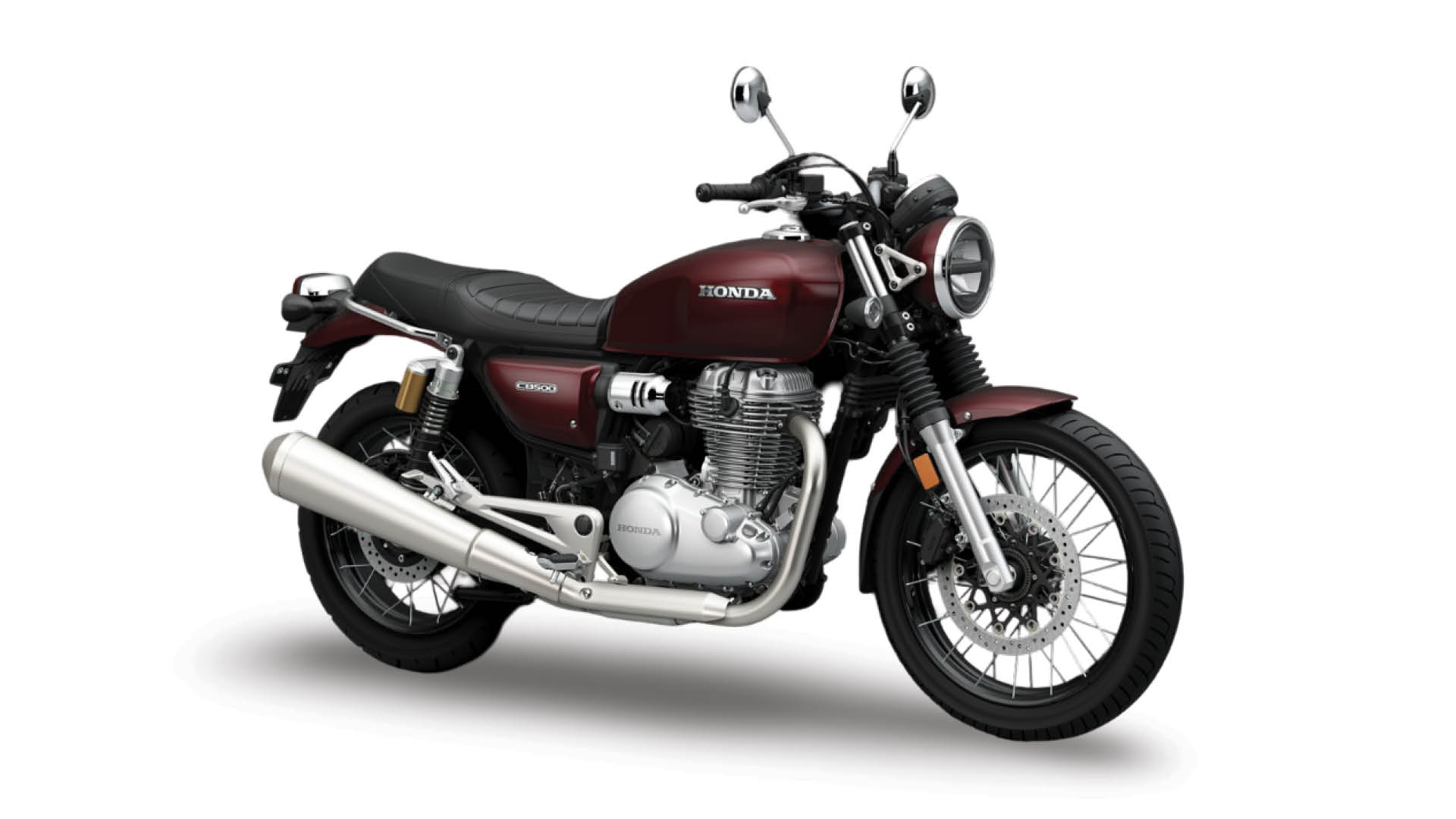
Powered by a 501.7cc, air-and-oil-cooled single cylinder engine producing 28PS at 5,250rpm and 43.3Nm at 3,750rpm, the Honda CB500 packs in an impressive punch on paper, as far as outputs are concerned. Add to that its relatively light kerb weight of just 189kg, and you’re looking at performance figures that should impress. However, the CB500 uses a 5-speed gearbox and not a 6-speed one, which might potentially limit its top end performance and ability to cruise at higher speeds. That said, with disc brakes at both ends, a 100/90 R19 tyre at the front and a 150/70 R17 at the rear and telescopic forks at the front along with gas-charged twin shock absorbers at the rear, the CB500 also ticks a lot of boxes for enthusiasts. Honda has also equipped it with LED lights, Bluetooth connectivity and turn-by-turn navigation, a Type-C USB port, traction control and an assist and slipper clutch.
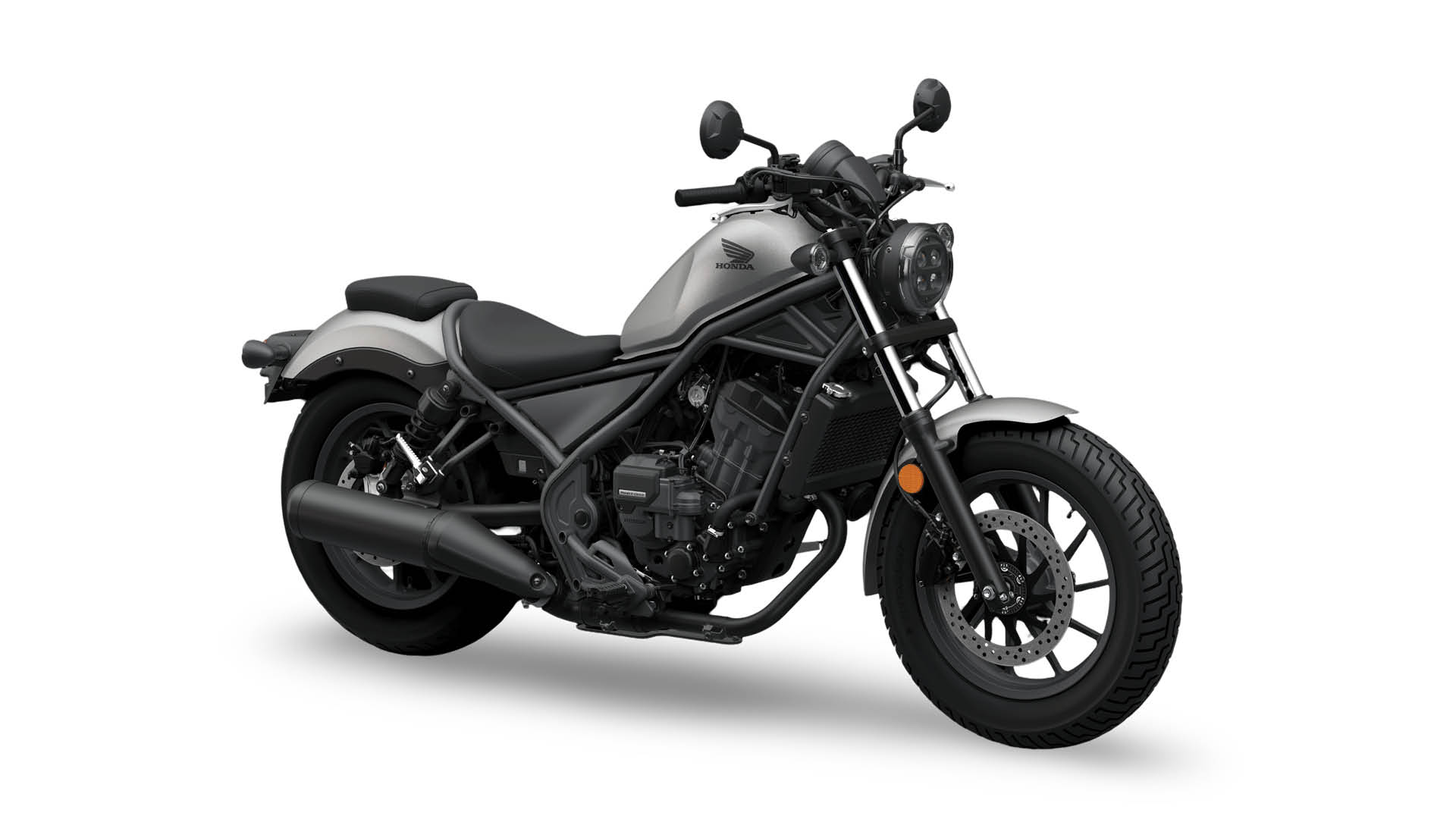
On the other hand, the Rebel 300, launched from ₹2.22 lakh ex-showroom onwards, is the first Honda in India to use its globally renowned E-Clutch technology. E-Clutch allows riders to shift gears without needing to use the clutch lever manually. Essentially, it allows clutchless shifts by using actuators to operate the clutch automatically, though you can always operate the clutch manually. The E-Clutch does not turn the Rebel 300 into an automatic motorcycle, but eliminates the risk of stalling it and also helps in reducing rider fatigue in traffic. The Rebel 300 is powered by a 286cc, liquid-cooled single-cylinder engine producing 27.6PS at 8,000rpm and 24.5Nm at 6,250rpm, and is mated to a 6-speed gearbox. Given the bike’s relatively light kerb weight of 176kg, one can thus expect the Rebel 300 to offer sprightly acceleration, be it from standstill or through the gears. Besides E-Clutch technology, the Rebel 300’s clutch is also equipped with assist-and-slipper technology, adding to convenience. It also gets LED lighting, a TFT display, Bluetooth connectivity with turn-by-turn navigation and a Type-C USB port. Interestingly, the Rebel 300 is also the first motorcycle in India to run on 16-inch wheels at both ends, and uses a fat, 130-section tyre at the front and a 150-section tyre at the rear.
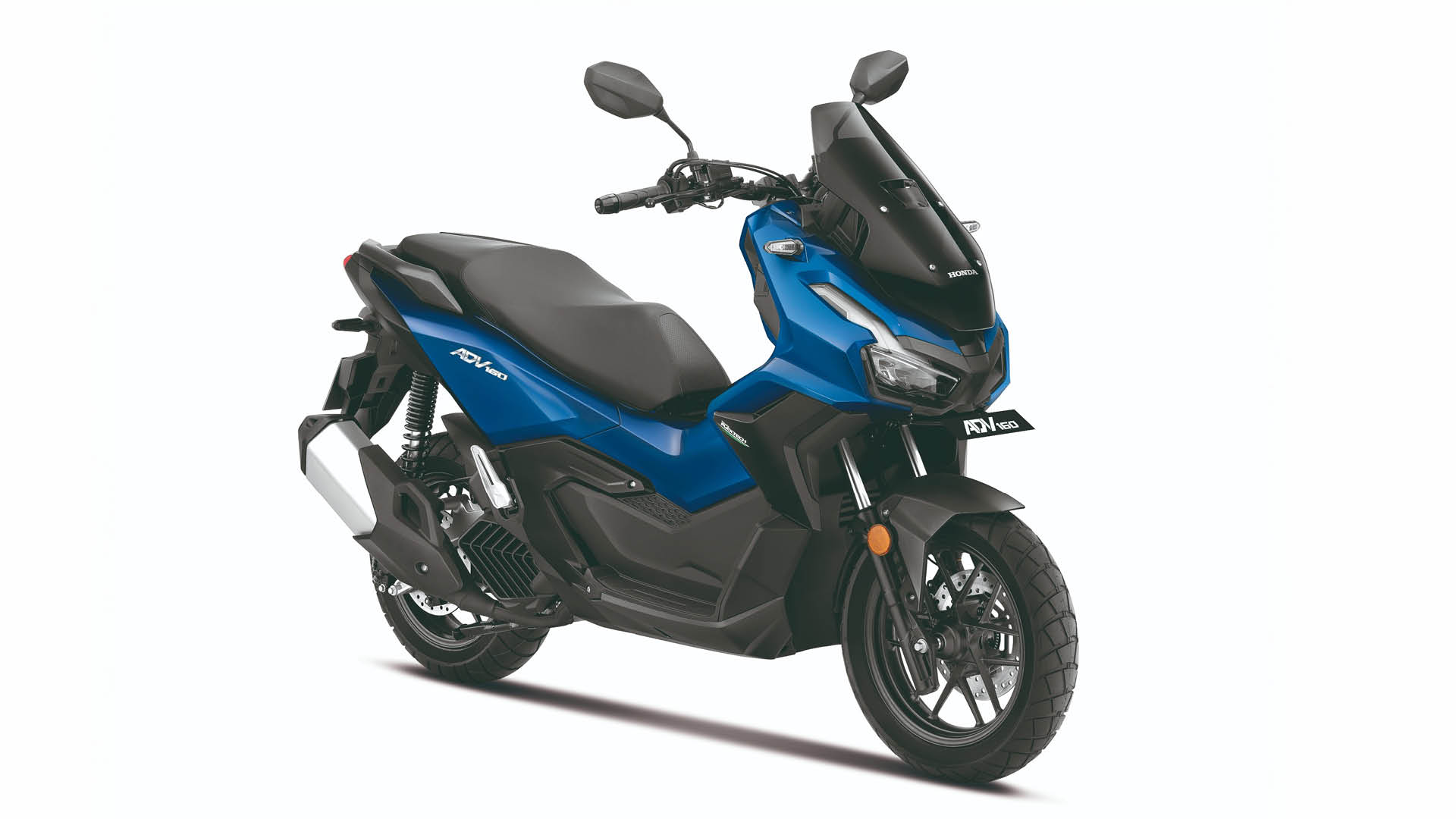
Apart from the above mentioned motorcycles, it’s also interesting to note that Honda is employing some of the latest technologies at its Manesar plant, as we witnessed on the production line where Honda’s sporty new scooter, the ADV160 was being put together. The adventure-styled maxi-scooter has been launched at ₹1.70 lakh ex-showroom and received very warmly thanks to its unique styling and positioning. Interestingly, the ADV160 is also India’s first flex-fuel scooter, capable of running on blends of up to E85 thanks to Honda’s FlexTech System. And through its automated production line, Honda is aiming to reduce waiting periods. For the purpose, Honda has further automated the ADV160’s final assembly line, reducing manual intervention and enabling more consistent production, and is believed to be targeting initial deliveries before the end of 2026. Through its updated production facilities, the company is now looking to capitalise on growing consumer aspirations and the increasing demand for lifestyle-oriented, higher-capacity motorcycles, and the aforementioned models underline Honda’s intention to bring more global products and technologies to Indian customers.
The CB500 is also being evaluated as a potential export model, highlighting India’s growing importance within Honda’s global manufacturing and supply chain strategy.
The Manesar plant, Honda’s first manufacturing facility in India, has an annual installed capacity of 1.6 million units. Beyond this facility, HMSI is also expanding production infrastructure across its other plants. The company’s overall annual manufacturing capacity is currently around 62.5 lakh units, with plans to increase it to 80 lakh units by 2028. With automation, capacity expansion and a more diverse product portfolio, Honda is looking to further strengthen its manufacturing competitiveness, while addressing a wider spectrum of India’s two-wheeler market, in its bid to secure the number one position in what is the world’s largest two-wheeler market, ahead of arch rival Hero MotoCorp.
Words Abhay Verma