The Honda City has been around for over a quarter of a century in India. And that makes it the longest running nameplate in the country! Well at least in the mass market space. But what’s even more noteworthy is that across its five generations, the sedan has enjoyed immense popularity. In fact around the early 2000s is when Indian buyers discovered the ‘VTEC kicked in yo!’ adage and for over two decades now, the City has been immensely popular, not just with family car buyers, but enthusiasts as well. The 1.5-litre naturally aspirated petrol engine has a huge role to play in helping the City enjoy the cult following it does, besides which the car’s iconic status has meant the City was an aspirational car, and owning one earned you instant respect in your neighbourhood!
The past half decade may have seen its traditional rival, the Hyundai Verna catch up to it, besides which the Skoda Slavia and Volkswagen Virtus have offered stiff competition as well, but the City still enjoys a special place in the minds of buyers. And for 2026, Honda has just given the current generation City its second midlife update, in a bid to ensure the sedan stays relevant. 2022 is when Honda launched the strong hybrid version of the Honda City in India, which was an important milestone for the midsize sedan segment and Honda itself, and the latest version continues to be powered by the same, 1.5-litre, four-cylinder petrol engine that runs on the Atkinson Cycle and is paired with an electric motor powered by a lithium-ion battery.
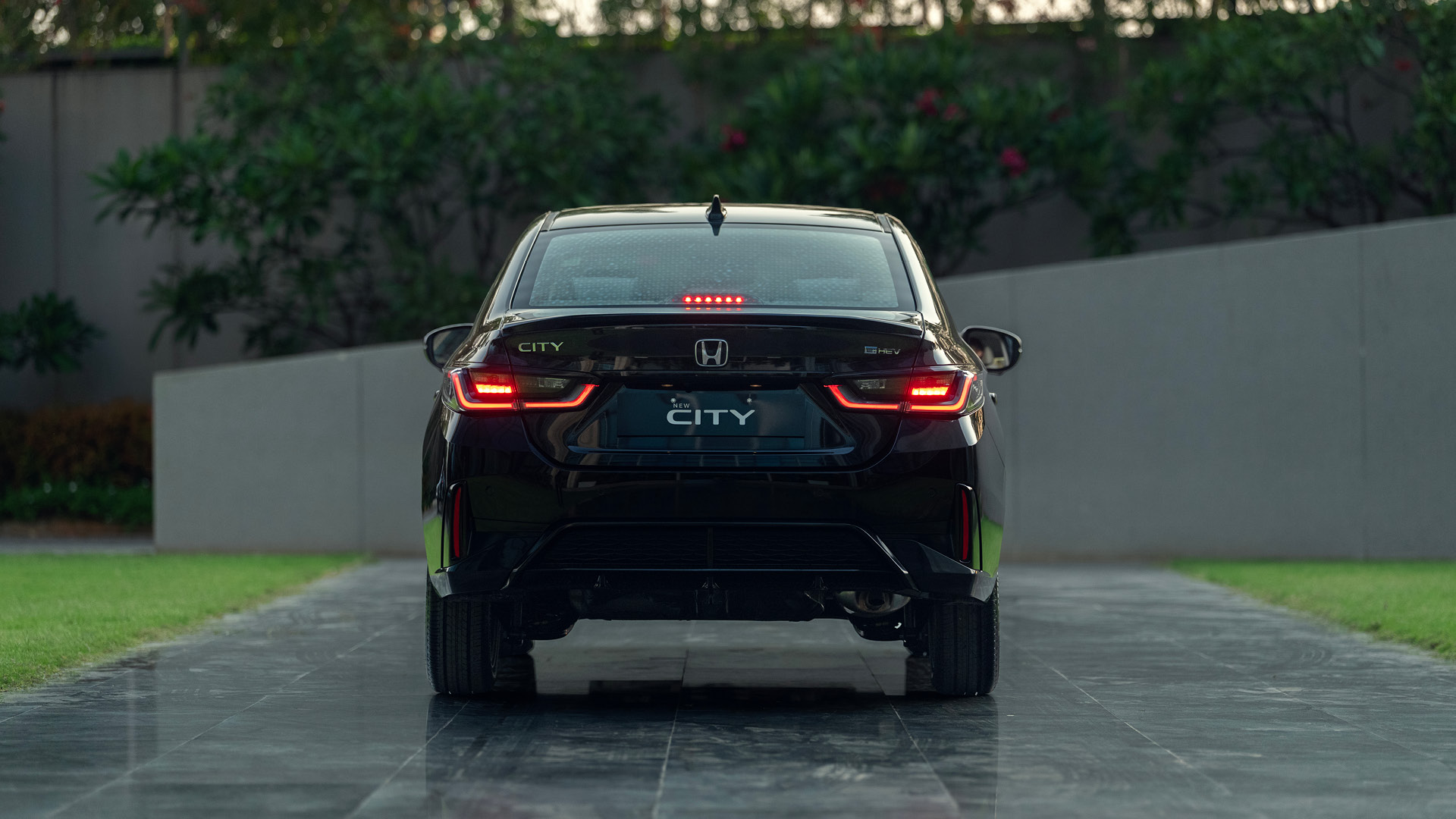
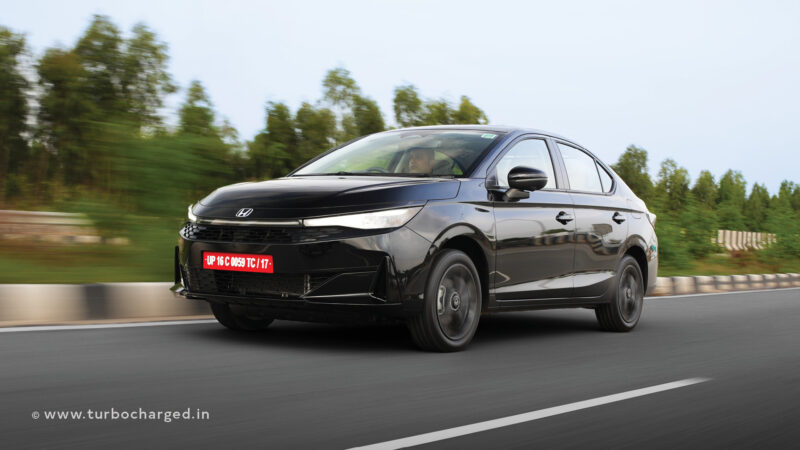
The naturally aspirated, 1.5-litre four-cylinder engine soldiers on too, and remains unchanged as well, and there’s barely any mechanical changes to the car this time, which means the update is largely cosmetic. That said, Honda tells us it has made some tweaks to chassis components, especially under the body and on the sides, which has been done to ensure the City meets upcoming crash tests, especially for side impacts, which are going to be more stringent. And speaking of cosmetic changes, the City is now on offer in gloss black, which is turning out to be the most popular colour choice for buyers. Or so we would like to believe, given the steady influx of black-hued versions of popular offerings from most car makers in the mass market space!
Honda says the black paint option is in keeping with its attempt to have the sedan appeal to younger buyers. That said, we would have liked Honda to also use the opportunity to offer the City with the 1.0-litre turbocharged petrol engine the car is offered with in other markets. This would have made for an interesting proposition for enthusiasts, as the Volkswagen Virtus and Skoda Slavia are both offered with 1.0- litre turbocharged petrol engines too! That said, the strong hybrid version of the City, called the City e:HEV, boasts an ARAI certified fuel efficiency of 27.26kmpl, which is the highest in its segment and also among the highest for any sedan in India.
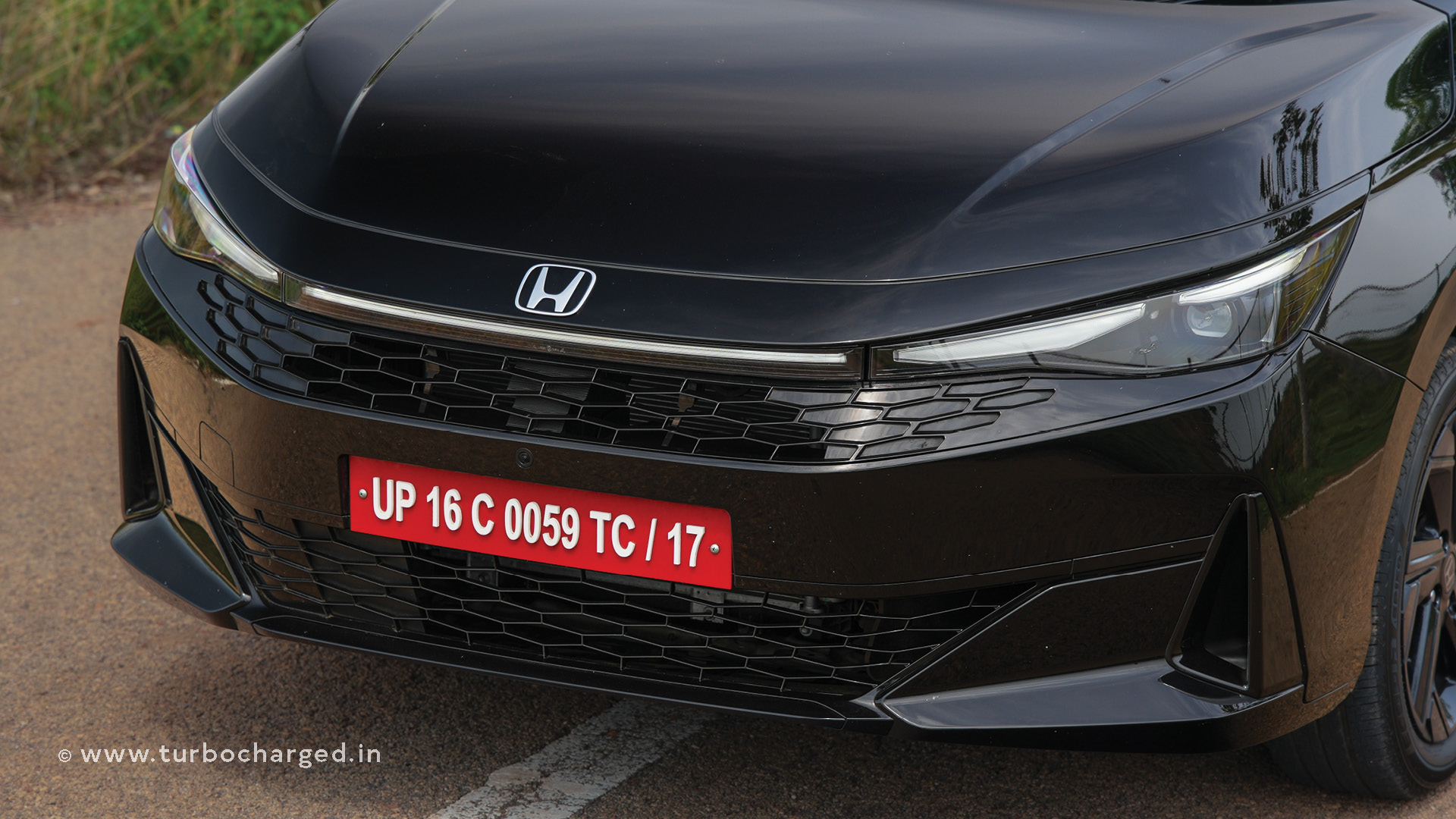
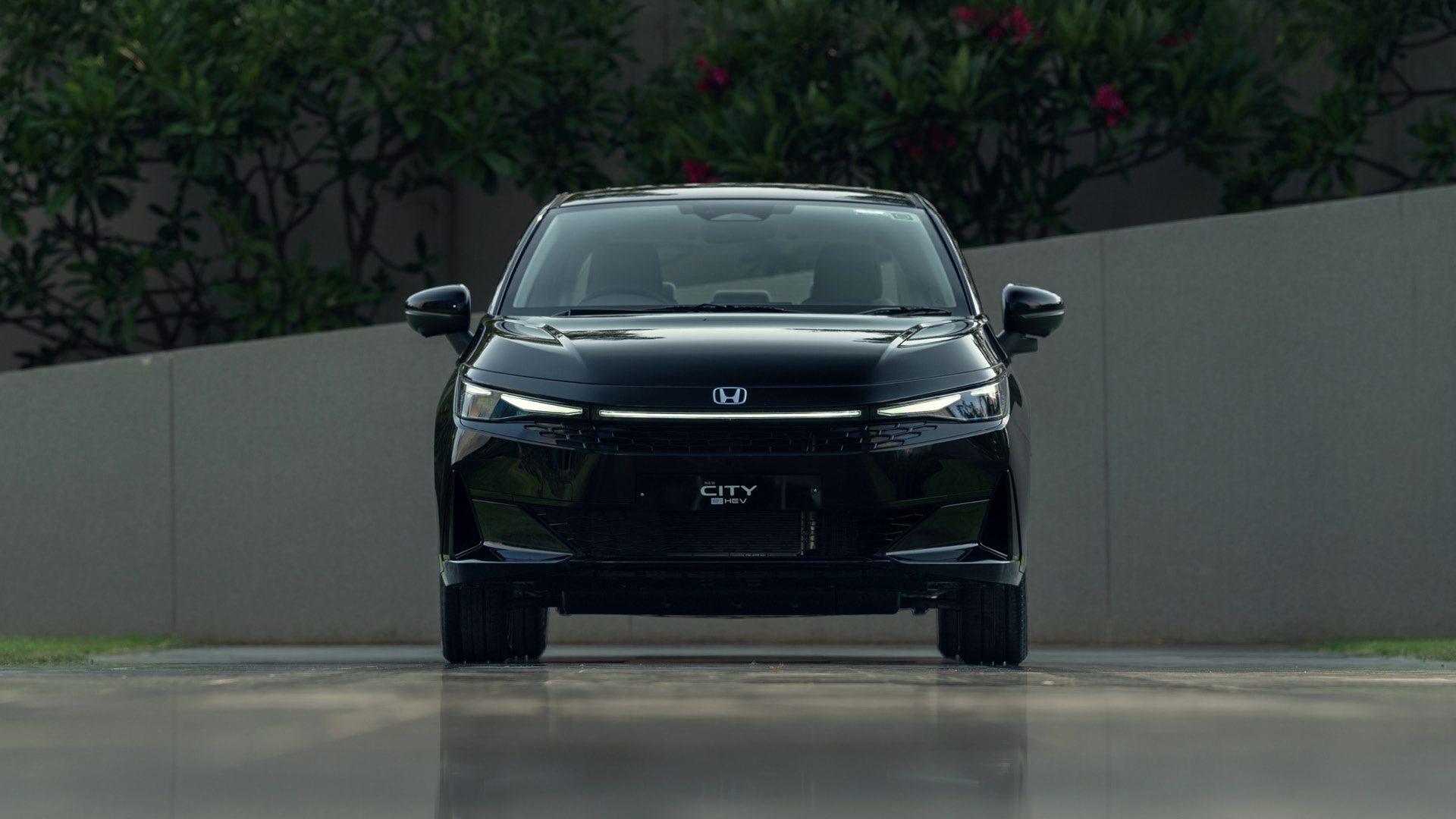
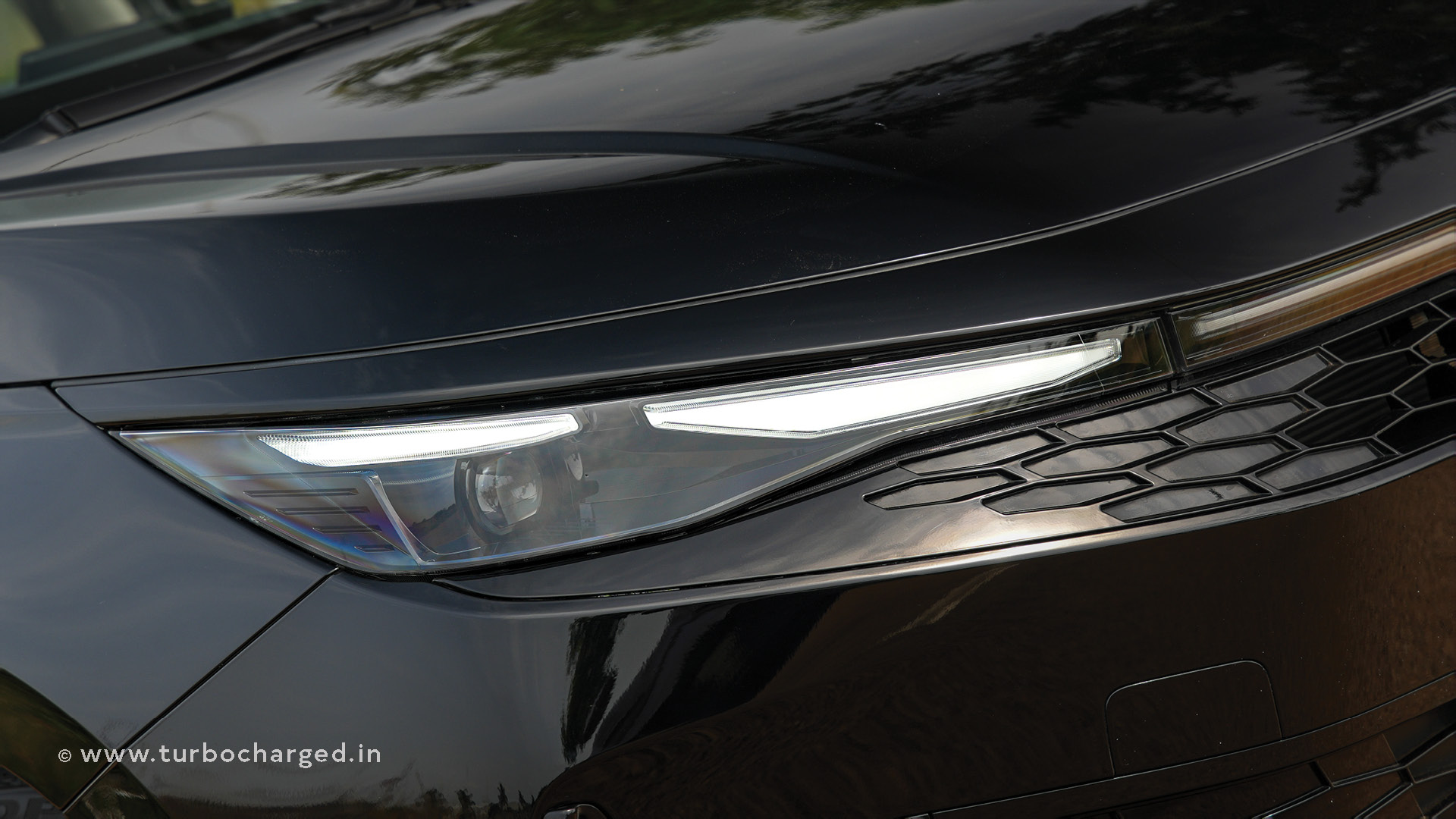
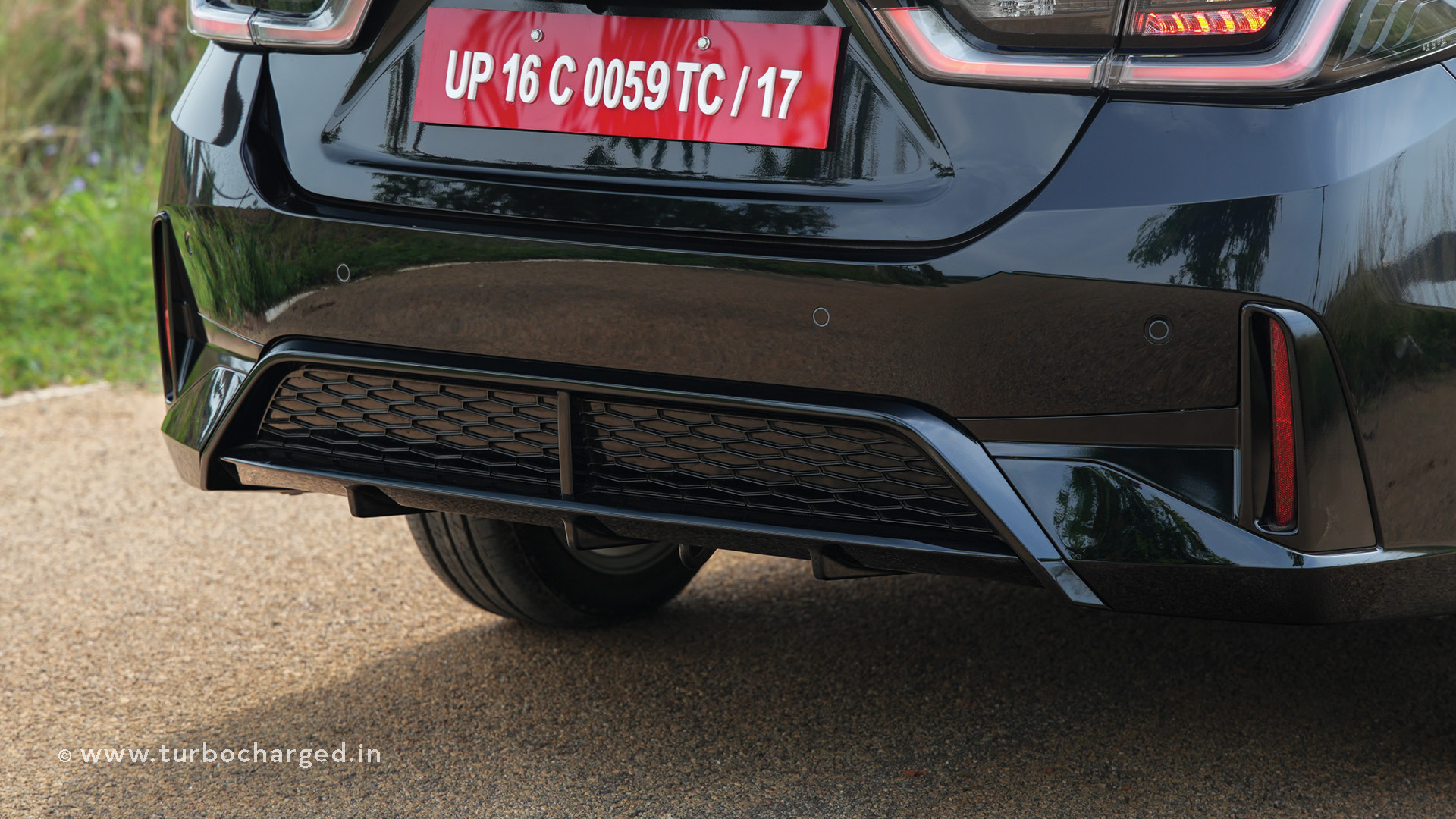
Speaking of design changes, the City looks sportier from the front, given the sleeker headlamps and redesigned DRLs that resemble eyebrows. There’s an LED bar connecting the headlamps/DRLs, but the design looks very distinctive, and more appealing than the Hyundai Verna’s. An interesting detail is that the panel above the grille which houses the Honda logo is now body-coloured, and not finished in chrome. I also like the new bumper and honeycomb style grille, and also the vertical air dams at either end of the bumper, as they add some muscle to the front end. The City also gets a fresh design for its 16-inch wheels, which is the only change on the side. At the rear, the tail lamp cluster is the same but gets a different finish and a
clear lens treatment to have it look more premium, besides which the faux diffuser is now body-coloured.
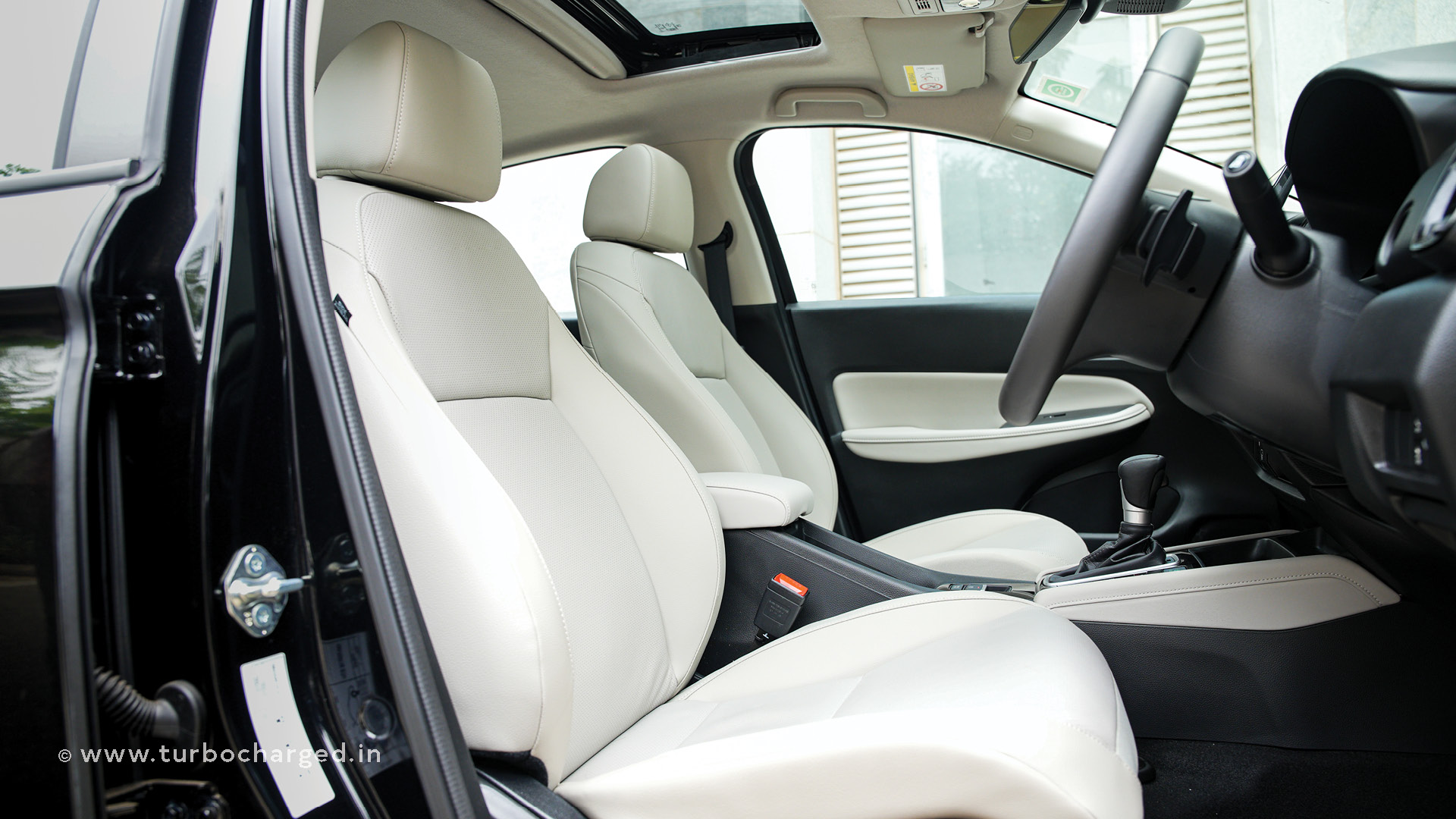
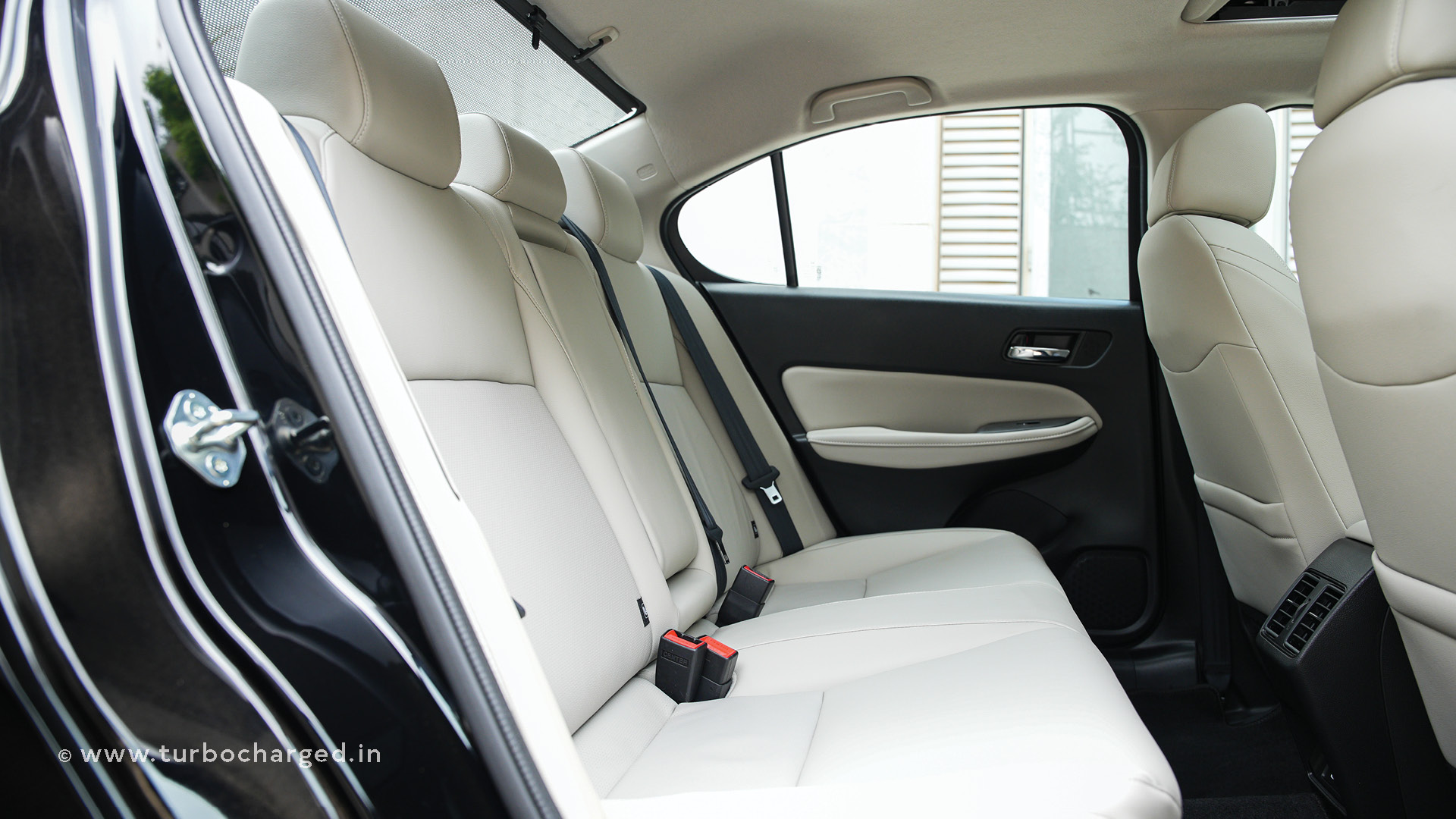
Honda has tweaked the interiors slightly too, but the big update inside is the new, 10.1-inch touchscreen that is not embedded into the dashboard anymore, and sits above it. Honda has also reworked the seats and while they look exactly the same as before, the seats now offer better support and feel more snug than before, again, in a bid to add a dash of sportiness. And thanks to Honda’s ‘man maximum, machine minimum’ philosophy the cabin feels as spacious as ever, with lots of room at the front and in the second row. I have always appreciated the sense of space in front of me while behind the wheel, as the dashboard stretches far ahead, and that feeling hasn’t changed at all.
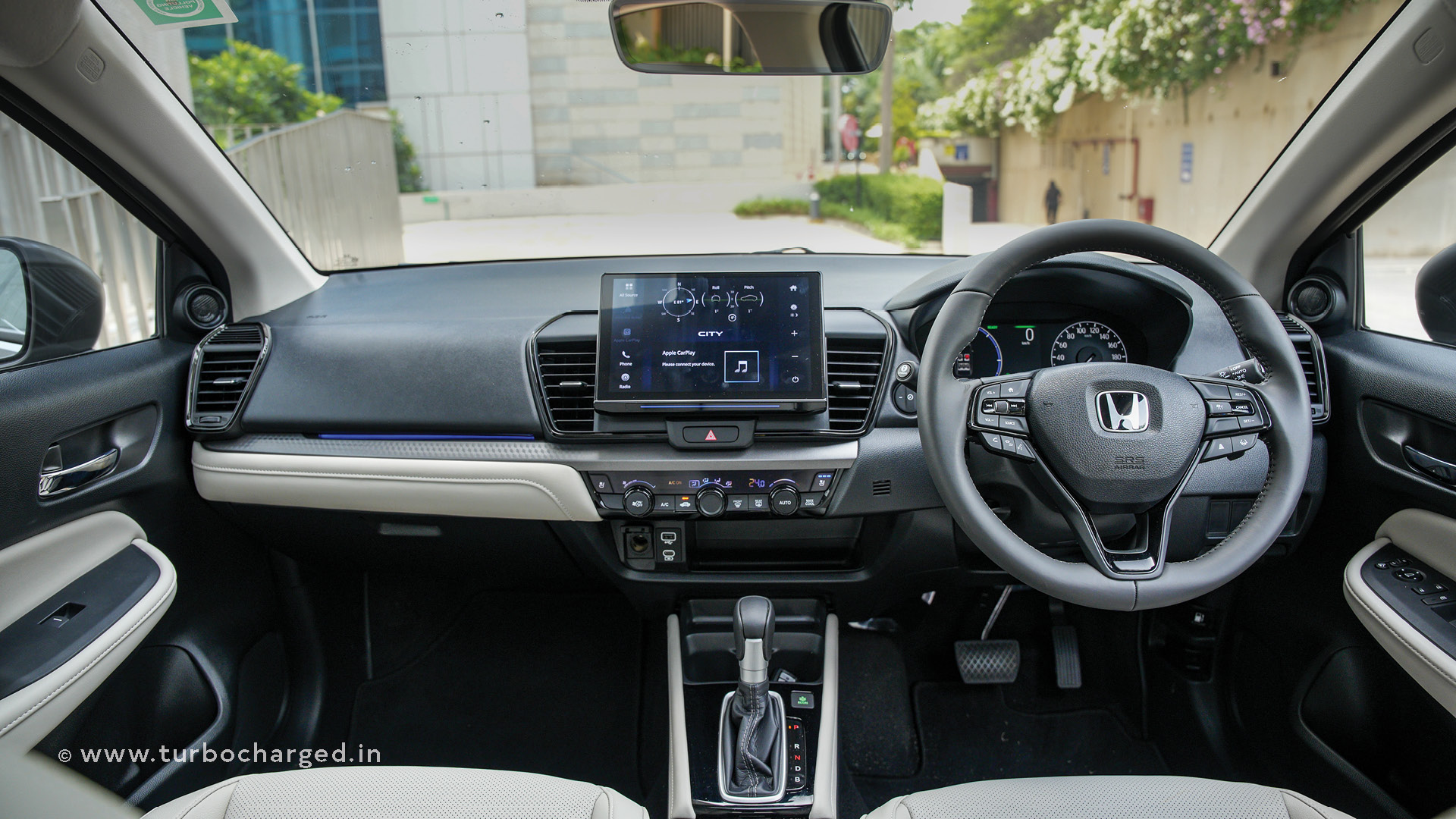
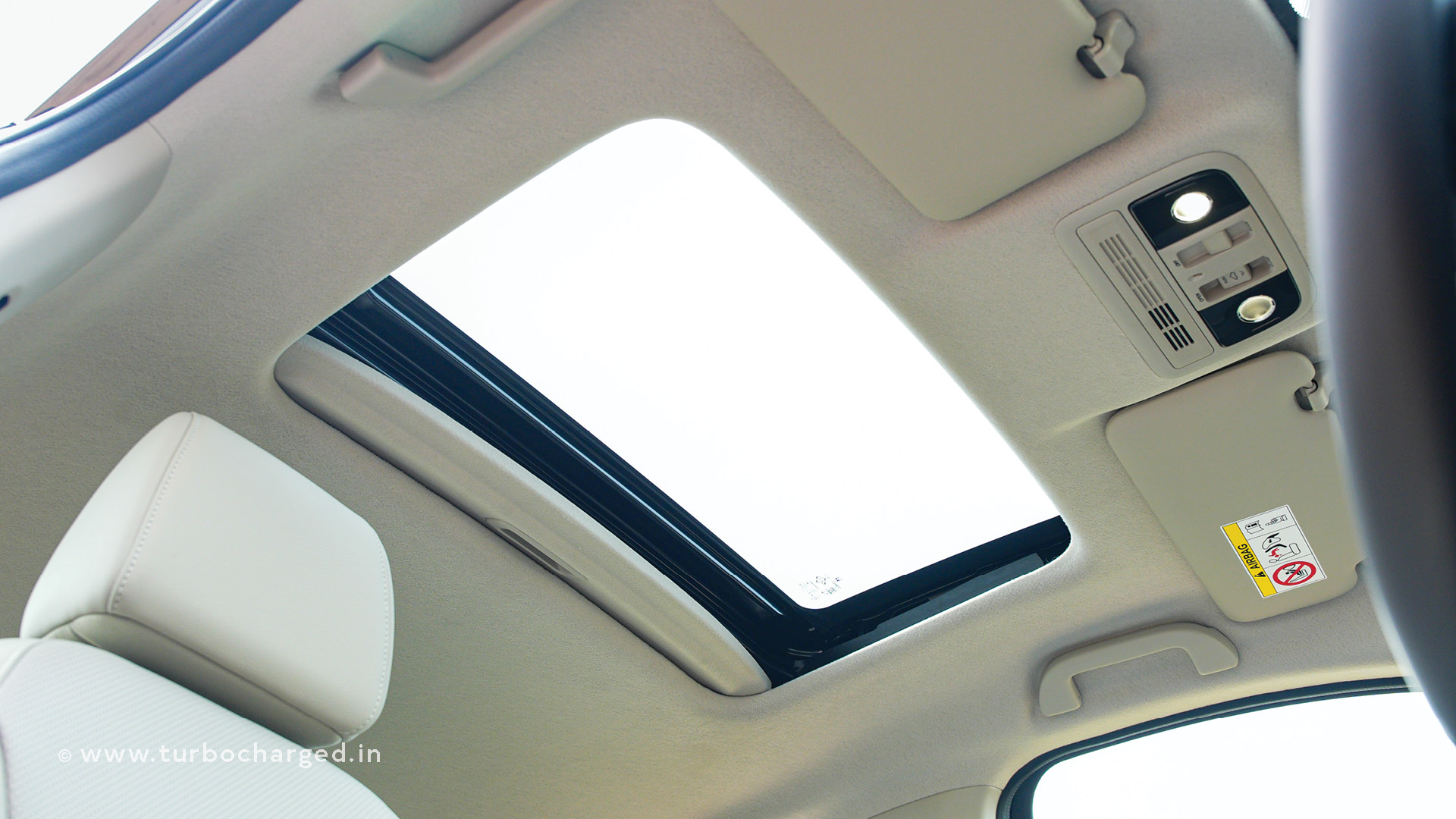
Given its length of over 4.5 metres the current generation Honda City is the longest car in its segment, which translates to excellent legroom and kneeroom even in the second row. Kneeroom is particularly impressive, though occupants over six feet tall will find rear headroom to be slightly constrained. The beige-hued interiors add to the sense of spaciousness and so does the car’s sunroof, so this is a good space to be in. The quality of materials, especially the plastics is excellent, and be it the dashboard or other surfaces plastics feel very nice to touch. Switches operate with a satisfying click, which adds to the premium feel, especially the rotary dials for air-conditioning and the rotor and other switches on the steering wheel.
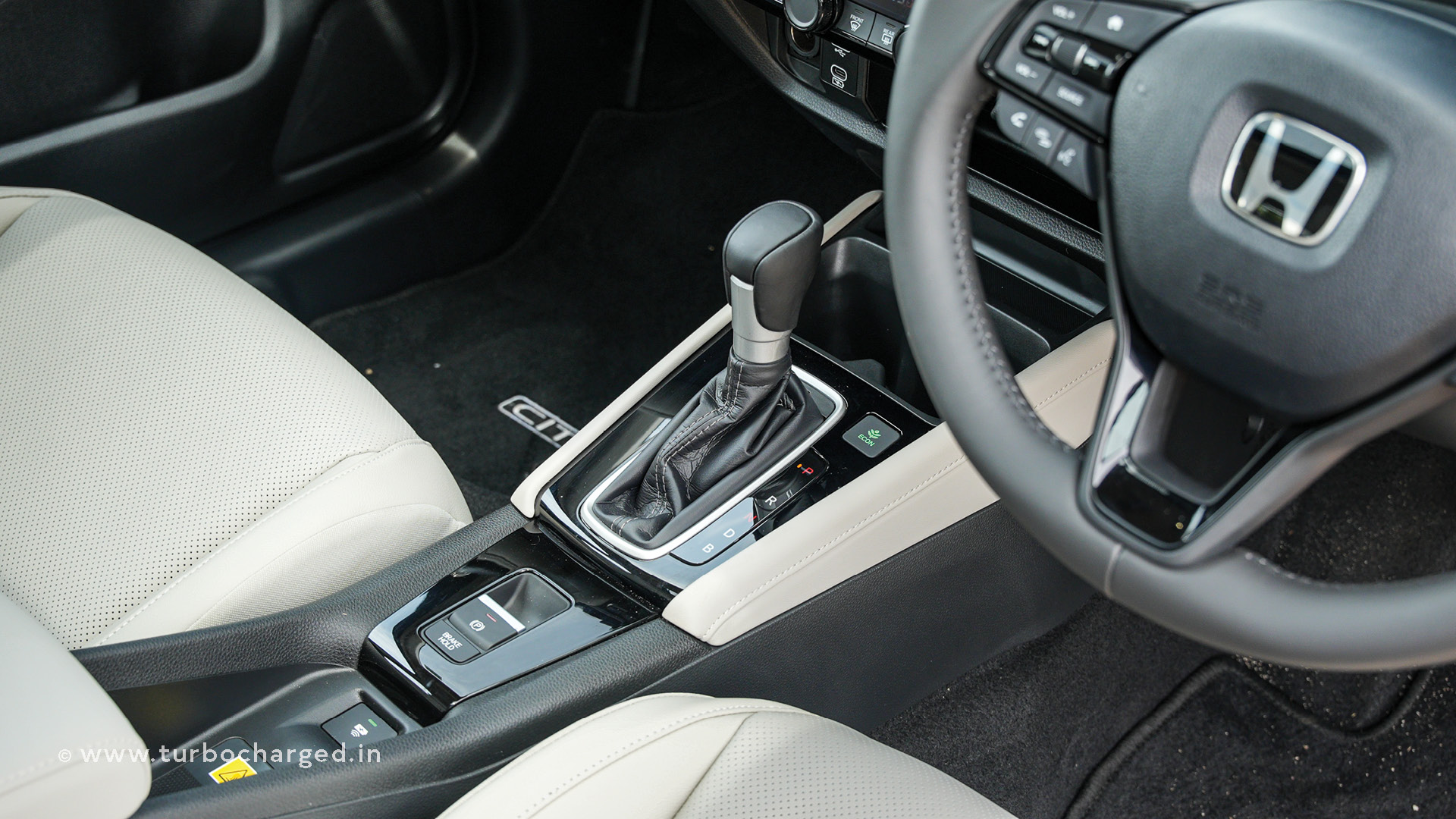
Even the newly added switches for the ventilated front seats have been integrated neatly, which again, is a typical hallmark in all Honda cars. Honda has also added new features besides the larger touchscreen, which itself impresses with its larger icons and squarer aspect ratio as compared to the widescreen format a lot of new-age cars use. The screen resolution is good but the screen could have been angled better, as it tends to pick up a lot of reflections in harsh sunlight. The screen is also your gateway to the newly-added 360-degree view system that can be activated via a button on the left stalk on the steering wheel. This is convenient, but I wish the camera resolutions were better and the graphic image of the car was better too.
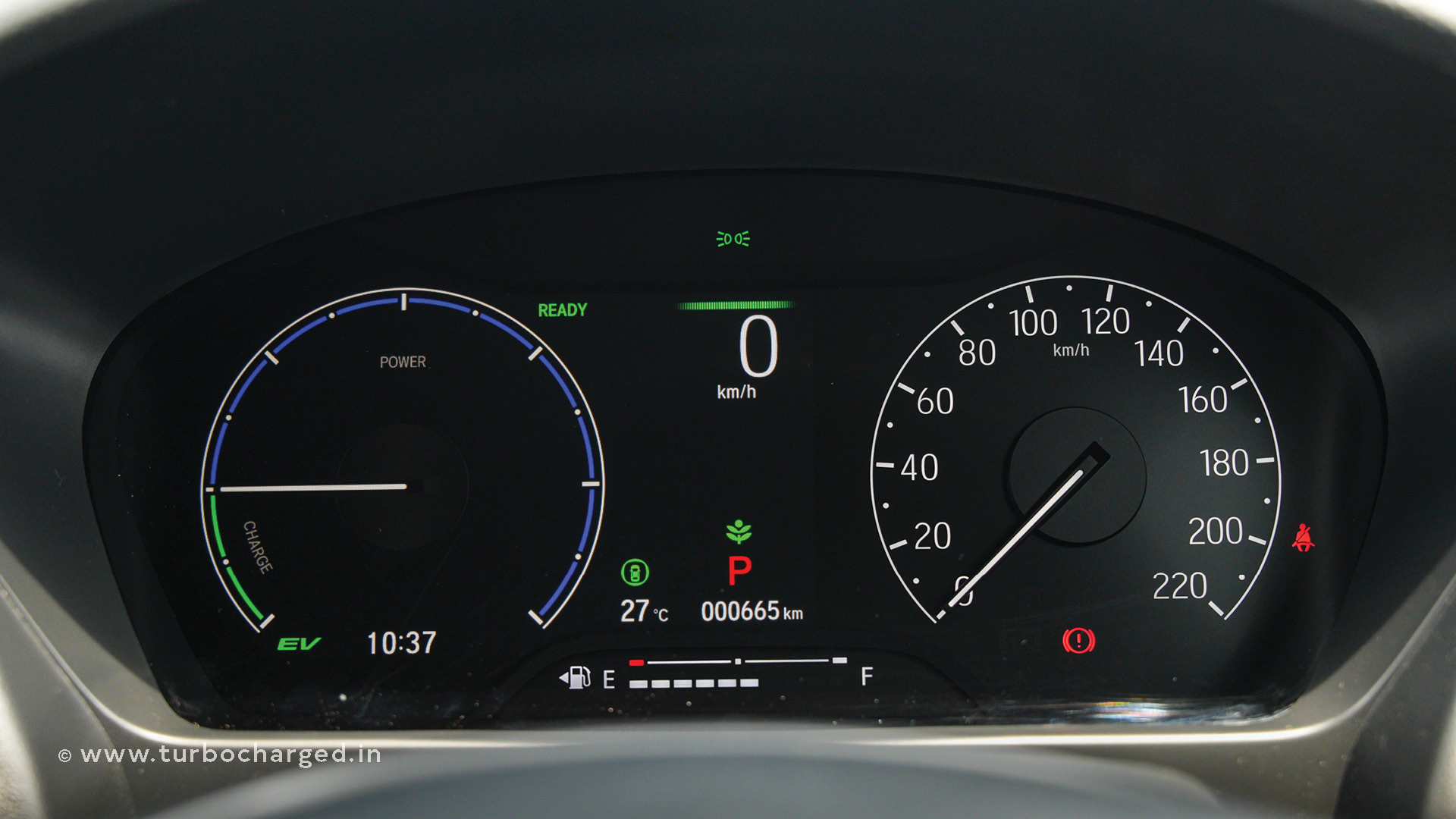
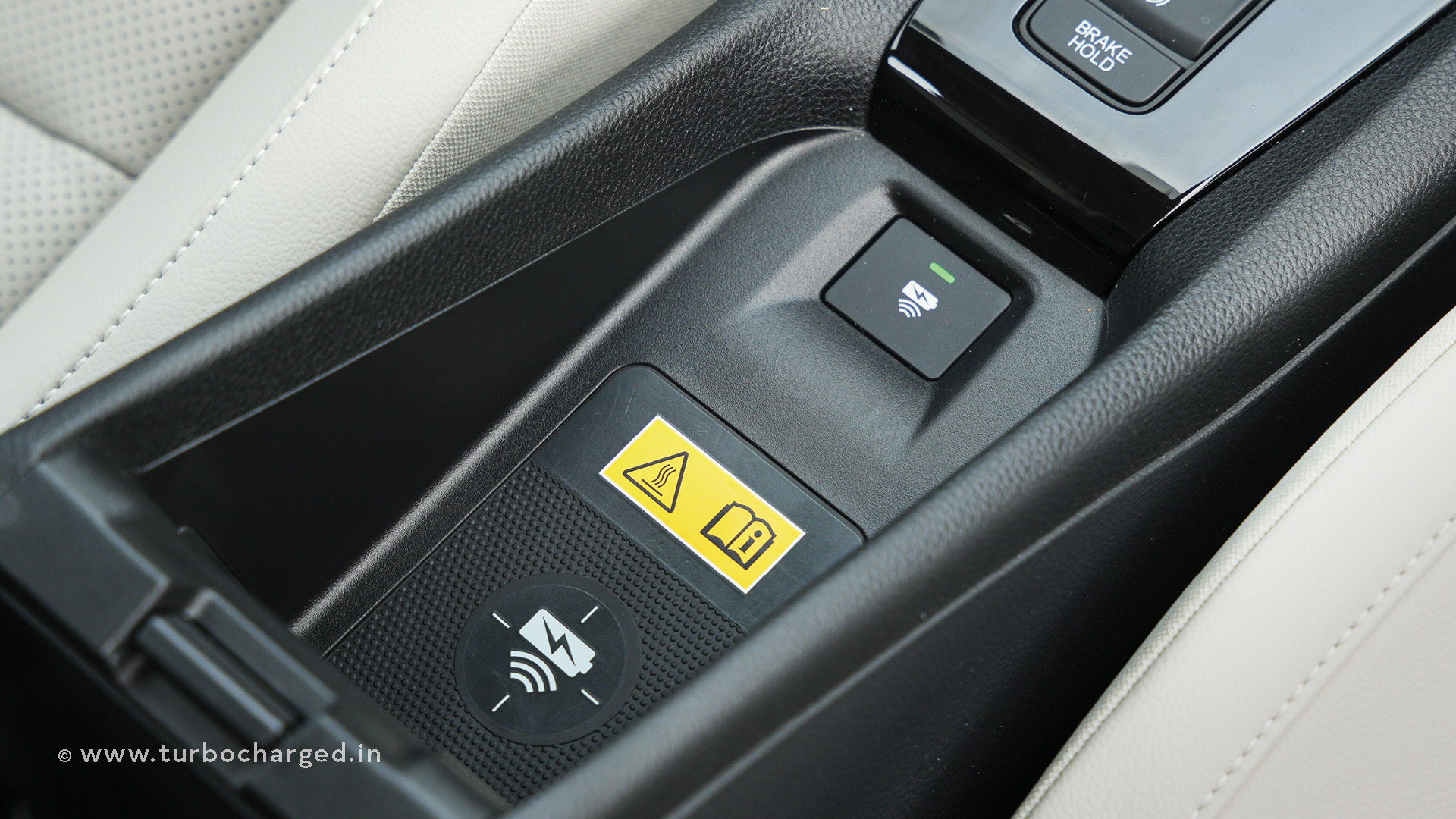
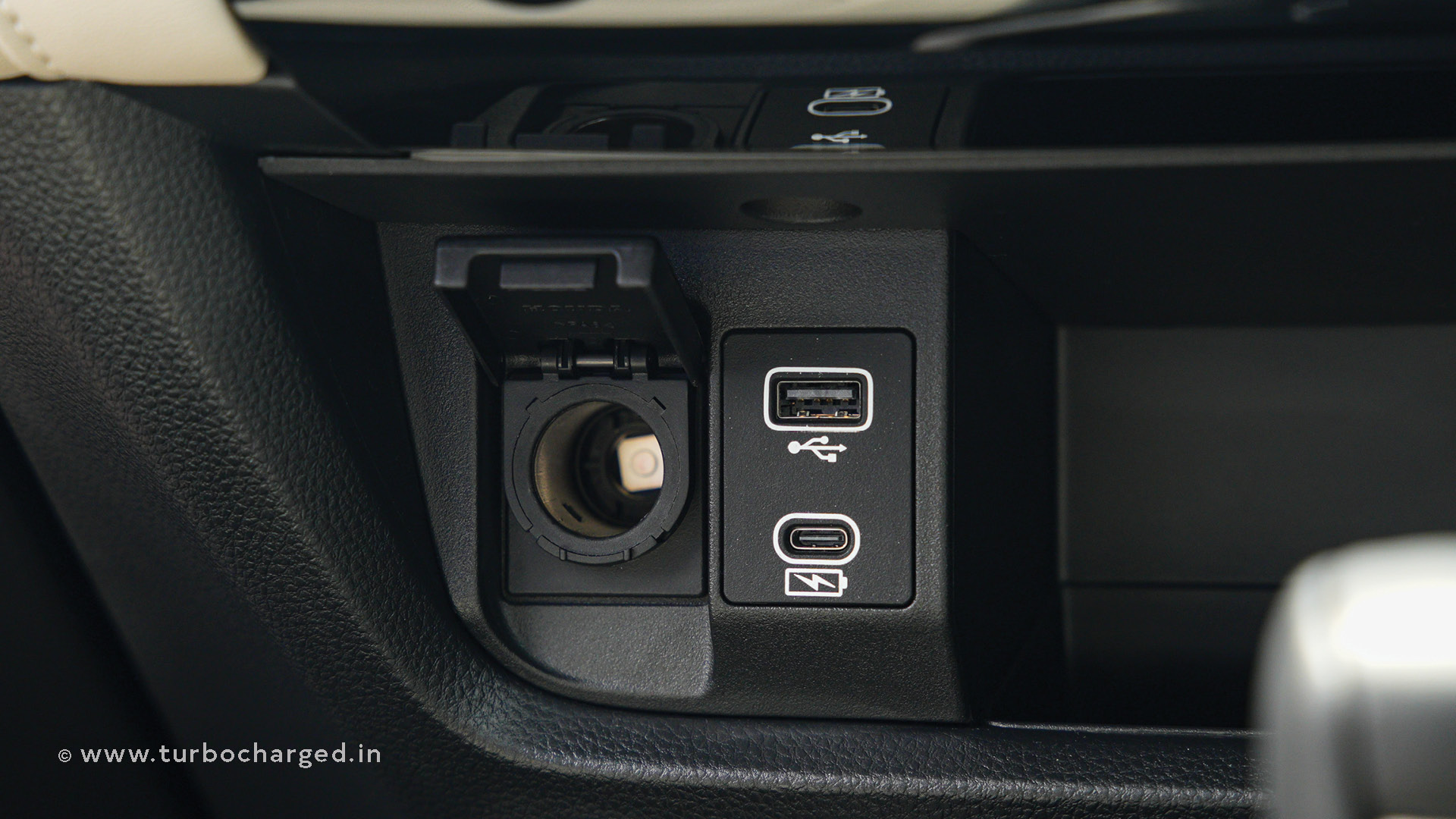
The ventilated front seats are a boon, and Honda also tells us ventilation covers 40 percent more area on the seatback and seat squab together as compared to the City’s rivals, and seat ventilation works well, as we found out. Overall, the City is well-equipped on the features front, as you get wireless charging and wireless Apple CarPlay and Android Auto, the same part-digital instrument cluster as before, a sunroof, Level 2 ADAS and more. An electrically adjustable driver’s seat would have added to convenience though, and this is also a feature all other cars in the segment are equipped with.
We only drove the strong hybrid version where the petrol engine and electric motor offer a combined 126PS and 253Nm, sent to the front wheels via an eCVT. Acceleration is brisk, but as is the case with almost all mass market hybrids, this isn’t a powertrain that will impress enthusiasts with the way it lets you build speeds. The eCVT’s ‘steps’ certainly help but there’s no manual control or gear shifts at all, as the paddle shifters only let you control regenerative braking, in ‘B’ mode. More than the performance it’s the powertrain’s refinement that impresses though, given its smooth feel and silent nature, especially in pure EV mode. Of course, given its excellent real-world efficiency the City is a great car for driving long distances, as single tankful lets you drive for well over 1,000km.
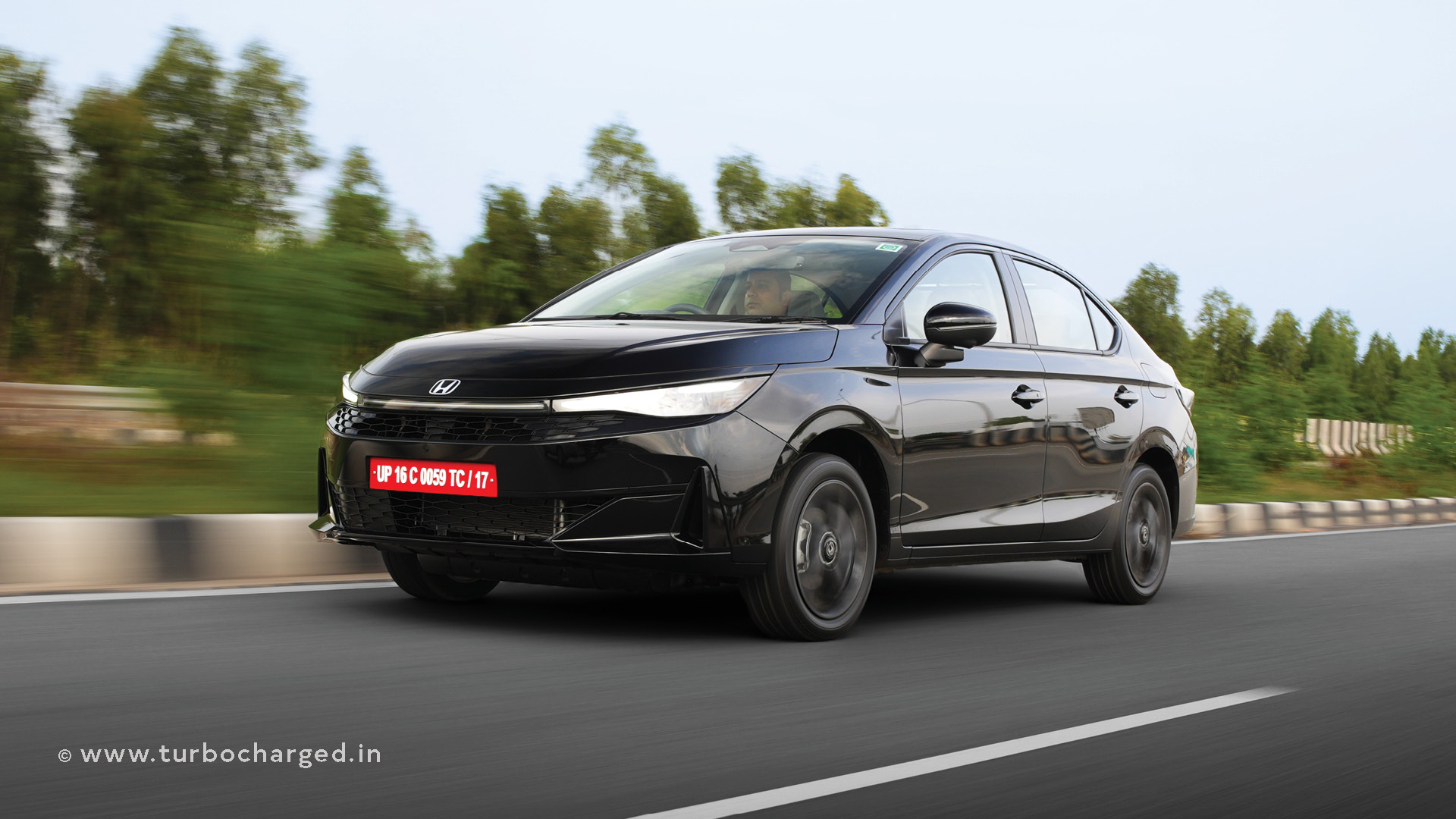
The car’s kerb weight has gone up by about 20kg given the various updates, but Honda tells us this has had no impact on performance or handling. The City thus impresses with its fine balance between ride and handling like before, as it soaks up ruts and potholes with utmost ease and boasts a ride quality that’s among the best, while also offering a confident and sporty feel on the handling front. The suspension also has the car feel planted whether in a straight line or around corners, while the steering offers lots of feedback, helping the City feel like a proper driver’s car.
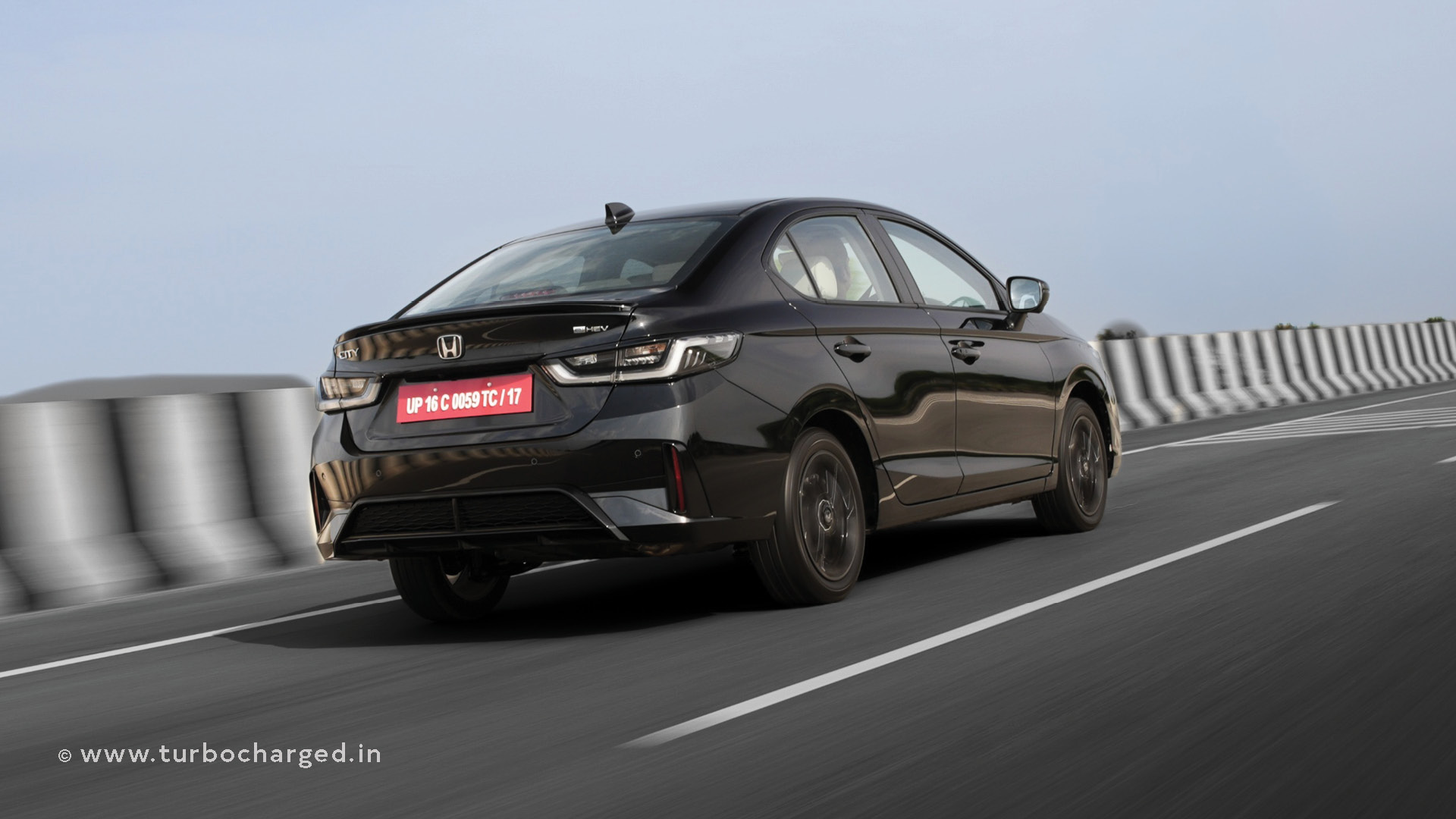
In a nutshell, there’s still a lot to like about the Honda City, despite it being a 28-year-old nameplate. The car stays true to its roots and delivers what it has always promised. It also continues to live up to being a Honda with its refinement, comfort, space, premium build quality and high fit-finish levels and the overall finesse we’ve always known Honda to offer. Of course, the market for cars like it has been shrinking, but there’s still a lot of buyers looking for a comfortable sedan, and a well- built Japanese one at that, and the City is sure to continue to impress such buyers. What’s also worth noting is that prices for the updated City begin from ₹11.99 lakh ex-showroom, which was the outgoing version’s price too, and that makes it an excellent buy if you’re looking to spend on a sedan. And then there’s the fact that all of the City’s rivals are getting updated this year – the Hyundai Verna just got a facelift, while Skoda Slavia and Volkswagen Virtus are both going receive midlife updates soon too. Quite the time to be in the market for a sedan – a bodystyle that’s always felt sporty, because there is something special about lowering yourself into one, even today!
Words Abhay Verma
Photography Saidatta Naik