


What is the similarity between the Toyota Supra and Shawarma? Well, both of these were extremely popular in their home countries before Hollywood made them global phenomenons! As this illustrious nameplate has been consigned to the pages of history in 2025, we will take a look at the impact of the Toyota Supra on the global car culture, and say a few words in its memory.
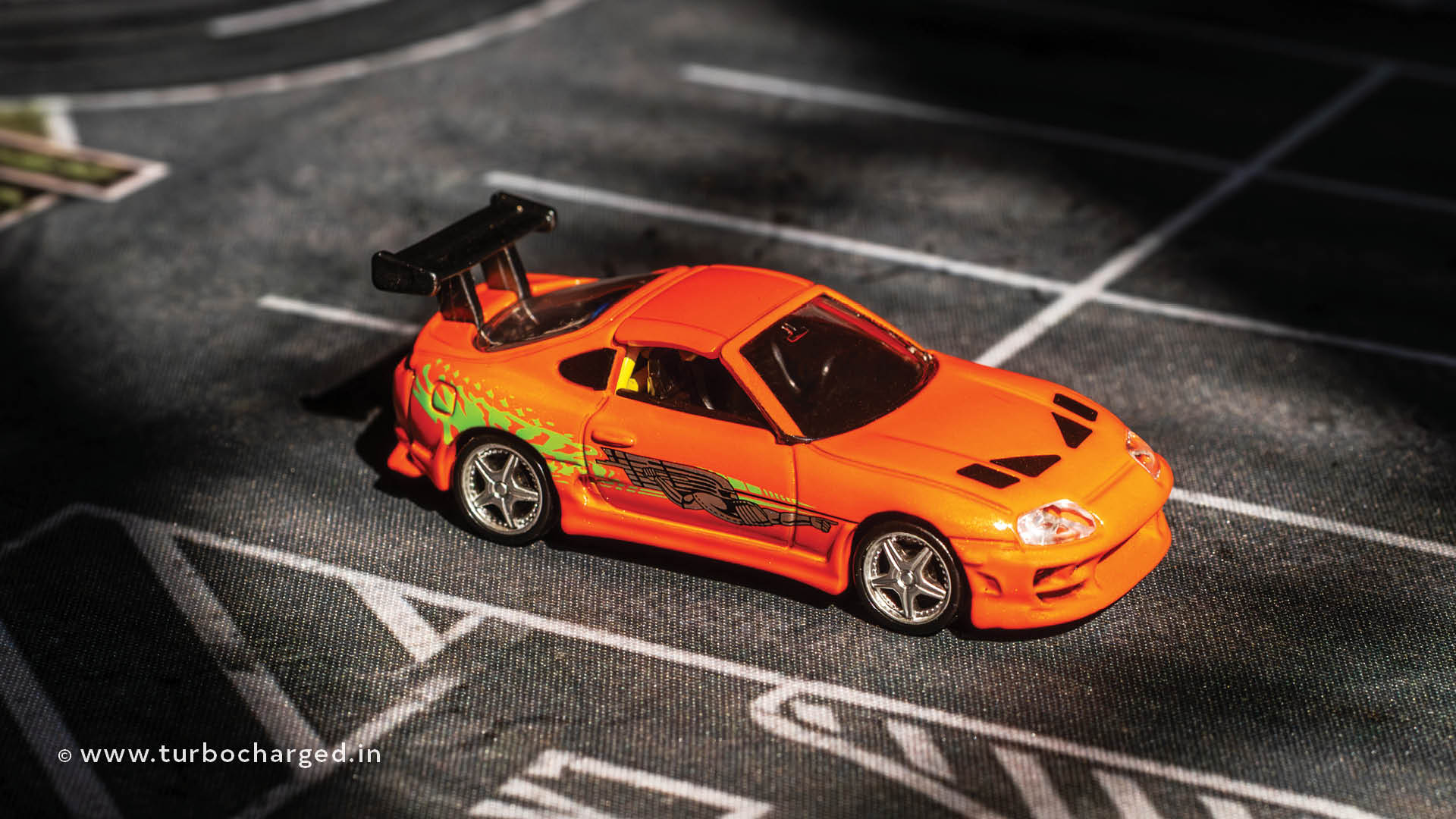
What made all generations of the Supra special, though, is that they were always global performance cars, not limited only within the borders of the island nation, but sent forth to conquer the world, which they did, in style. Most generations of the Supra were sold in most countries, unlike its rival, the Nissan GT-R, which, until the R35 came about, was essentially unobtainium. While the rarity may have added to the mystique of the Godzilla, the Supra was a different animal, which opted for brute force instead of scalpel-like precision. The Supra was a thug, as it didn’t agree to gentleman’s agreement of limiting all cars to 280PS and openly advertised its power output of 320PS.
And finally, half of Supra’s legend comes from the overengineered 2JZ-GTE engine, which with its cast-iron block was able to withstand a tremendous amount of boost, while a series of seven main caps keep the crank from shifting and under-piston oil jets cool keep the rotating assembly lubricated, even when it’s spinning at a high rpm.
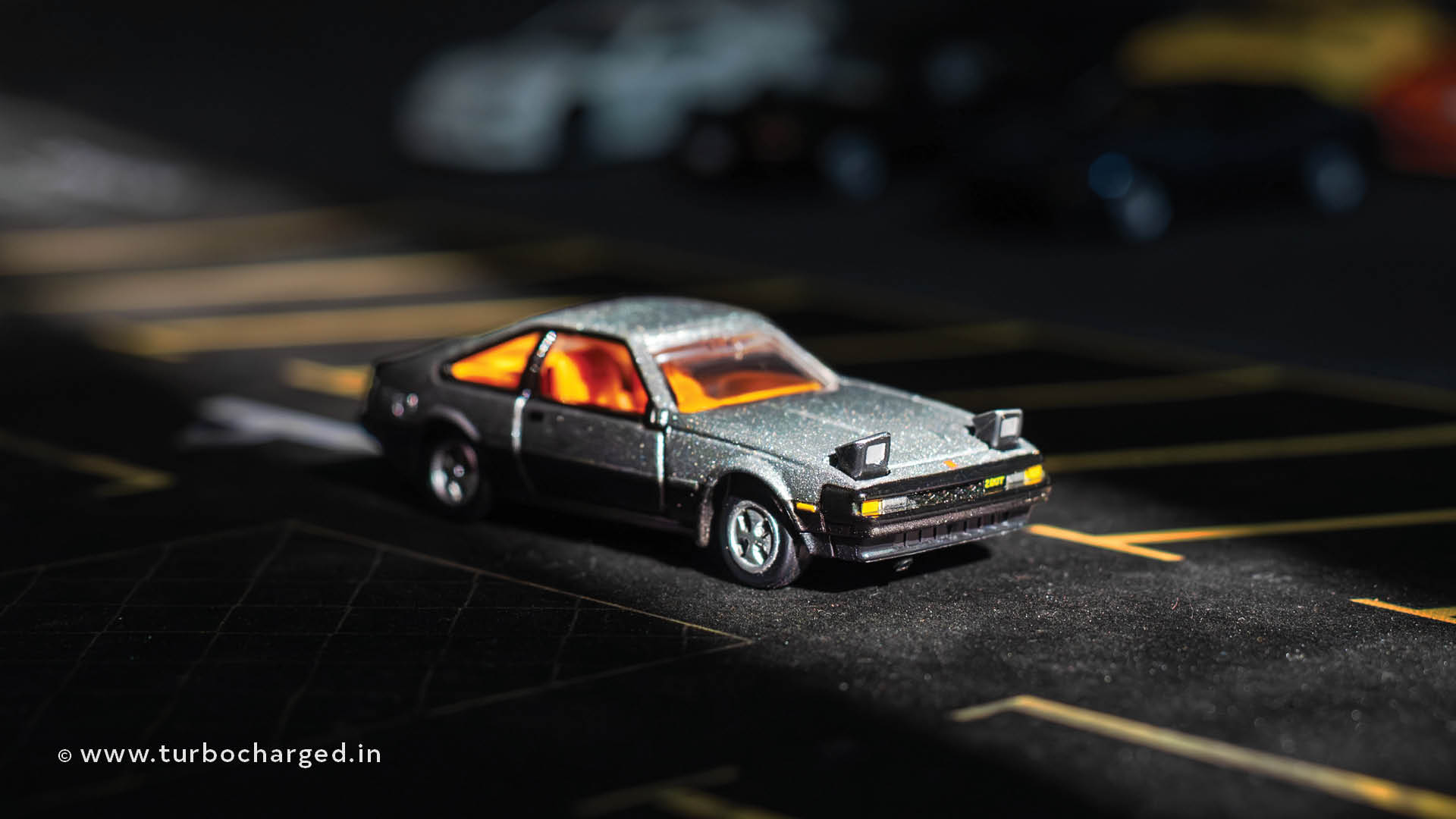
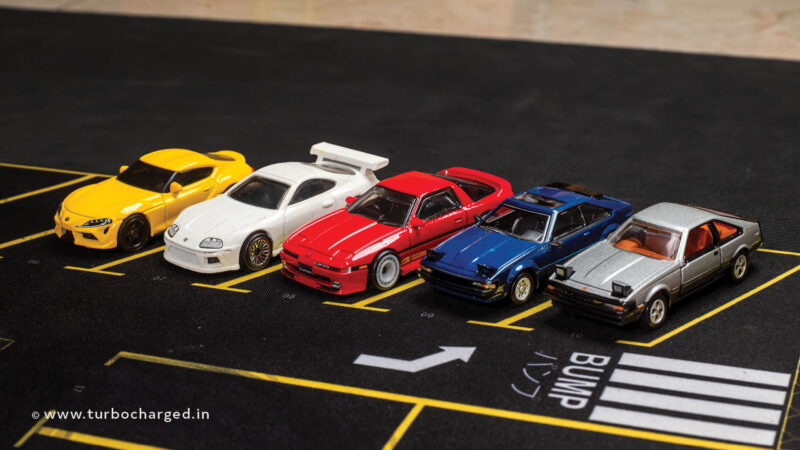
Incidentally, a new name for the Toyota performance flagship was what the first generation Supra was, as the A40 generation was called the Celica Supra. In the Japanese Domestic Market it wasn’t even called a Supra yet, as it was known as the Celica XX over there. It came out in 1978, armed with a 2.6-litre 4M-E (later the 2.8-litre 5M-E) straight-six engine over the four-cylinder of the regular Celica, and was more of a grand tourer than the outright sportscar that the Celica was, though its sporting potential was evident.
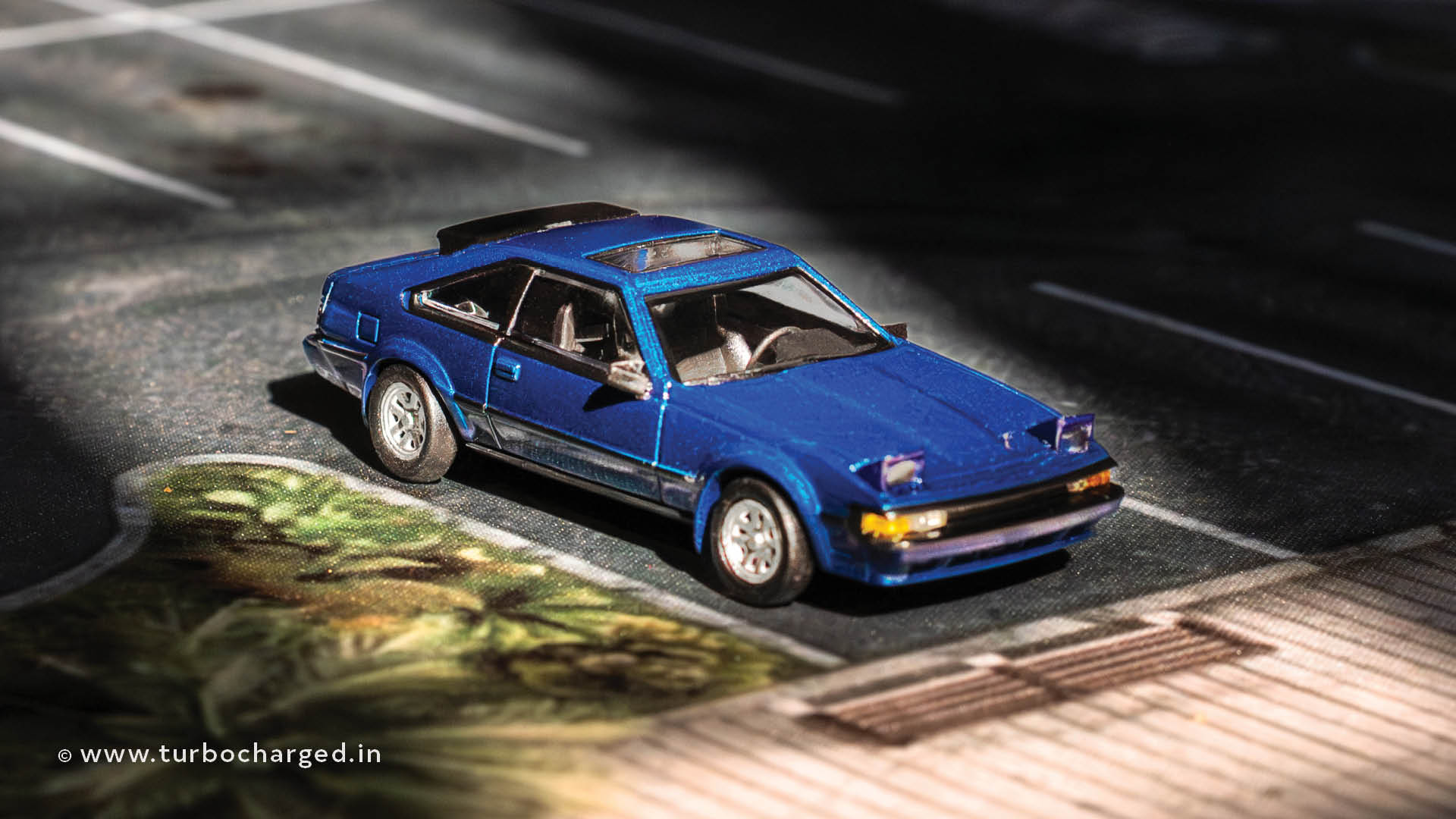
Just four years later, the next generation (A60) broke cover, and this time round it had sharper, more wedgy styling that marks the 80s automotive design language. In a 1984 Car and Driver test for the best handling imported car, the Celica Supra managed to fend off a Ferrari, a Lotus, and two Porsches to come in fourth, after an AWD-equipped Audi (the Quattro), the Honda Prelude and another Porsche, the nimble 944. This is where the legend of the Supra started to take shape, but it would be a long time before the legend of the Supra would be cemented in collective memory.
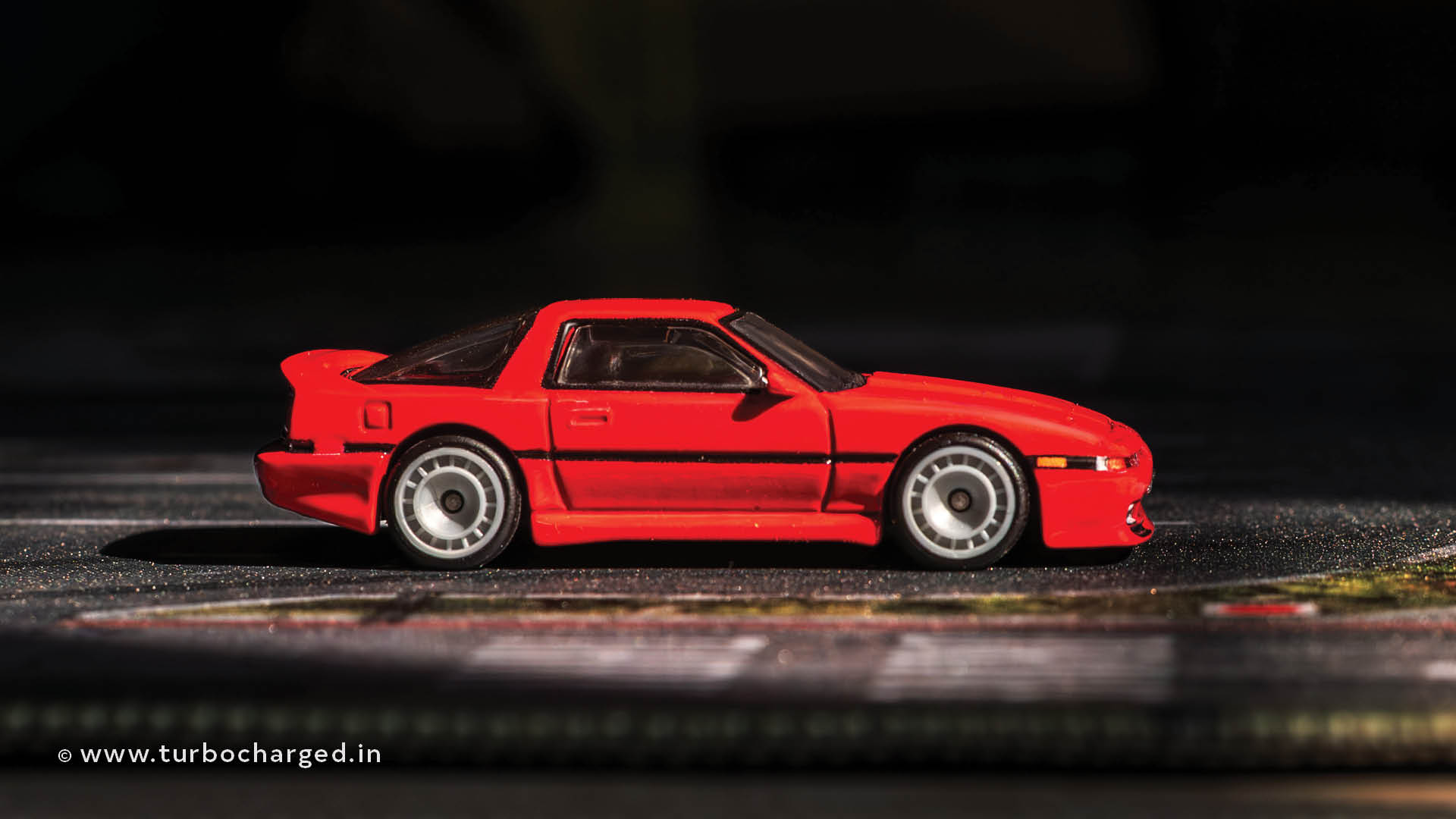
Another four years later and the third generation (A70) broke cover, this time ditching the ‘Celica’ bit to stand on its own as the first proper Toyota Supra. While the Celica from this point onwards was FWD, the Supra retained its RWD layout like a bonafide sportscar. The styling was also a lot more rounded and less angular, typifying the late 80’s to early 90s automotive designs. The A70 was also a technology showcase, utilising ACIS (Acoustic Control Induction System) which controlled the air compression pulses inside the intake system to increase power. It also has double wishbone suspension all around and 3-channel ABS. While all the above tech was significant, the big news came another year later, when Toyota added a turbocharger to the 3.0-litre 7M-GTE engine, delivering 233PS of power from the factory, birthing the first ever Supra Turbo.
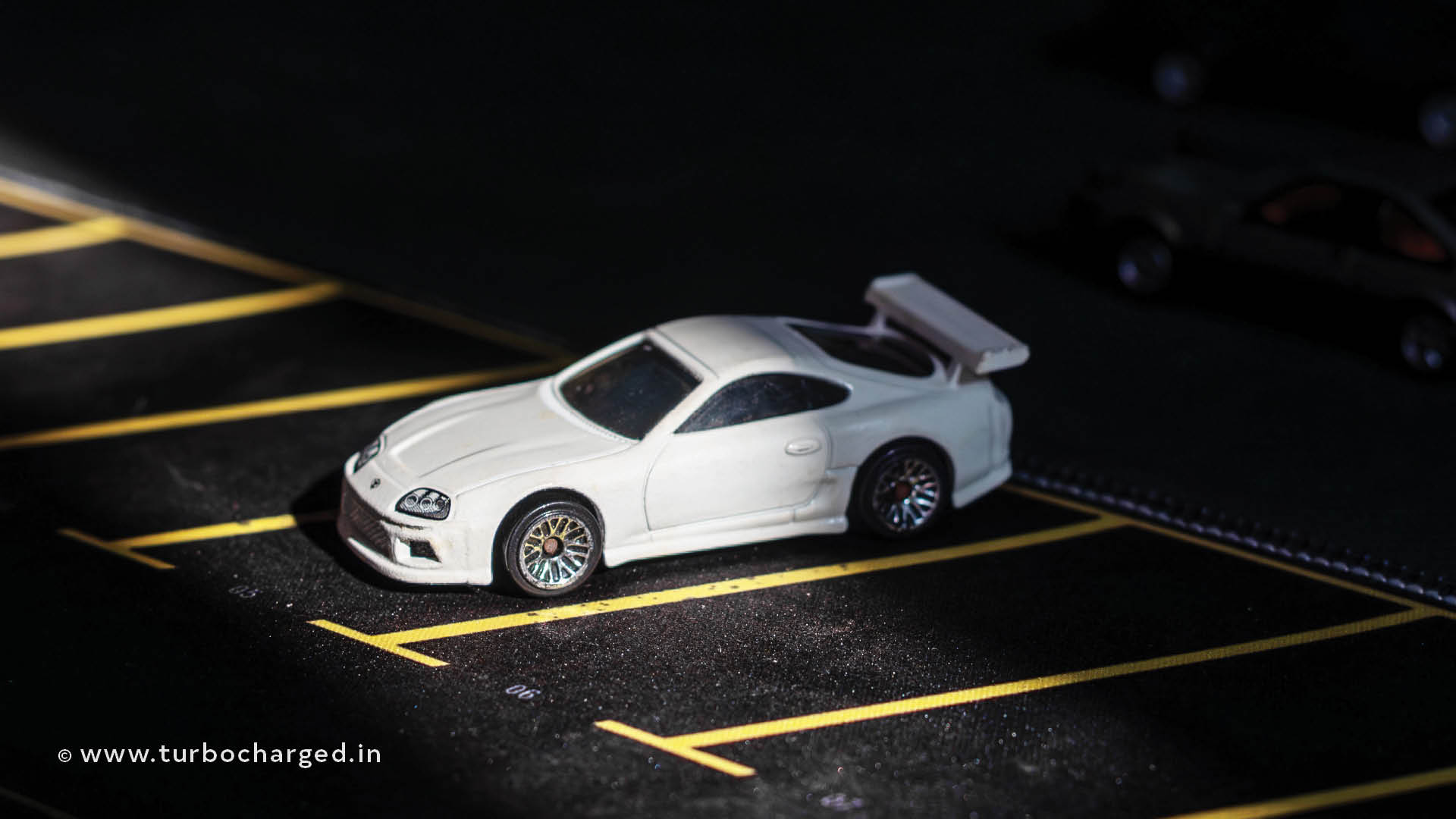
The fabled Mk4 Toyota Supra (A80) came out in 1993, and it is still coveted today. This is the one that cemented the legend of the Toyota Supra across the world in all sub-genres of car culture, be it circuit racing, drag racing, drifting or even just a show car, built more to impress people with the sheer audacity of the build itself. These accolades were not gathered overnight though, as each genre-defining Supra took time and effort to build, just like the legend of the Supra itself.
In 1994, exactly ten years after the A60 came 4th, the A80 Supra won a Car and Driver comparison test outright, leaving illustrious performance cars from the same era in its wake, such as the Chevy Corvette LT1, Mazda RX-7, Mitsubishi 3000GT VR4, Nissan 300ZX Turbo, and the Porsche 968. The A80 Supra defined the automotive era of the 90s where the boundaries between the East and West were disappearing.
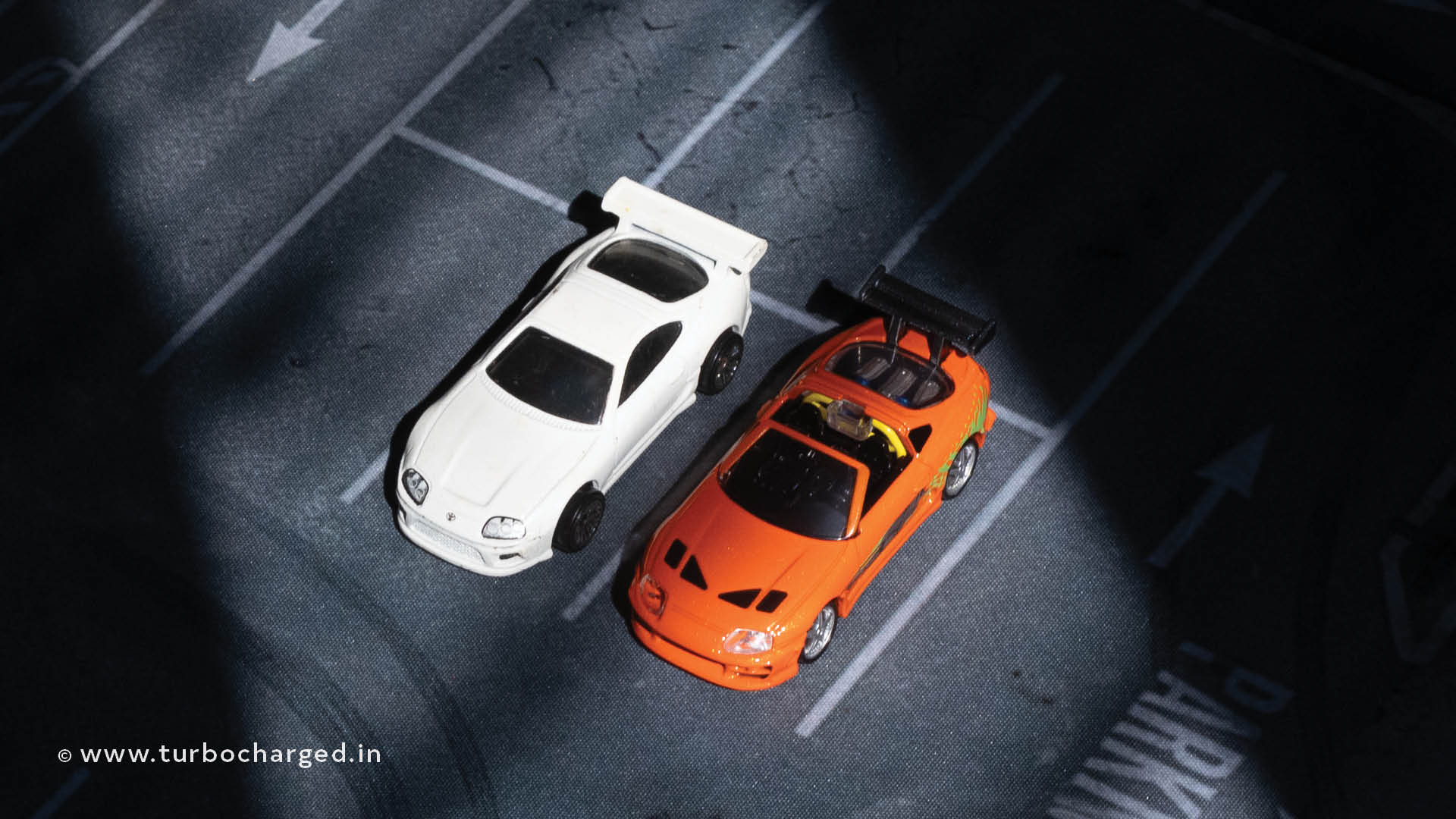
Soon enough, the tuners figured out that the cast-iron block of the 2JZ-GTE is capable of holding way more boost than the factory ever intended, and things started to go crazy. Which is why, when Brian O’Conner needed a cheap car with a high tuning potential, he went and picked up a Toyota Supra, and despite its condition, Dominic Toretto knew what’s under the hood was what mattered, thus the iconic ‘pop the hood’ was born. With the movie Supra beating a black Ferrari 348 in an impromptu street race, the legend of the Supra was sealed forever in pop culture.
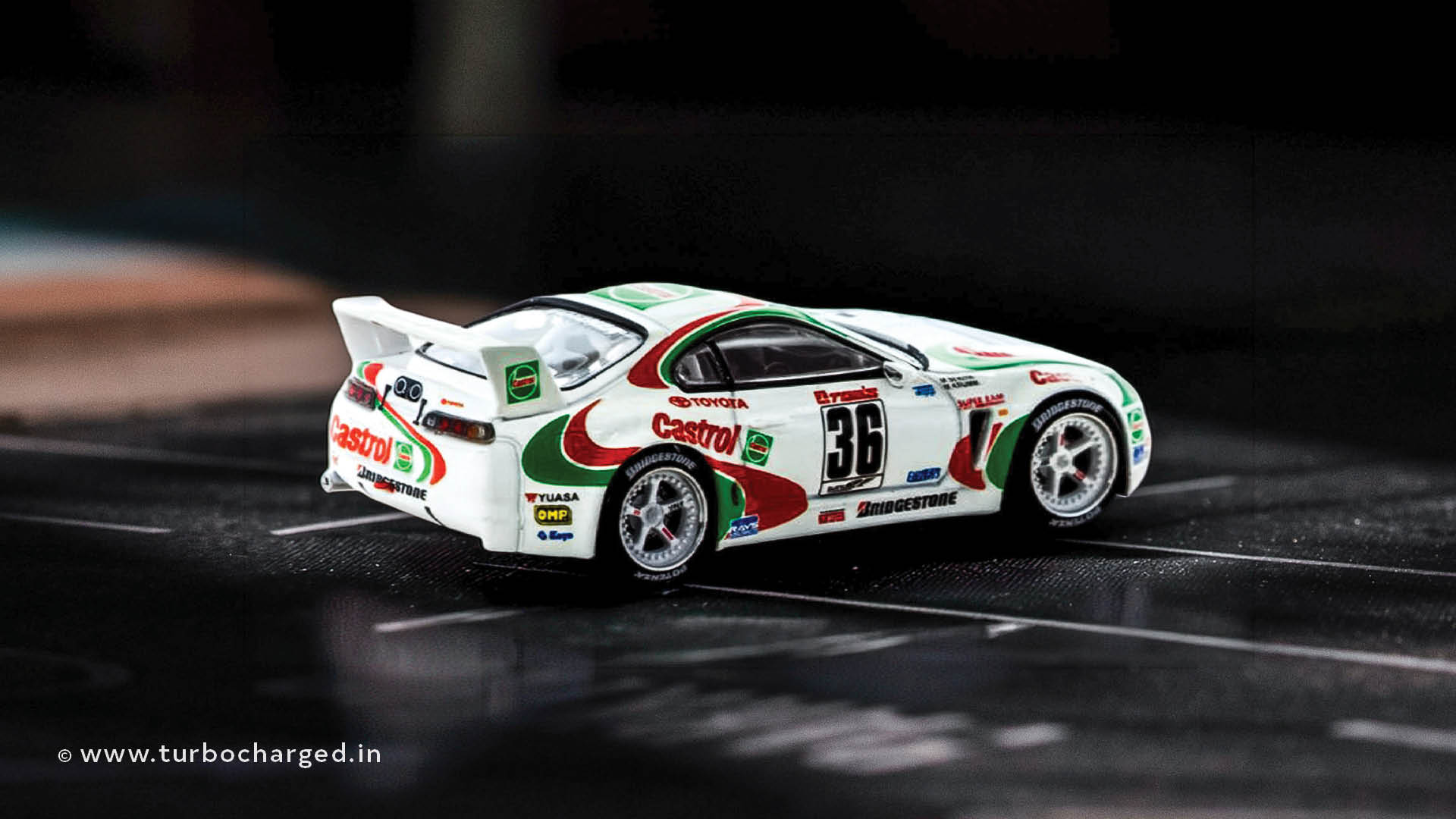
But the Supra was not just a do-it-all street racer. It was a bonafide racecar too, though TOM’S had to ditch the famous 2JZ-GTE in order to achieve that. This is the instantly recognisable Castrol Supra from the Japanese GT Championship (JGTC). It was powered by the same engine used by the Corolla in WRC — the 2.0-litre 3S-GTE, but here they could run legal turbochargers (unlike the illegal ones in WRC) to push out more than 460PS, and the lighter weight improved the handling of the Supra to such an extent that it utterly dominated the championship.
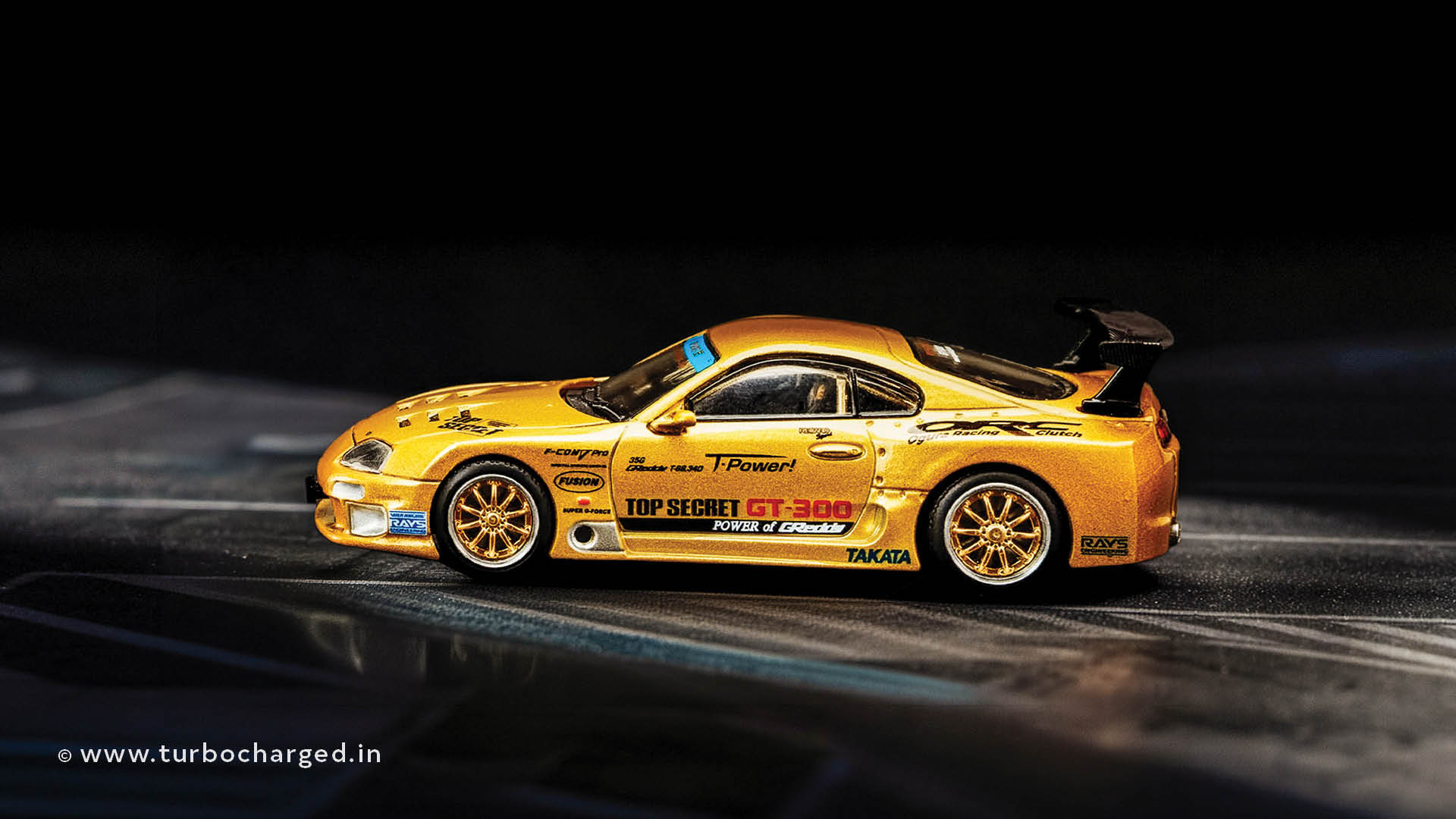
Meanwhile, tuners were taking it to another level, as legendary tuning shop Top Secret’s founder Kazuhiko ‘Smokey’ Nagata created the ultimate Japanese coupé that was never made by Toyota – a Mk4 Supra powered by the 1GZ-FE – the only Japanese 12-cylinder engine ever made, borrowed from the Toyota Century. The FnF Supra and the V12 Supra combined to break what small thing was considered the internet back in the day. Modders were adding these cars to the predominant racing game of the time — Need for Speed, and I remember actually downloading Brian’s Supra.
And then, like a supernova, the Toyota Supra disappeared from the line-up, leaving only an impression as bright as one.
So the hype was real as fans wanted Toyota to make a Supra for the longest time, and Toyota sort of obliged — they took a BMW Z4 and gave it a hard top body to create the Mk5 Supra. Fans were not happy, and this laid bare something everyone knew — a flagship is a showcase of the engineering prowess of a car manufacturer and this can’t be made in collaboration with a different carmaker.
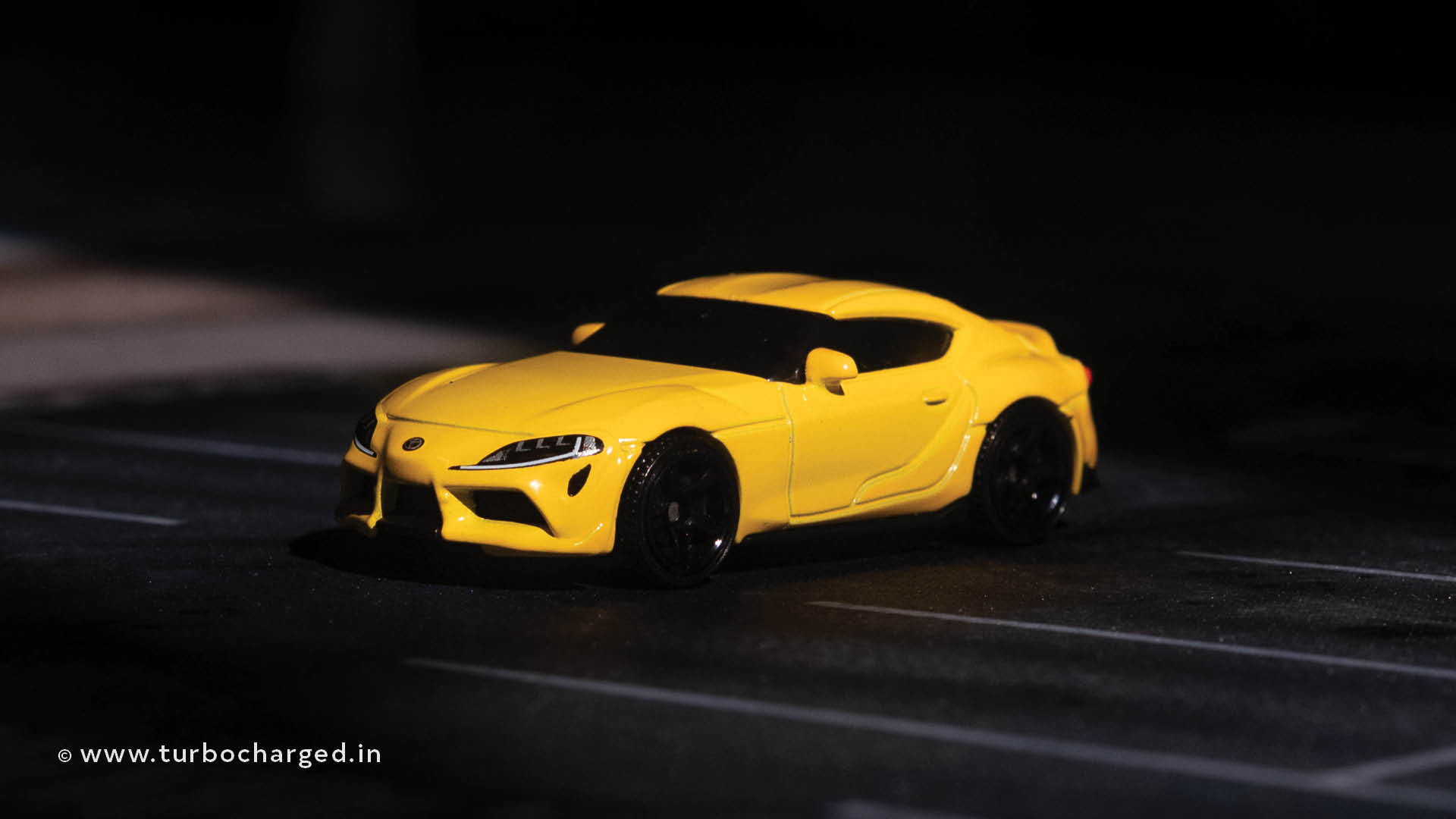
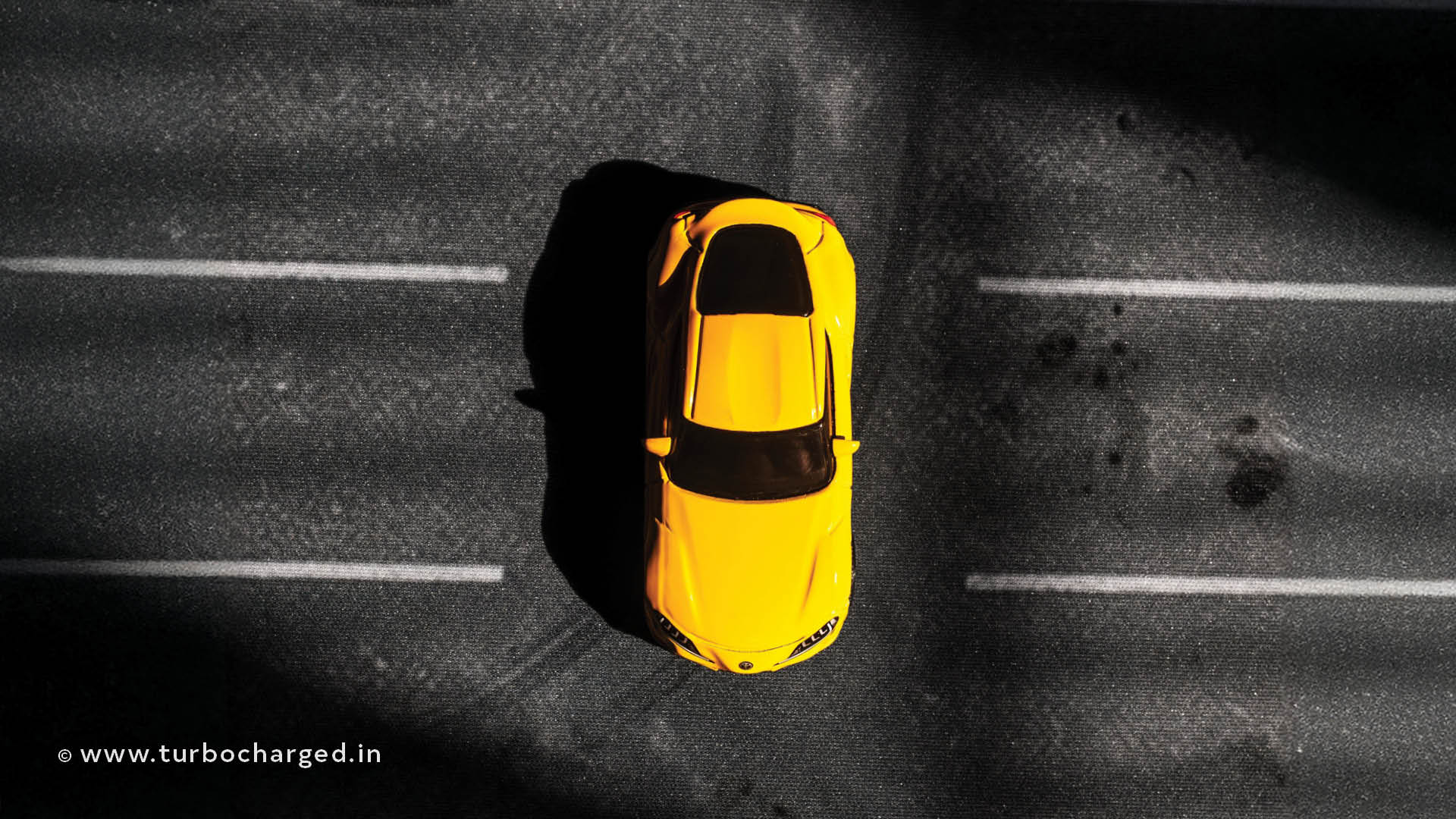
Toyota did try to recover — BMW’s aren’t known for the best shifting manual transmissions, but Toyota created a unique manual transmission using BMW parts for the six-cylinder Supra (which initially came without a manual option). This transmission, according to various journalists, shifts a lot better than any transmission made with BMW components. But the writing was on the wall. The Supra Mk5 didn’t go out with a bang, it disappeared quately. As controversial as it was upon launch, it is still missed by enthusiasts, as the death of a 2-door coupé powered by an in-line six-cylinder engine is always a sad thing.
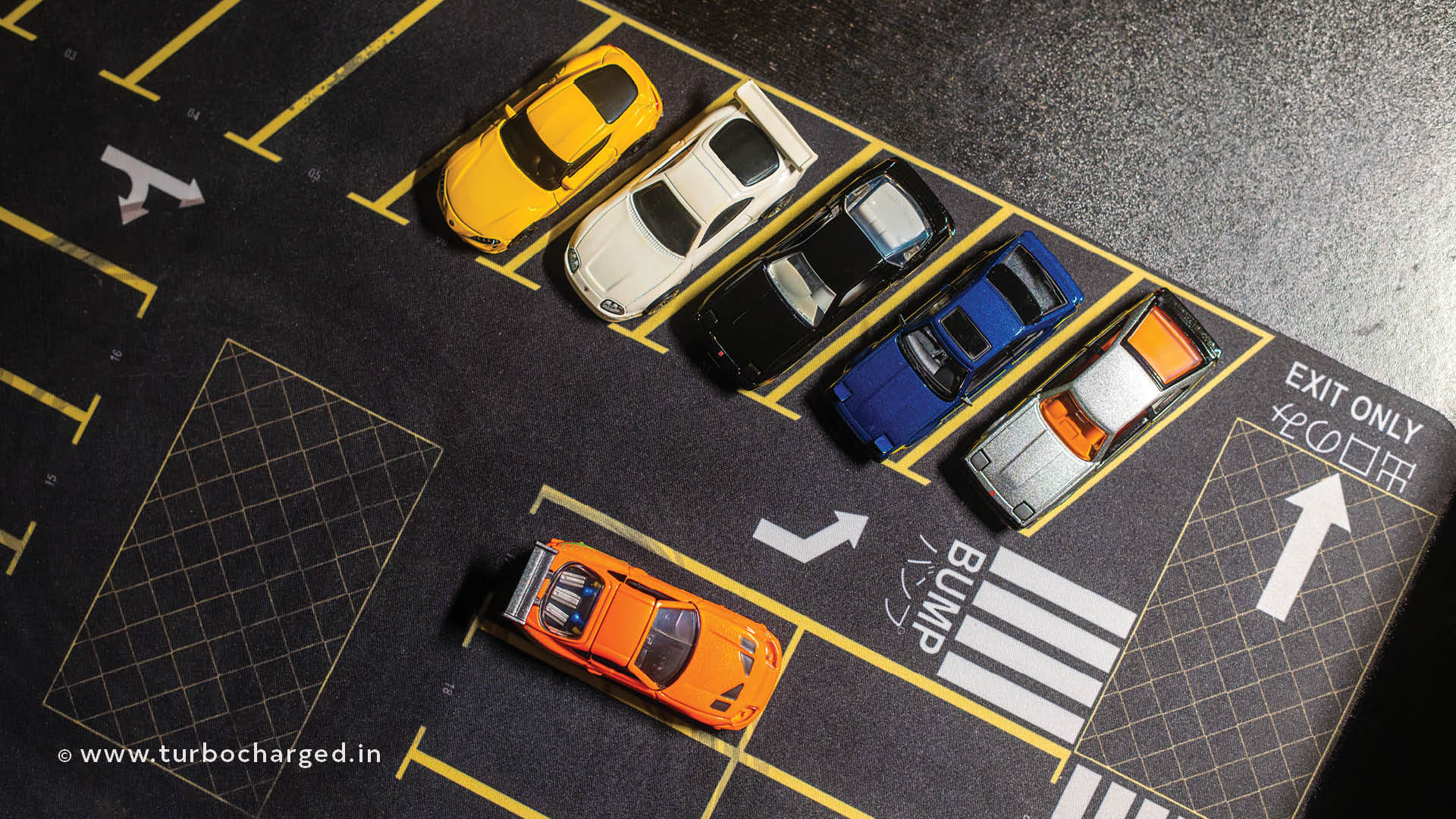
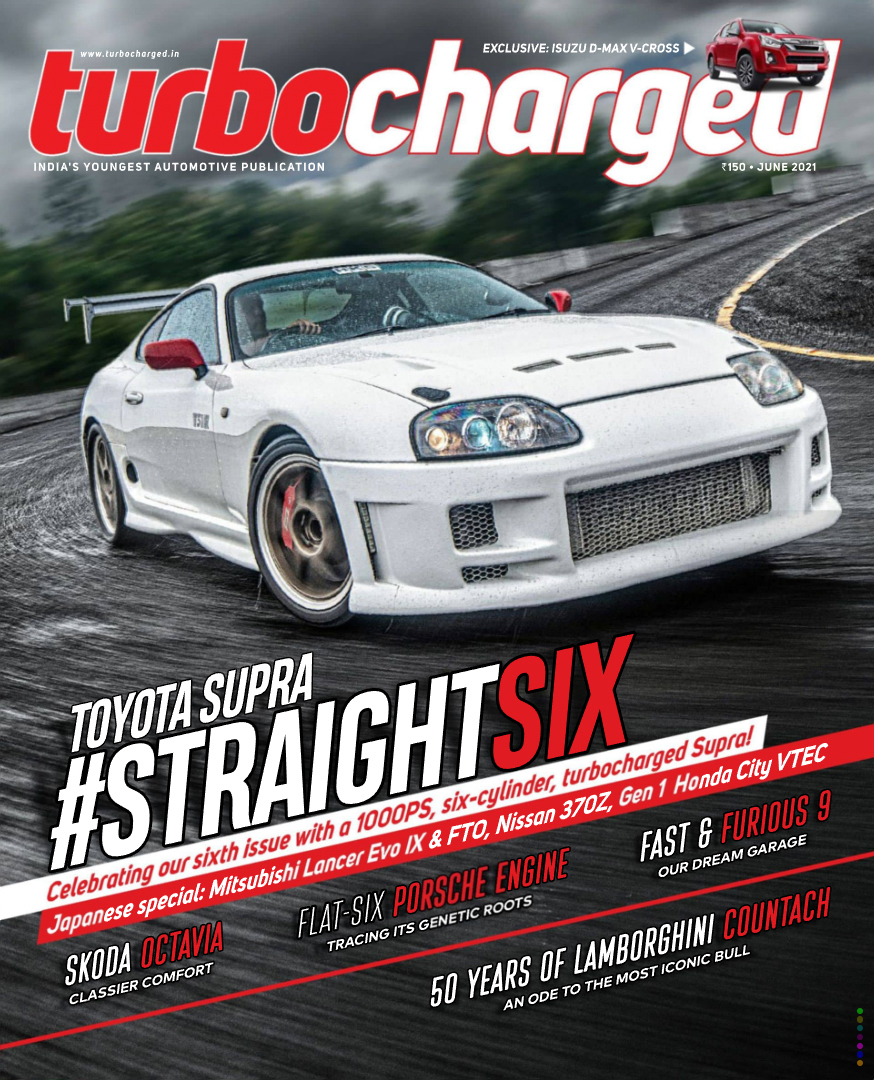
You may want to point out, dear reader, that the Toyota GR GT is essentially a Supra for the new generation, and while it is true, it doesn’t carry that name anymore, which means for all intents and purposes, it is now a different car. So pour a quart of oil out for the Supra, one of the only ones of the 90s Japanese sports cars that was sold globally, a car that openly flouted the Japanese Gentleman’s agreement of restricting cars to 280PS by listing an output of 320PS for the A80 twin-turbo, normalising 1,000PS builds — the Mk4 Supra has left an indelible mark on car culture. Which is why when we drove it, we put it on the cover!
Words: Sayantan De
Photography: Alex Toppo