


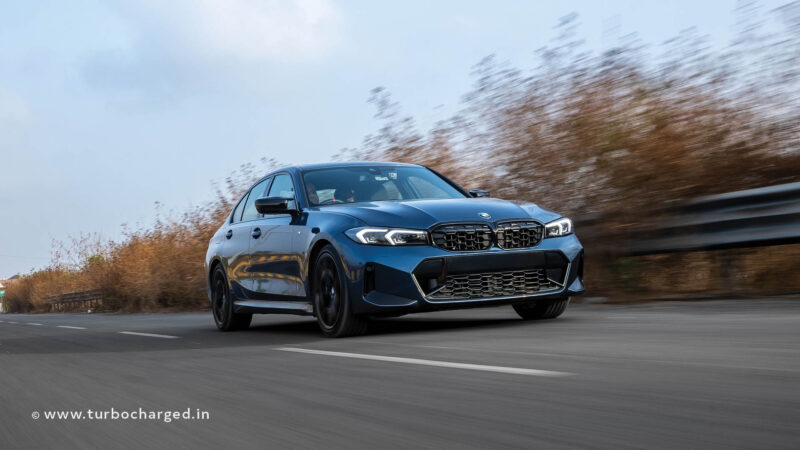
India and the European Union have reached a conclusion on the Free Trade Agreement, which will boost economic ties between two of the world’s largest economies – India and Europe. Under the FTA, India stands to gain significantly across a range of sectors, including the automotive industry. India and the EU have been in talks for almost two decades on the FTA and have finally concluded, bringing good news for the automobile sector: import duties on cars and motorcycles from Europe will gradually reduce from 110 per cent now to 10 per cent eventually. The announcement has opened new avenues for European manufacturers, who can now import CBUs at a lower cost. Still, it benefits India greatly, as we will now have access to world-class products at a more affordable price. The FTA will also allow EU carmakers to import a larger number of units, up from the current limit of 100 units per year. However, the FTA has not yet been implemented and is expected to be in force in the next few years.
Once signed, the FTA will not only lower import duties on automobiles from the European Union, but will also eventually reduce import duties on automotive components to zero. This means manufacturers like Mercedes-Benz, BMW, Audi and others that have set up CKD assembly plants in India will have to pay zero import duties on CKD units. This reduction in input costs will ensure that prices for models from the aforementioned carmakers drop drastically.
Our Honourable Prime Minister, Narendra Modi, and EU President H.E. Ms Ursula von der Leyen jointly announced the conclusion of the FTA to the world today; however, its implementation will be enforced in phases. Currently, India imposes a 70 percent duty on cars priced below $40,000 and a 110 percent duty on cars priced above $70,000. After the FTA, these will drop to almost 10 per cent, giving a significant boost to the Indian economy. Also, there are mentions of technology access between India and the EU, which enable the Indian automotive industry to reach new heights with technology sharing.
After the announcement, industry veteran like Santosh Iyer, MD and CEO of Mercedes-Benz India stated – “Mercedes-Benz welcomes the Indo-EU FTA as it is a historic achievement for India, reiterating the rising relevance of the Indian economy at a global stage. We always advocated free trade as it brings down trade barriers, leverages mutual strengths of global economies, and mitigates supply chain uncertainties. With the Indo-EU FTA, India’s economic growth should get a strong boost as borders opens up, presenting opportunities in new markets, fostering bilateral trade, and creating job opportunities. The FTA is also expected to strongly drive technological innovation and sustainable growth within the Indian automotive sector, with a sharp focus on future mobility. Saying that, the final implications of the FTA can only be determined, once the fine prints of the agreement are available with us.”
“With more than 90% of Mercedes-Benz India’s sales volume comprising ‘Made in India’ locally manufactured models, and only ~5% of sales coming via CBU imports from EU, we do not foresee any price reduction for Mercedes-Benz vehicles from the FTA, in the foreseeable future. We will continue our focus on value addition to customers through local production and competitive pricing, making world-class vehicles in India, for Indian customers.”
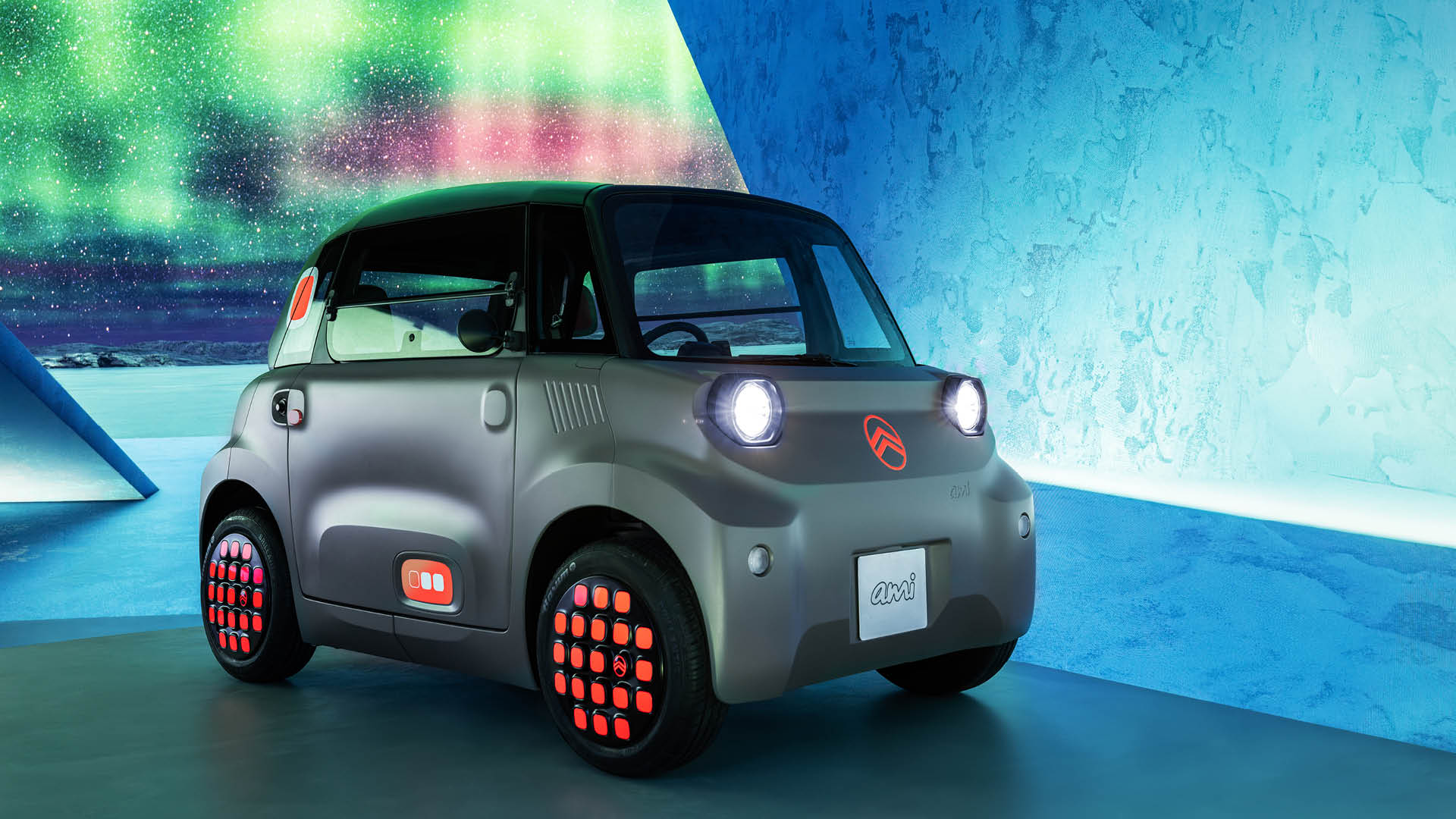
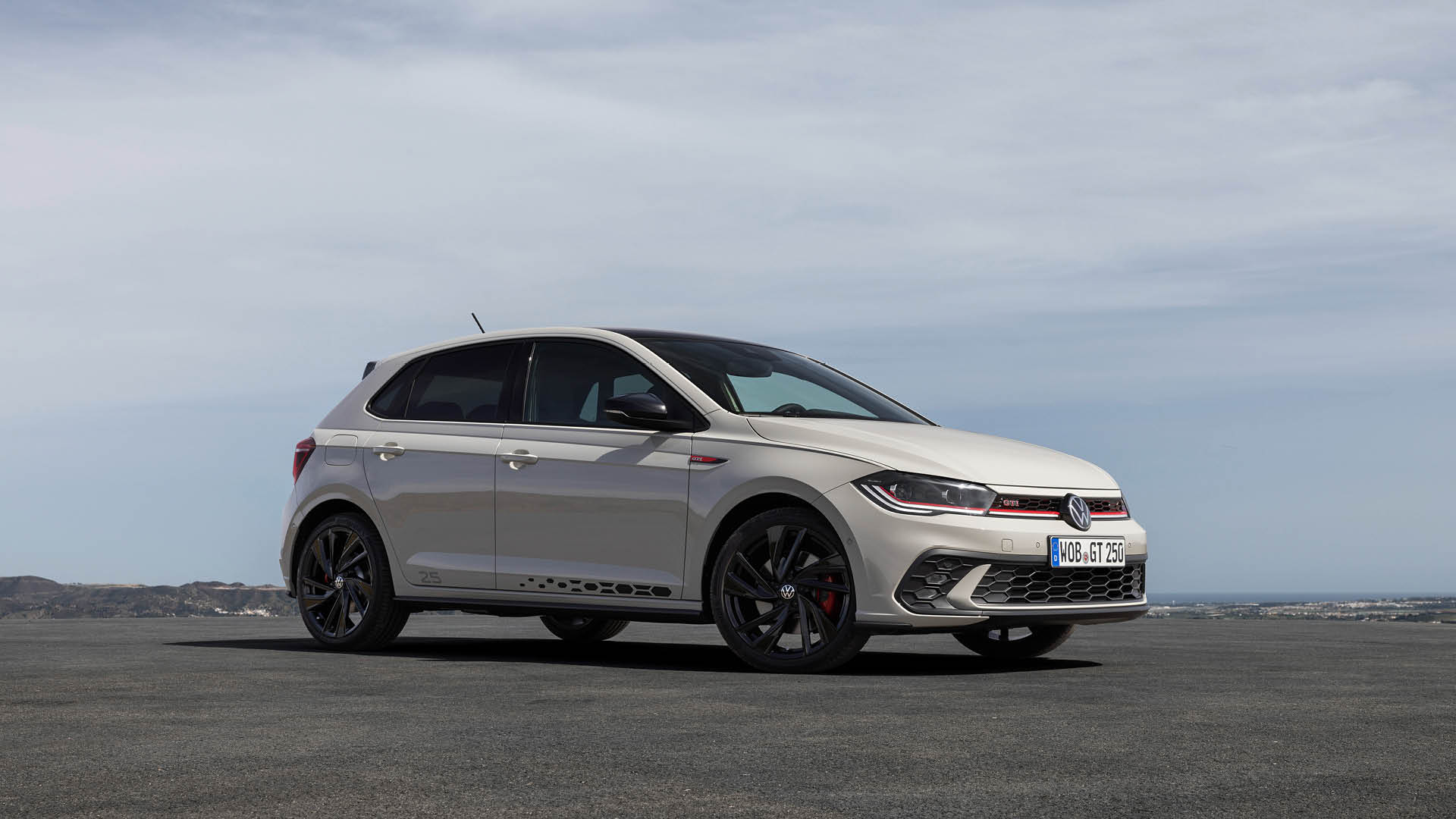
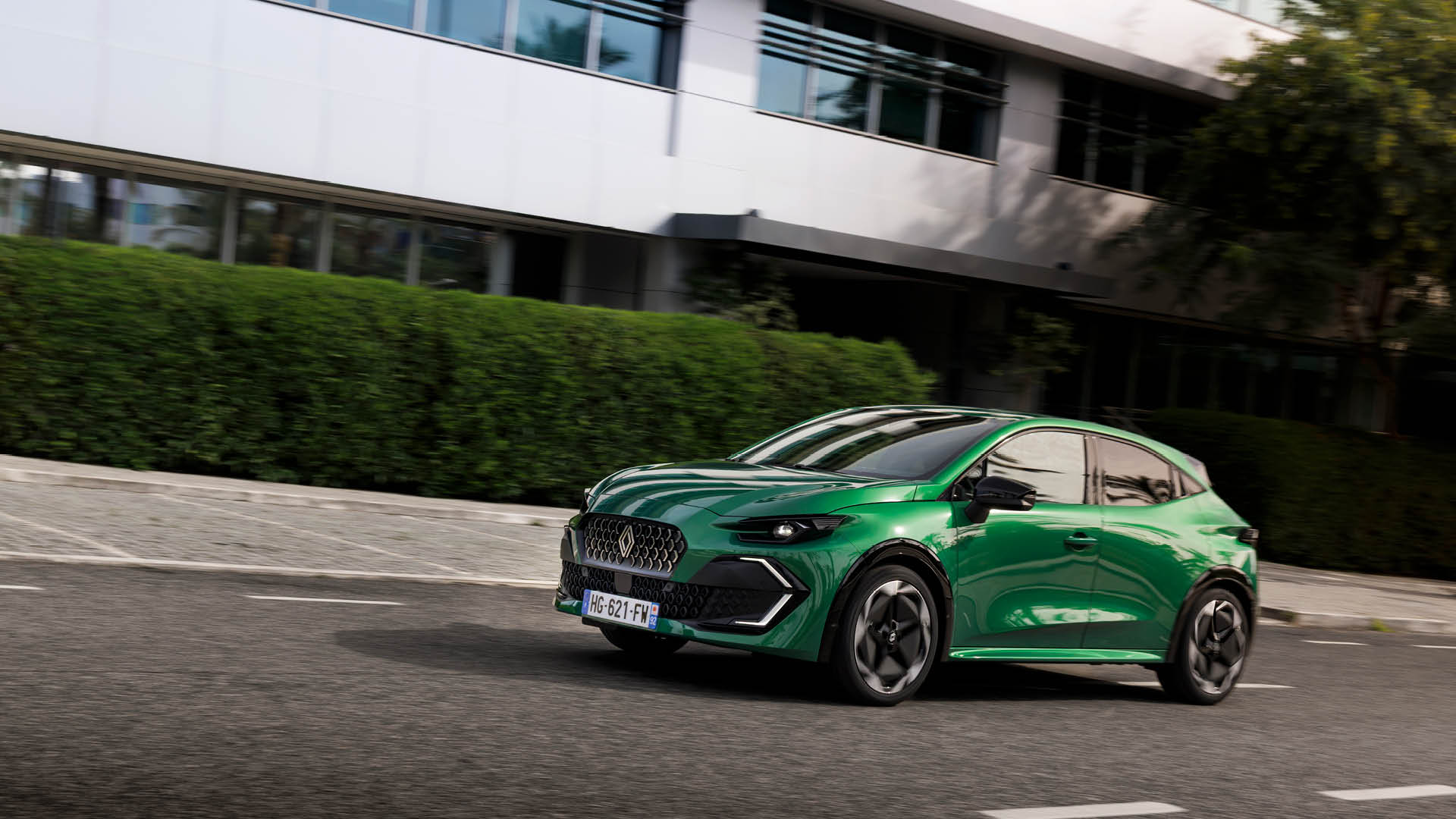
We are looking forward to seeing more European manufacturers, such as Renault, Citroën, and VW, bring in cars with a strong global following. Cars like the Renault Clio, Citroën Ami, and VW Polo GTI are among the models we are looking forward to having in India.