


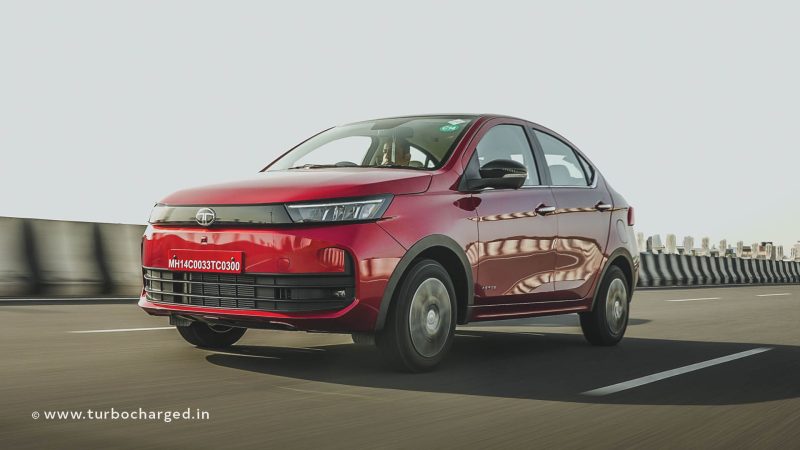
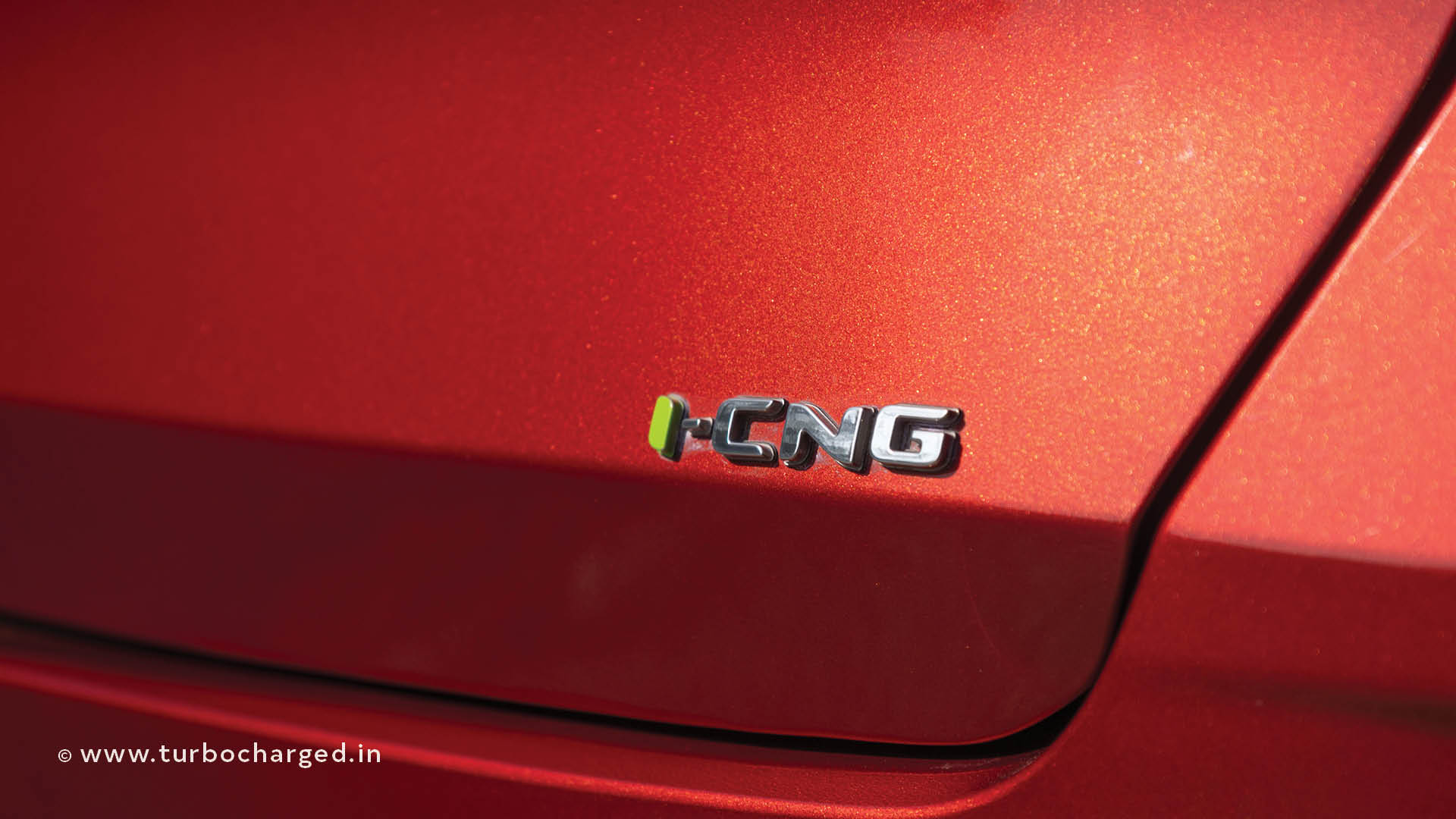
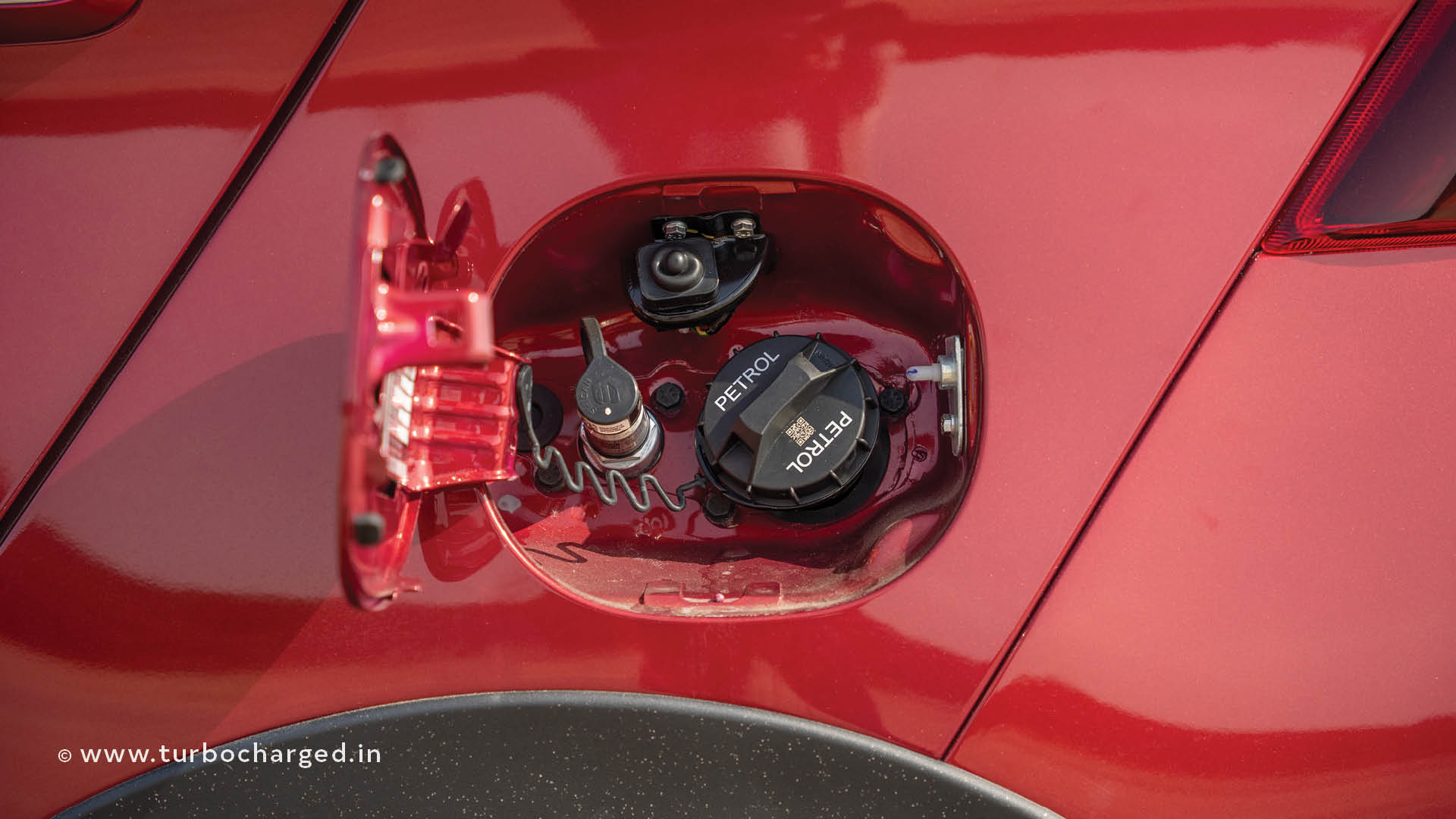
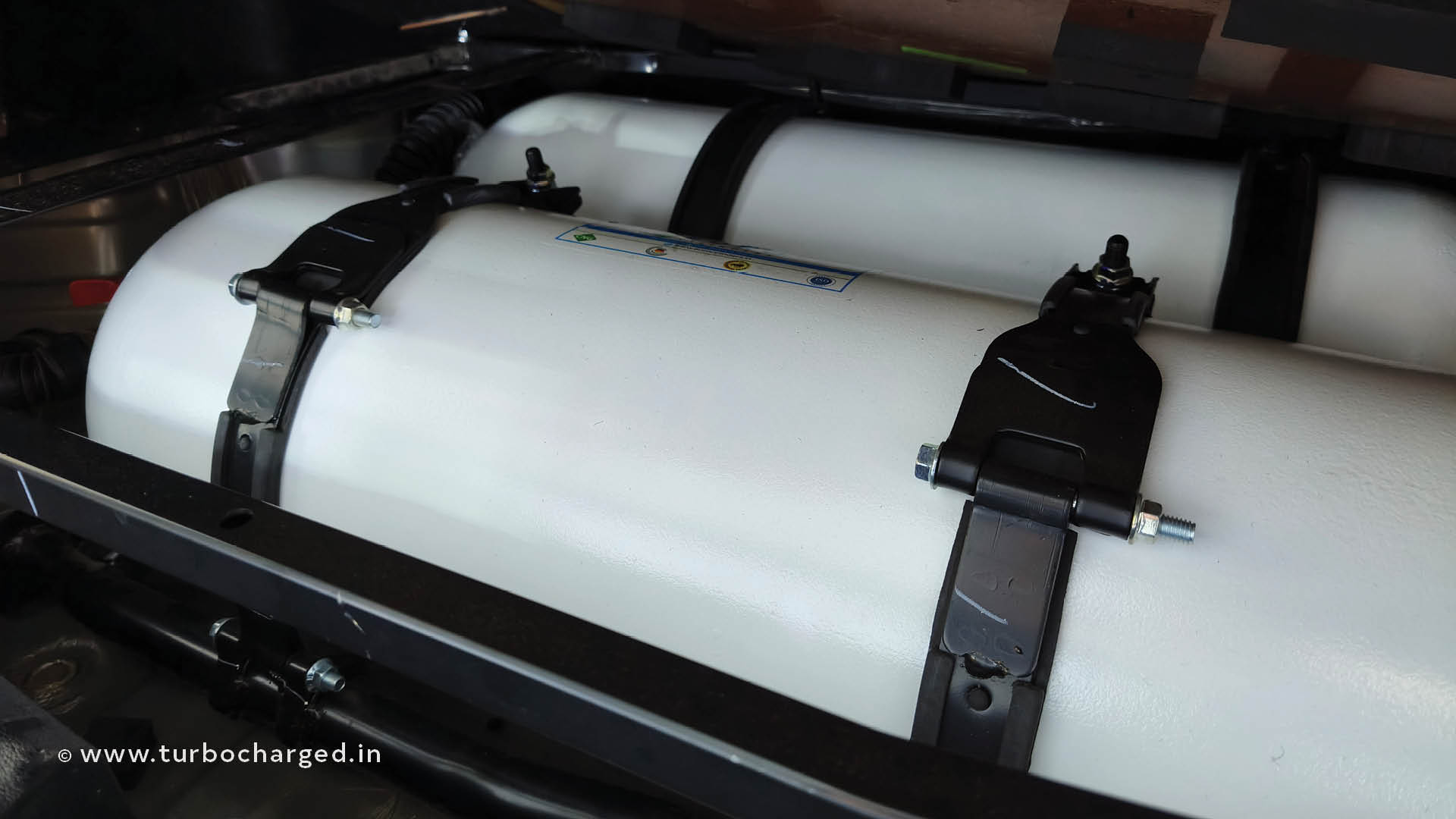
Gone are the times when CNG-fuelled cars were looked down upon as a compromise by family car buyers in the interest of lower running costs, or as the choice of commercial fleet owners. Over the years, small car buyers have turned to CNG as an alternative to petrol and demand has risen sharply, and car makers have responded with more attractively packaged CNG cars. And the Tata Aeris iCNG is exactly that. I find it a bit intriguing that Tata Motors has done away with the Tigor nameplate and rechristened its compact sedan as the Aeris, but the car maker tells us the move is an attempt to have its compact sedan feel more premium. And Tata Motors’ solution of switching to underbody CNG tanks to offer reasonable amounts of boot space in CNG-fuelled cars measuring less than four metres in length has worked well, so expectedly, the formula is carried over with the Aeris iCNG.
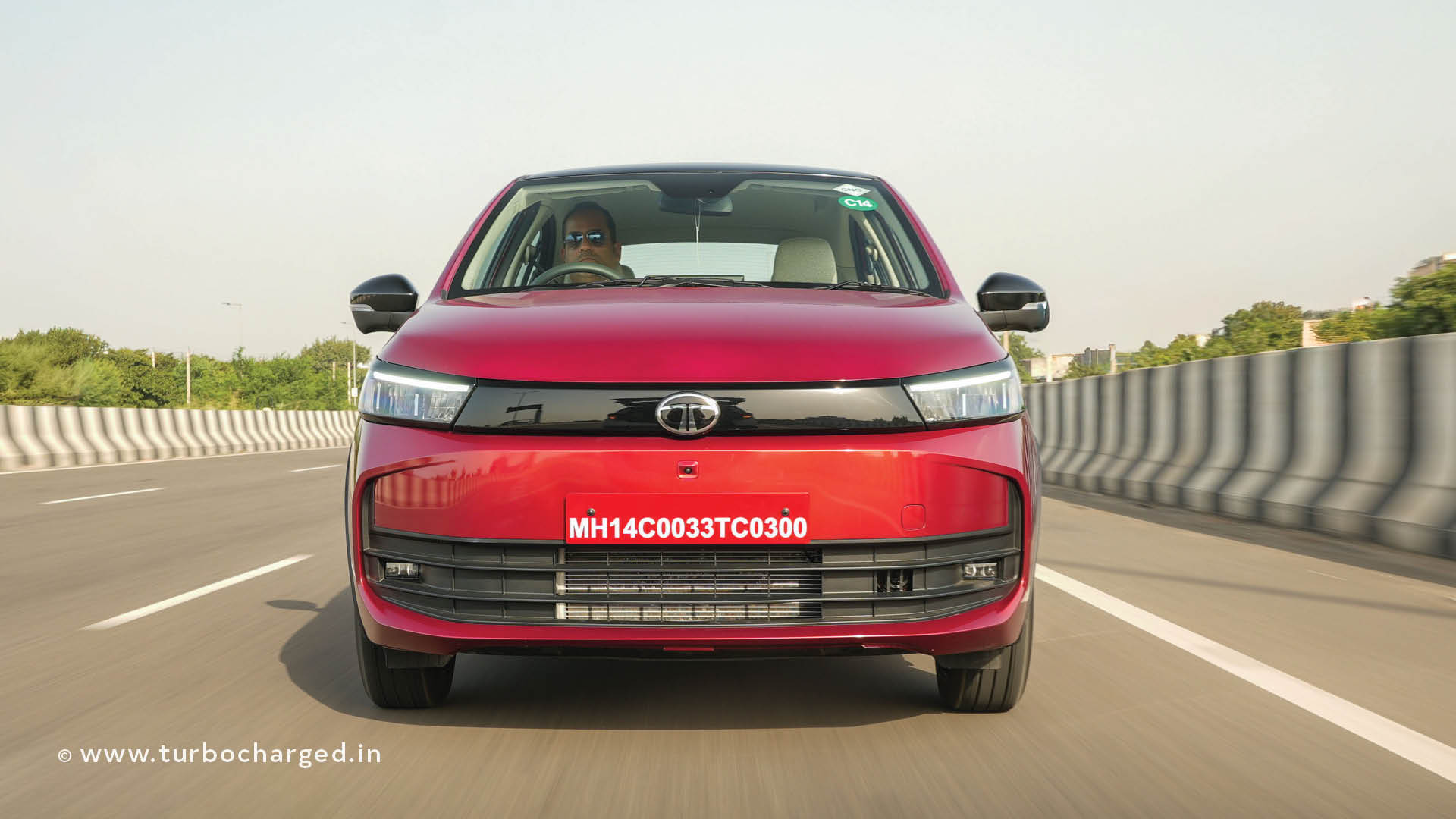
I’ll come to the boot space in a bit, because I want to talk about the car’s design first. Truth be told, the updated Tiago we drove a few months ago was a teaser of sorts of what the updated Tigor (now called the Aeris) will look like. And that’s because the face looks very similar, with the compact sedan getting the same sleeker and sharper-looking LED headlamps and gloss black-finished grille, along with a new bumper that also integrates LED fog lamps at both ends. The Aeris iCNG runs on 14-inch steel wheels with wheel caps meant to give the impression of these being alloy wheels. While these look nice, the wheel size is a tad small for the wheel arches, and we would have liked to see 15-inch wheels, like the ones on the Aeris petrol. The car hasn’t changed from the sides and has the same curvy silhouette, and it looks good from the sides, despite the fact that the Tigor was launched almost a decade ago.
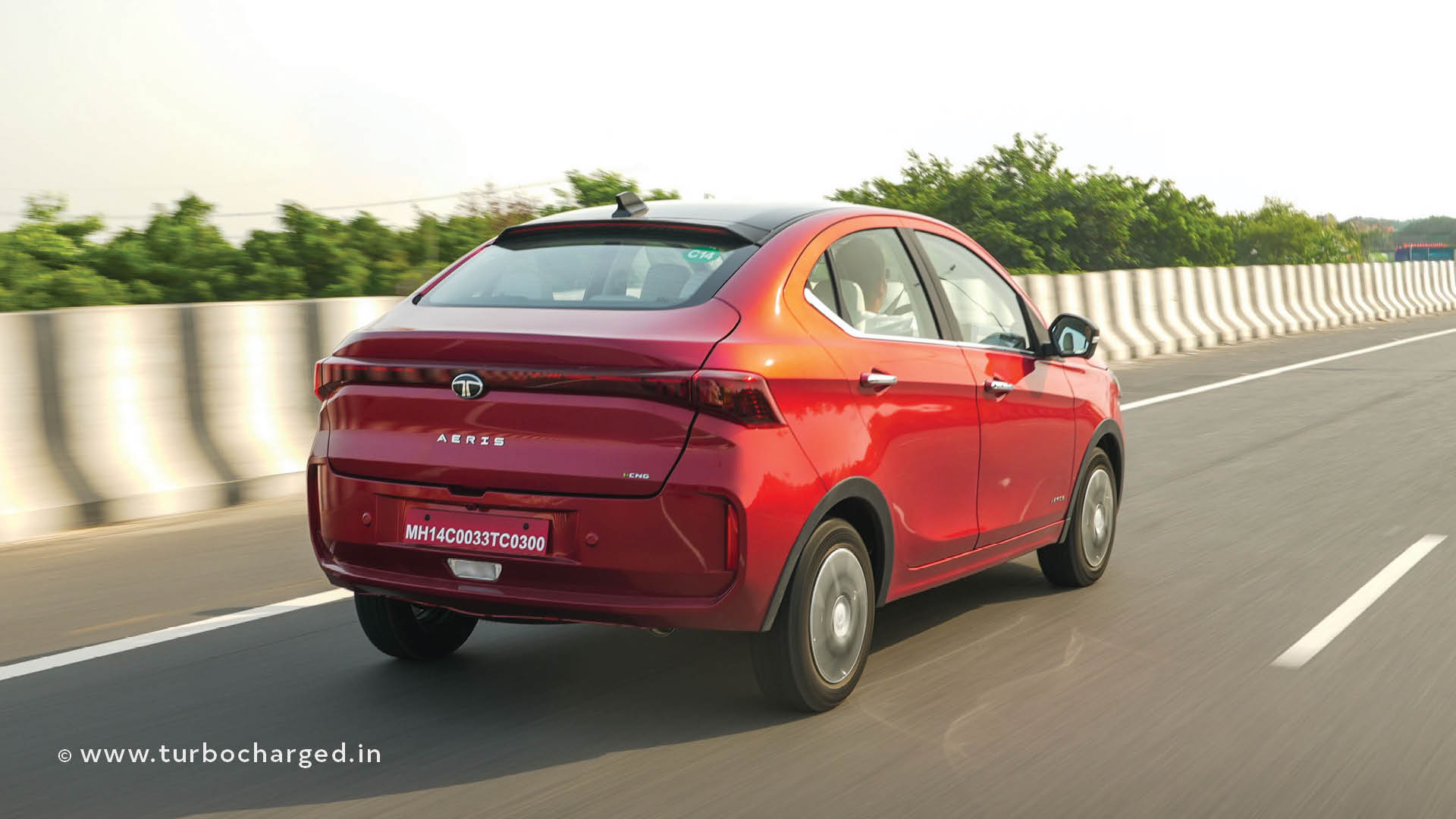
The Aeris shows off a set of connected tail lamps at the rear that look like the Tiago’s, and a new bumper, and admittedly, Tata Motors has done a fine job of having the car look more appealing. The last couple of years have also seen Tata offer its small cars in eye-catching colours, and Aeris continues that trend, with bright and cheerful-looking colour options. Overall, this is a rather cute-looking compact sedan that makes no airs about its positioning and is clear about being pegged as a car for younger buyers looking for a youthful, upmarket feel. The cabin echoes the sentiment as well, as it looks very good, thanks to the design and surface finishes both. In fact, the interior design comes straight off the updated Tiago, as you would expect. That said, Tata Motors has cleverly ensured they don’t look the same by changing the colours, textures and some surface finishes, though like the Tiago, the Aeris too uses recycled materials inside, a nod to the car maker’s focus on sustainability.
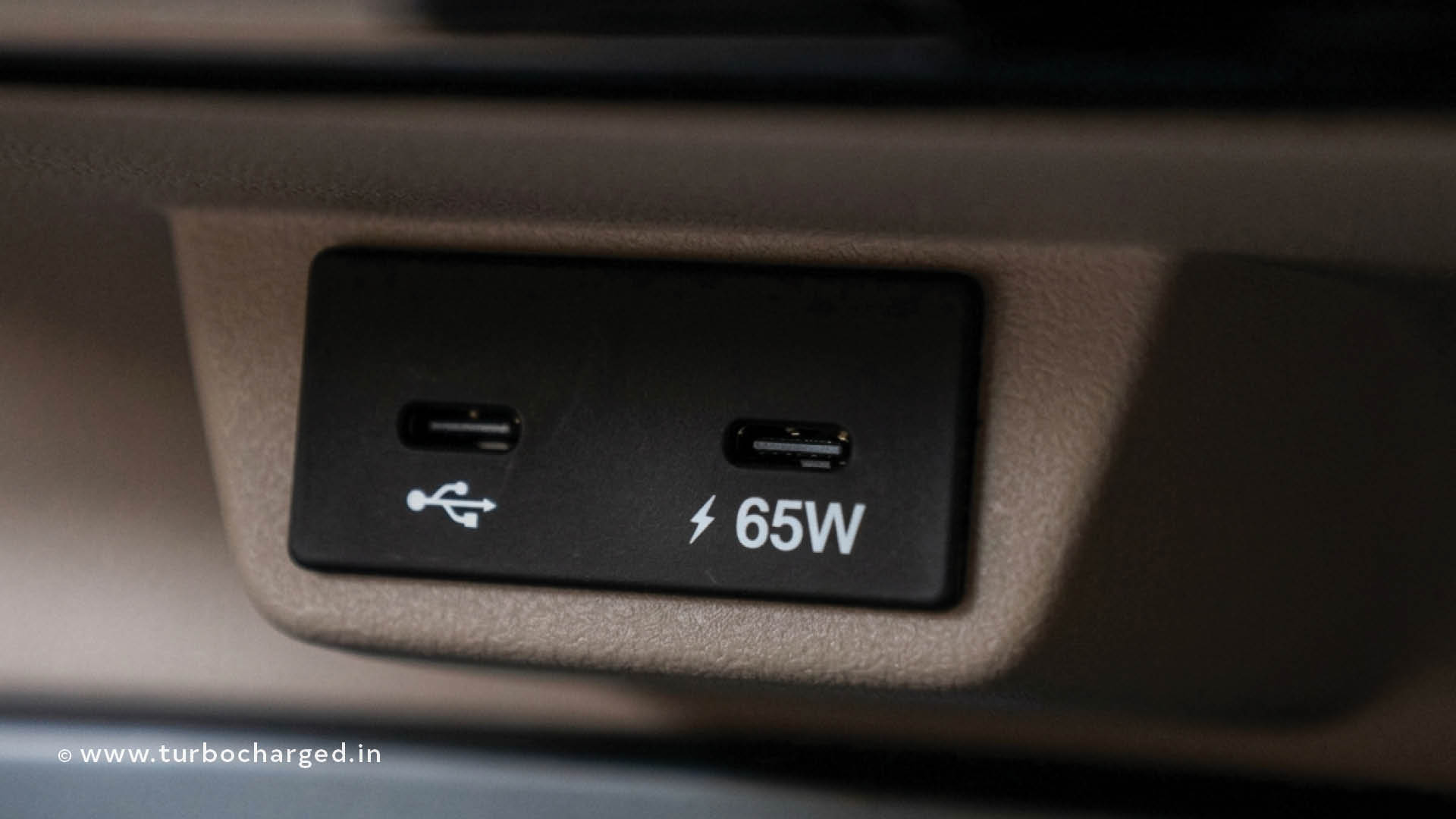
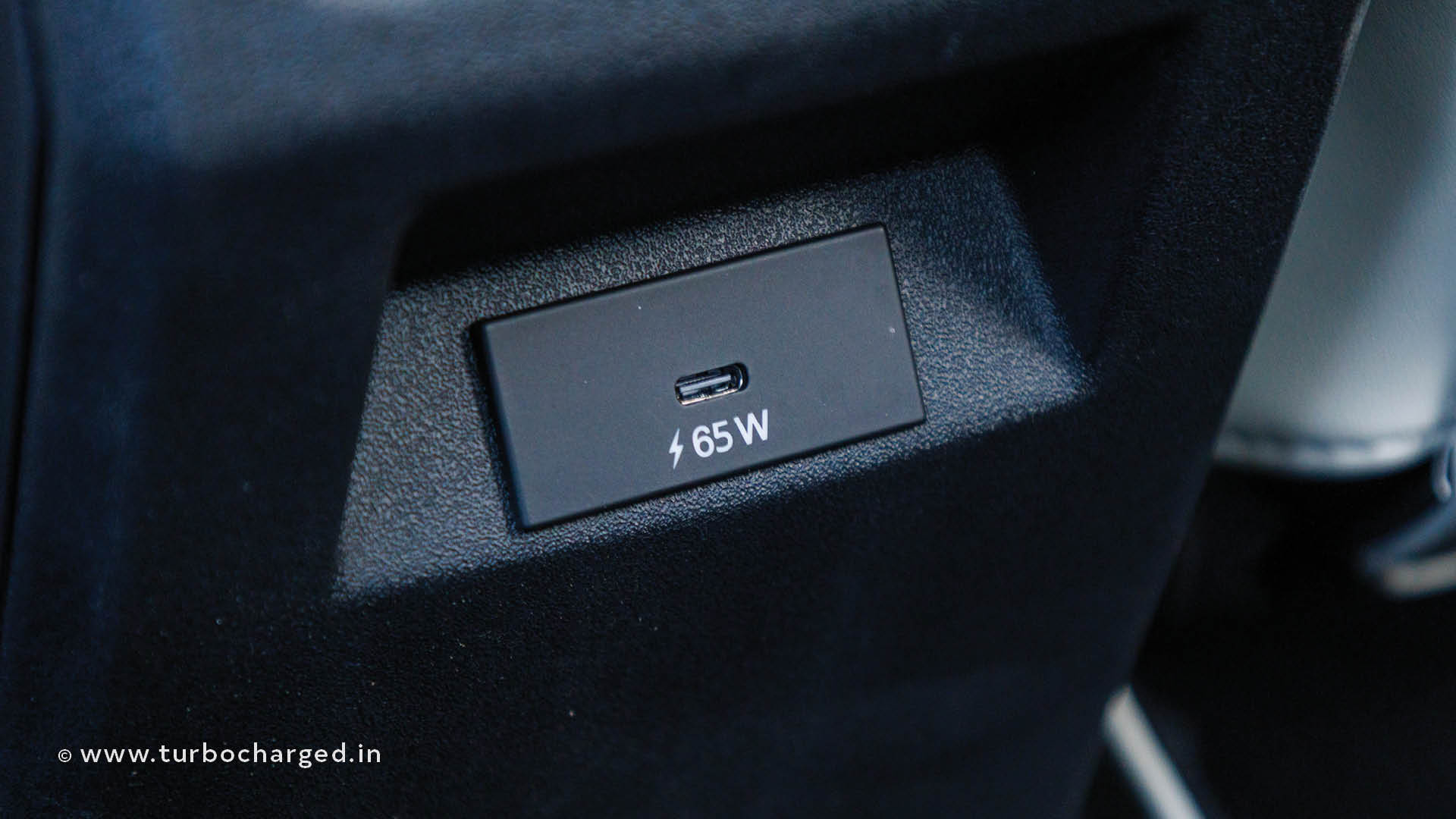
The light colours inside offer a cheery feel and the surface finishes and fit-finish levels impress. The dashboard looks nice too, and has two screens standing up on it. The steering wheel is straight off the Tiago too, and looks nice with its matte black finish. We only drove the AMT version, which gets a rotor now instead of the earlier stick selector, which has helped liberate more space in the centre console. You also get a wireless charging pad ahead of the rotor now, along with an additional phone pad, and both have a rubber base, ensuring your phone doesn’t slide around on the go. There are two cup holders as well, and a padded armrest which hides a reasonably-sized storage. Seats offer better cushioning, improved under-thigh support and better overall comfort too, which is a score, besides which front seats are ventilated too, and higher variants also get adjustable headrests. Rear passengers get air-conditioning vents and a 65W Type-C USB charging port as well, so clearly there’s been a strong emphasis on sprucing up the cabin to offer a modern, well-equipped feel.
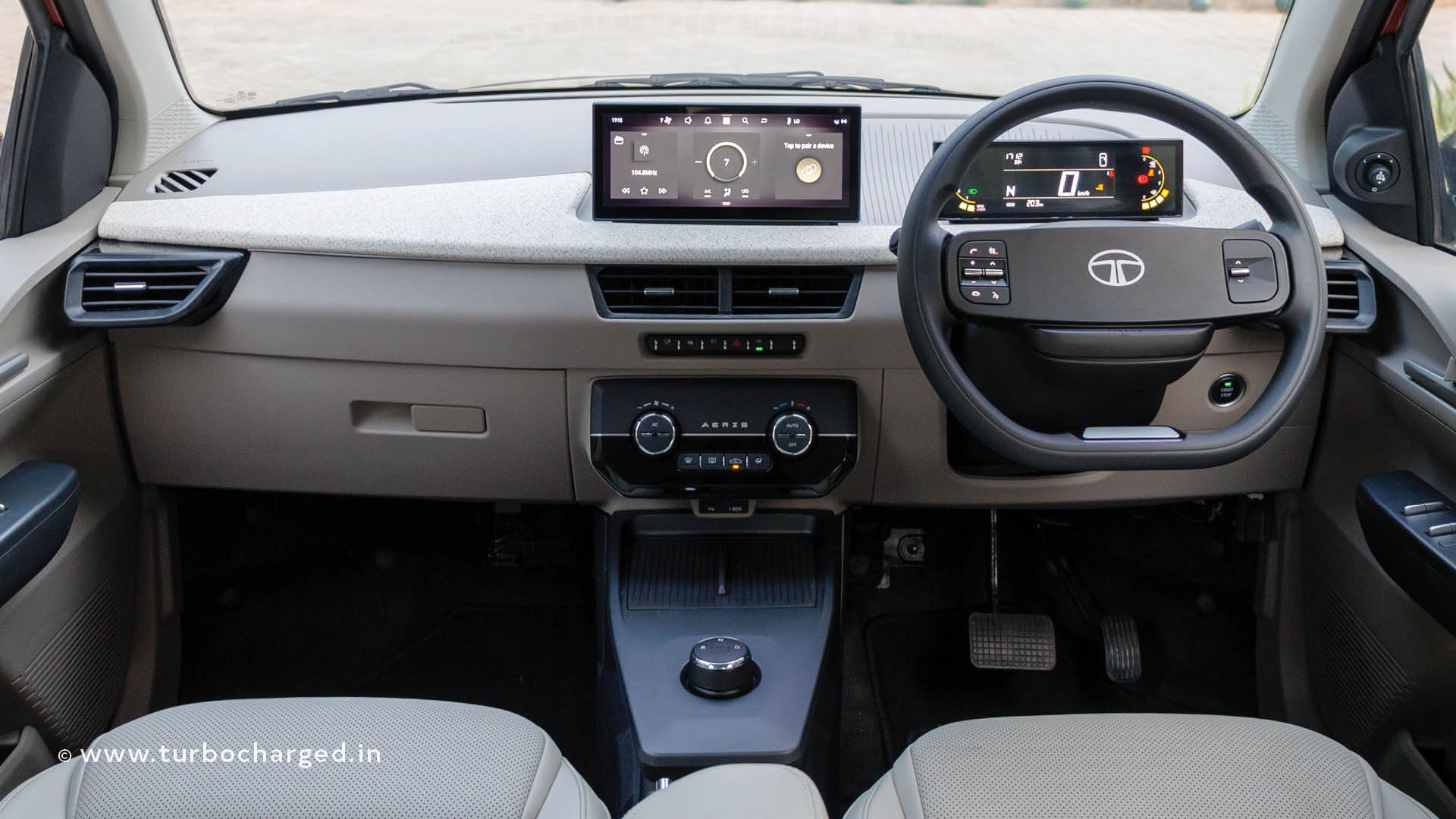
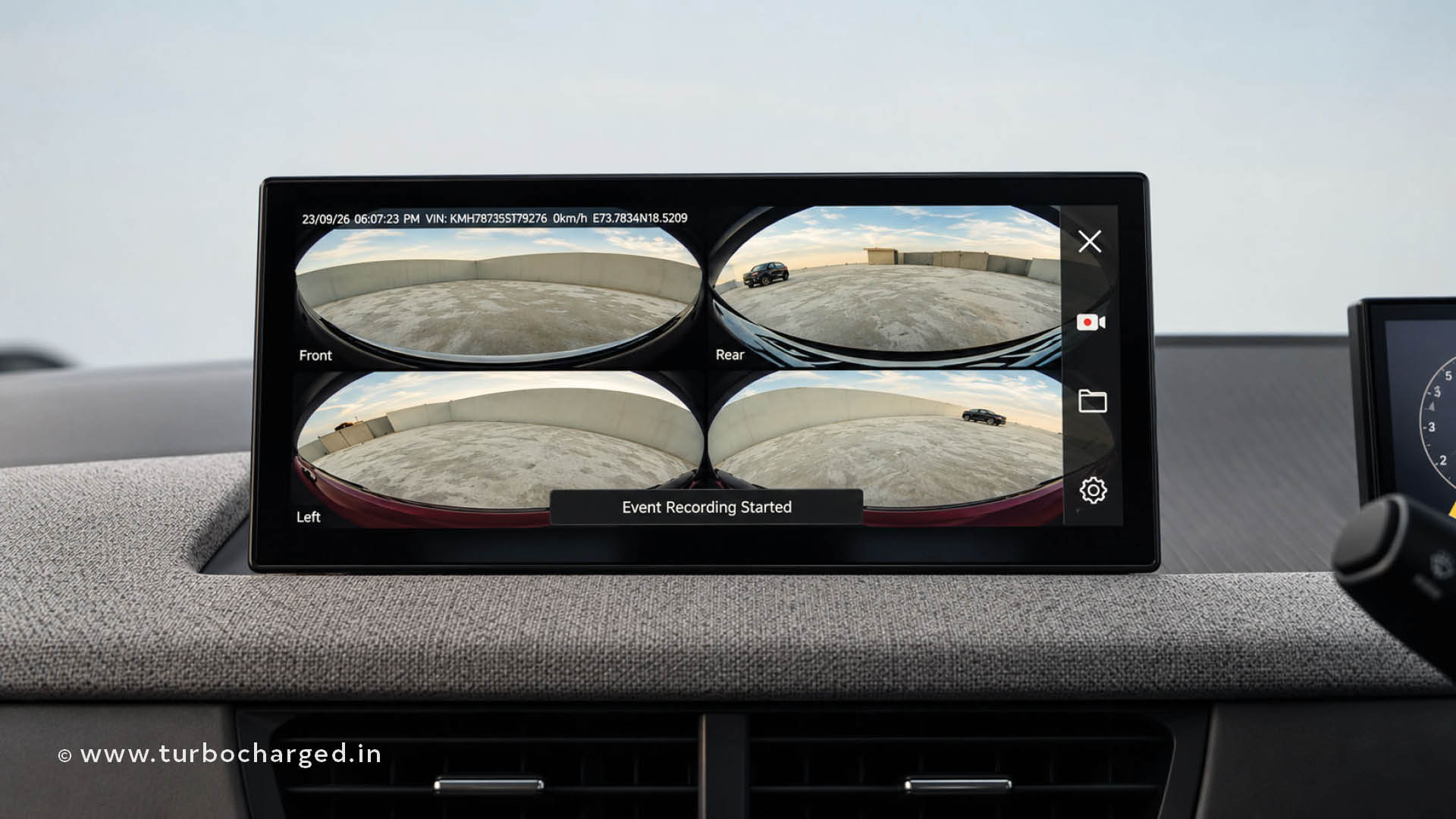
Boot space is decent at best in isolation, but at the same time, far better than rivals thanks to the dual underbody tanks and also the 13-inch spare wheel mounted under the body, which means you can store a couple of backpacks and a small travel bag easily. On the features front, besides the ventilated front seats and fast-charging Type-C USB ports, you get the same 10.25-inch touchscreen as before which looks crisp and bright, along with the same semi-digital instrument cluster unit as the updated Tiago. I for one like the driver display for its simplicity and ease of viewing information, though opinions could be divided. A big addition is the DashCam Recorder function – you now get a 360-degree view courtesy of external cameras all around, which besides helping you while parking also record everything around the car.
The recorded videos are stored on a 4GB internal memory but you also get the option to use an external USB drive for additional storage space, and you can view the recordings on the screen itself, or download them onto a pen drive or even scan a QR code to view them on your phone. Besides being a segment first, this is a smart solution to a feature that’s becoming more of a need than a want given our traffic conditions. The Aeris is equipped with a 4-speaker and 2-tweeter music system that plays crisp notes, but the audio system is a step down from the Tigor’s 4-speaker and 4-tweeter setup. Higher variants also get rain-sensing wipers, a rear defogger, TPMS and ESP with traction control on the safety front.
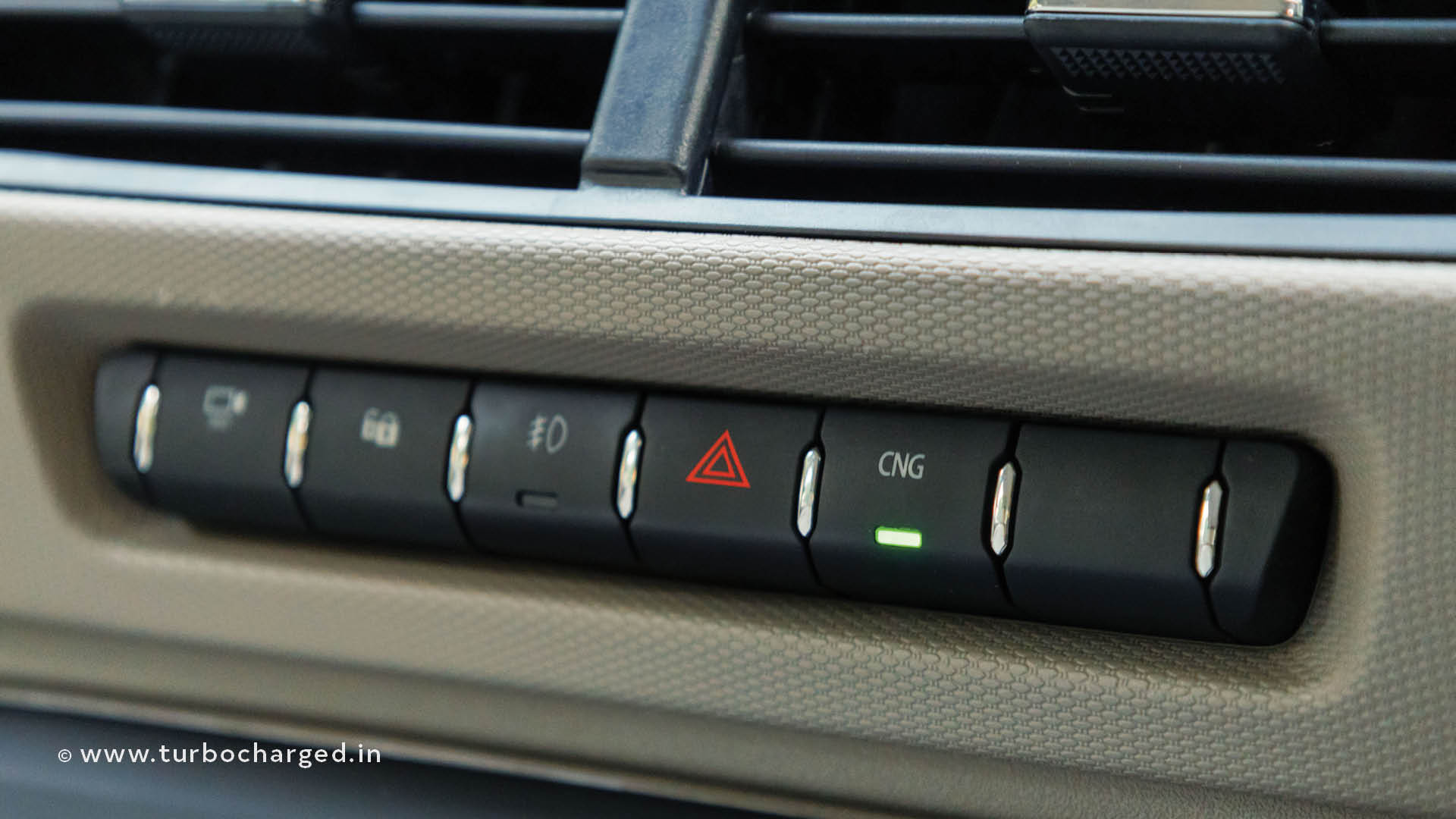
The Aeris iCNG continues to use the same 1.2-litre, three-cylinder naturally aspirated petrol engine as the Tigor did, and the engine offers a reasonable 76PS and 97Nm in CNG guise. The engine can be mated to a 5-speed manual gearbox or a 5-speed AMT, with paddle shifters. The Aeris is the only car on sale across segments to offer a CNG with paddle shifters in the AMT version, which is what we got to drive. Acceleration is decent at best and in CNG mode the powertrain is best-suited to driving in city traffic. Effectively, the Aeris iCNG does impress with its performance in urban conditions, but faster overtakes require a bit of planning in CNG mode. That said, a single touch of a physical button on the dashboard lets you switch from CNG to petrol and vice versa, just like in the Tiago. The paddle shifters help matters too and if anything, they added to my enthusiasm, though of course, you need to adjust your driving style to the transmission consciously considering the noticeable lag in gear changes that AMTs are known for.
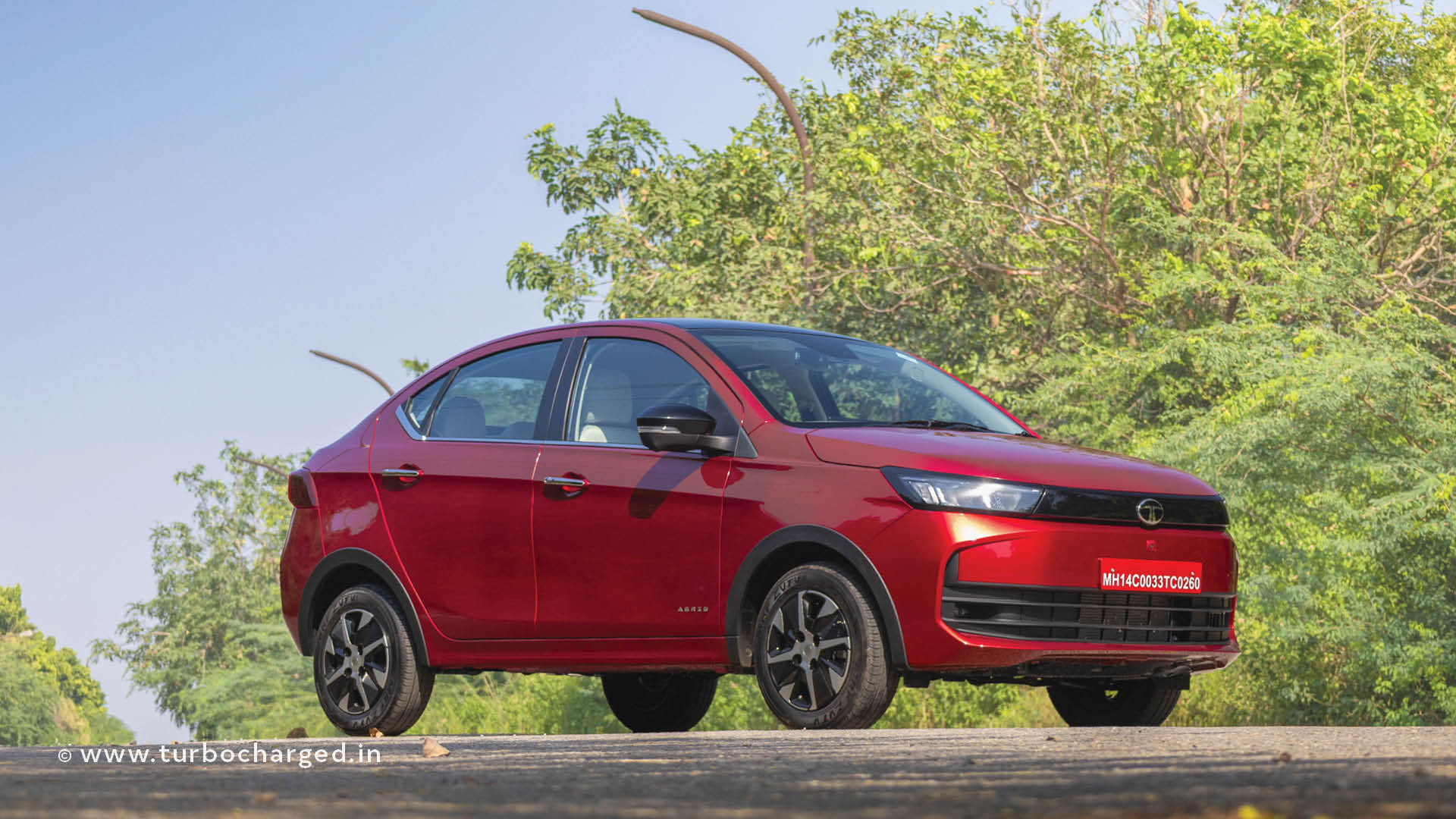
The CNG powertrain starts running out of breath quickly on open roads and highways and while it has no trouble getting to triple-digit speeds, the car does take time to build speed. Engine noise is also more audible at higher revs, though engine refinement is pretty good. One of the biggest strengths of the Aeris though is its ride quality. We’ve always liked the Tigor for its plush ride and the Aeris continues that trend as the suspension soaks up ruts and potholes and undulations on the highway easily. Ground clearance is excellent for a sedan too and the Aeris felt perfectly at home crossing some of the highest speed breakers I encountered. There’s a composed feel at highway speeds too, and steering feedback could be slightly better, but most buyers shouldn’t really feel the need for it and effectively, the Aeris does not let down on the handling front either, given its positioning and the segment it sits in.
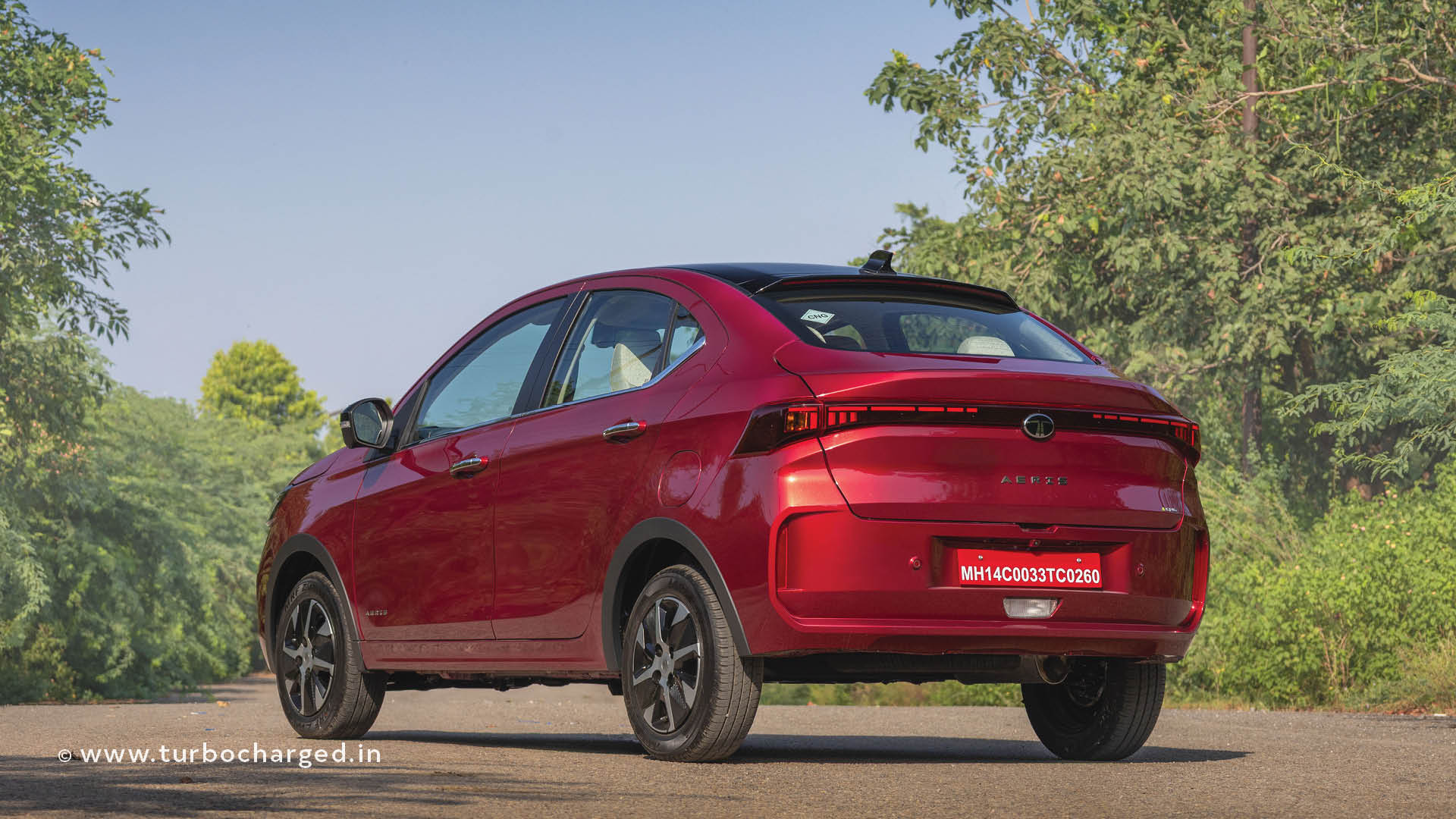
Overall, the Aeris iCNG comes across as a serious effort to offer more to the value-conscious CNG buyer. At the same time, let’s also not forget the Aeris is Tata Motors’ only sedan on sale and this car is a clear hint that the manufacturer has not having given up on the body style! Prices for the Aeris iCNG version begin from ₹5.70 lakh and go up to ₹9.10 lakh ex-showroom. That said, if you are looking for more features you will have to shell out more, but admittedly, the Aeris iCNG has a lot going for it as an ideal everyday car, especially thanks to the underbody CNG tanks and also the convenience of an AMT with paddle shifters. Its packaging thus gives the Aeris iCNG an edge over its rivals like the Maruti Suzuki DZire and Hyundai Aura both, especially since the car now ticks more boxes than before, while feeling more premium.
Words Abhay Verma
Photography Tanmay Vartak