

Škoda says sedans are important to its heritage and brand identity, and thus has always offered a sedan in one form or the other in India. In point of fact, the Czech manufacturer entered the Indian market with the Octavia sedan (okay, it was a notchback, but it still presented as a sedan, for all you pedants out there). The Slavia has been the torchbearer for Škoda’s sedan brigade since 2022, and the time has come for a mid-cycle facelift, which freshens up the car without losing what makes it one of the most popular cars in its class — the mid-sized executive sedan.
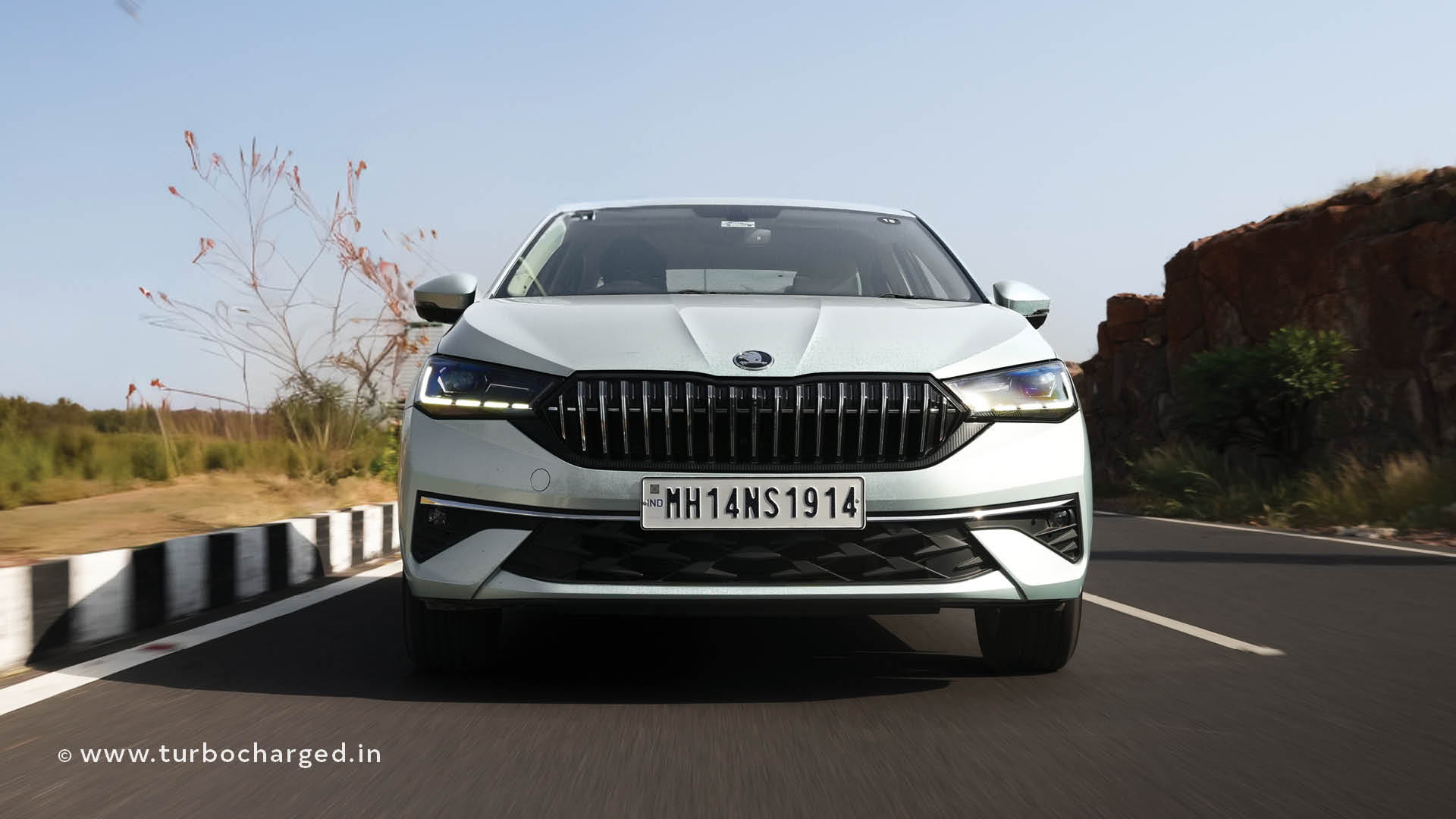
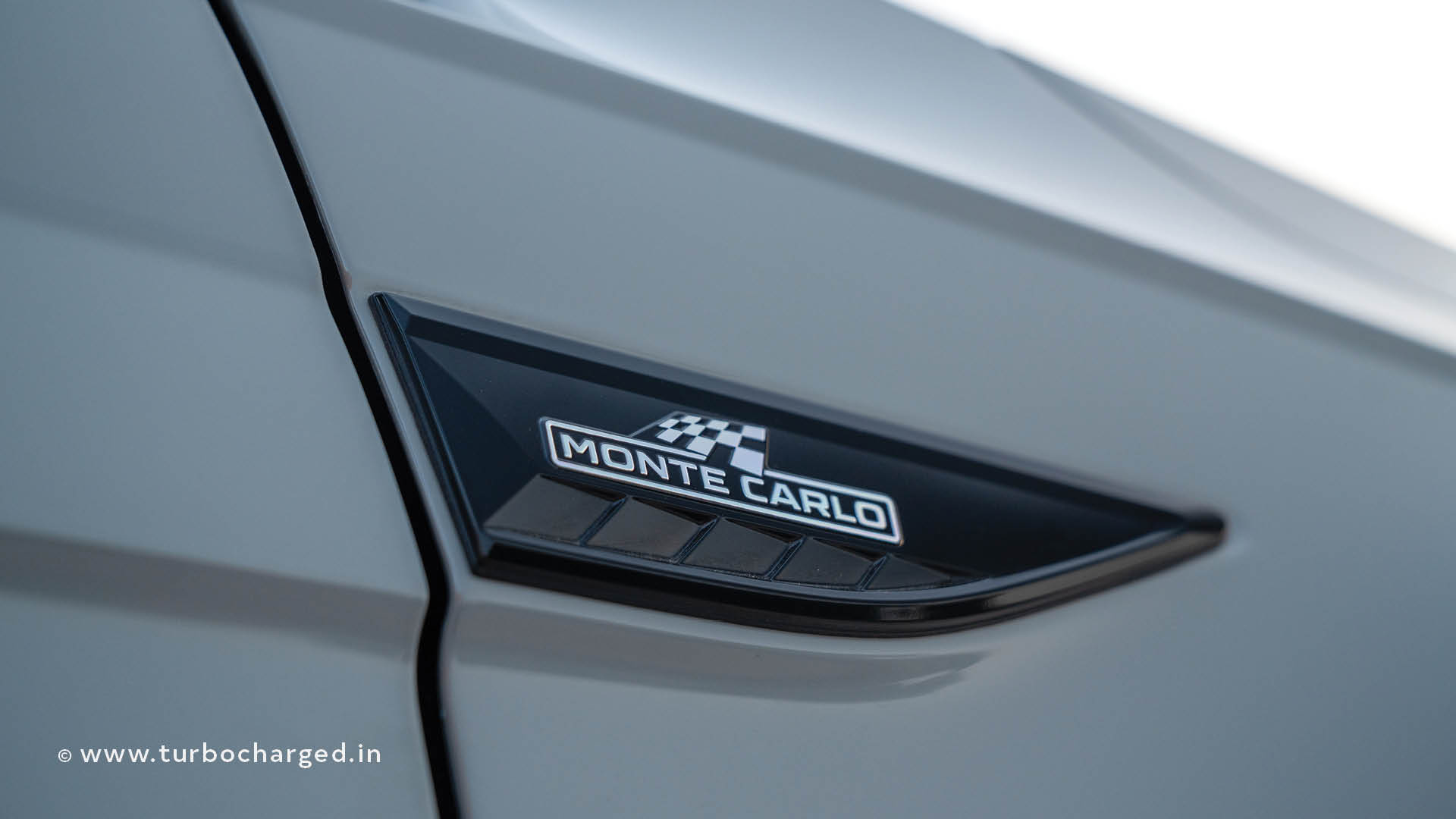
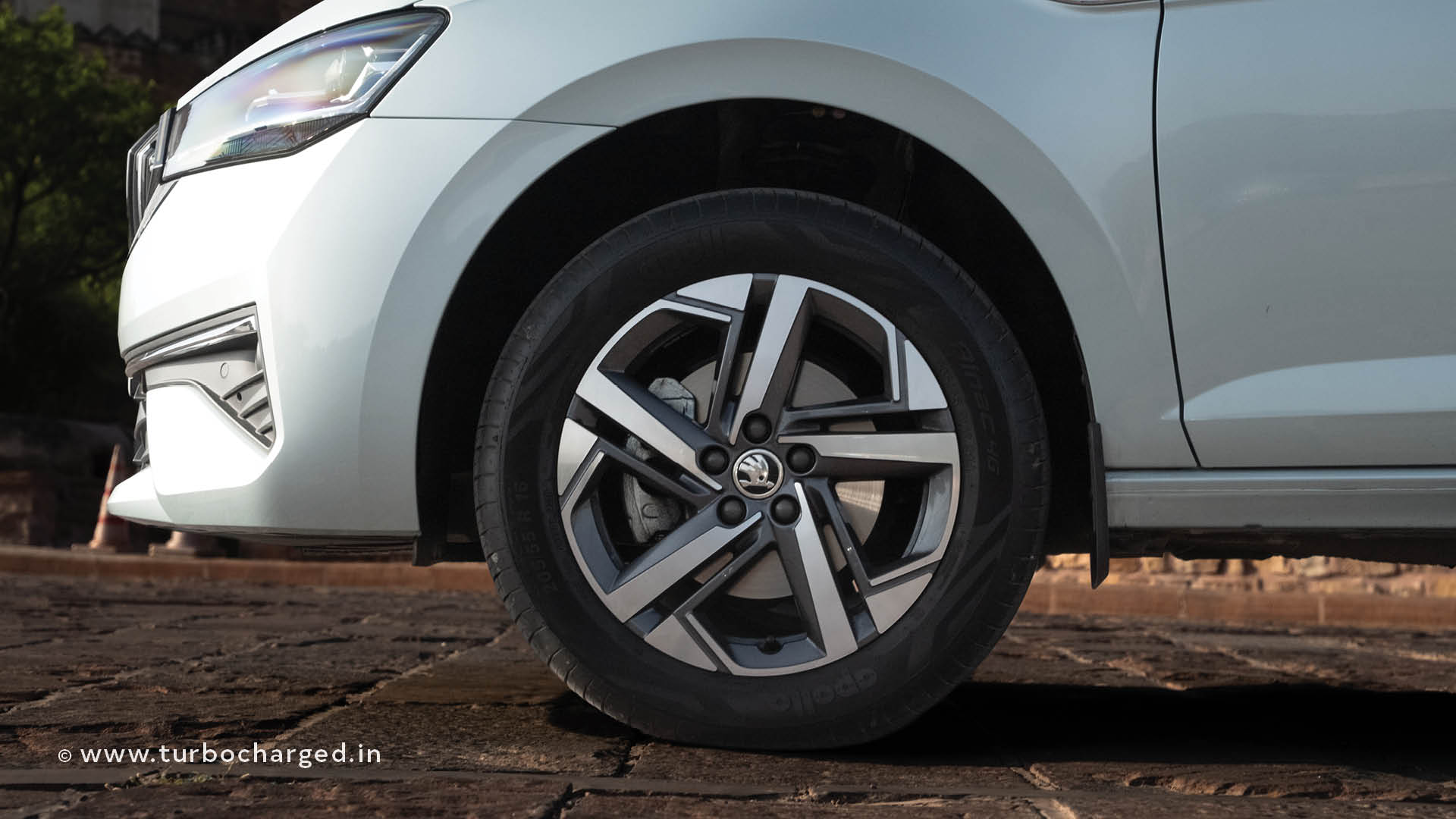
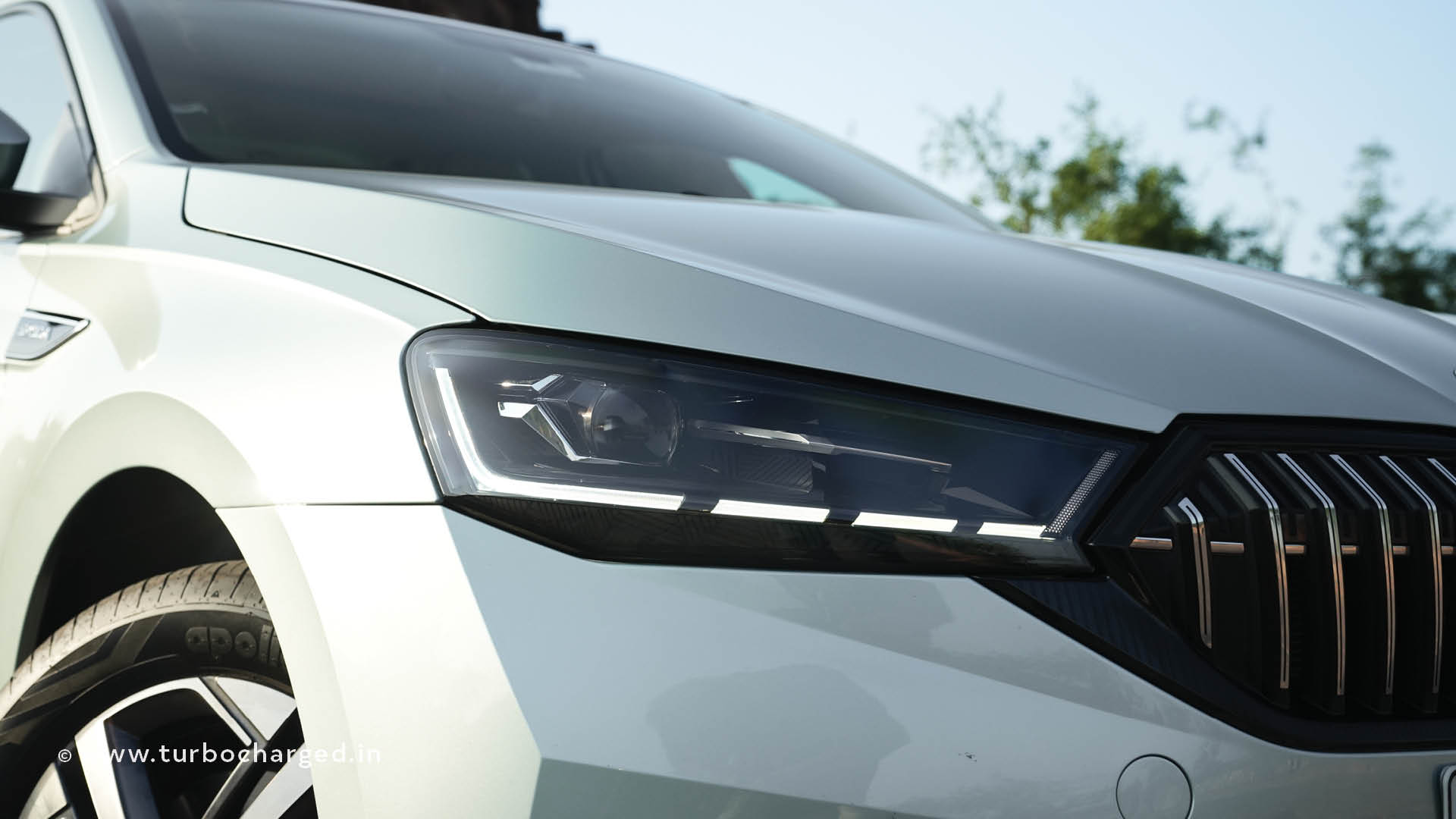
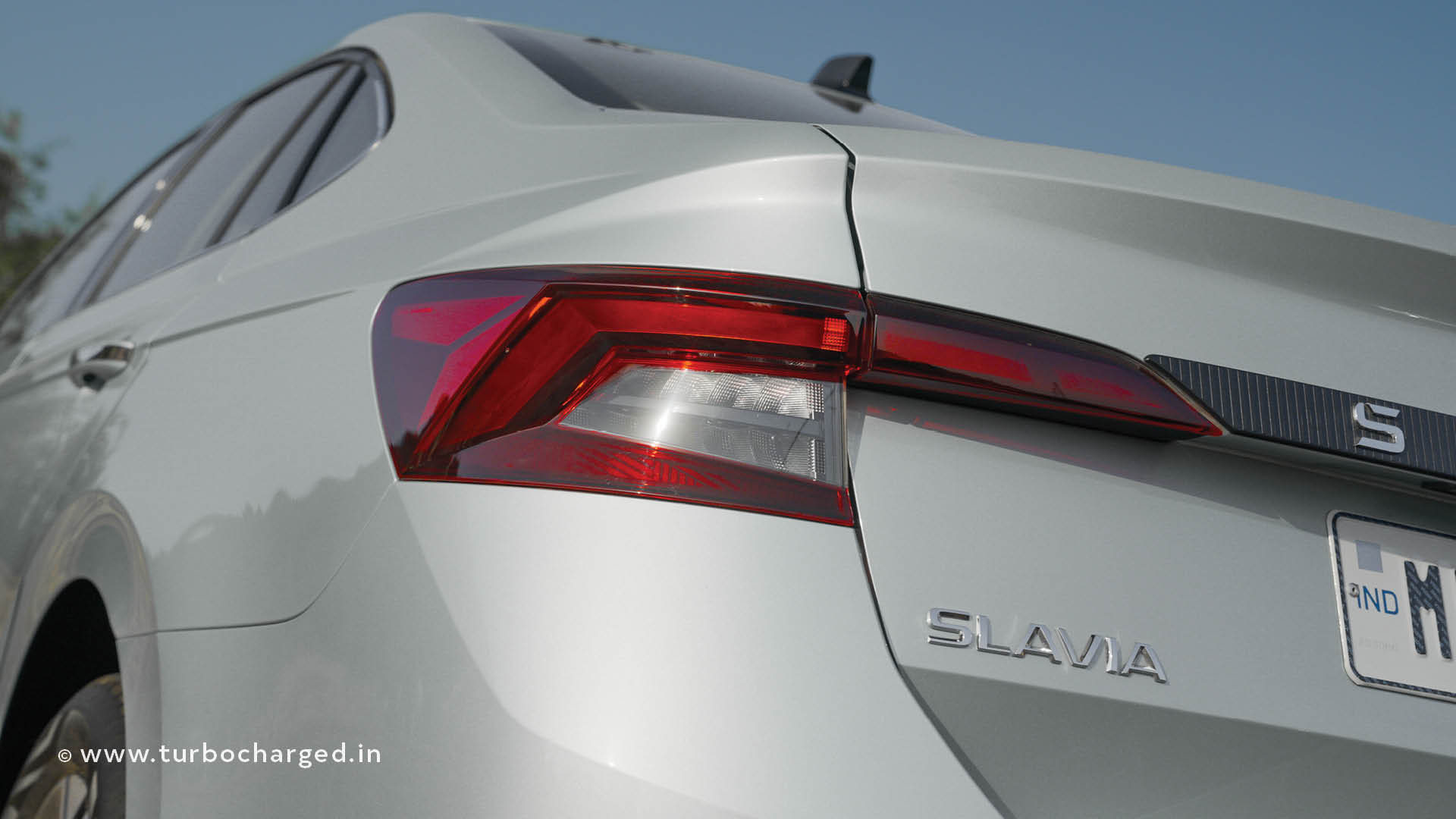
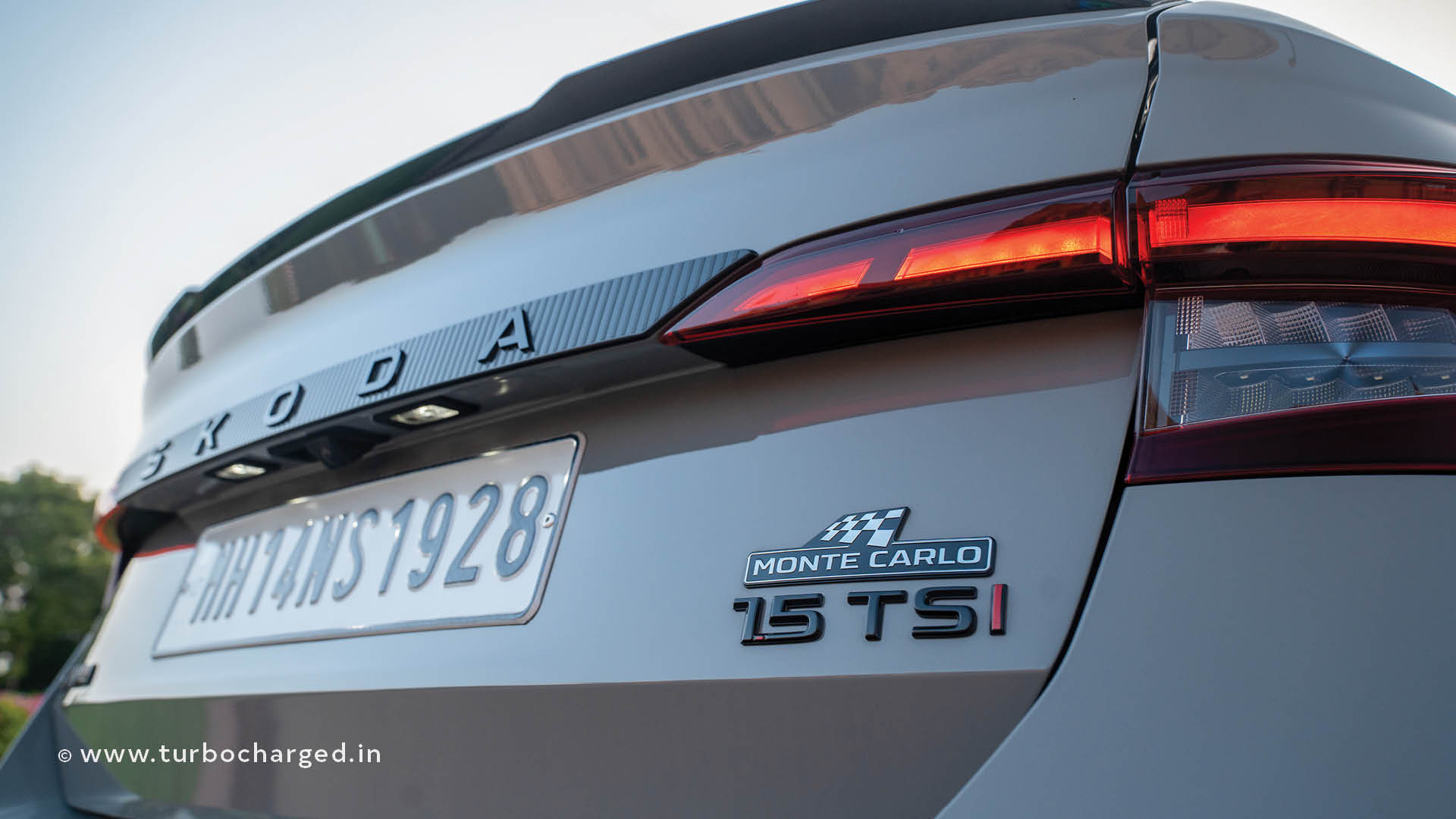
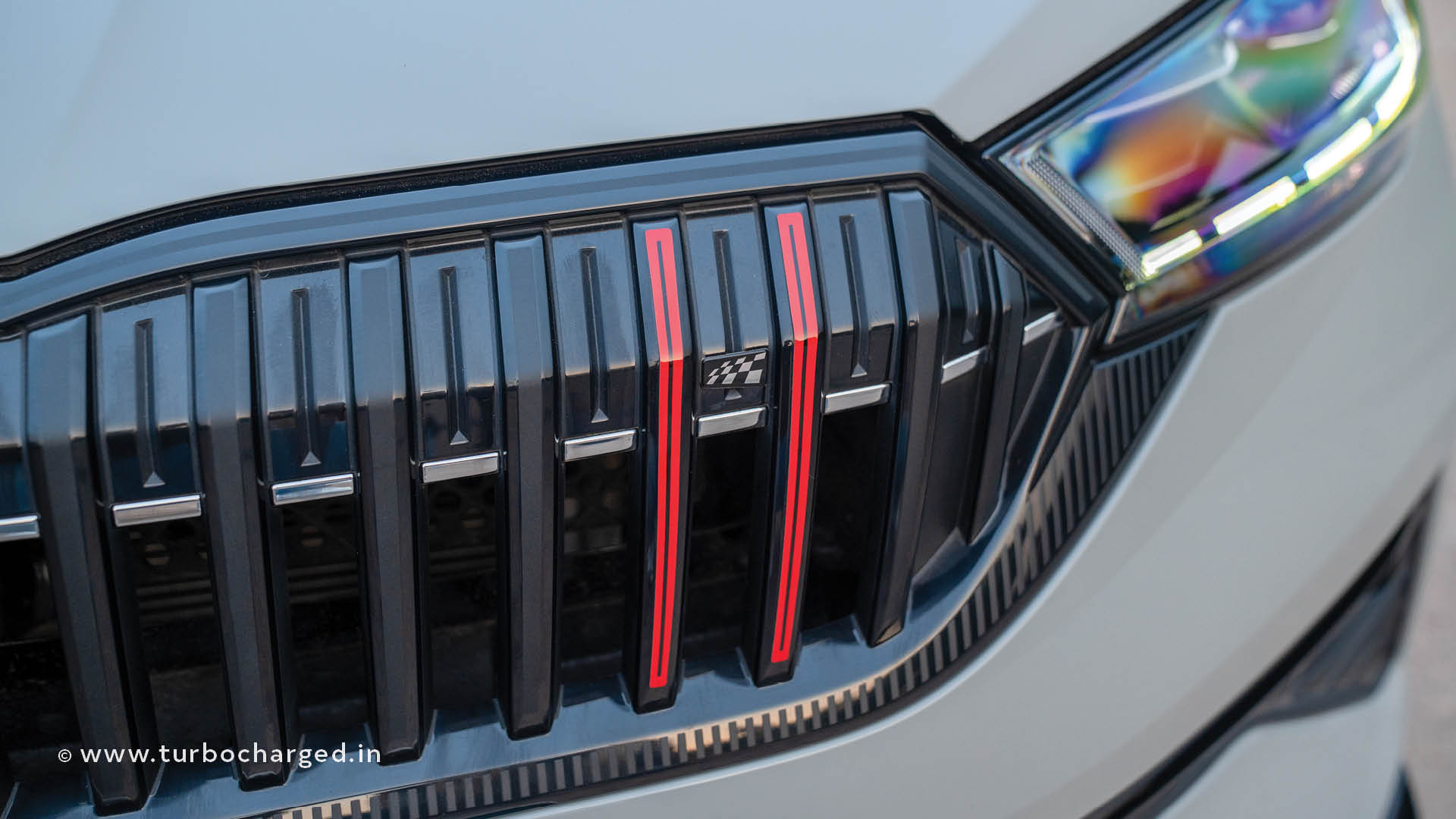
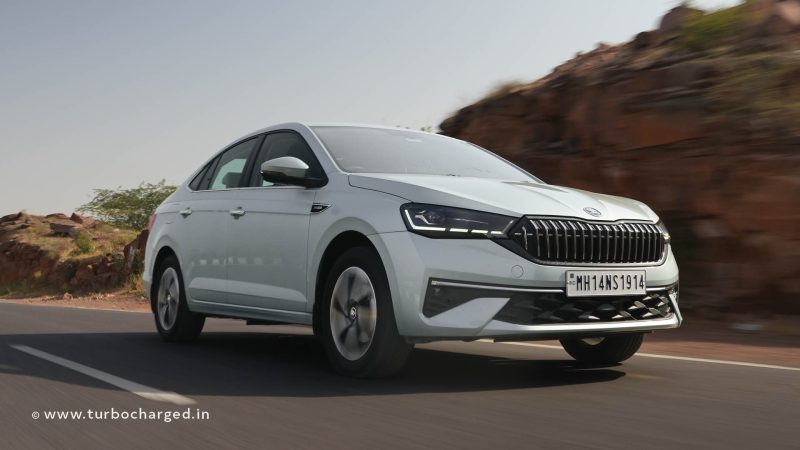
The first noticeable change is the bumpers, which get a revised design at the edges and a noticeably different air dam. The headlamps are now all-LED units, as are the fog lamps. The grille is revised too (and all-black on the Monte Carlo), and on the rear there are sequential LED turn indicators. Alloys are a new design too, which helps the new model distinguish itself from the older, pre-facelift one from the sides. Overall, the effect feels more premium, without going overboard, and the classic proportions lend the 2026 Škoda Slavia the same timeless elegance as Laurin and Klement envisioned all those years ago. Personally, I have always liked the Slavia’s lines, and while I would pick its German cousin in a heartbeat, there are aspects of the Slavia that made me question that decision — more on that later.
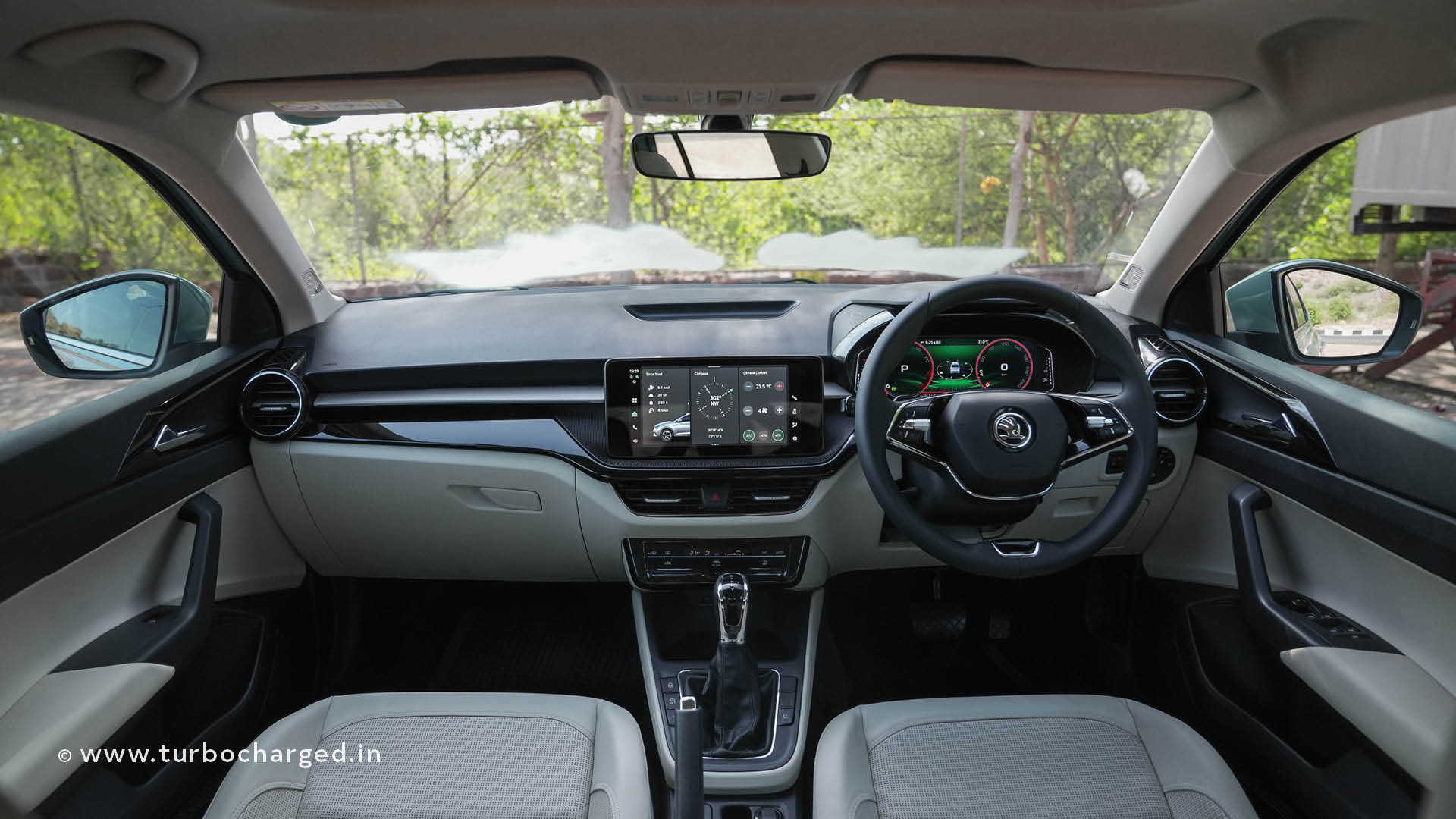
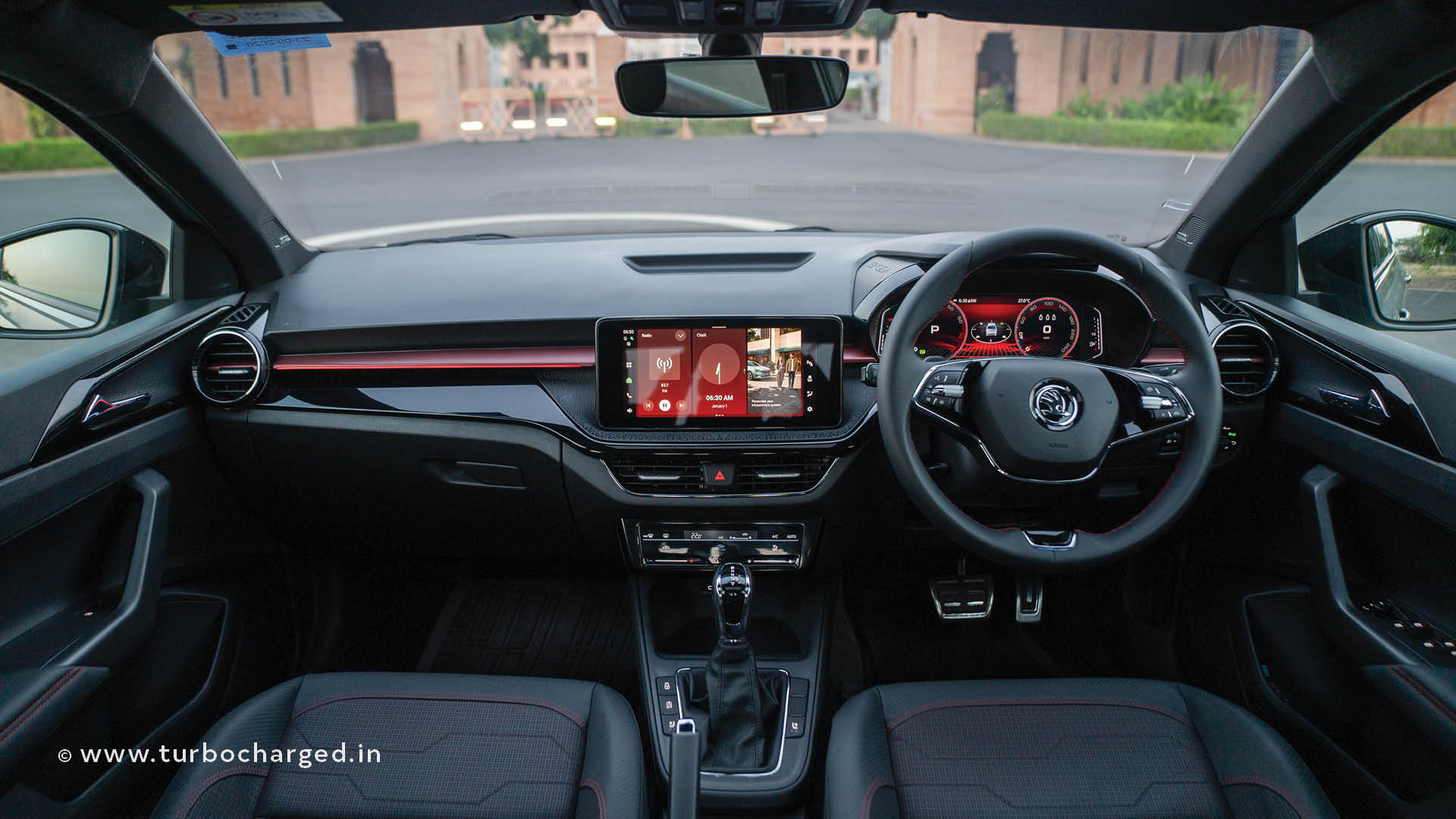
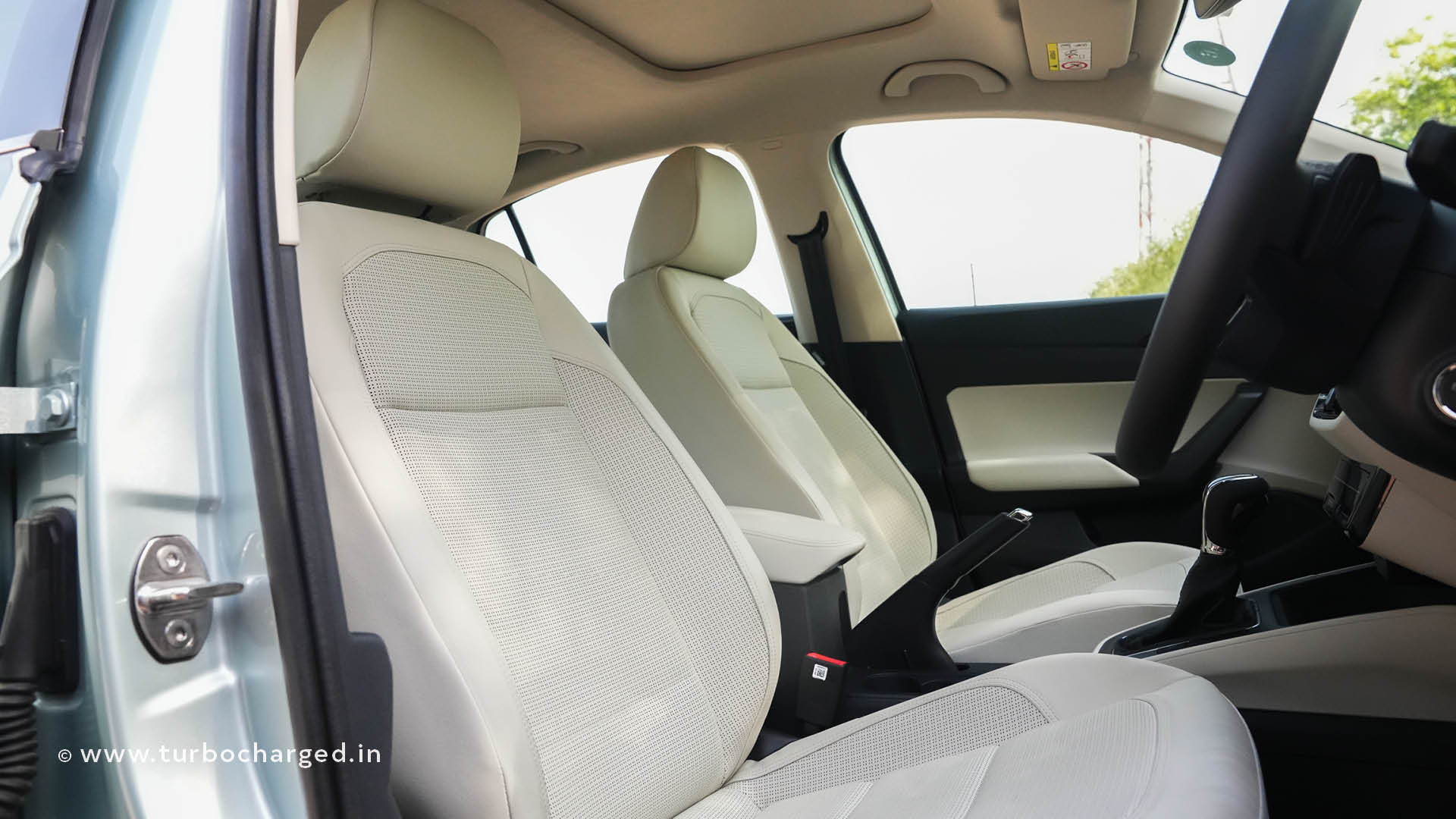
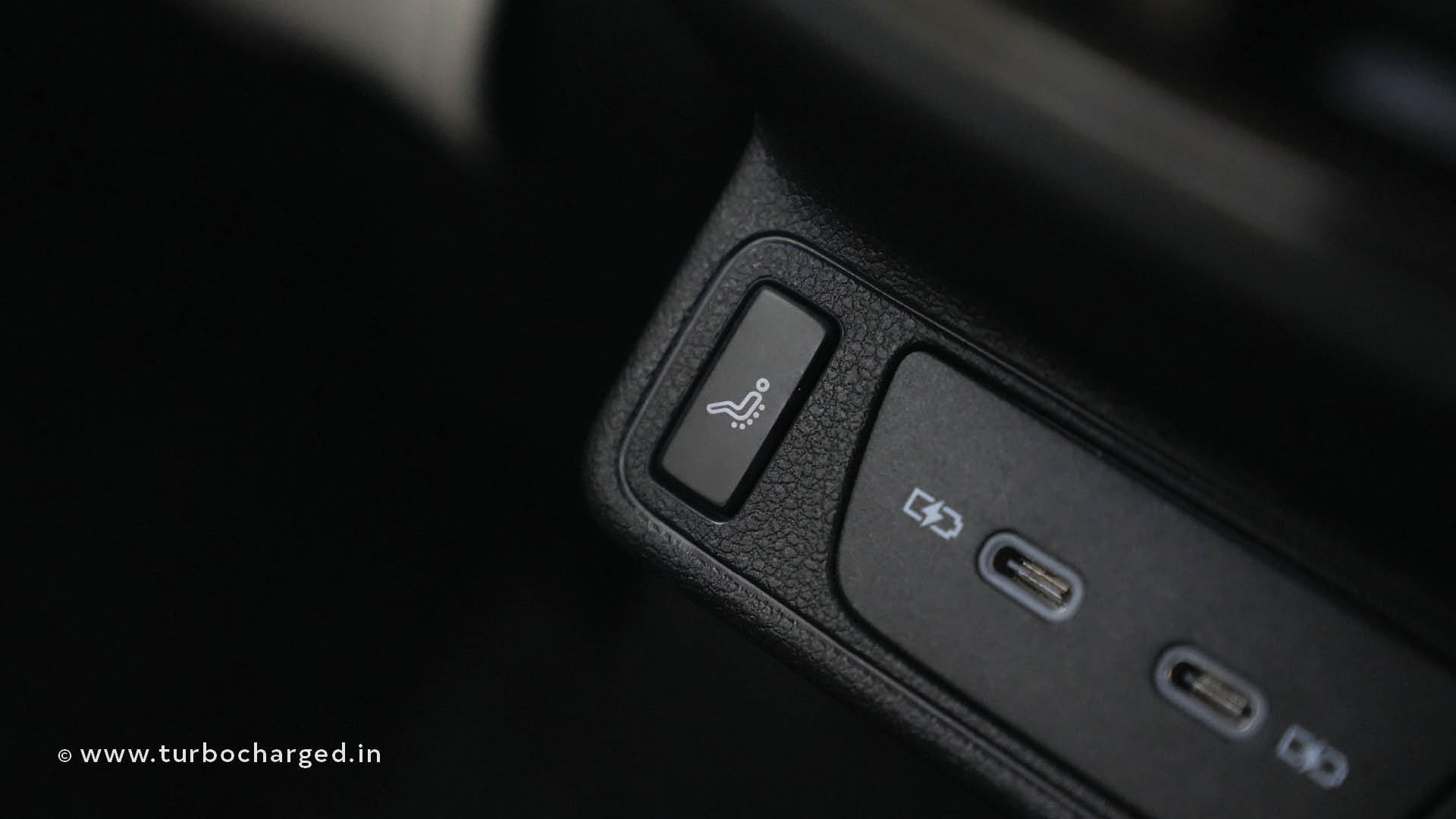
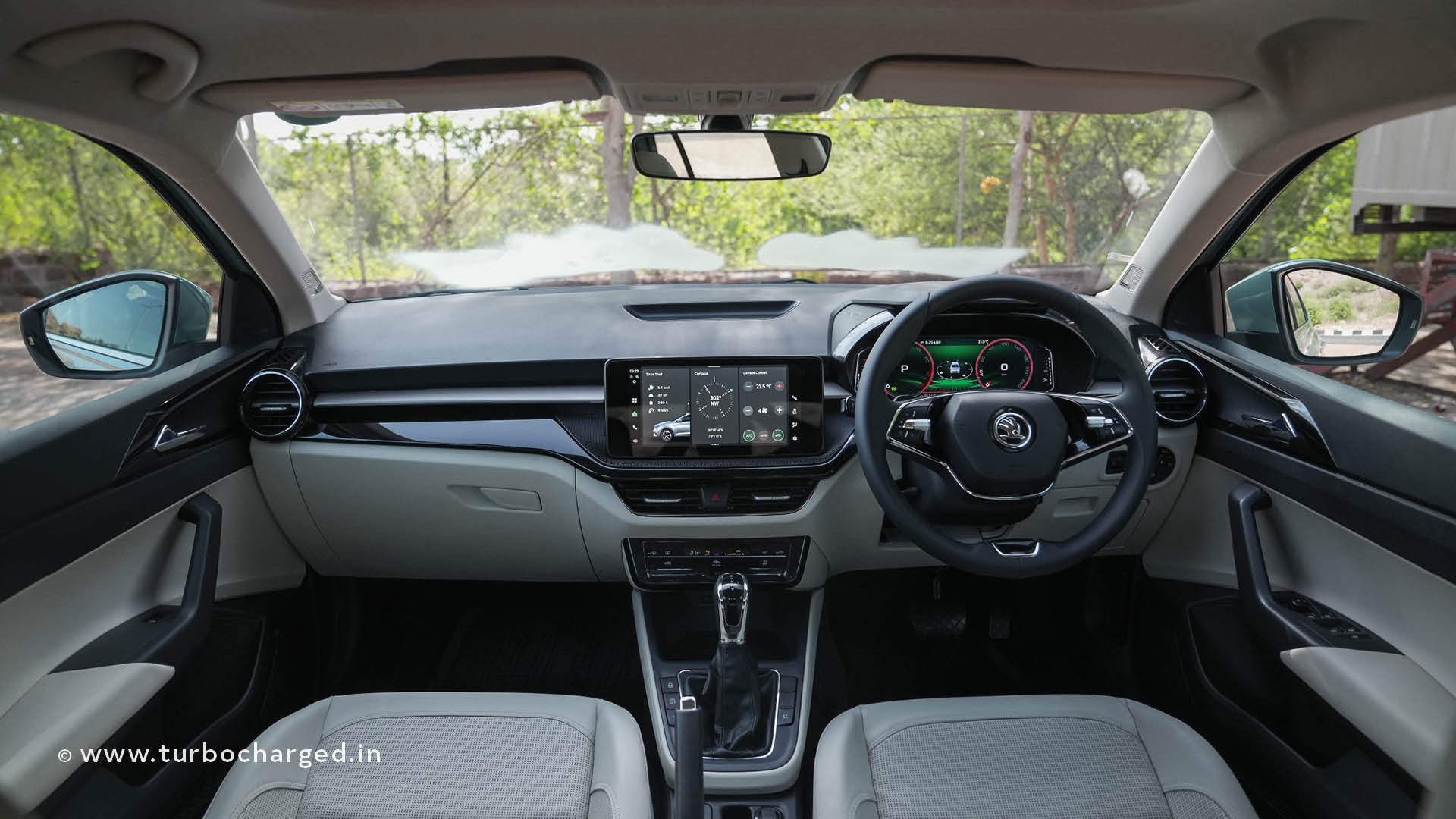
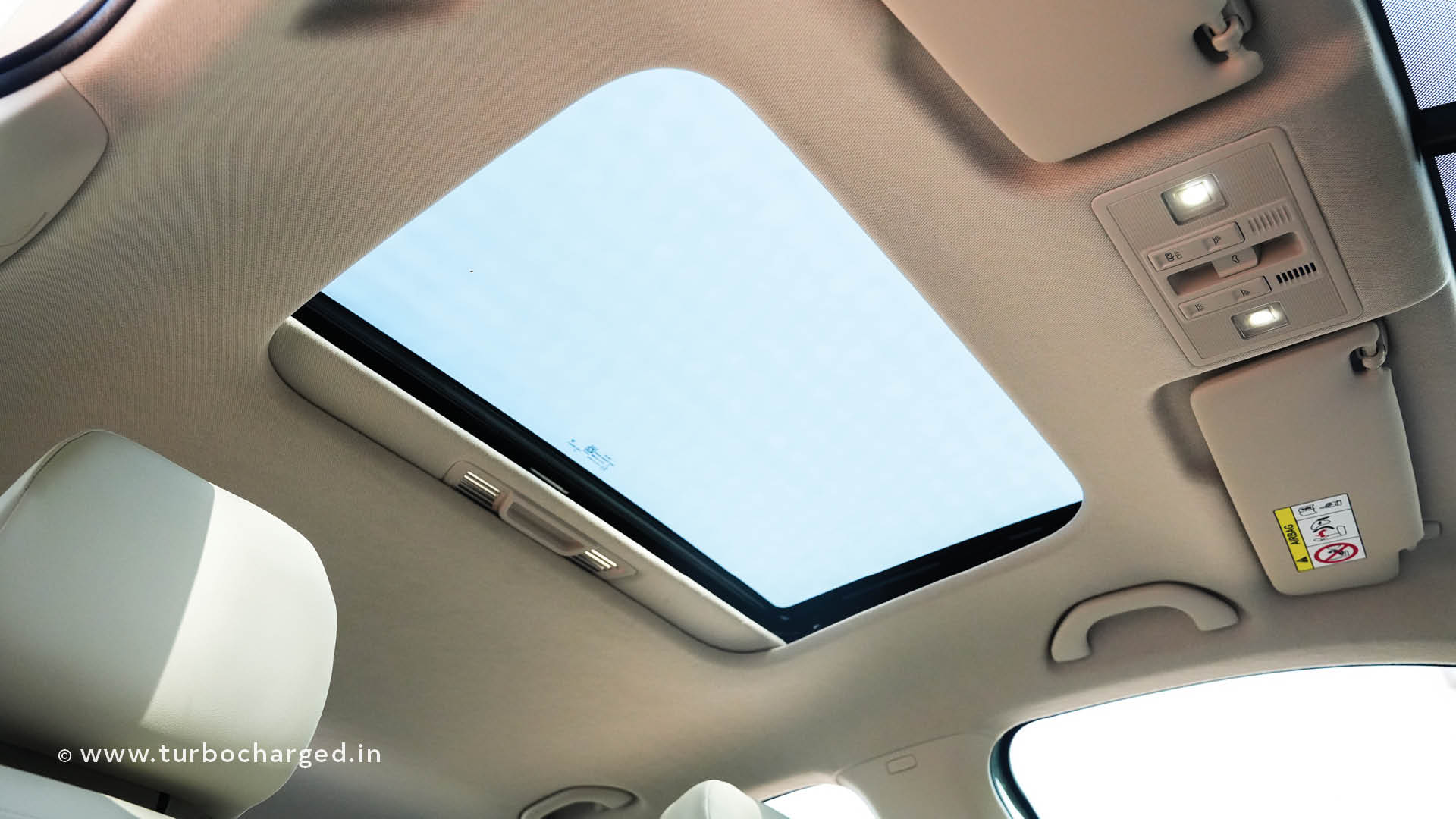
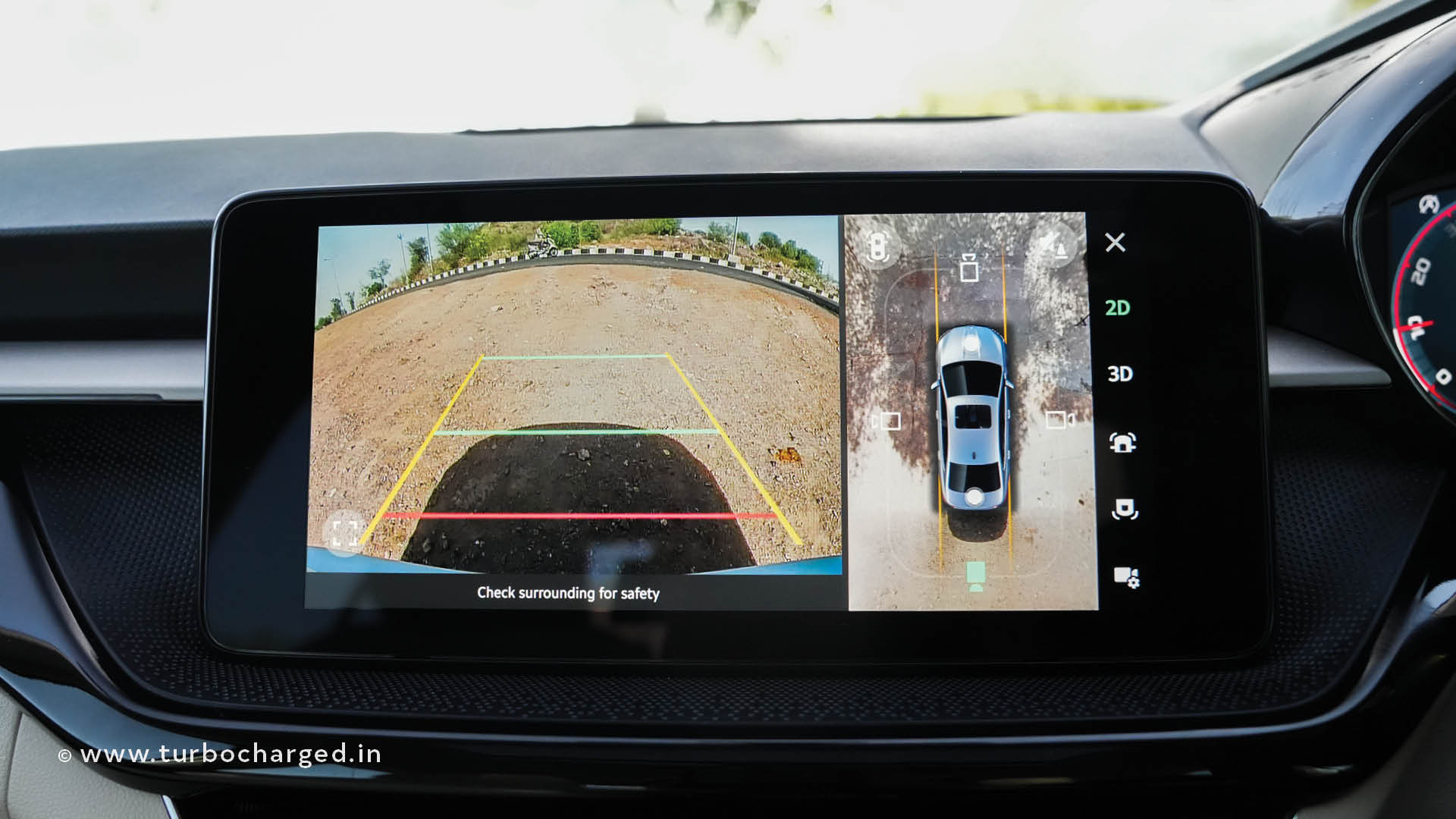
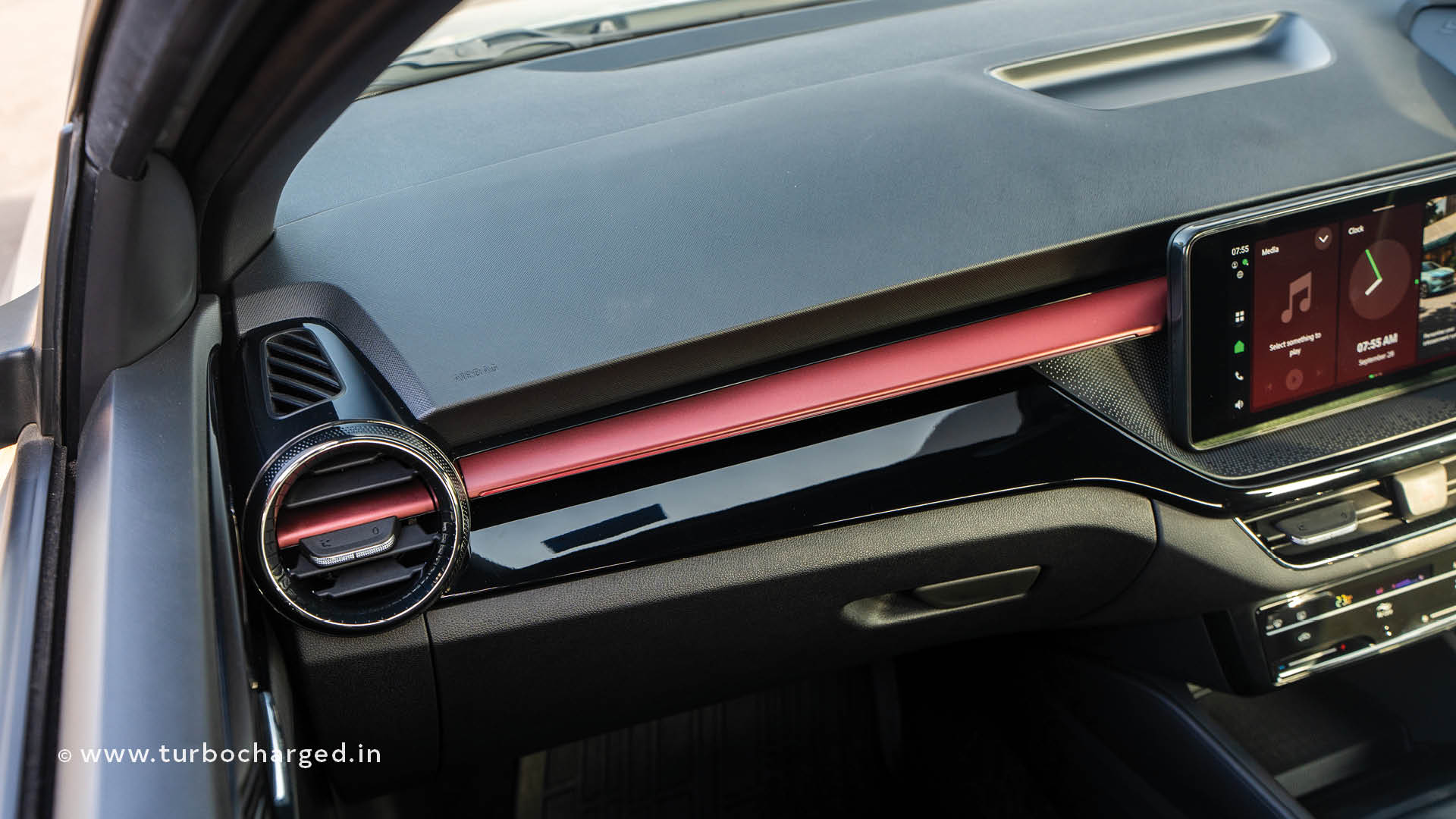
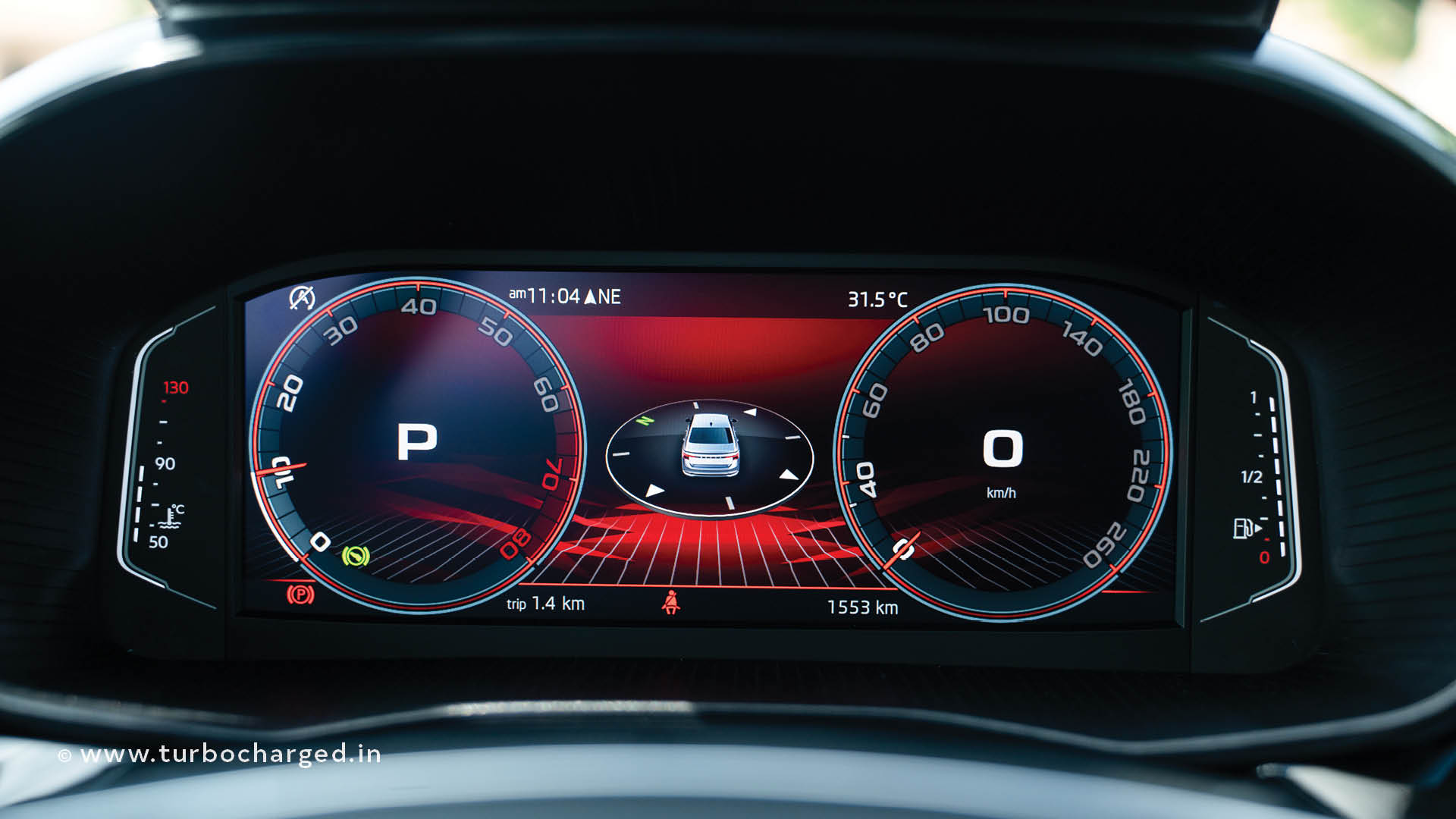
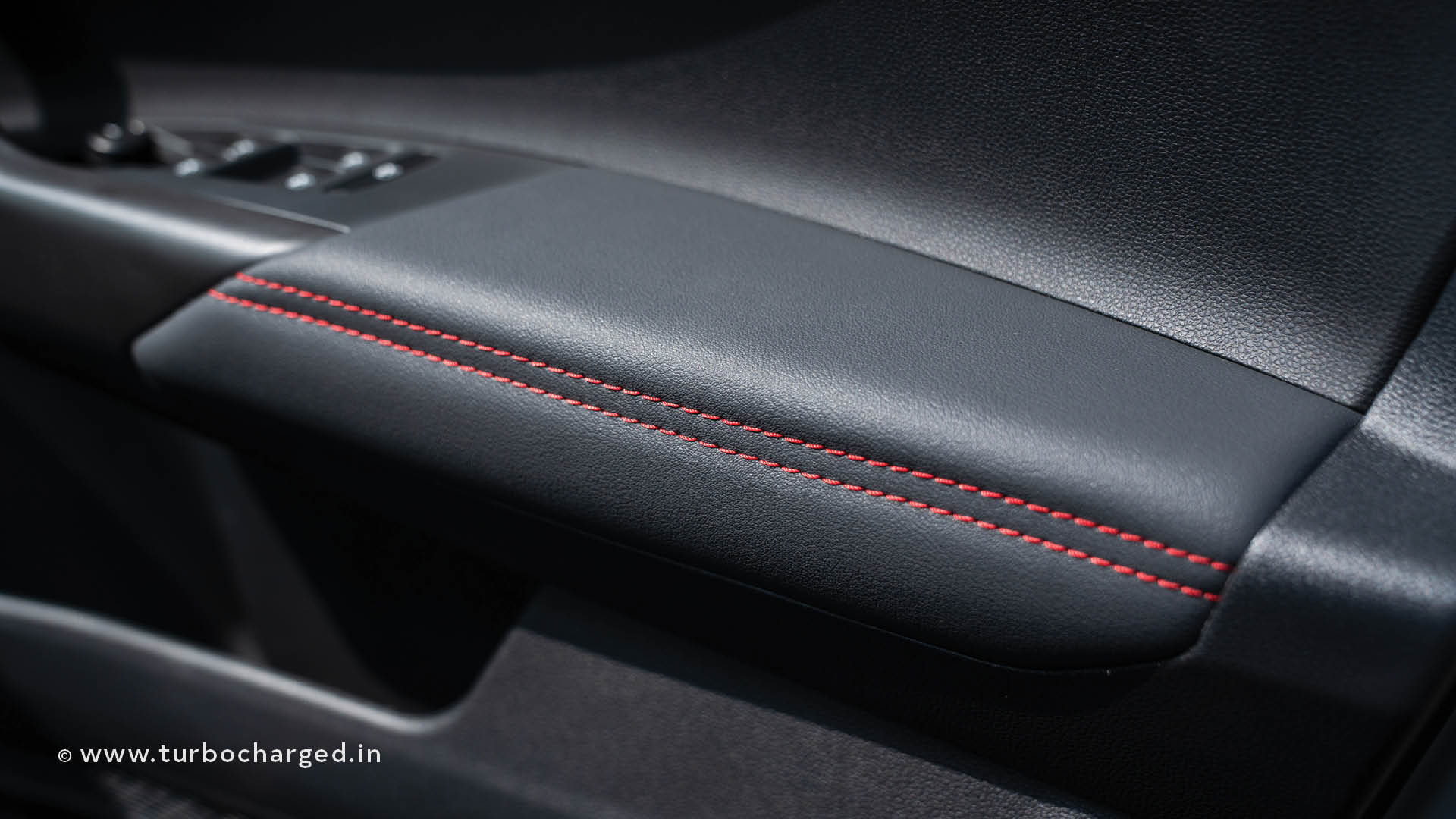
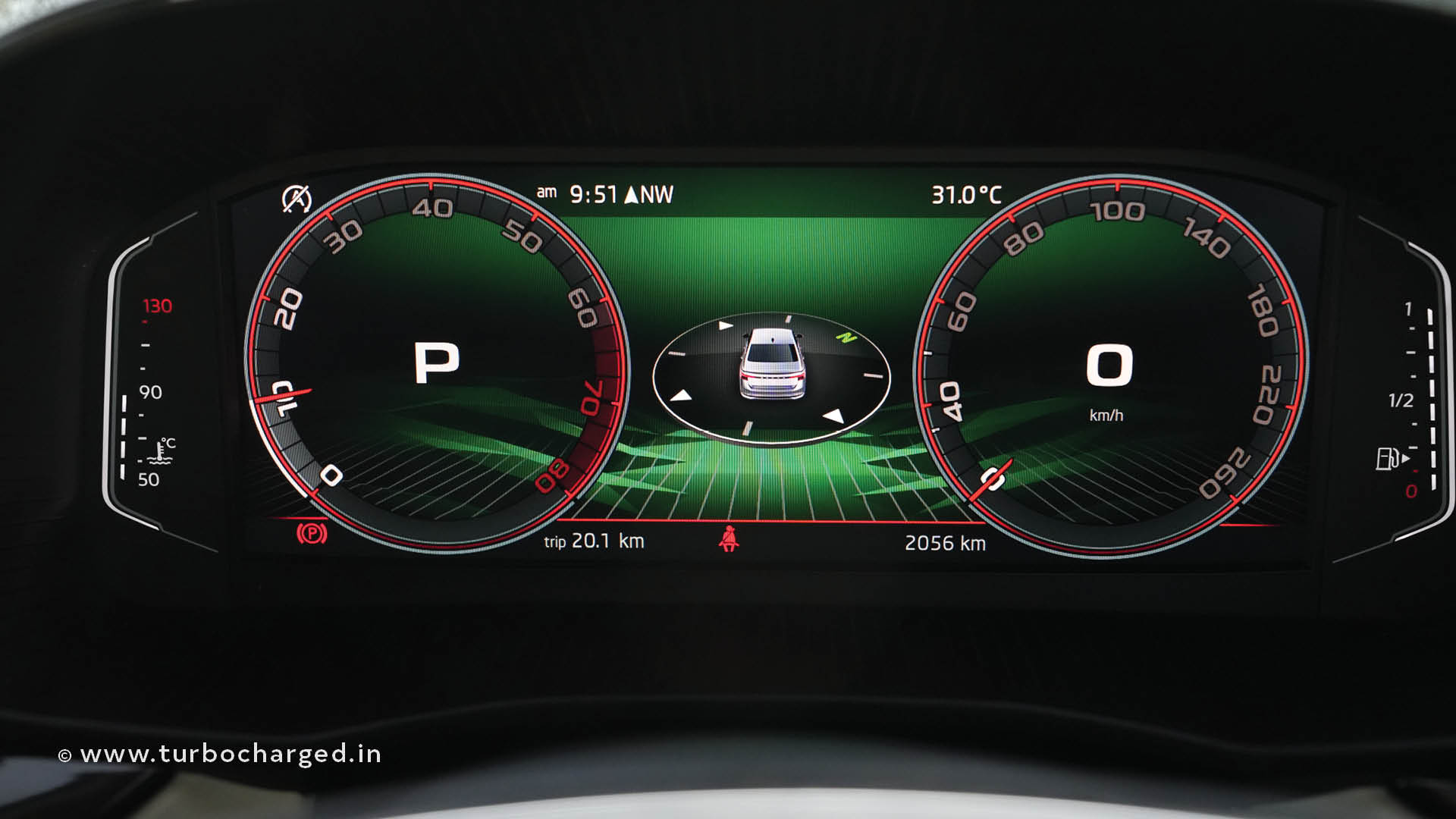
The interior is refreshed as well, and as long as you can keep it clean, the beige light-coloured interior is really pleasing to the eye and enlivens the cabin to a large degree, the rest being taken care of by the sunroof, available from the second trim upwards. While the sunroof itself is electrically operated, the shade for it is manual. Furthermore, the beige interior is offered in the Classic, Classic+, Signature, and Prestige trims, with the Sportline and Monte Carlo getting an all-black interior with red stitching. The 1.5 TSI gets an exclusive mode for the driver’s display; a 360-degree camera is offered in the top trims and Sportline; and the rear seat massager has been introduced for the Prestige and Monte Carlo trims. It is smart of Škoda to skip it on the front seats, as a large number of sedan customers in India are still chauffeur-driven, and this arrangement makes a lot of sense.
The other big news is the 8-speed automatic reaching the 1.0 TSI engine, which means the ratios are now much better spaced, and this results in improvement in both acceleration as well as fuel economy. There’s the option of a 6-speed manual too, and the 1.5 TSI continues with the 7-speed DSG. However, circling back to the 8-speed, the shifts are precise, and it holds onto gears longer when you want to engage the full potential of the 1.0 TSI.
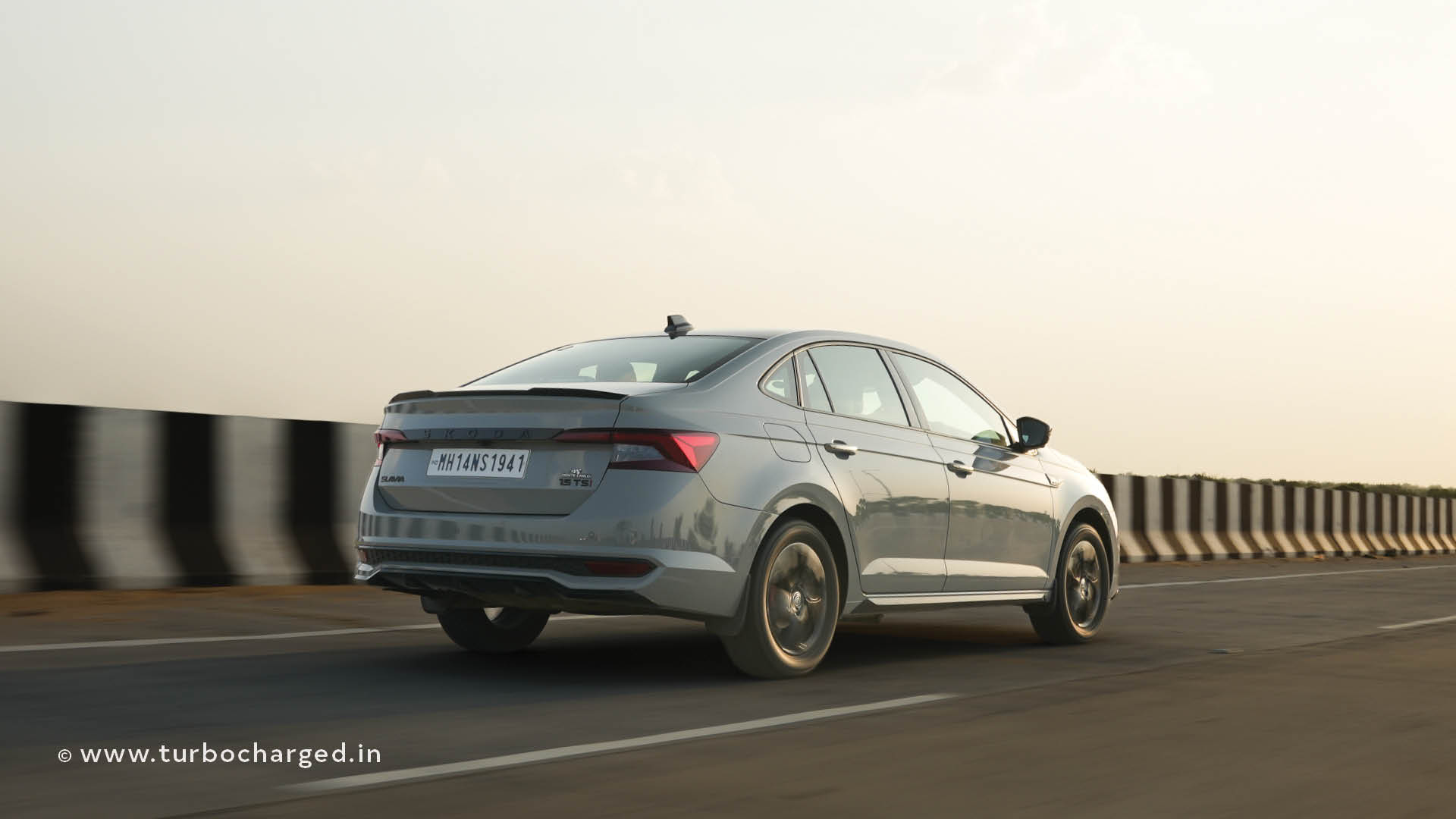
I did mention there’s one thing where I would pick the Slavia over its brother from another mother, and that is the ride quality. The damping of the Slavia is spot on, regardless of whether it’s traversing minor undulations or craters that can make JCBs question their life choices. The Slavia remains unflappable regardless of the road conditions, aided by a large ground clearance. And this cushy ride has not hindered its composure in three-digit lane change maneuvers one bit. Simply put, I don’t think any sedan in its segment has better suspension damping than the Slavia.
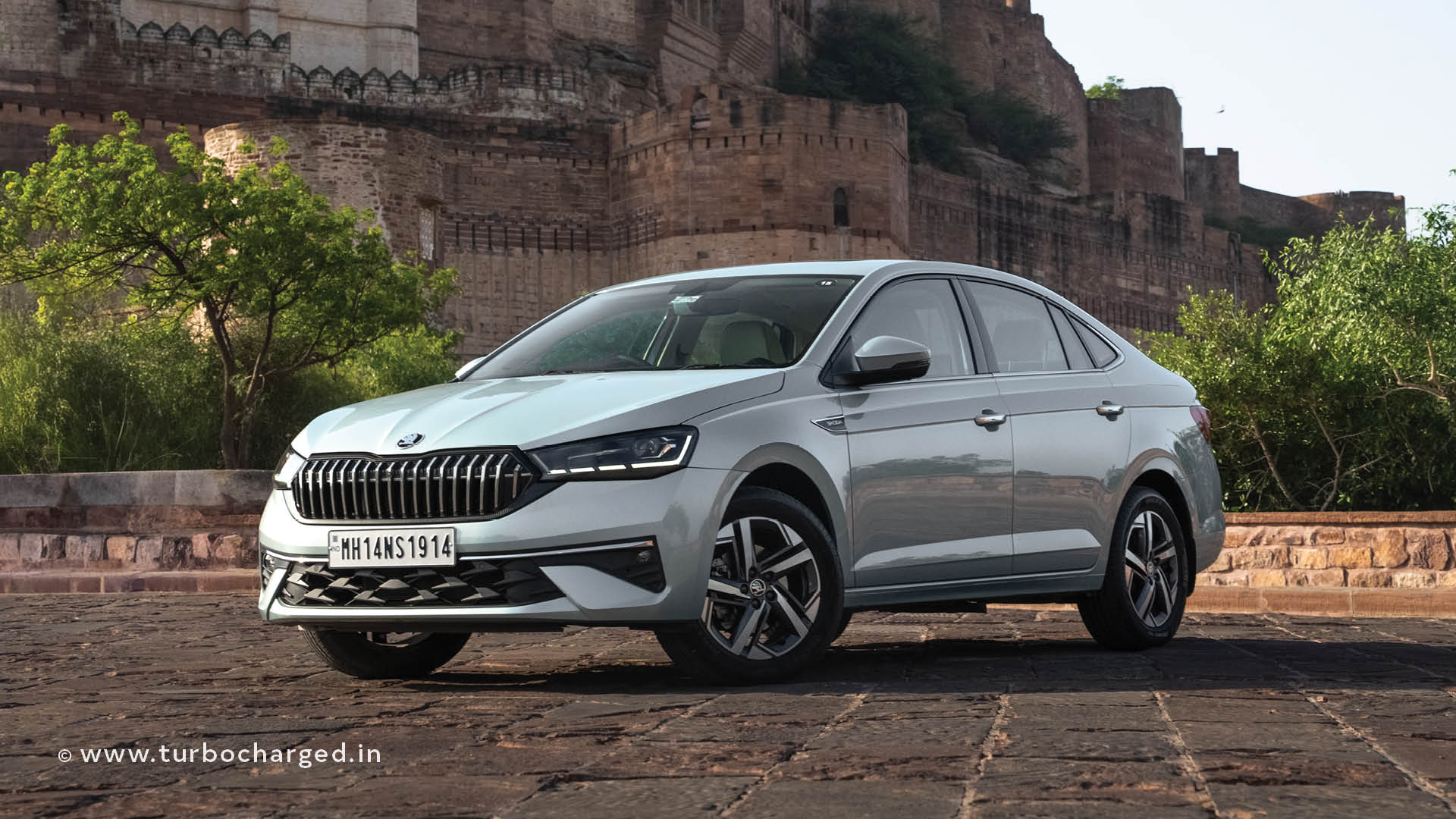
Škoda has not announced the price at the time of writing, but knowing the Czech manufacturer’s penchant for value, it will most likely be a marginal increase, and the Slavia should continue to be one of the best-sellers in its segment. Sedans may not be what they used to be in the public psyche, but like a proper three-piece suit, they will never go out of style.
Words Sayantan De
Photography Tanmay Vartak