


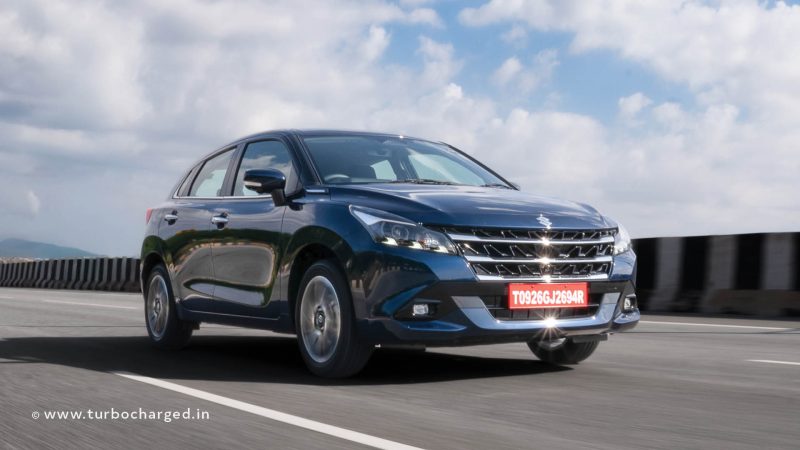
The Maruti Suzuki Baleno has been selling in heaps, clocking around 15,000-20,000 units every month consistently. That’s quite something when you consider how Indian car buyers have developed an almost insatiable appetite for SUVs. The second-generation Baleno that was launched early in 2022 has been an absolute blockbuster thus, and Maruti Suzuki clearly knows better than to mess with a winning formula. The 2026 update, however, goes beyond the usual cosmetic nip and tuck, with a new engine being the biggest talking point. And that’s because the 1.2-litre, four-cylinder naturally aspirated petrol engine has been replaced by the 1.2-litre, three-cylinder naturally aspirated petrol engine codenamed Z12E, which also performs duty in the Swift and Dzire.
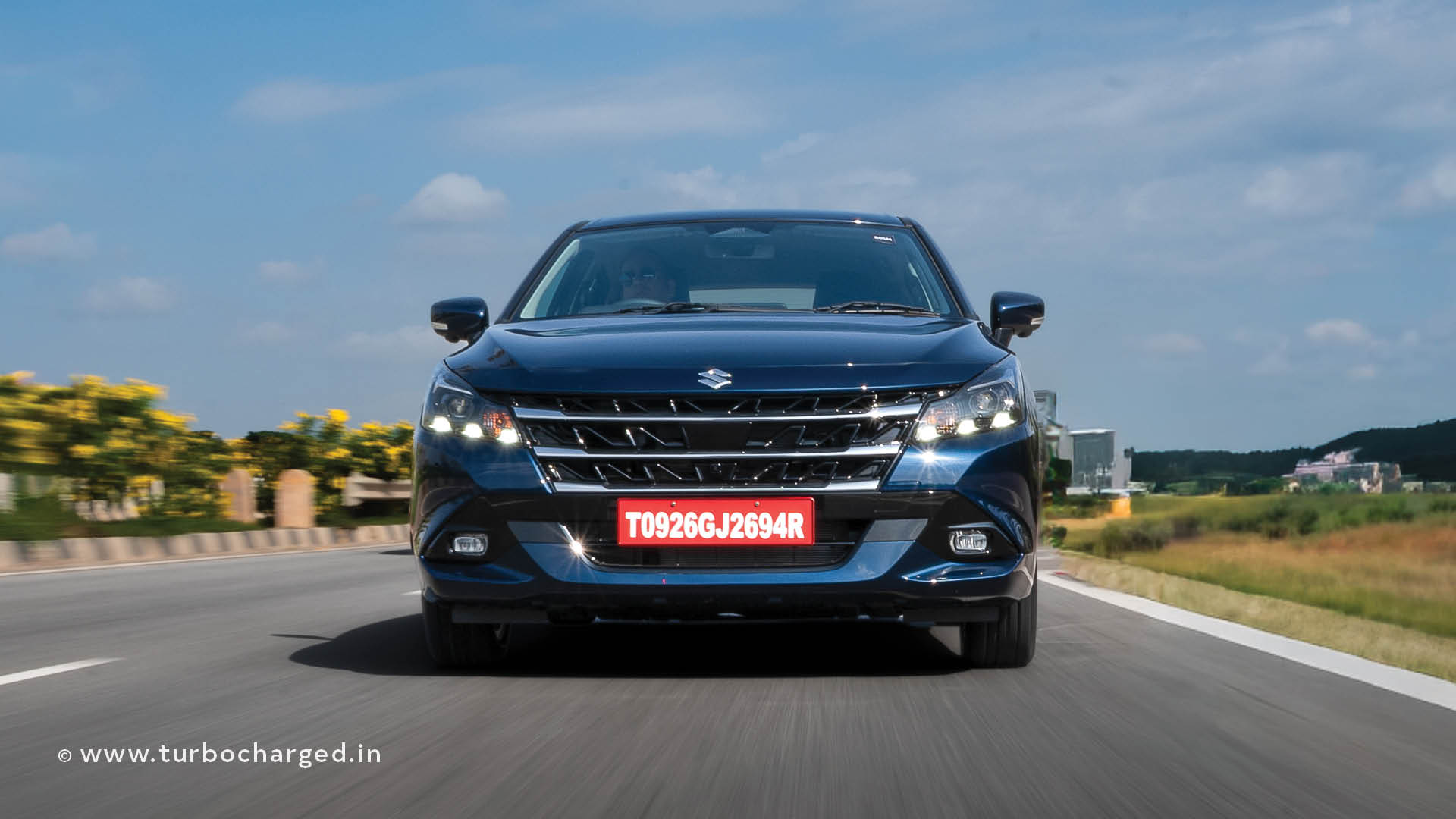
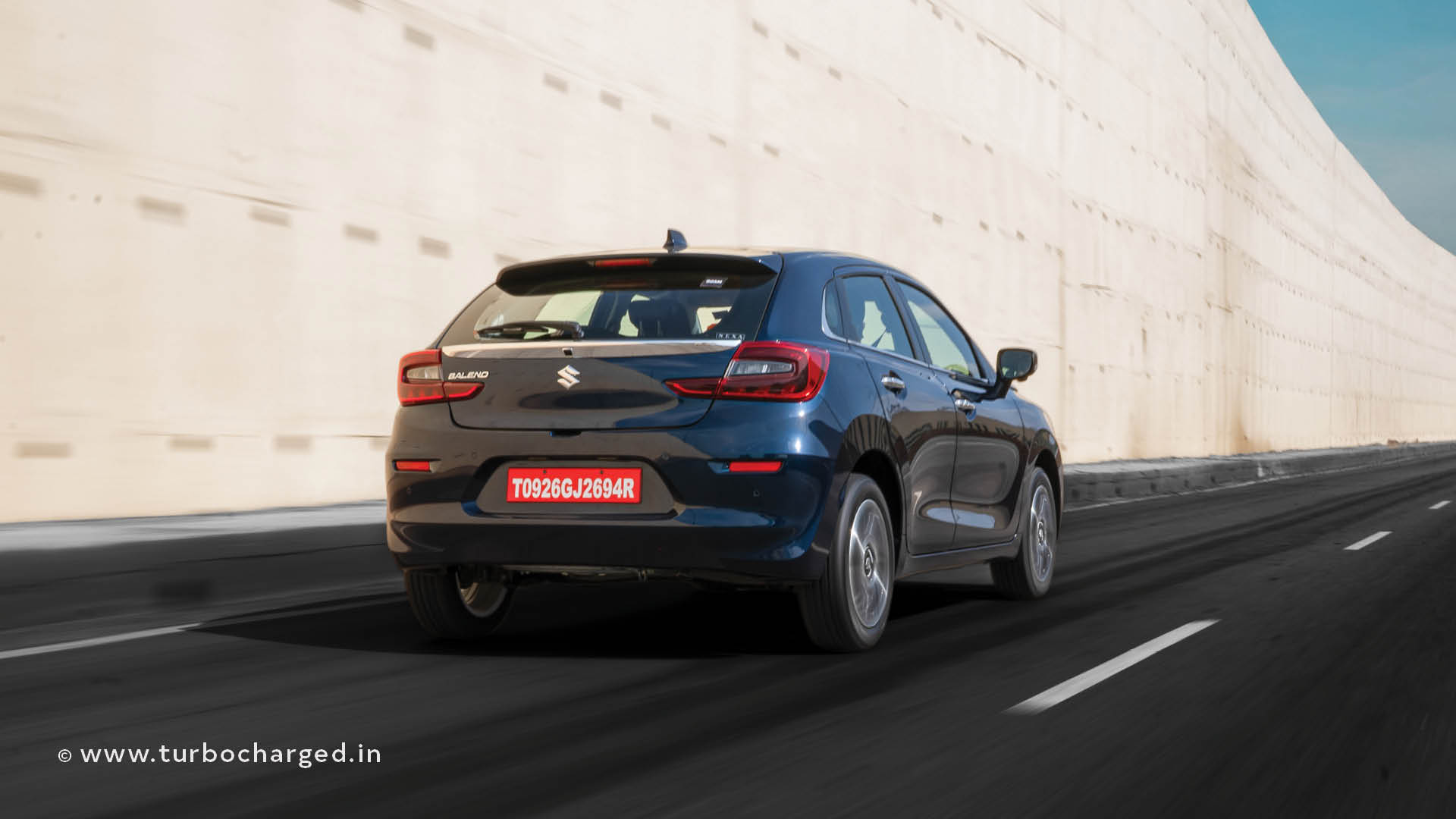
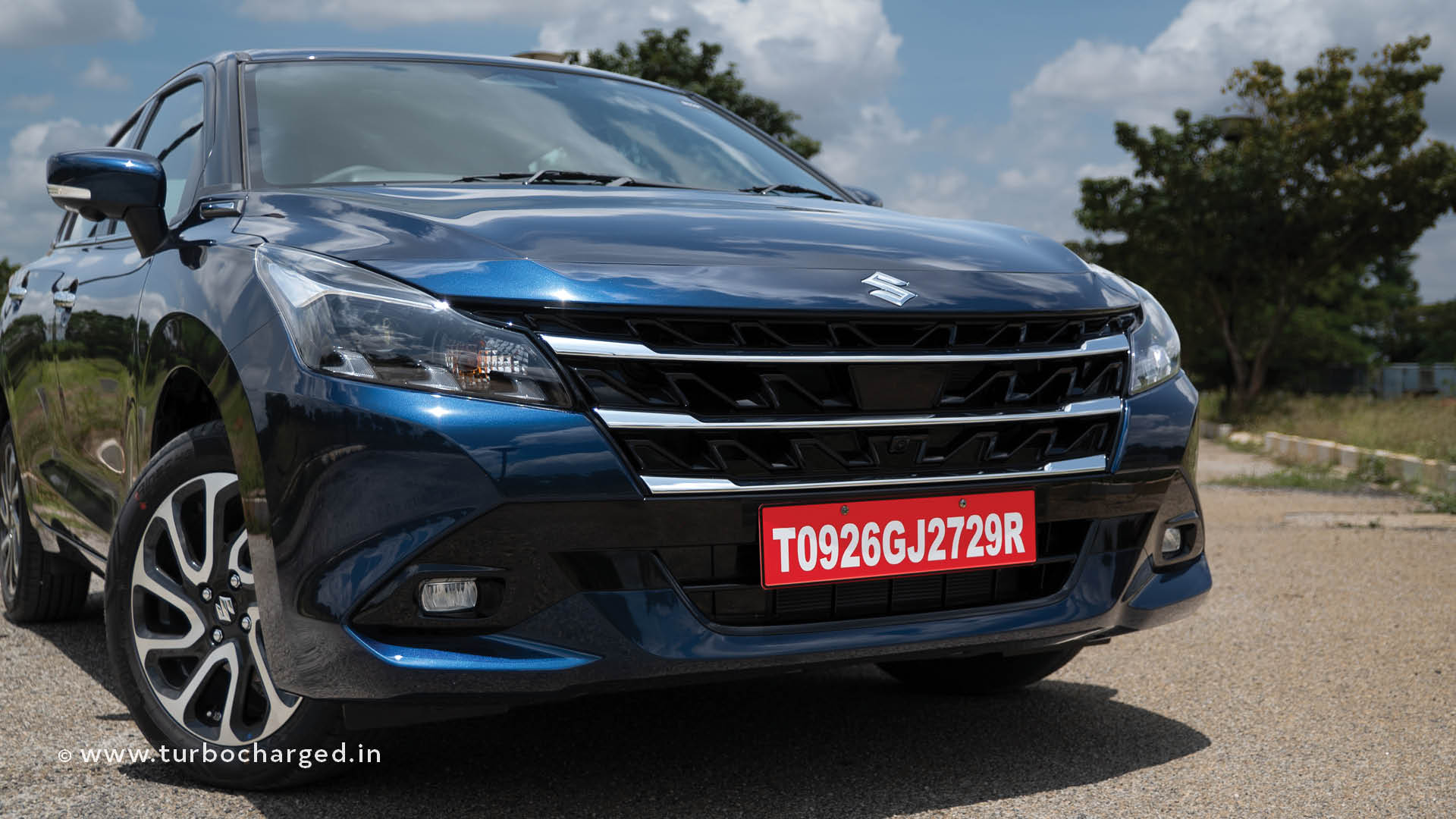
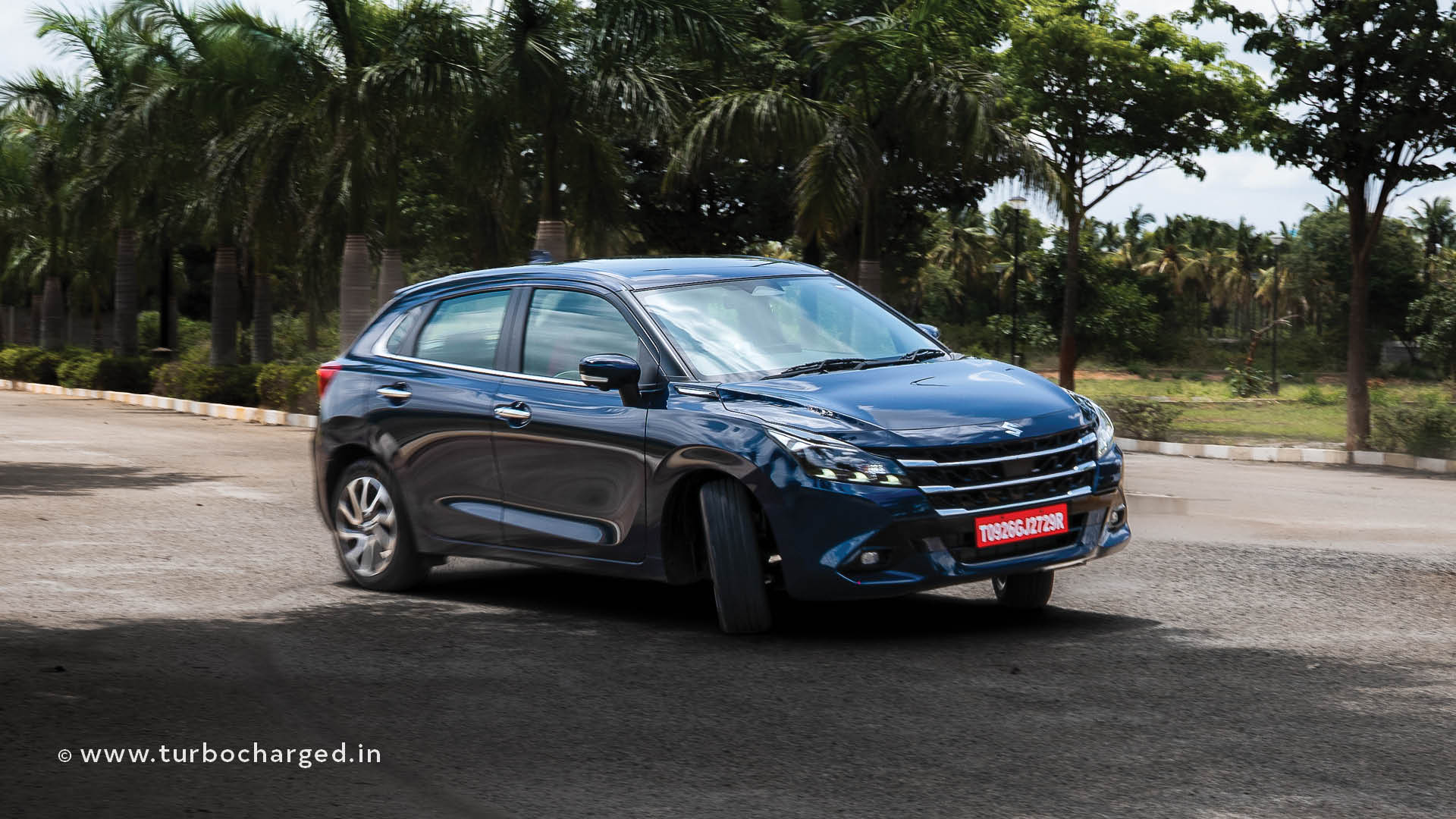
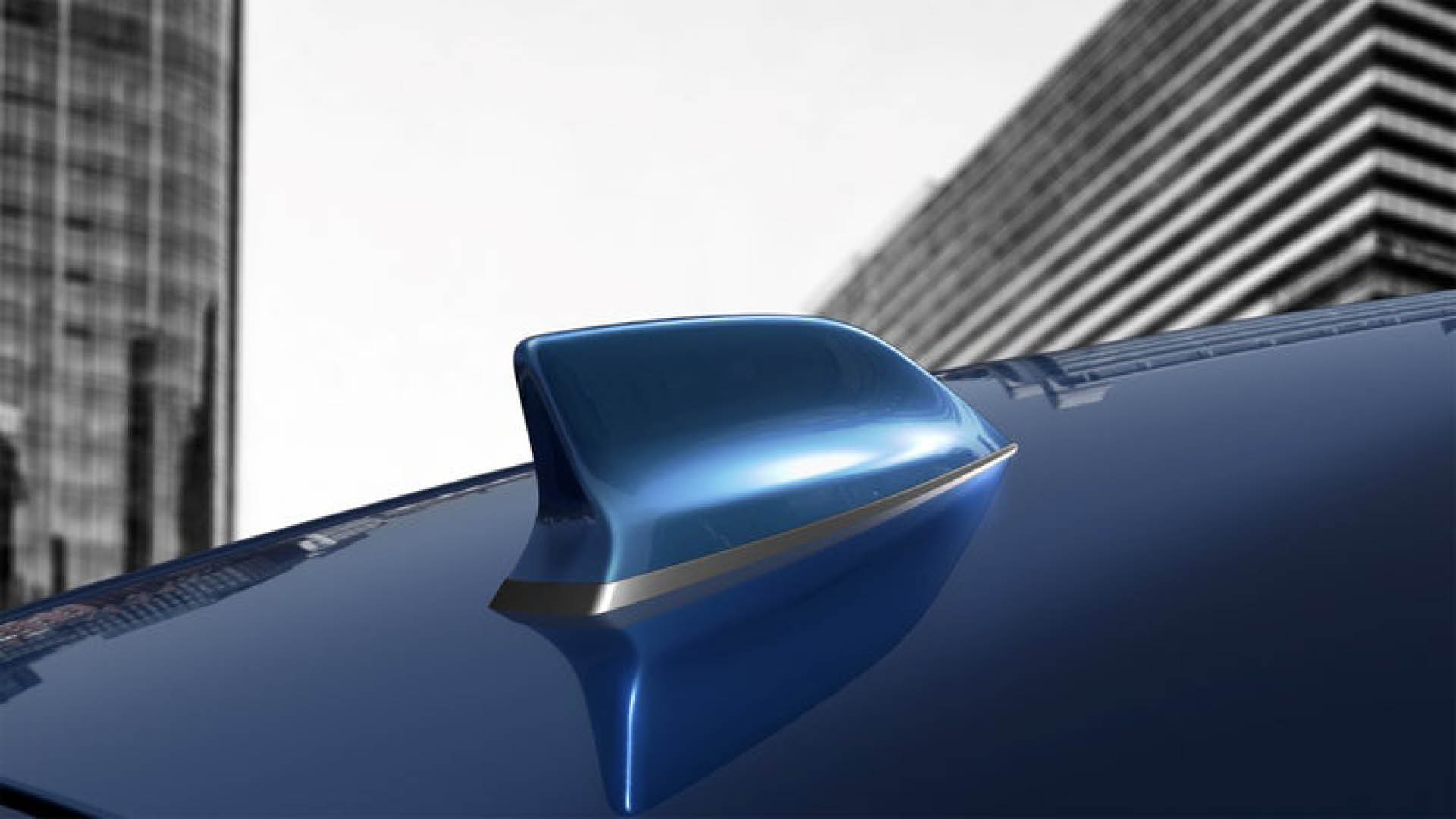
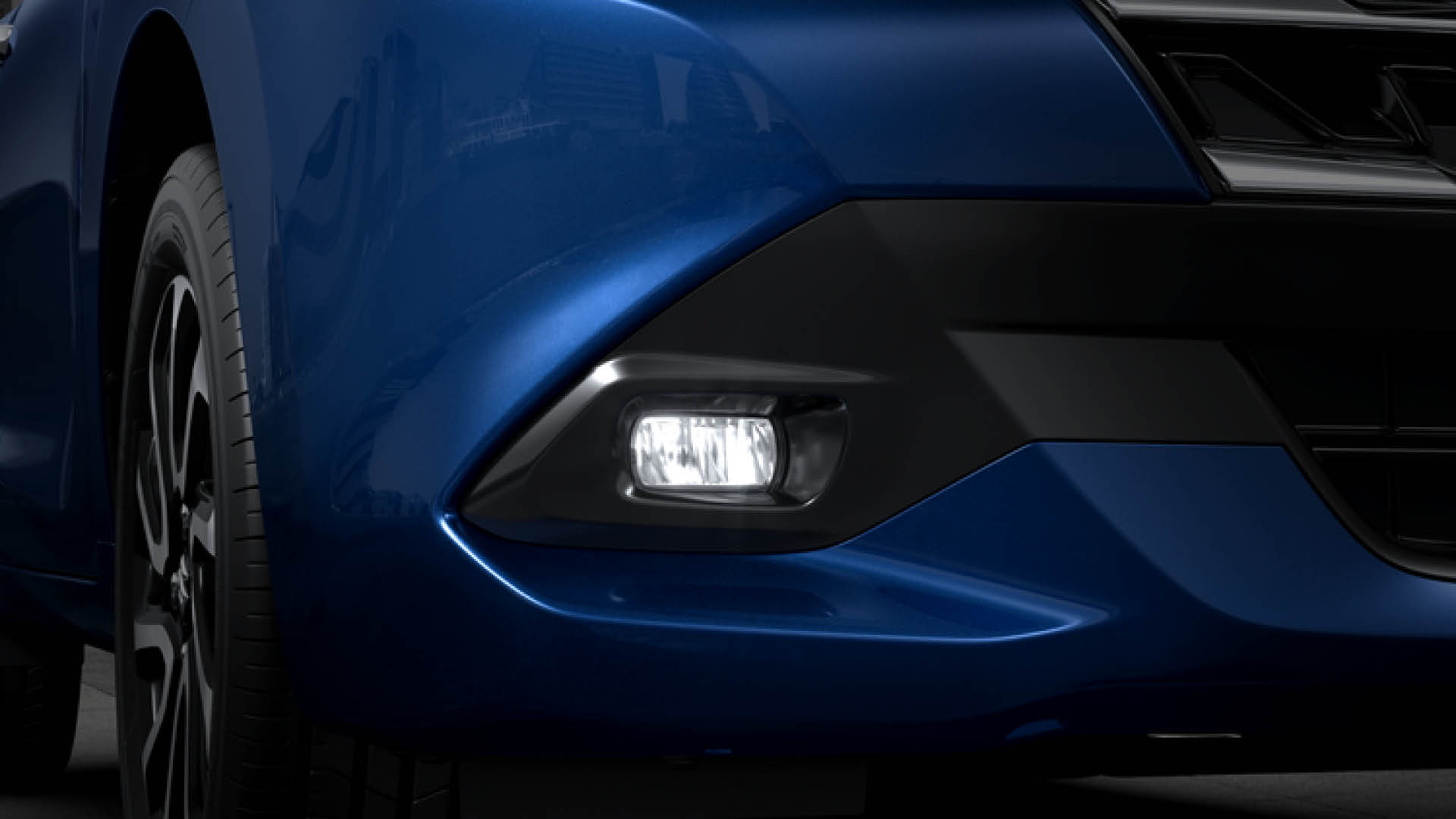
Design changes are concentrated at the front, where the Baleno gets a significantly larger grille with horizontal chrome slats, gloss-black detailing and a redesigned bumper. The Suzuki logo has moved above the grille, while the fog lamps have been redesigned, and there’s a new chrome garnish on the front fenders too. I’m not entirely convinced by the new grille, though. It looks rather busy and, I dare say, a little disproportionate against the otherwise clean lines of the car. The rear remains virtually unchanged though, except for the addition of a shark fin antenna, and could have done with some attention I feel, to make the facelift feel more cohesive. That said, a new, teal green colour option adds some freshness to the hatchback.
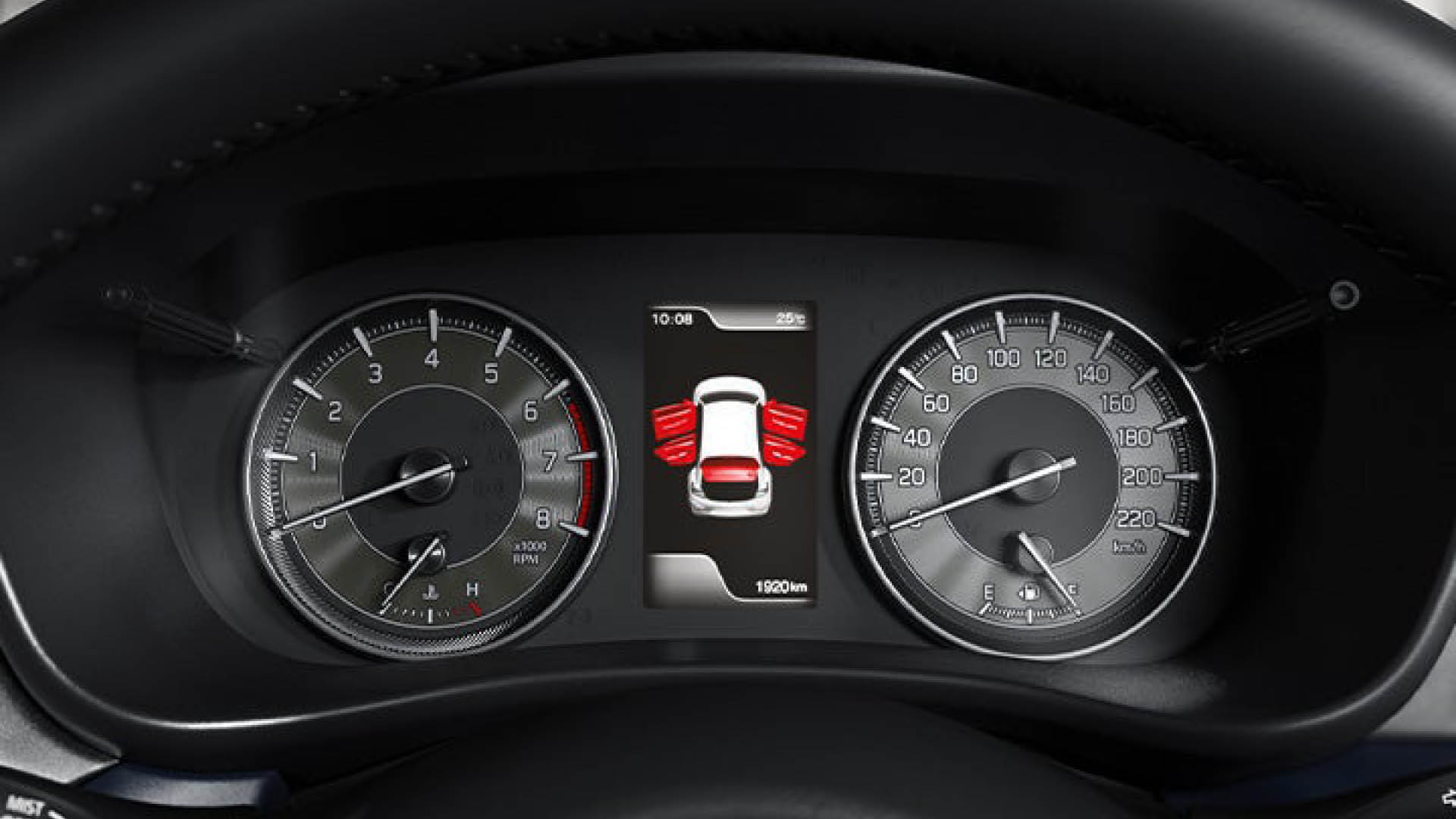
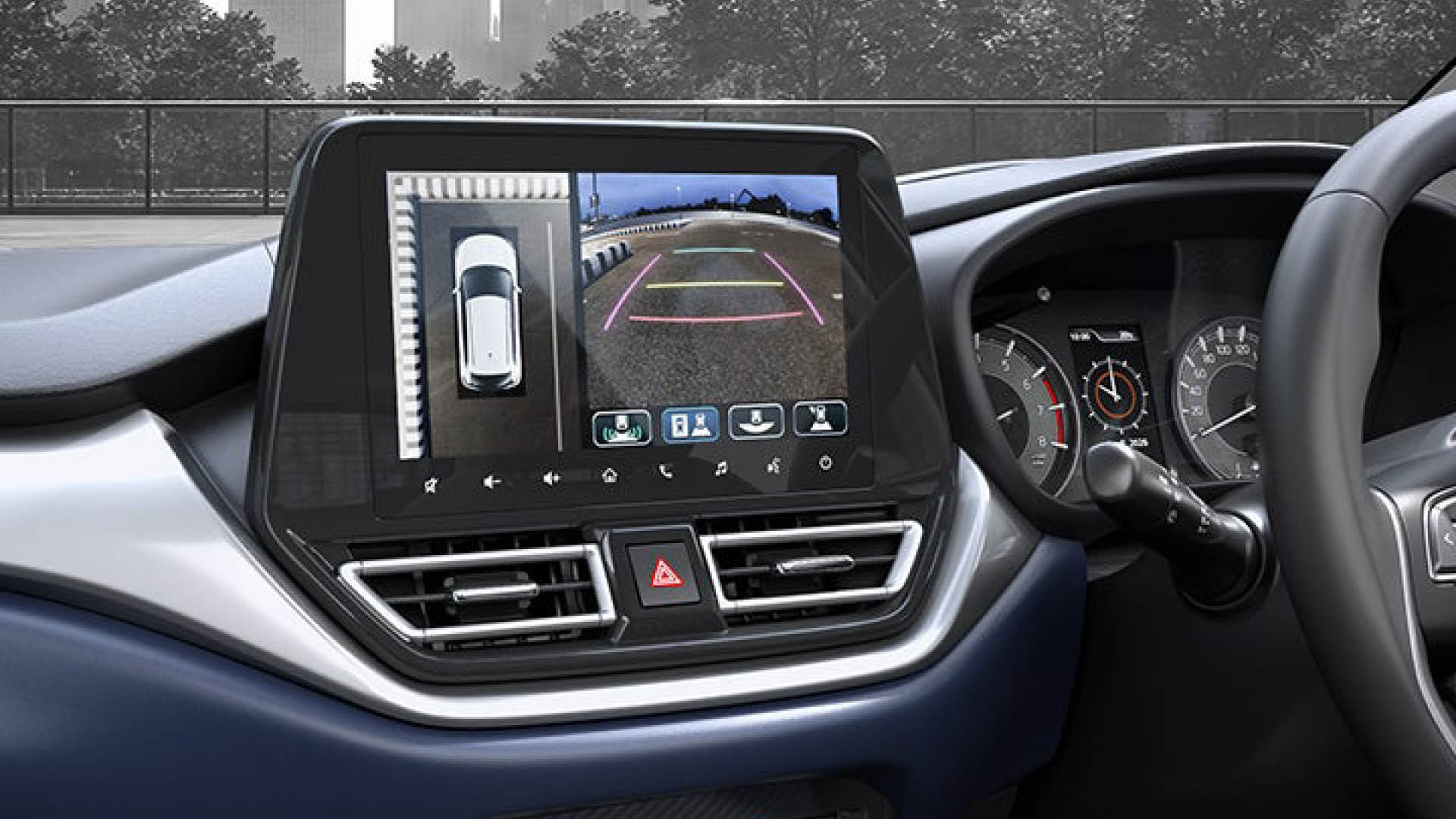
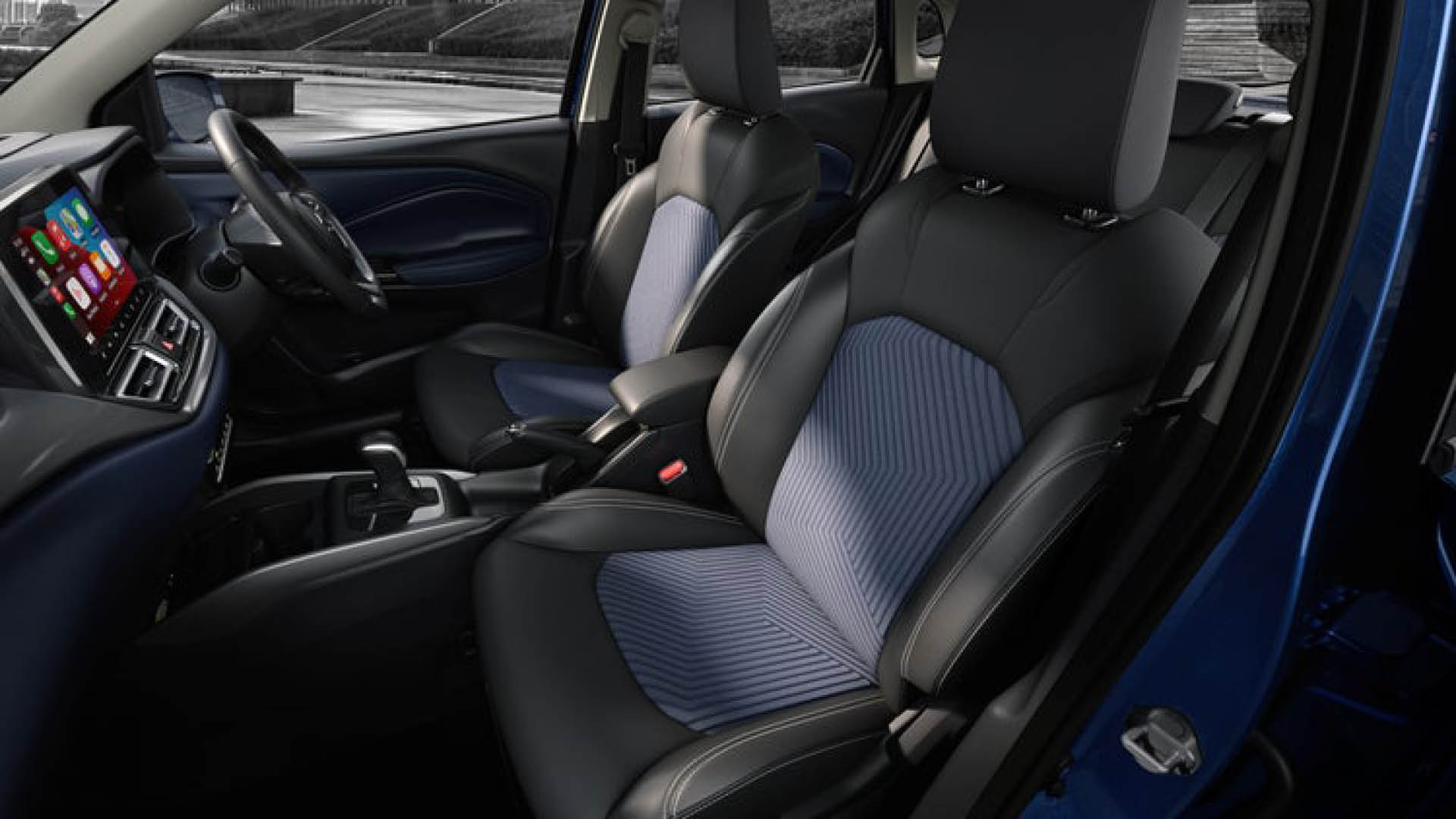
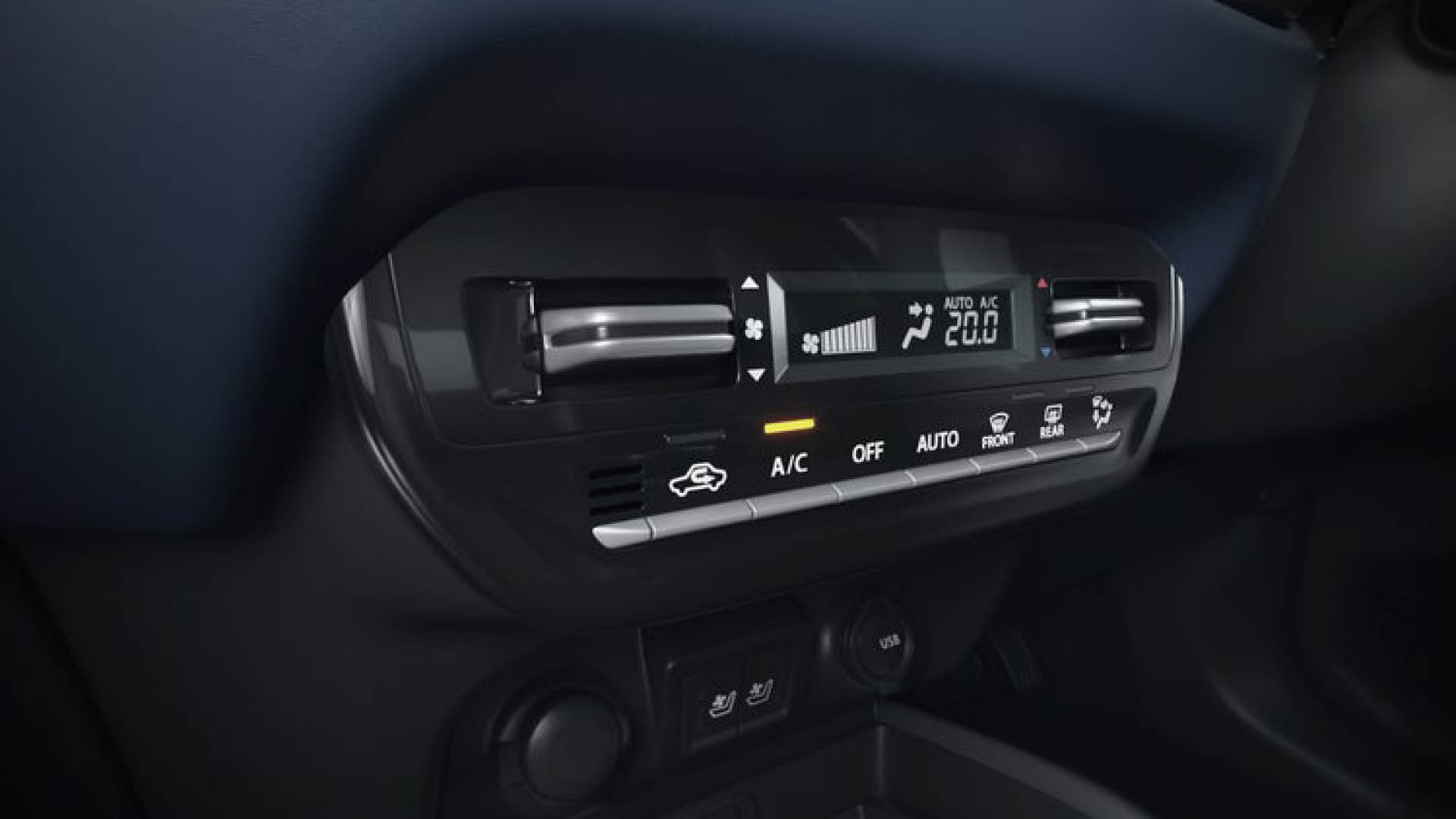
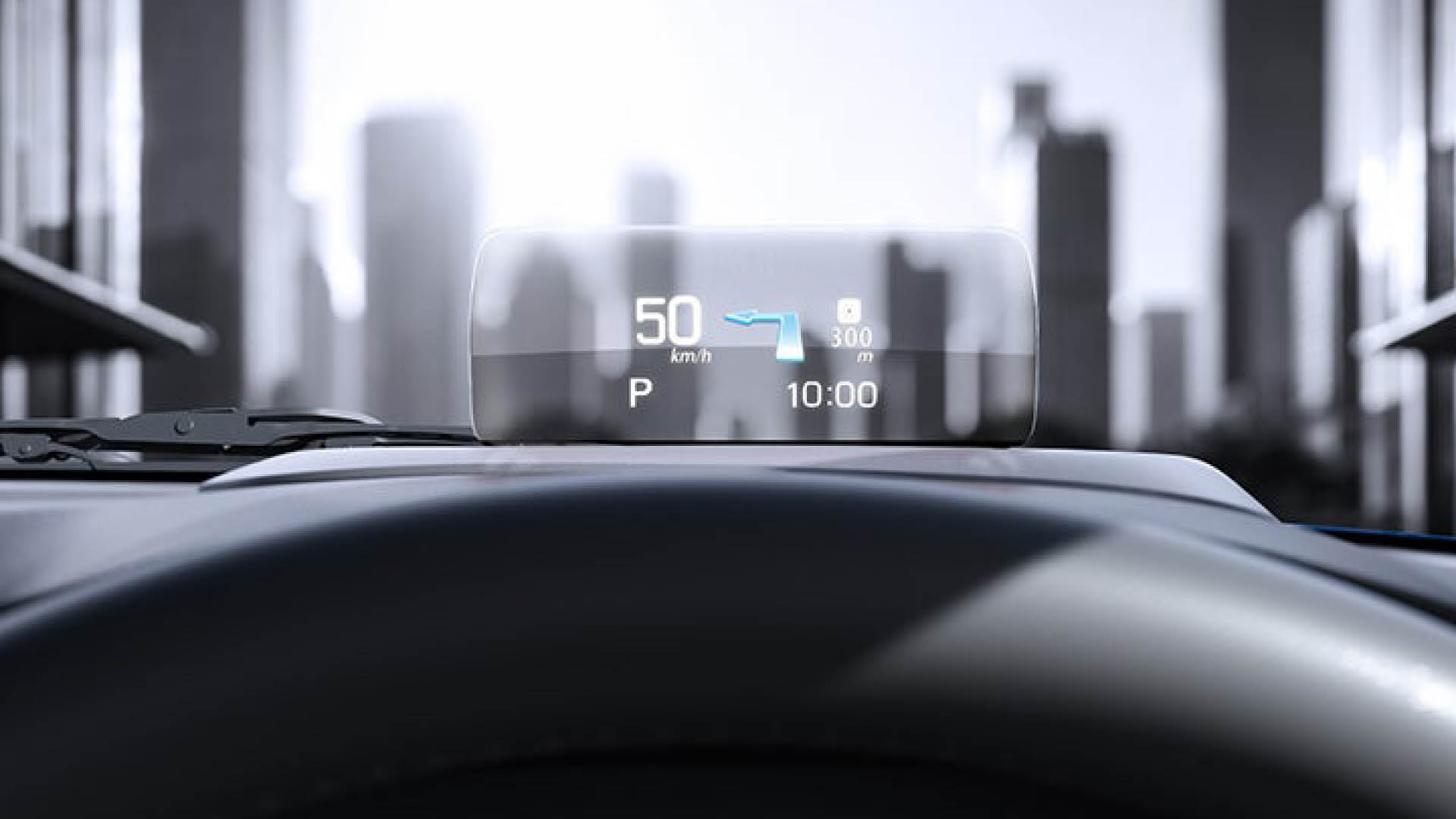
Inside, the cabin retains its familiar layout and looks largely the same as before. Seat upholstery is fabric but with leatherette on the sides now, the steering wheel gets additional buttons for adaptive cruise control and there’s more buttons on the right side of the steering wheel too, to turn forward collision off. The padded door trims and soft-touch steering wheel add to the premium feel, along with the high-quality materials. Space and abundance of storage spaces have always been a highlight in the Baleno and with no changes to the layout this hasn’t changed either. Seats are also large, comfortable and plush-feeling, besides which rear legroom and knee room are excellent as always. Rear passengers also get dedicated AC vents and USB ports, adding to comfort and convenience. The list of features includes ventilated front seats and a cooled wireless charging pad, both welcome additions. You also get TPMS and a Clarion audio system and Level 2 ADAS, which is a segment-first, along with 360-degree view, a head-up display, and a 9.0-inch touchscreen, on higher variants.
The three-cylinder engine offers 83PS and 112Nm, a sizeable drop of 7PS and 1Nm, but the engine also brings improved efficiency, lower emissions and better low-speed drivability. There’s a faint three-cylinder thrum at idle which settles down as revs rise. More importantly, throttle response at low speeds is good, making the Baleno easy to drive in traffic. It builds power linearly and feels adequate for everyday commuting, but it does lack some of the older engine’s enthusiasm at higher revs. The five-speed manual is smooth, with a light clutch and well-defined shifts, and remains my pick. The gearbox helps in adding a zing to the driving experience, though admittedly, there were times when I was left wanting for more power. That’s besides the fact that I still want to see the 1.0-litre BoosterJet come back to the Baleno! Claimed fuel efficiency is up by nearly 1.5kmpl, to an ARAI-certified 23.80kmpl now while the AMT boasts an ARAI-certified 24.77kmpl, a jump of nearly 2kmpl. Also worth noting that these figures have been achieved despite a weight gain of about 30kg!
Ride and handling are excellent as always, and there’s a likeable feel to the dynamics. The suspension feels soft and soaks up most ruts and potholes appreciably, but at the same time, it does not disappoint on the handling front either. The Baleno has always impressed us with its responsive steering and stability at highway speeds, besides the planted feel around corners and I’m happy to report the car retains its sporty side.
Prices begin from ₹6.10 lakh ex-showroom onwards, which makes the car a tempting buy, especially given the kind of space and fuel efficiency it offers. In fact the Baleno’s spacious cabin, comfortable ride, easy driving manners and impressive practicality remain intact which make it as attractive as ever. The 2026 update might not be a game-changer visually, and the new engine sacrifices some performance, but it makes a compelling case for everyday efficiency and usability. Given how well the Baleno already sells, Maruti Suzuki probably doesn’t need to reinvent the wheel. It just needs to keep the formula working.
Words Abhay Verma
Photography Alex Toppo