


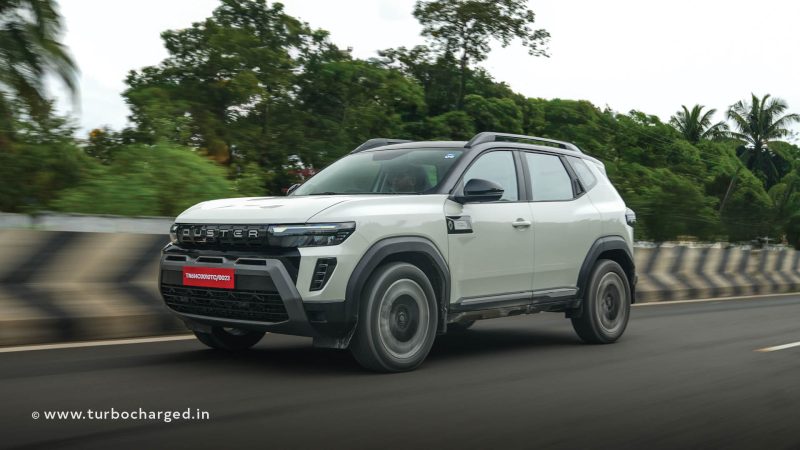
It has been a bit of a wait, but finally, Renault has launched the strong hybrid version of the Duster, and it couldn’t have come at a more important time. The new Duster hasn’t quite taken off as Renault would have wanted, perhaps owing to the absence of a diesel engine option. The arrival of the hybrid, is thus particularly significant, since hybrids tend to out-perform diesel engines when it comes to fuel efficiency, with ease. In the case of the Duster Hybrid, it boasts a staggering 29kmpl as certified by the ARAI, which translates to over 1,400km on a single tank of petrol! More importantly, the Duster becomes only the fourth strong-hybrid offering in the midsize SUV segment, and in fact, its hybrid powertrain is only the second one in the segment, as its arch rivals, the Maruti Suzuki Grand Vitara and Victoris and the Toyota Hyryder are all powered by the same powertrain.
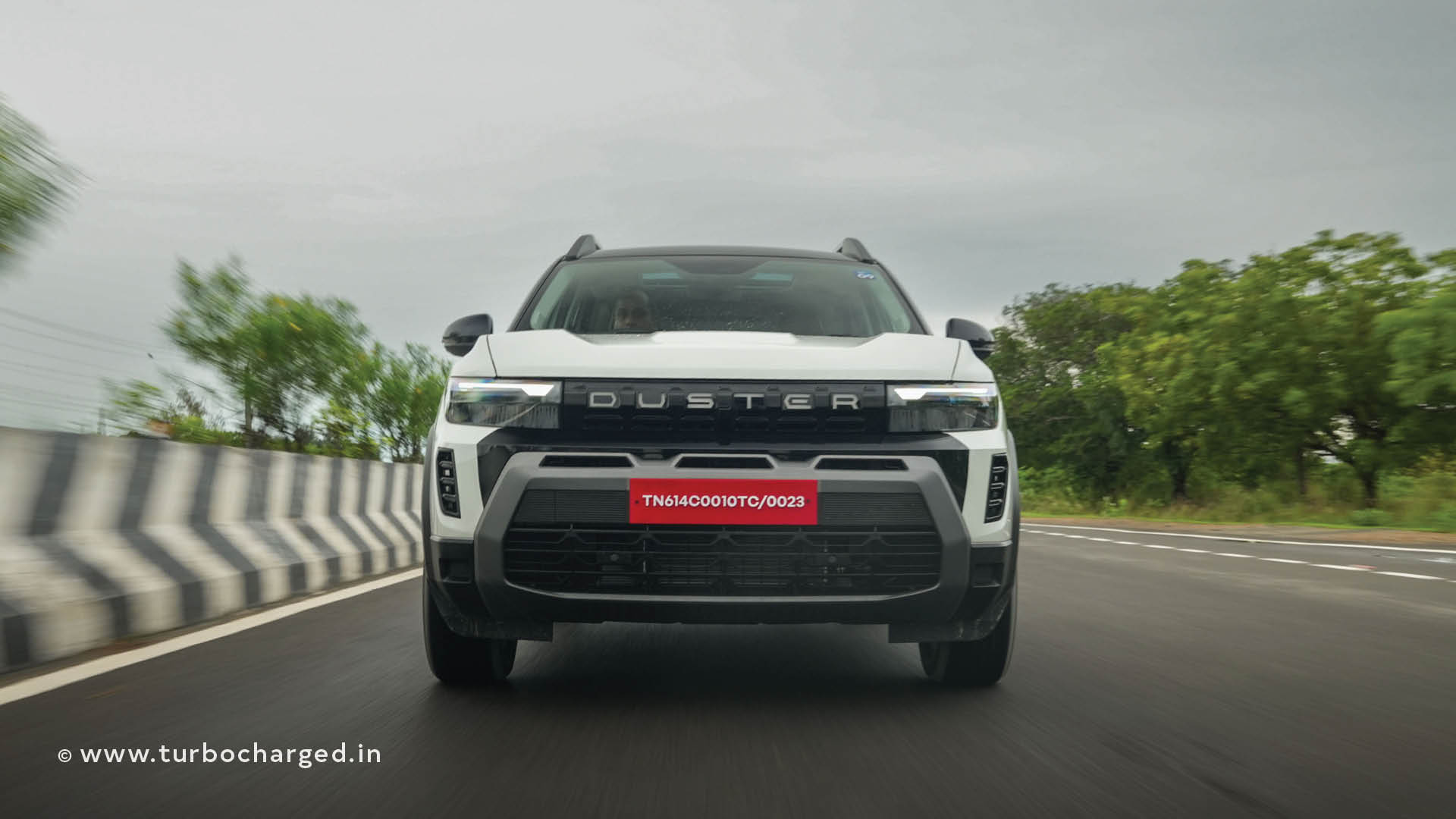
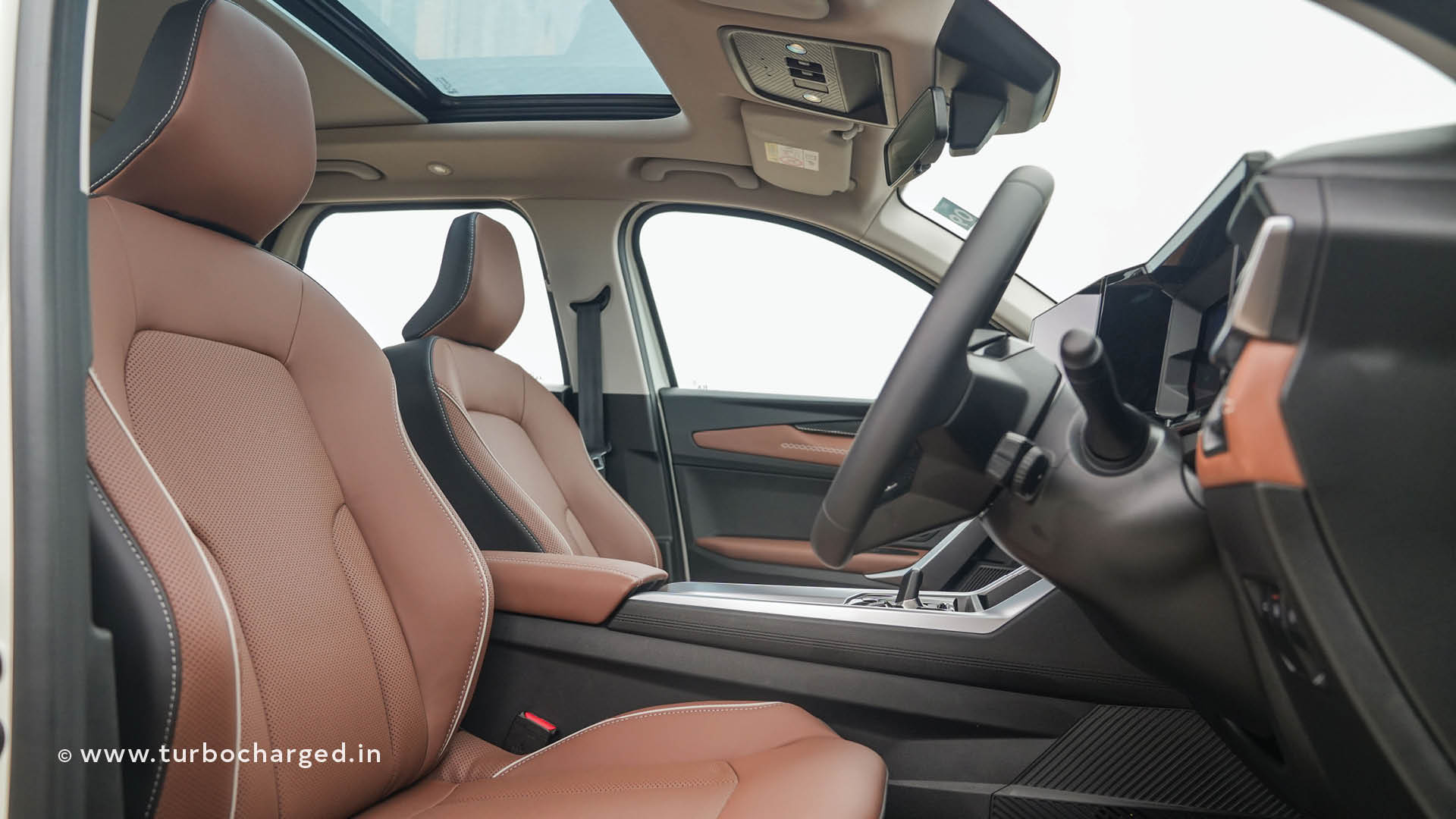
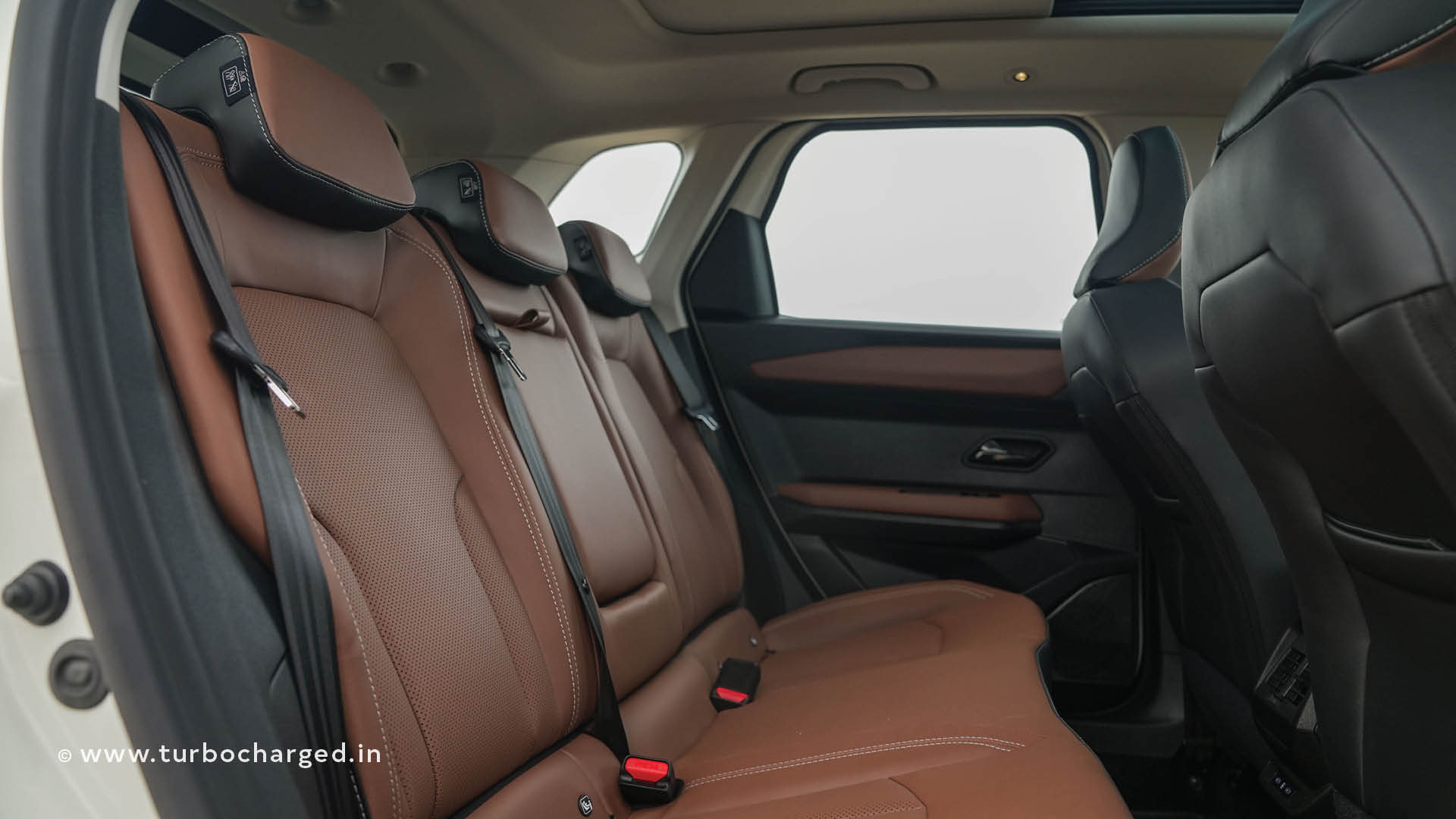
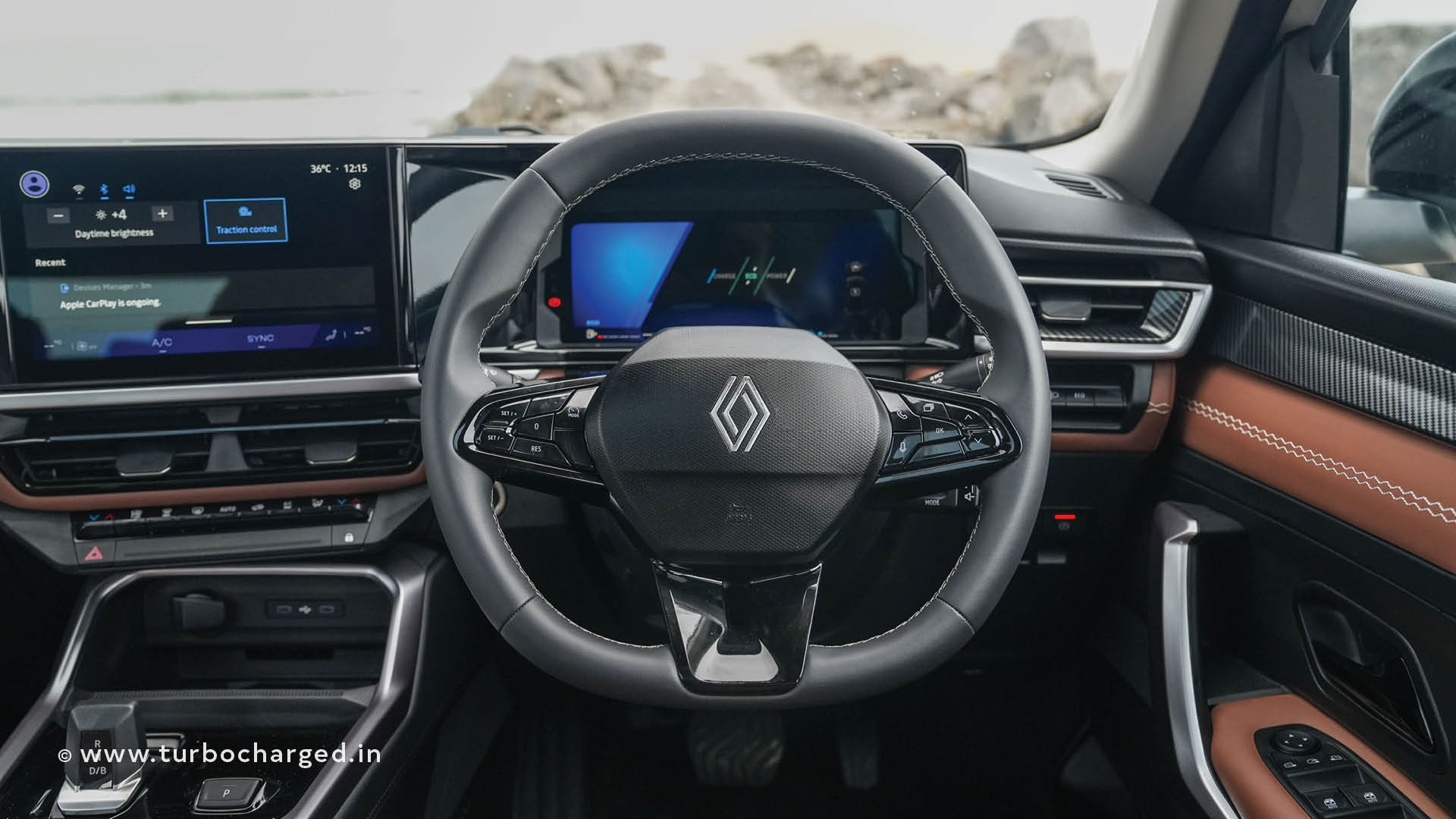
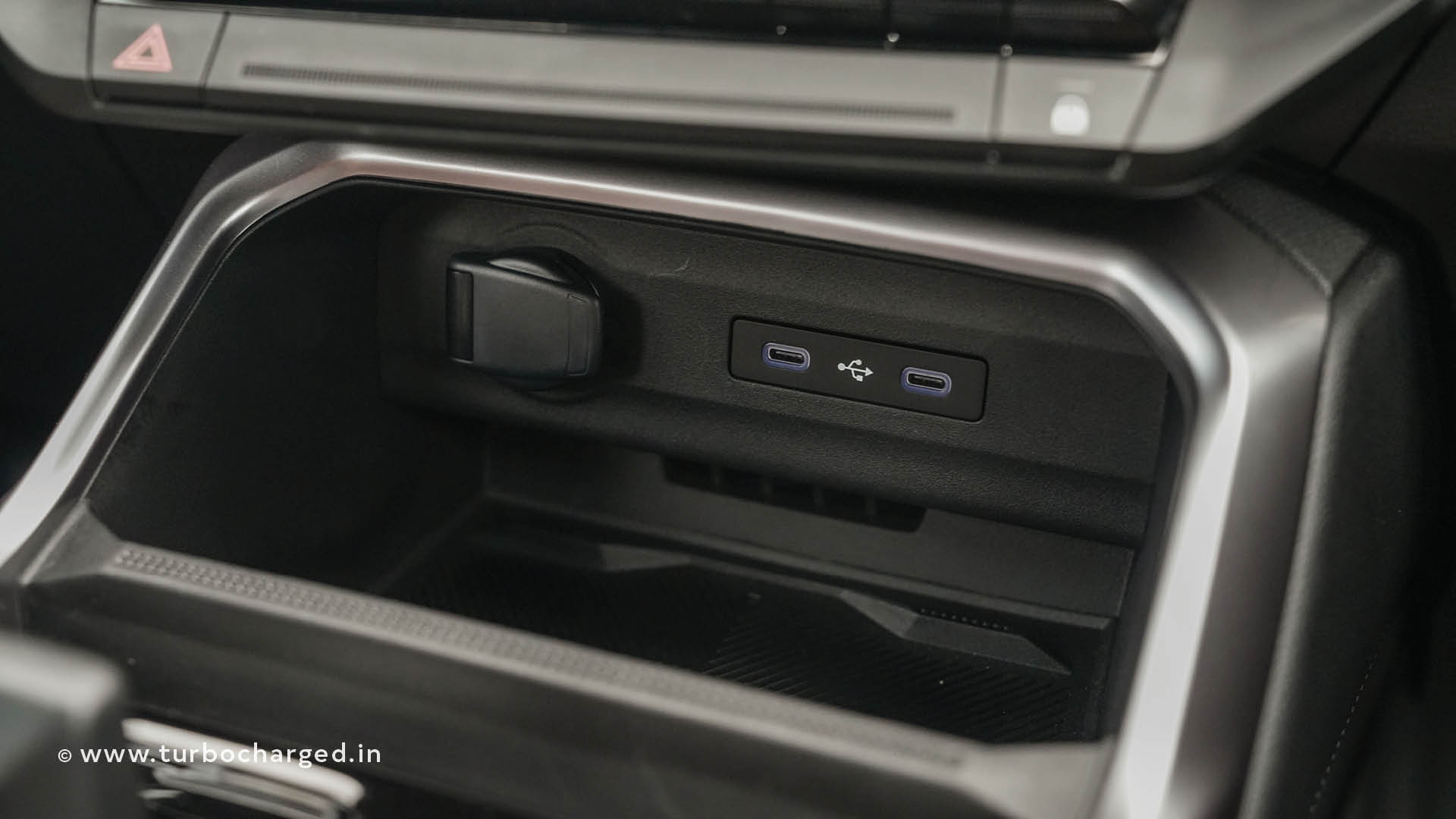
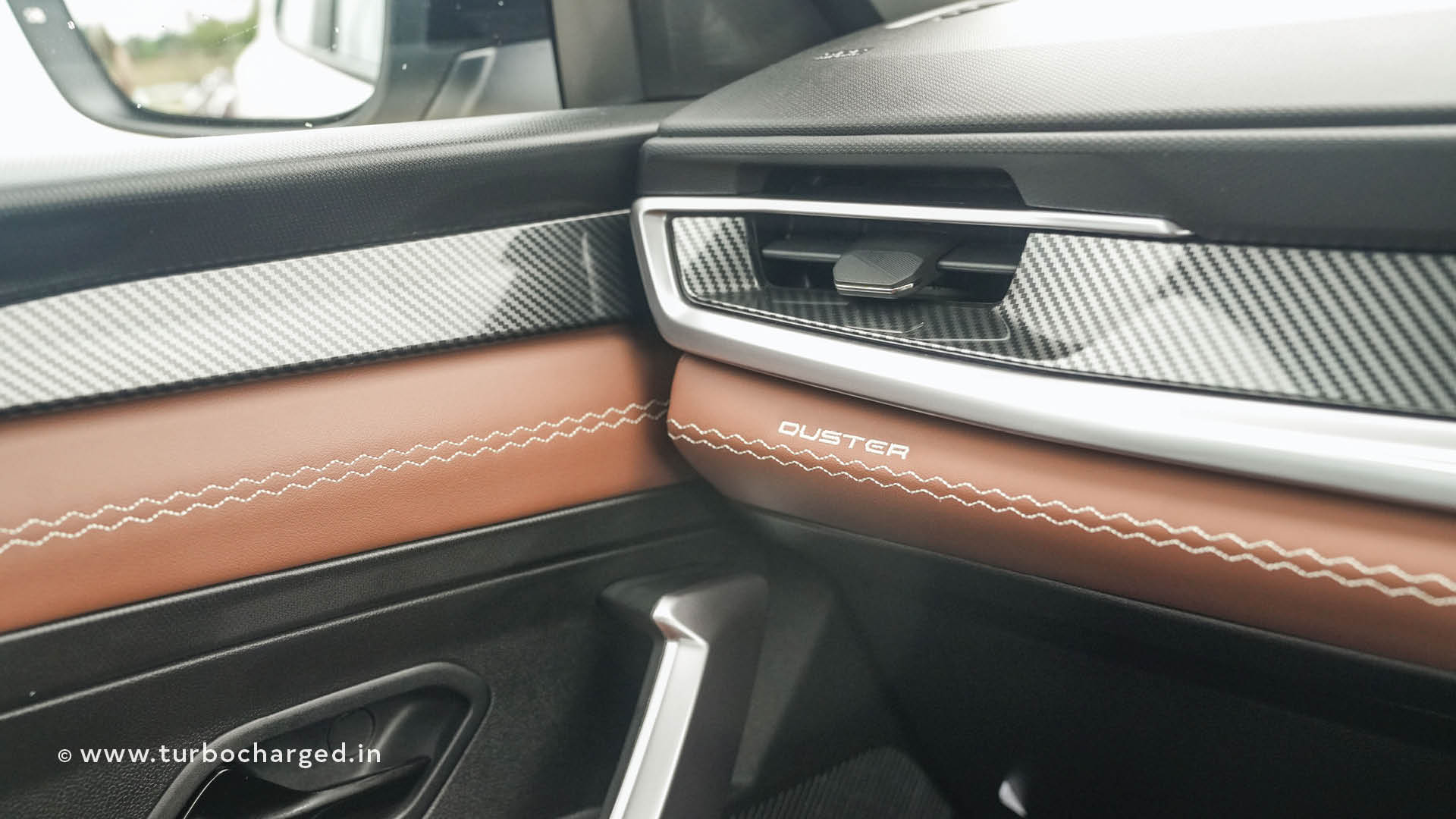
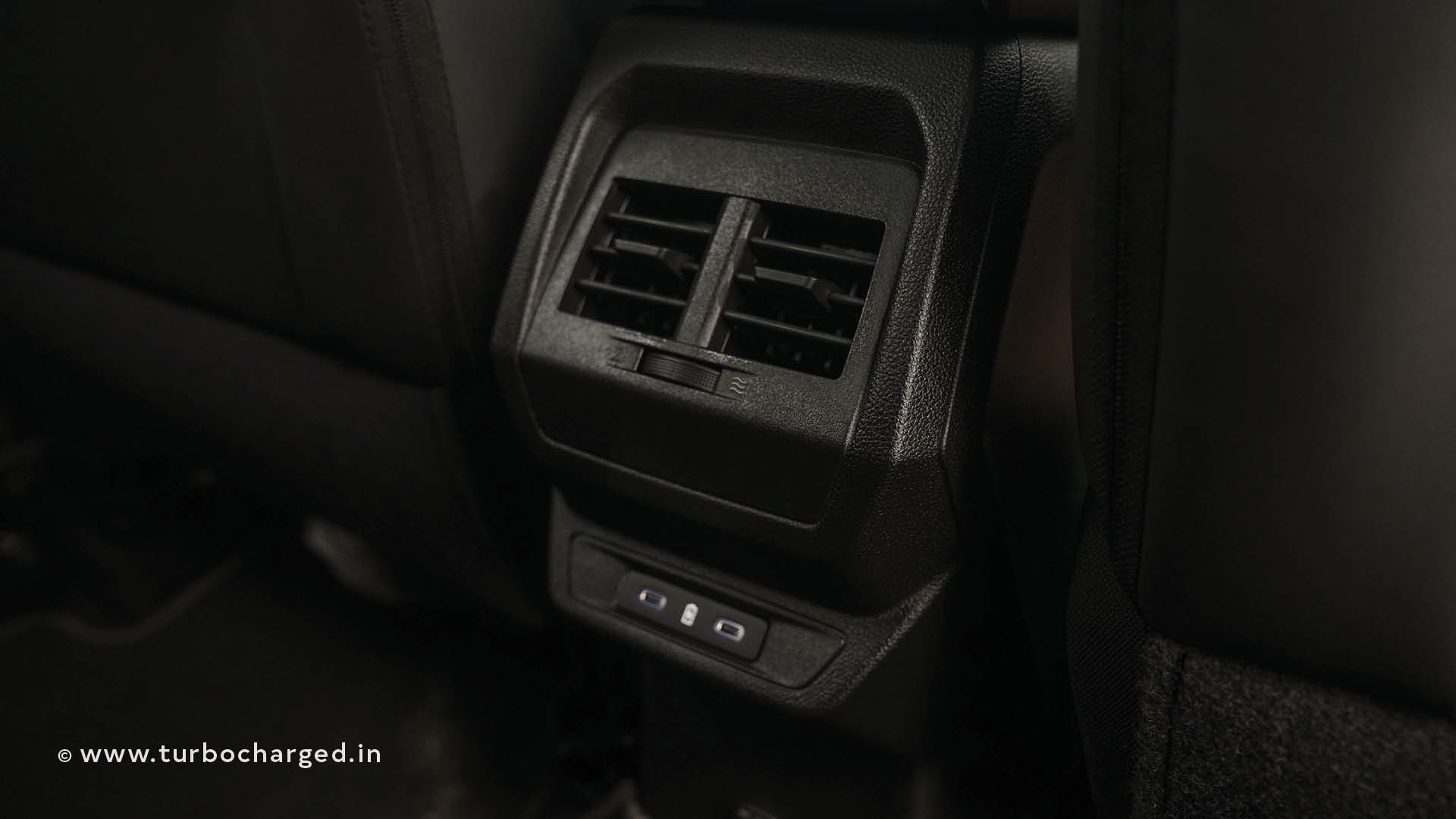
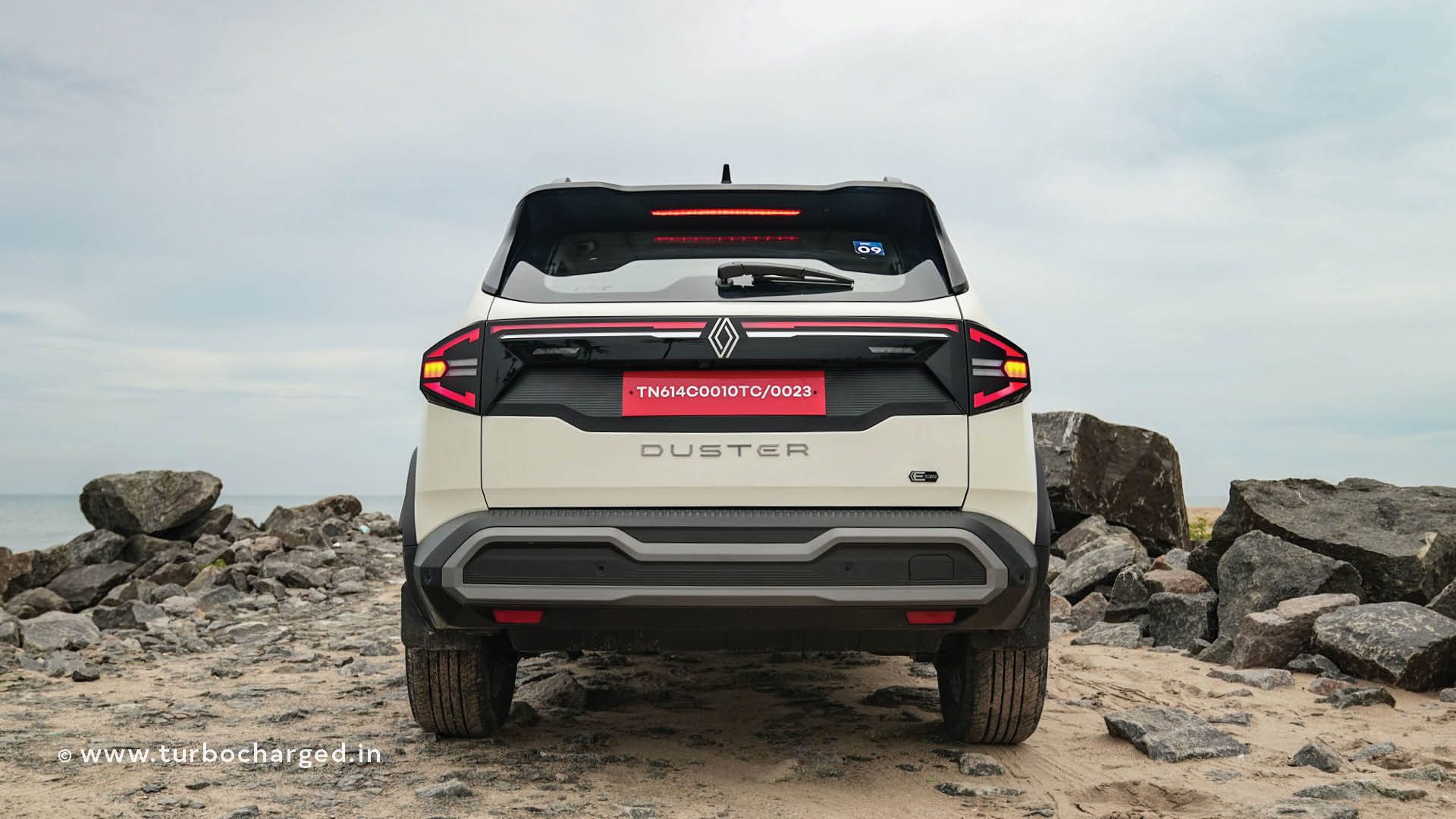
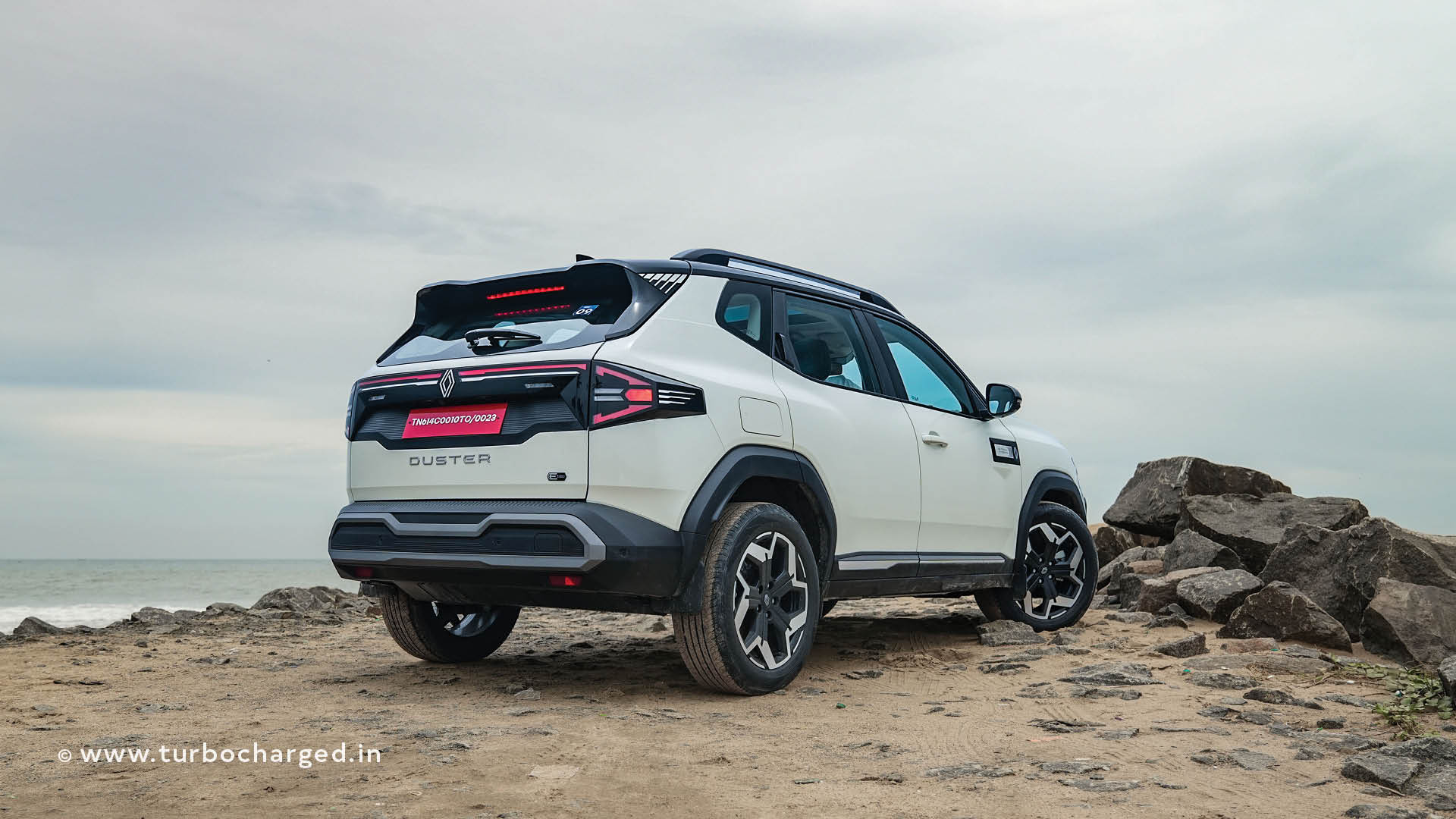
Visually, the Duster hybrid looks almost identical to the petrol-powered Duster, barring the illuminated Duster lettering on the grille, and an E-Tech Hybrid badge on the front fender. The cabin is unchanged too, and I quite like the quality of plastics and the fit-finish levels. It isn’t particularly lavish, but the cabin feels premium, with an ergonomically laid-out dashboard, a driver-oriented, 10.1-inch infotainment screen and a 10.25-inch driver display, besides the practical centre console. Space in the second row isn’t exactly generous, especially when compared to some rivals, but boot space is excellent. The hybrid powertrain’s 1.4kWh battery pack is housed here though, which means you lose some luggage capacity as compared to the petrol version.
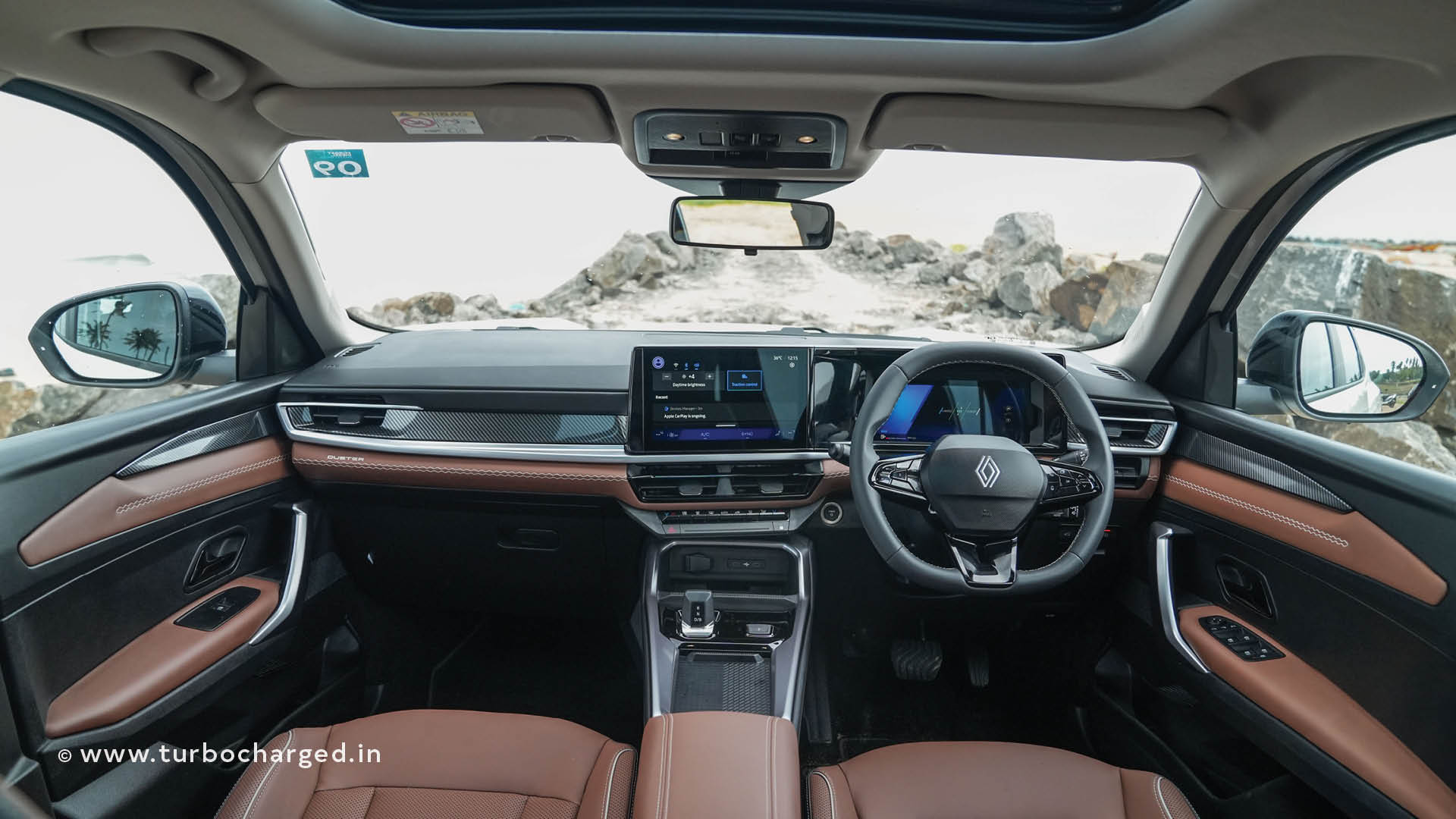
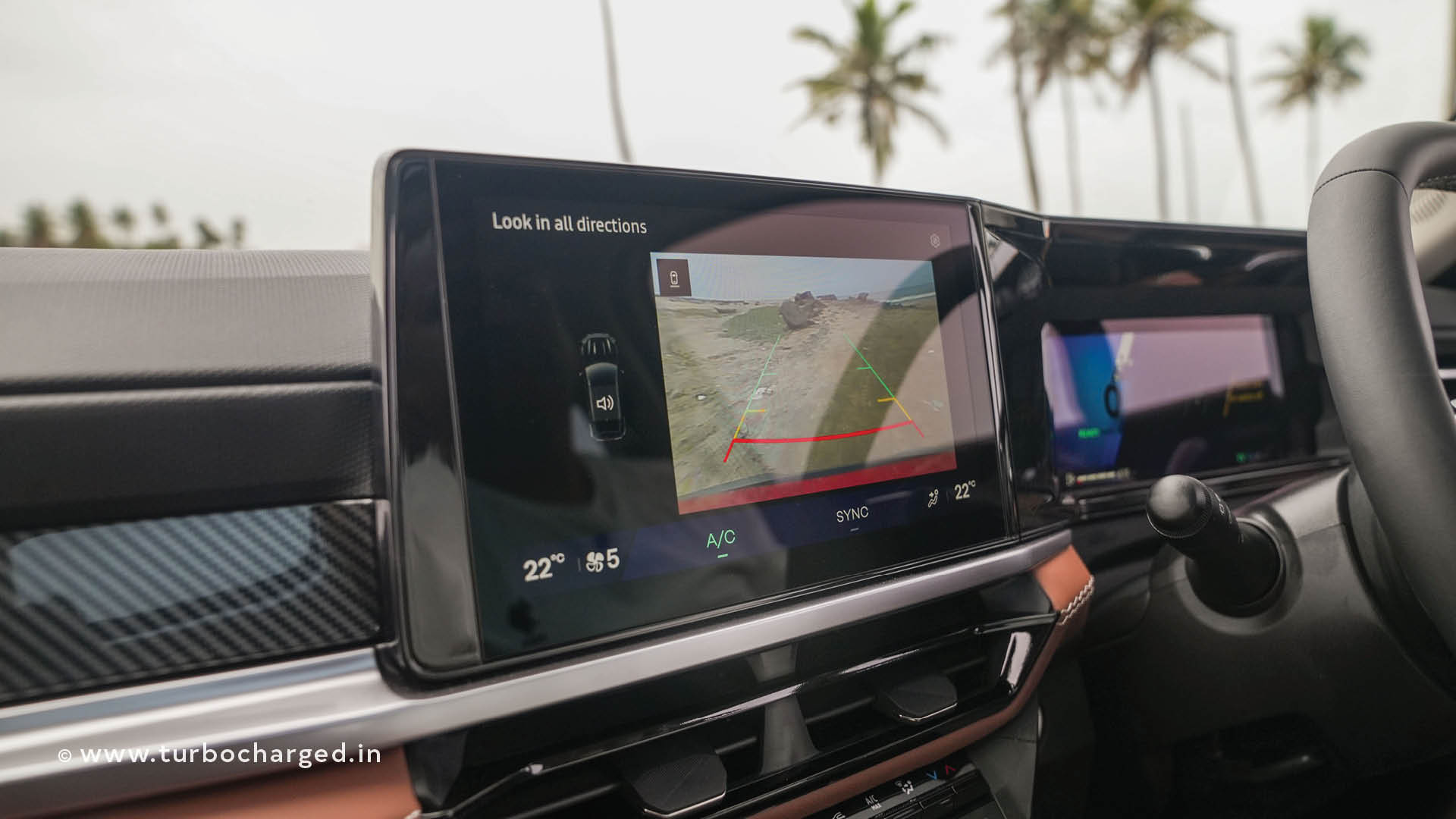
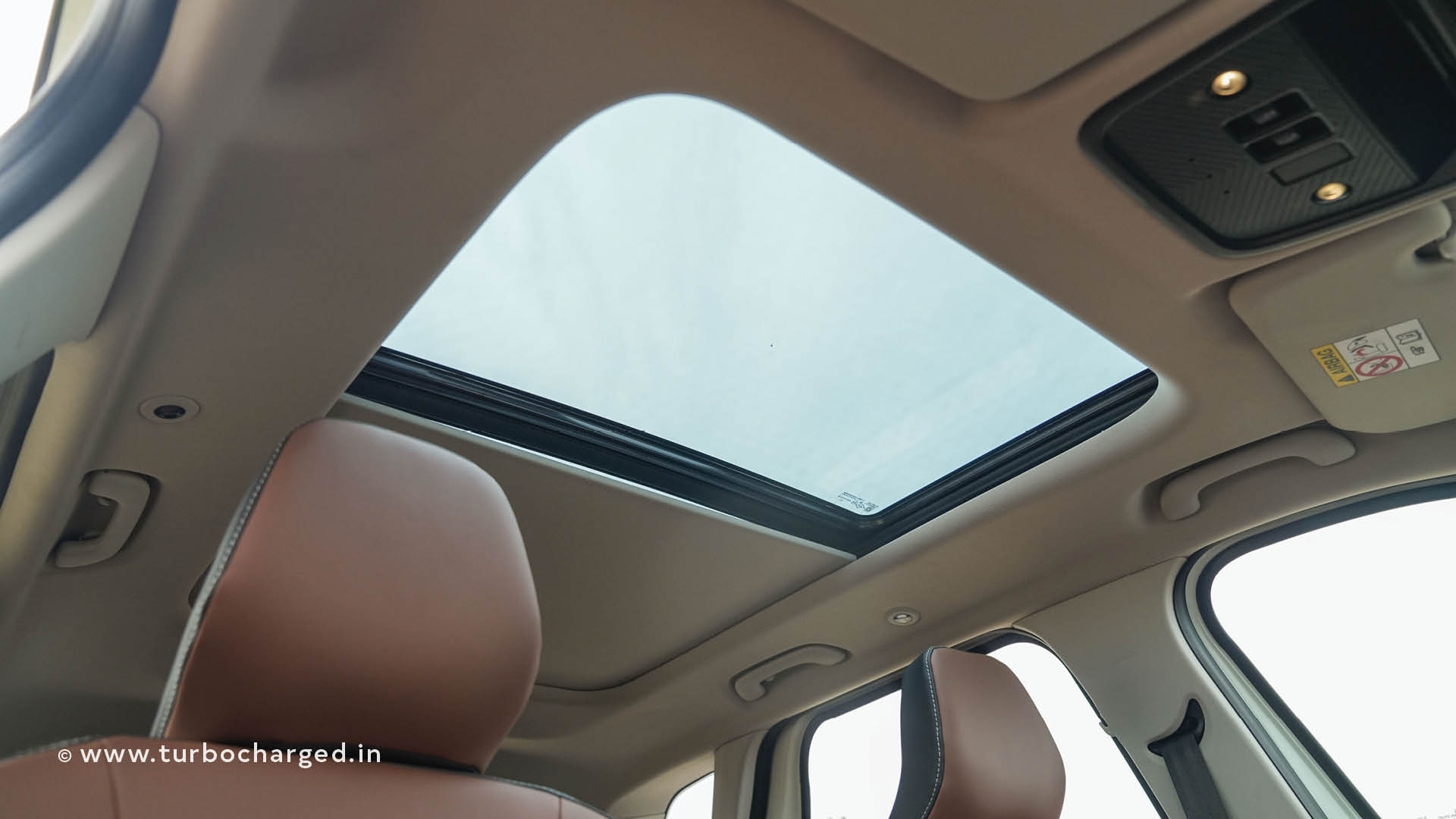
On the features front, besides the 10.25-inch touchscreen you also get a panoramic sunroof, dual-zone climate control and ventilated front seats, though features like 360-degree camera and Level 2 ADAS are missing from the hybrid version. The real story, however, is under the hood. The Duster Hybrid uses a naturally aspirated 1.8-litre, four-cylinder Atkinson-cycle petrol engine producing 110PS and 175Nm that’s paired with two electric motors. These include a 20PS high-voltage starter-generator and a 50PS traction motor that drives the wheels and produces 208Nm. The combined power output for the Duster hybrid is 160PS, making it significantly more powerful than the 116PS of power you get in the Maruti Suzuki Grand Vitara, Victoris and Toyota Urban Cruiser Hyryder.
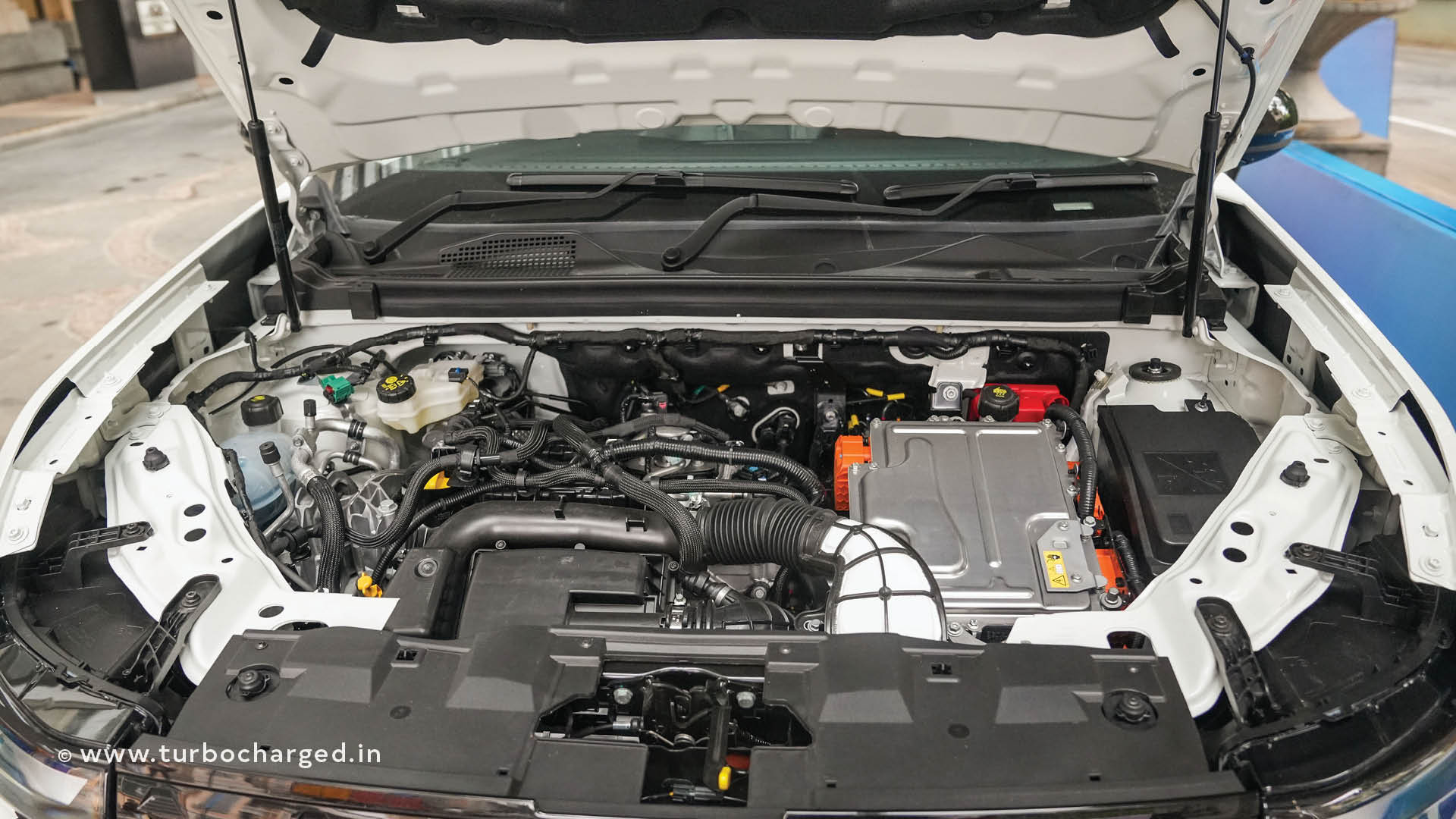
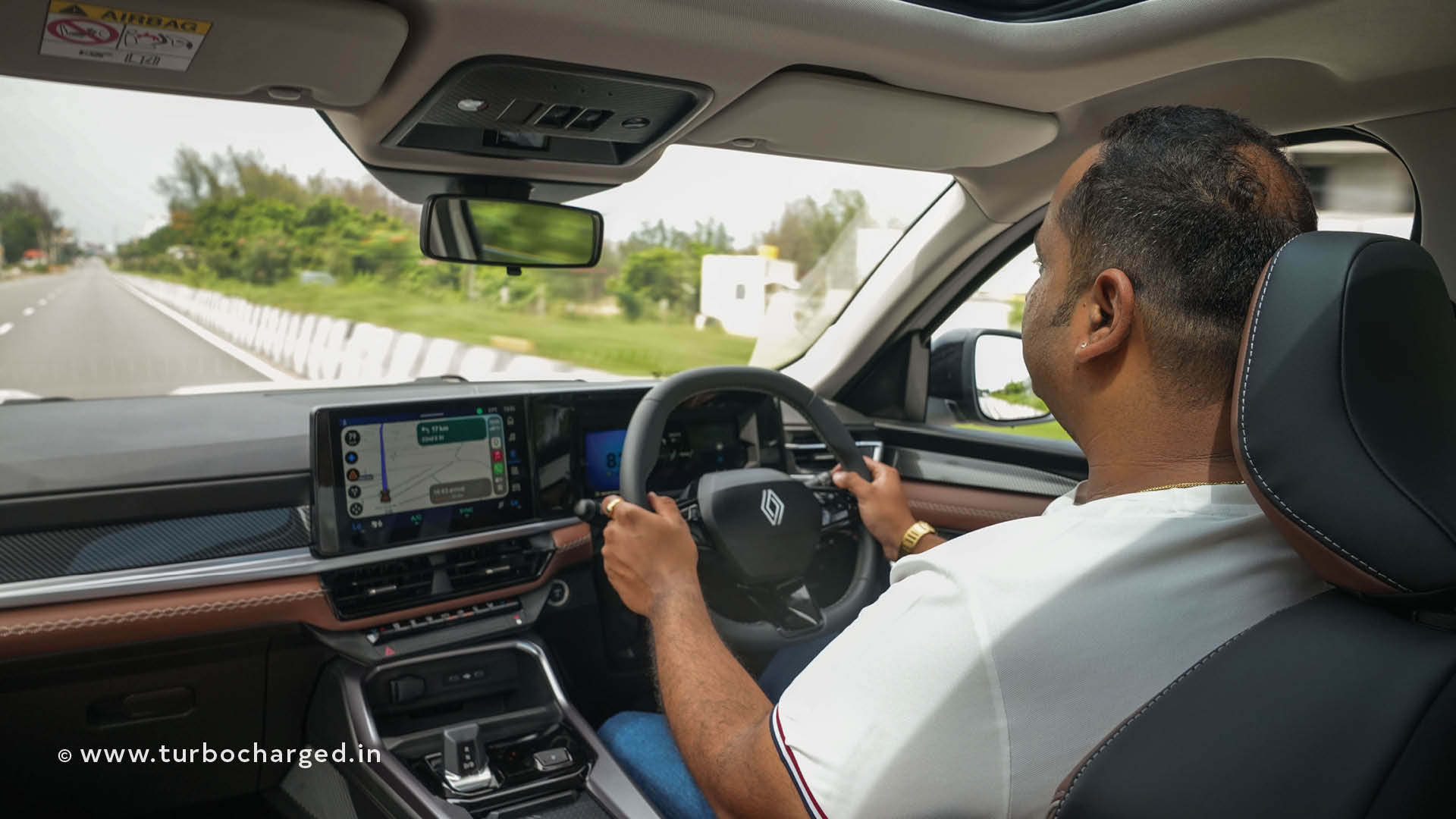
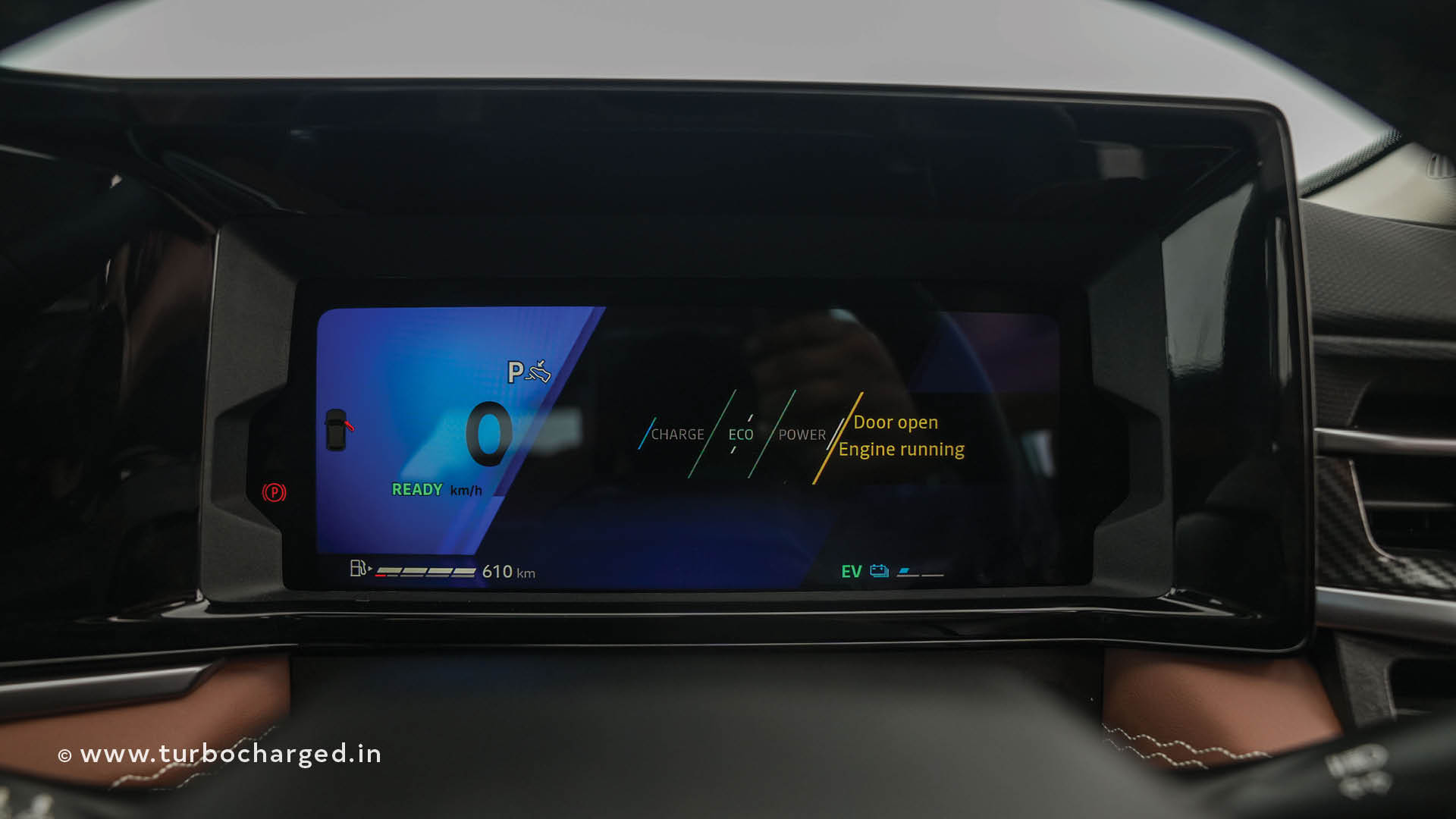
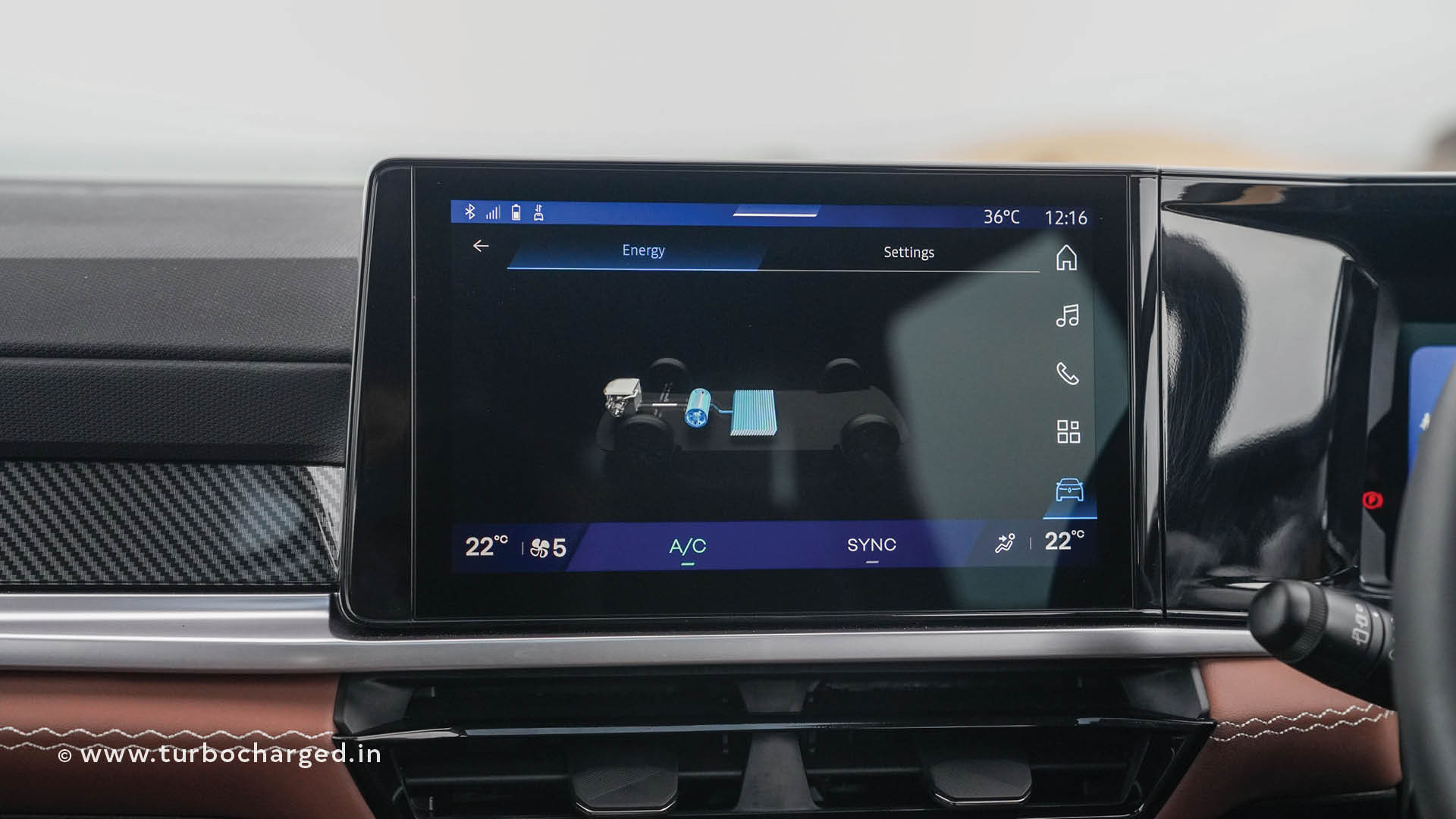
For the matter, the Duster’s 1.4kWh battery is also significantly larger than that of its above mentioned rivals. And then there’s its transmission – the Duster uses a clever multi-mode automatic transmission that combines two electric gears and four engine gears. It can operate in six different modes, switching between electric, petrol and hybrid propulsion depending on driving conditions. Renault claims that up to 80 percent of city driving can be completed in electric mode, while the battery is replenished through the engine and regenerative braking. This is something I experienced first-hand in Chennai’s rush hour traffic early morning – I lost track of the number of kilometres I’d driven before the engine fired up the first time! That said, I’m confident, getting realistically close to Renault’s claimed 29kmpl is possible.
On the other hand, given its 160PS power output, the Duster hybrid is also very quick, be it when taking off from standstill or overtaking. There’s a likeable feel to the performance thus, besides which, the Duster is an excellent driver’s SUV too, as we have seen with the petrol version. Another interesting addition is frequency dependent damping on both axles, which helps compensate for the additional 100kg of weight the SUV has gained thanks to the electric motors and battery pack. This has helped in enhancing the ride quality noticeably, and at the same time handling and steering responses are as impressive as ever.
Overall, the Duster Hybrid is a rather important addition to an already crowded segment, as its combination of 160PS, 29kmpl and the aggressive pricing from ₹16.99 lakh ex-showroom onwards gives it a distinct edge over every other midsize SUV. More importantly, this is precisely the kind of product Renault needs to regain momentum in India. The Duster has the brand recognition, the design and now, a powertrain that gives buyers a compelling reason to consider it, even over a diesel SUV. Whether that translates into the blockbuster comeback Renault is hoping for remains to be seen, but the hybrid certainly gives it a much better shot!
Words Abhay Verma
Photography Tanmay Vartak