



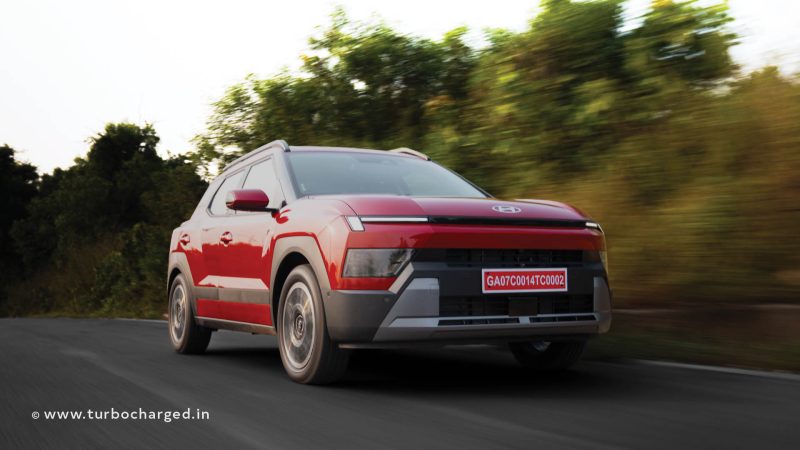
In warfare, a flanking move is to come at your adversary from an angle they don’t expect, and Hyundai has adopted the same tactics with the Bayon – an SUV that sits in the same midsize SUV segment as the Creta, but targets a completely different audience. According to Hyundai, the Bayon is targeted at the younger crowd who is always looking for the next new experience, while the Creta is for the slightly older and more established customers looking for a solid, no-nonsense long-term car. So what does the Bayon offer to the potential buyers?
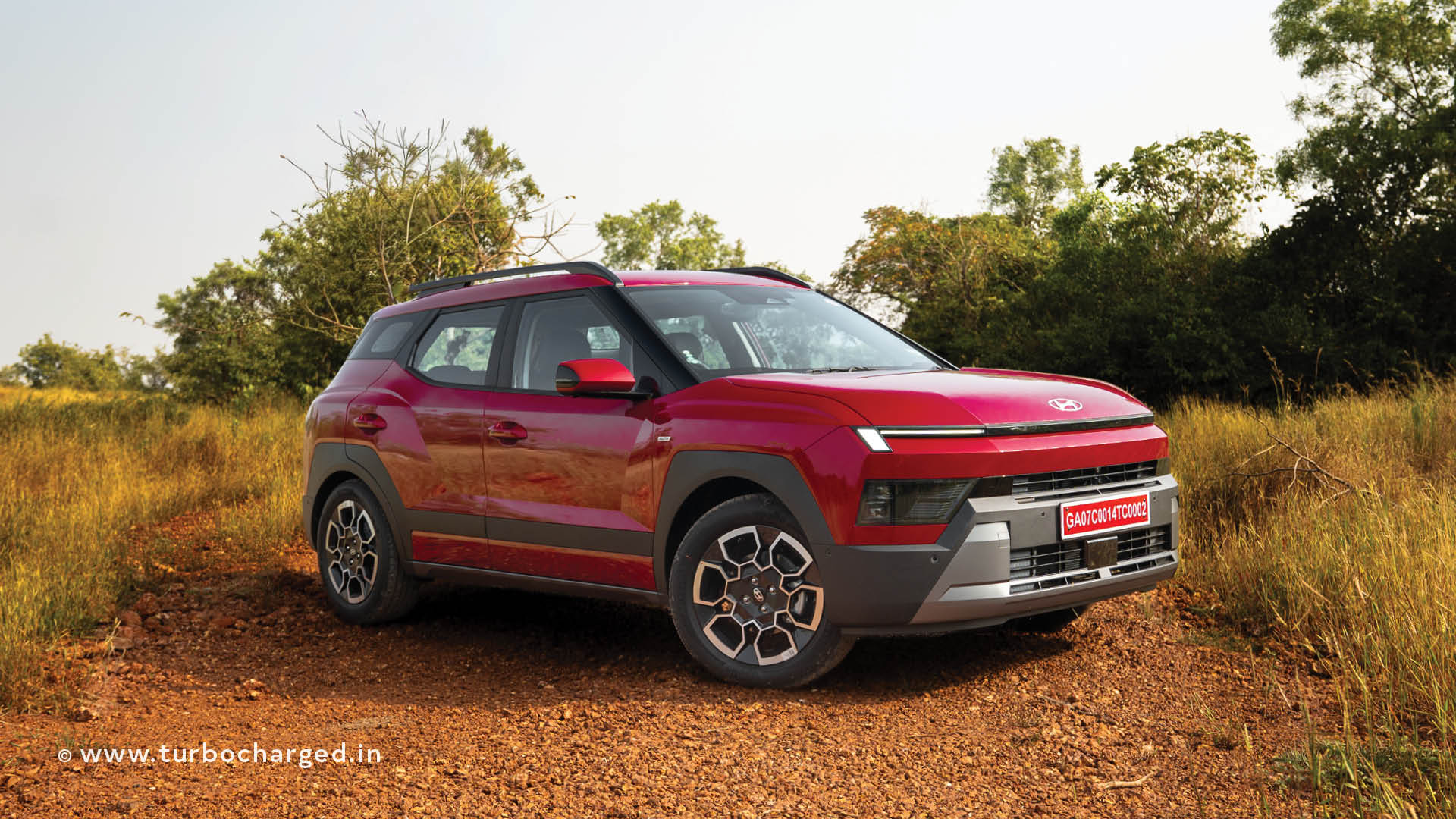
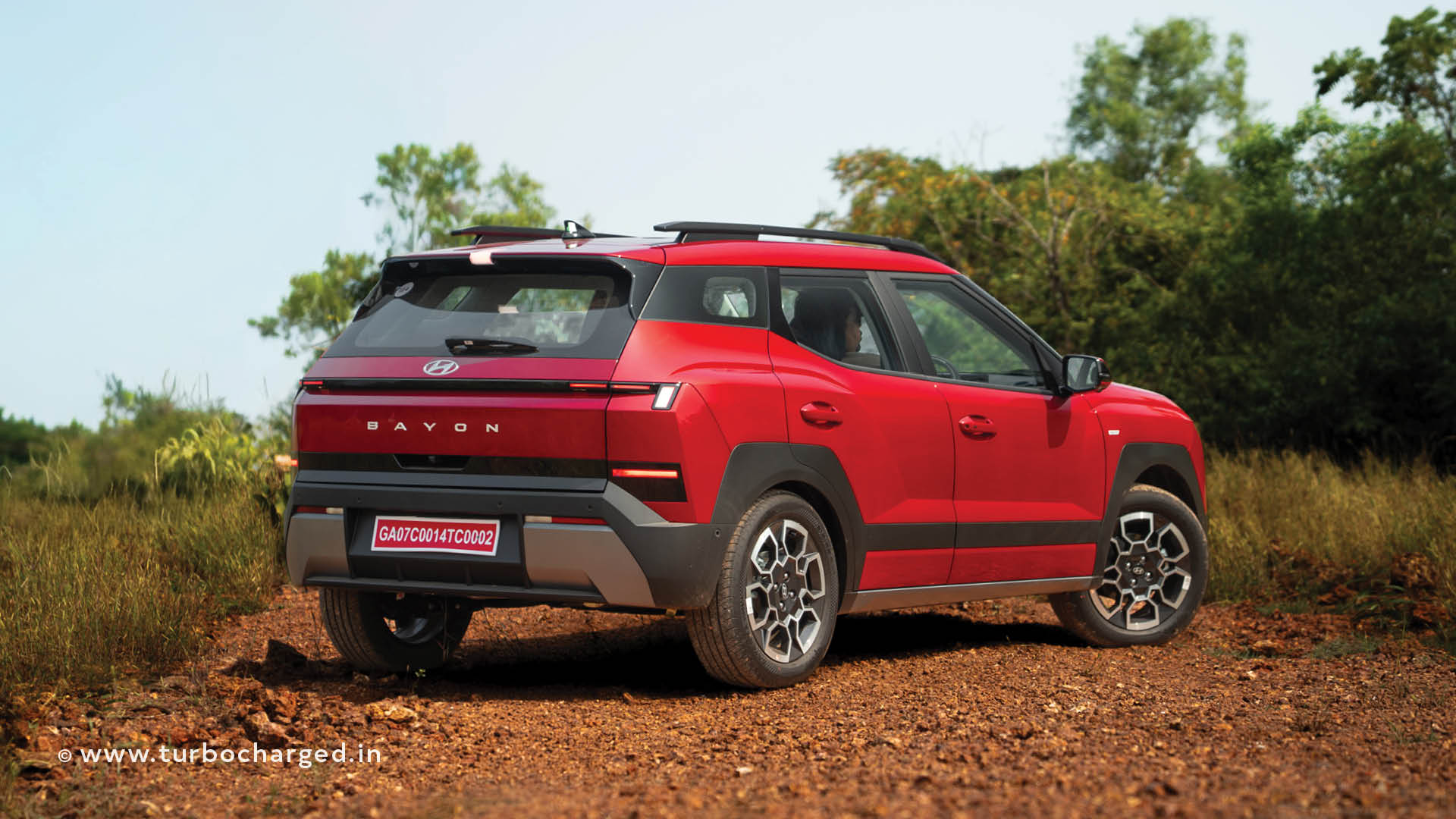
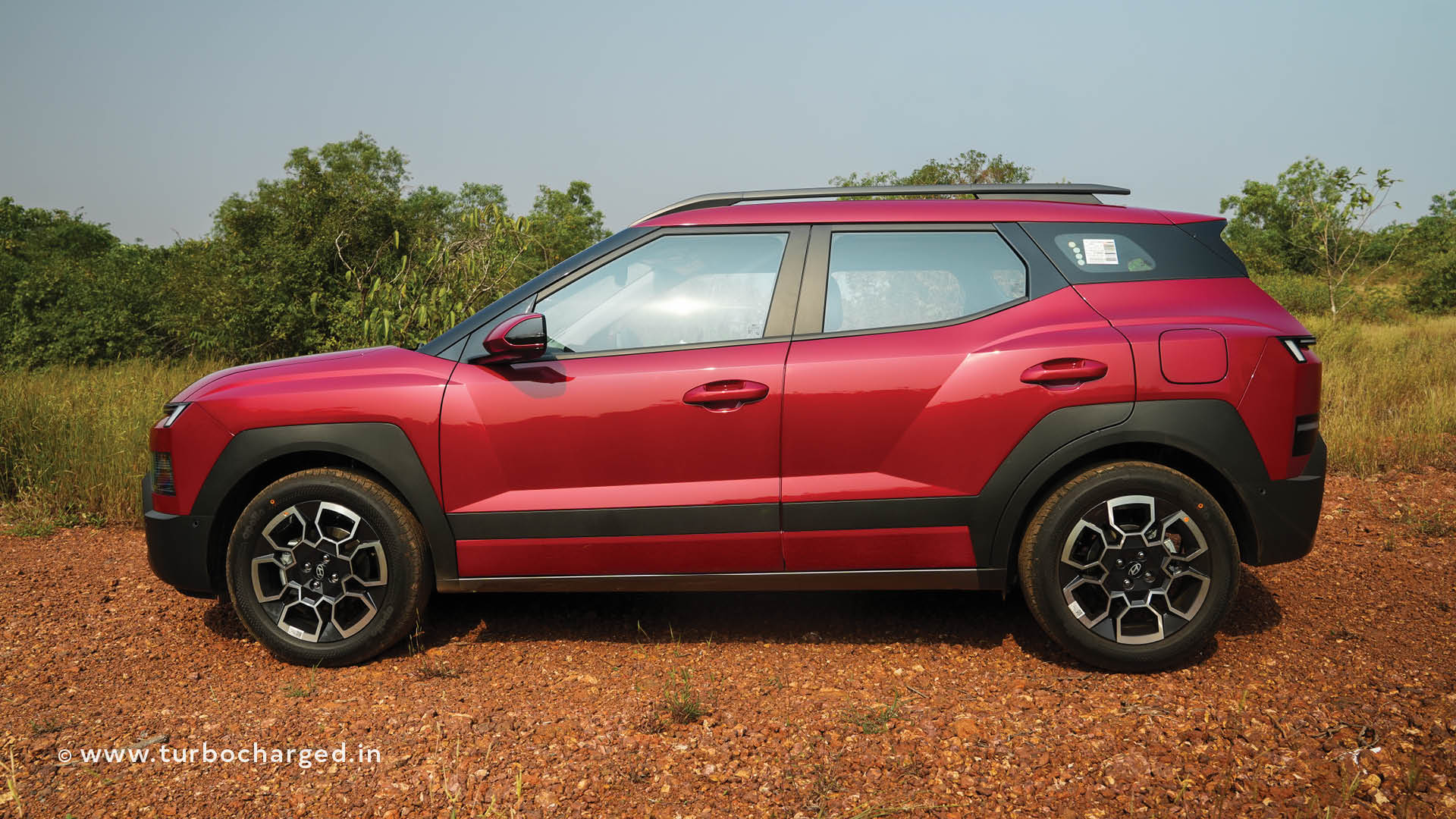
The design of the Bayon is distinctly different from that of the Creta, with sharper and edgier lines; there are noticeable fender flares too, and one can never have enough fender flares – just ask Akira Nakai! (the man behind the RWB Porsches). There’s a decidedly solid kick up at the C-Pillar for a shrinking glasshouse, creating a forced perspective that the Bayon, compact though it is, is somehow larger in life. I particularly love the fact that it comes with a symmetric design for the alloys, as I am personally not a fan of asymmetric wheel designs, even the famous Porsche Twists from the 996 Turbo. Also, the absence of connected lights at both the front and rear is heartening, as that has somehow become the be-all and end-all of car design.
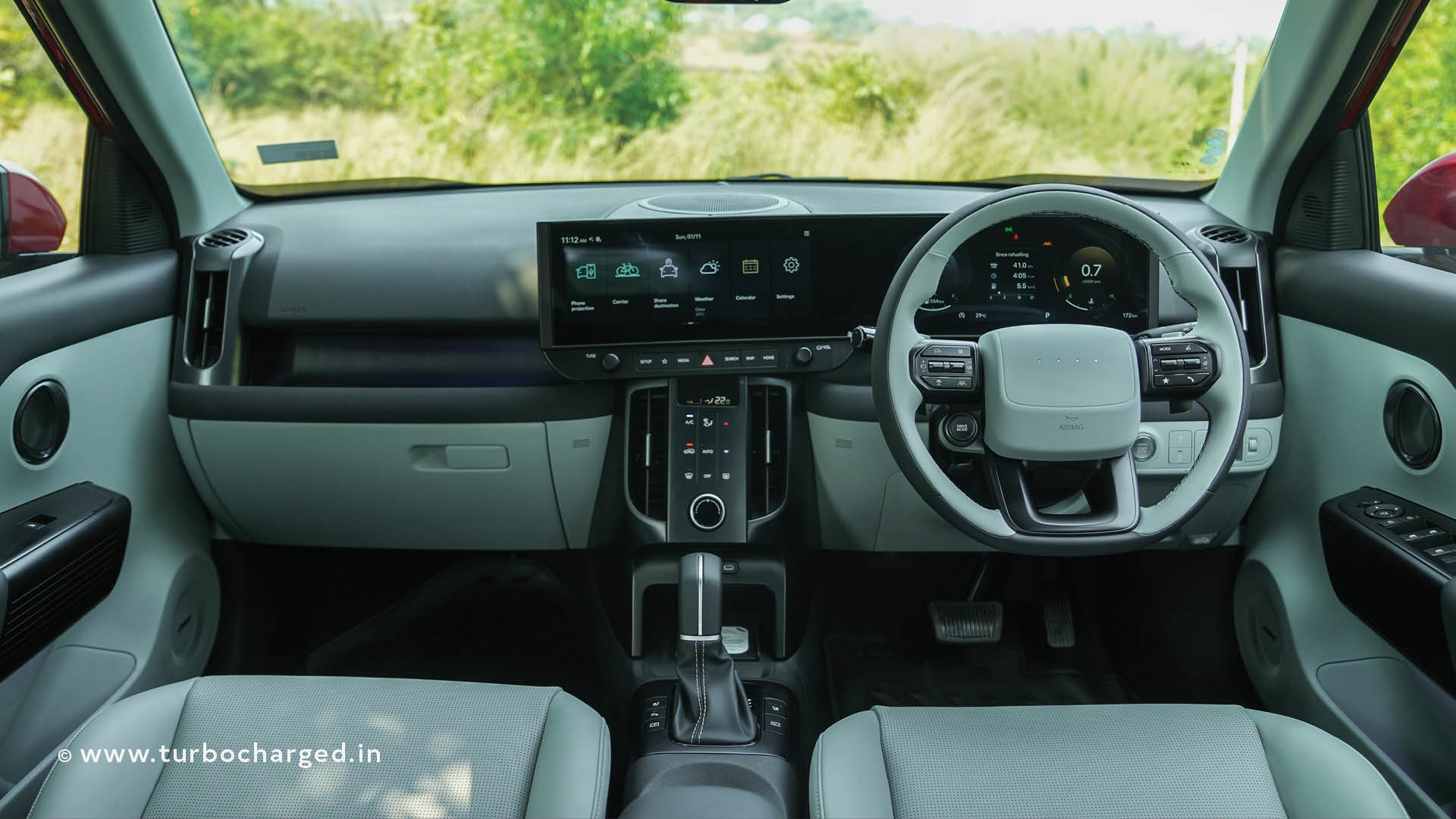
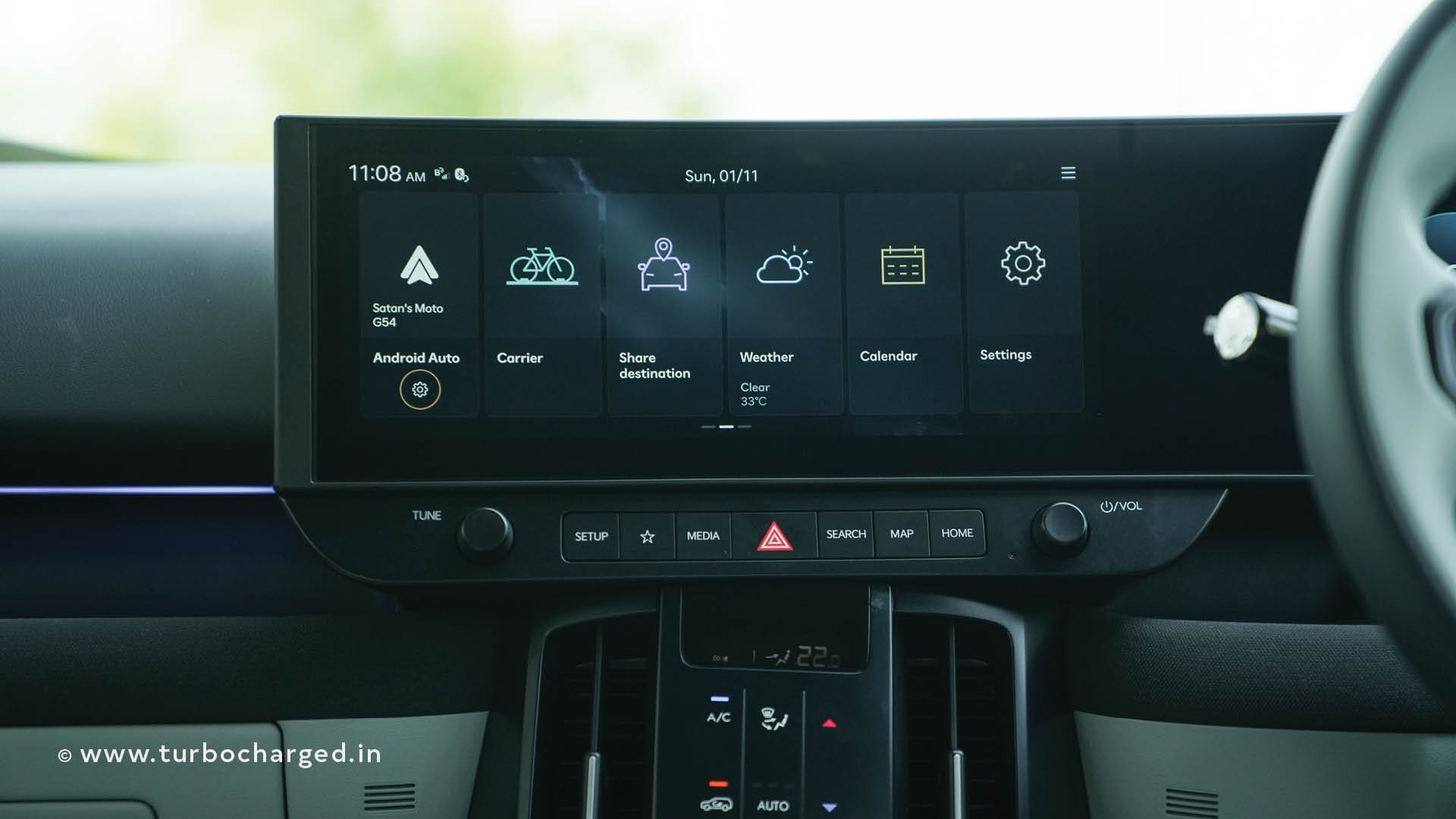
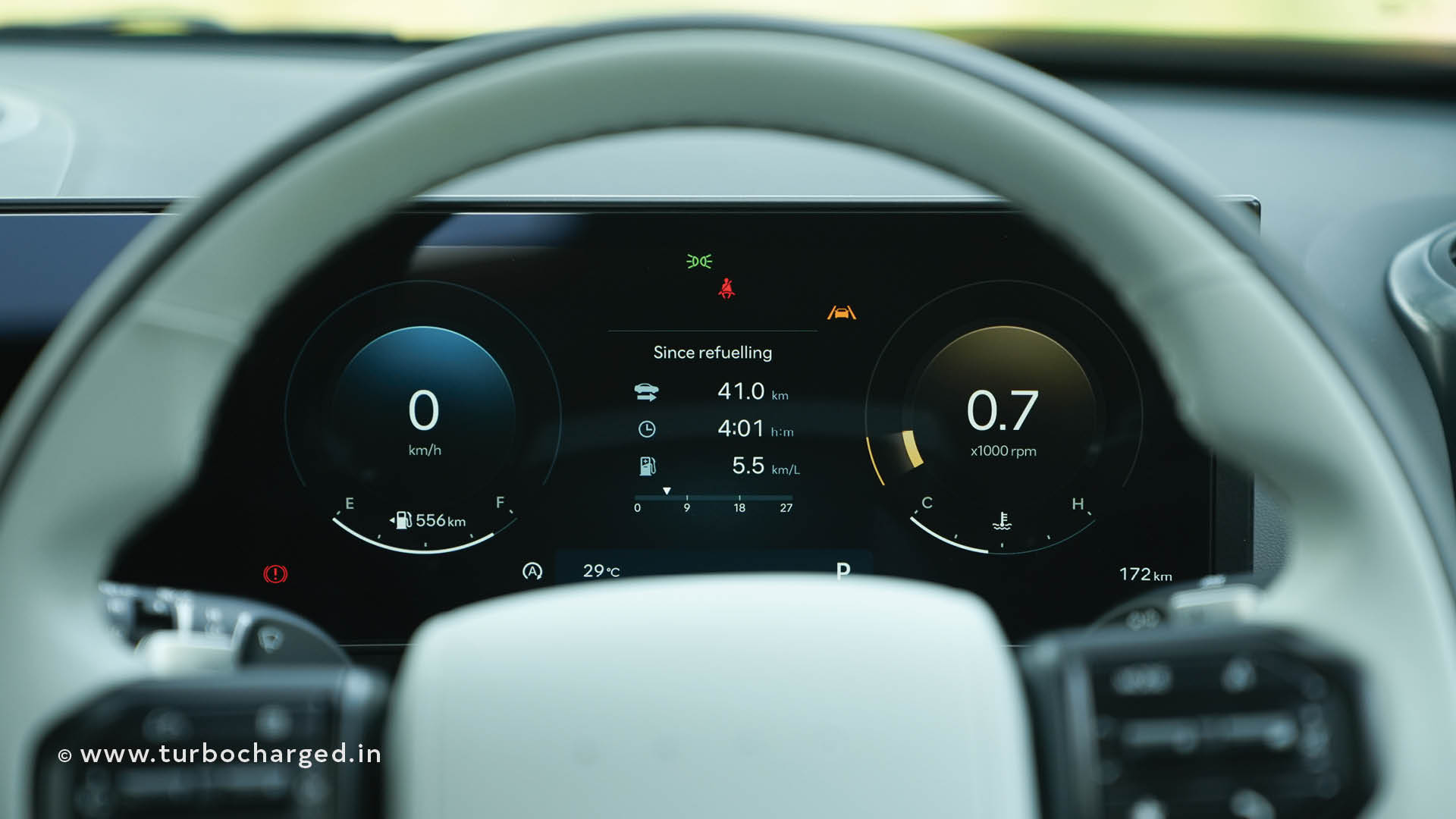
It is the list of features in which the Bayon sets itself apart, with a standalone AI assistant that is powered by Perplexity, with the voice provided by Soundhound. The single large screen contains both the infotainment and the instrument cluster, and is mounted in a detached fashion, rather like the current crop of BMWs, as compared to the more integrated one in the Creta.
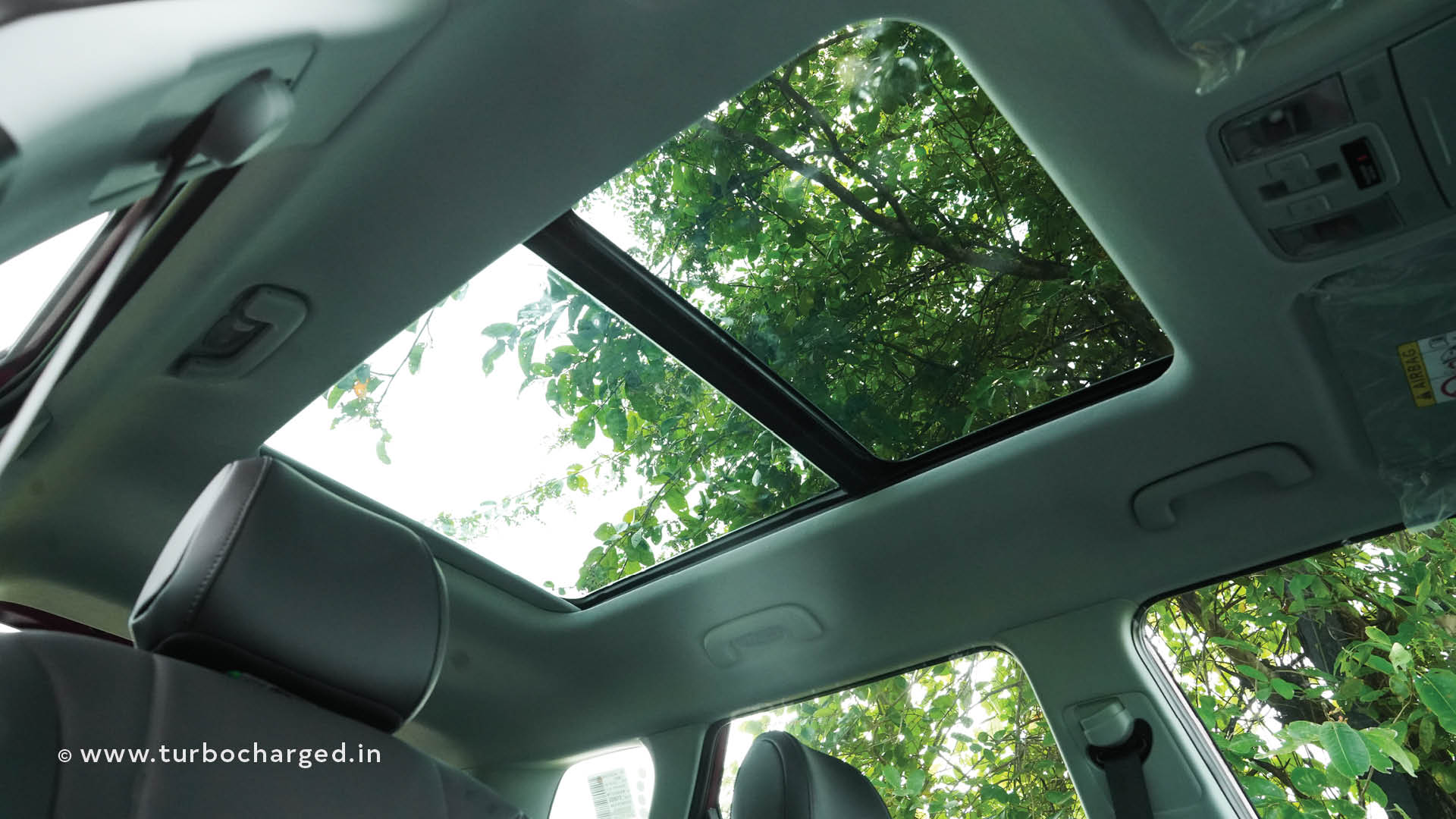
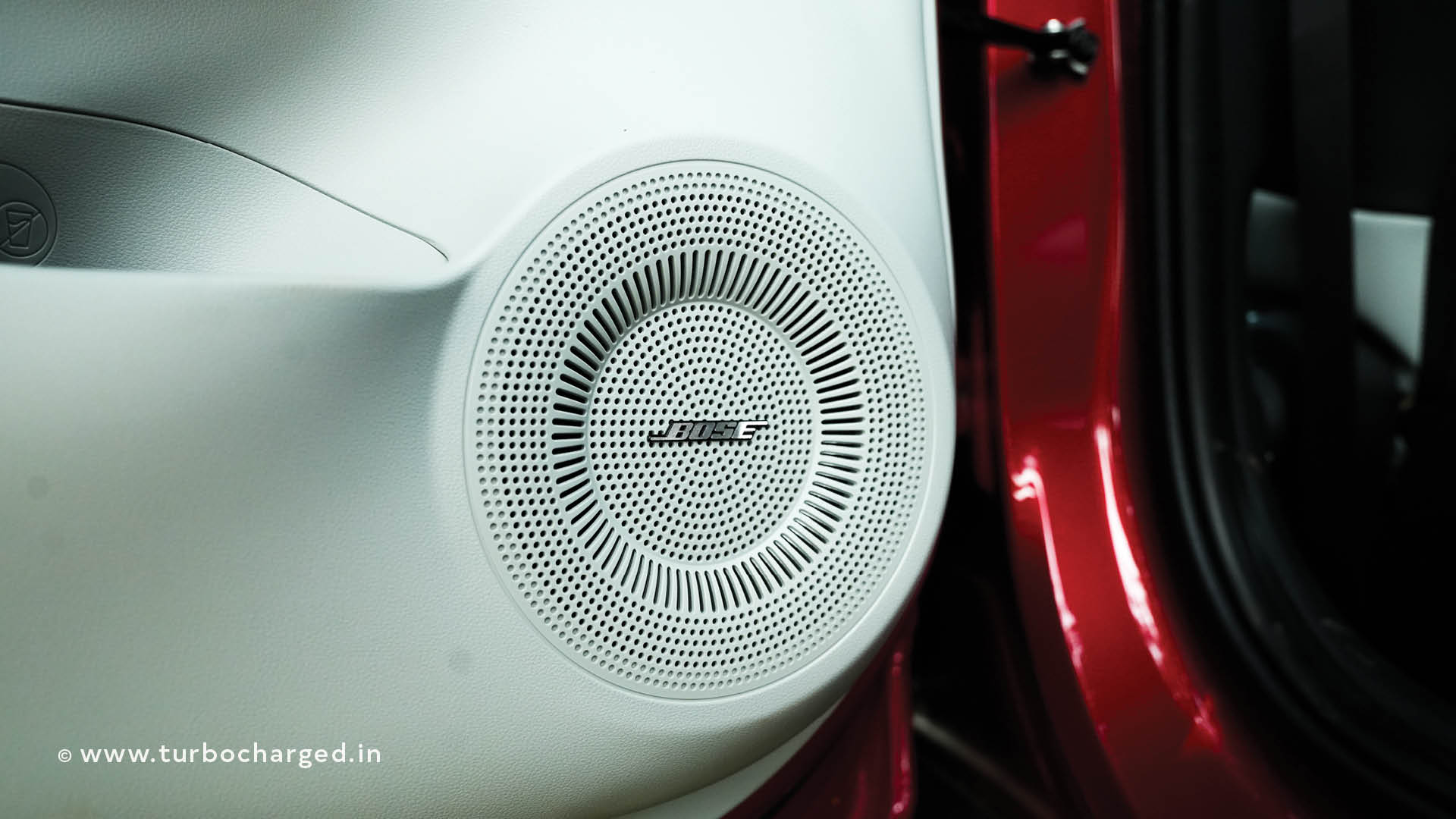
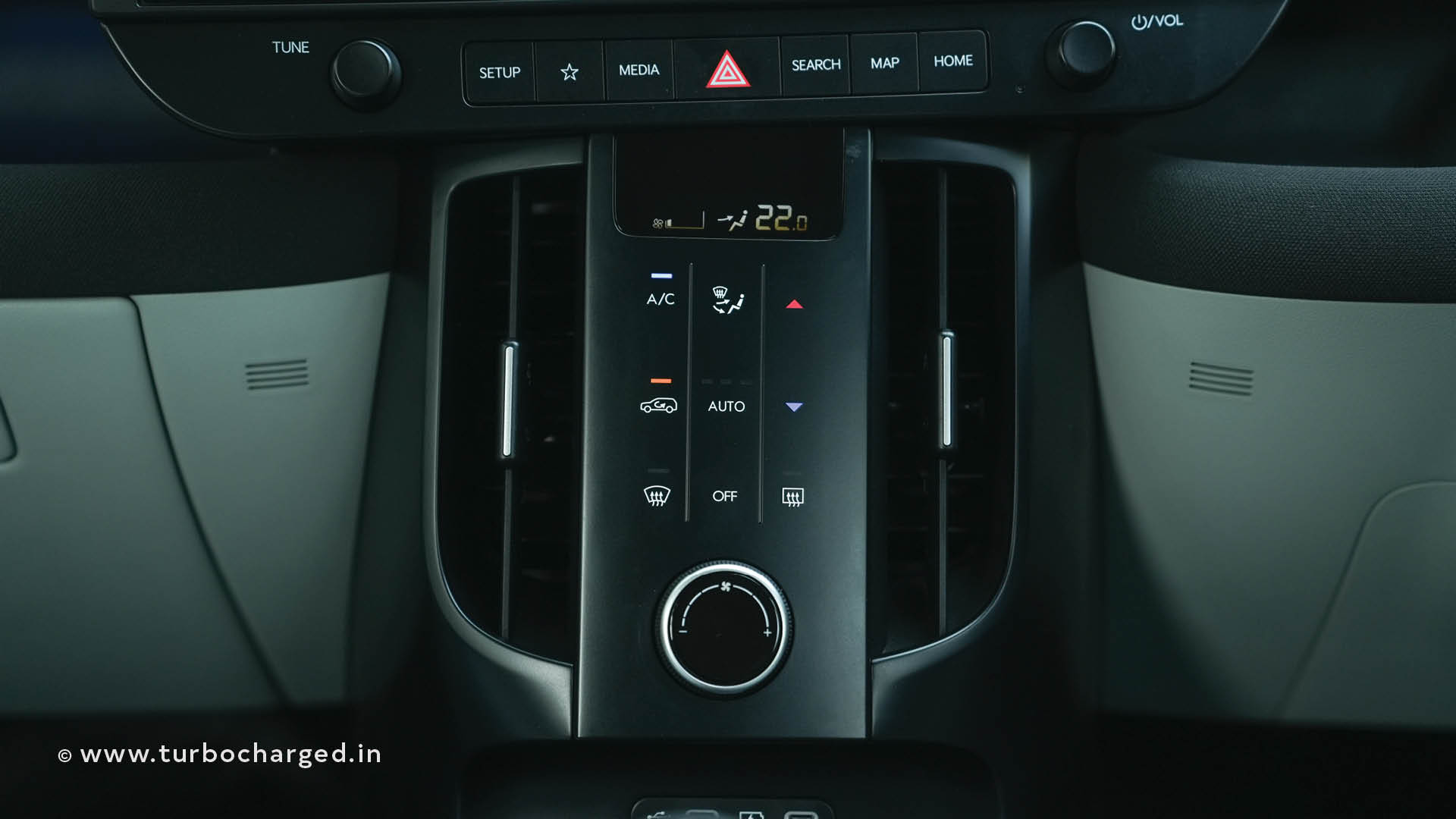
The Bayon also offers a choice of two types of sunroofs — single-pane and dual-pane panoramic, which is something I believe a lot of customers will appreciate, as Indian customers love their sunroofs, as if we needed to make the AC work any harder. Also, the rear seat can be reclined at two different angles – a rarity in cars of this segment.
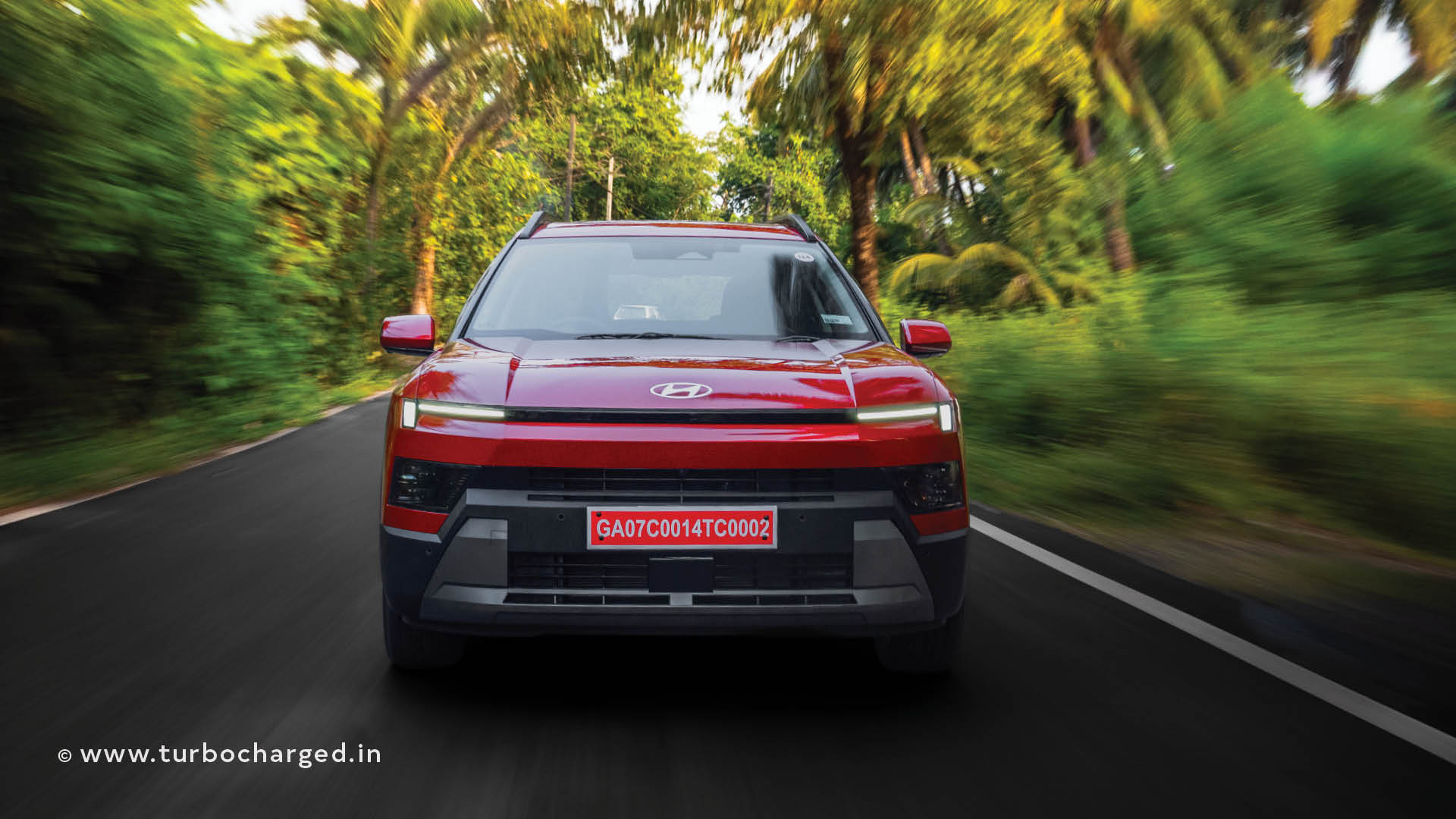
The Bayon comes with the less sporty but more economical engine in Hyundai’s Indian portfolio – the 1.5-litre naturally aspirated four-cylinder; this is complemented by a choice of transmissions – either a 6-speed manual or an iVT, which is Hyundai-speak for a CVT and the one we drove. It is quite a puzzle as to why Hyundai chose not to go for its turbocharged engine in such a youth-oriented, sporty-looking car, but the 1.5 is a dependable performer, and probably helps keep the costs low and offer a direct competition for the Victoris, also powered by a 1.5-litre naturally aspirated four-cylinder, and obviously a car against which Hyundai benchmarked the Bayon.
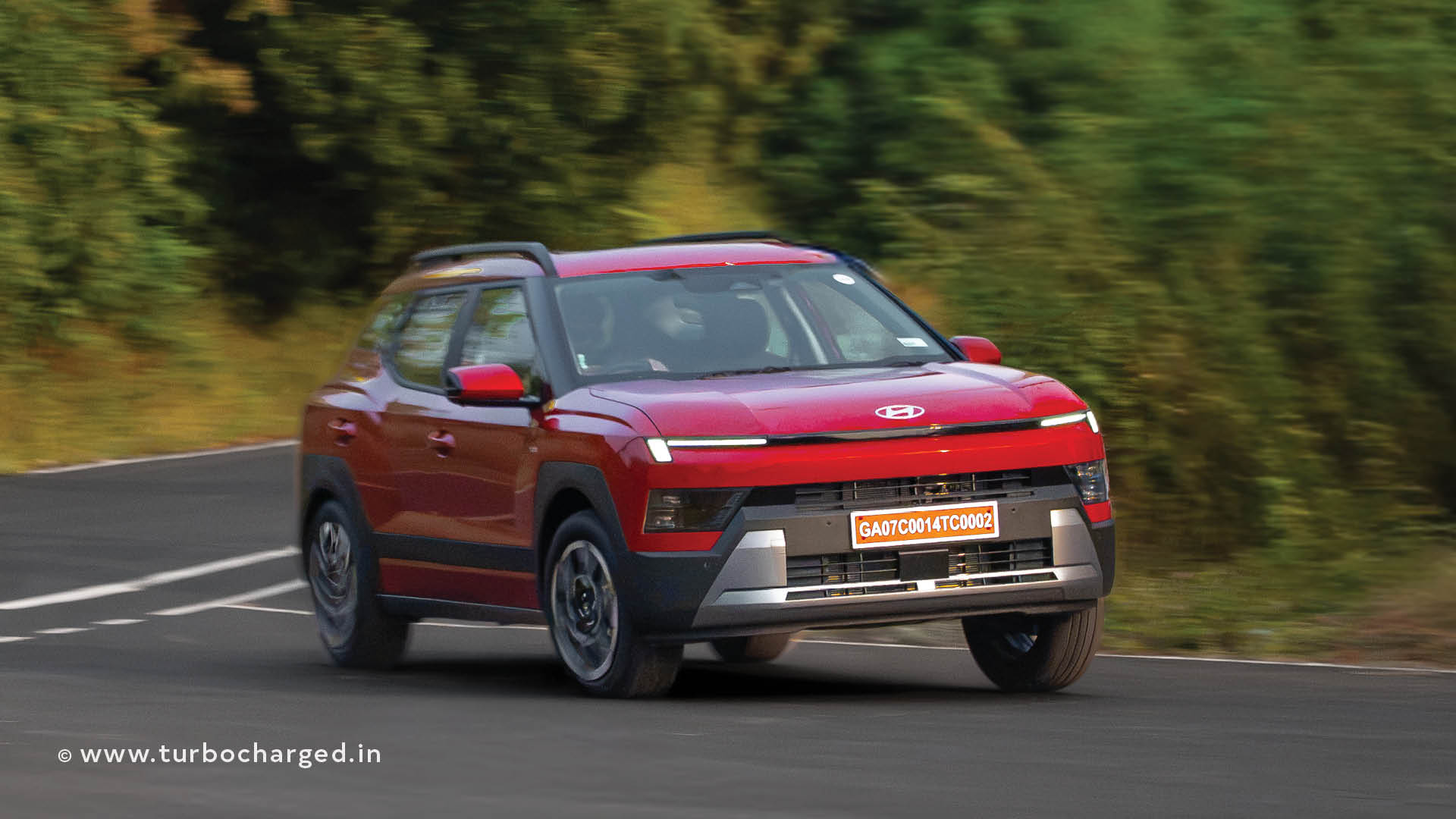
The Bayon is 85mm shorter, and is 10mm narrower with a 10mm shorter wheelbase than the Creta, but feels a lot more compact than the numbers would suggest. It is also 35mm lower, and that seems to have lowered the centre of gravity to aid the handling, because on the move, the Bayon feels almost as lithe, agile, and nimble as the Venue, despite the Venue having significantly smaller dimensions. The suspension is a classic combo of McPherson struts up front and torsion beams at the rear, set up in a rather firm manner, putting the sport back into the sport utility vehicle! The Bayon comes with a sizable 205mm ground clearance, which makes excursions down gravel roads mostly worry-free.
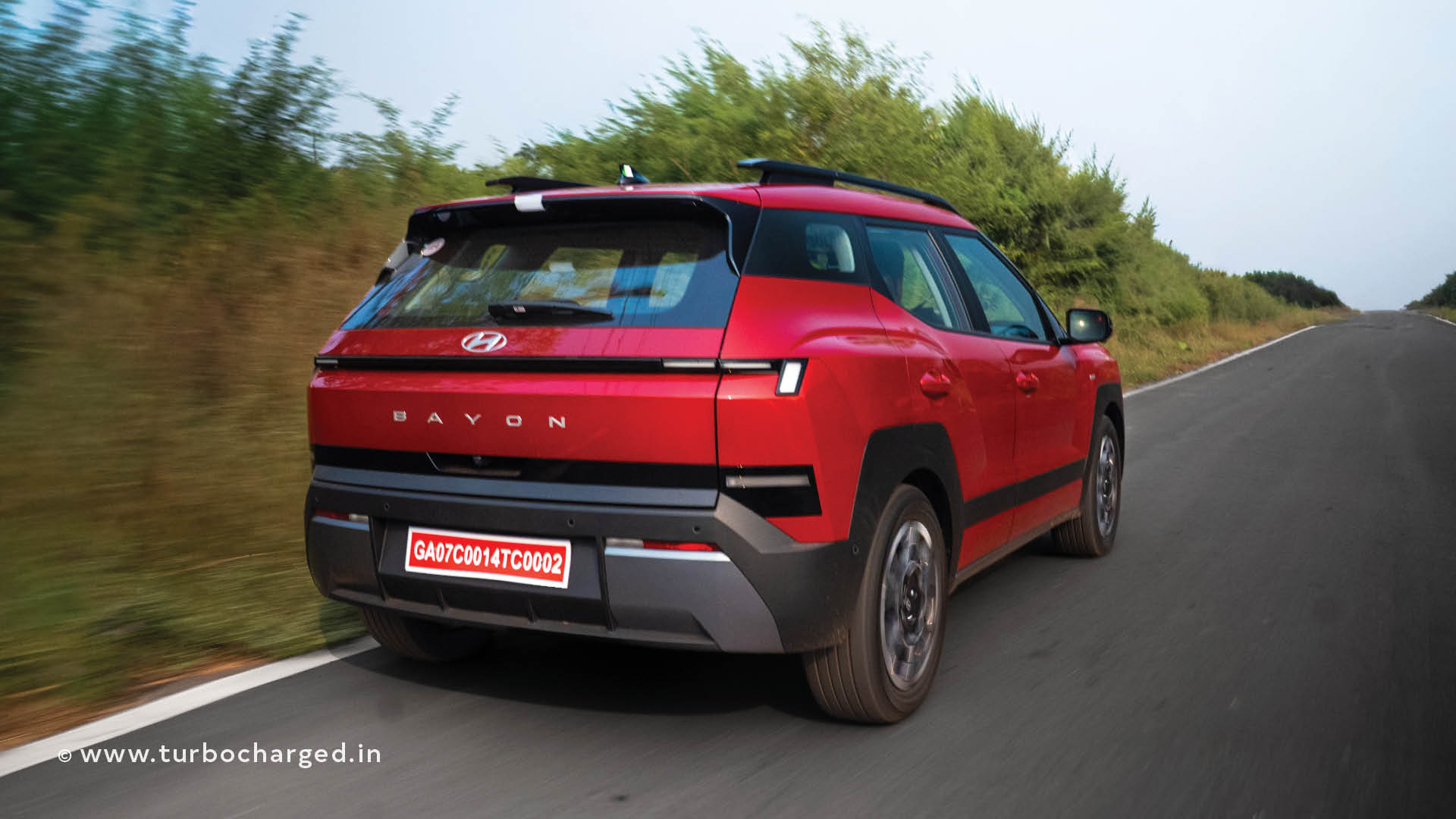
With a starting price of ₹10.00 lakh, the Bayon undercuts the competition by a decent margin, and Hyundai has managed to cram as many quality-of-life features as possible into the lower trim levels, so they are not there just to push the customer to upgrade to the higher trims, like the infamous mid option for fries at fast food restaurants, which exists solely to convince the customer to go for the large fries. That being said, even the absolute topmost trim that we drove costs ₹18.15 lakh, which is less than the top trims of a few notable rivals. Furthermore, all those rivals offer a largely similar experience to that of the Creta, so by creating the Bayon to sit side by side with Creta while offering a distinctly different experience has let Hyundai attack the market from multiple angles, which is what a good flanking maneuver is all about.
Words Sayantan De
Photography Alex Toppo