



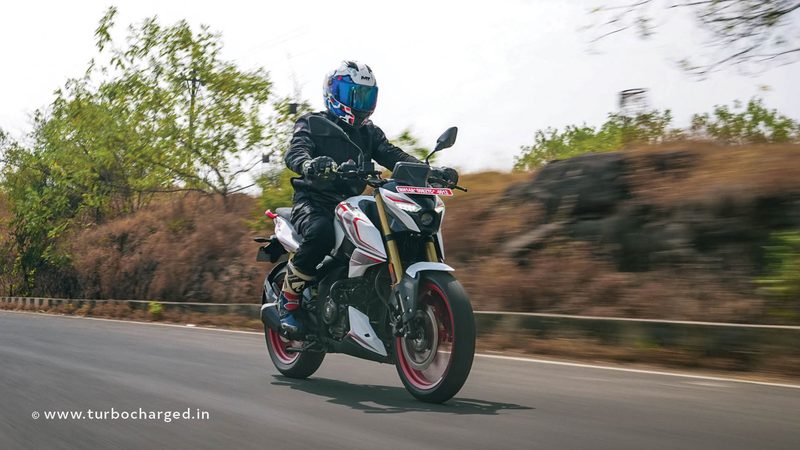
You know what the Microsoft Zune is, right? Chances are, even if you didn’t know it in period, thanks to Guardians of the Galaxy, you are now in on the Zune zeitgeist. The Zune was a better product than the Apple iPod by every measurable metric, but it didn’t matter — people just didn’t buy it in large enough numbers. I feel a similar unfortunate set of circumstances has befallen the Bajaj Pulsar N250. Its younger brother, the N160, is flying off the shelves, but the N250 just doesn’t seem to be able to capture the imagination of the audience, which is a damn shame, as I believe it is the most versatile of all the Pulsar models in existence — a belief I had held since 2021, when I first rode the newly-launched motorcycle. I recently rode the updated N250SS too.
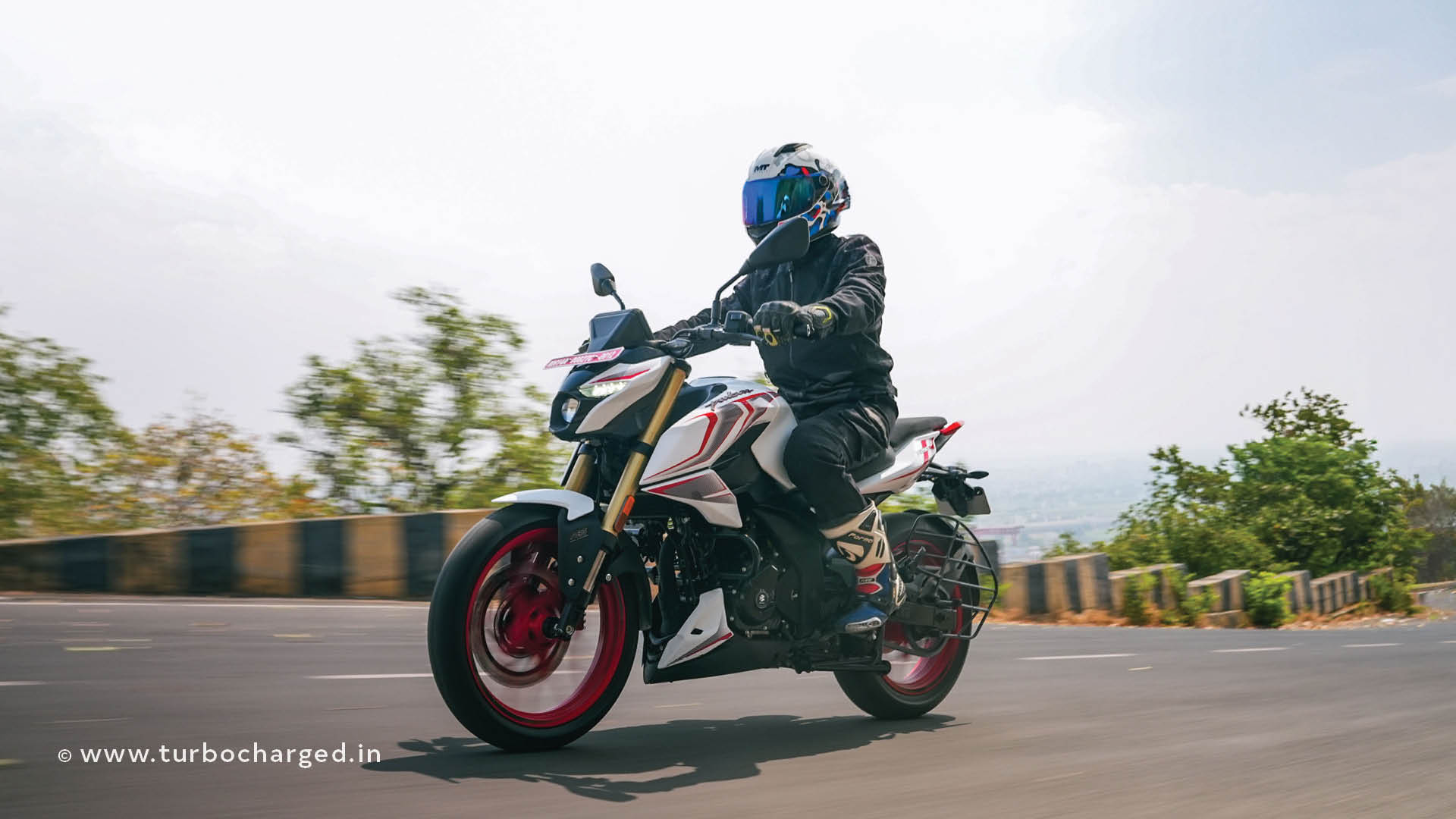
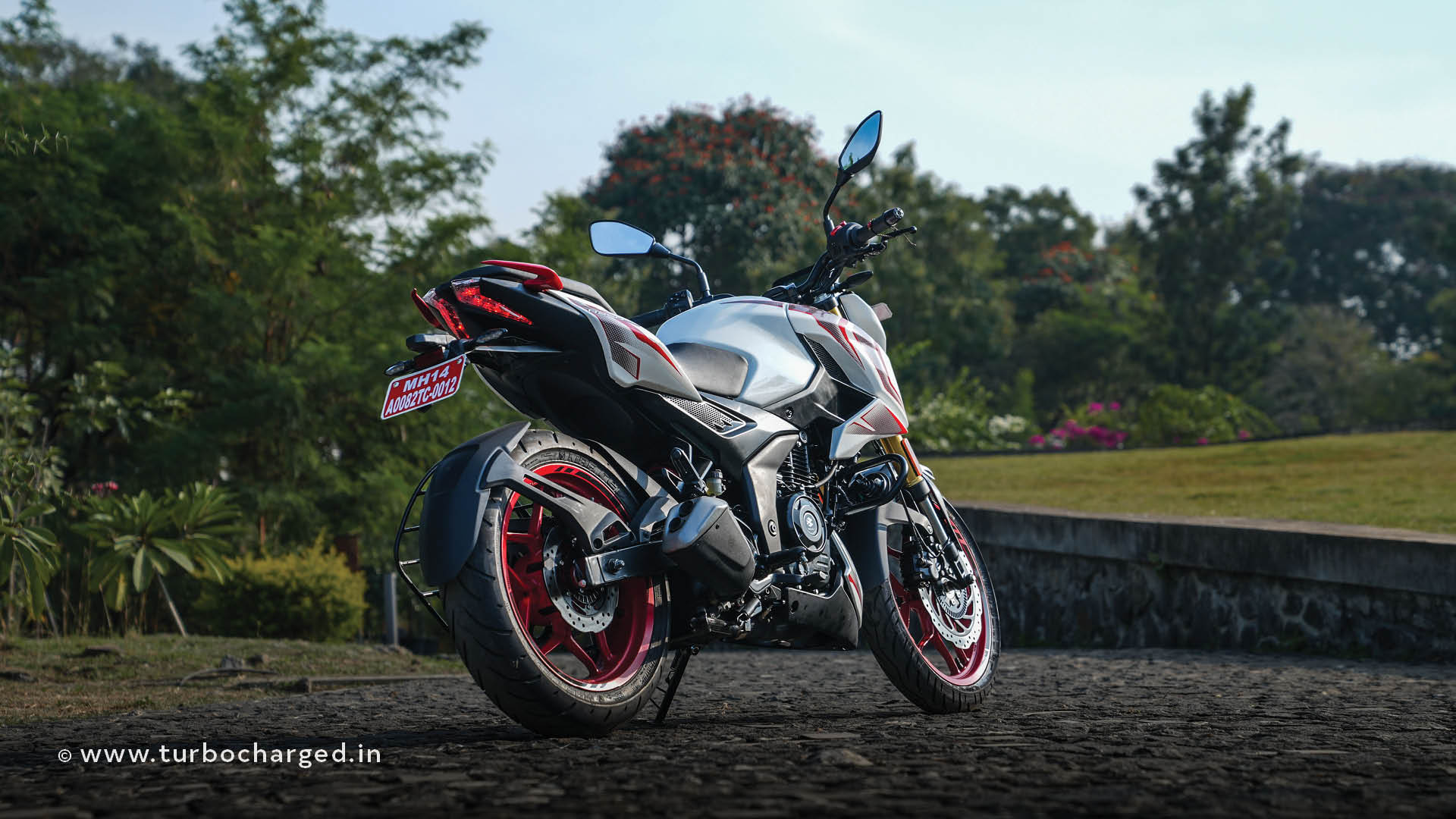
There’s no mistaking the N250 for anything other than a Pulsar, with the signature headlamp design and muscular panels and tank extensions lending it an air of aggression even when standing still. It was also the most modern of Pulsar platforms until the new generation of the 125/150 came out.
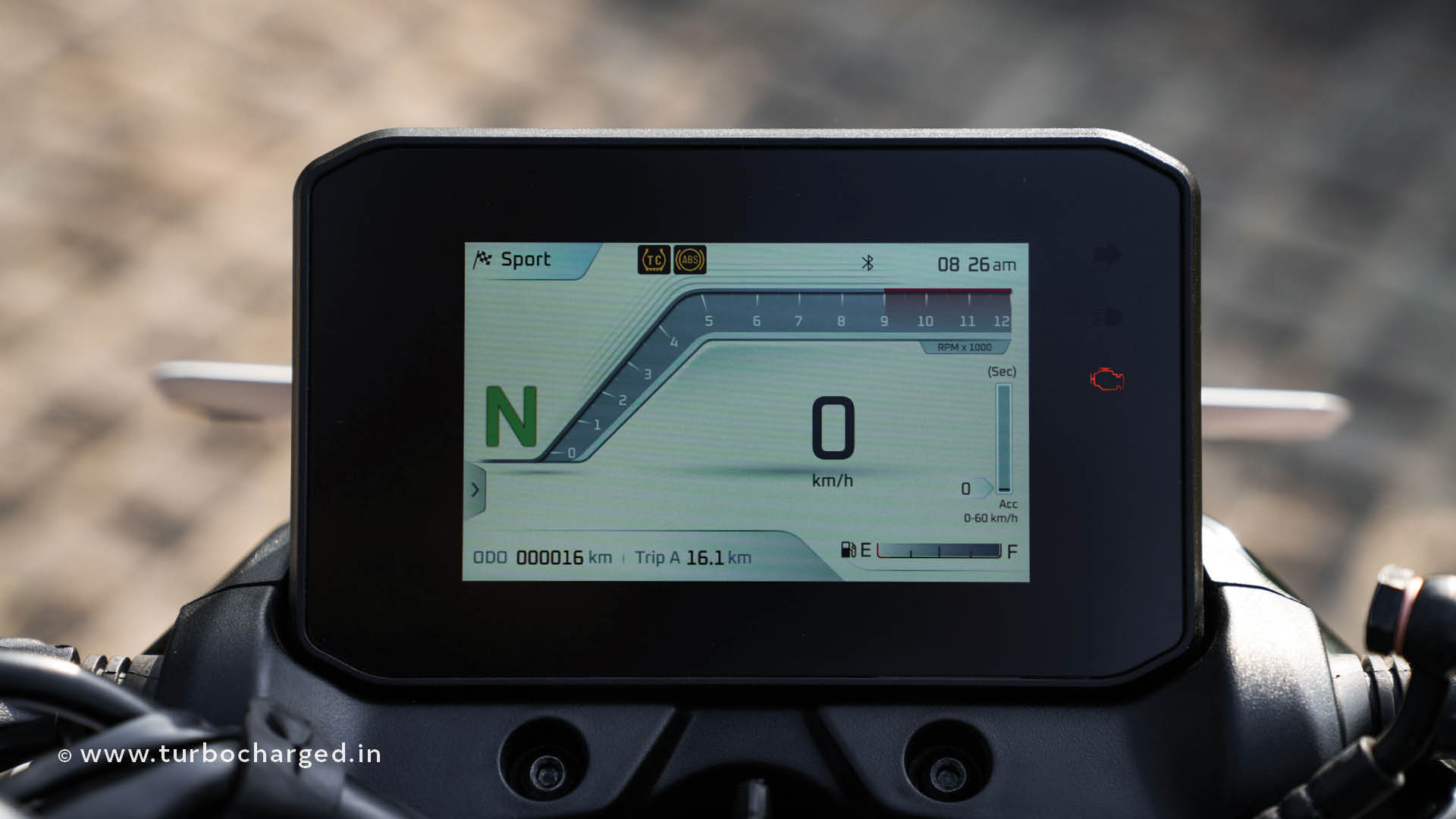
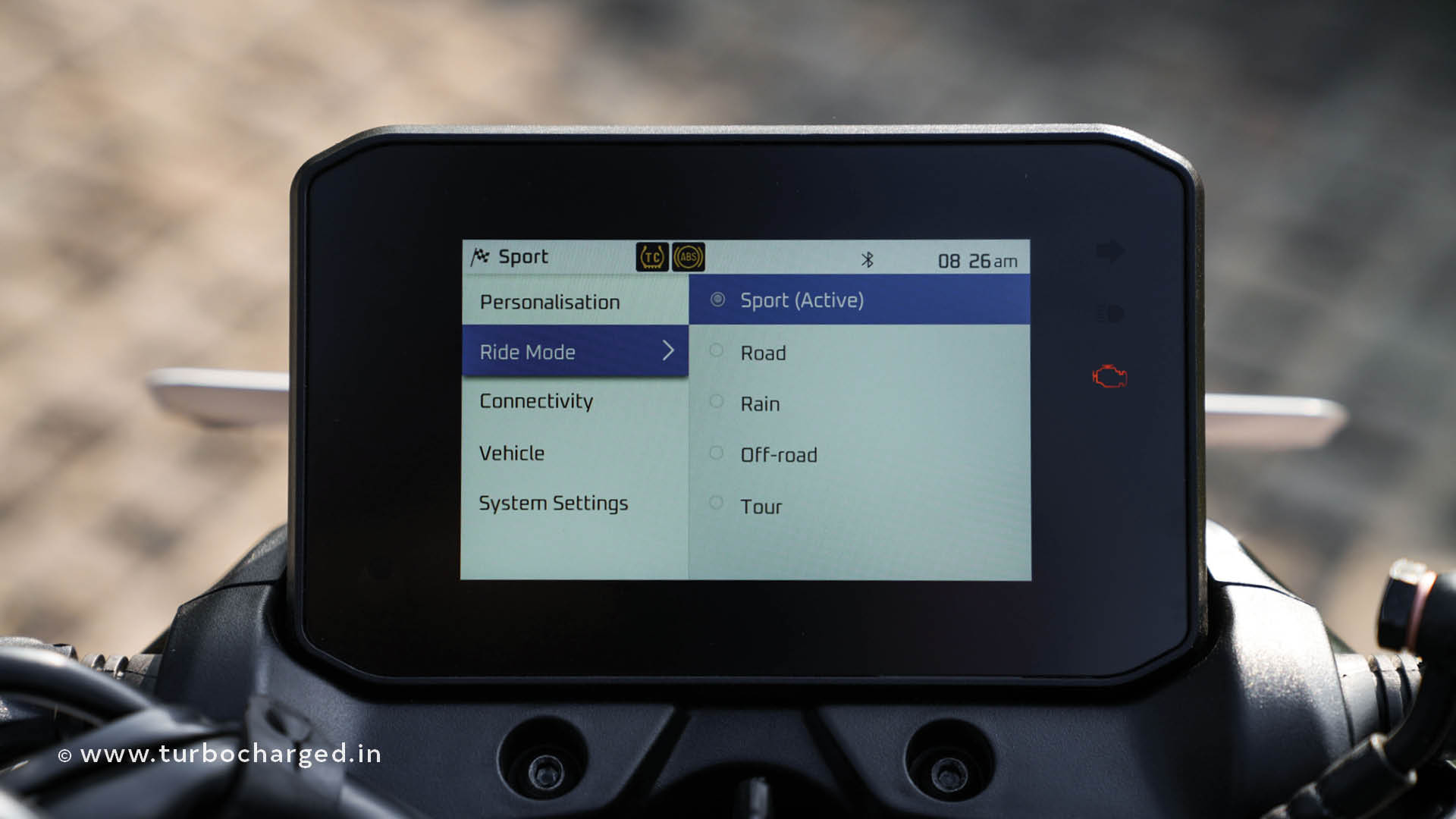
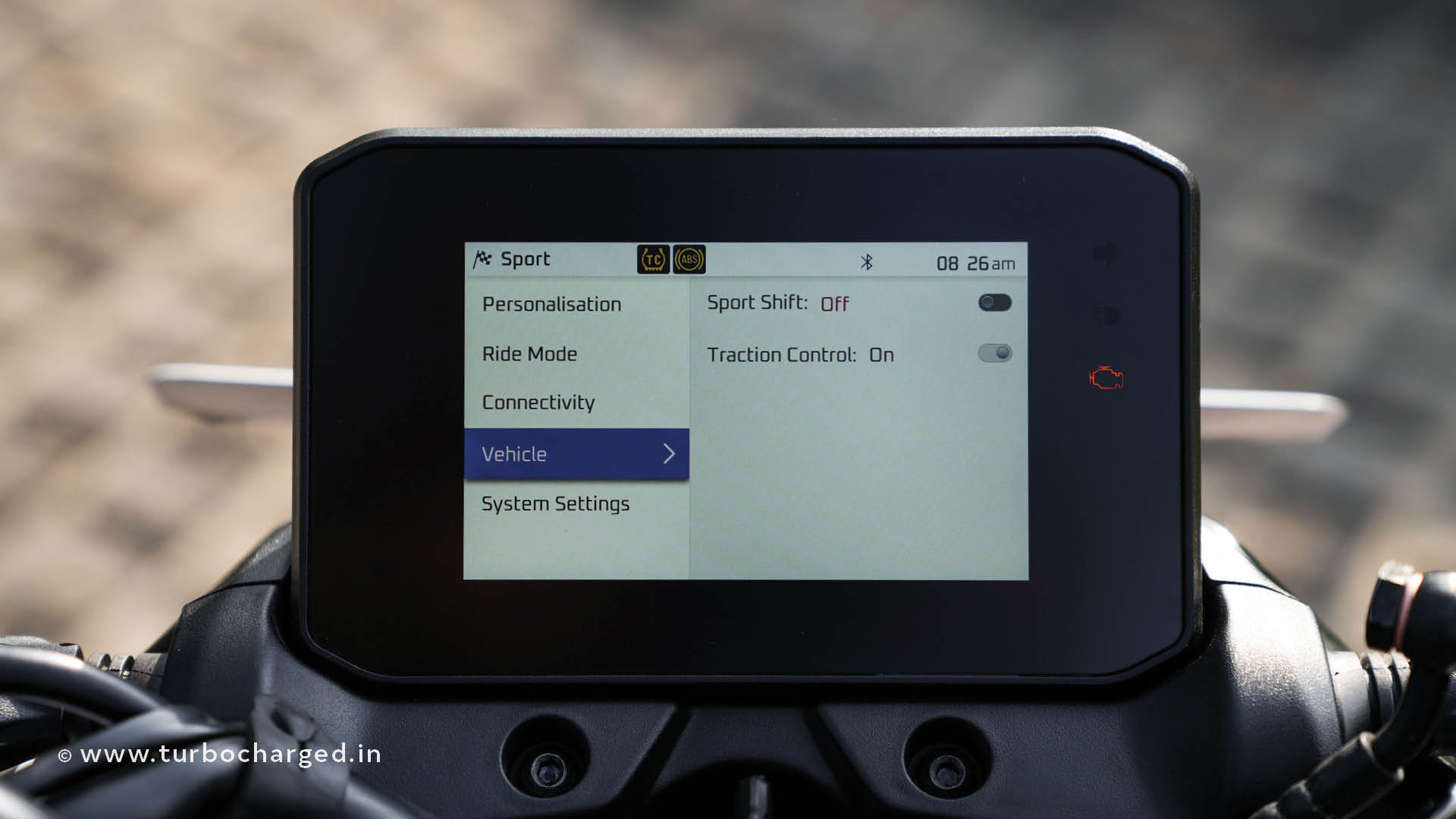
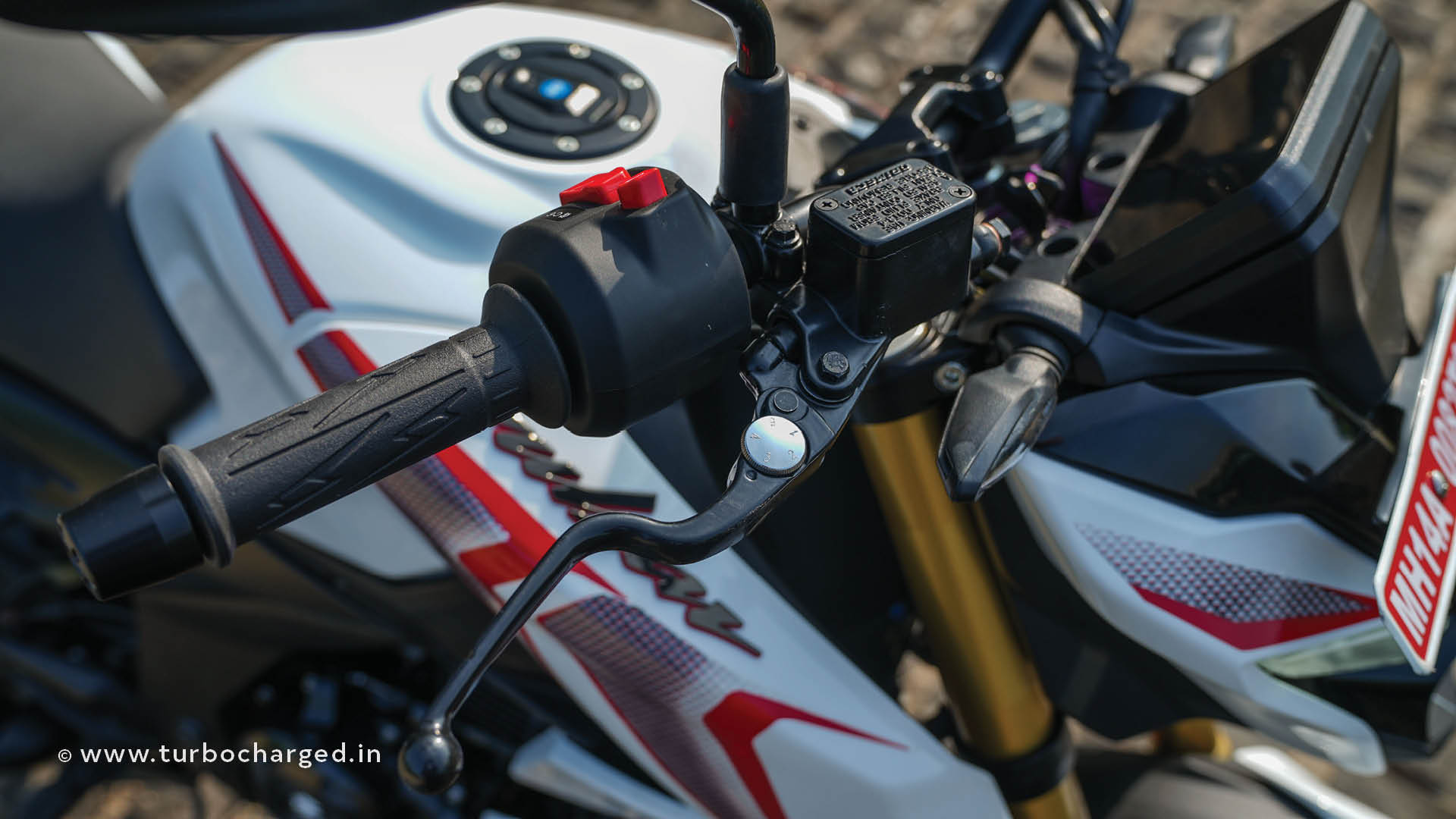
It gets a TFT on this iteration, but I would have preferred an updated version of the old analogue-digital interface with turn-by-turn. It was a beautifully designed instrument cluster, and I know for a fact Bajaj only switched to TFT because that’s what the market demanded. I do welcome the addition of adjustable levers, though.
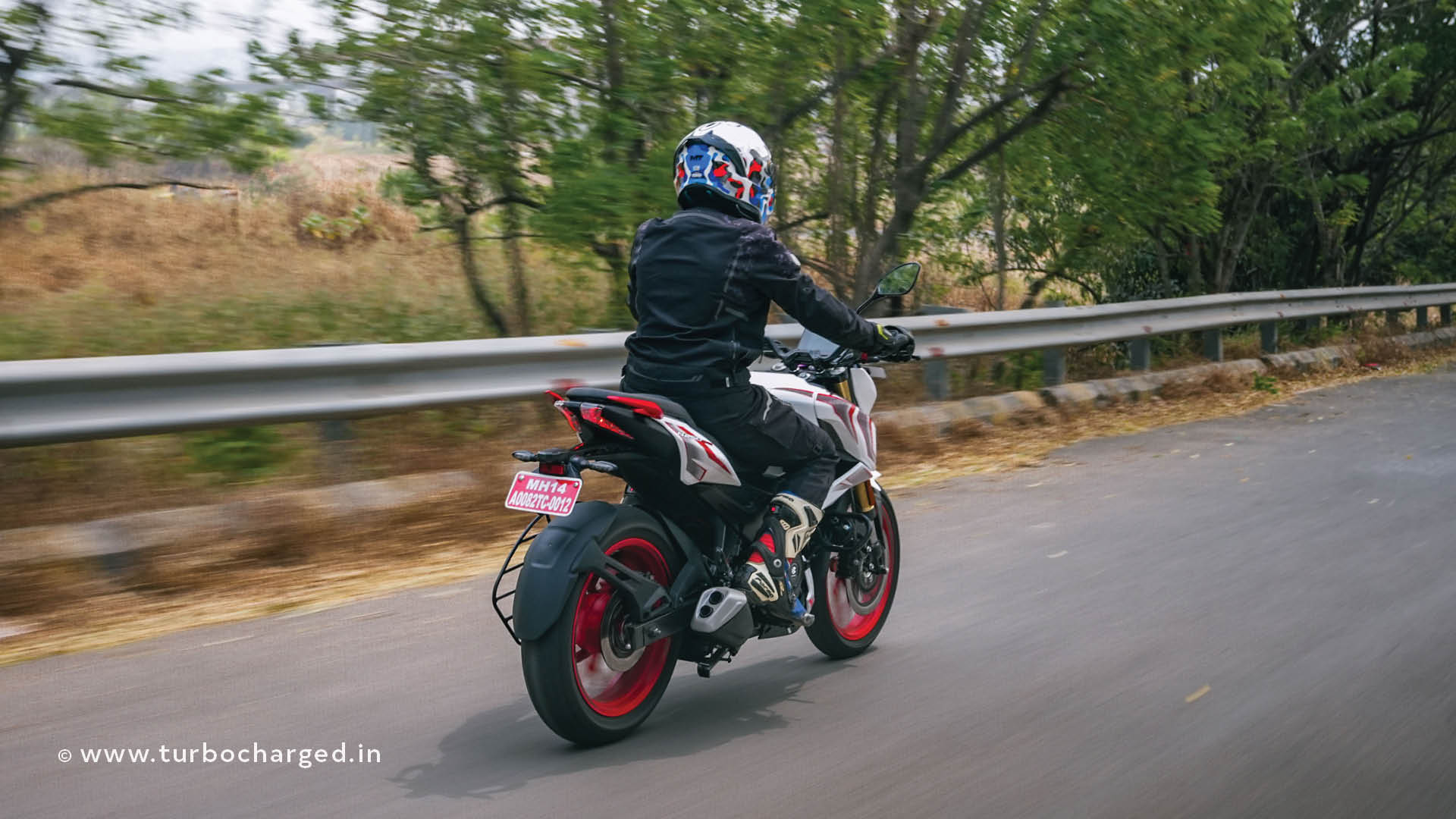
It’s in the powertrain that major changes have occurred. The N250SS now sports a 4-valve head for better breathing, which has liberated half a PS and half an NM worth of power and torque, for a total of 25PS and 22Nm, but both of these higher outputs come at higher rpm numbers, 650 and 750 to be exact. This is not enough to change the grunty characteristic of the N250, as it is eager to accelerate.
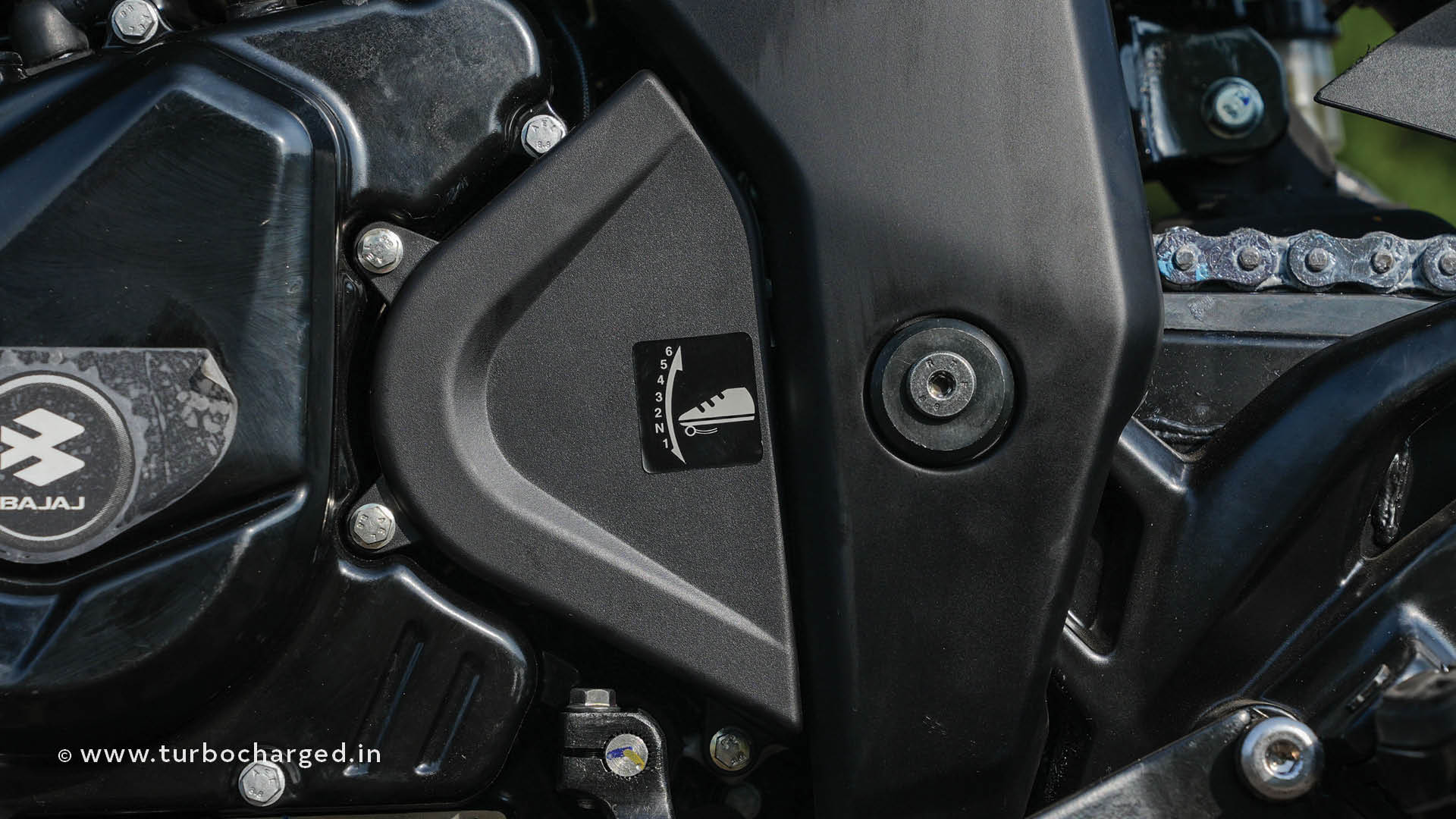
This is aided by the reworked gearbox, which, despite now having taller overall gearing courtesy of a 14-teeth front sprocket in place of the older 15-teeth one, has one extra ratio, so Bajaj could rework all the ratios to keep the engine in the meat of the torque curve. The N250SS accelerates effortlessly, with a rather pleasing bark from the exhaust. However, as there is only a 500rpm difference between 5th and 6th gear at 80kmph (5,500rpm vs 5,000rpm), the 6th is not the overdrive cruising gear it could have been.
Throttle response is now adjustable, thanks to the introduction of a ride-by-wire throttle; however, most experienced riders will find it best to leave it in Road mode, which mimics a linear mechanical linkage most closely. However, doing so robs one of the chance to make use of the quickshifter, which is only accessible in Sport mode, and the throttle response map in that mode is a bit too twitchy and unpredictable for my liking. I really wish Bajaj would consider allowing the use of the quickshifter in the Road mode, as that would be my preferred combination for sporty riding.
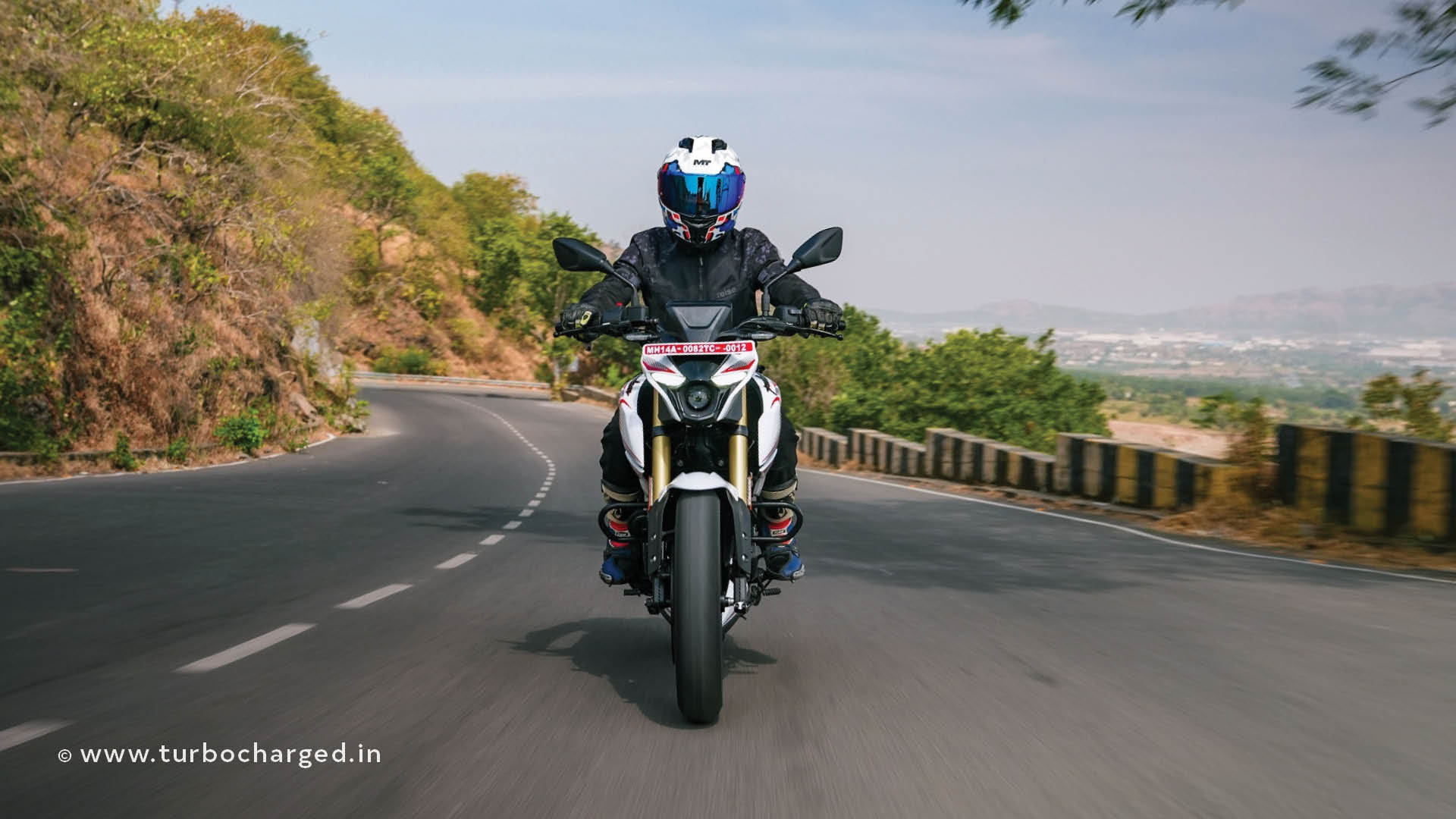
The suspension remains unchanged from the 2024 update, and it is all the better for it, as the N250SS rides on one of the most sorted suspension setups in this segment. The suspension is taut and predictable at high-speed cornering, yet has enough flexibility in it to soak up some terrible road surfaces which are lamentably all too common in the country. The brakes are one area where a little bit more bite would have been appreciated, as a rather high lever pressure is required for proper retardation, though there is ample feedback.
With a price tag of ₹1.59 lakh ex-showroom, the Pulsar N250SS is a terrific value, as it is only ₹16,000 more than the N160SS. It is also a tremendous bang for your buck, as there is not a single other motorcycle that offers 25PS of power for less money, and in fact the next power-to-performance ratio comes from the Pulsar family only, the considerably dearer NZ400Z. This makes the N250SS the performance bike bargain of the decade; now all you need to do is capitalise on it by actually buying it.
Words Sayantan De
Photography Tanmay Vartak


