


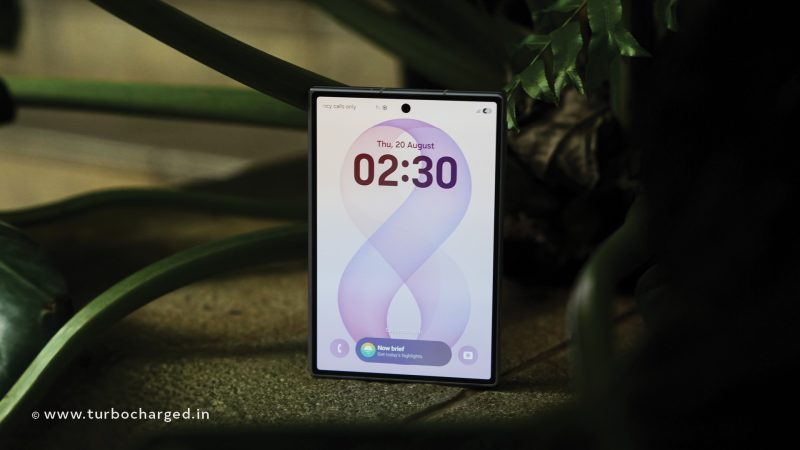
Samsung has taken a different approach with the new Galaxy Z Fold8. Instead of adding more powerful hardware, the South Korean electronics giant has changed the phone’s shape. The new passport-style form factor makes the Fold8 wider and shorter when closed, while the inner display opens up to give you a 4:3 layout. At 201grams it is also the lightest Galaxy Z Fold yet. The result is a phone that feels easier to carry, but still gives you a screen that falls neatly between a phone and a tablet. More importantly, the new shape does not feel like a gimmick. It changes how you use the phone every day. It feels out of place at first, but soon you adapt to the phone, and your experience becomes better with it.
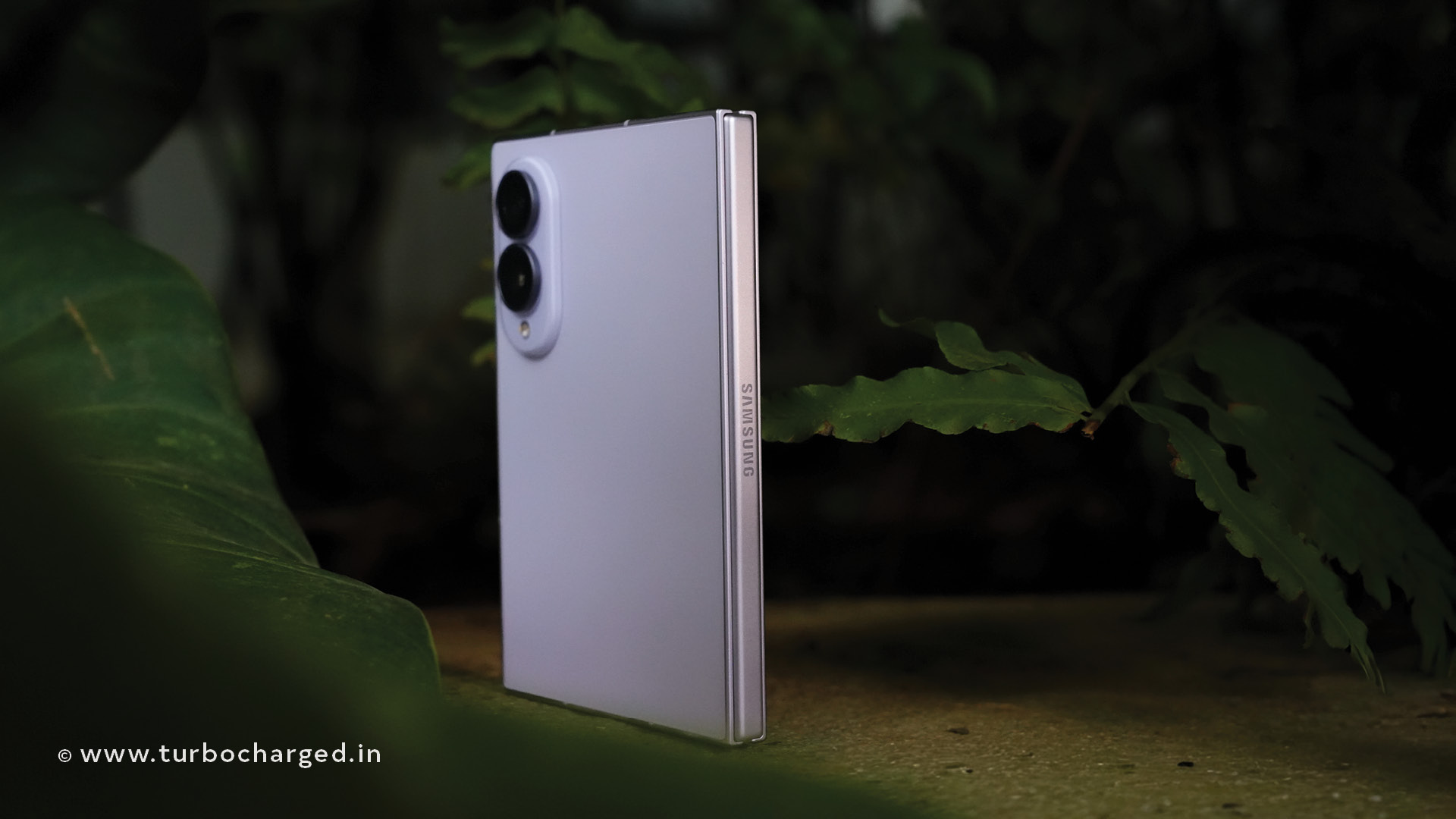
The Fold8 is thinner than the previous generation. The passport-like shape also makes the 5.5-inch cover screen comfortable to use. It is wider than before, making typing and scrolling feel more natural. Flip it open, and you are greeted with a 7.6-inch AMOLED display with a 120Hz refresh rate. The inner screen is particularly useful for reading, browsing, watching videos, and switching between apps. Samsung has used an aluminium frame along with a redesigned and reinforced hinge, which helps make the crease almost invisible. Under the hood sits a Qualcomm Snapdragon 8 Elite Gen 5, paired with 12GB or 16GB of RAM, and up to 1TB of storage. The camera setup consists of a 50MP primary camera and a 50MP ultrawide, along with dual 10MP selfie cameras. The phone gets a 4,800mAh silicon-carbon battery, 45W wired charging, and 20W wireless charging. It also carries an IP48 rating.
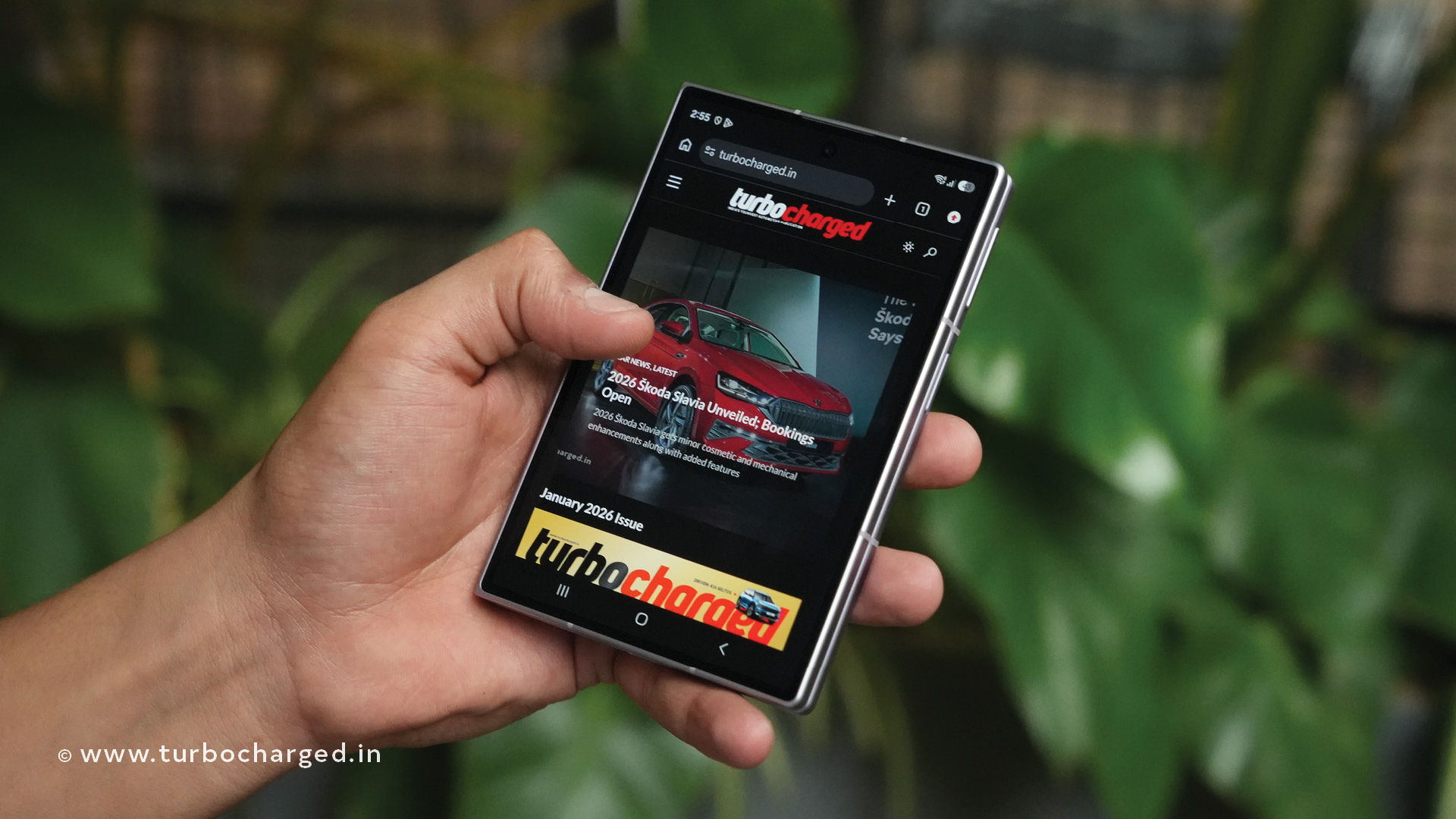
After a few days of use, you realise that you do not have to use the main display all the time. The wider cover display is enough for messages, calls, social media, and browsing. In fact, in my daily usage, I have used the main display only when I am watching content or doing a task that requires multiple apps. Samsung’s software experience continues to offer a smooth experience. The One UI 9 allows you to run up to three apps side by side, with additional apps available in floating windows.
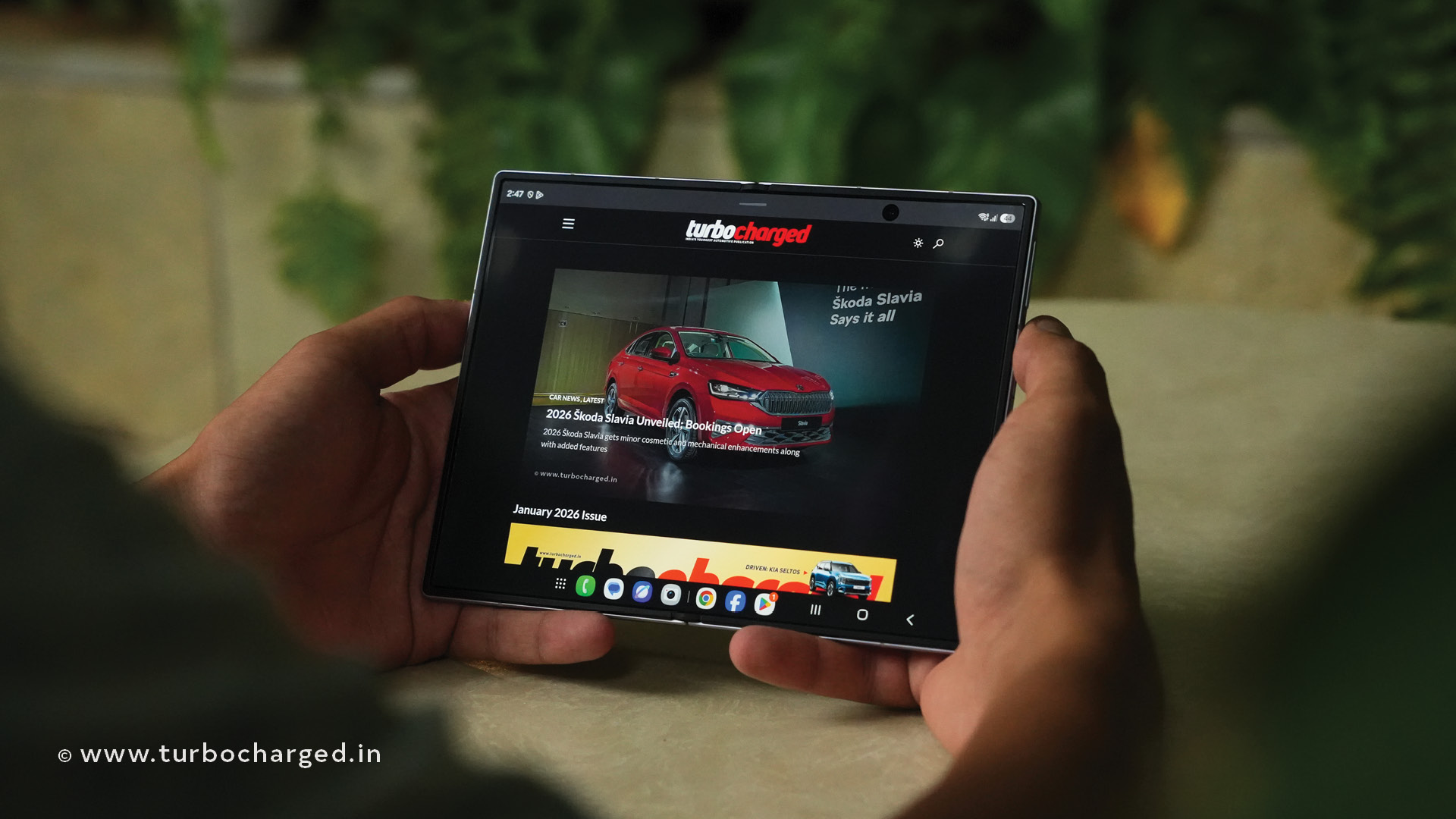
Performance is another area where the Fold8 feels like a proper flagship. The Snapdragon chipset handles everyday tasks without a hiccup, and there is enough power for demanding games, video editing, and heavy usage. The phone tends to get warm if you have a long session of Asphalt Legends, as I did, but normal usage is smooth. Battery life is also considerably good. The 4,800mAh battery can comfortably get through a full day with usage of both displays. Charging is reasonably fast at 45W.
The Camera department is not one of the strengths of the Galaxy Z Fold8. The 50MP main camera produces good results in most lighting conditions, while the 50MP ultrawide is useful when you need a wider frame, particularly if you are outdoors or attending an event. However, I miss the telephoto camera setup I experienced in the S26 Ultra. Image quality is good, with proper sharpness and balanced colours.
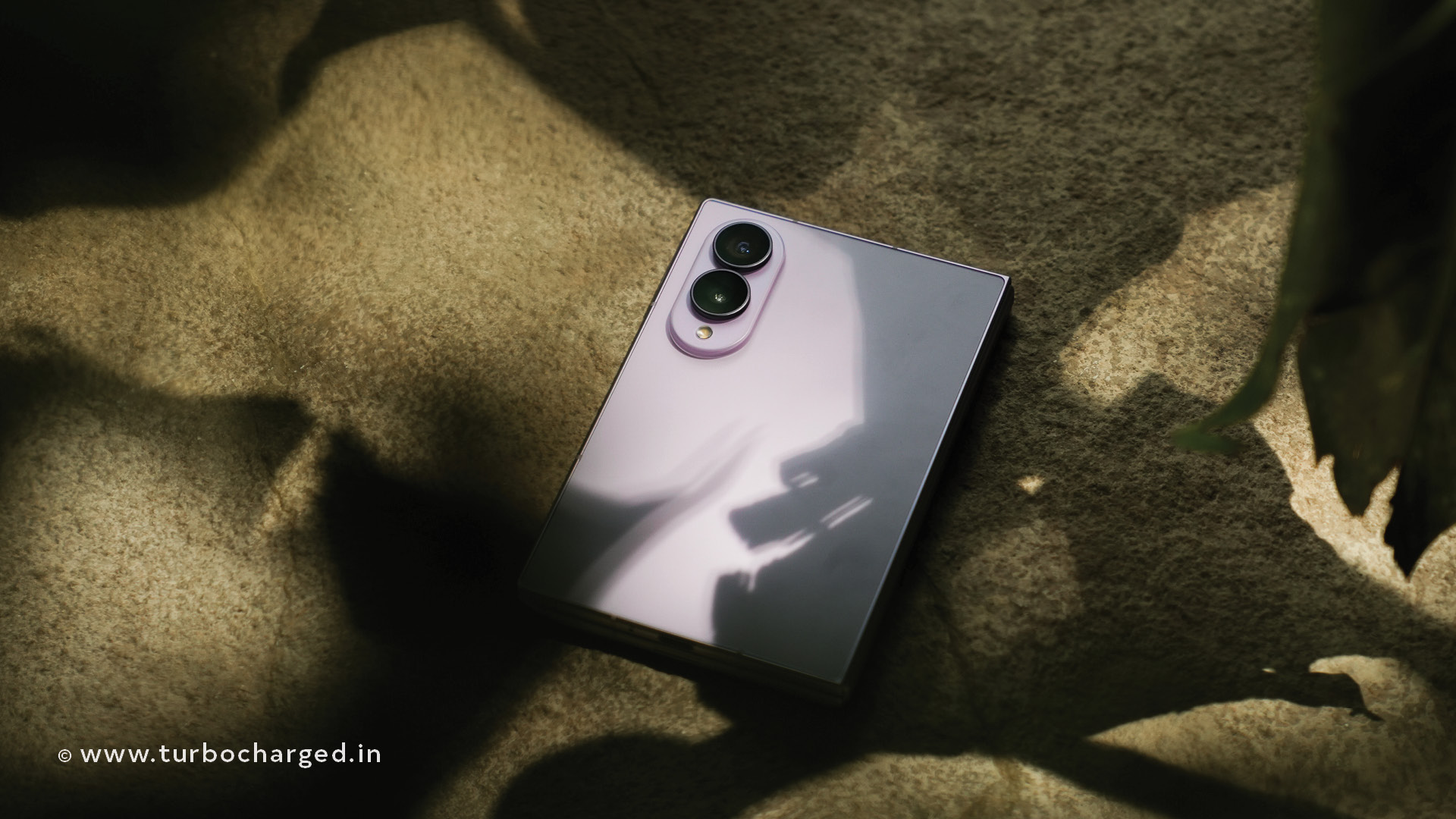
The Samsung Galaxy Z Fold8 feels like one of Samsung’s best attempts at making a convenient foldable. Yes, it could have had the camera setup from the S26 Ultra, but that would have made it bulky, and the convenience factor of this convenient foldable would have lessened. Samsung has kept the recipe simple and let the simplicity do its magic. There is some getting used to, especially during one-handed usage. It is most likely going to be enjoyed like a book, as you would not want to drop it either. It becomes two devices, without you having to carry them separately, and that itself is the bigger win. Prices of the Fold8 start at `1.75 lakh for the base 12GB RAM and 256GB storage variant, and considering what it offers, it is one of those devices that will deliver smooth usage and leave you impressed with its hardware and software experience. The Galaxy Z Fold8 shows how far foldable devices have come.