


Words Abhay Verma | Photography Saidatta Naik
Long before midsize SUVs became a national craze, the Renault Duster was wooing buyers. It had car makers take notice of its success too, with its butch design and efficient diesel engine, besides the space, comfort and how good it was as a family SUV. Sadly, the diesel engine went away and so did the Duster eventually, leaving the field open for nearly a dozen other models to make hay, even as the sun continues to shine bright on the midsize SUV segment. But Renault has finally made amends by launching the latest generation Duster from ₹10.50 lakh ex-showroom onwards. A strong hybrid version will be launched later this year too, so the new Duster is clearly vying for attention in what continues to be the most popular segment with buyers!
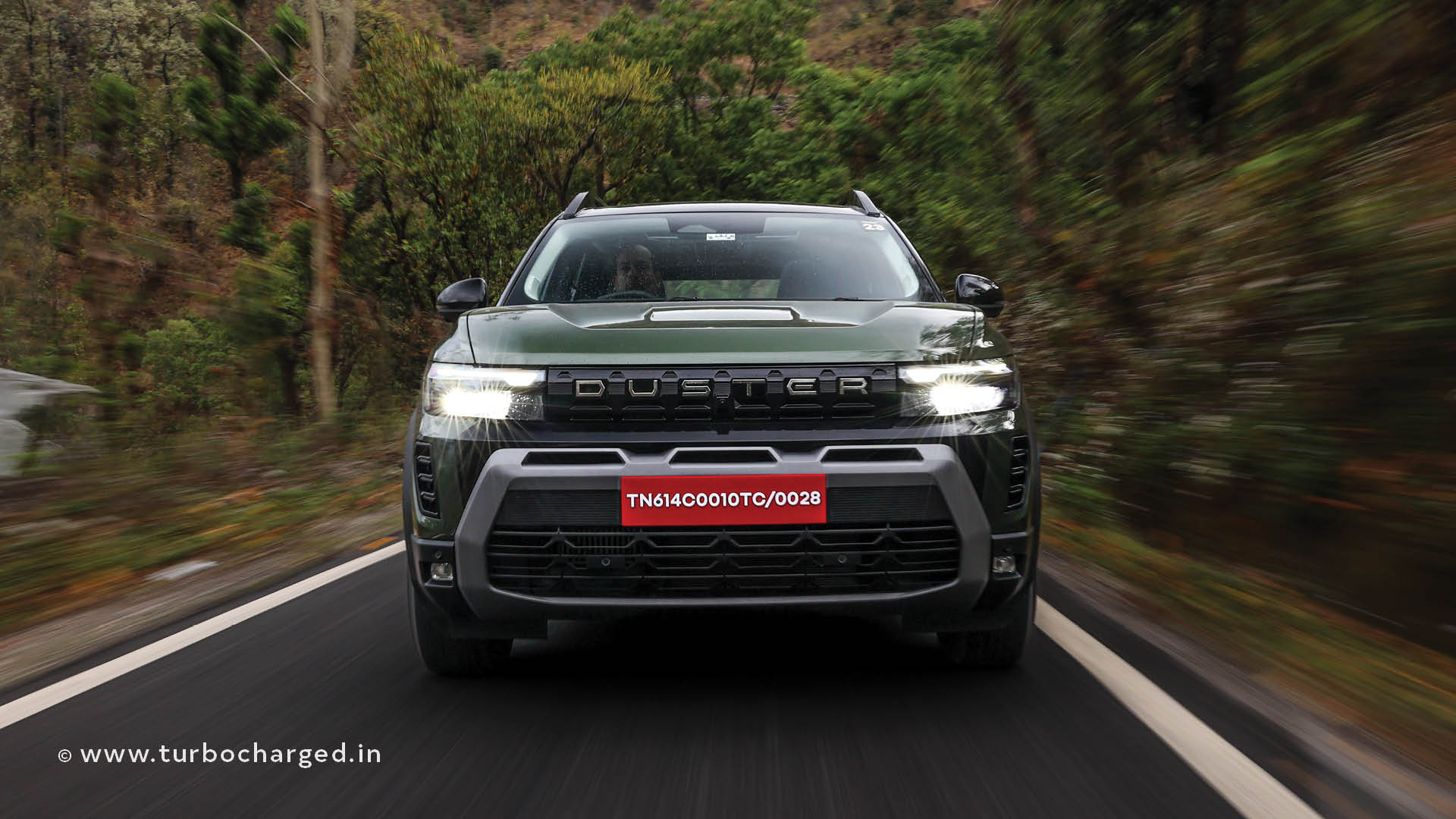
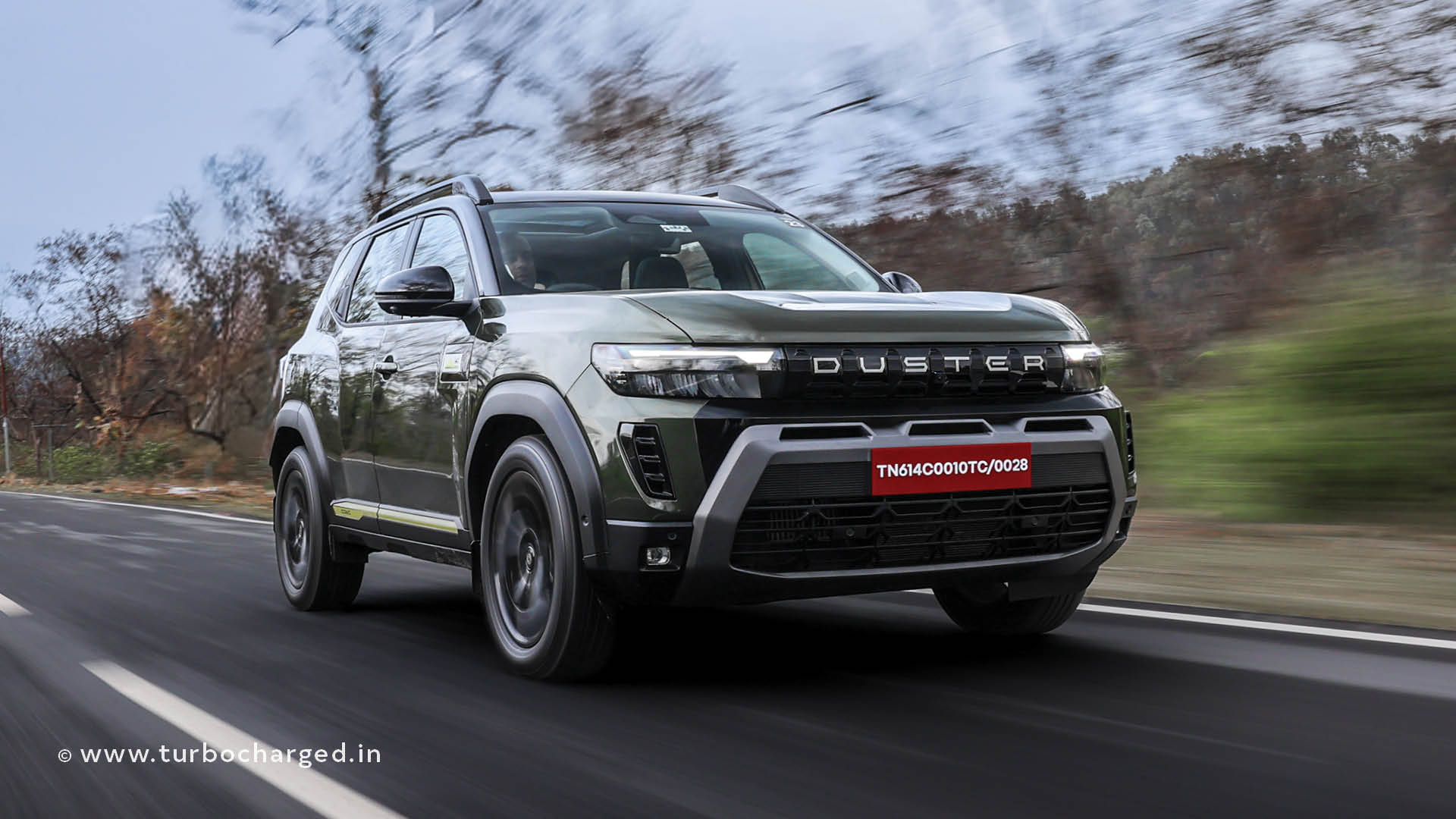
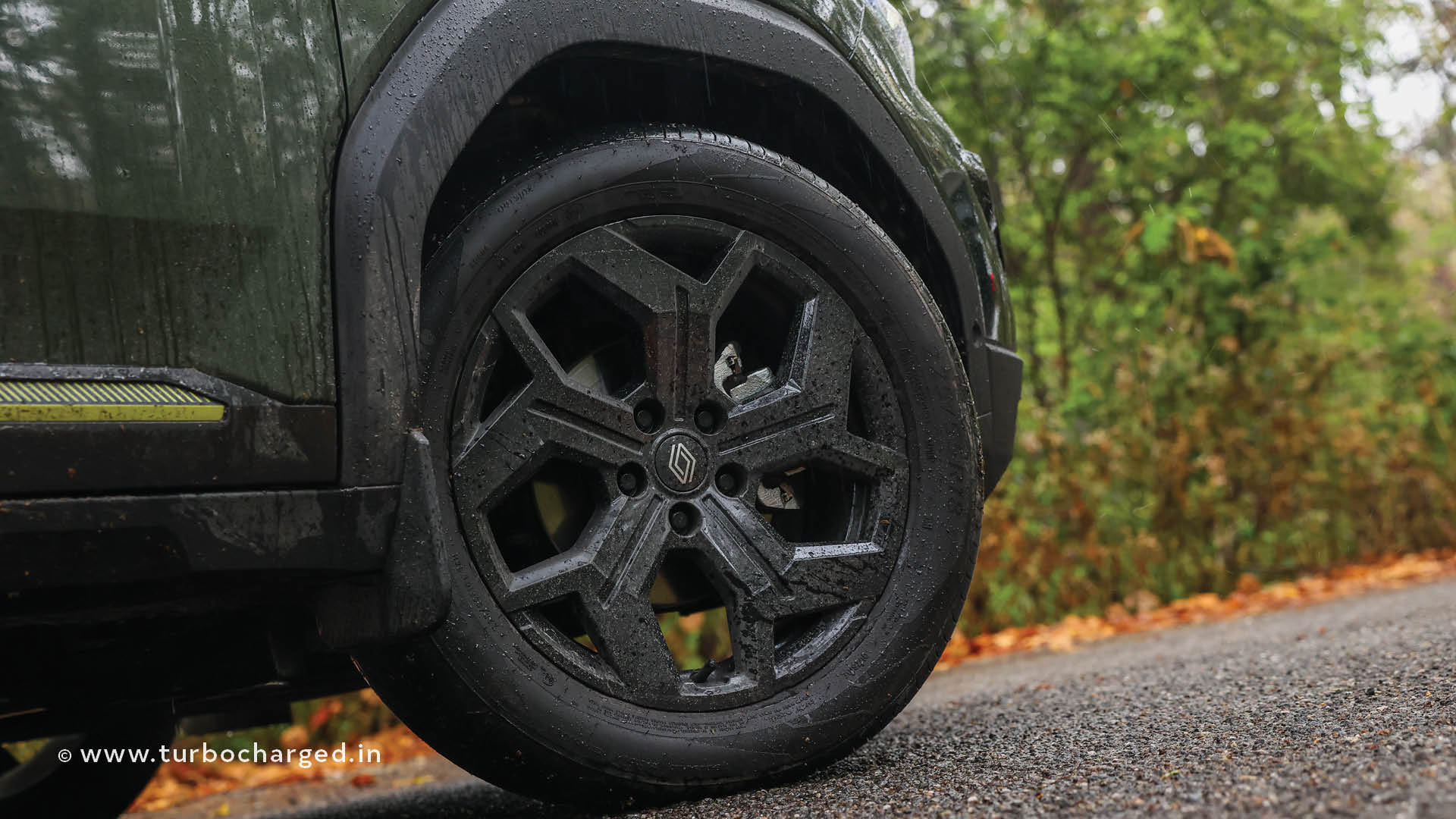
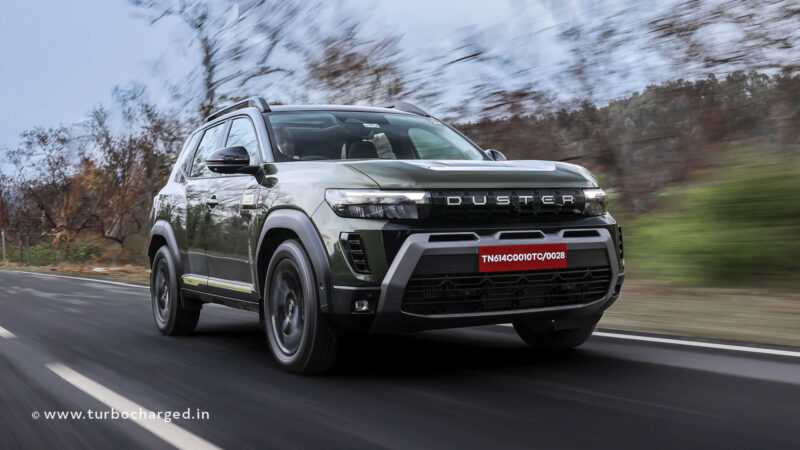
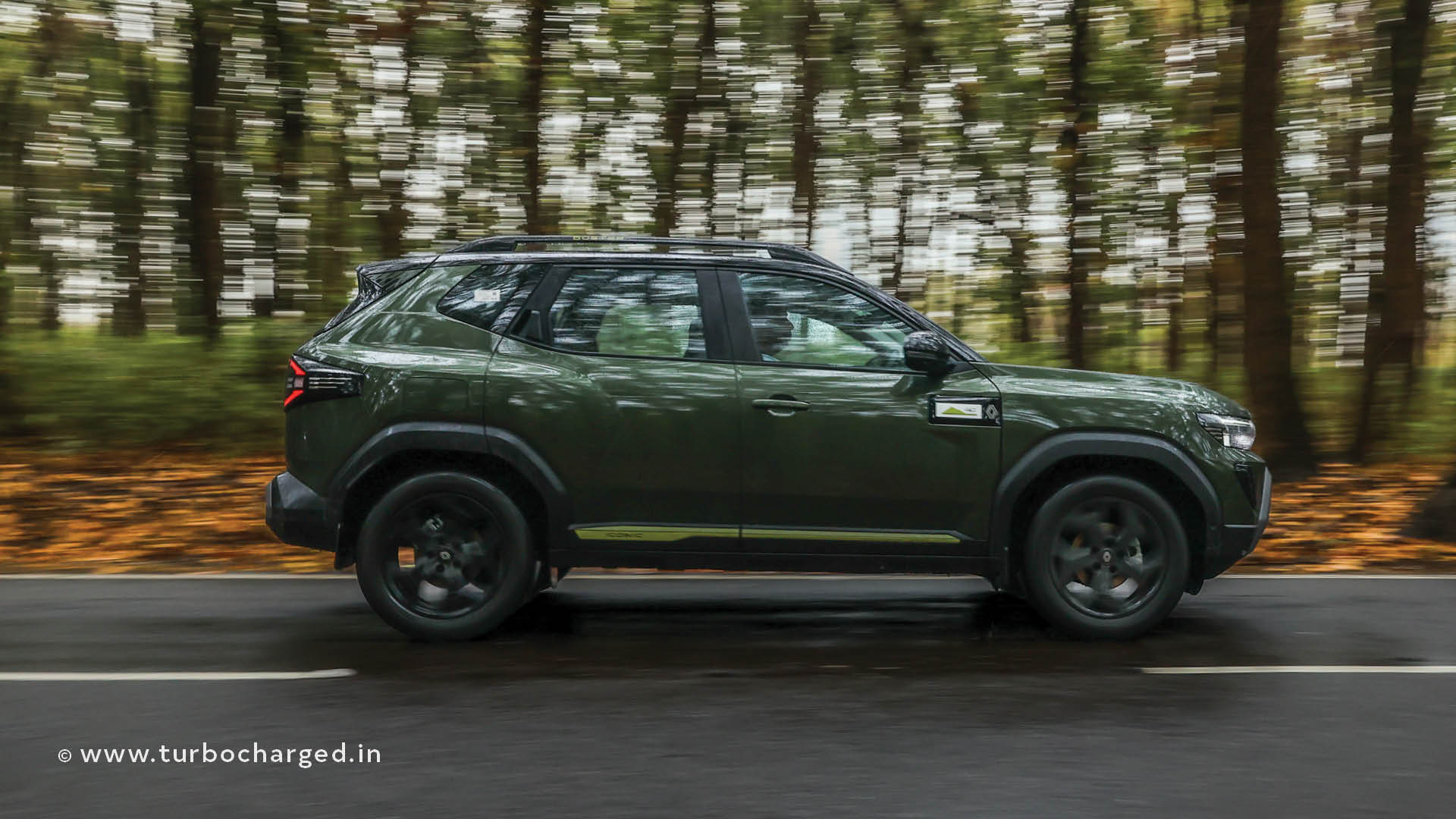
I’m sure you’ve read enough about the new Duster’s design already, but I just have to talk about it, as Renault has carefully ensured it looks butch and reminds you of the original with its boxy shape. The sleek headlamps, muscular hood and Duster name etched across the grille make for an unmistakable presence. I also like the silhouette from the sides, given the boxy design, flared haunches, black cladding along the wheel arches and lower body, and the functional roof rails. 18-inch alloys and a 212mm ground clearance accentuate the rugged SUV feel further.
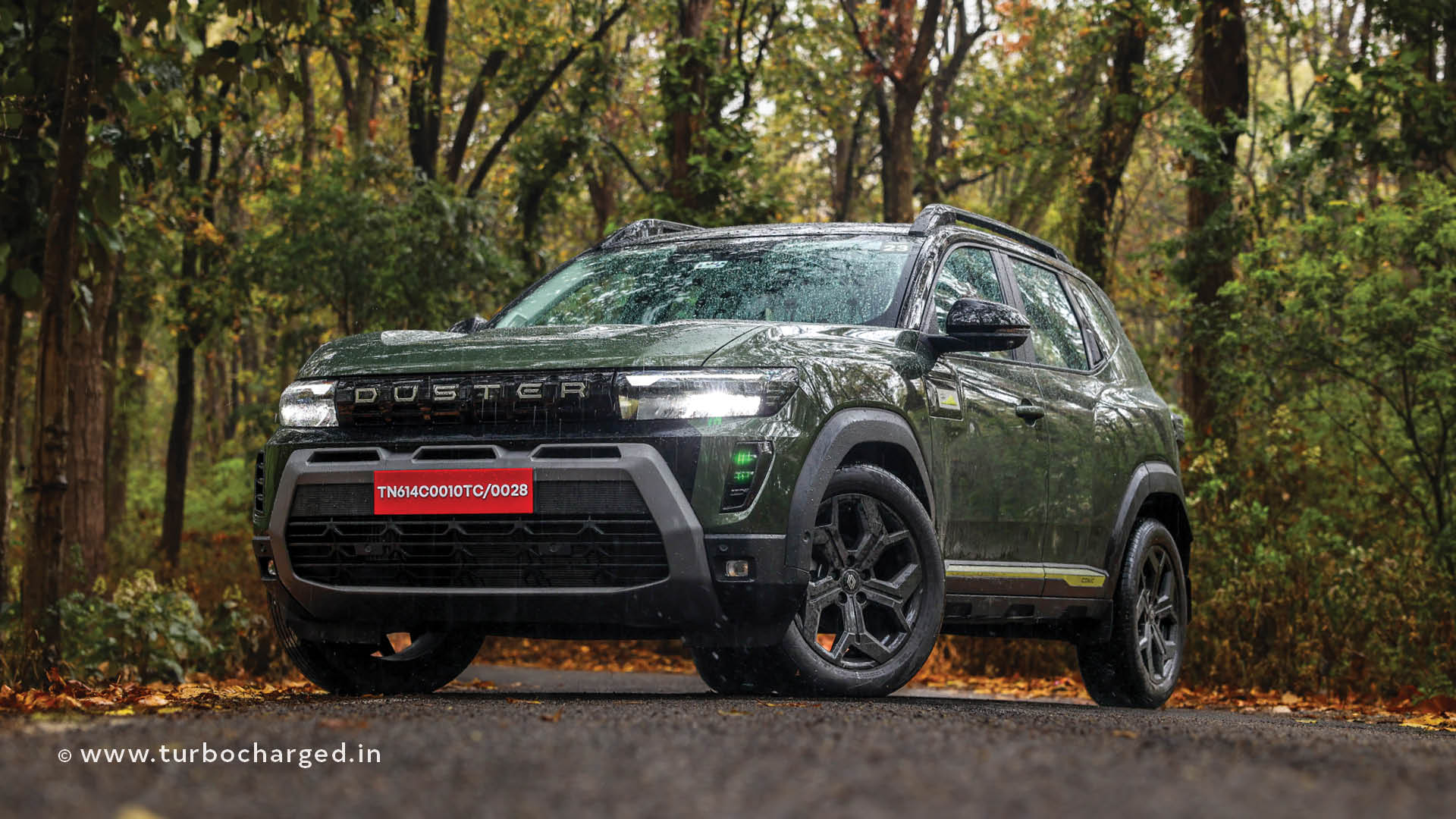
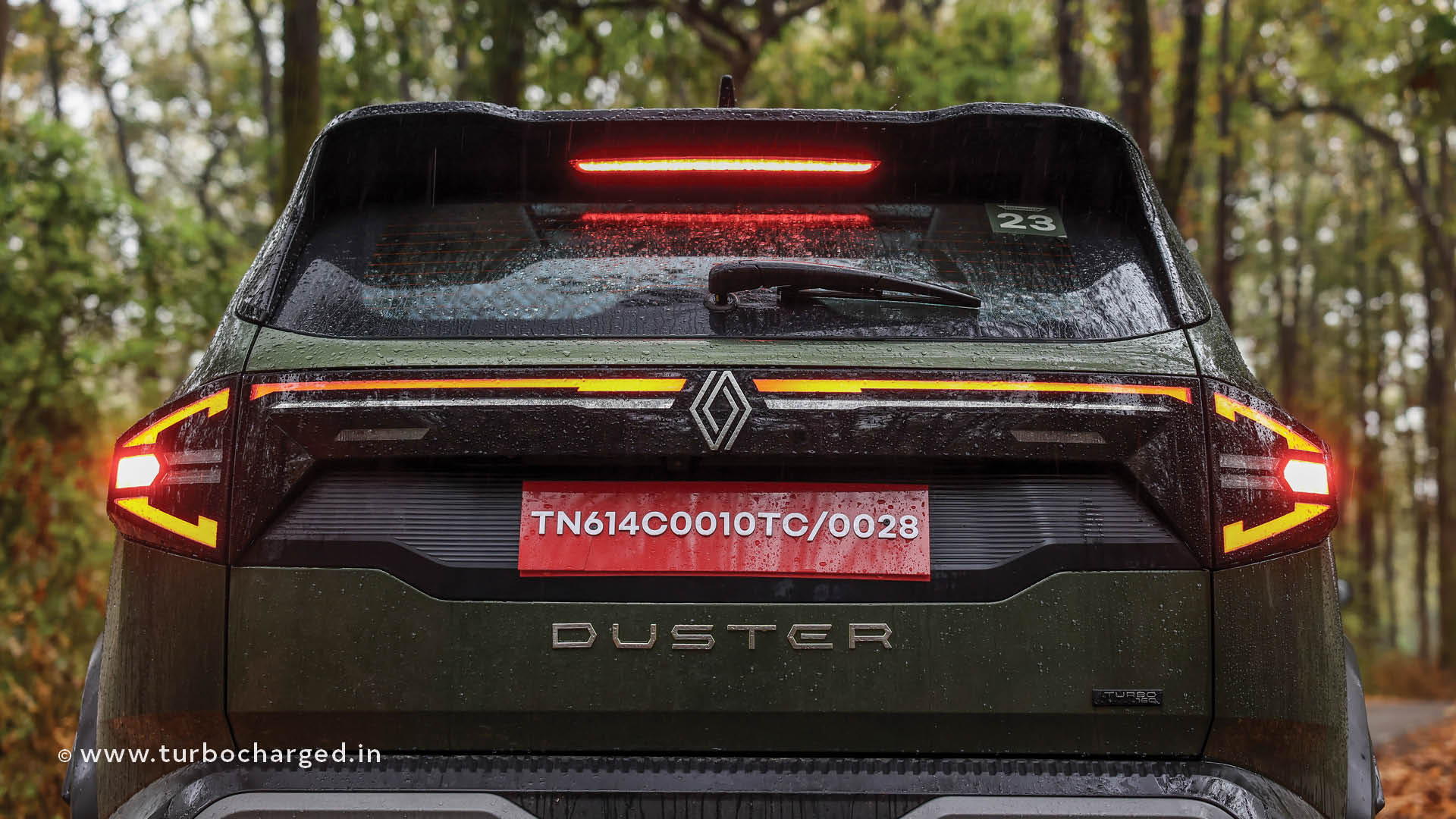
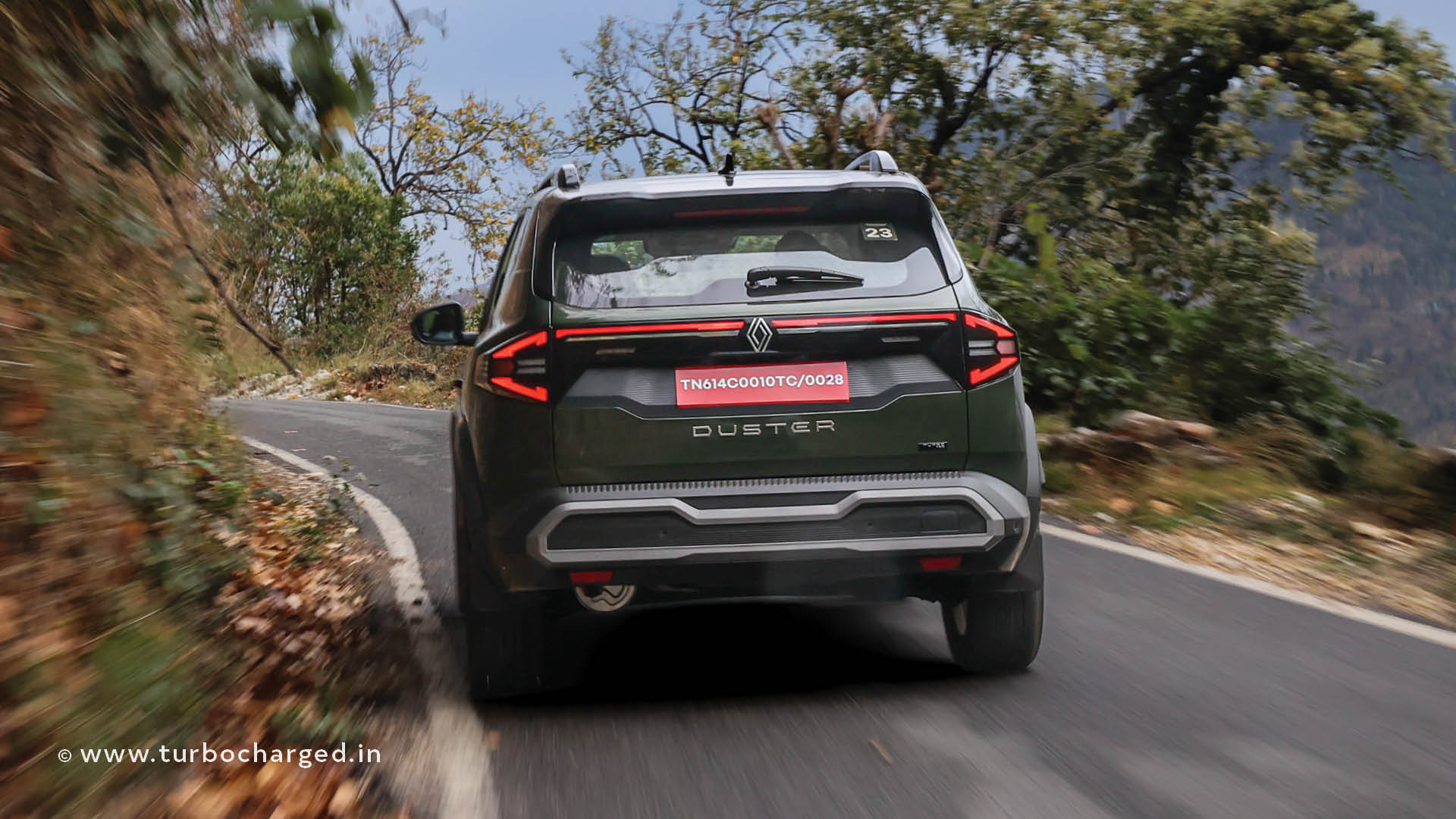
Renault has added India-specific bits like the badge on the front fenders and the word ‘iconic’ on a yellow strip on the lower cladding. The rear design is in sync with the rest of the bodywork, except perhaps for the triangular shaped tail lamps. That said, the LED strip connecting the tail lamps, the new Renault logo, roof spoiler with side extensions and chunky rear bumper ensure the Duster commands second glances. Overall, this is a very looking SUV, and possibly, the best looking midsize SUV currently. It’s also as large as most of its rivals, as the new Duster is 4.3 metres in length, 1.8 metres wide and 1.6 metres tall, while its wheelbase is 2,657mm. There’s no AWD version on offer, but the new Duster hasn’t strayed far from its roots, given the 26.9-degree approach angle and 34.7-degree departure angle.
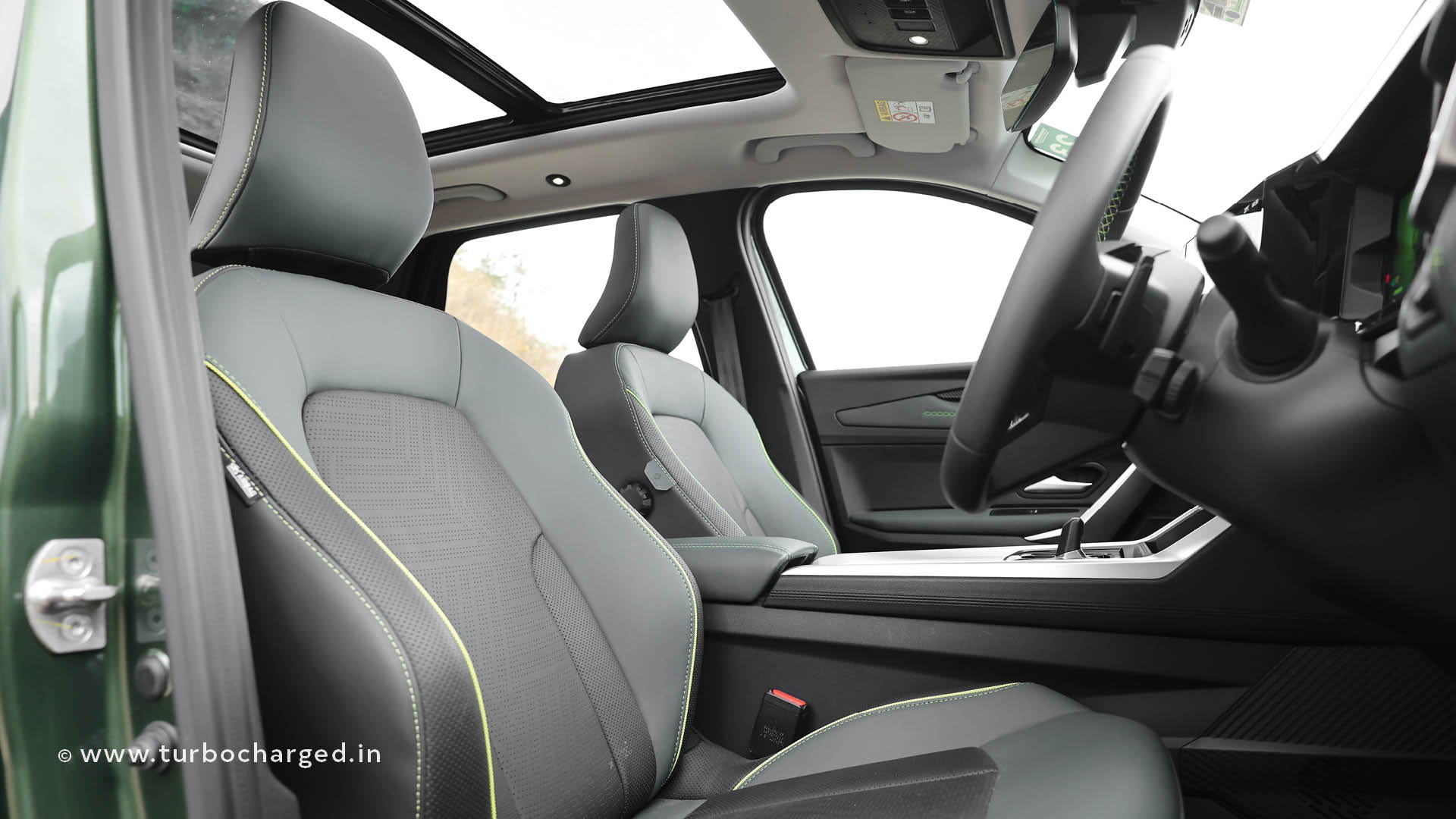
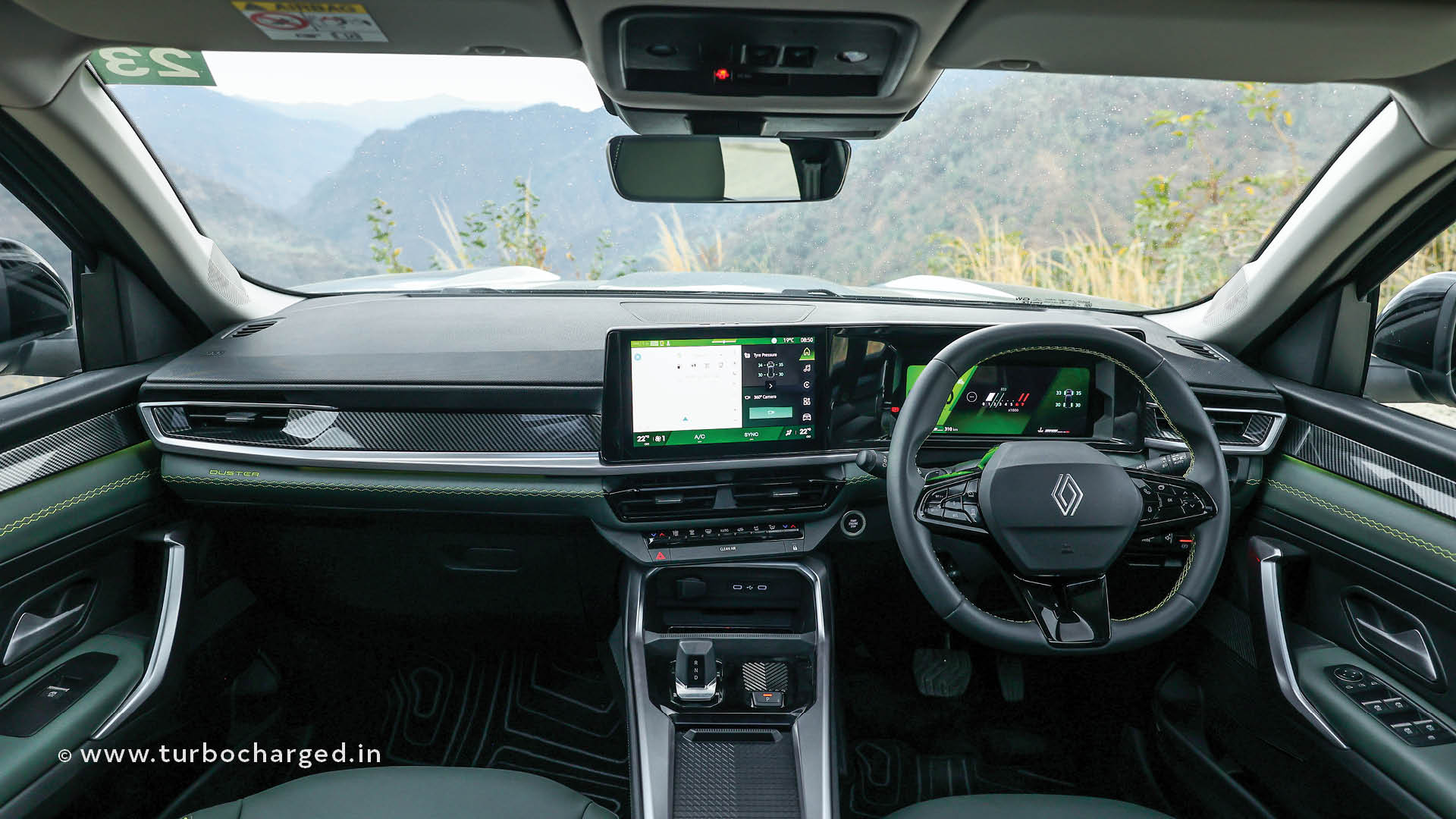
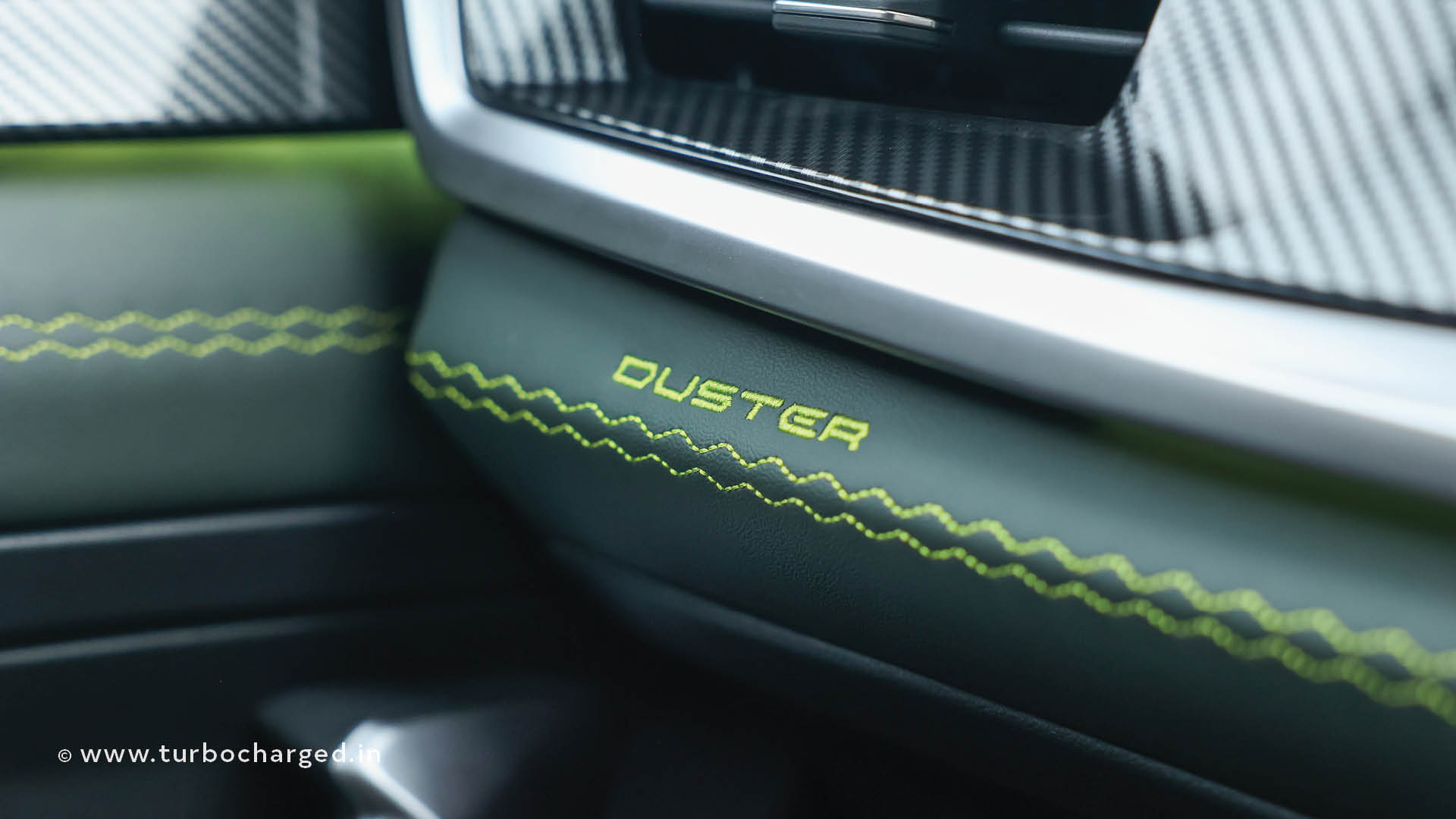
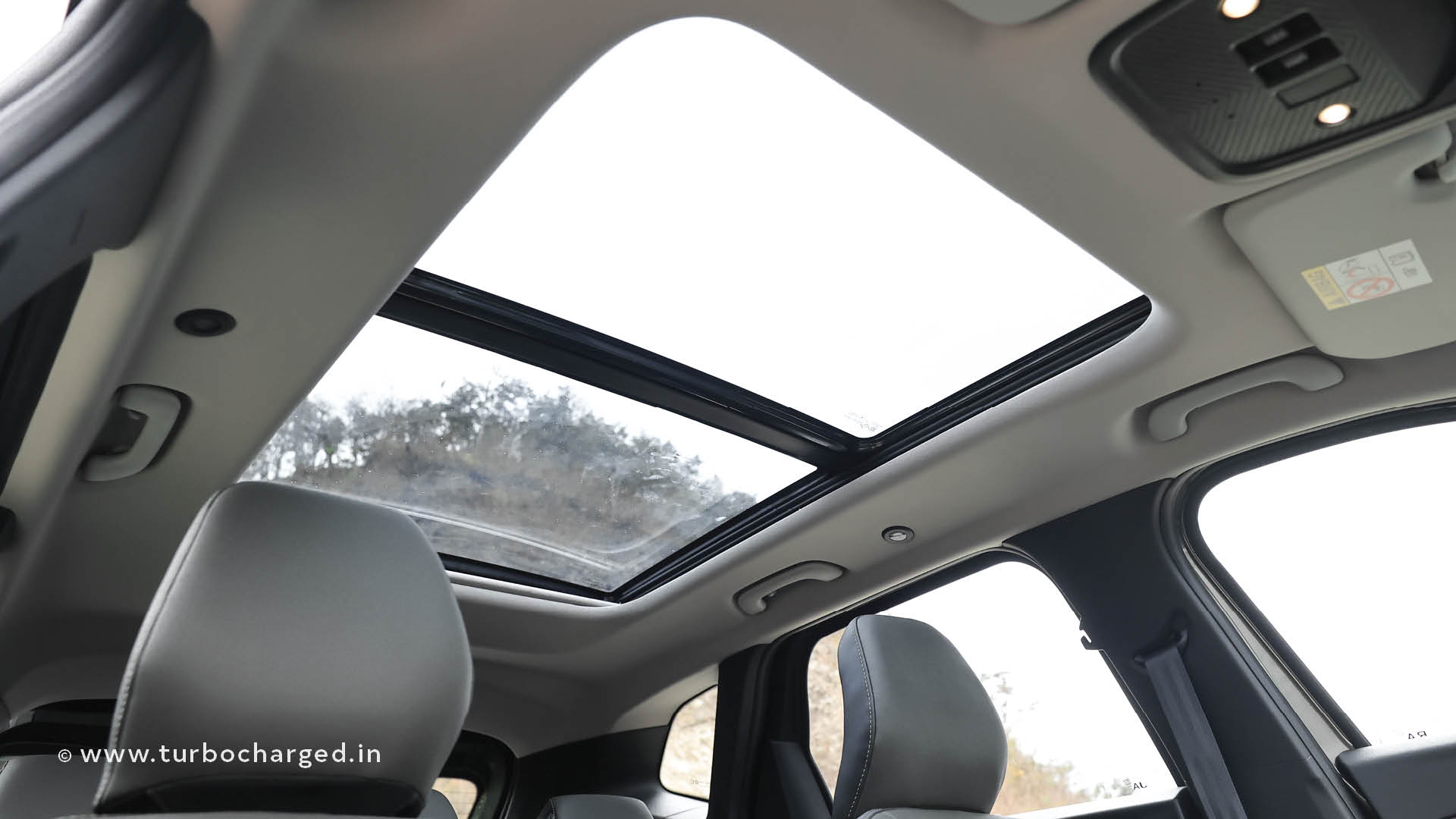
The cabin design is very functional, and Renault has not tried to beautify the dashboard unnecessarily, despite using silver accents and faux carbon fibre. There’s liberal use of soft-touch plastics along with nice-looking, green contrast stitching, and the Duster name at the left edge of the dashboard. There’s a tasteful feel to it all, and the cabin also feels very sporty and upmarket. The infotainment screen is angled just slightly towards the driver, while the steering wheel looks very good with its contrast stitching and squared-off top and bottom. The interiors are not ‘overdone’ in that sense – full marks to Renault! The panoramic sunroof is specific to the Indian market, and we’re told Renault had to re-engineer the roof and raise it to accommodate the setup.
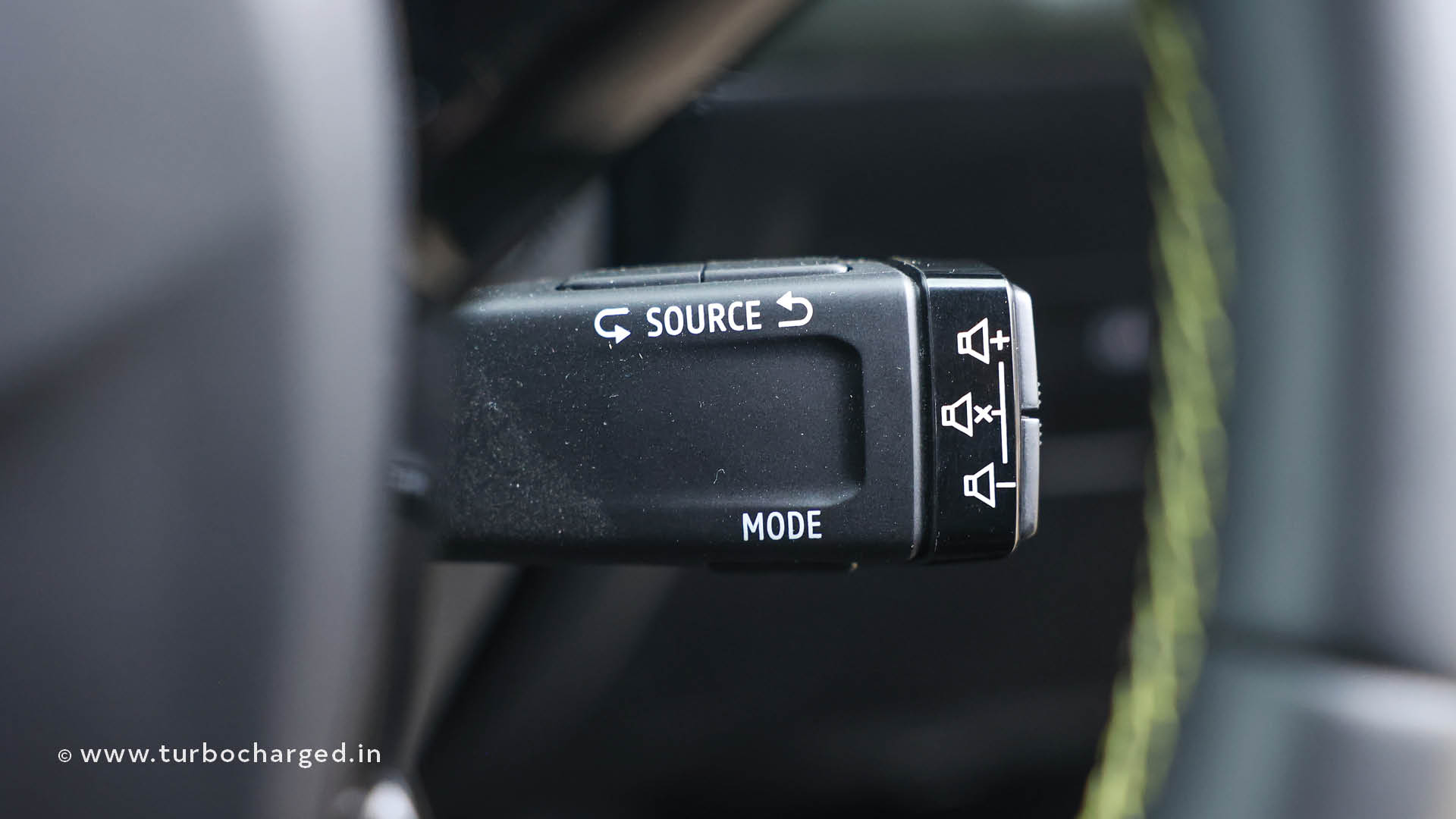
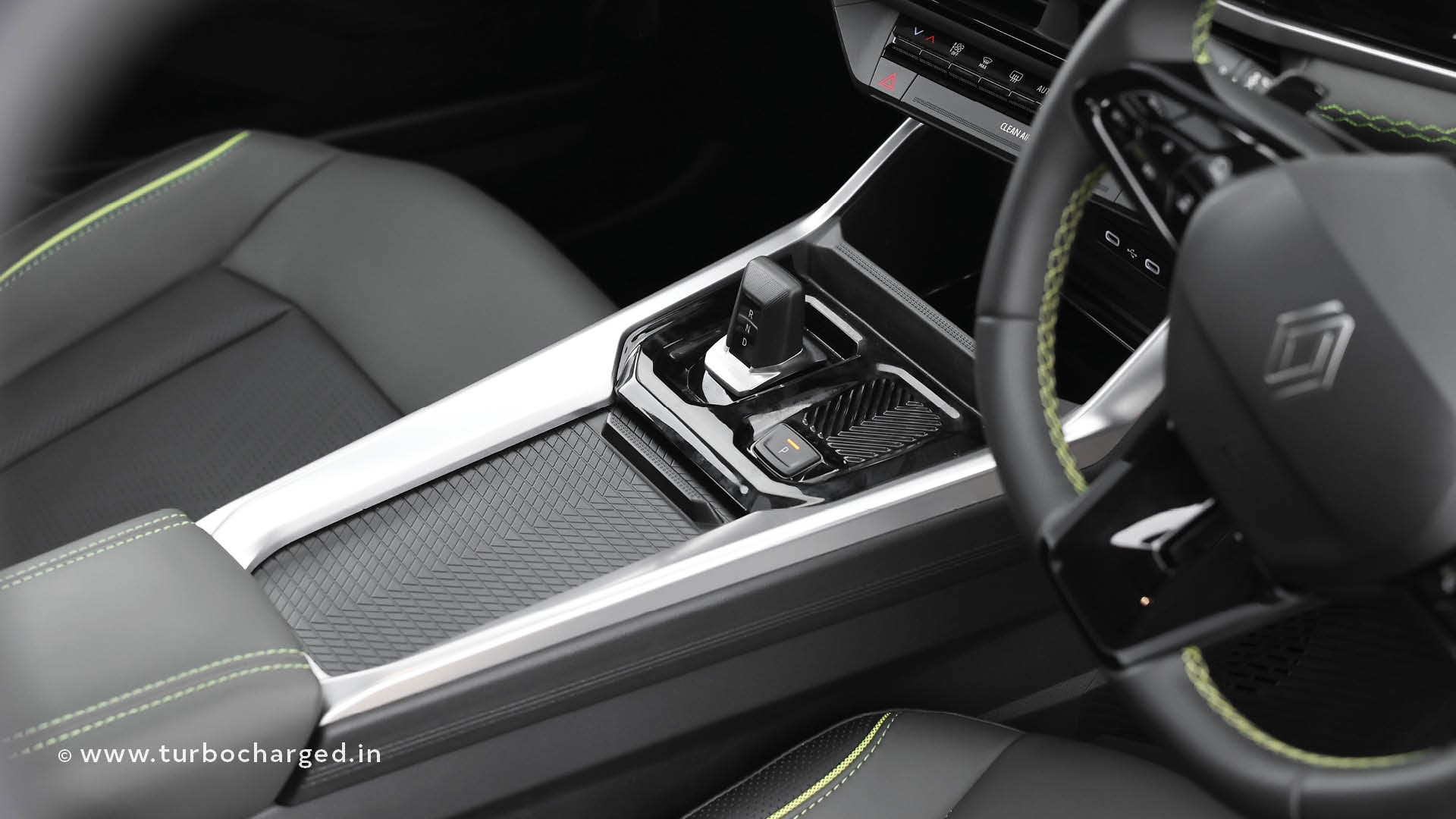
There’s lots of physical buttons too, including a full array under the infotainment screen! Centre consoles on the manual and automatic versions differ from each other, besides which the automatic uses a stubby drive selector lever and electric parking brake, while the manual uses proper gear lever and ‘handbrake’. Nice! Storage spaces differ slightly too, so this is one thoughtfully designed SUV. What’s more, the glove box is large, there’s a deep cavity behind the gear lever, and door pockets hold 1-litre bottles easily. Like the old Duster audio controls are mounted below the steering wheel, but the switches are easier to get used to this time.
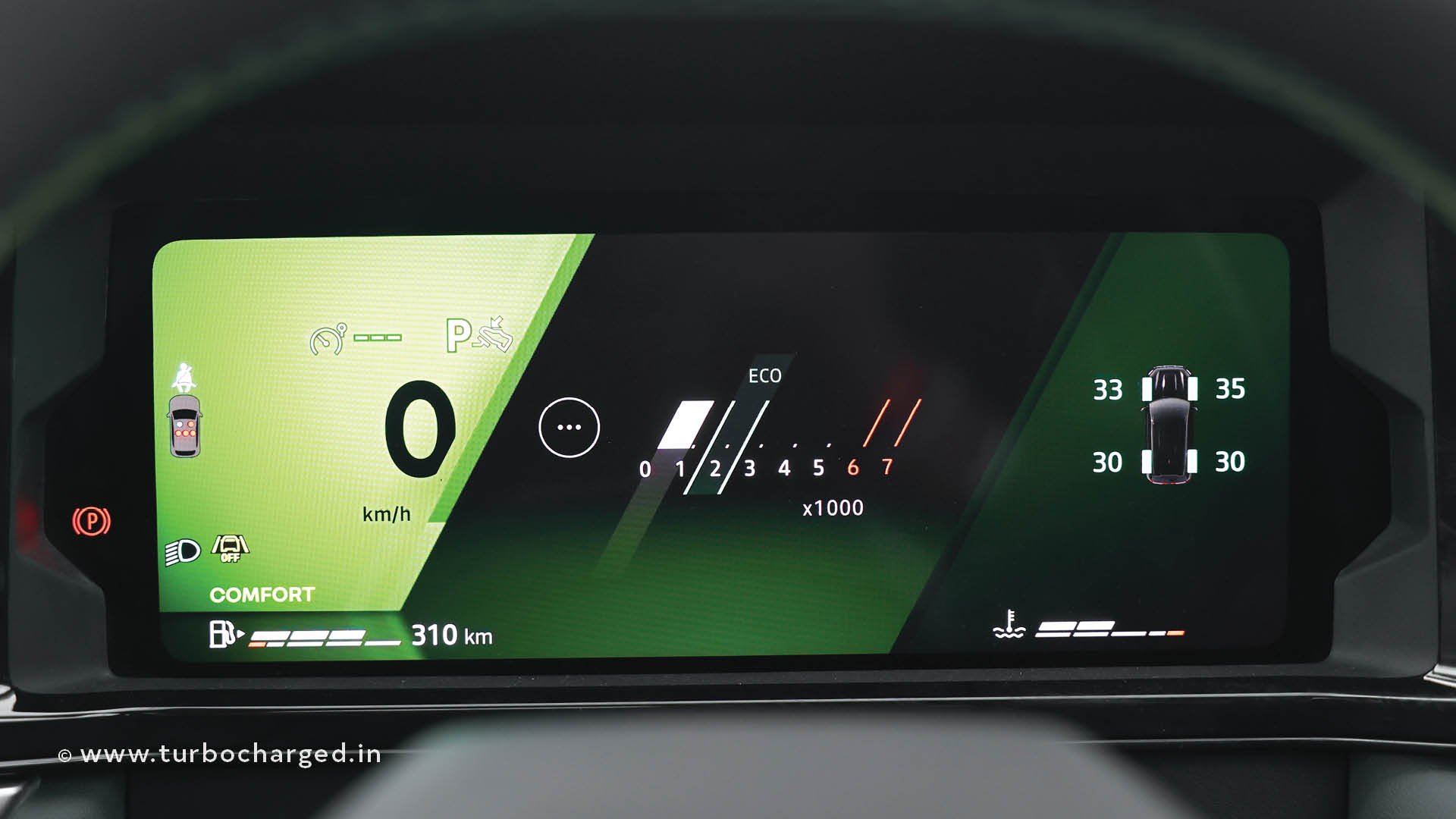
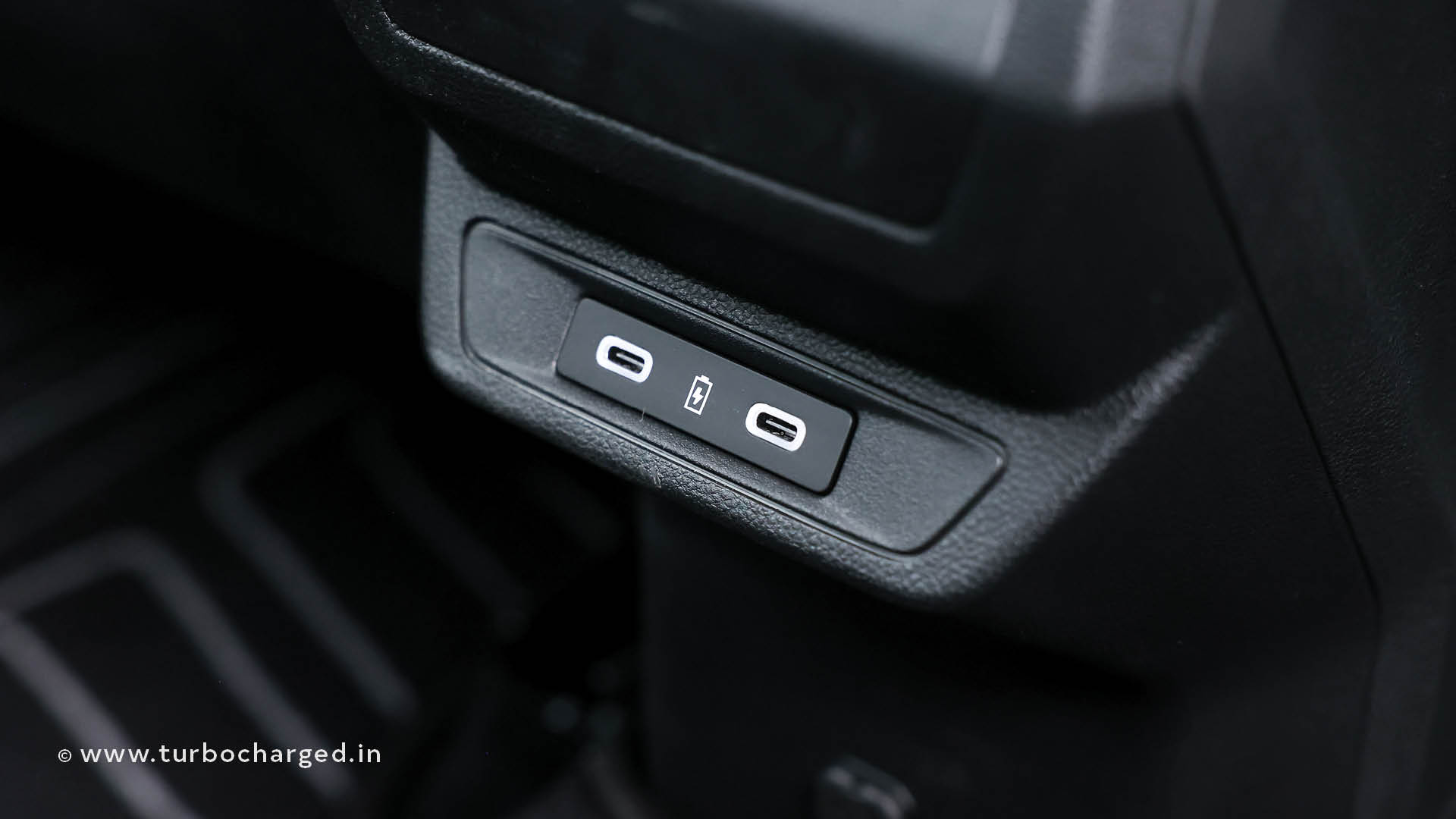
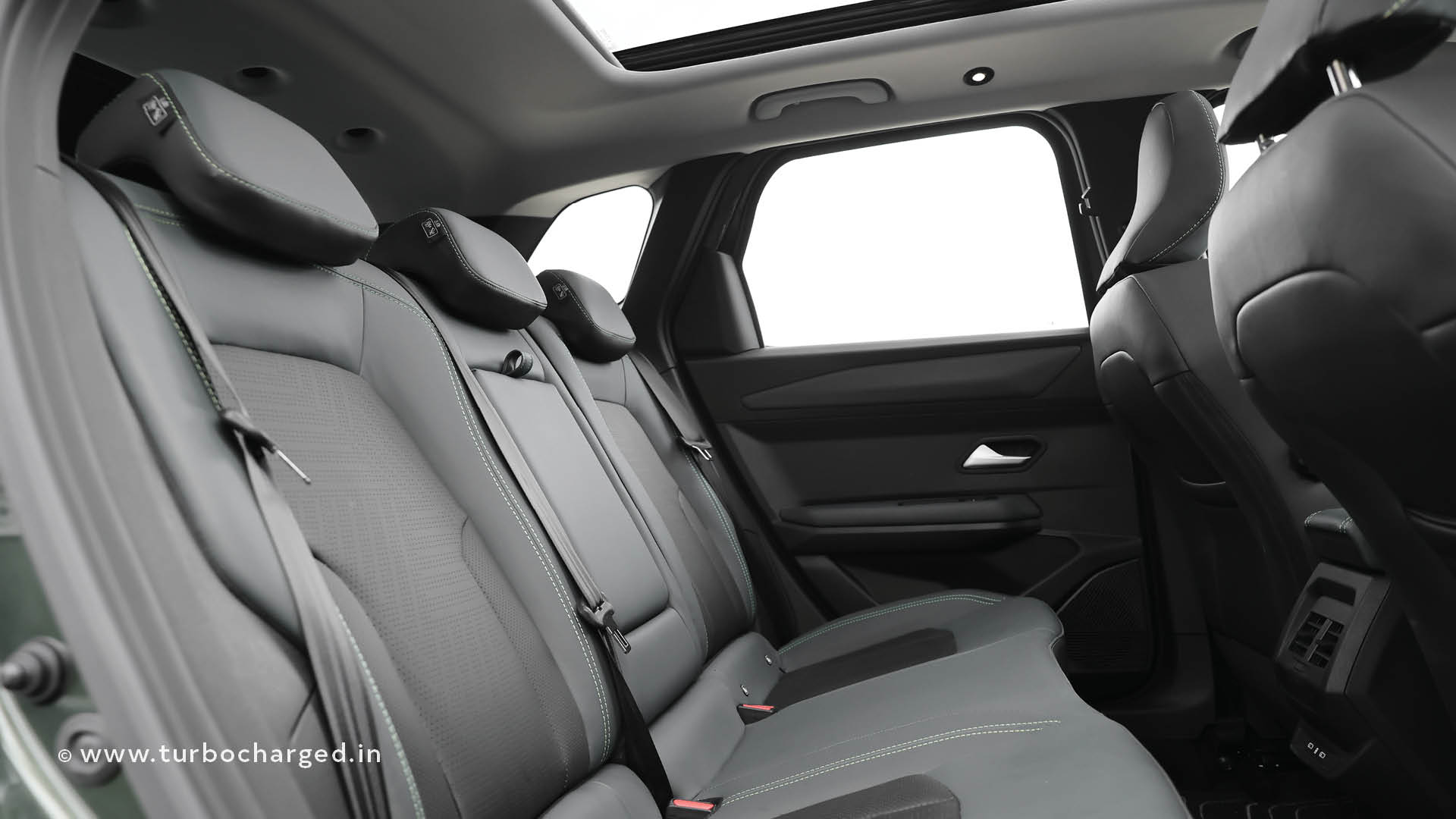
The driver display looks brilliant – it’s a high resolution, 10.25-inch display with bright colours and excellent looking themes that let you make the most of the real estate on offer. Seats get contrast stitching too and feel premium, though some parts of the front seat backs could have been finished better. Space in the second row is good but could have been better, had Renault not focused on offering a really large boot. I’m not complaining, just that giving the second row seat a slide function would have made it even better, as the boot is really large and deep! There are no sun blinds, but rear occupants get an armrest with cupholders, two dedicated Type-C USB ports and dedicated AC vents.
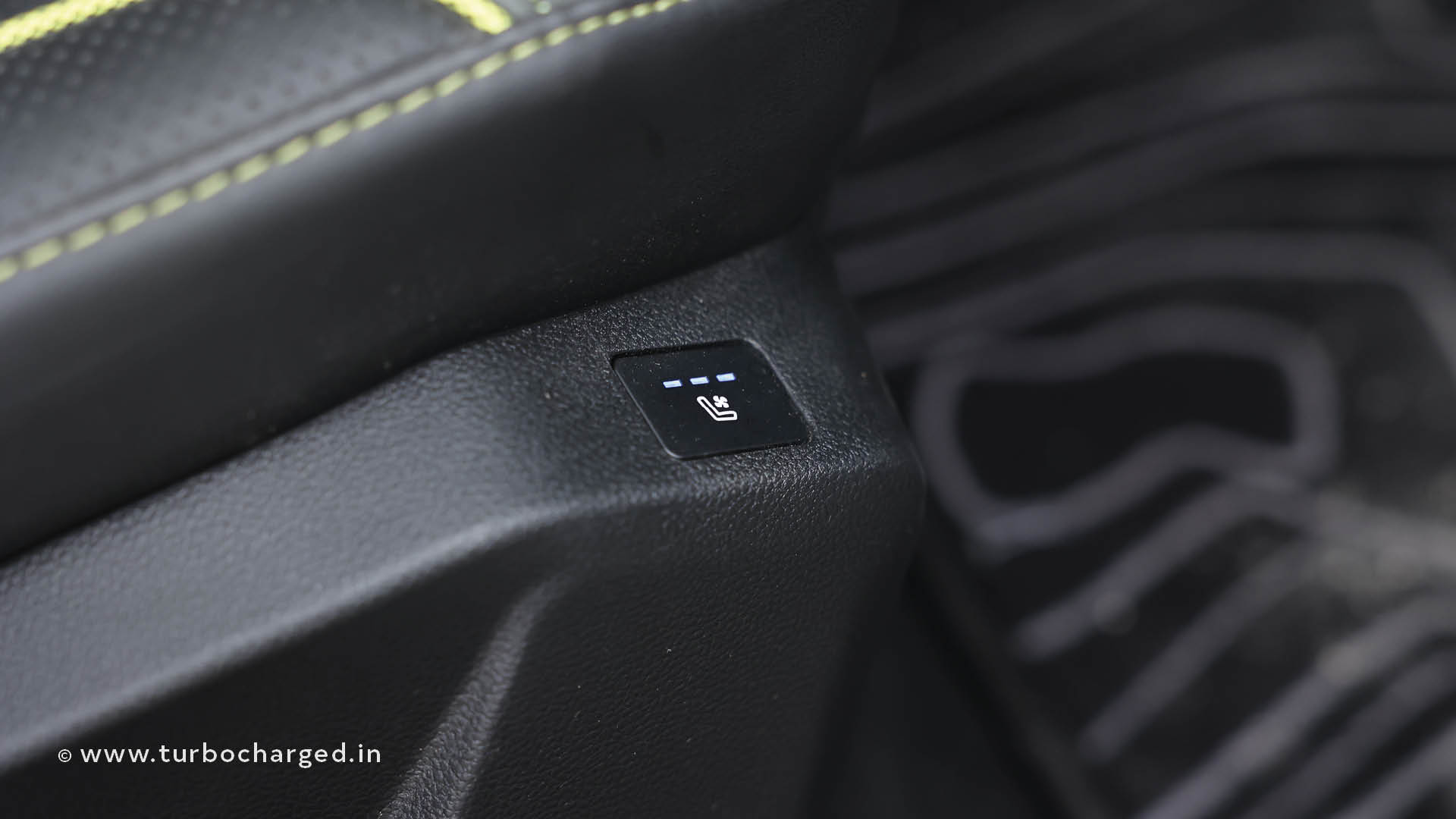
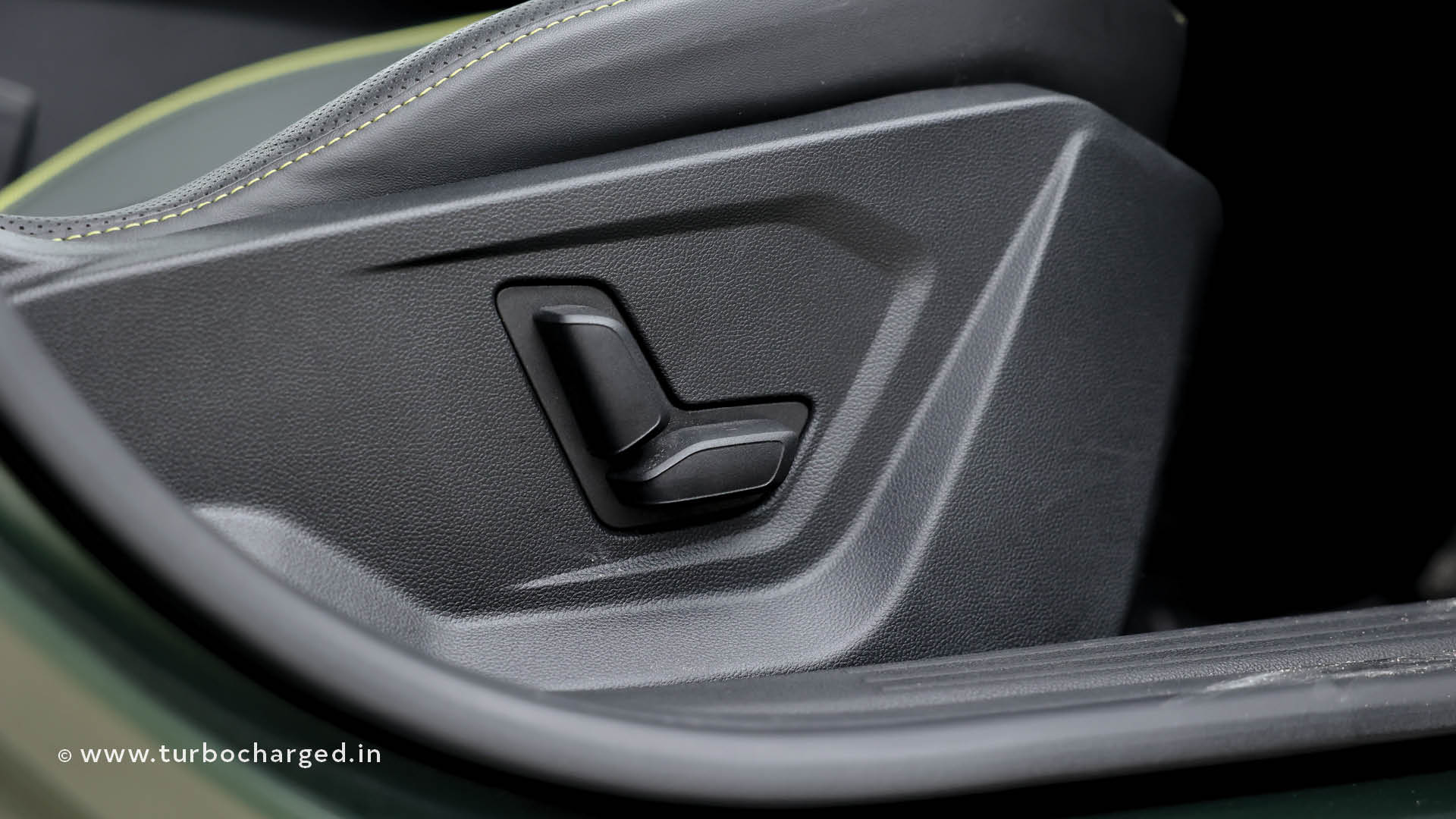
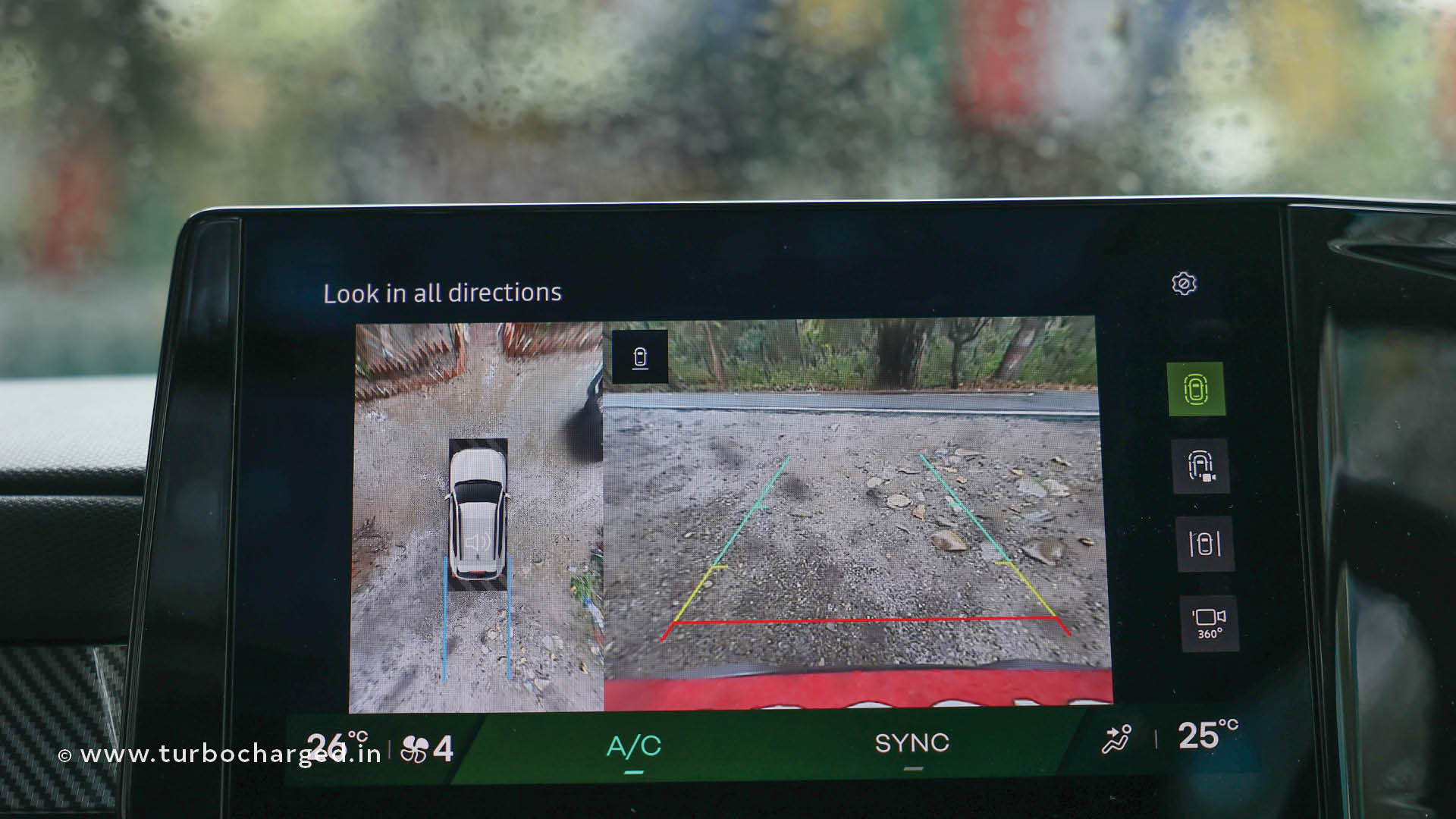
Renault has also equipped the Duster will all possible features, and that even includes a few segment firsts like a hydraulically operated hood and an electrically operated tail gate. You also get a 10.1-inch touchscreen, ventilated and electrically adjustable front seats, a large panoramic sunroof, wireless smartphone connectivity and more. A big draw is integration of Google Maps, Google Assistant and Google Play store which can be accessed directly. There’s 360-degree view too, but camera resolution could have been better. There’s automatic headlamps and wipers, dual-zone climate control, TPMS, front and rear parking sensors and six airbags too. The Duster is also the first Renault in India to get Level 2 ADAS, and a button on the right side of the steering lets you turn ADAS off quickly, which is a boon.
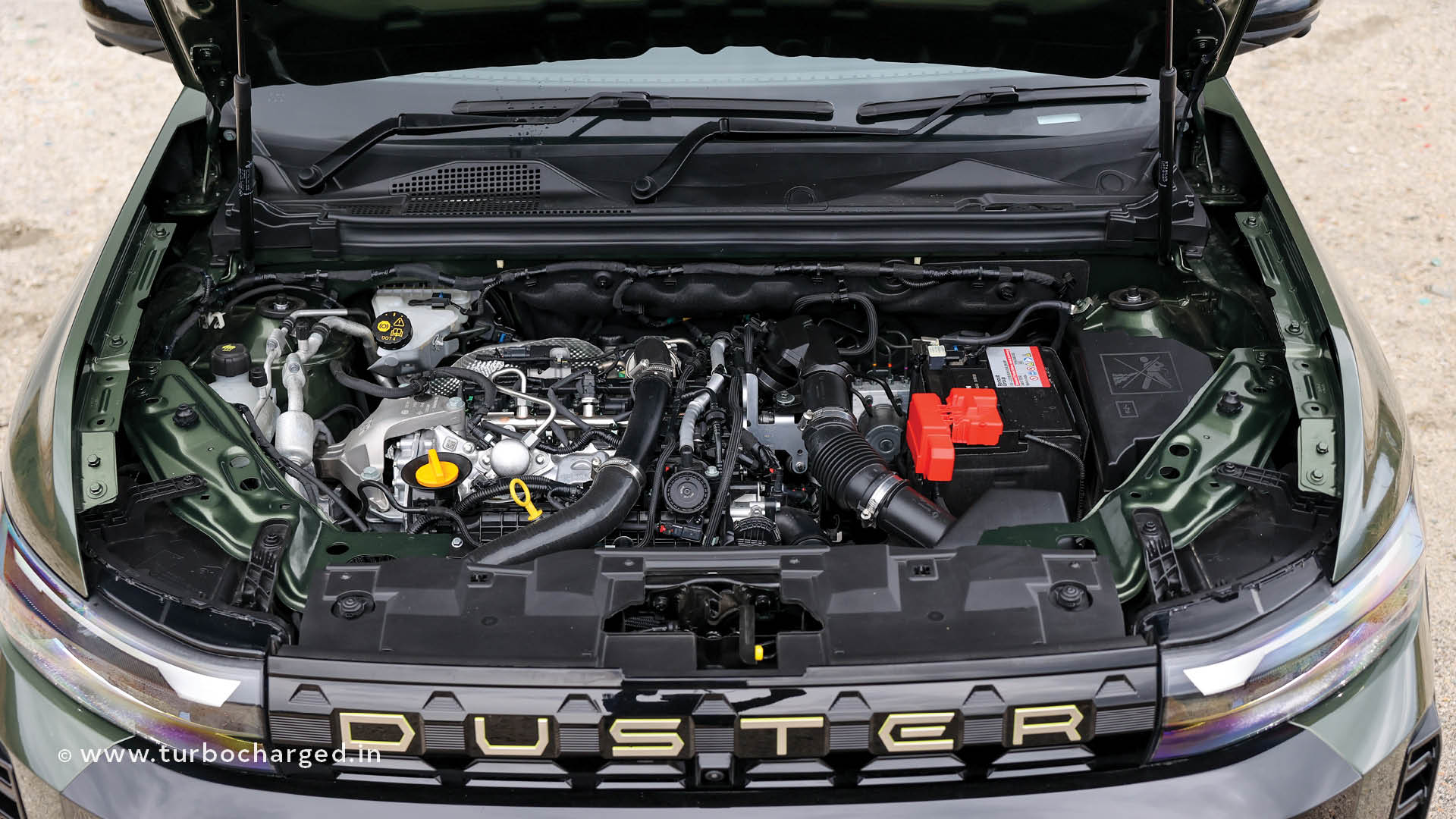
The Duster is on offer with a 100PS, three-cylinder, 1.0-litre turbocharged petrol engine and an updated version of its 1.3-litre, four-cylinder turbocharged petrol engine that puts out 163PS and 280Nm, which makes the Duster the most powerful SUV in its class. Both engines can be had with a 6-speed manual, but only the 1.3 can be mated to a 6-speed DCT, which is the version we drove. Power delivery is excellent, with just a bit of turbo lag, and midrange punch is particularly good. A big highlight is the audible turbo blow-off whistle, which I enjoyed listening to a lot! Engine refinement is top notch and cabin insulation excellent, meaning NVH levels are very good. Renault has also ensured the new Duster delivers on the ride and handling front, just like its predecessor. The dynamics are easy to fall in love with, given how well it soaked up the broken tarmac outside Dehradun during our drive, while also offering a very engaging feel in the hills. Handling is particularly impressive thanks to the well-weighted steering and firm suspension, with that distinctive European SUV feel.
Overall, there’s a lot to like about the new Duster, and very few things to complain about. Prices are very impressive too, considering the base variant is priced lower than several new and updated SUVs, meaning the new Duster is going to have names like the Tata Sierra, Kia Seltos, Skoda Kushaq and Volkswagen Taigun in its crosshairs, besides the Hyundai Creta!