

Words Abhay Verma | Photography Saidatta Naik
For a brand that’s known for the thump from its engines above all else, the Royal Enfield Flying Flea came as a surprise, especially to purists. We saw it at the 2024 EICMA first, and finally, the Flying Flea is on sale, and we got to spend a day in its saddle.
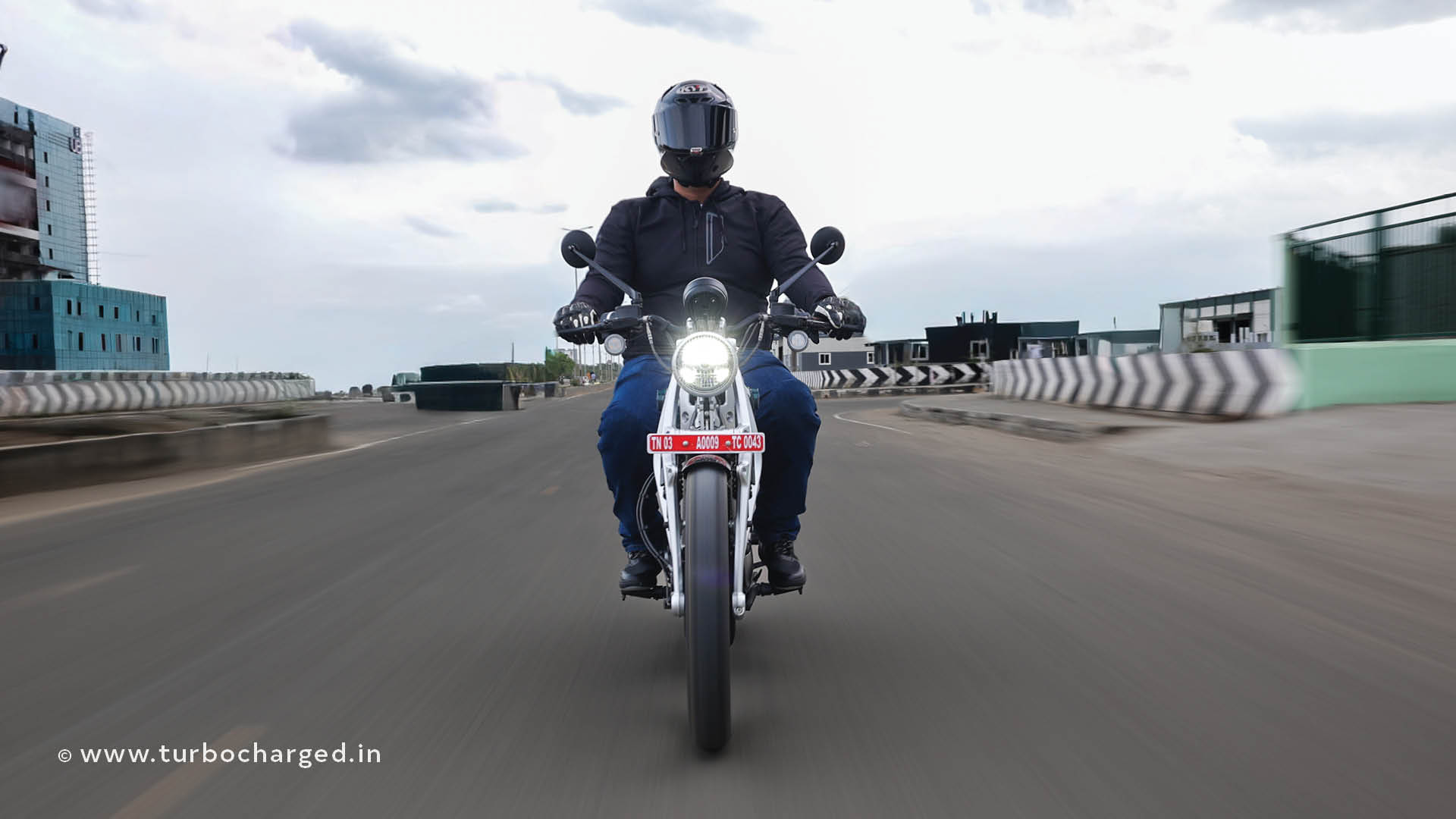
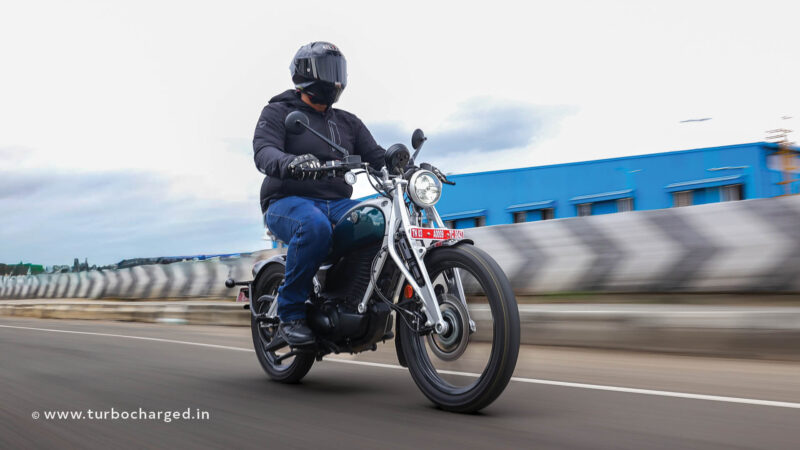
The design is inspired by the original Flying Flea, a motorcycle so light, it was “air- dropped” by parachutes during World War II! That’s one reason why this one is so compact and lean, but that said, it is really small in size, and even most average-sized riders will dwarf it. We’re told the compact dimensions are on purpose – as an ode to the original, and to also eke out maximum efficiency from the electric powertrain. Besides the eye-catching design, attention to detail is immaculate too, and the design and detailing on the battery pack and electric motor both looks very appealing in particular.
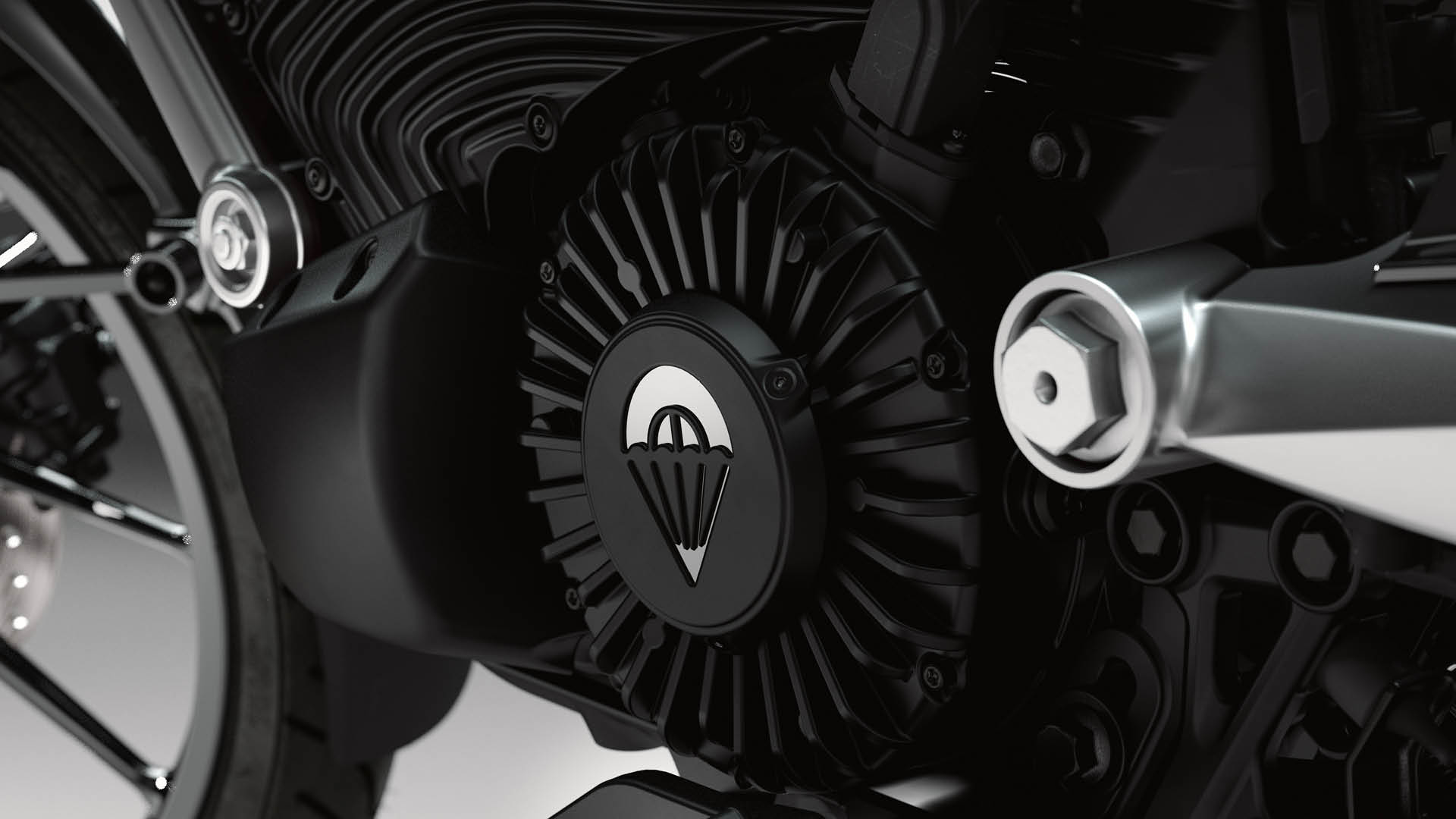
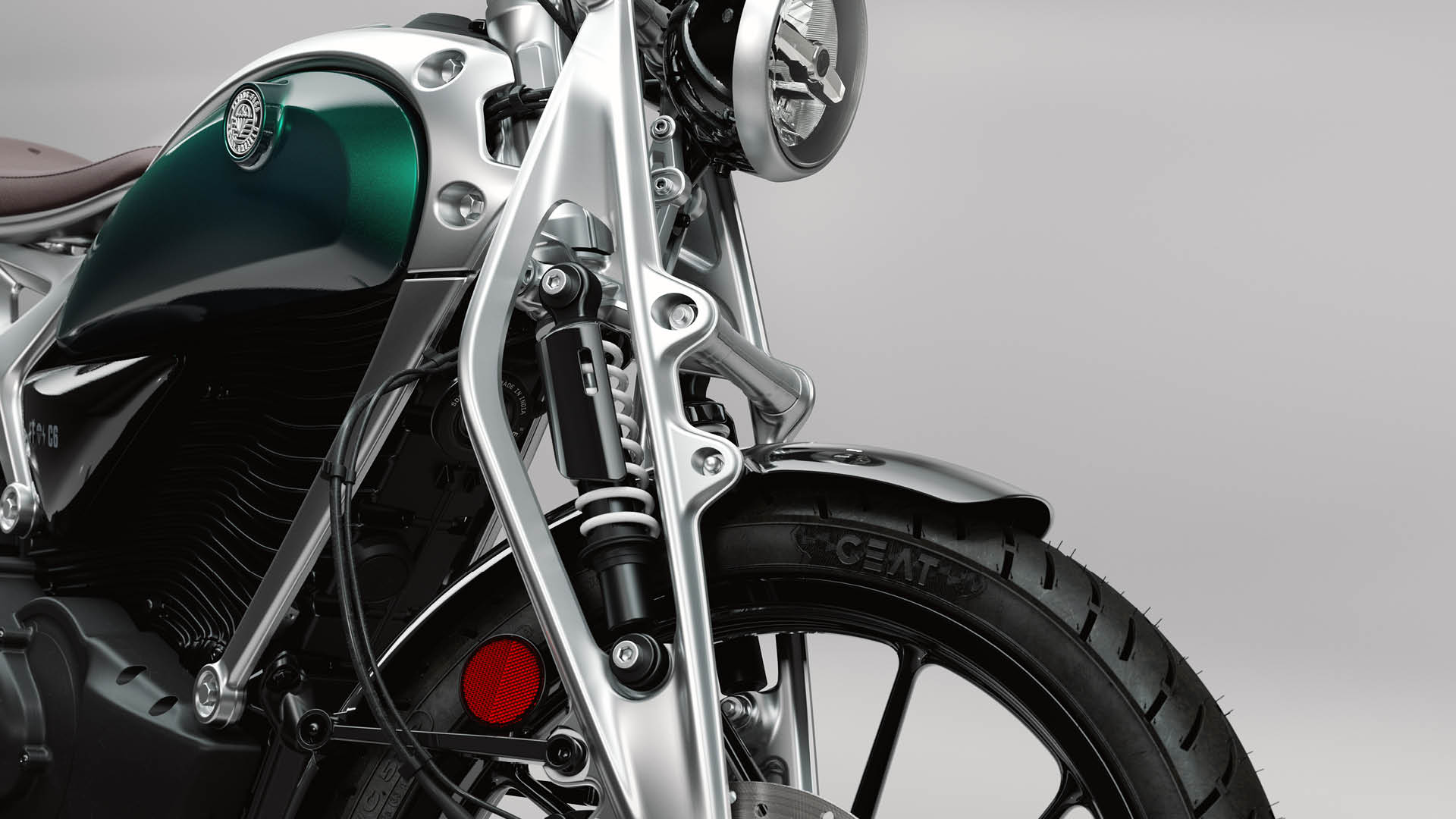
Heck, the battery casing is made of magnesium – it’s significantly lighter than aluminium, and hasn’t been used on any Indian two-wheeler till date! The frame is an engineering marvel too – it’s an exoskeleton made of forged aluminium, to protect the battery casing and electronic components inside the ‘fuel tank’. Another interesting element – visually and mechanically – is the girder fork. It is an ode to older motorcycles again, and adds to the bike’s uniqueness. A 3.5-inch TFT display is your gateway to information and settings, and it is a touchscreen! It looks retro but is properly modern and packs in a lot of information, in a manner that makes glancing at it easy on the go.
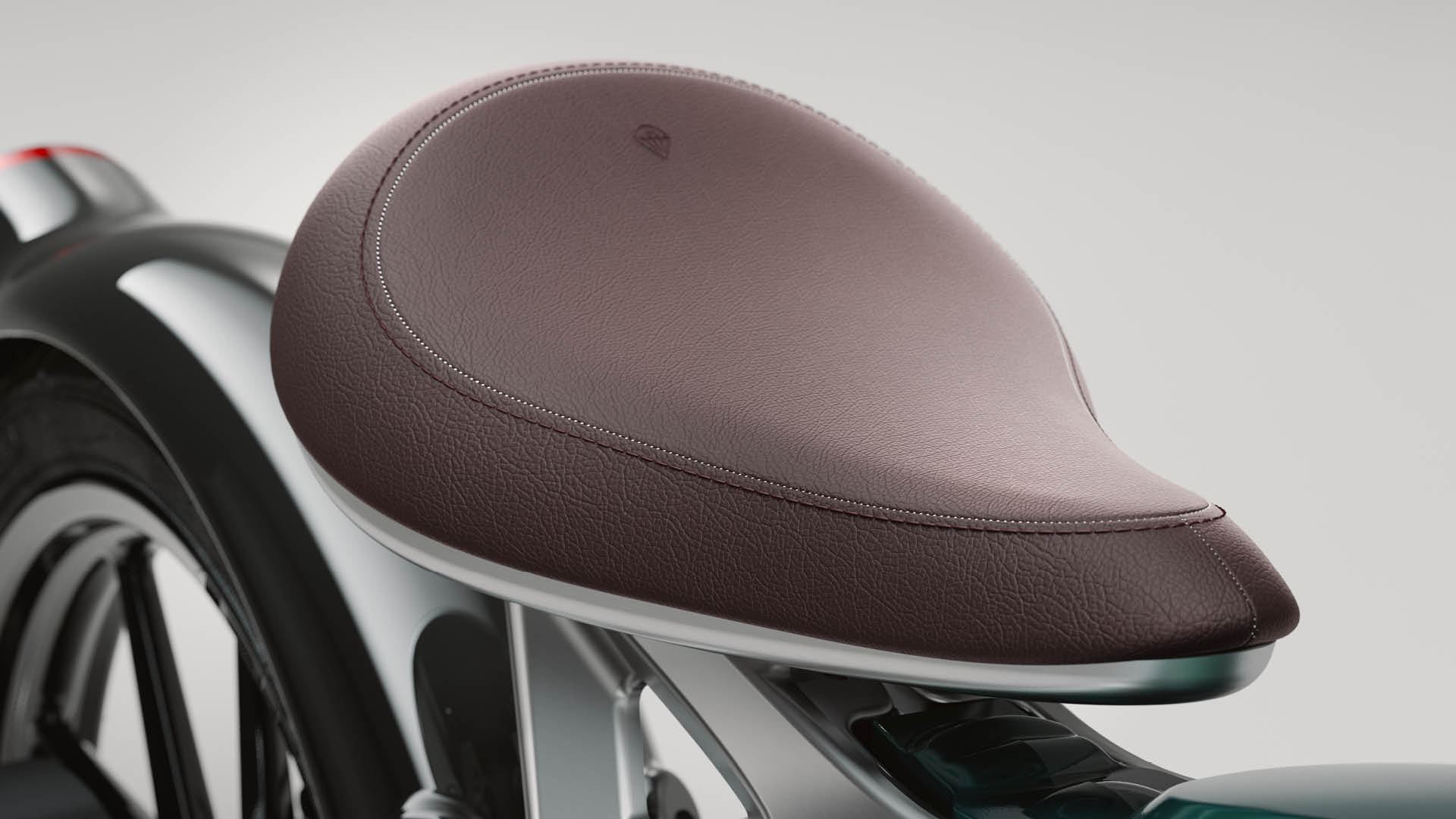
The Flying Flea also comes loaded with technology – you even get cornering ABS, besides traction control! The TFT display is a class act given its resolution, though navigating through functions takes getting used to. The flap on the ‘fuel tank’ integrates a wireless charging pad (a first for any two-wheeler in India!), and you also get a Type-C USB port. In short, the Flying Flea is sure to appeal to tech-geeks, besides appealing to bikers with its thoughtful integration of technology.
The switchgear is confusing to use though, given the number of buttons on either side of the handlebar. Ensuring you’re pressing the right button calls for attention while riding, even using the turn indicators, given how closely stacked the buttons are. The rear end looks good too, with the step-type pillion seat and retro-styled tail lamp, but the slim tyre and overall slim rear end make the bike look very small. Overall, this is a good looking motorcycle, despite its compact dimensions. The Flying Flea also weighs just 124kg – a figure unheard for a Royal Enfield!
The slim bodywork integrates a 3.91kWh battery, and the battery pack is assembled in-house. The electric motor offers 20.9PS and 60Nm, sent to the rear wheel via a belt drive. 20.9PS sounds modest, but being an electric, power delivery is instant. More importantly, the 60Nm output – that’s higher than the Bear 650’s 56.5Nm – and the bike’s bantam weight make seriously quick acceleration. I suspect the Flying Flea will effectively out-accelerate quarter-litre machines, at least from 0-60kmph. You also get riding modes including Eco, Rain, Touring, Performance and Custom,
and the difference between throttle responses and acceleration is noticeable instantly.
Custom mode lets you tweak throttle responses, power, regenerative braking and traction control too. Claimed IDC range is 154km but depending on how you ride, you can expect anywhere between 70 to 100km per charge. Performance is addictive, so the range will vary, depending on how much you twist your right wrist. You get a 2kW onboard charger that you can use directly via a 16A socket, and there’s three charging speeds to choose from.
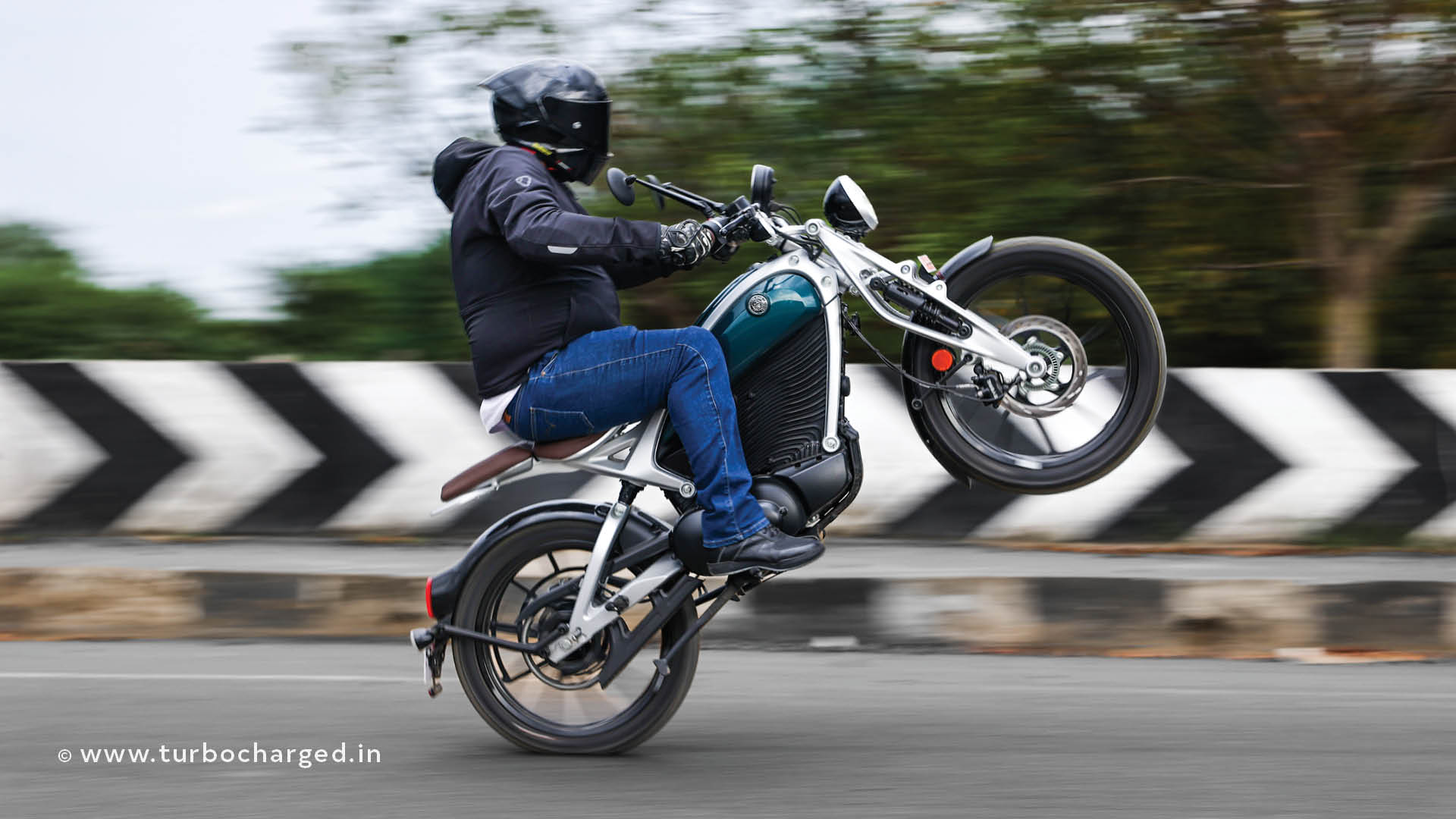
The Flying Flea runs on 19-inch wheels shod with skinny 90-section tyres, aimed at reducing rolling resistance and helping improve efficiency. Ride quality is plush and the bike impresses with the way it handles broken tarmac – something I wasn’t expecting from an electric. The girder fork feels slightly odd at first but you get used to its bobbing motion, and despite the skinny tyres the Flying Flea handles impressively. The seat isn’t very comfortable for longer rides though, as we found out after riding for 70-odd kilometres outside Chennai. Also, the pillion seat is usable for short rides at best given the bike’s dimensions, and the seat itself.
Both brakes are operated via hand levers like an automatic scooter, but the setup is easy to get used to! Brakes work well and offer a progressive, reassuring feel. Given how lean and light it is, the Flying Flea impresses with its agility, and flicking it
through traffic isn’t just easy, it’s also fun. The lightness and nimble handling, coupled with the quick acceleration make the bike perfect for short commutes.
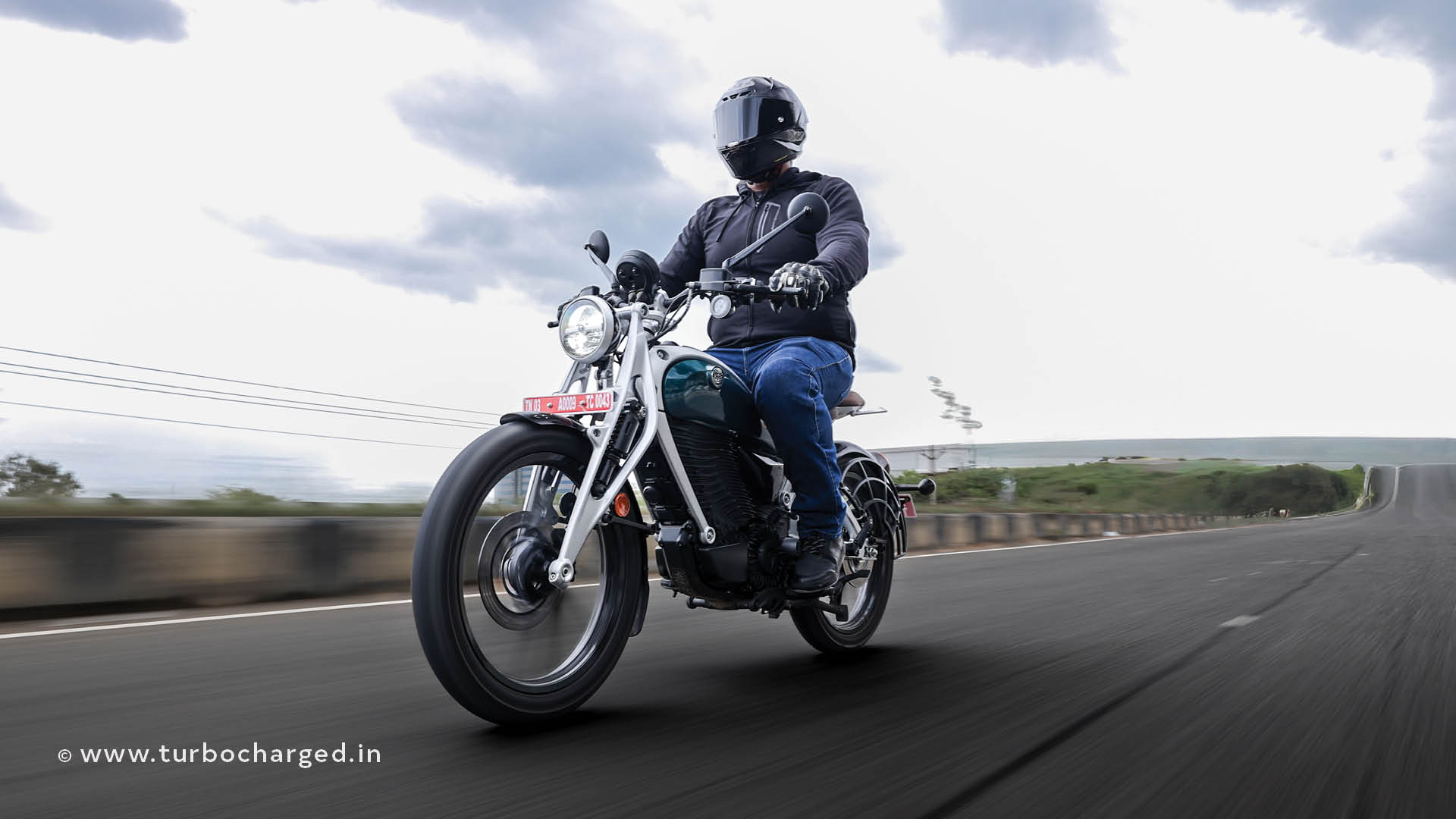
Overall, there is a lot to like about Royal Enfield’s first ever electric motorcycle. We didn’t know what to expect when Siddhartha Lal first spoke to us about an electric motorcycle, back in 2022, at the launch of the Hunter 350, but this is a very interesting take on EVs. I also like how the bike is an ode to a remarkable chapter from the brand’s past, while feeling properly modern and also impressing with its performance and dynamics. I was in fact expecting it to be more expensive than it is – ₹2.79 lakh ex-showroom is quite impressive and ₹1.99 lakh with the battery as a service is a really good price for the motorcycle! There certainly exists an audience for the bike too, though the question on my mind is, will the fence sitters and purists lap it up? We will know soon!