


It’s finally happened — the highly ambitious plan of the European Union to phase out ICE vehicles altogether by banning the sale of those by 2035 has officially been repealed. Petrolheads, take a moment to rejoice! The state of California has a similar policy, but even they might be looking to overturn that soon.
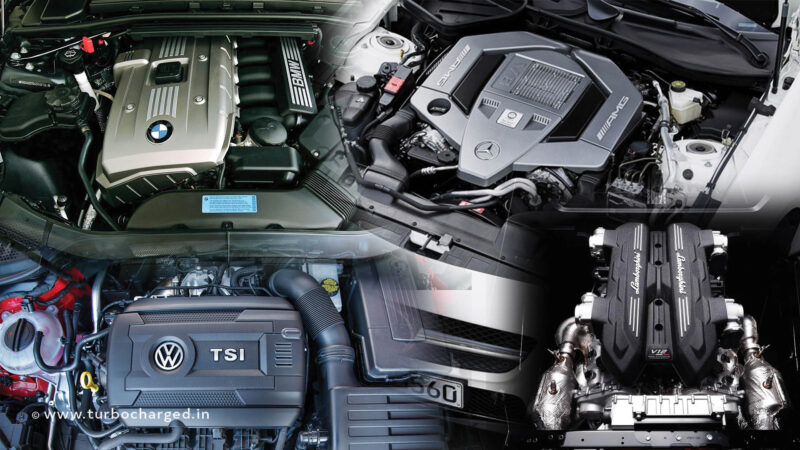
Most manufacturers have also backed out of their earlier commitments to EV-only line-ups by 2035. They all announced that they will continue developing internal combustion engines alongside electric powertrains for their customers. While some manufacturers, like Jaguar, are yet to revert to ICE, other manufacturers, such as Toyota, were staunch supporters of hybrid being the future, and as such focused most of the development in that direction. These manufacturers are now primed to reap the rewards of their faith in internal combustion.
While EVs are cleaner by tailpipe emission standards, the environmental cost of manufacturing, coupled with the impact of sourcing rare-earth metals, not to mention the electricity grid being mostly thermal throughout the world, has made it clear that EVs are not the one-stop solution people previously thought.
Only time will tell what’s in store for the future, but with carbon-capture technology, we may very well be able to turn CO2 into petrol at a commercially viable scale. Porsche is already working on this technology. We also have hydrogen fuel cell vehicles, hydrogen combustion vehicles, and compressed natural gas combustion vehicles. Biofuels are another source that are being tapped, but that also raises other questions about the diversion of farming to feed an engine rather than the population.