


Words: Sayantan De
Being a motorcyclist in the Indian monsoons is a painful experience. Most riders tend not to enjoy commuting as much as the open road, and traffic tends to take on a more hostile quality in the downpour. So when the invite came in for a trip with Royal Enfield Rides through the Western Ghats, with lush green valleys, craggy black peaks and roads covered in clouds, I was ecstatic to break free of the monotony of the commute. On the highways, rain takes on a more soothing personality, so I was looking forward to watching the water droplets drift over the visor of my helmet before being blown away in the slipstream…
I reached Kolhapur quite late in the evening, and after a quick briefing by our ride coordinator, Asif Khan, it was time to tuck in with the ever-present rain lashing against the hotel windows. Asif had picked a route for us that was going to be ‘more challenging than average,’ and considering he heads a group called Wild Riders, we were filled with nervous excitement. We started bright and early the next morning, and that was the first time I laid eyes on ‘1099’ – the Royal Enfield Himalayan that was to be my steed throughout this sojourn.
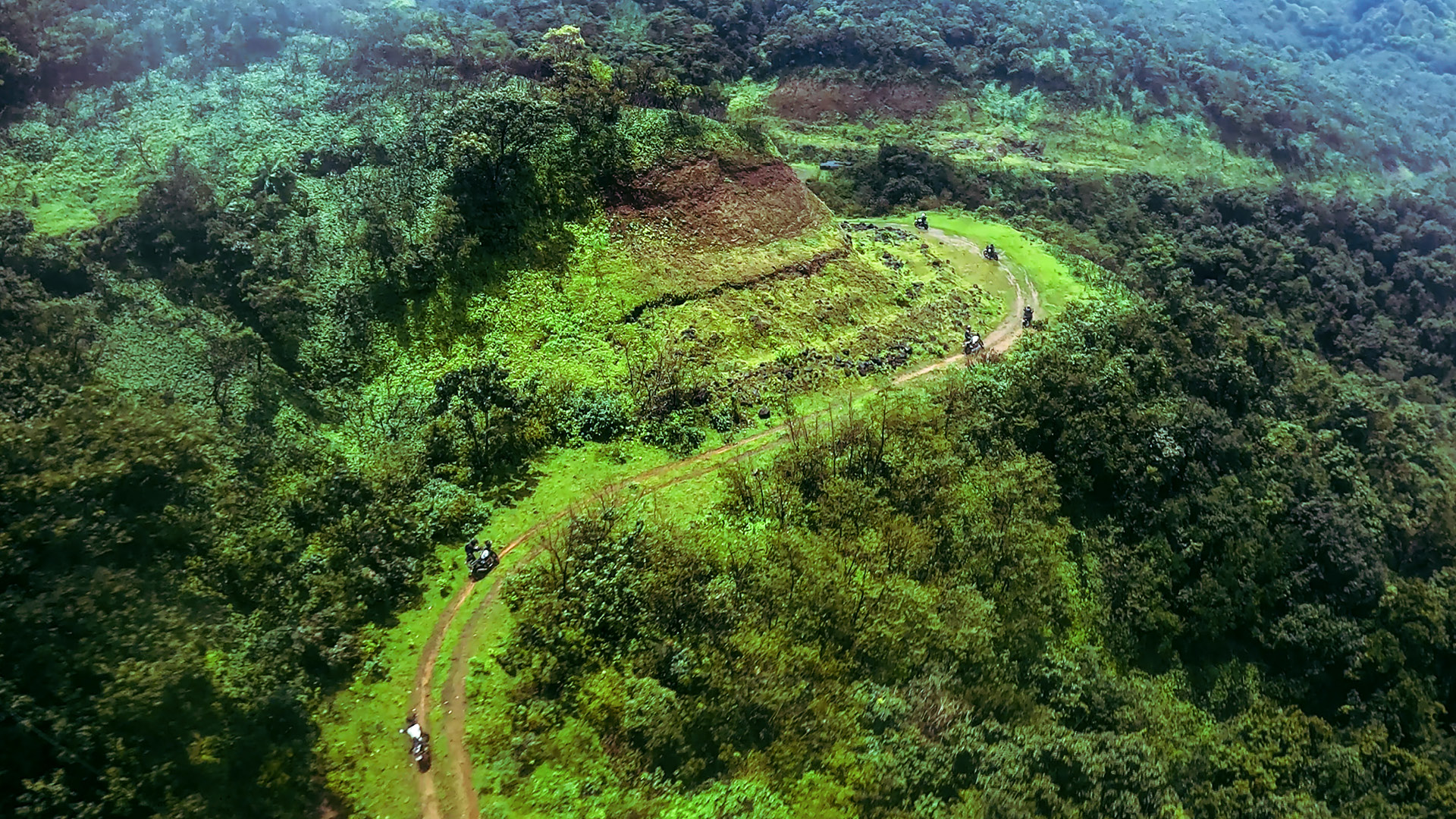
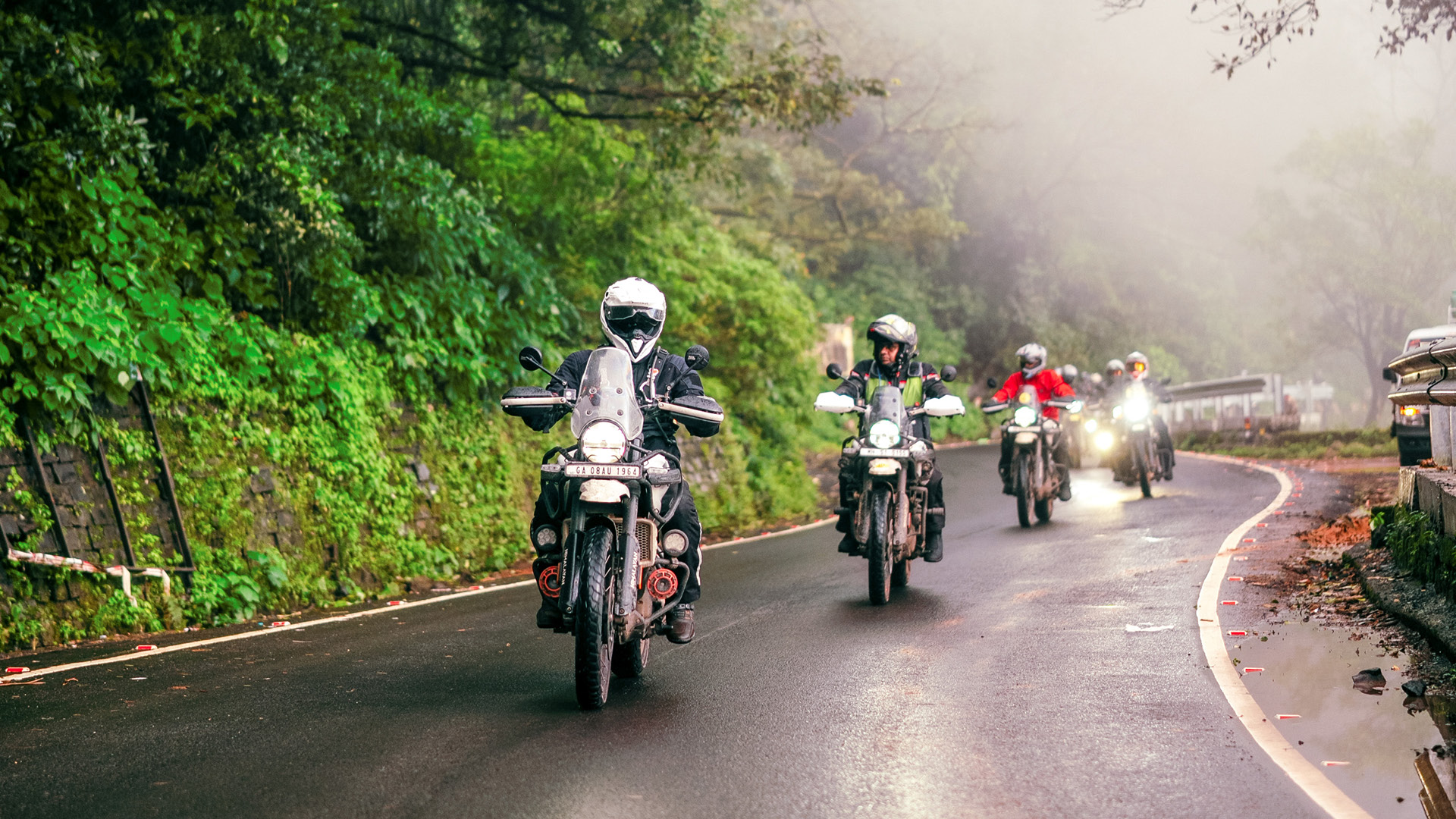
Shortly after a rendezvous with the remainder of the contingent, we left the highway for the B-roads that led us deep into the heart of the Western Ghats. We were told that there was a surprise on the way—after riding through roads that took us through dense vegetation all the way to hilltops shrouded in mists, and back down to the forests again, we veered off onto a dirt road that led to a small dam.
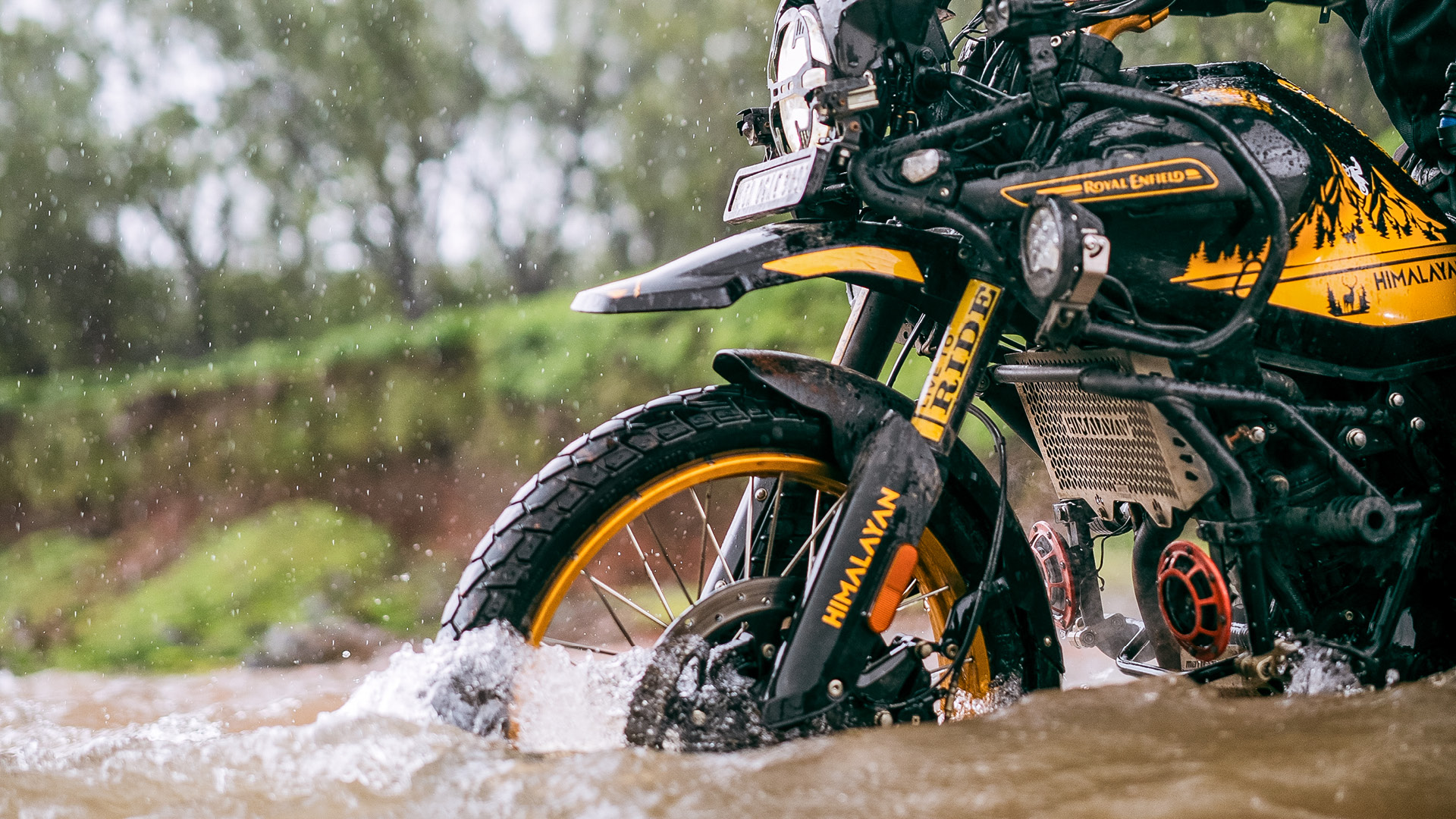
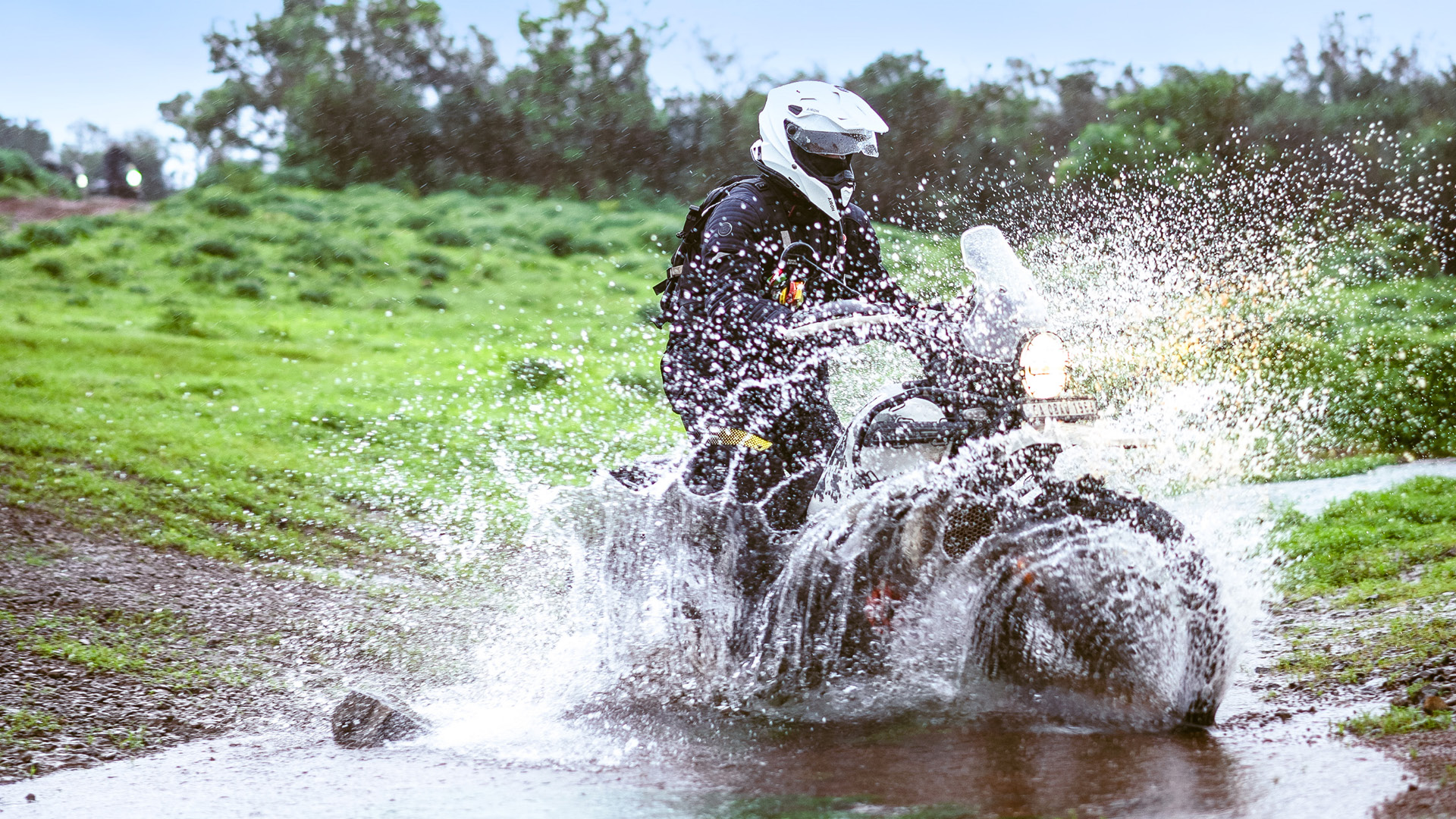
While I have crossed small streams on a motorcycle before, crossing a river as wide as this was a whole new experience for me, and the Himalayan made it quite easy with its grunt. After the crossing, we turned around and parked our bikes in the middle of the river for a photo op, and thus created a perfect image for the well-known motivational poster that reads “There’s no shortcut to any place worth going.”
We reached the resort in the late afternoon, which was to be our bivouac for the next two nights. After a lightning-quick lunch, we headed out in search of the elusive reverse waterfall at Kavalesaad point. The rain gods had no mercy as they decided to give us a thorough soaking once we reached the point, which was completely covered in something white, which could be either fog, mist or clouds; it was hard to tell! Then, for a brief moment, the gods gave us a respite, and the clouds parted, offering us a glimpse of the valley below. The reverse waterfall phenomenon was clearly visible too, where we witnessed water being blown uphill thanks to gale-force winds.
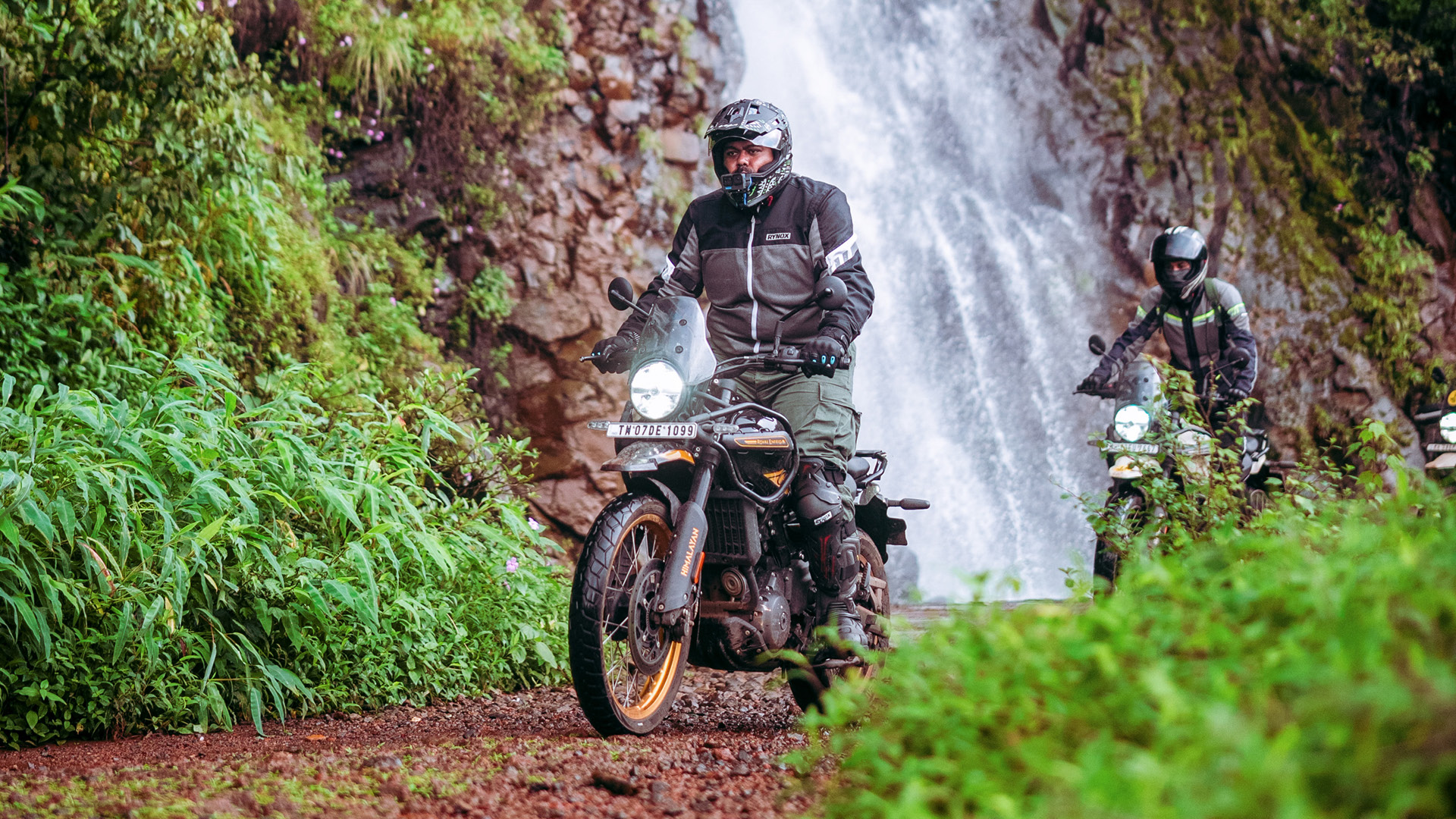
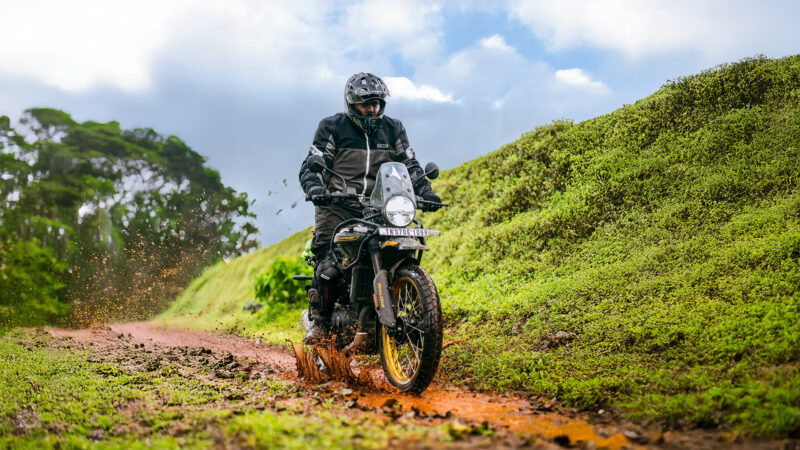
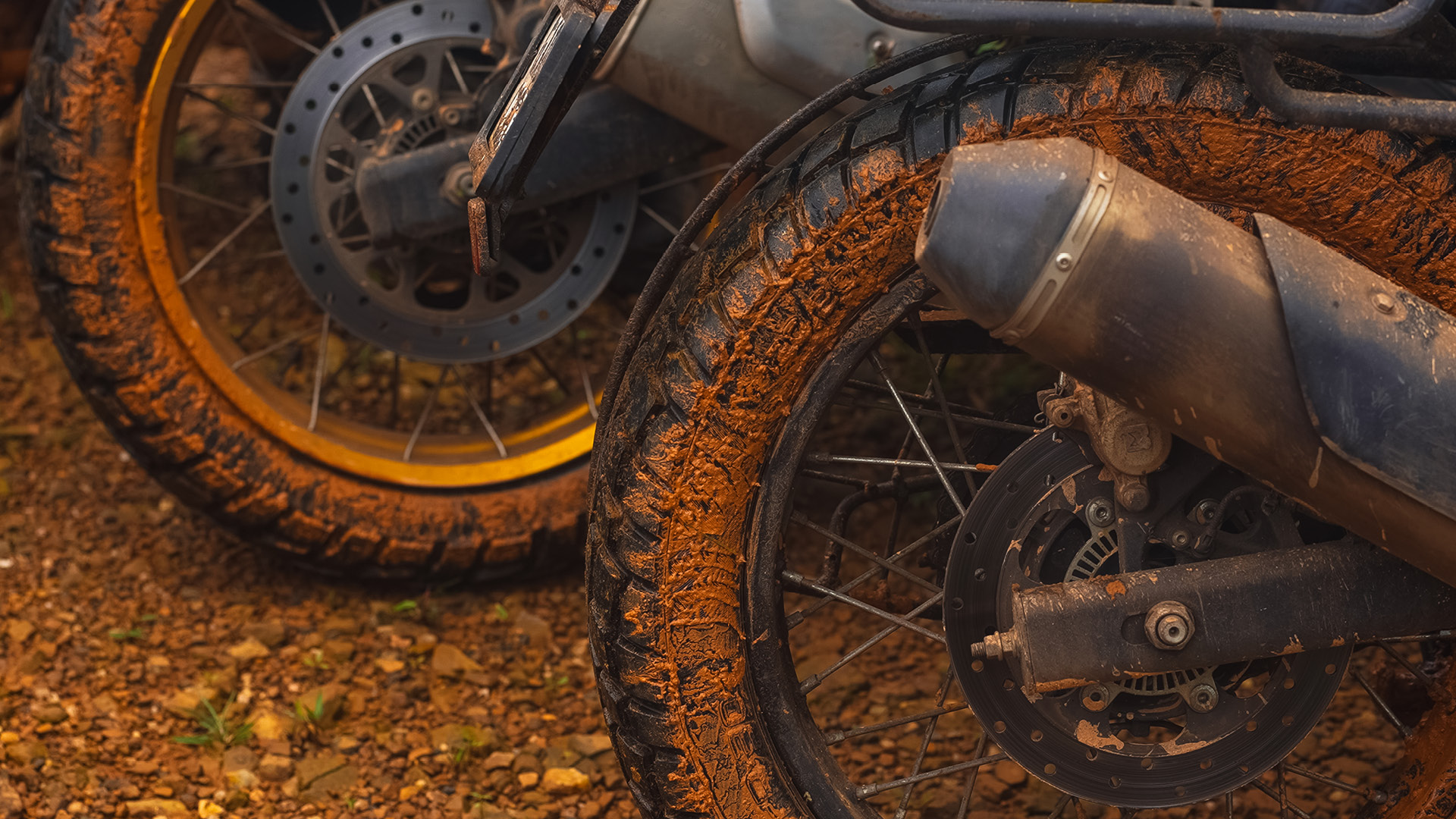
The next morning, we started with a place called Baba Waterfalls, where we rode under a waterfall! Once we were done with this marvellous experience, we headed to the Pargad Fort trail. It started out incredibly slippery, to the point where the mere thought of using the front brake would cause the wheel to lock up, I kid you not. A few dropped bikes later, we reached the mud. This was not your average mud, though—it had an evil personality, and the clinginess of an ex-girlfriend with attachment issues. It tugged on our boots and tyres, making progress slower than rush-hour traffic in Bangalore.
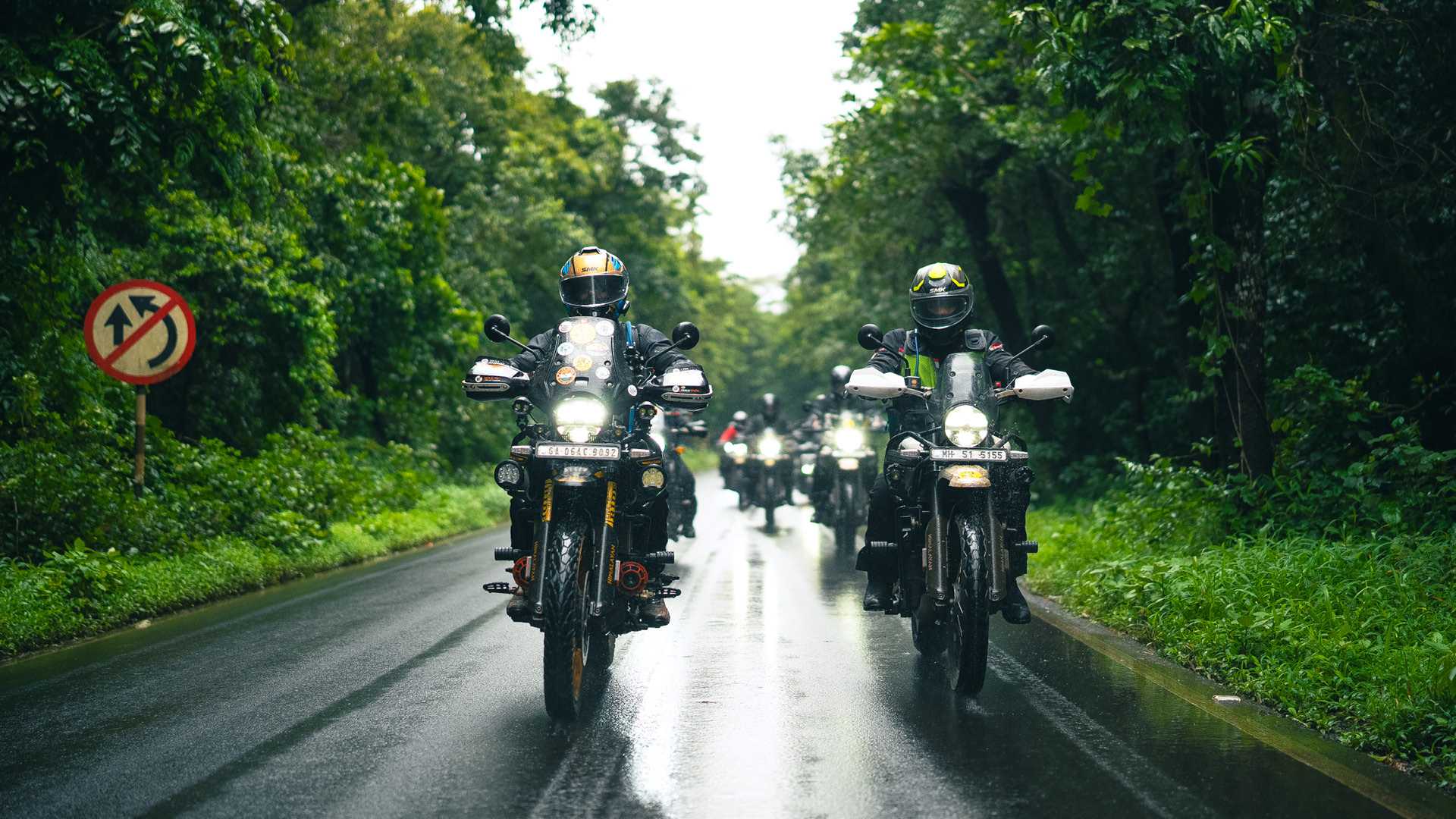
Many arduous clicks of descent later, we reached a pit stop. We had the climb to look forward to, which, we were assured, would be orders of magnitude more difficult than the downhill bit we just covered. And it was. Each of the muddy roadblocks took a chunk out of our travel time, but the worst was yet to come. As we neared the paved road, we discovered that massive quantities of earth were deposited by heavy machinery for roadwork, just before the heavens opened up and had been going non-stop. This has turned the trail into the kind of nightmare that only the organisers of the Discovery Eco Challenge could dream up. After many hours of trudging through the mud while simultaneously hauling our not-so-lightweight motorcycles up the trail, we made a soul-crushing discovery—the rain had washed away a small ridge that connected the trail to the paved road, creating a chasm which was too deep to cross.
At this point, we parked our bottoms on patches of relatively dry land–hungry, thirsty and tired. Asif left on foot, in search of food, motivation and an alternate route. He returned with a gigantic box of Vada Pav, and told us that we would need to head back down the ravine and take a different, fully-paved road, which would push us back by many kilometres. We reached the tarmac just as the sun was dipping below the horizon.
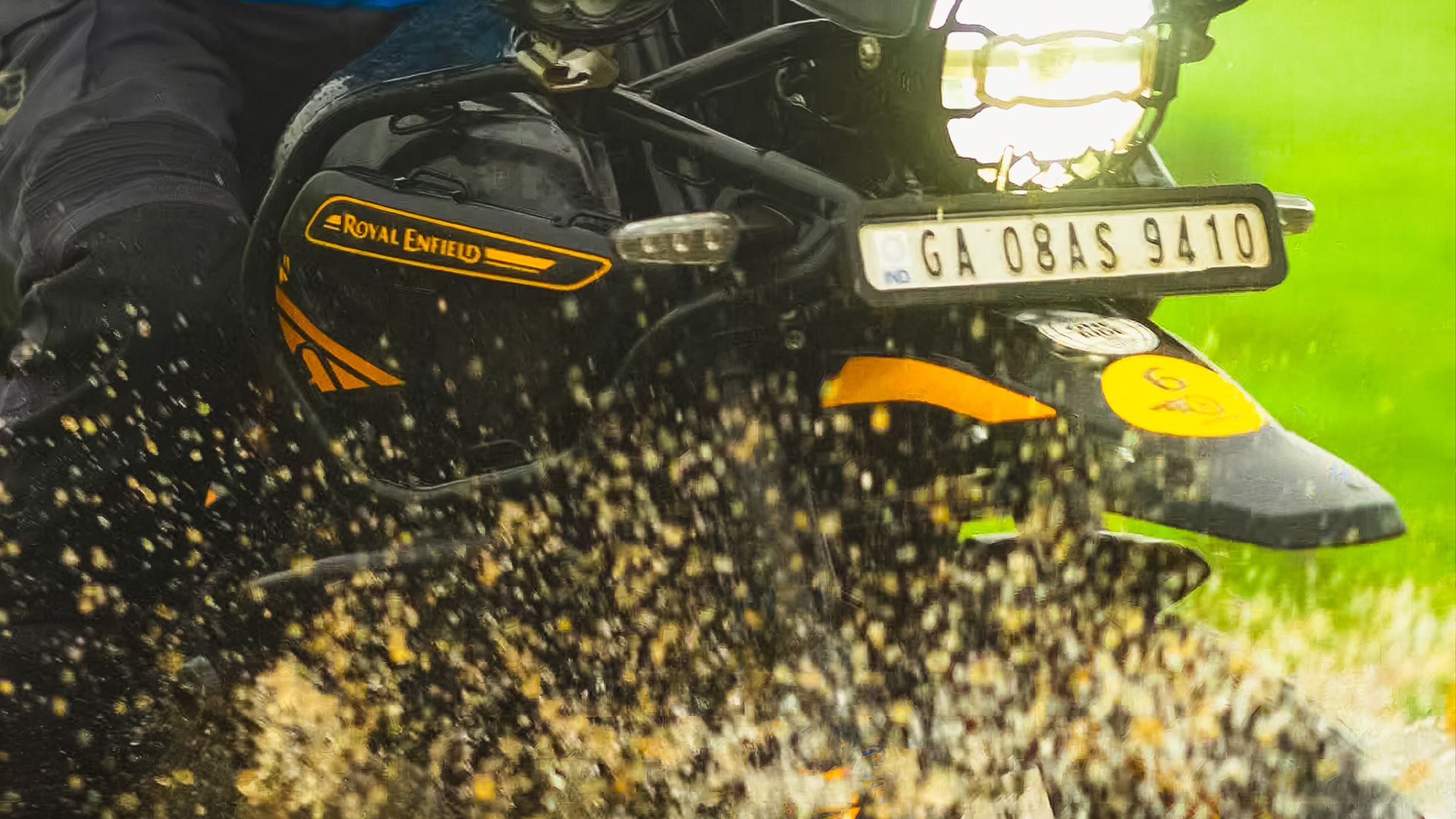
The next few hours went by in a blur, as we climbed the Tilari Ghats, trying our best to make use of the remaining daylight, and then continued on through the darkness. Another shower drenched us, and the chill mountain air froze us to our bones, but we rode on at the same relentless pace, up and down the winding roads, like a locomotive—as if all the bikes were connected by an invisible string—keeping pace with each other. Then the lights of our resort loomed through the fog, and just like that, the ride was over. The rest of it was predictable highways, and I’ll not bore you with the mundane details of that.
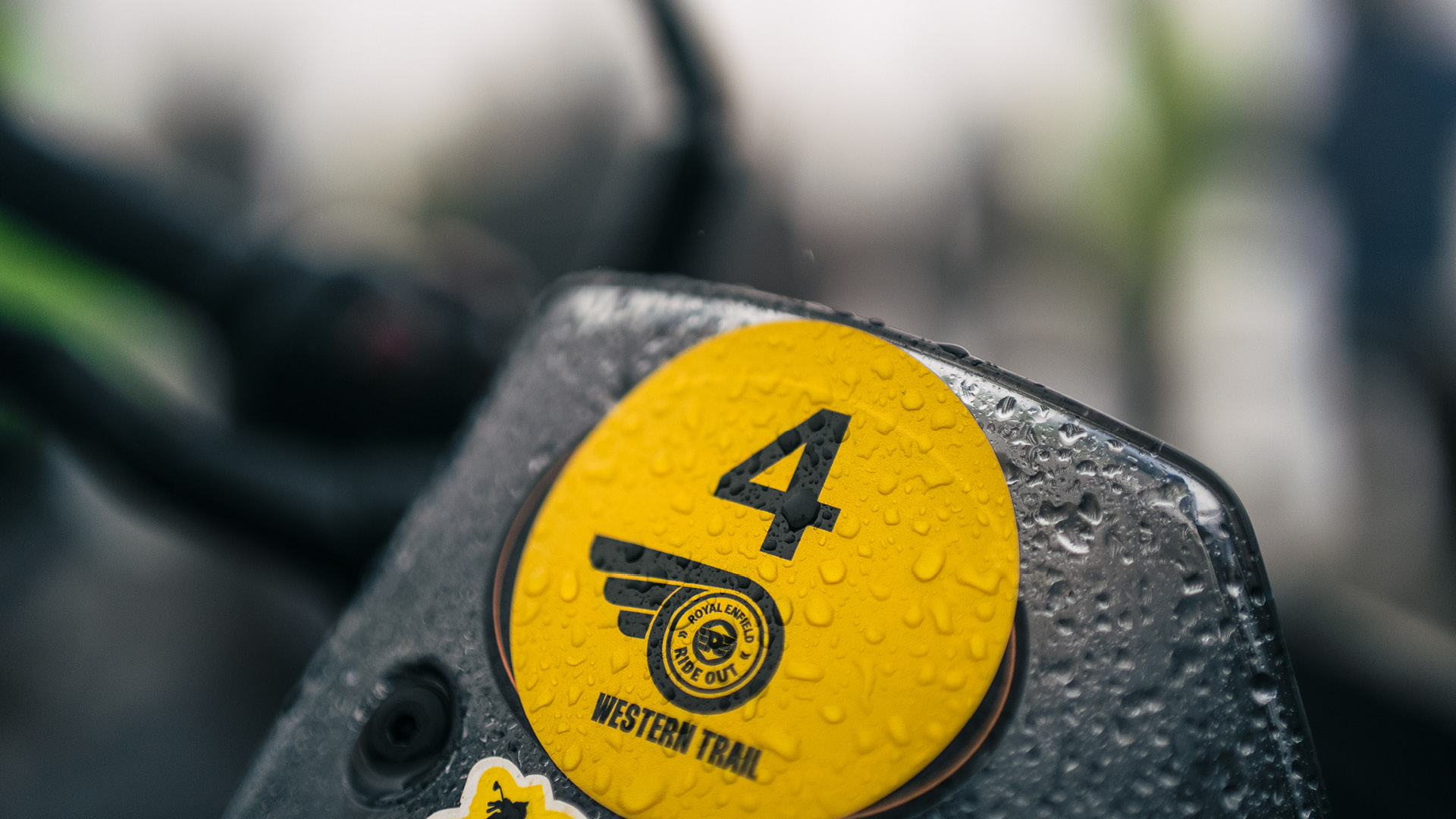
One of the lines from the Himalayan’s marketing has always appealed to me, which reads, ‘Remember, the mountains have other plans.’ While I always admired this sliver of wisdom, I might not have grasped its true meaning had I not faced the challenges we did in this ride. We had our itinerary and schedules, but the mountains changed that in an instant. You may prepare as much as you want, but roads can and will always surprise you, catch you off-guard, and put you so far out of your depth that you might begin to question everything—making that one-liner your mantra, not just on rides, but on life in general—will make things a bit easier.