


Being a student throughout the 90s and the early parts of the 2000s, I lived through one of the best eras of racing games, on both PC and console. Titles such as Need for Speed: Underground, Underground 2, Most Wanted, or even Carbon were played religiously by my friends and me on our PCs. Those of us with access to a PS2 played games like Gran Turismo 4 and the like. Some of us who had already spent countless hours on these games moved on to more esoteric ones, such as Midnight Club: Los Angeles, Juiced and Test Drive Unlimited. These games had an incredible array of cars, and apart from the magazines I read at that time, they played a huge part in shaping my identity around 4-wheeled machines that to me were art, tools of self-expression in metal and glass. Incredibly, all the above games, with their different settings of underground street racing, circuit racing and exotic locale fantasy, had one car in common — the Volkswagen Golf, either as the GTI or a more exotic variant.
This is not surprising either, as the Golf in the GTI form, in its nearly 5-decade-long existence, is probably responsible for creating more car enthusiasts than any other single make-and-model combo. This is partly because of its sales numbers, which were staggering, but mostly because of its accessibility. Back in the earlier days of the Western World’s tuning culture, the Golf GTI was the poster child for this sub-genre of car enthusiasts, as the best of the Japanese tuner cars were usually contained within the island nation.
And the Golf GTI was ridiculously easy to tune with huge aftermarket support — people have likened the Golf GTI to Legos, which meant even arduous tasks such as engine swaps could be carried out with the help of a few friends, aided by some beer and pizza, as all parts (suspension, steering racks, brakes and wheels among others) could fit every car, so long as the parts came from Wolfsburg. Volkswagen’s rationale behind this interchangeability of parts was to keep costs low, but it also helped enthusiasts, making the otherwise expensive hobby of modifying the Golf a more pocket-friendly affair for regular folks (junkyard parts, anyone?). And as those regular folks rarely had a race track in their backyards, the place to enjoy their modified GTIs was the streets. However, this didn’t lower the quality of the experience as the Golf GTI, across generations, felt special at any speed — there was no need to chase the upper reaches of the speedometer.
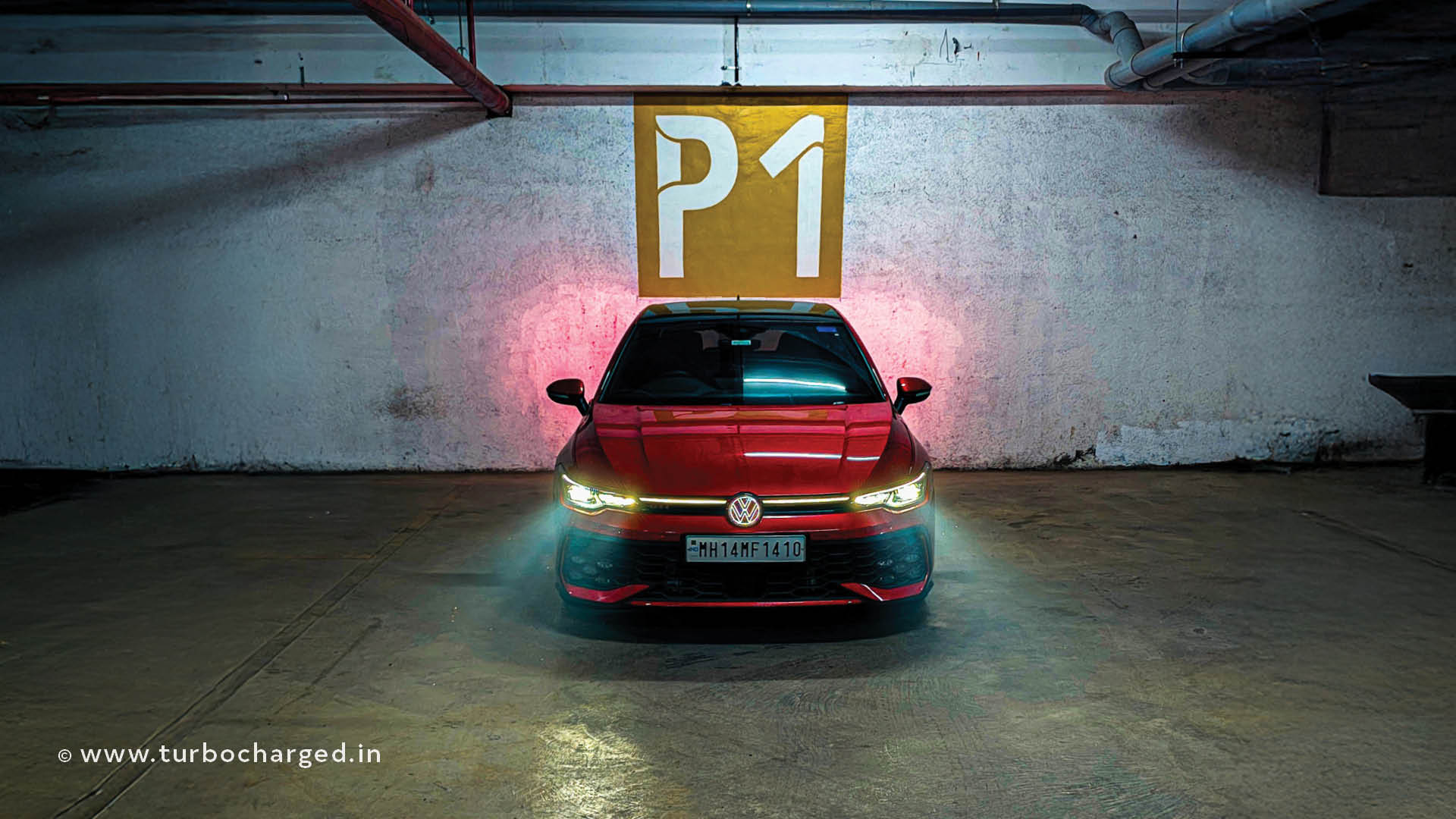
While used GTIs served as the entry point of many enthusiasts’ journey, brand new GTIs were bought by trading in sports coupés by people who were settling down to start a family, and a hot hatchback with five seats and doors beat a sports coupé with only two of each every single time in terms of practicality. I imagine that most of these people never traded their GTIs ever again for something else. Volkswagen knew this, of course. More than that, they understood it at a cerebral level and played their part in stoking the fire with club meets around the world and the mega-gathering at Wörthersee, the GTI Treffen. Volkswagen shoved a W12 engine from a Phaeton in a Golf once just to wow its fans at this event — an unprecedented move from a manufacturer! Volkswagen has always been about giving people the cars they want, living up to their name completely, so it wasn’t a huge surprise to know that the Golf GTI was coming to India, but it was still quite special!
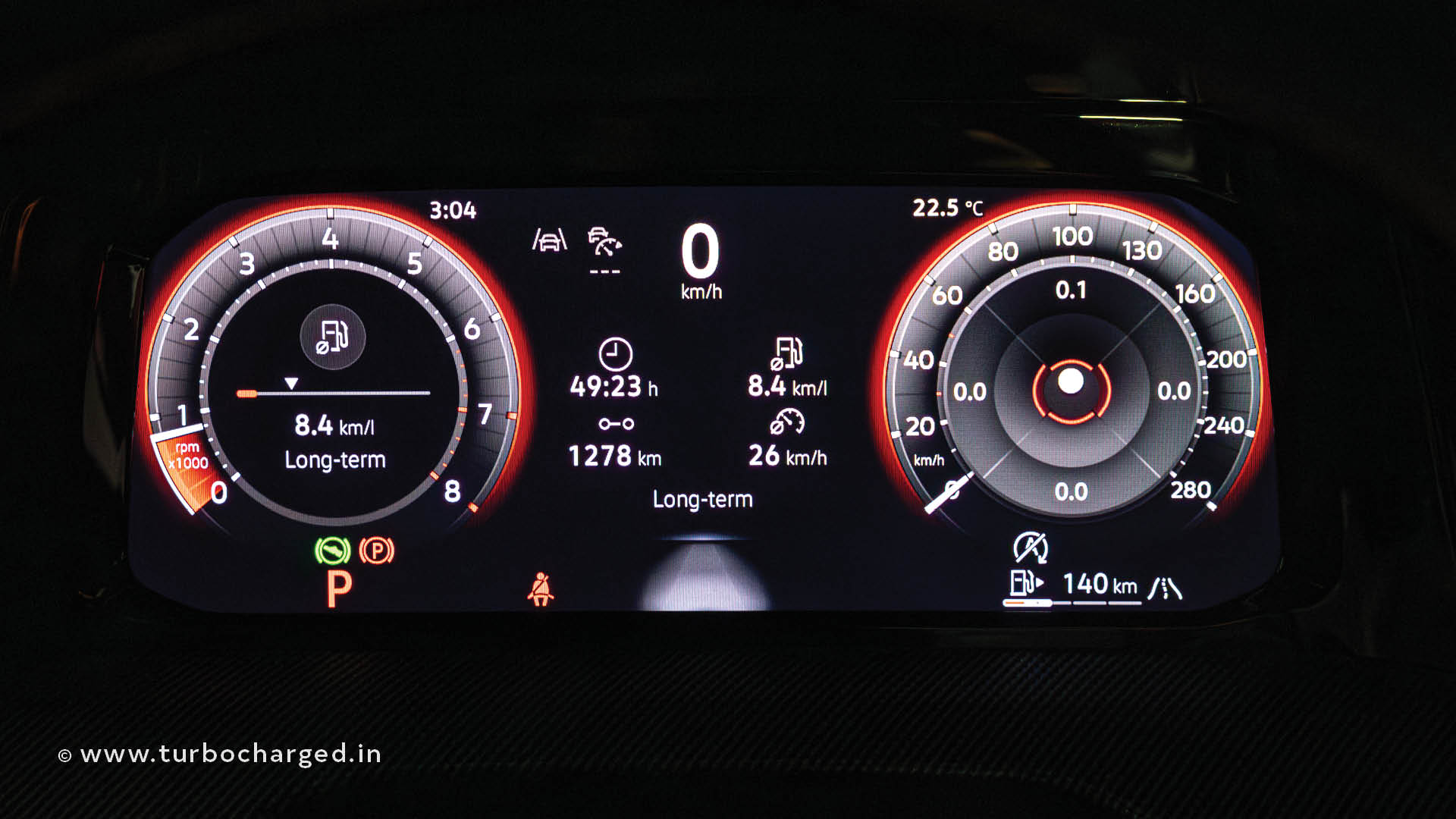
However, I couldn’t imagine a scenario in which the Ed just walked up to me and dropped the keys on my desk and told me to go take it for a spin. Just like that, I had access to a performance car icon which had a greater impact on car culture than any supercar ever. Because it was attainable. And had I been dropped the keys to a supercar, I wouldn’t be half as happy as I was with the chance to drive, really drive, the Golf GTI, that too not on a race track, but on the city streets.
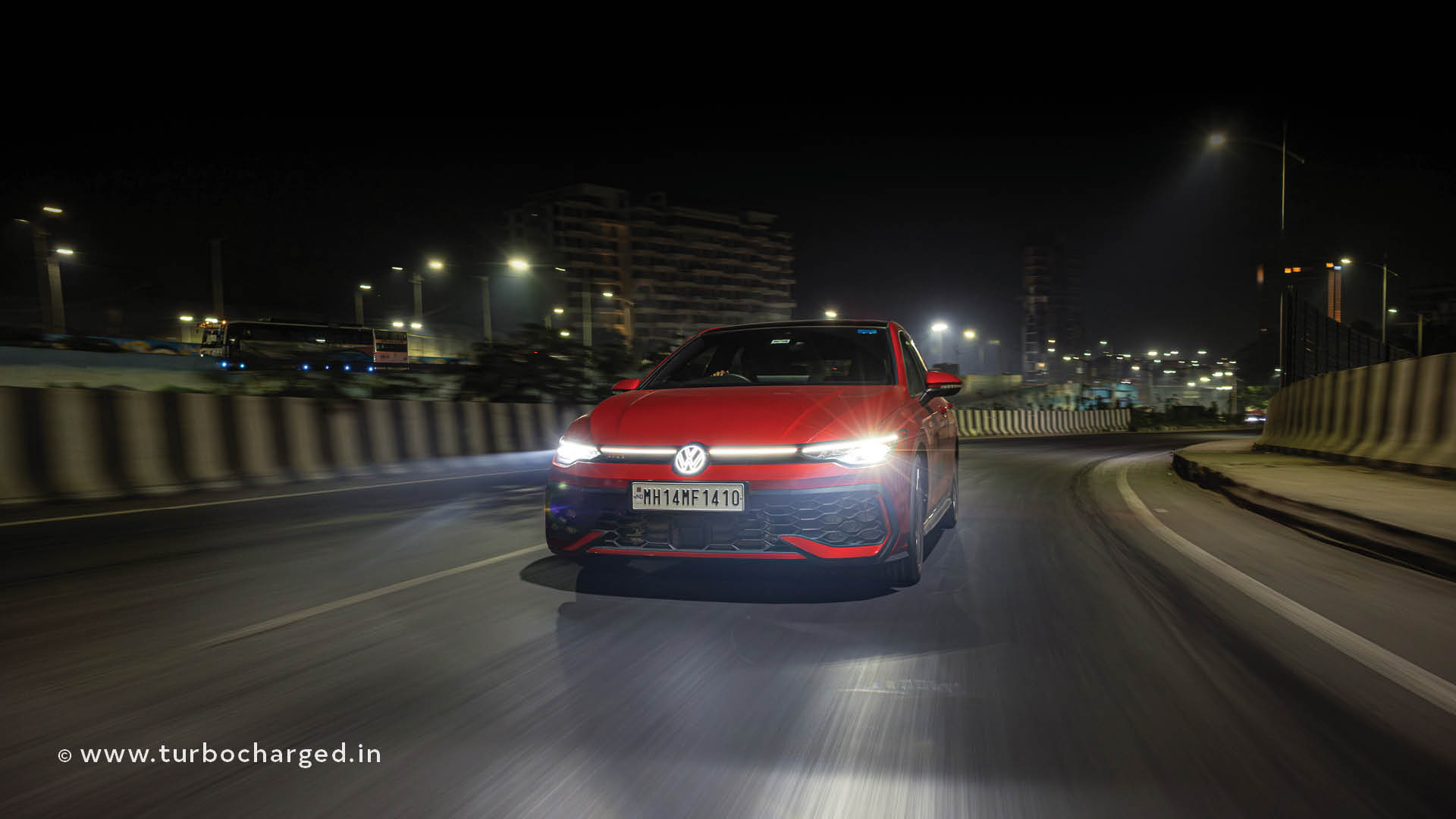
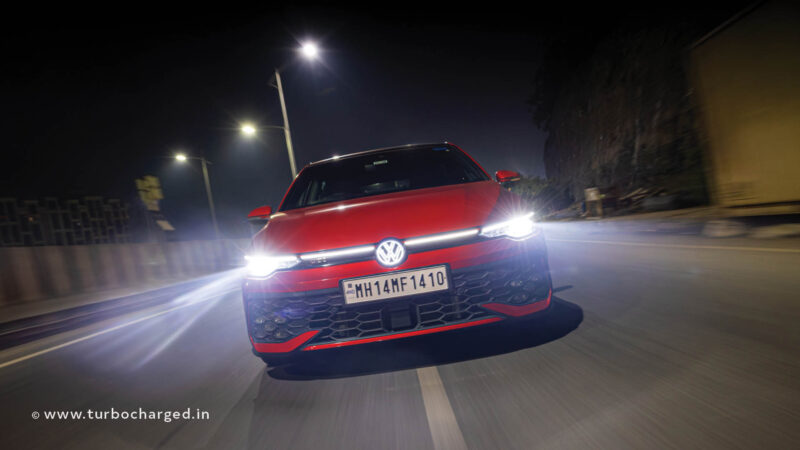
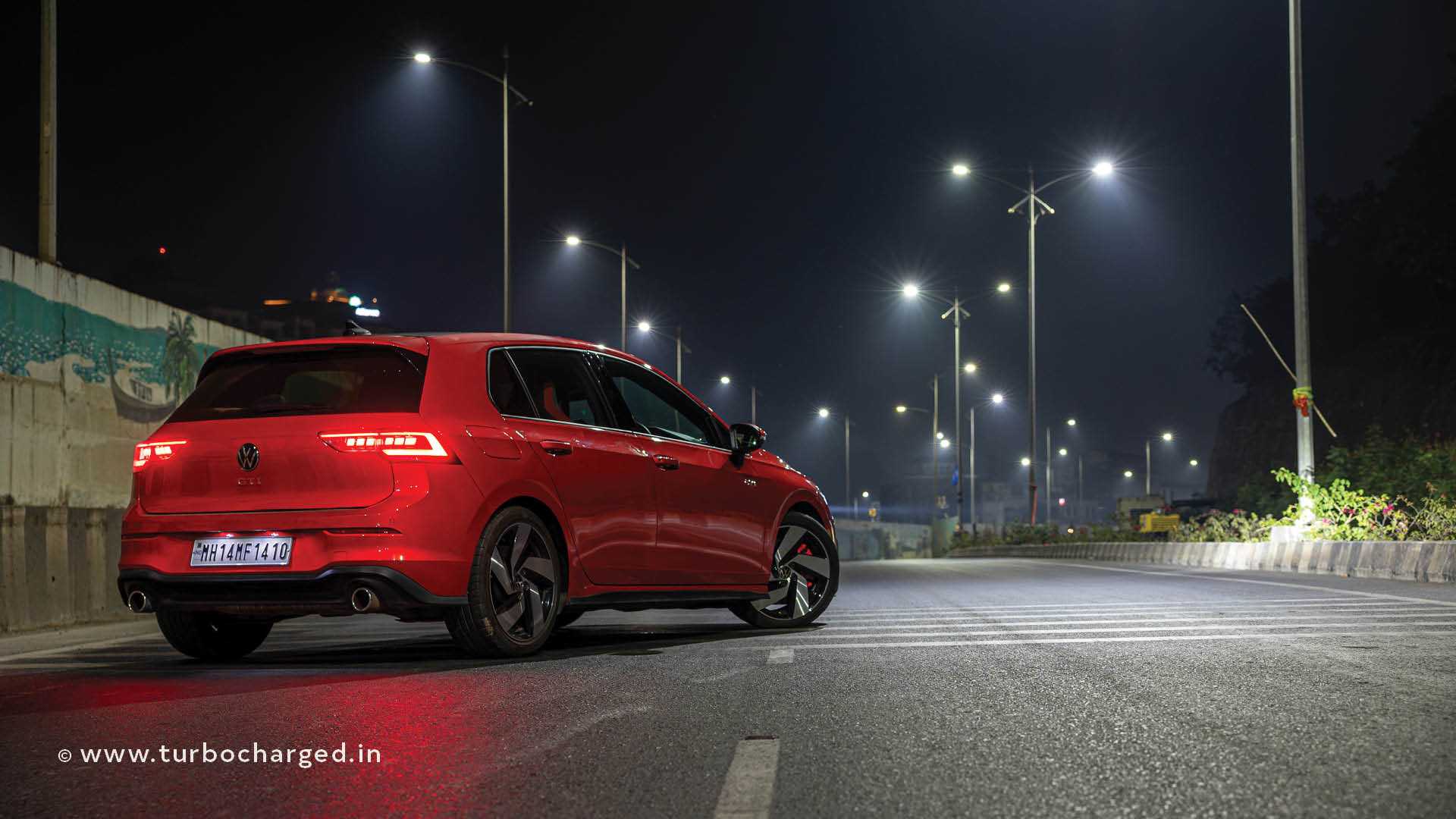
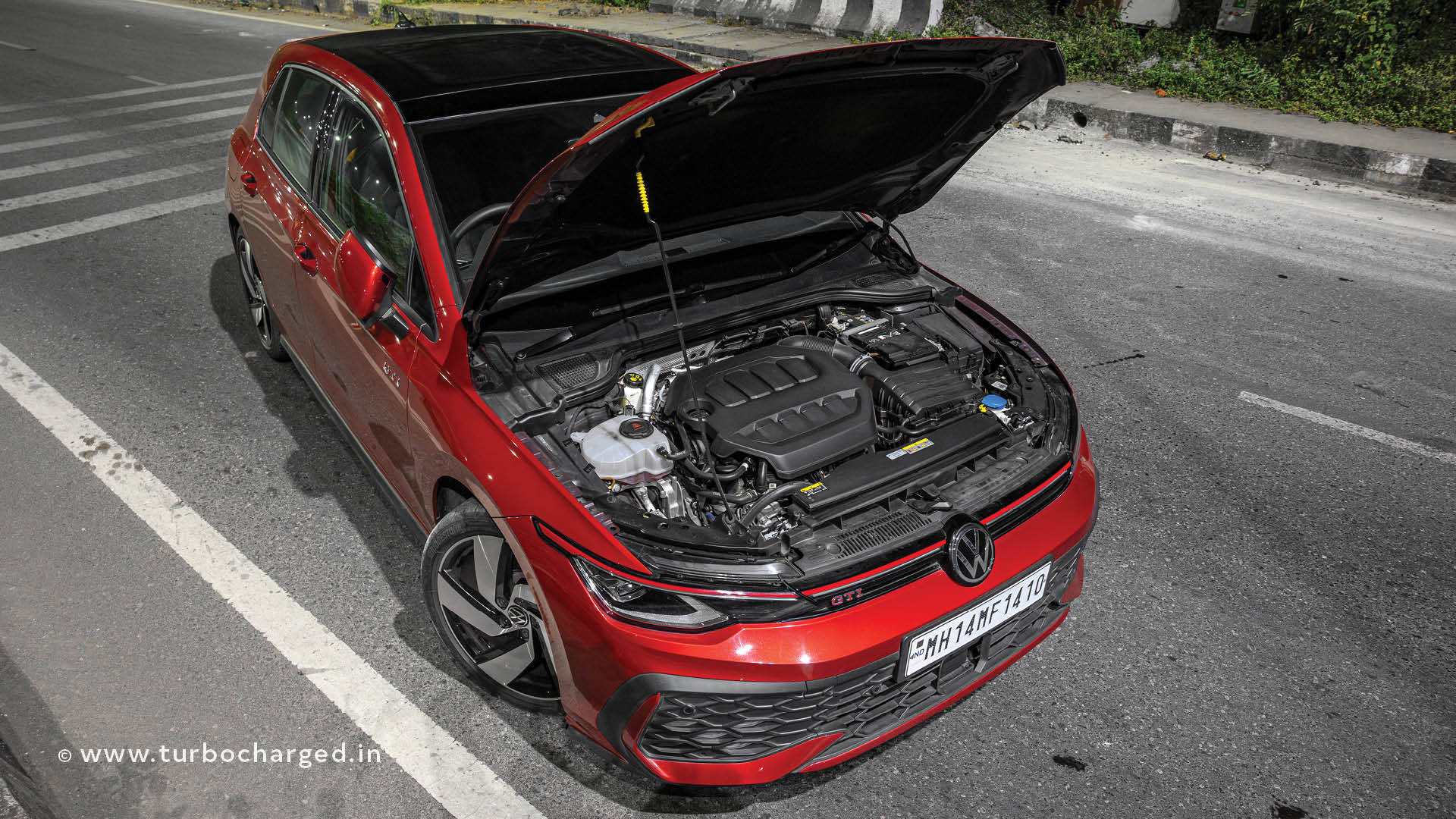
As I headed out for a night of hooning in the Golf GTI, I felt like one lucky SOB. I was a hooligan, and the car was my partner in crime. I ended up hitting the redline in every gear, and flirted with guardrails on deserted roads. I dove into 90-degree corners and the mechanical LSD prevented understeer, slingshotting me out through the turns. Cruising down the well-lit streets of the city, and a few canyon roads on the edge of it, it was easy to imagine that I was roaming the streets, hunting for my next target in an illicit street race. Even driving responsibly, there is something about the Golf GTI that sets it apart – as the warning from the friendly cops I encountered on our shoot proved.
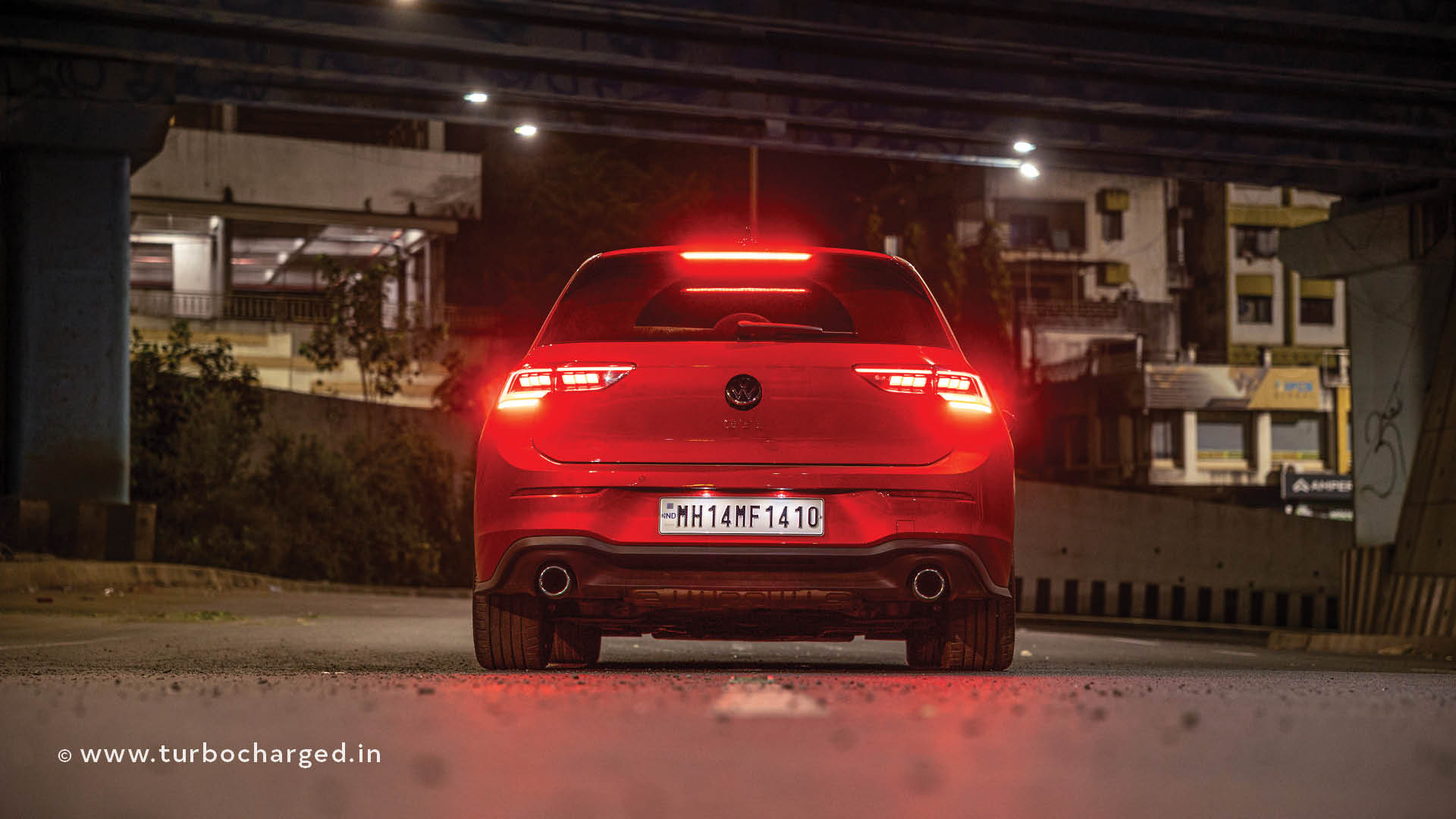
Maybe they thought ‘it’s just a hatchback,’ and let me go on my merry way. The same mistake was made by many over the years, as the Golf GTI managed to smoke them and their machines, hiding incredible potential from the factory. There are modified Golf GTIs developing as much power as the first-generation Bugatti Veyron! However, this is not a prerequisite to enjoying the Golf GTI experience; a little touch of personalisation is enough. And that touch of personalisation, be it a set of BBS RS wheels, or some lowering springs, or even just an ECU reflash, maybe even a new colour, achieves something rare in today’s world of conformity. These little touches (or massive ones and everything in between) take a mass-produced piece of equipment and add character and soul to it. Volkswagens have always been uniquely adaptable to customisation, a trend that started with Beetles and Microbuses modified to extremes by the hippies, and the Golf GTI is just carrying on the tradition. In order to be a people’s car, it needs to be able to match the preferences of all the people, and tailoring it to suit individual tastes is what makes the GTI the icon that it is. I will take mine in the same red you see here, with some Fifteen52 Holeshot RSR in silver for that classic look. What will yours be?
Words: Sayantan De
Photography: Saidatta Naik, Sayantan De