


Words Abhay Verma | Photography Saidatta Naik, Shrenith Bhandary
With about a dozen options on offer, the midsize SUV segment is the most hotly contested one in the country. In fact it’s a pie so lucrative, that the country’s largest car maker, Maruti Suzuki, is launching a second midsize SUV after the Grand Vitara, the Victoris. And the interesting bit is that while the Grand Vitara will continue to be sold exclusively through the more premium Nexa dealerships, the Victoris will be offered through Arena dealerships. Now this is interesting as a two-pronged strategy, but what does the Victoris bring to the table as a midsize SUV?
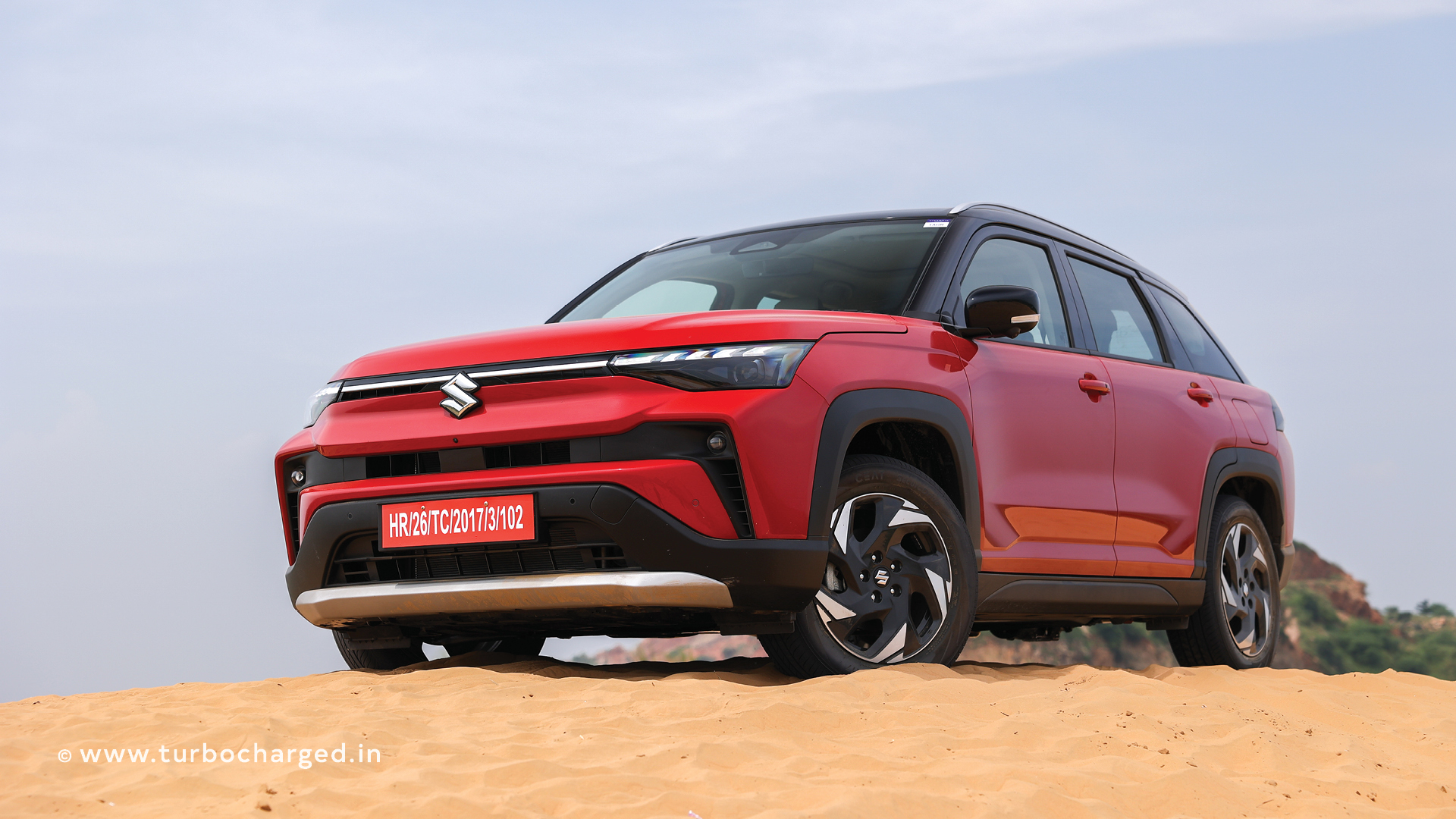
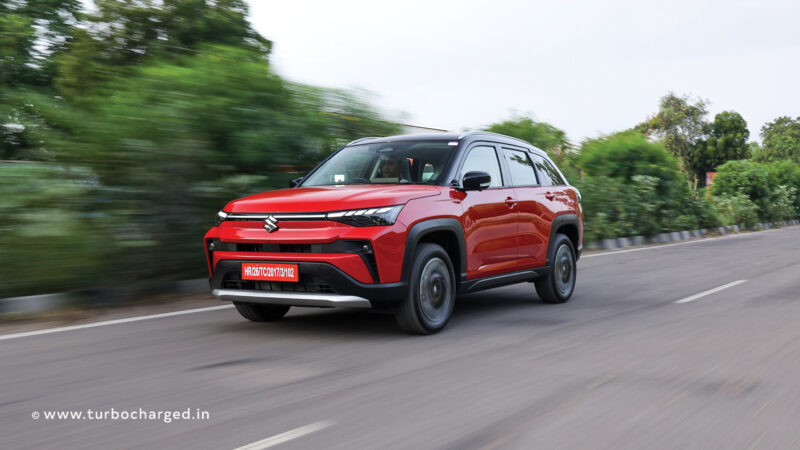
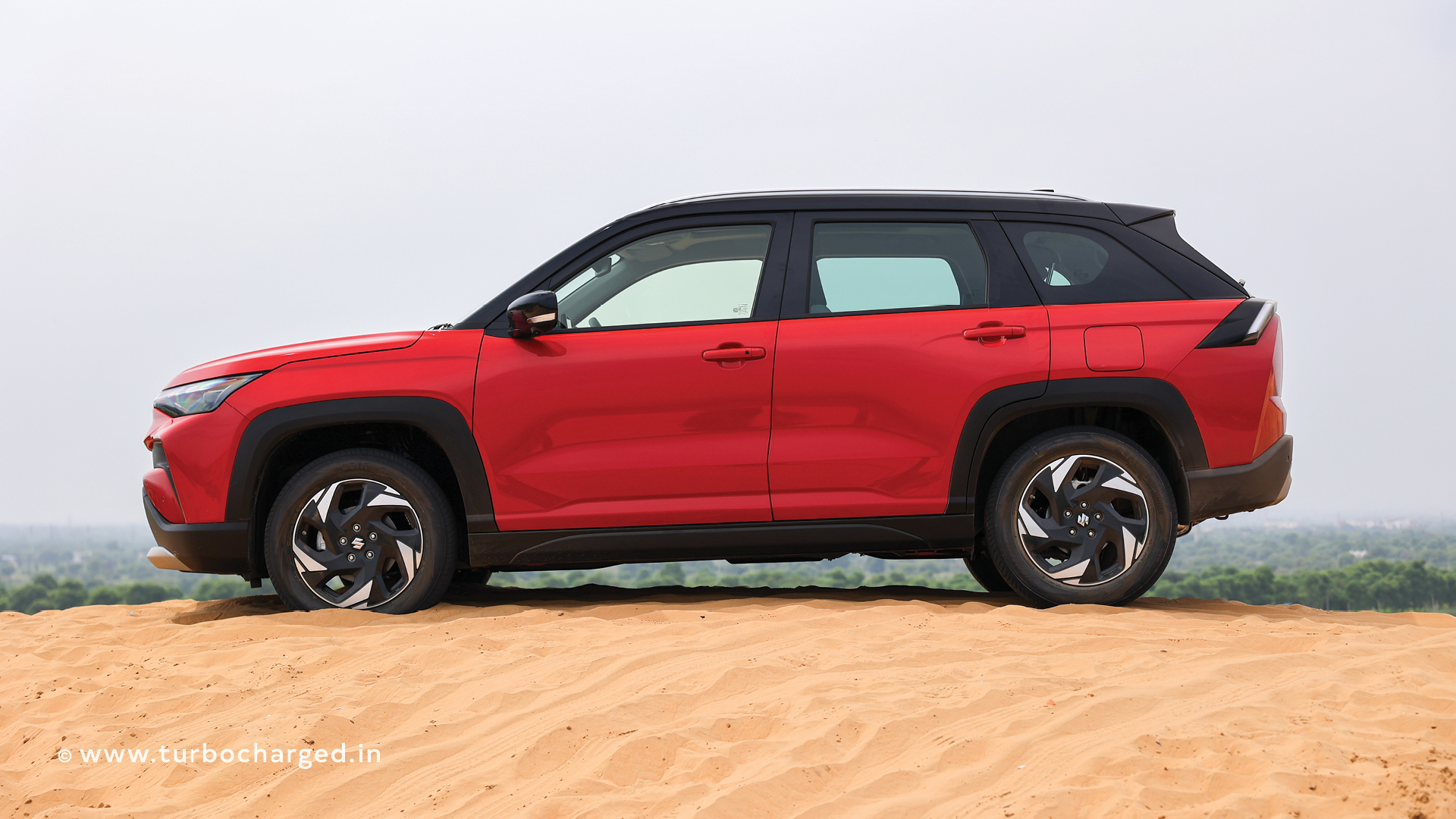
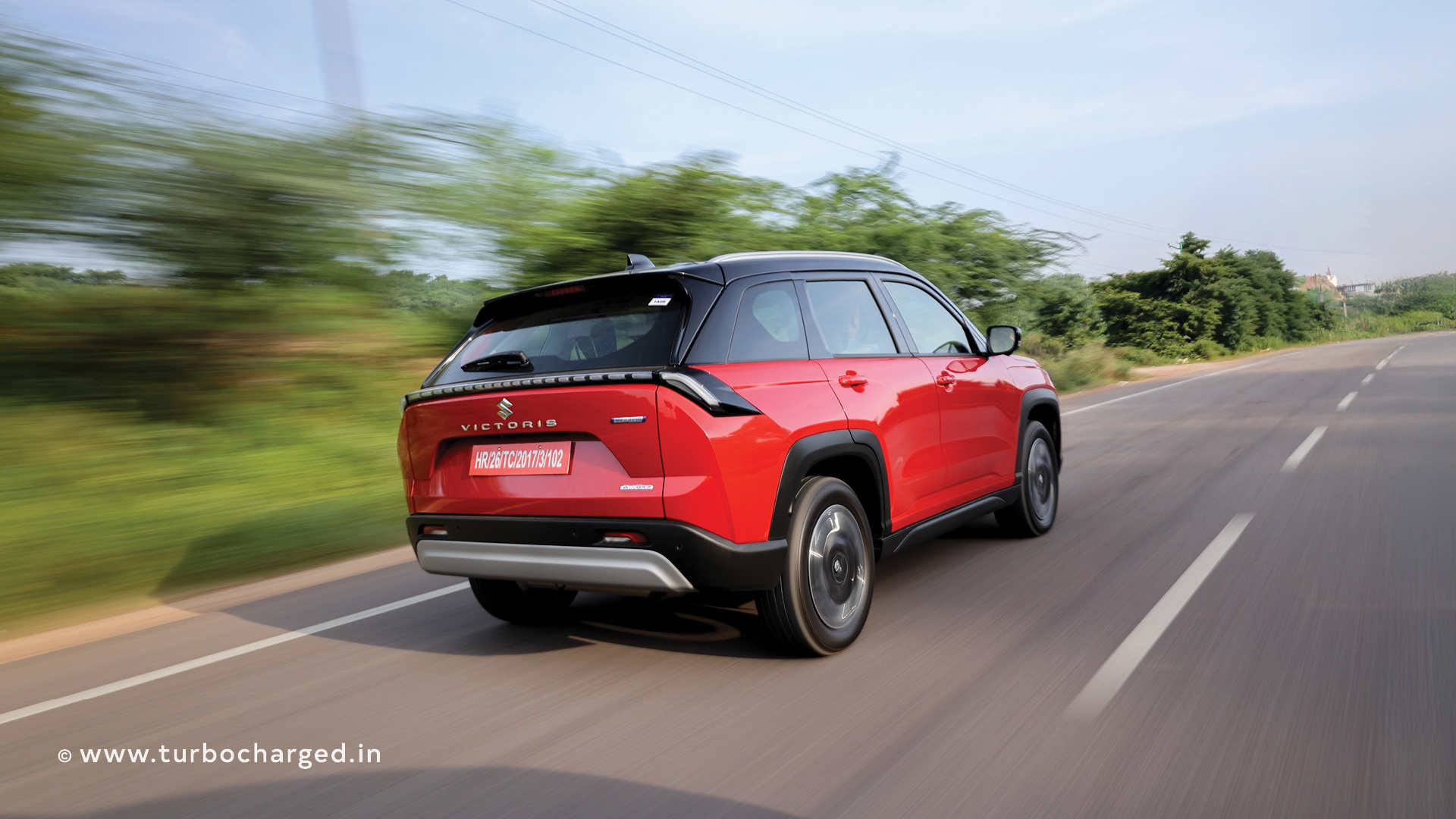
To begin with, it looks very sleek, sharp and modern, and also breaks a few trends on the design front, like the fact that its DRLs and headlamps here are not split. The headlamps are connected, but by a simple strip of chrome, and not an LED strip. The Victoris looks rather large from the sides, and that’s because it is 15mm longer and 10mm taller than the Grand Vitara, though wheelbase is identical at 2,600mm. That said, the rear quarter glass and D-pillar section is larger too, which helps the Victoris look more imposing. Our test car was running on 17-inch wheels, but given the gap in the wheel arches and the SUV’s 210mm ground clearance, I felt that larger, 18-inch wheels would suit the Victoris better. It also looks very distinctive from the rear thanks to its sleek tail lamps and LEDs connecting them, and also sharp angle of the rear windscreen. The bottom half of the tail gate looks a little too empty though, but overall, the Victoris looks good, and will impress midsize SUV buyers.
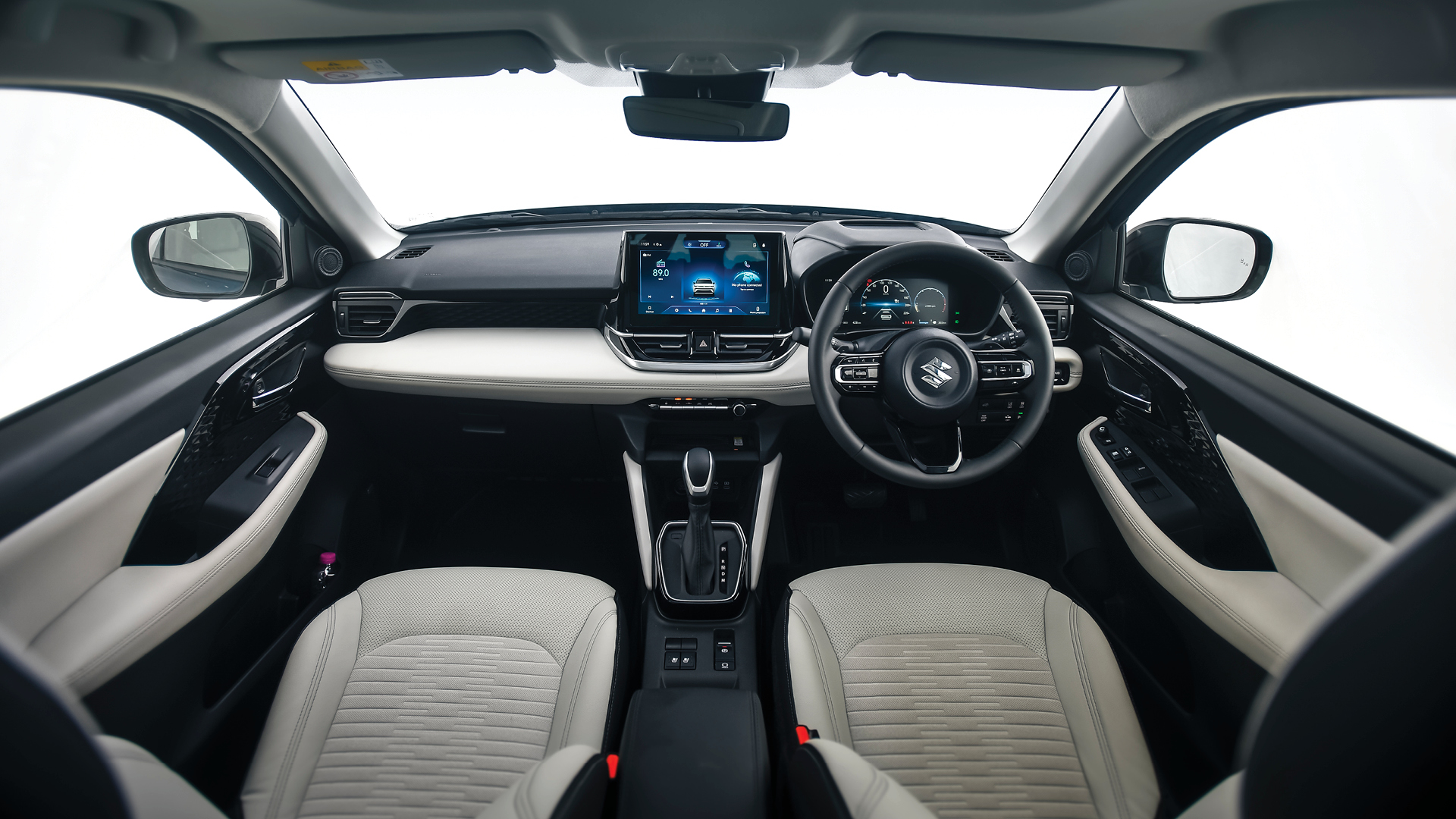
There’s a lot to talk about the interiors of the Victoris as well, because the dashboard design is all-new, the steering wheel is new and you also get a new, 10.1-inch touchscreen, along with a two-tone, beige-black theme. But just like the Grand Vitara, the strong hybrid version of the Victoris will be offered exclusively with all-black interiors, along with rose gold accents. The seats use a mix of leatherette and fabric upholstery and look good, while the panoramic sunroof is the same as the Grand Vitara with a rather large opening and helps in adding to ambience. Overall, there’s a heightened sense of luxury inside the Victoris, and this is easily the most lavish feeling cabin in a Maruti Suzuki yet. The cabin is also spacious, and front shoulder room and rear legroom and knee room are impressive, but headroom in the second row is slightly constrained. Space management in the boot is excellent too, and even the S-CNG version offers impressive luggage space, as the CNG tanks are placed under the boot.
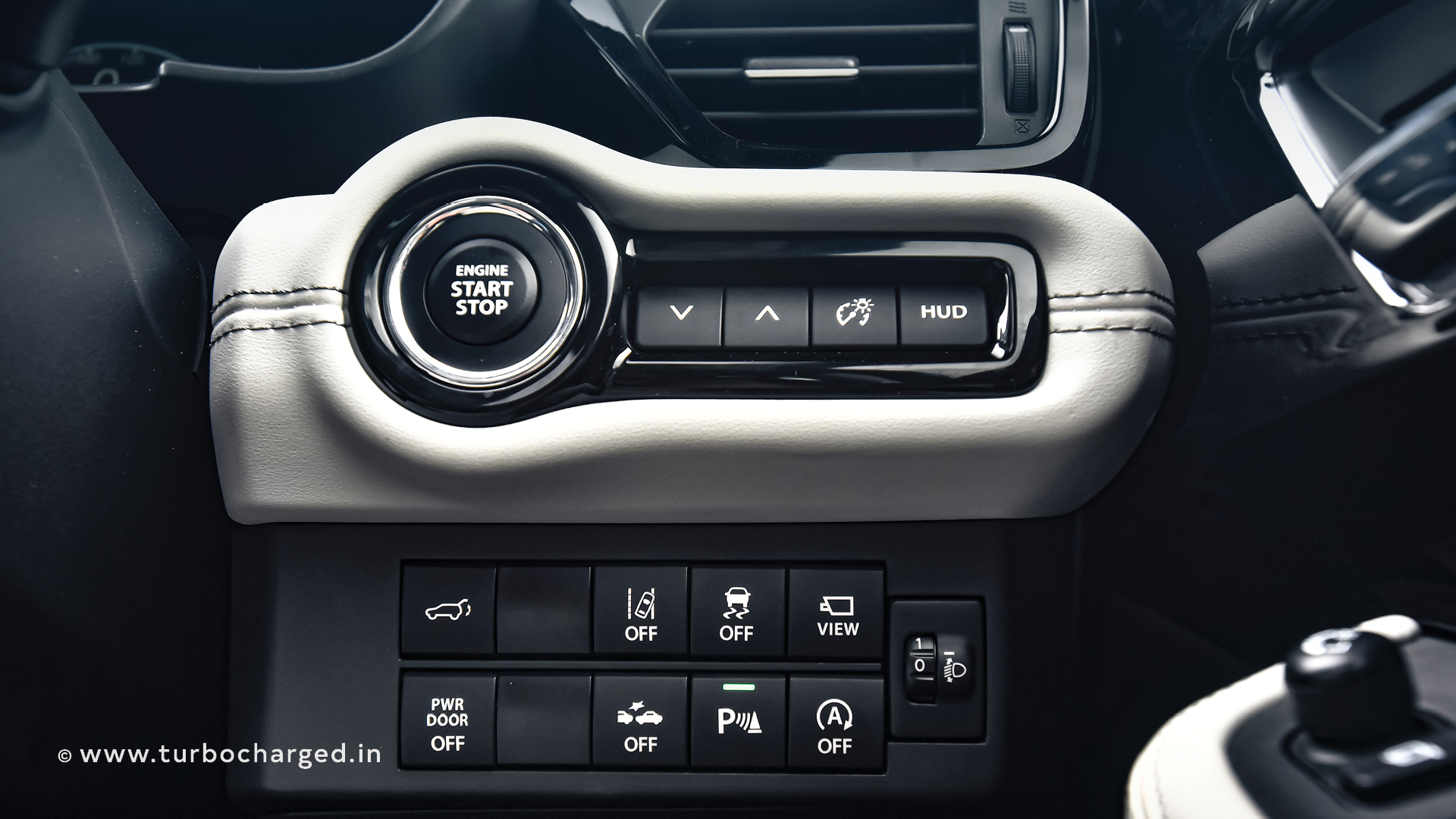
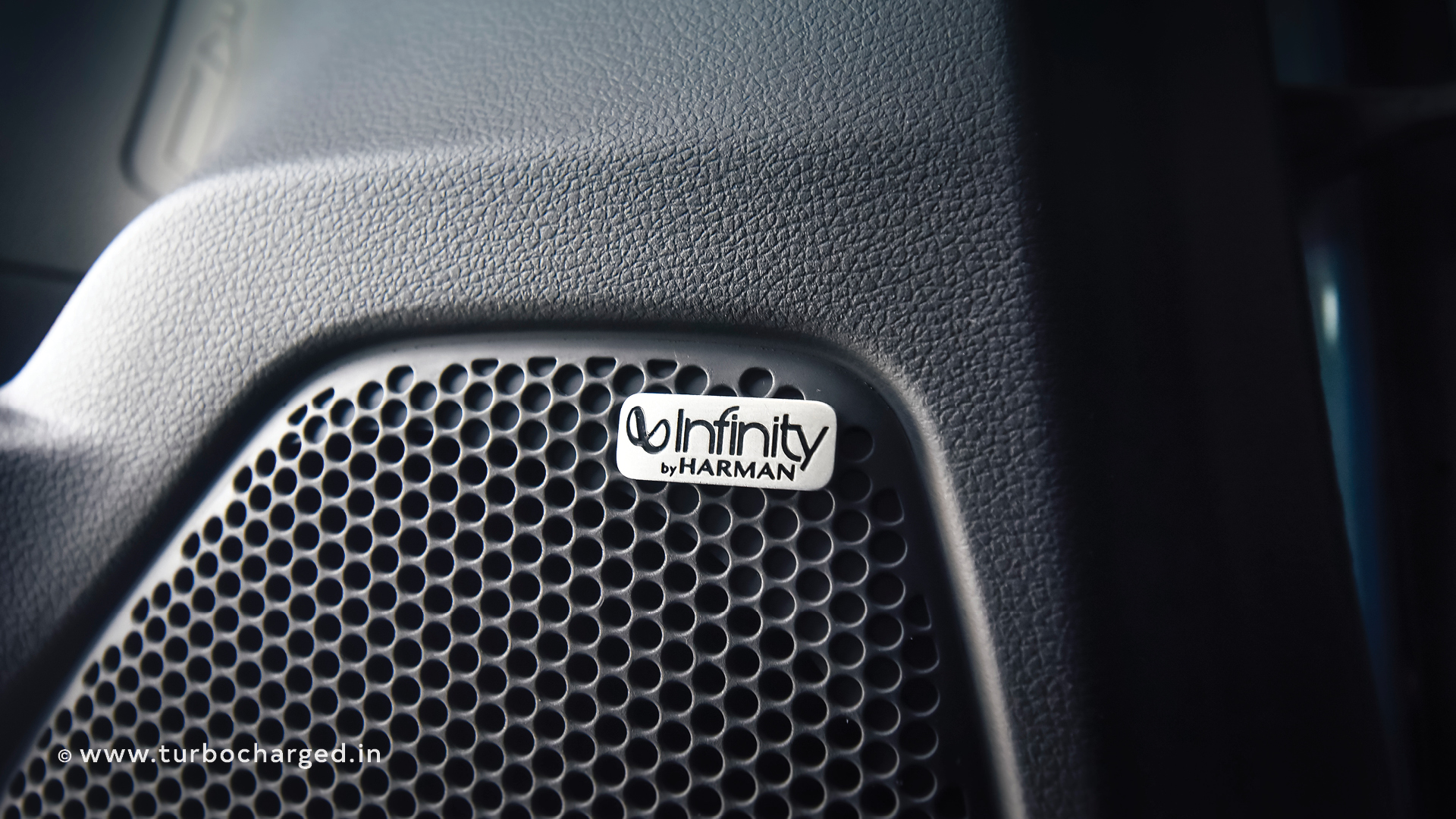
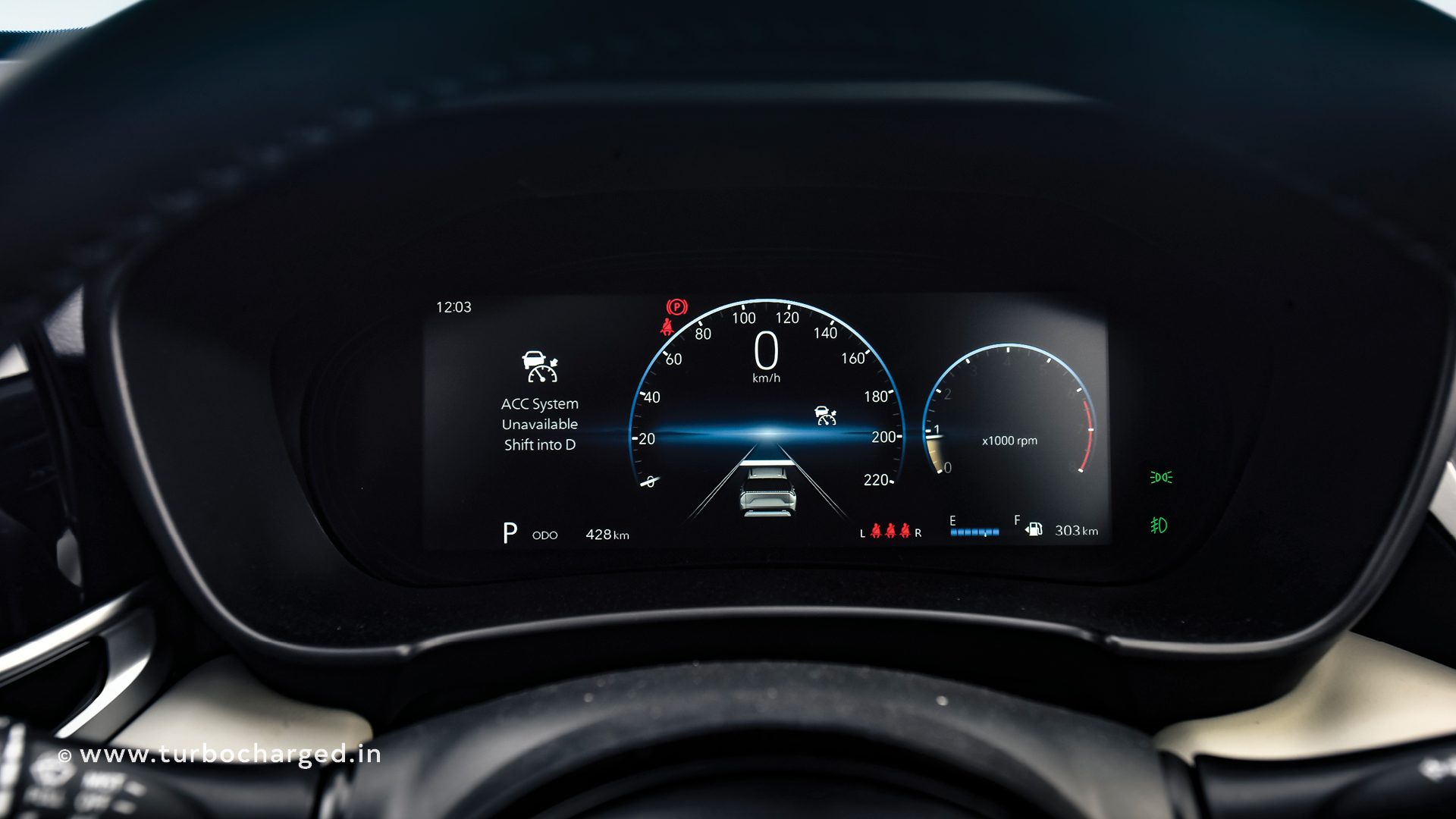
Moving on, the Victoris has what is easily the longest feature list in any Maruti yet. You get 64-colour ambient lighting, a PM2.5 air filter, an 8-speaker, Infinity music system with Dolby Atmos, Amazon Alexa integration and Suzuki Connect, JioSaavn for music, news apps, Vivaldi browser, ventilated front seats and more. Apple CarPlay and Android Auto are wireless, and there’s a wireless charging pad at the front, along with two Type-C USB ports at the front and two at the rear. There’s 360-degree view as well, besides which the infotainment screen has a new interface that’s refreshing to look at and easy to use, thanks to the new, SmartPlay Pro X system. The driver’s seat can be adjusted electrically, but does not get a memory function, which is a miss in my opinion. The Victoris also comes with a head-up display and a powered tailgate with gesture control, and both are features that no other SUV in its segment is equipped with. More importantly, the Victoris is the first Maruti to be equipped with Level 2 ADAS, and overall, it is easily the most feature-rich midsize SUV on sale currently. The Victoris has also aced Bharat NCAP and Global NCAP safety tests by scoring five stars in both, which is yet another feather in its hat, besides the fact that six airbags are standard across variants.
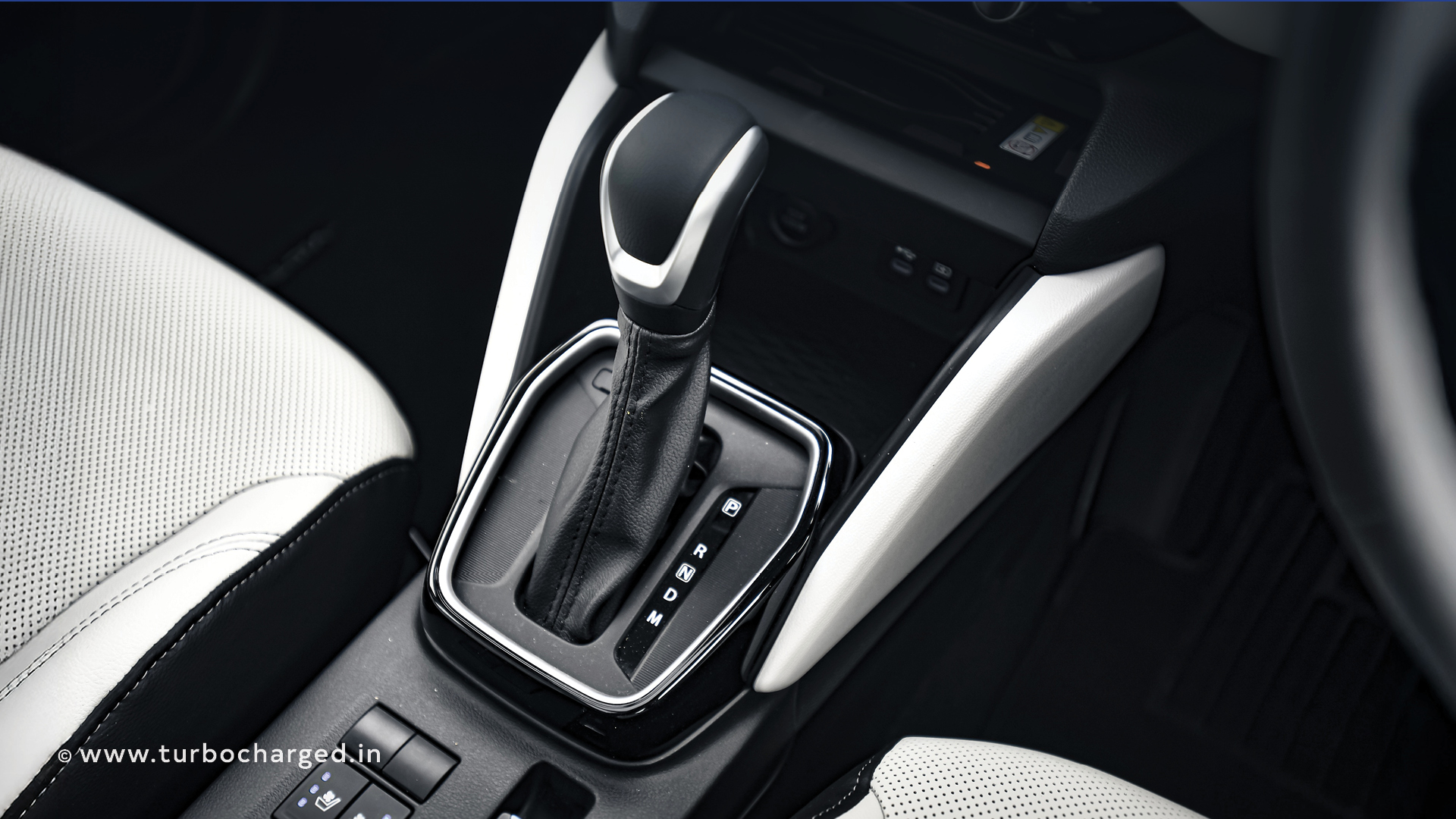
Powertrain options are identical to the Grand Vitara, which means you can choose between mild hybrid, strong hybrid and CNG options, and all three are 1.5-litre petrol engines. The mild hybrid and CNG version use a 1.5-litre, four cylinder naturally aspirated petrol engine while the strong hybrid uses a three-cylinder Atkinson cycle petrol engine paired to an electric motor. Importantly, Maruti tells us the Victoris is the first midsize SUV to use CNG tanks positioned under the boot, which means luggage space is not compromised, which is a highlight. We only drove the all-wheel drive version powered by Maruti’s tried and tested, 1.5-litre naturally aspirated petrol engine paired to a mild hybrid system, and it offers the 103PS as it does in the Brezza and Grand Vitara. The engine is mated to a six-speed torque converter automatic gearbox, along with paddle shifters. And while performance is decent, more powerful engine options from Maruti would be more welcome.
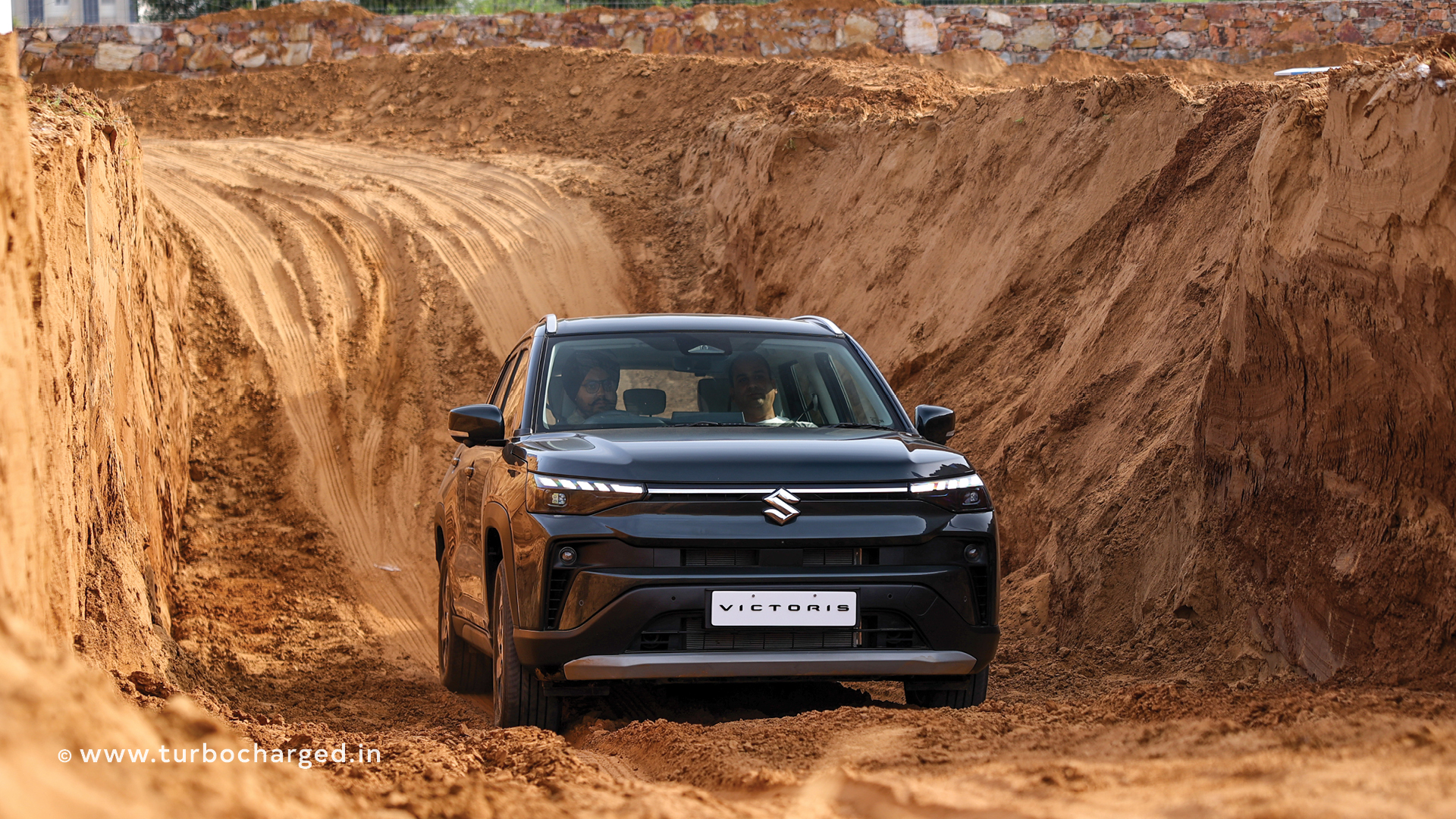
The engine feels as smooth and responsive as ever, but there were moments when I was left wanting for more grunt. Bottom end grunt is impressive, but it’s at higher speeds that you can feel the motor running out of steam. Maruti though tells us that the typical midsize SUV buyer is not looking for more performance, and that it’s the fuel efficiency of the Victoris that will be a highlight. For the matter, ARAI-certified fuel efficiency for the strong hybrid version is a staggering 28.65kmpl, which is higher than the Grand Vitara hybrid and also the highest for any petrol SUV in India. The all-wheel drive version boasts a claimed mileage of 19.07kmpl, which is very impressive too, but the number comes at the expense of sprightly performance, especially on open roads.
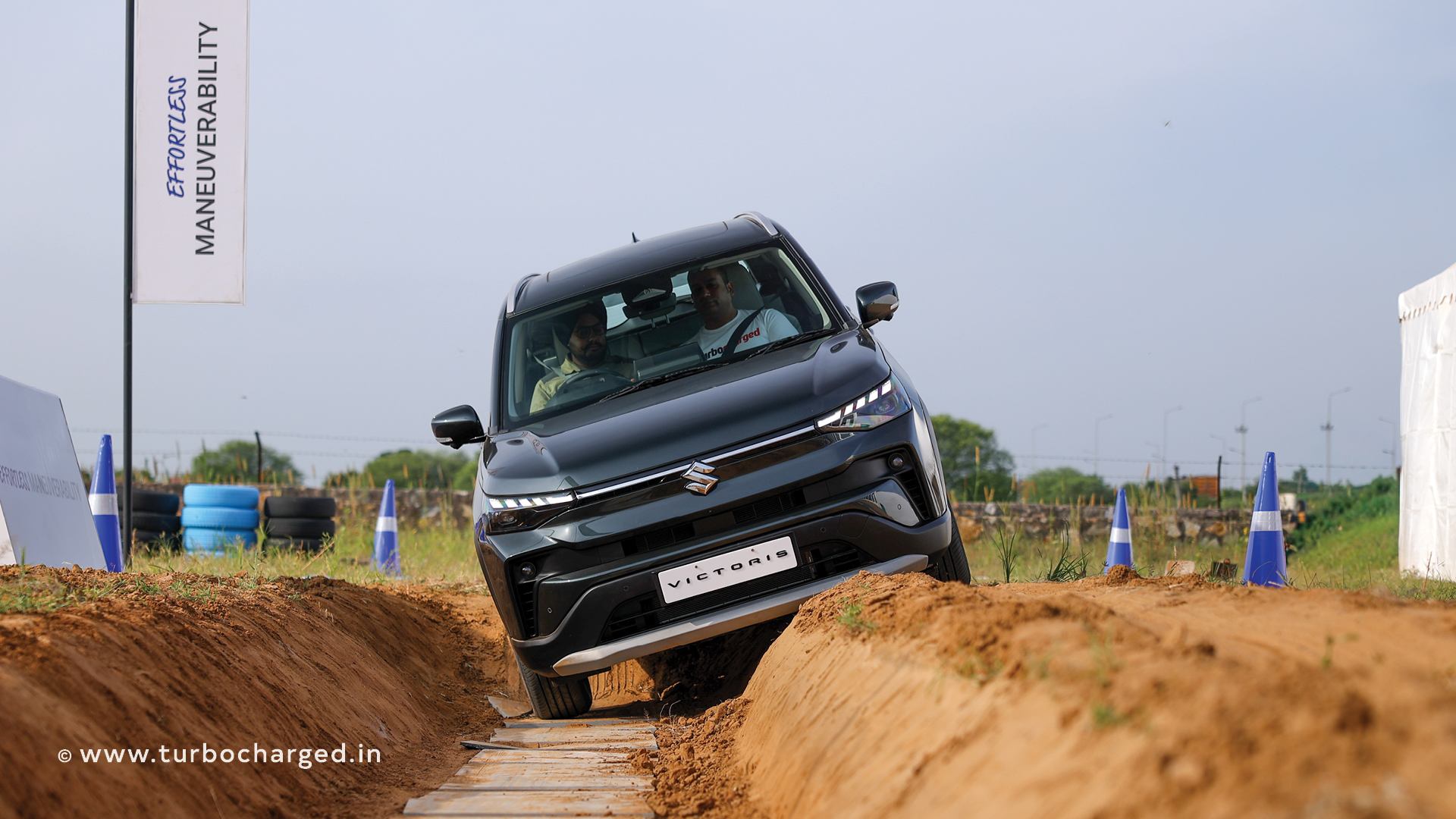
The Victoris also impresses on the dynamics front, offering the same, likeable balance between ride and handling as the Grand Vitara and other Maruti Suzukis, thanks to its well-tuned suspension and chassis. And that means, while it soaks up broken roads well to offer a plush ride quality, it also offers a confident feel when driving enthusiastically. There’s a lot to like about the SUV’s road manners thus, and along with its comfortable seats, the Victoris should make for relaxed long journeys, besides helping it tick the right boxes as a family SUV. However, cabin insulation could have been better, as road noise and tyre noise are pretty audible at higher speeds. Maruti also gave us the opportunity to test the off-roading abilities of the Victoris, on a purpose-built track. The SUV impressed, be it in terms of crawling over a bed of rocks, tackling potholes or going up on three wheels. It’s excellent approach and departure angles also have a role to play in helping the Victoris tread off tarmac, and thus do what most other midsize SUVs can’t. Admittedly, the Victoris has been engineered to do far more than what its average buyer will attempt.
So clearly, Maruti Suzuki has gone all guns blazing with the Victoris. You get mild hybrid, strong hybrid and CNG powertrains, manual and automatic transmissions, an all-wheel drive version, Level 2 ADAS and a five star rating in Bharat NCAP and Global NCAP safety tests. This is besides what is the longest feature list in any Maruti product yet. And prices, though introductory, begin from a very competitive ₹10.50 lakh rupees ex-showroom and go up to ₹20 lakh ex-showroom. Effectively, the Victoris undercuts Grand Vitara’s prices across variants, while getting more features. And all this put together makes it a very compelling package as a premium midsize SUV, along with the reassurance of the Maruti Suzuki badge.