


Words: Abhay Verma | Photography: Shrenith Bhandary
Exactly a year after the launch of the Mahindra BE 6 and XEV 9e comes the XEV 9S. Its claim to fame is that it is the country’s first three-row, seven-seat electric SUV. It’s meant to broaden the appeal of electric SUVs, while also pampering occupants. A day behind its wheel helped us assess the latest e-SUV to get launched in the country!
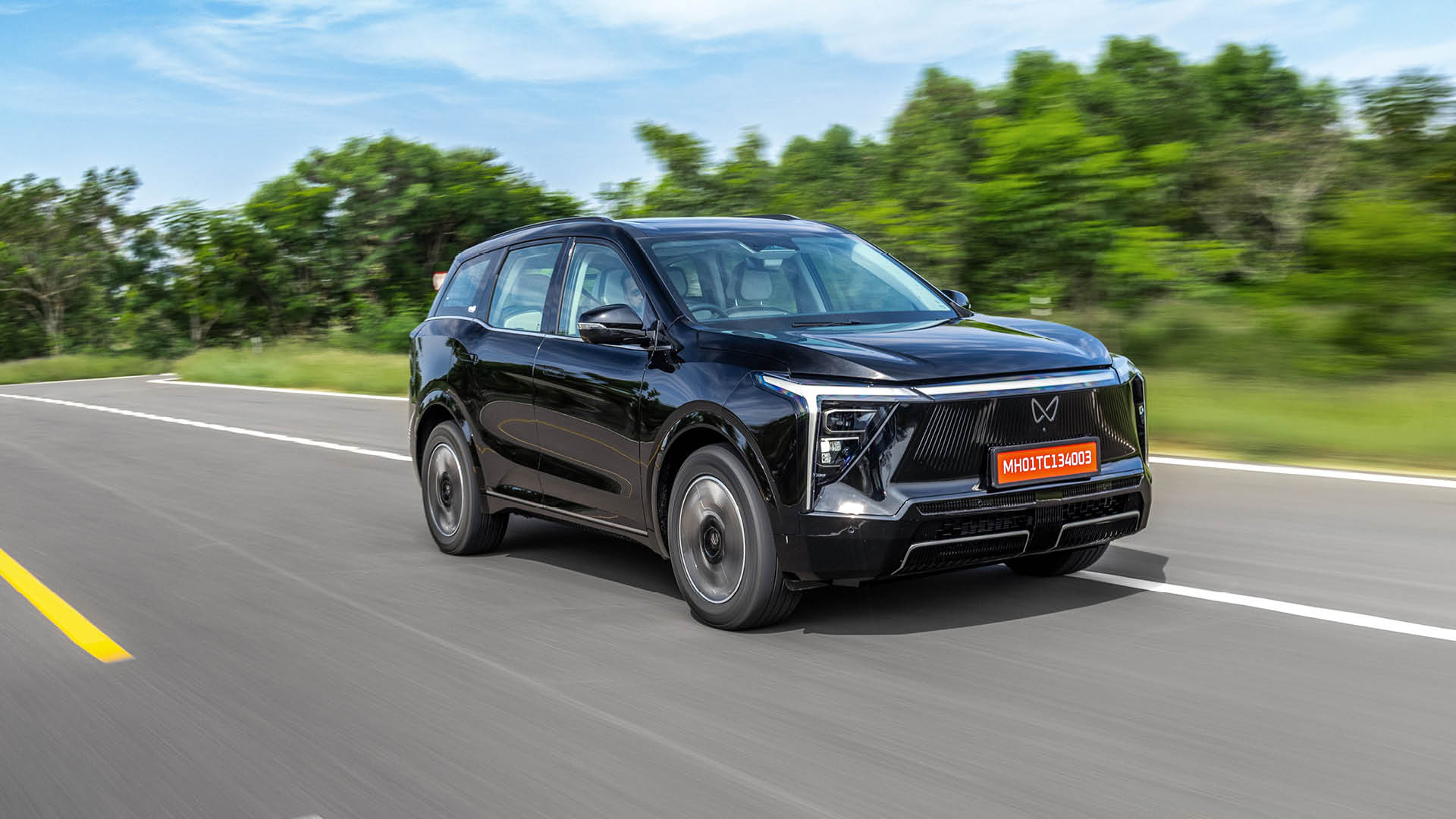
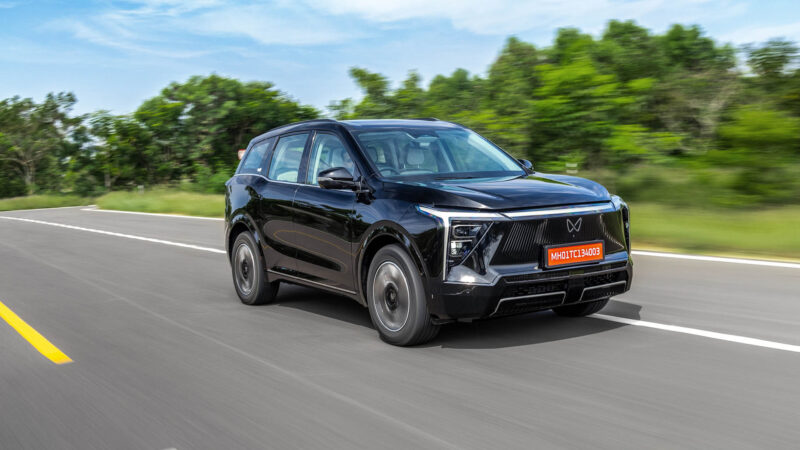
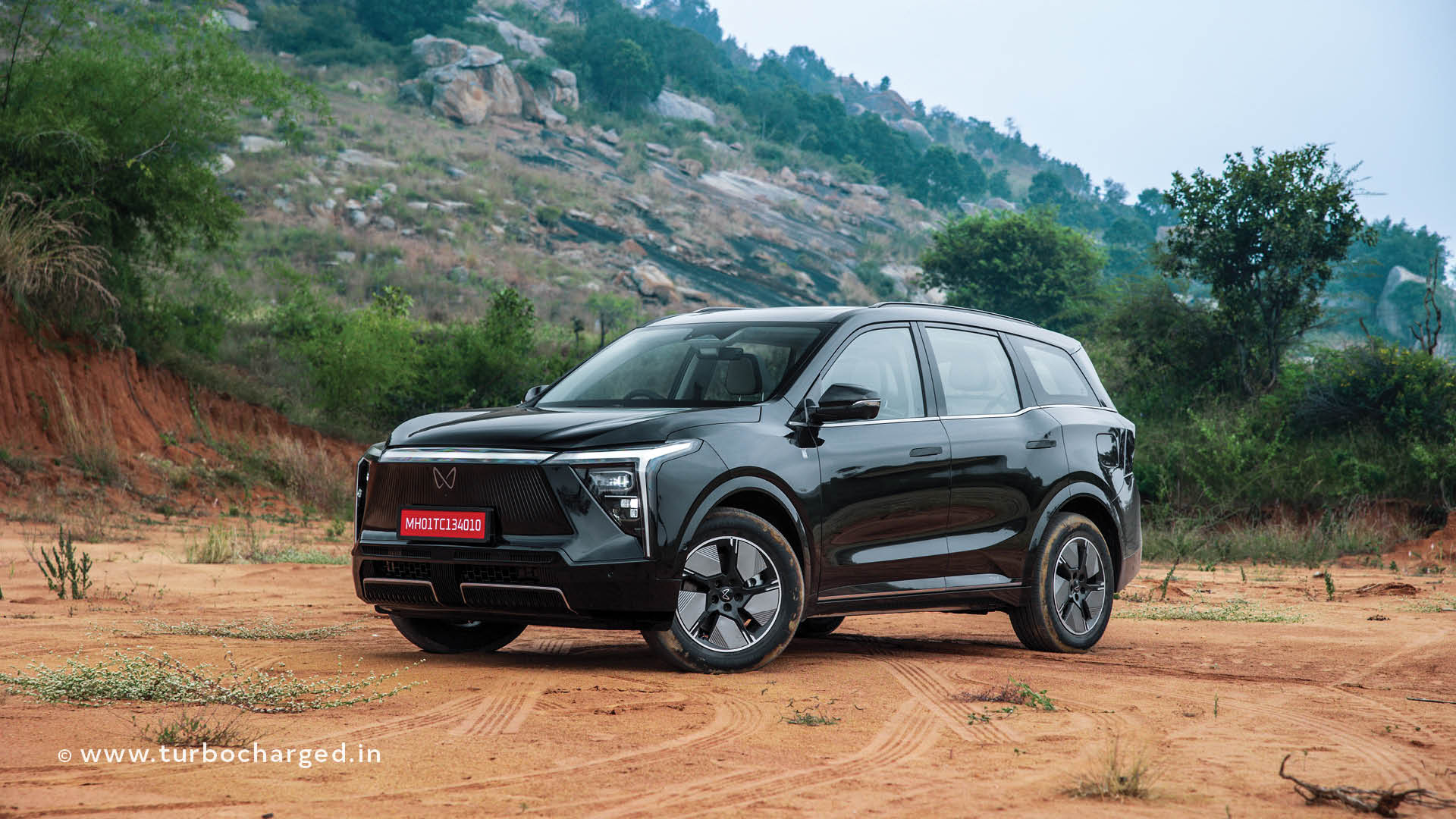
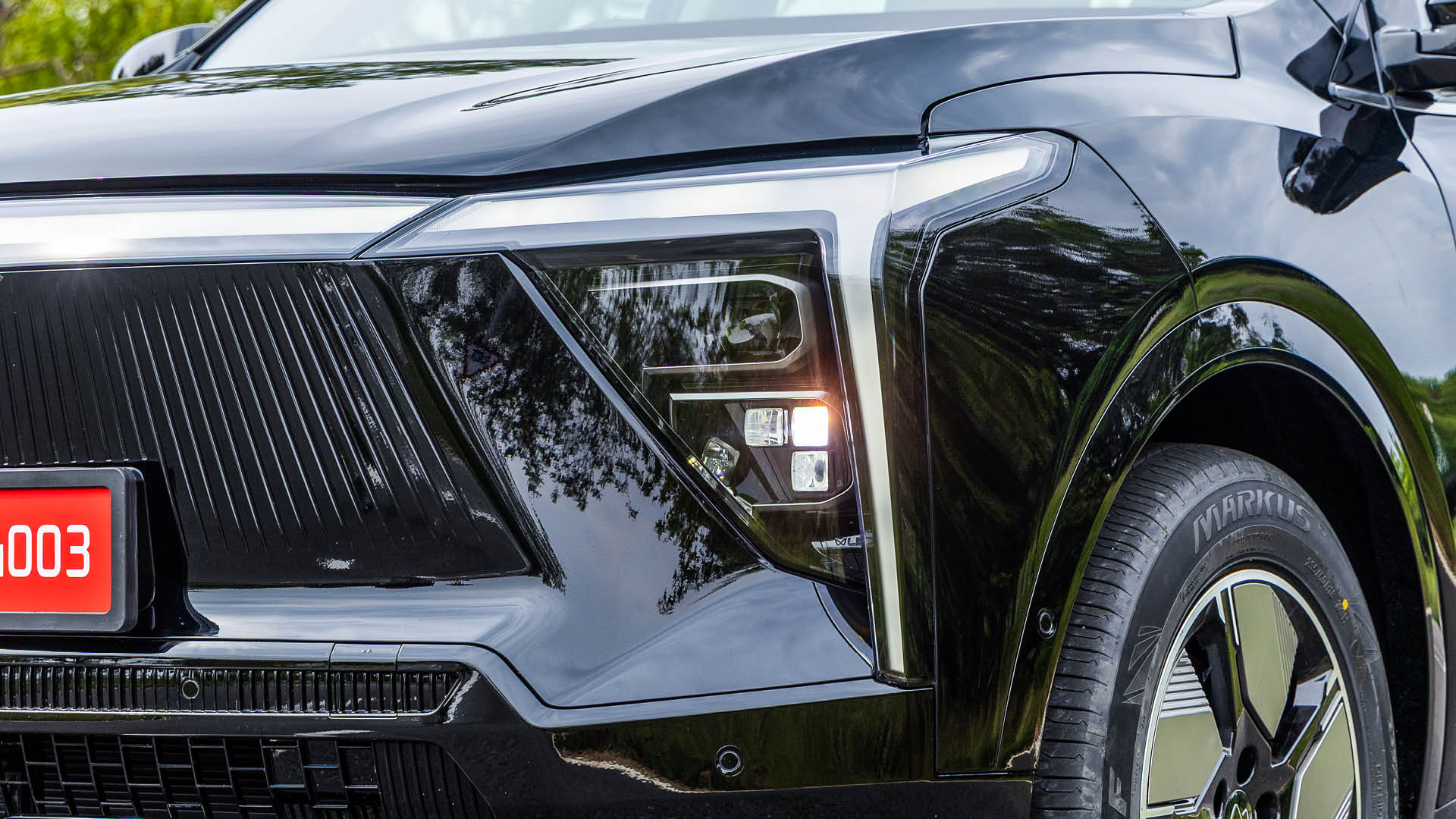
The front end looks very similar to the 9e’s, as the light bar, DRLs and headlamps look the same. There are a few differences though like the bumper design, especially the bottom half, which is meant to look more rugged. Move to the sides and you realise instantly that the 9S looks very different, as the 9e’s sloping roof has made way for a more conventional, boxy looking rear half. Mahindra has also borrowed a lot of design cues from the XUV700’s rear half, especially the shoulder line on the 9S, and most of the section behind the C-pillar.
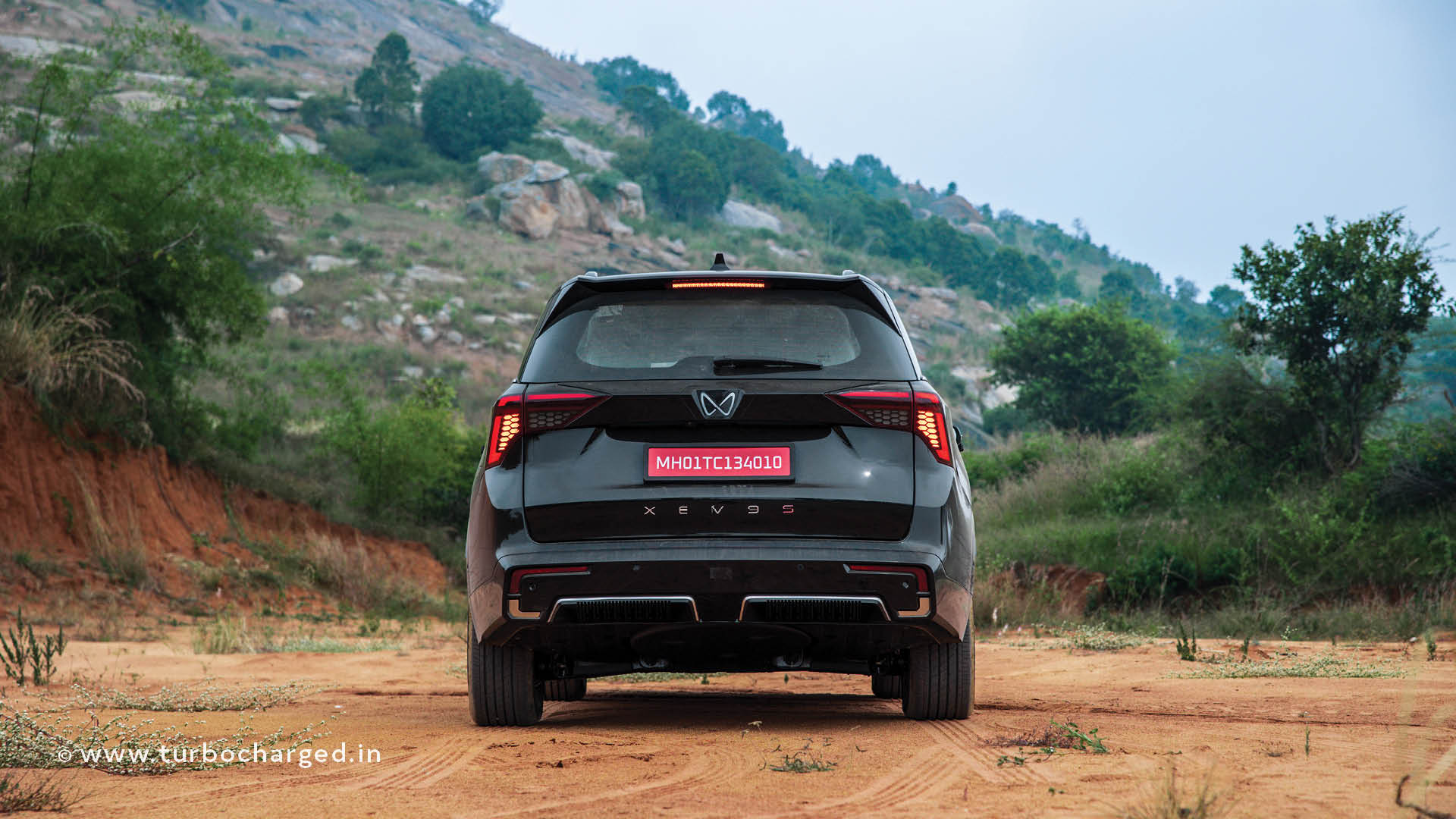
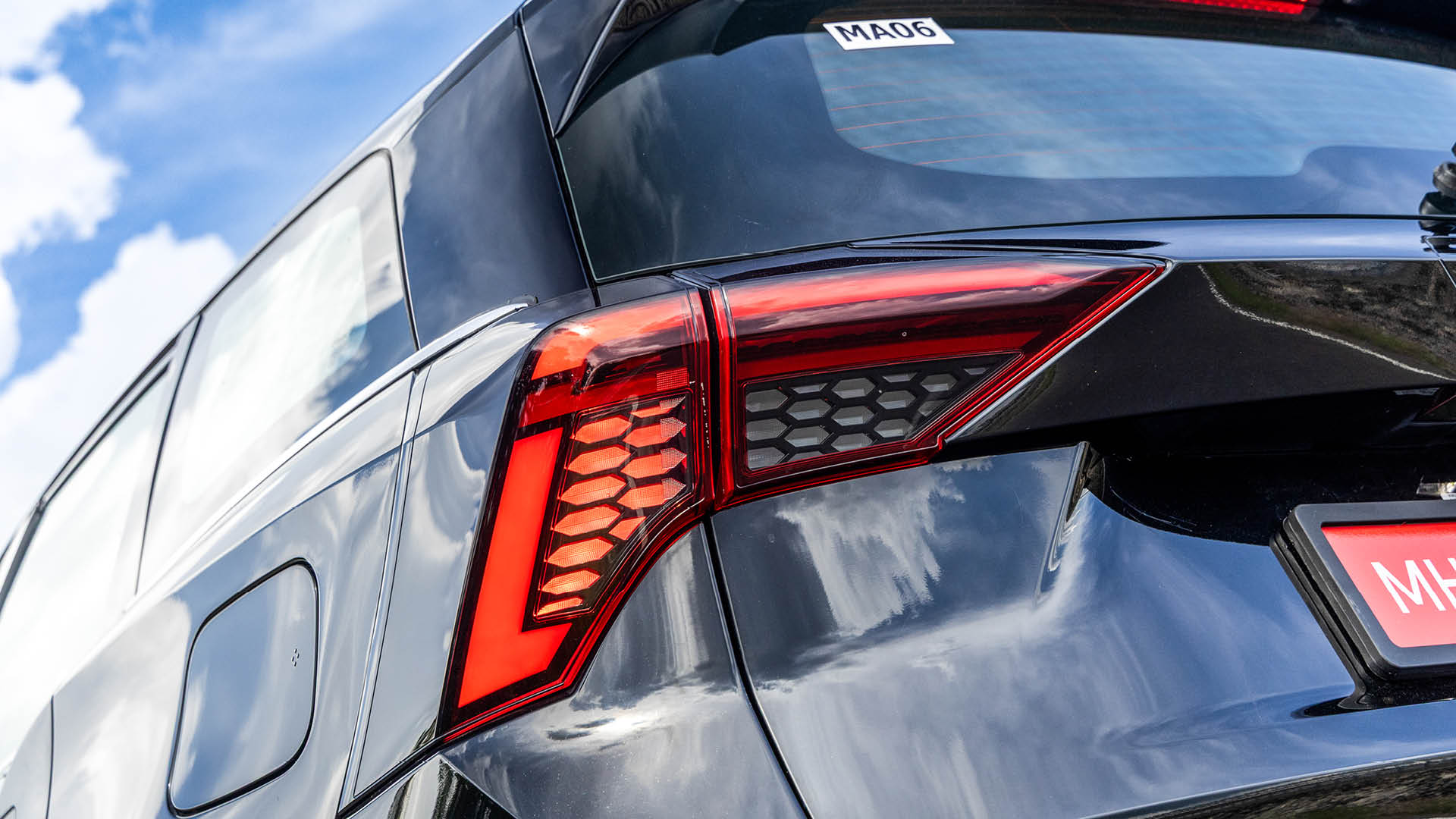
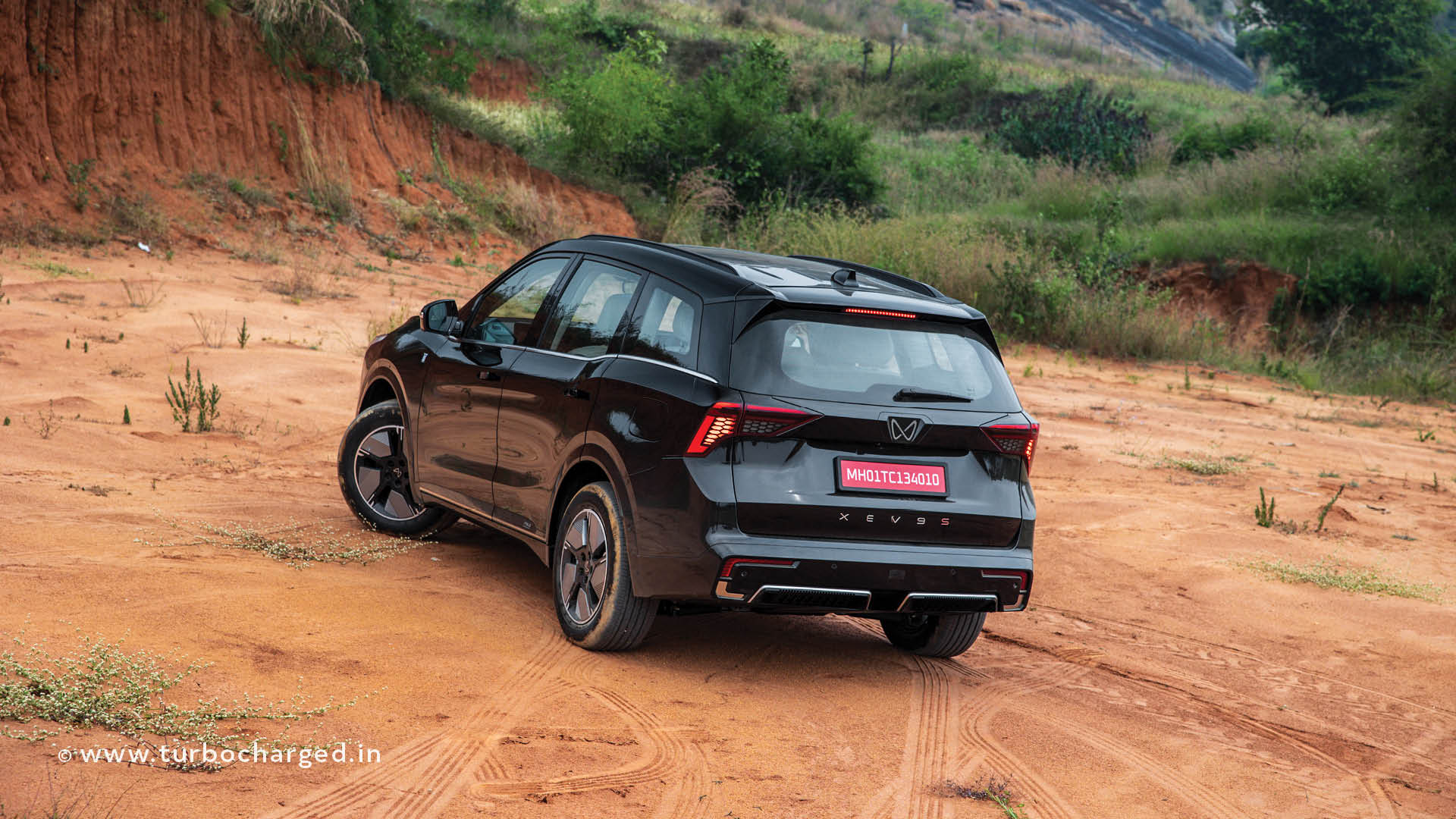
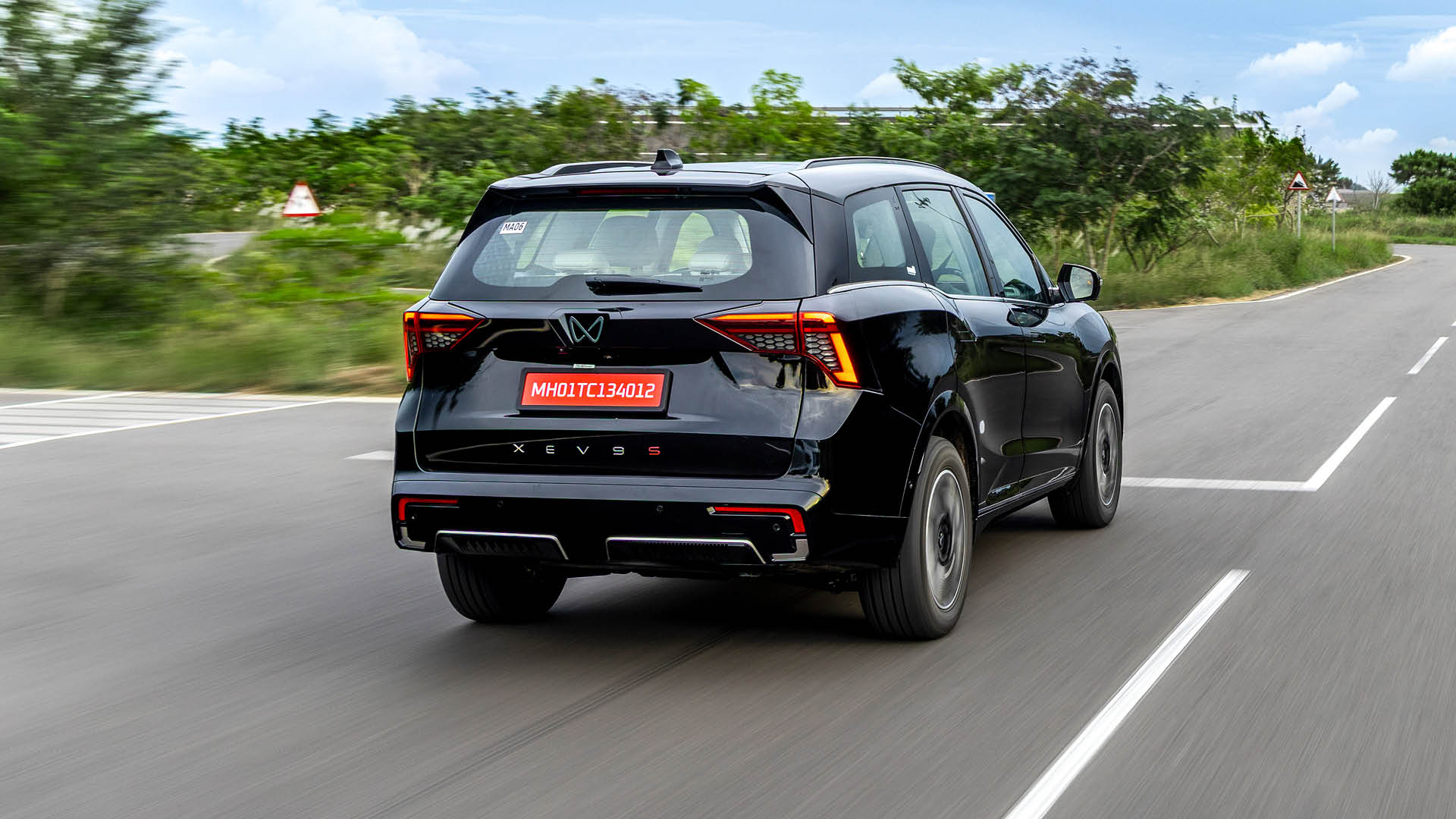
From the rear is where the 9S reminds of the XUV700 the most, as its tail lamps are a modern adaptation of the XUV700’s, and even the tail gate and roof mounted spoiler look similar. Overall, the XEV 9S has a more traditional appearance than the 9e which should help it appeal to a wider audience. Importantly, it runs on smaller, 18-inch wheels as compared to the 9e’s 19 and 20-inch options, with tyres that have taller sidewalls to offer a better ride, and these also look good on the SUV.
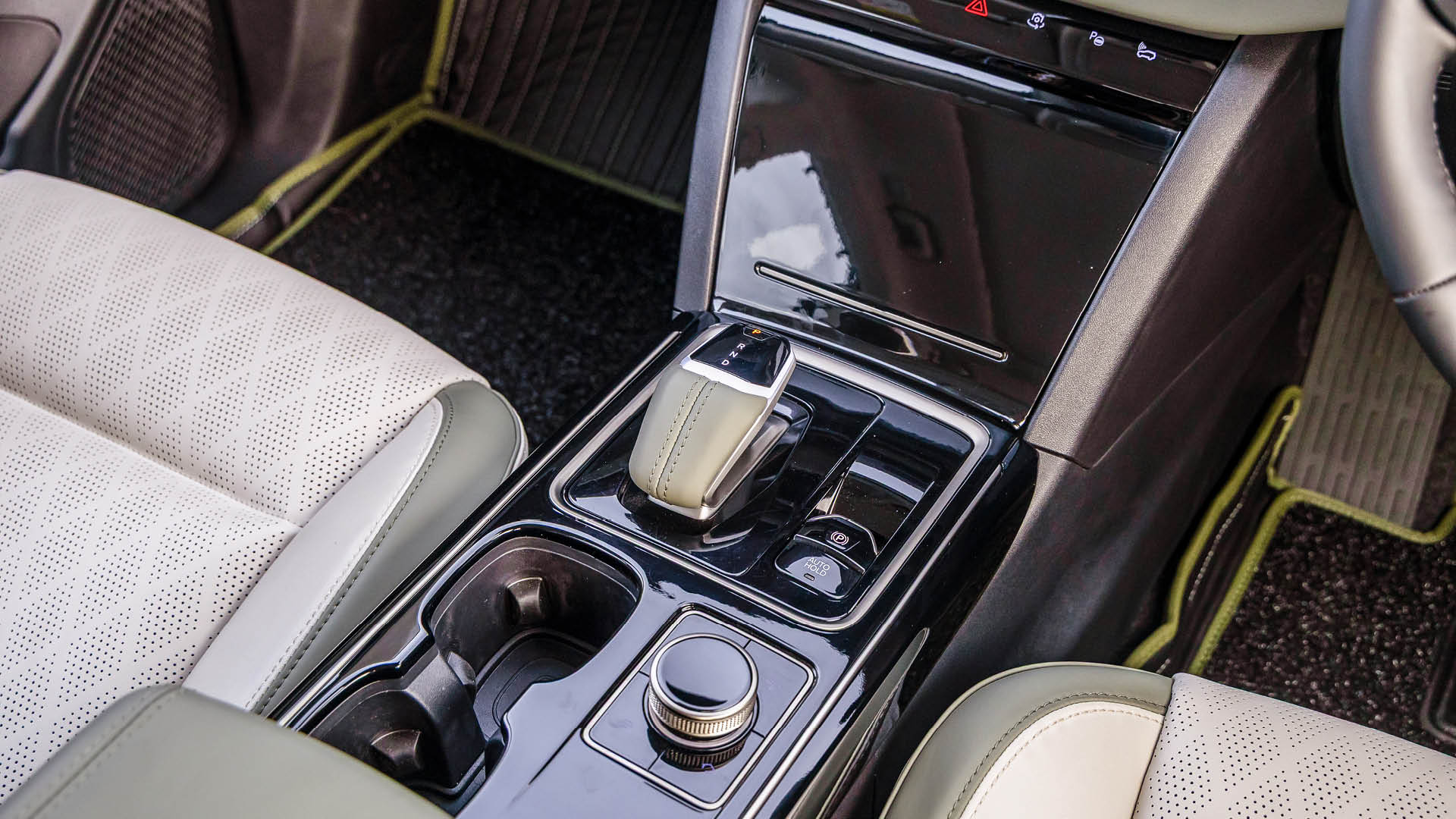
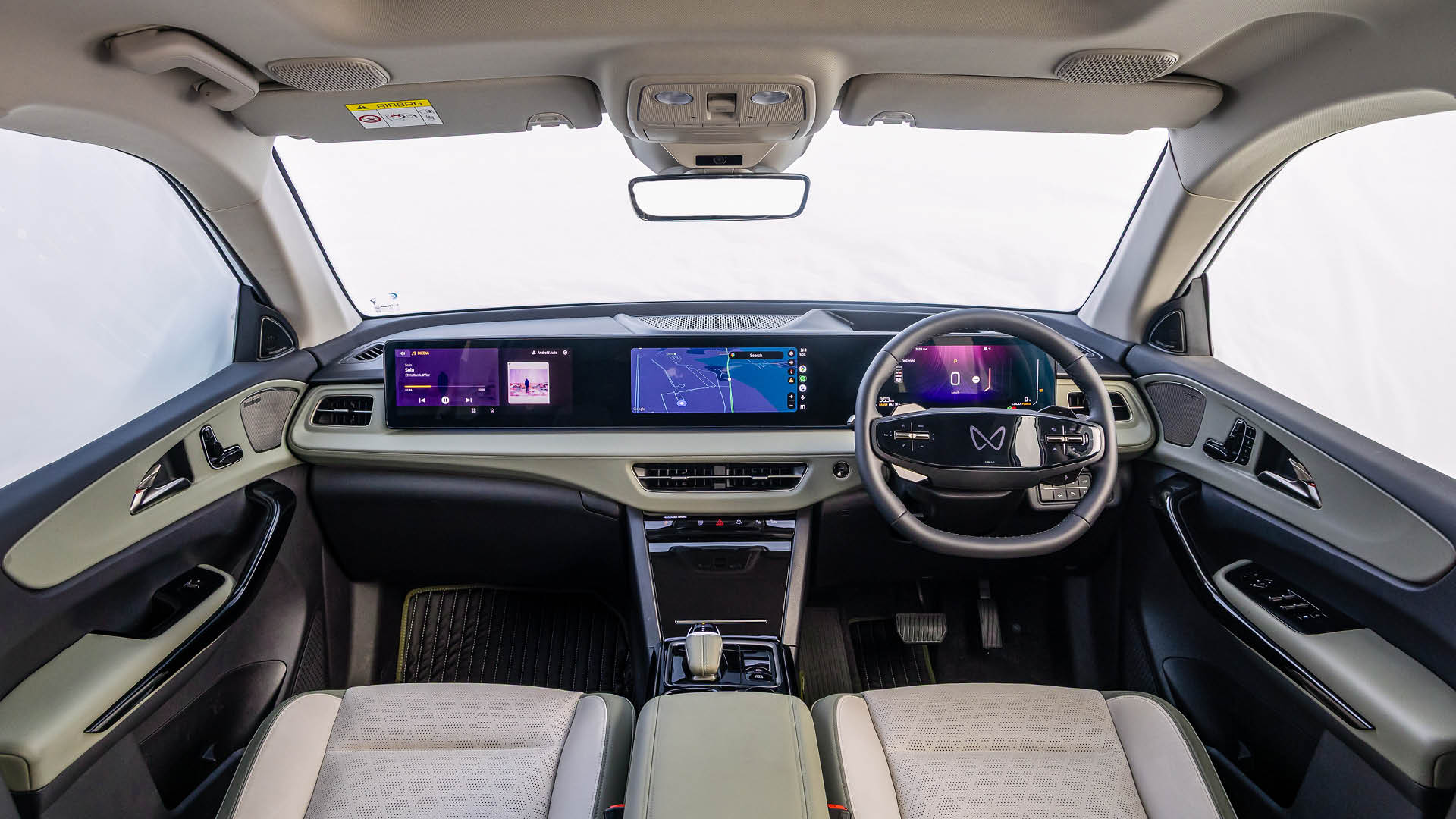
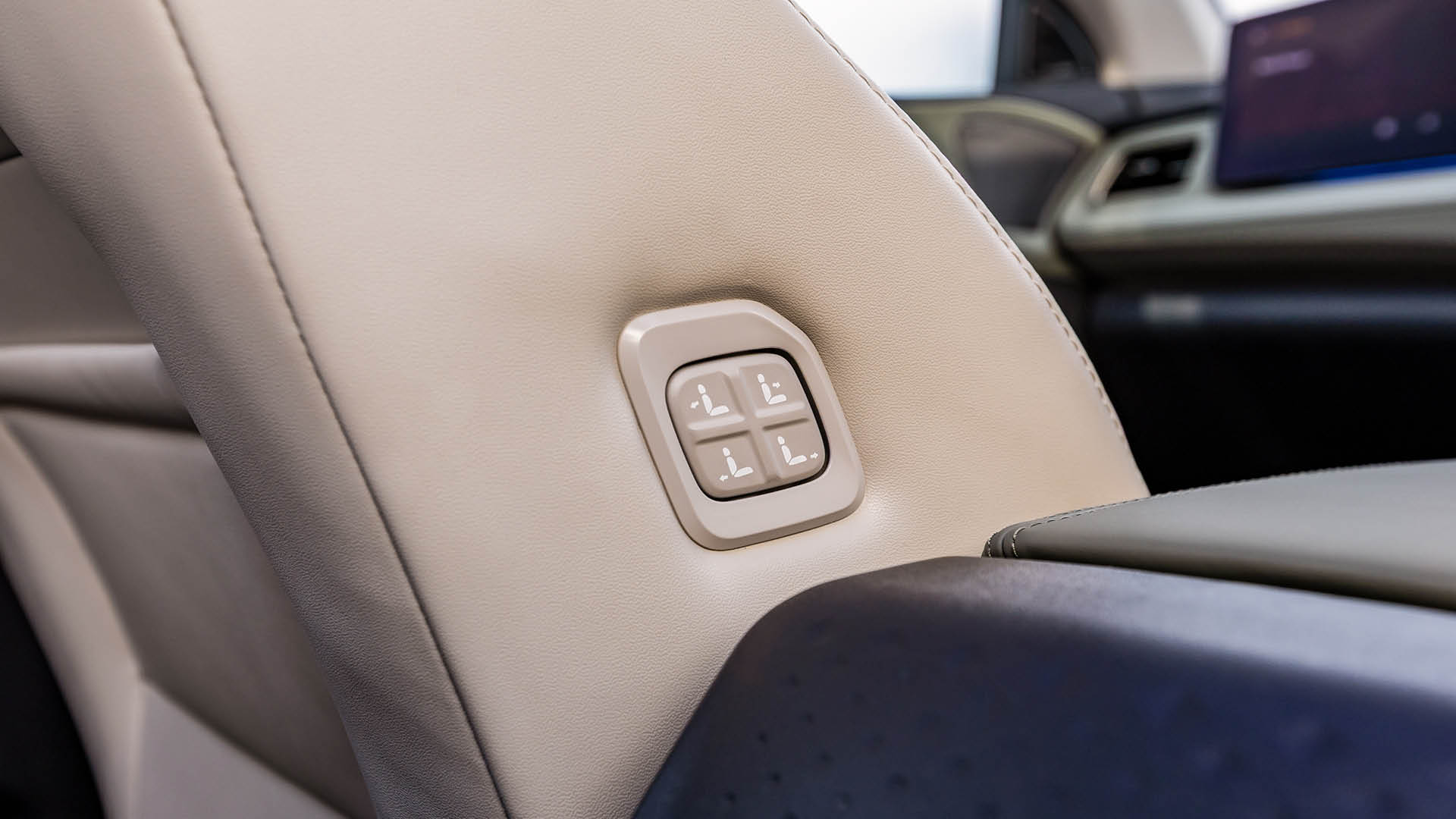
Unsurprisingly, the interiors are identical to the 9e’s, and that means you get the same triple screen layout and two-spoke steering wheel along with an openable panoramic sunroof. The dashboard is the same too and while it looks good, most of the plastics are hard and do not feel premium. The drive selector is the same stubby unit too. Space management is very impressive, especially in the second and third rows, because the second row can slide forward or backwards, allowing you to maximise space as and when needed. In addition, you also get ‘Boss mode’, allowing you to make more space when seated in the second row.
Almost all controls including those for air-conditioning are accessed via the touchscreen, and there’s barely any physical buttons. This gets irritating, and at times even the touch panel below the touchscreen housing the hazard switch and other controls does not respond quickly. Seats feel plush and hold you well, and underthigh support in both rows is good too. Second row occupants also get sun blinds. A one-touch tumble function allows you to get into the third row. Expectedly, headroom is at a premium there, but while legroom and kneeroom are adequate, the knees-up position means adults will be comfortable on short drives only. Besides the reasonably spacious boot, Mahindra has also managed to scoop out a 150-litre frunk under the hood that’s large enough to take in a small suitcase and a couple of bags.
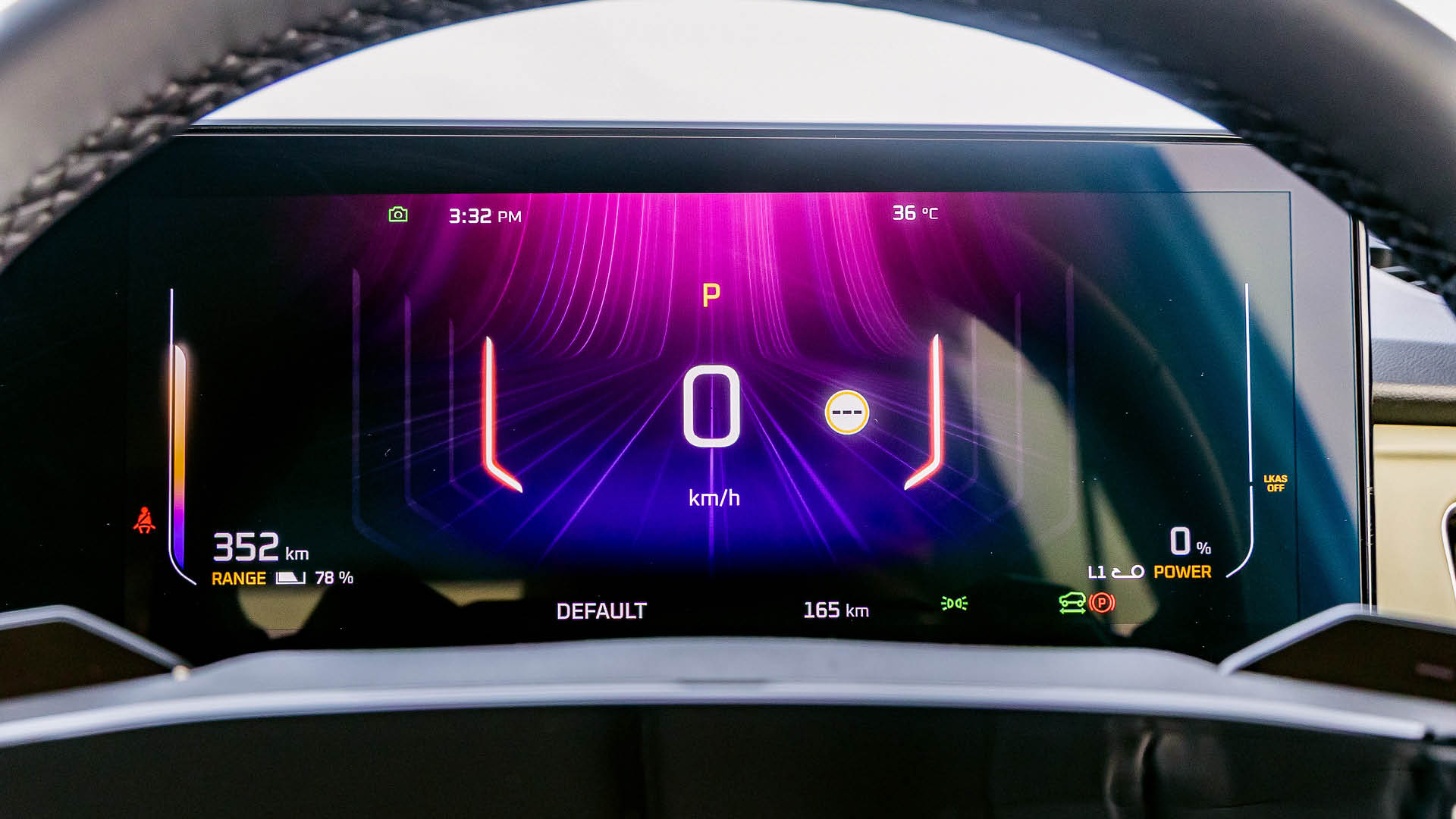
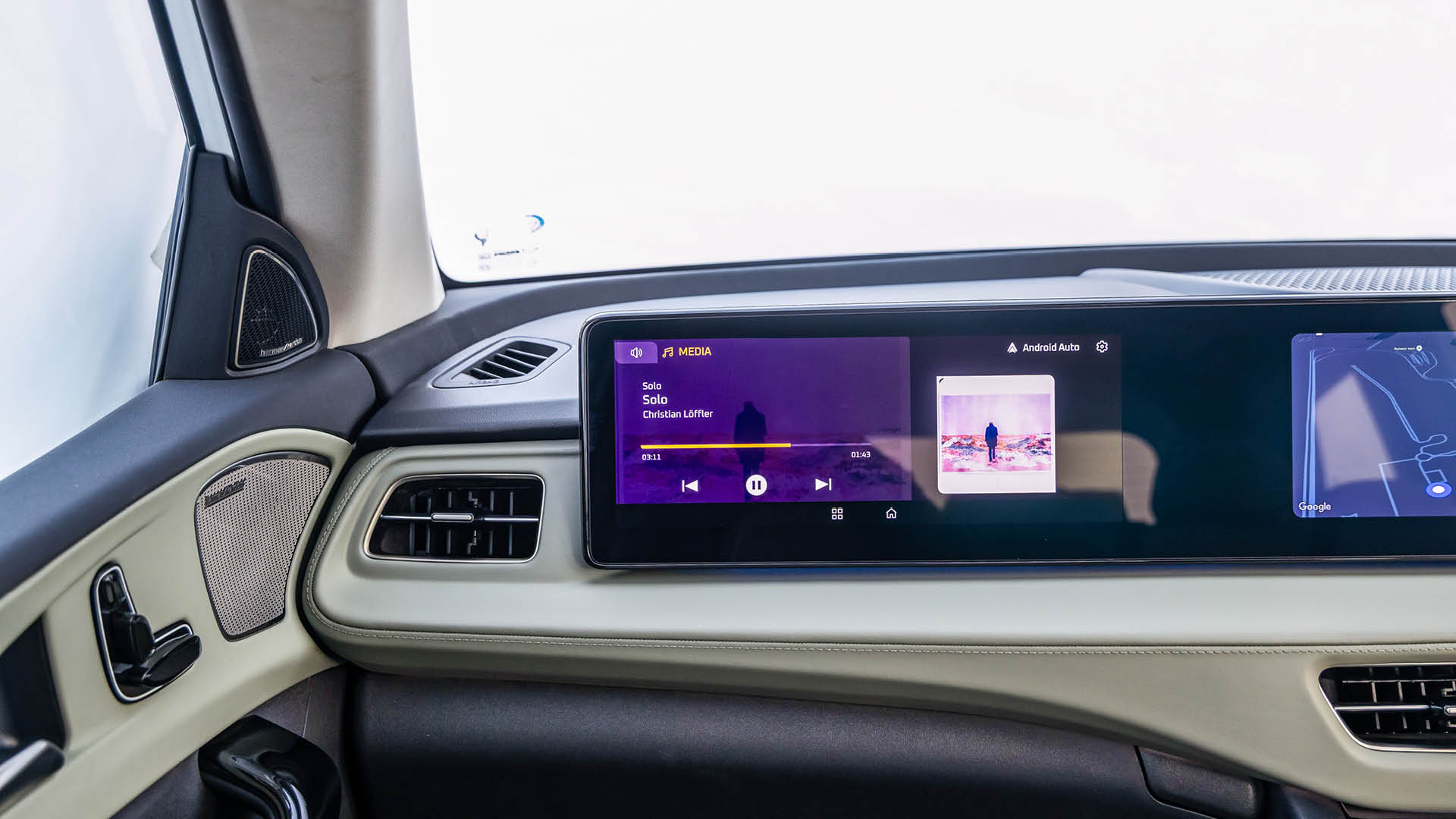
The driver display, central screen and passenger screen are all bright and crisp-looking 12.3-inch units, though their interface could be better. You get multiple driving modes, including Default, Range, Everyday, Race and Snow, and the driver display changes themes based on the mode chosen. You also get a head-up display, again, the same as the 9e. Features include Amazon Alexa and ChatGPT, in addition to wireless Apple CarPlay and Android Auto, besides which you get as many as 60 apps including OTT, online shopping and even quick commerce applications.
There’s a 360-degree view, and the selfie camera on the dashboard detects driver and front passenger alertness, beside letting you monitor the cabin remotely. A new, ‘Pawpal’ feature even lets you maintain ambient temperature, should you need to leave your pet in the car for some time. Another highlight is the 16-speaker Harman Kardon music system, and rear occupants can also mount screens/iPads onto the front seatback and charge them using dedicated 65W Type-C USB ports, besides getting a dedicated wireless charger at the back. Second row seats are ventilated too! There’s a long list of safety features as well including as many as seven airbags on the Pack Three, and what Mahindra is calling Level 2+ ADAS which uses five radars, 12 ultrasonic sensors and one camera.
Mahindra is offering the XEV 9S with the same battery pack options as the 9e, meaning you could have it with a 59kWh or 79kWh battery. In addition, you can also have the mid variant with a new, 70kWh battery. Torque rating is common for all three at 380Nm, but the 79kWh battery is the most powerful one, offering 286PS. The battery powers a single motor driving the rear wheels, and performance is as impressive as the 9e’s. Range is very impressive too, as Mahindra claims 521km per charge for the 59kWh battery, and 600km and 679km per charge respectively for the 70kWh and 79kWh battery packs. Claimed 0-100kmph time is just 7 seconds but more importantly, the progressiveness of the throttle is very impressive.
The 9S builds speeds in a strong but linear manner, offering a likeable feel irrespective of the driving mode. There’s five regen modes and a single pedal one, which impresses with its convenience and strong regenerative braking. Mahindra has been impressing us with its suspension setups and the 9S continues that trend. The SUV soaks up broken roads very well, making for a very plush ride, as the suspension is slightly softer than the 9e’s. The 9S offers a confident feel on the handling front too. There’s a very likeable feel to the overall dynamics thus, and in a large way, that’s thanks to frequency dependent damping.
To sum it up, the XEV 9S is a great addition, not just to Mahindra’s product portfolio but to the electric SUV space too. It impresses with its performance, claimed range and dynamics, while also being equipped with a list of features that can put luxury cars to shame. And prices begin from just under ₹20 lakh ex-showroom and top off at just under ₹30 lakh, which is a great price point considering the likeable design and packaging both!