


Photography: Shrenith Bhandary
Shaking up segments is an old habit of Hyundai Motor India Limited; they revolutionised the hatchback market with the Santro, shook up the sedan space with the Accent, Verna, and Elantra and dominated the midsize SUV segment with the Creta. And in the compact SUV segment, the Venue spoke volumes; after all, Hyundai has sold over 7 lakh Venues since 2019. In 2022, the Venue received a facelift, but it had recently started to show its age. Hence, for 2025, Hyundai launched the second-generation Venue, and we were in sunny Goa to drive it. The cherry on the cake was that we got to drive the Venue N Line, the default choice for enthusiasts and a perfect fit for us.
Design
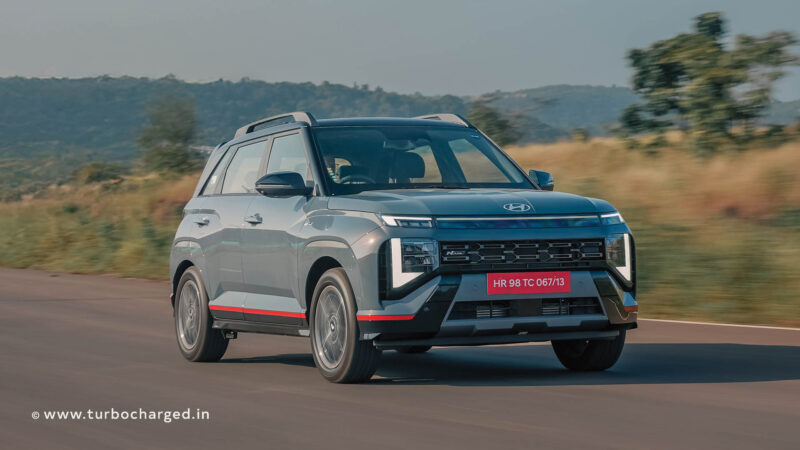
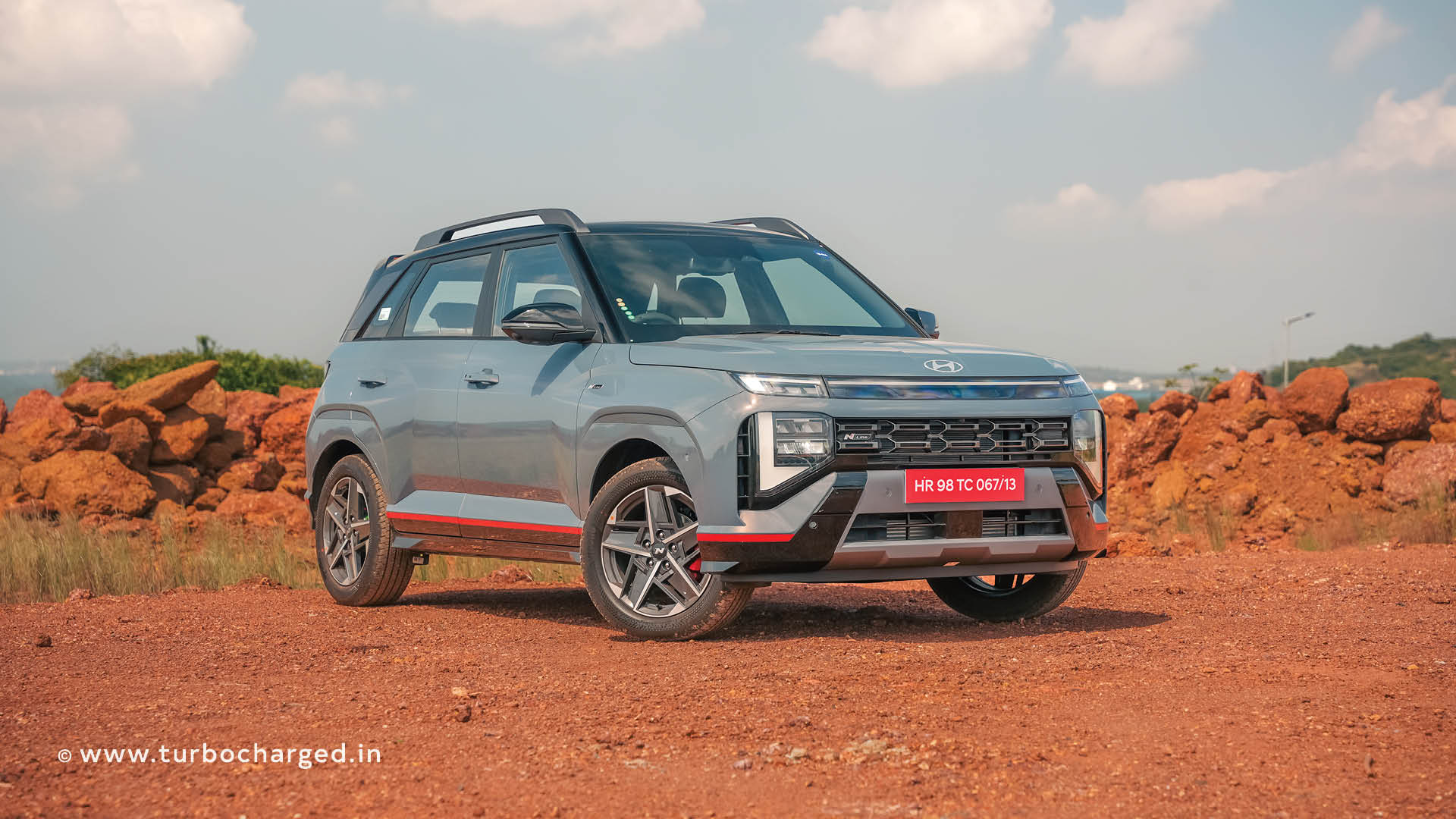
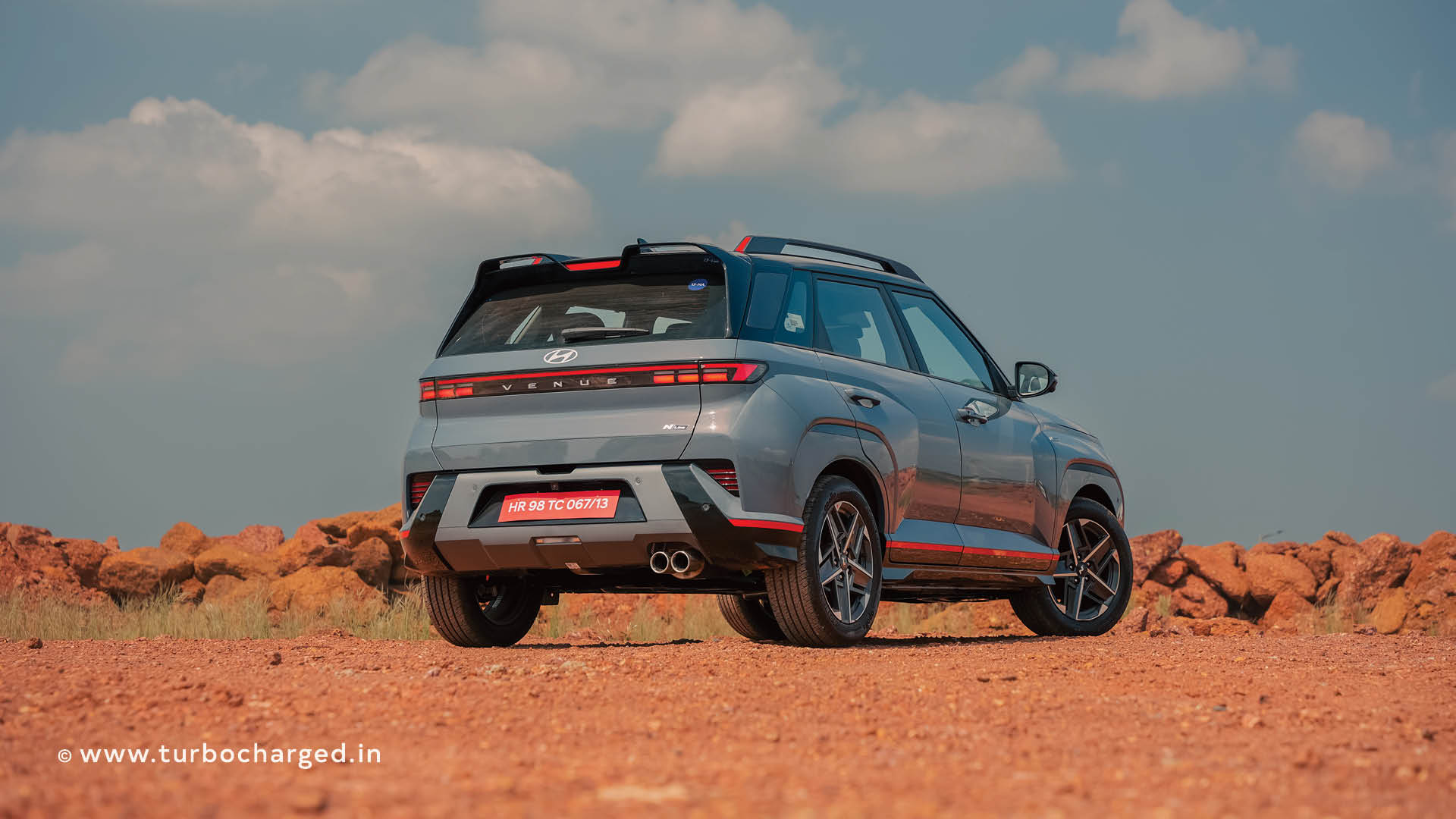
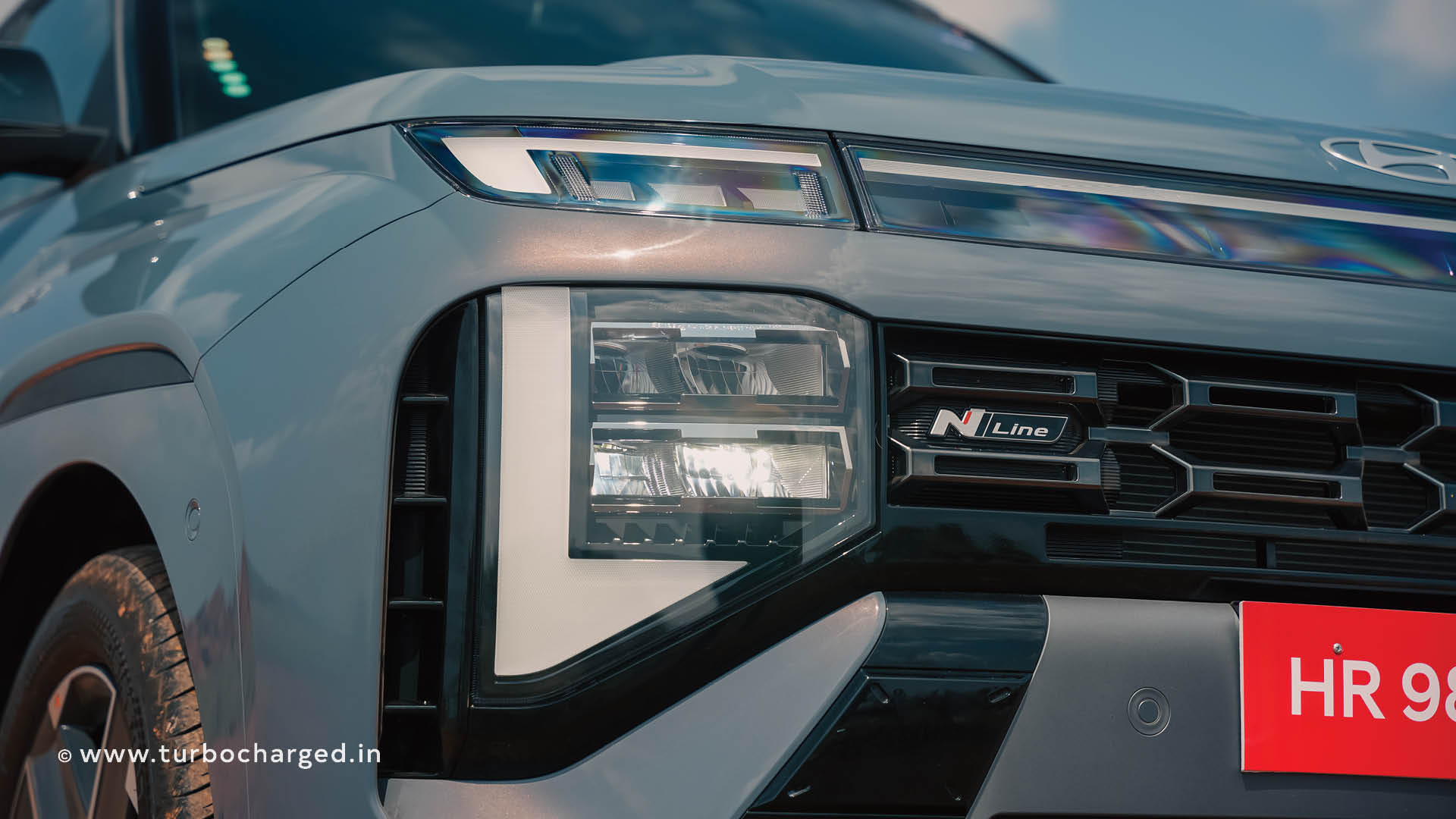
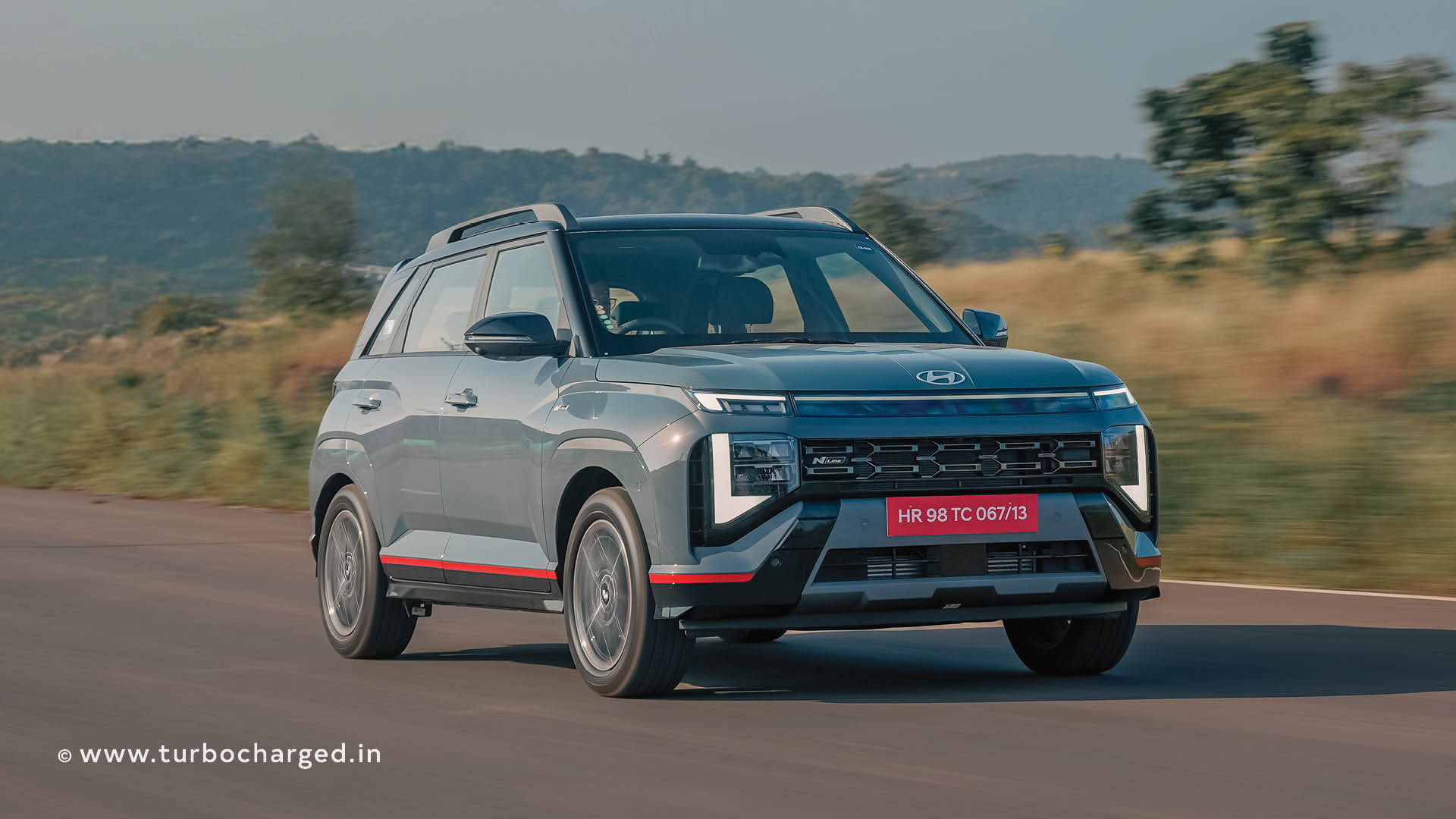
From a distance, the all-new Hyundai Venue looks like it is imitating its elder sibling, the Creta and to an extent it does. The new shade, Hazel blue with an abyss black roof, gives the Venue N Line a unique identity accentuated by its all-new design. Boxy elements with zero curves dominate the Venue’s aesthetics as it wears a brand-new face with a rectangular grille featuring an N Line badge, straight-edge connected LED DRLs that continue into the front bumper, flanking the quad-beam headlamps and forming a hook at both ends. The front end also looks bigger, as the Venue has grown wider and taller, though not by much. The new bumpers look butch, with a silver-skid plate and a red line running from the front to the back.
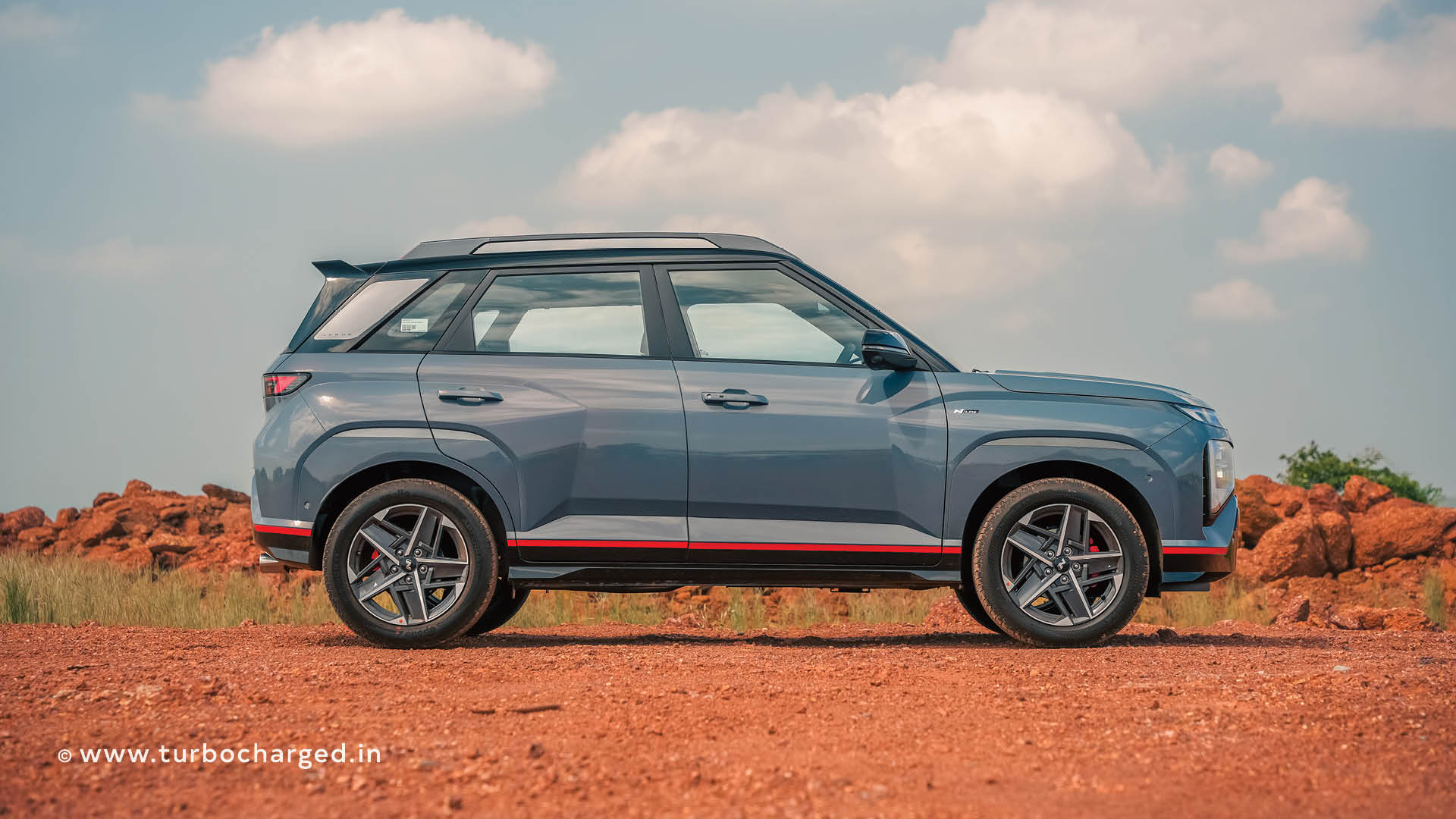
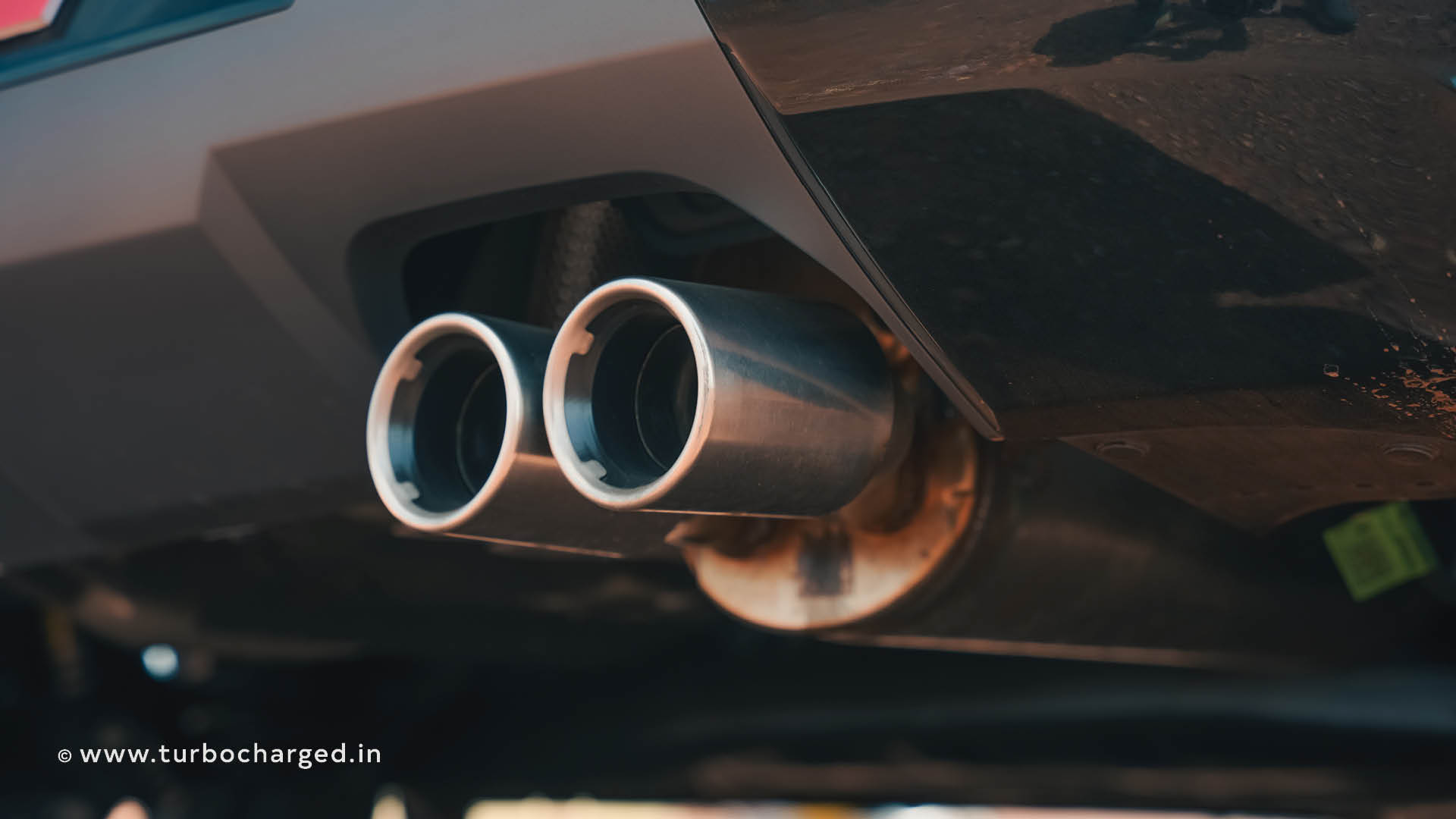
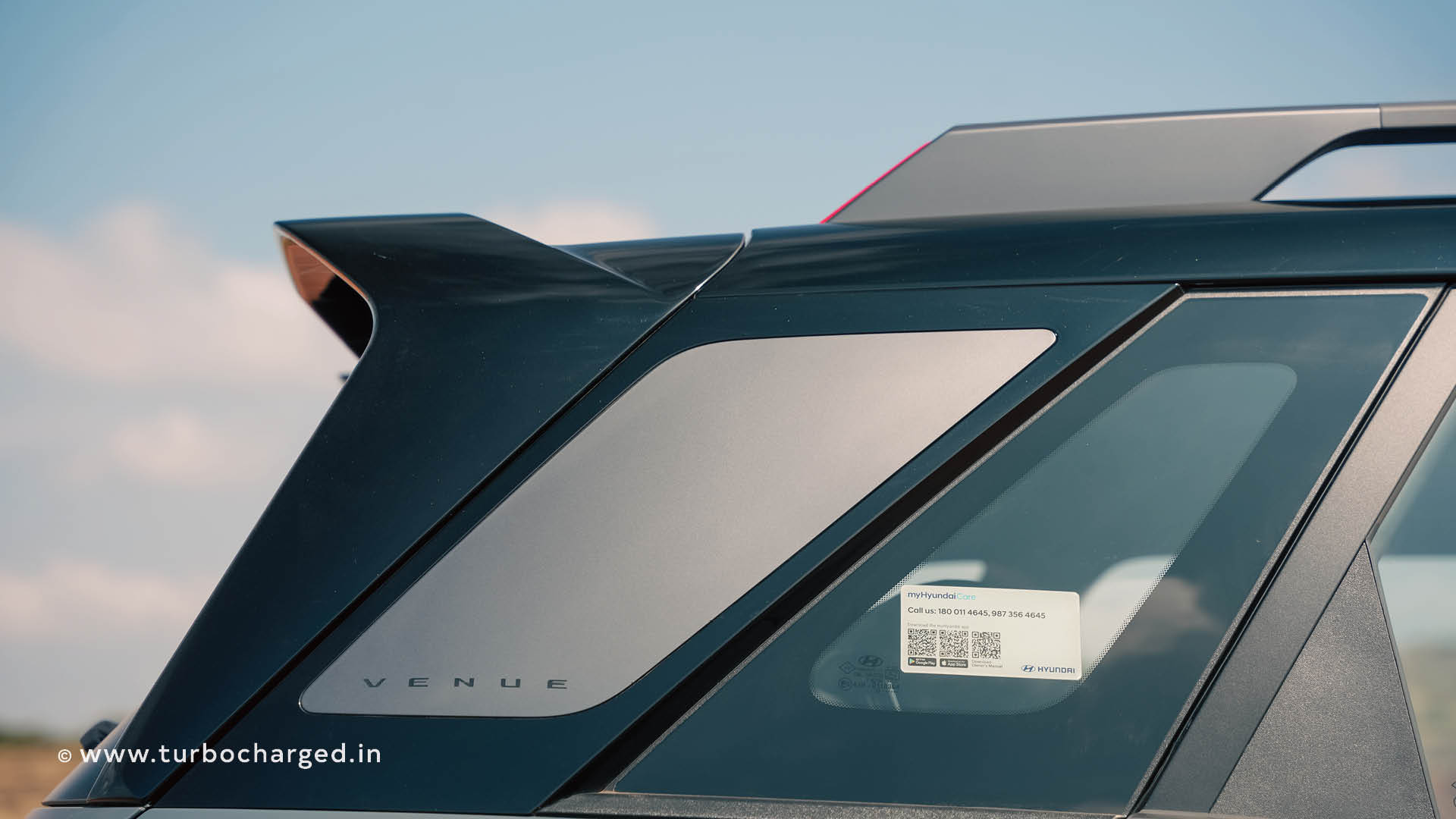
From the sides, the Venue N Line looks more mature and muscular thanks to the buffed-up fenders and quarter panels. The wheelbase has gone up by 20mm, which liberates some space on the inside, but I did not feel the space to be a problem to begin with, plus 20mm is not a significant number. The N Line gets groovy 17-inch wheels that add to the sporty element and even black roof rails for some muscle at the top. And a lot is brewing up at the rear-end of the Venue N Line. The eye-catching element is the well-integrated wing spoiler. Then there is the large connected LED tail lamp. Sitting within its housing is the Venue lettering, which used to be on the tailgate earlier. There’s a new chunky bumper with a silver skid plate and twin chrome exhaust tips. Overall, the new Venue N line looks sporty and beautiful from every angle, and you can find many of these elements on the standard Venue.
Interior, features, space and safety
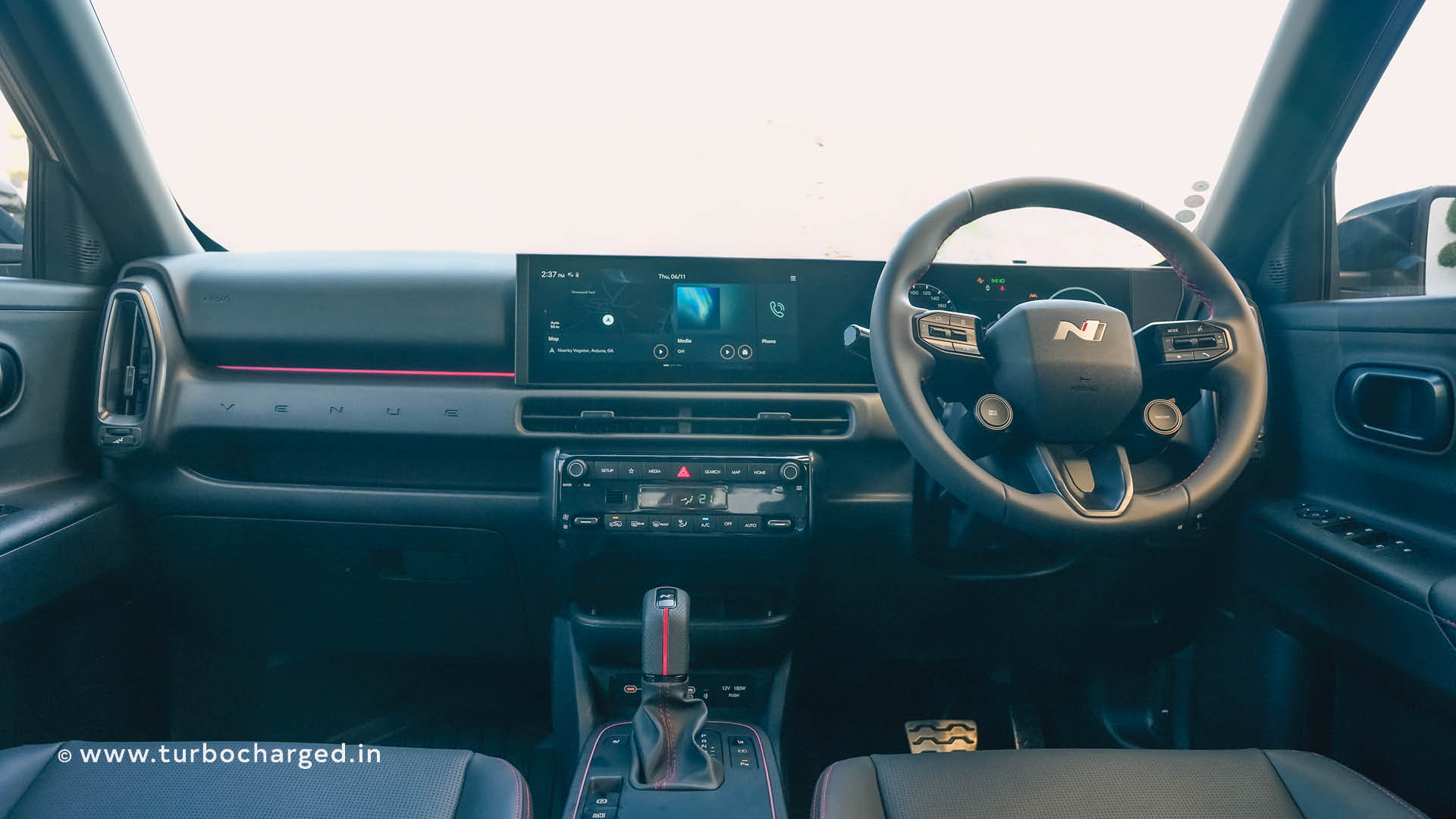
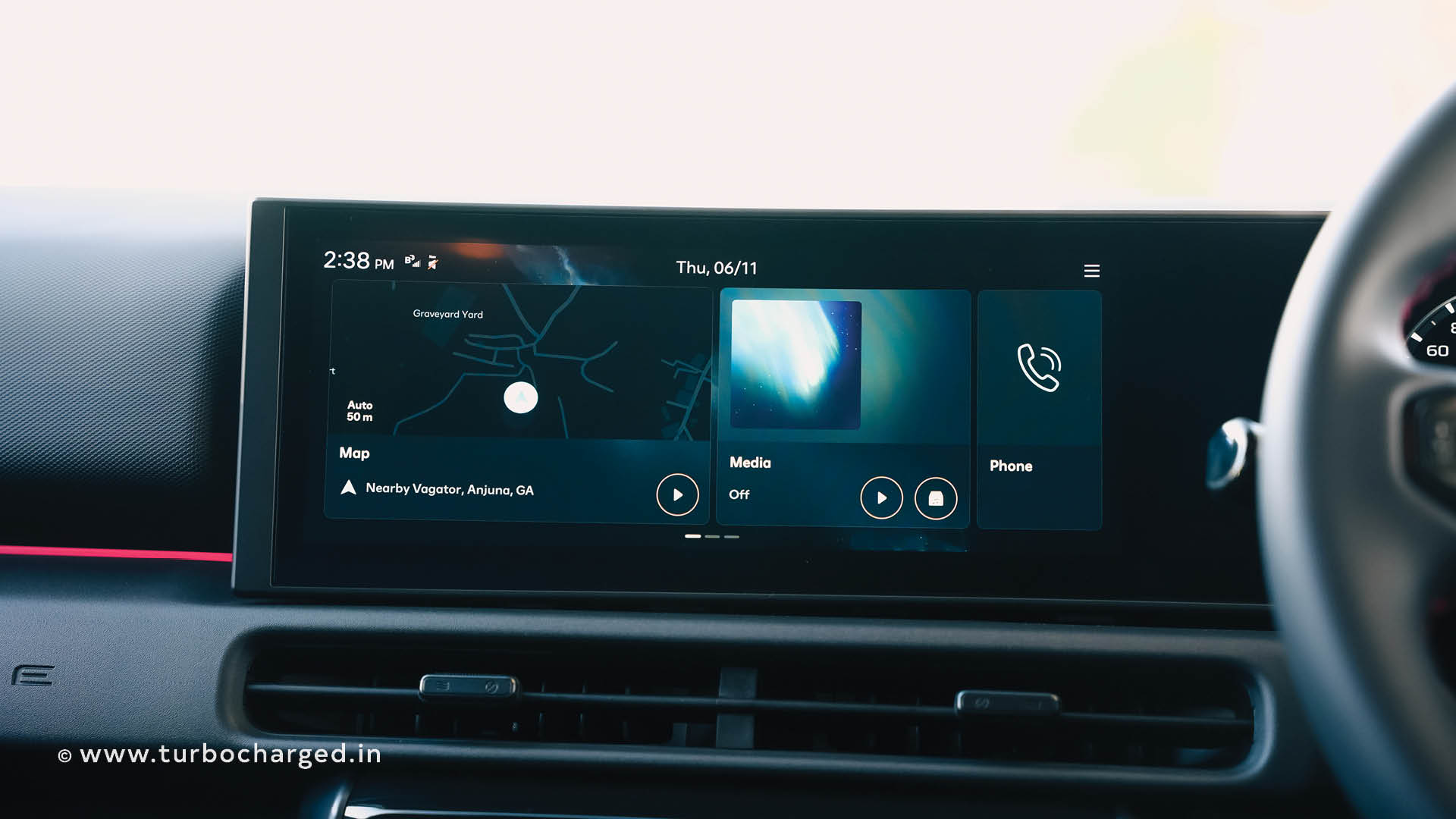
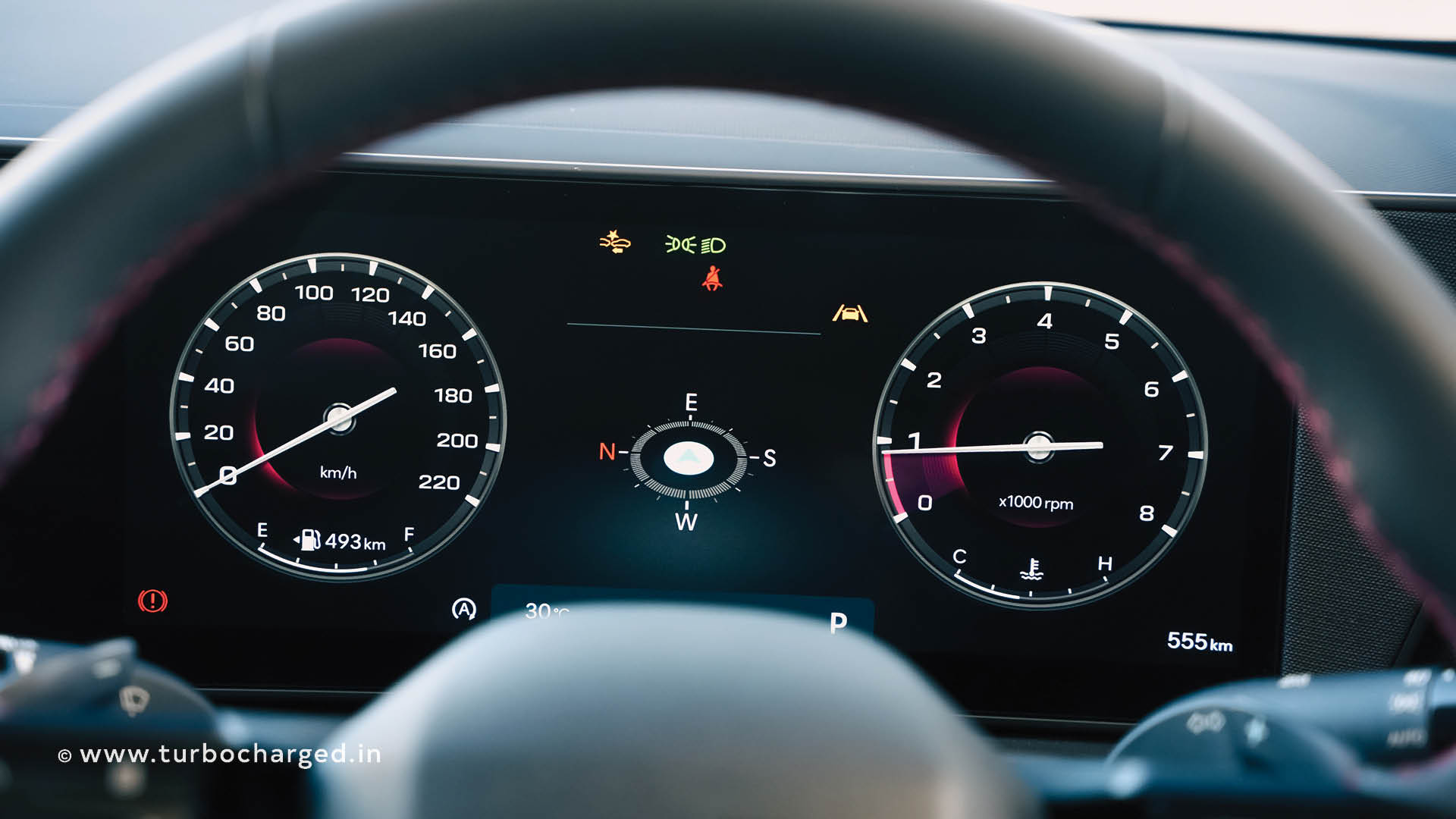
A central talking point during the media drive was the Venue’s all-new cabin. Now, the basic layout is the same across the range, but what sets the Venue N Line apart is its blacked-out interior. The brand-new dashboard looks fresh and is a welcome change, and it’s dominated by the large 24.6-inch curved dual panoramic display that houses the infotainment system and the instrument cluster. The infotainment system is all-new with a refreshed UI that is simple yet eye-pleasing. In fact, Hyundai has partnered with Nvidia to power the new infotainment system, making it quite intuitive and flawless to use. It also comes with wireless Android Auto and Apple CarPlay. The instrument console was my favourite bit, as it comes with three themes and colours, but the one I fell for was the classic analogue dials —a touch of nostalgia, anyone?
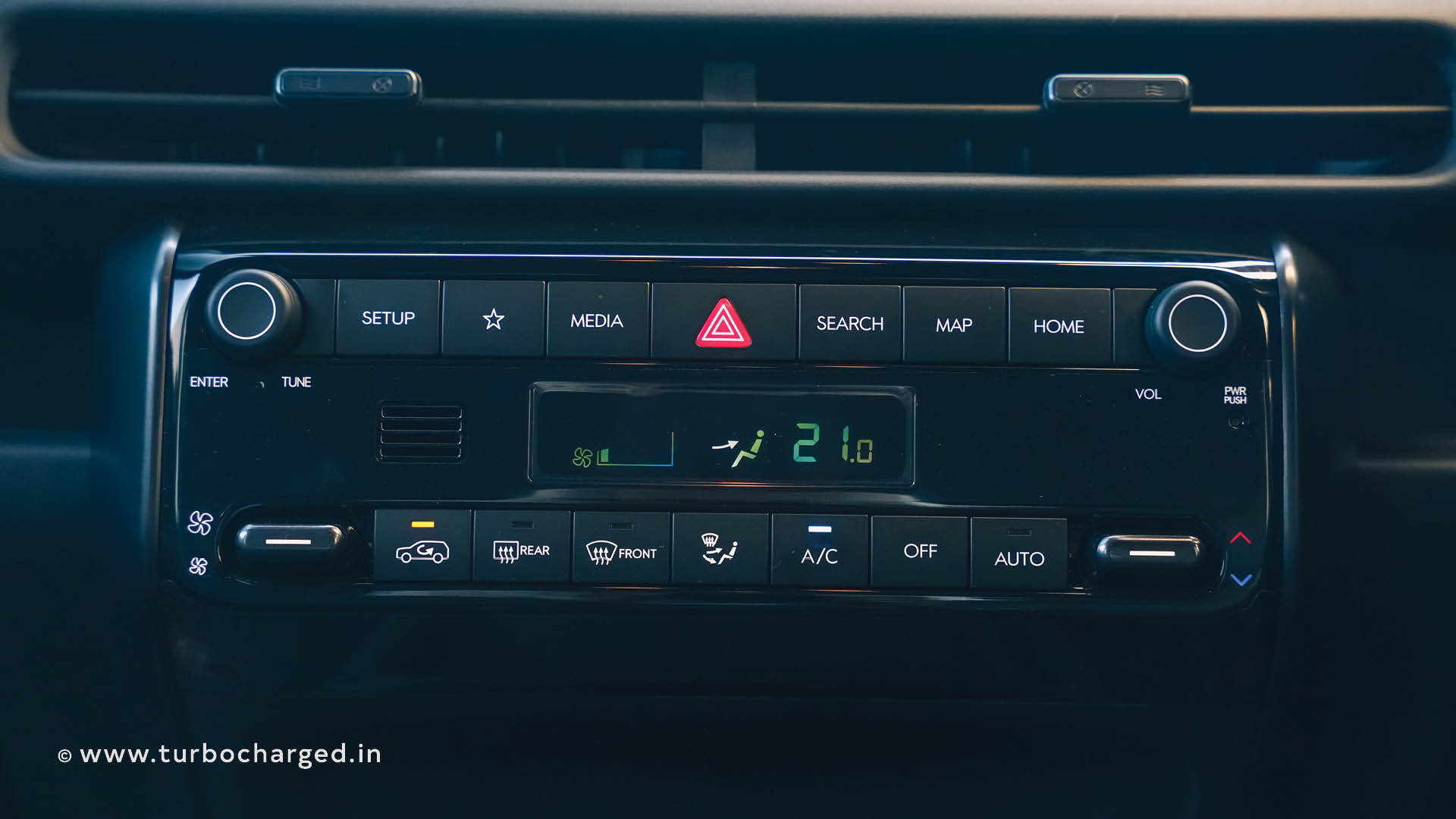
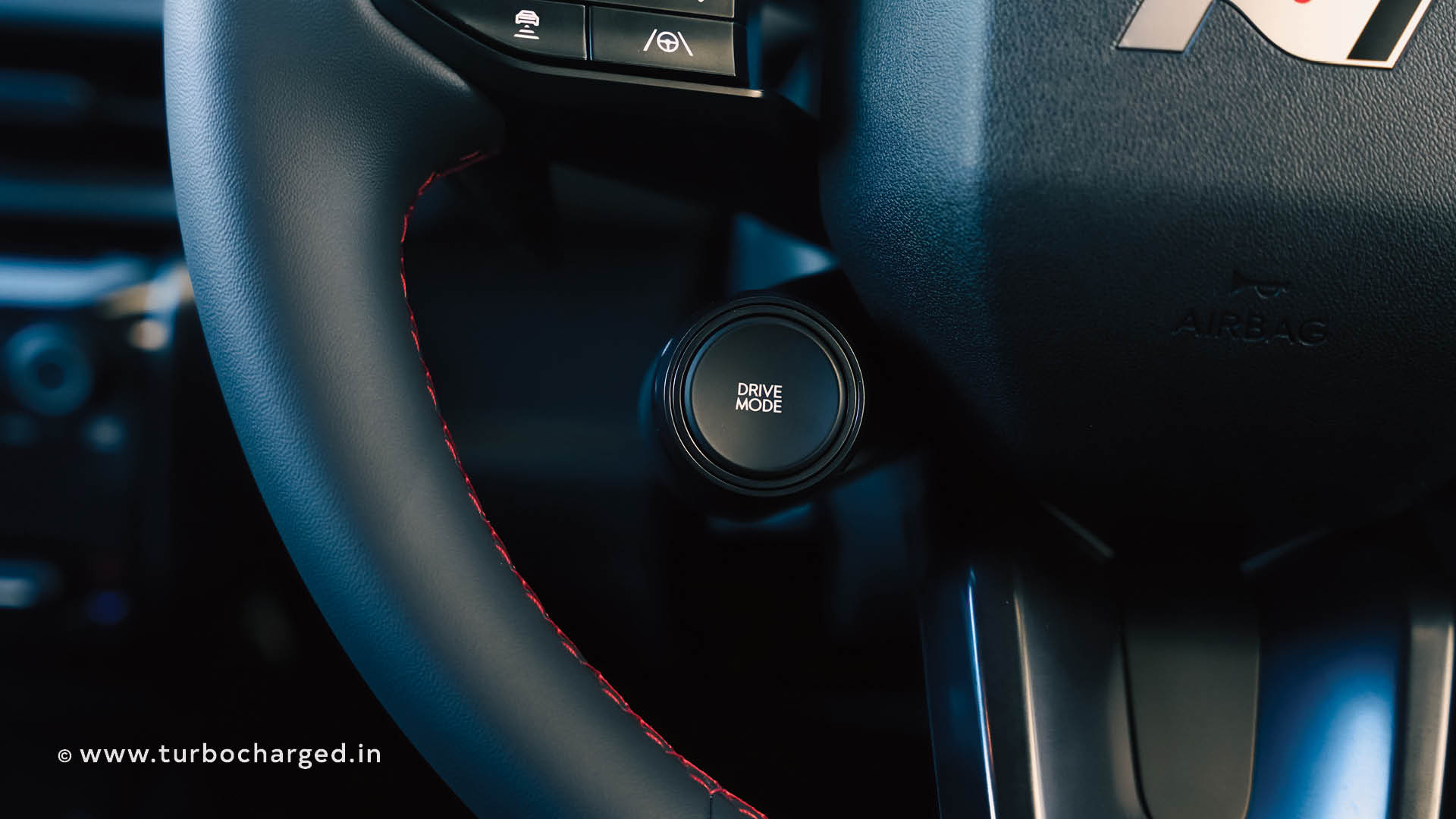
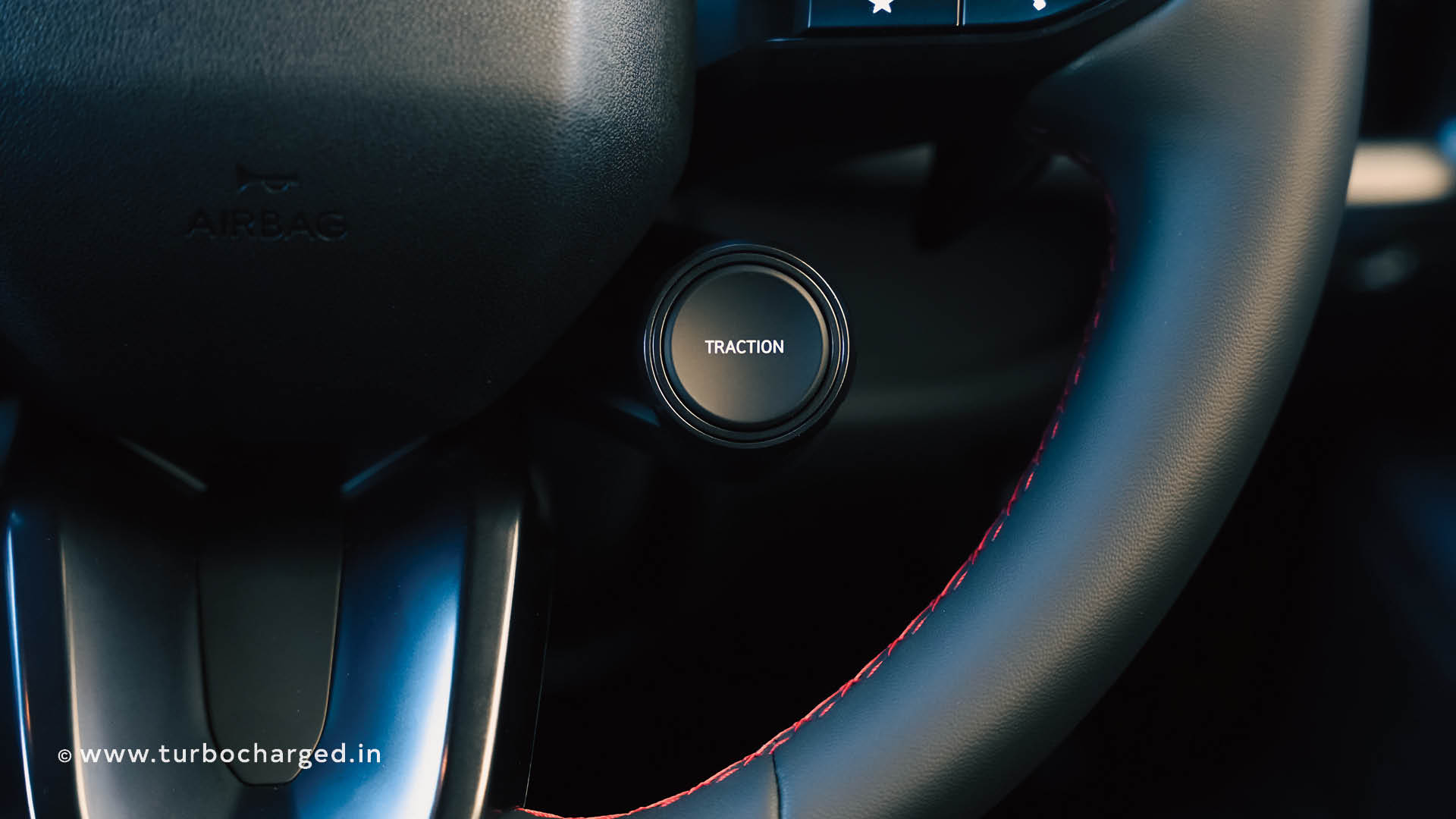
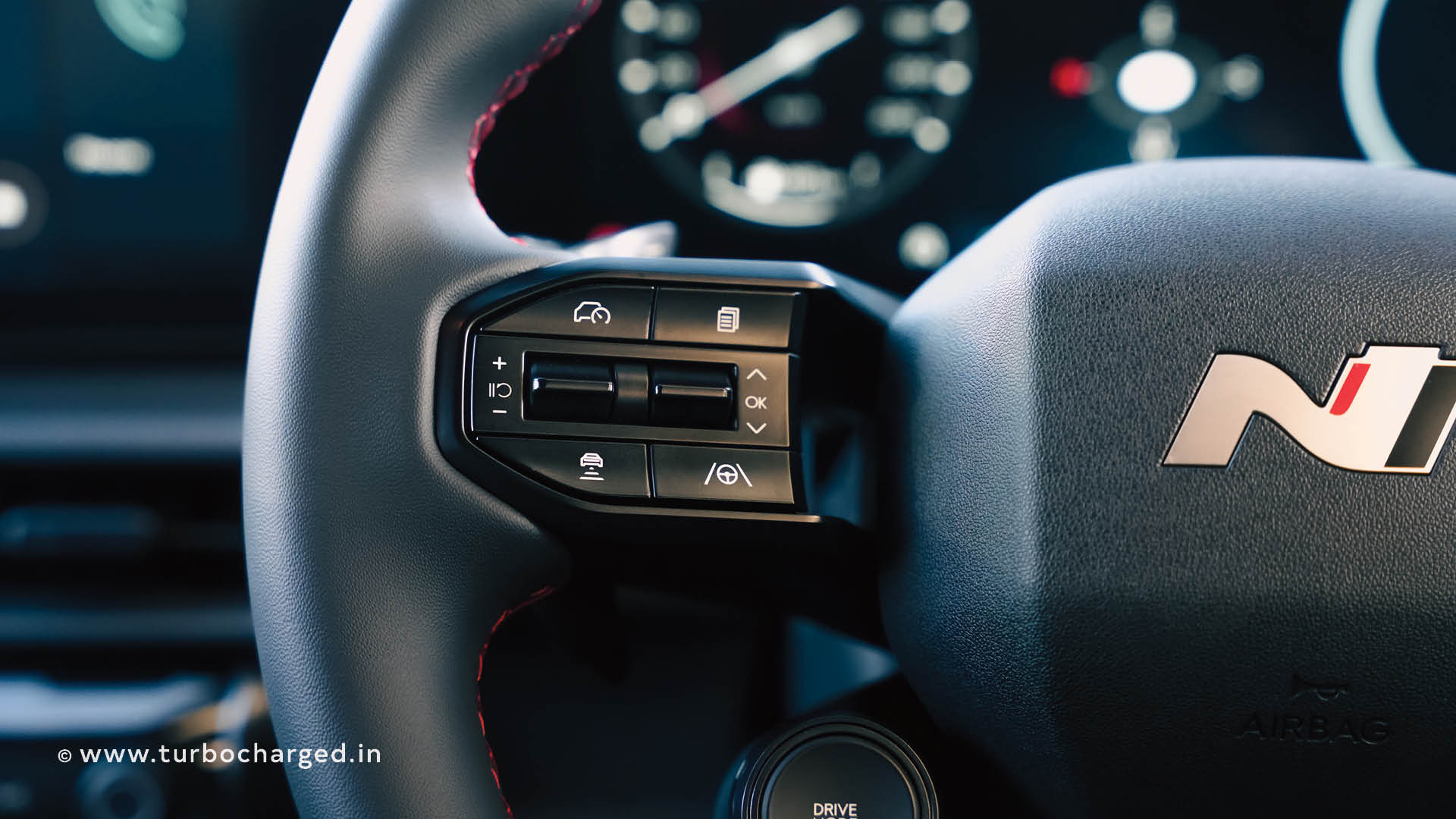
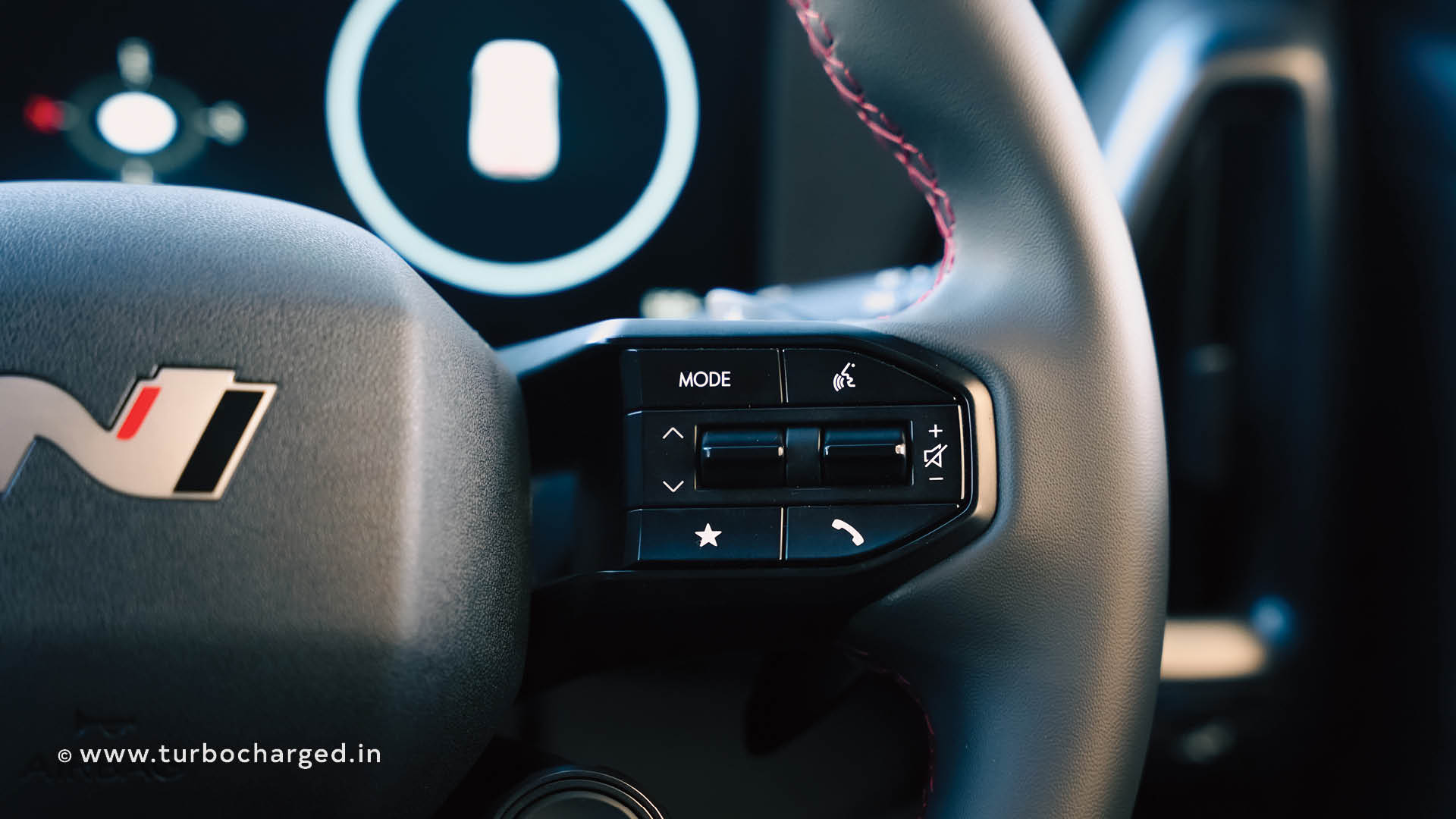
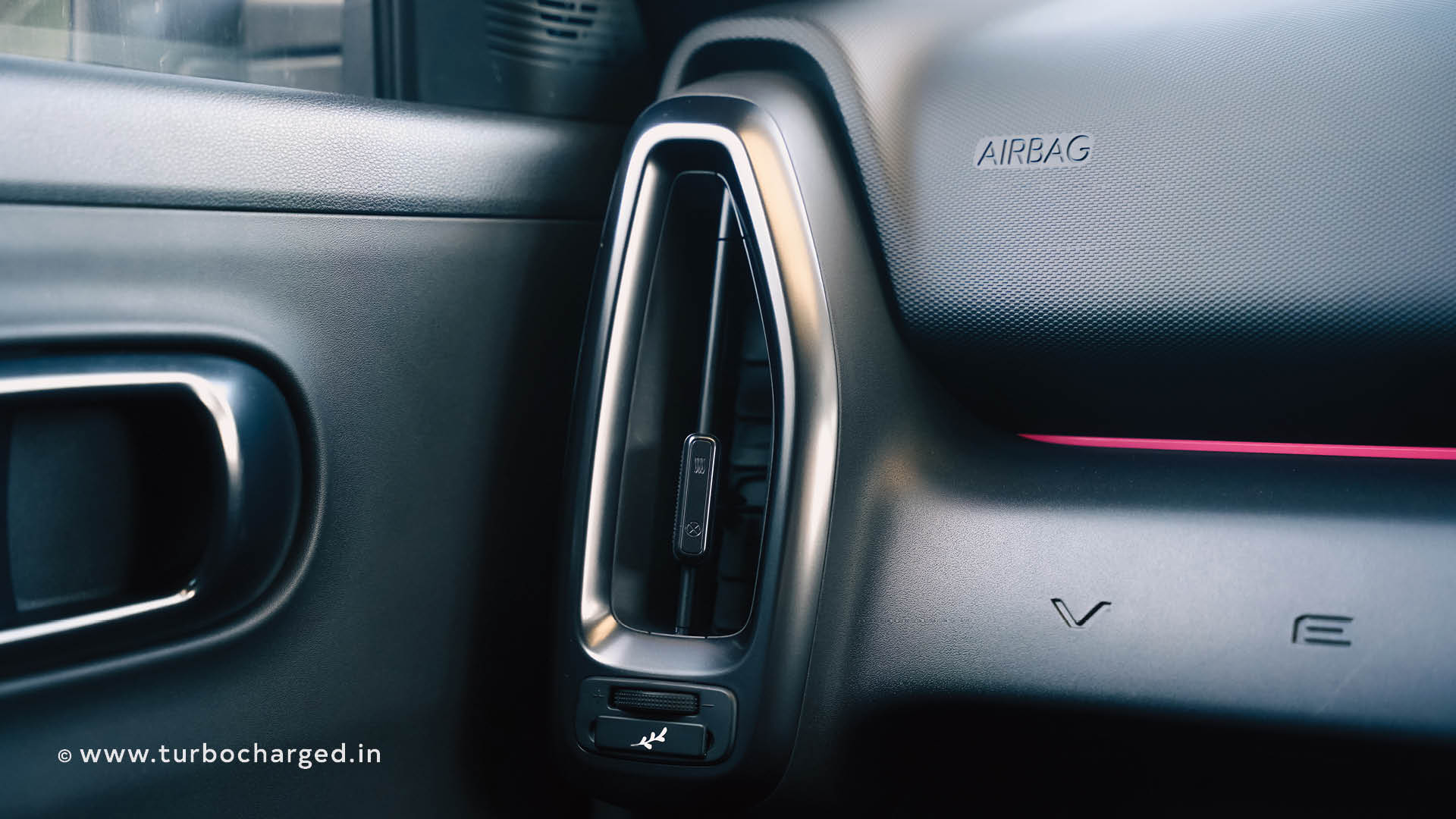
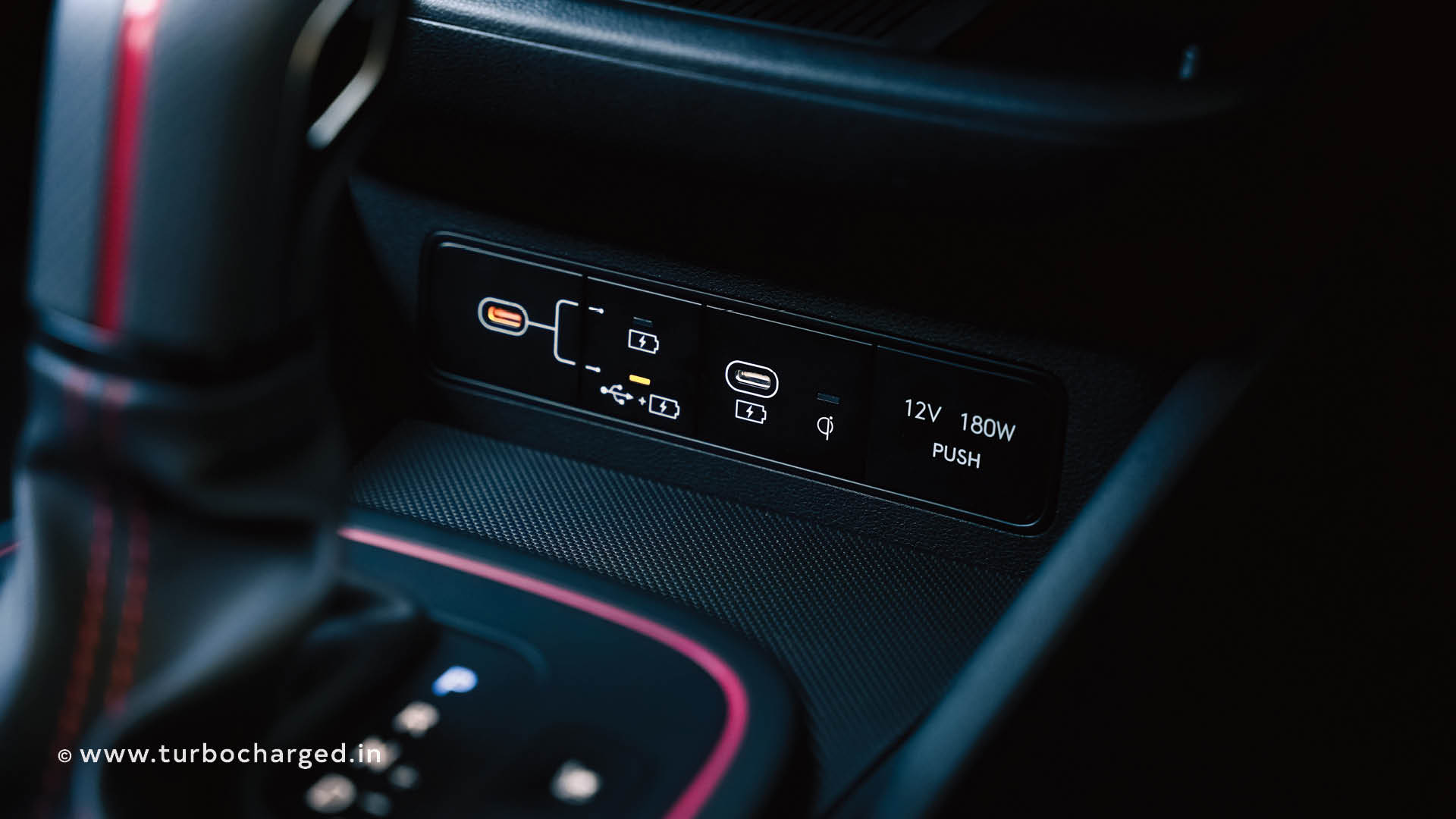
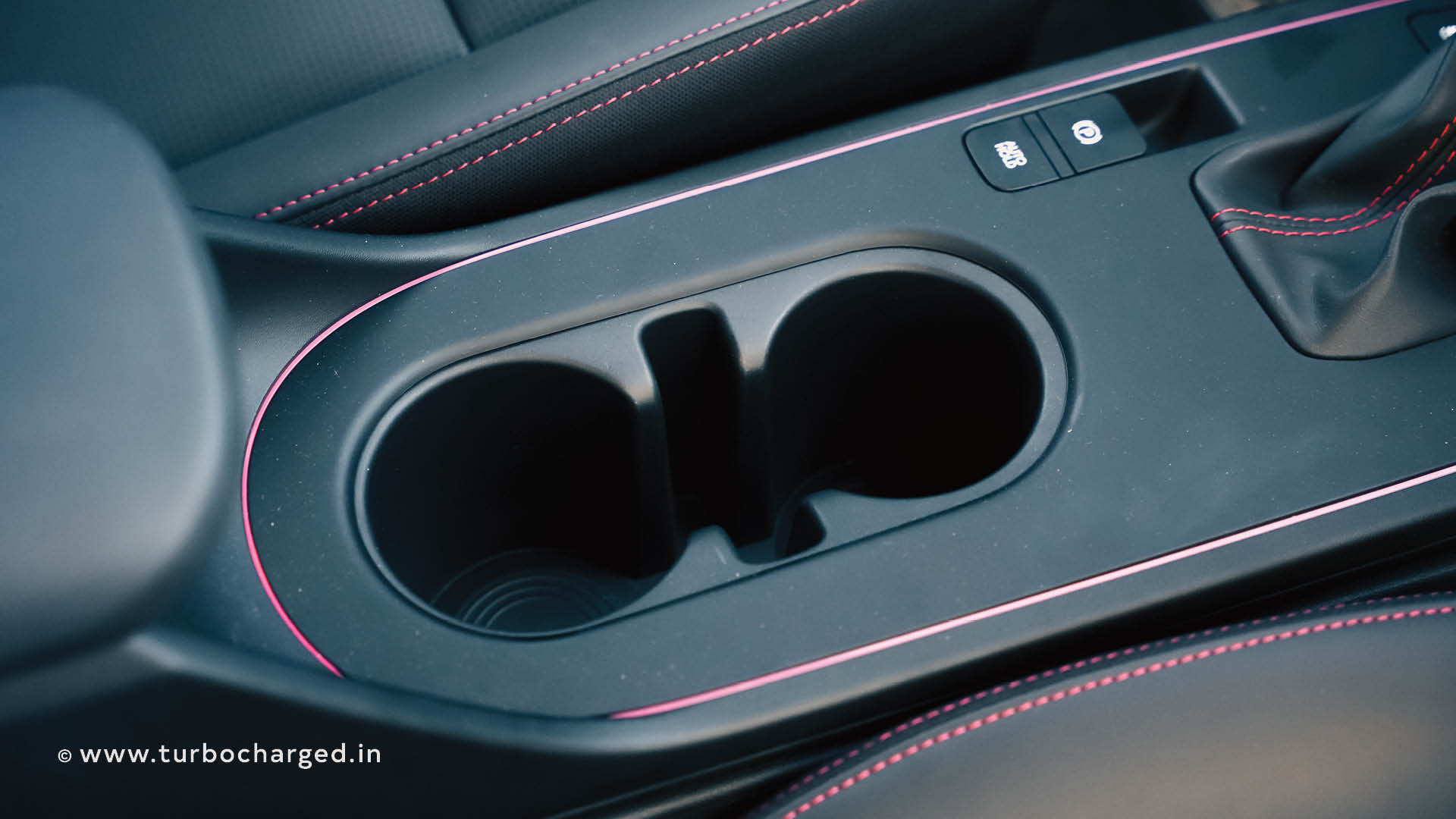
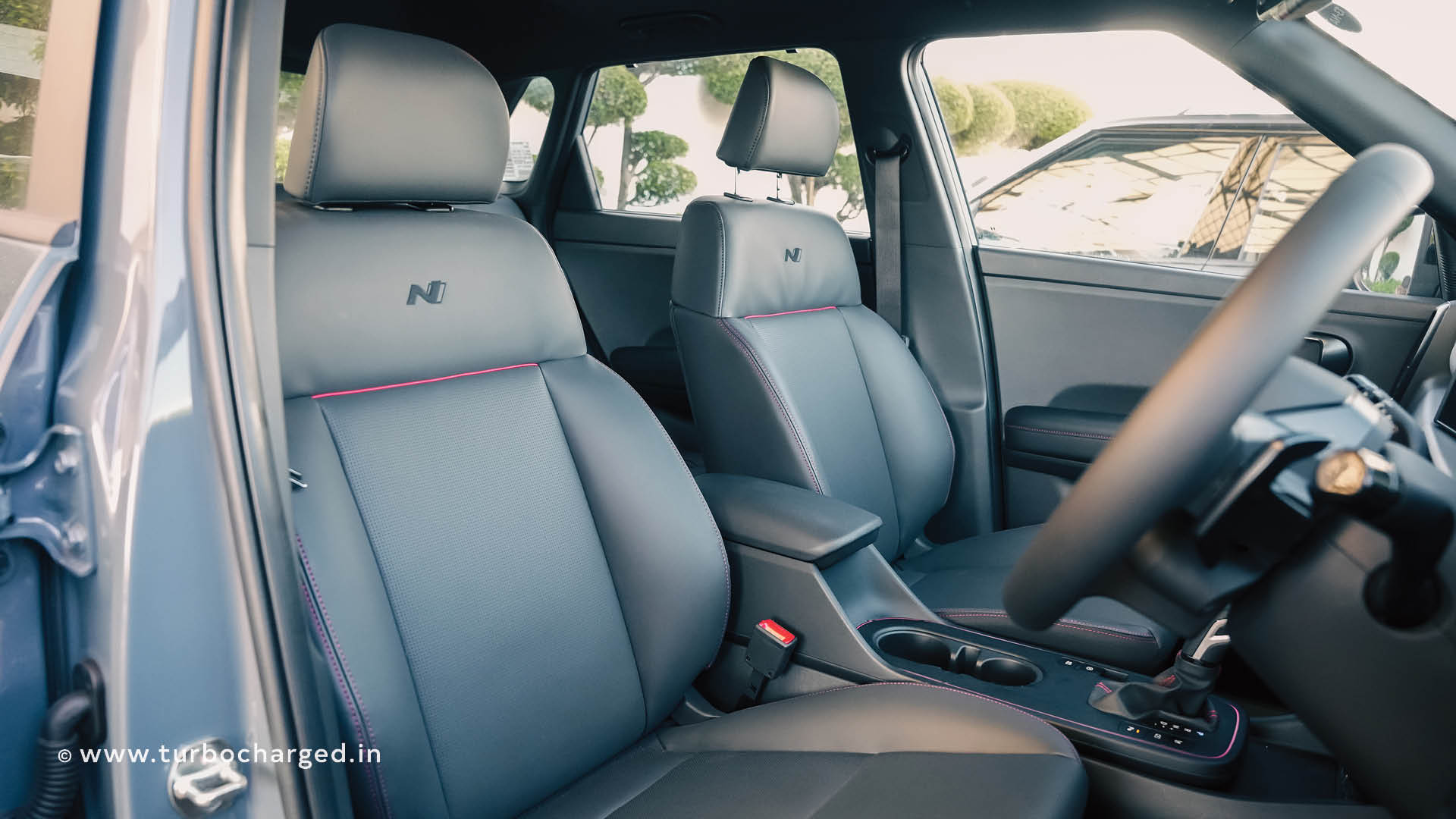
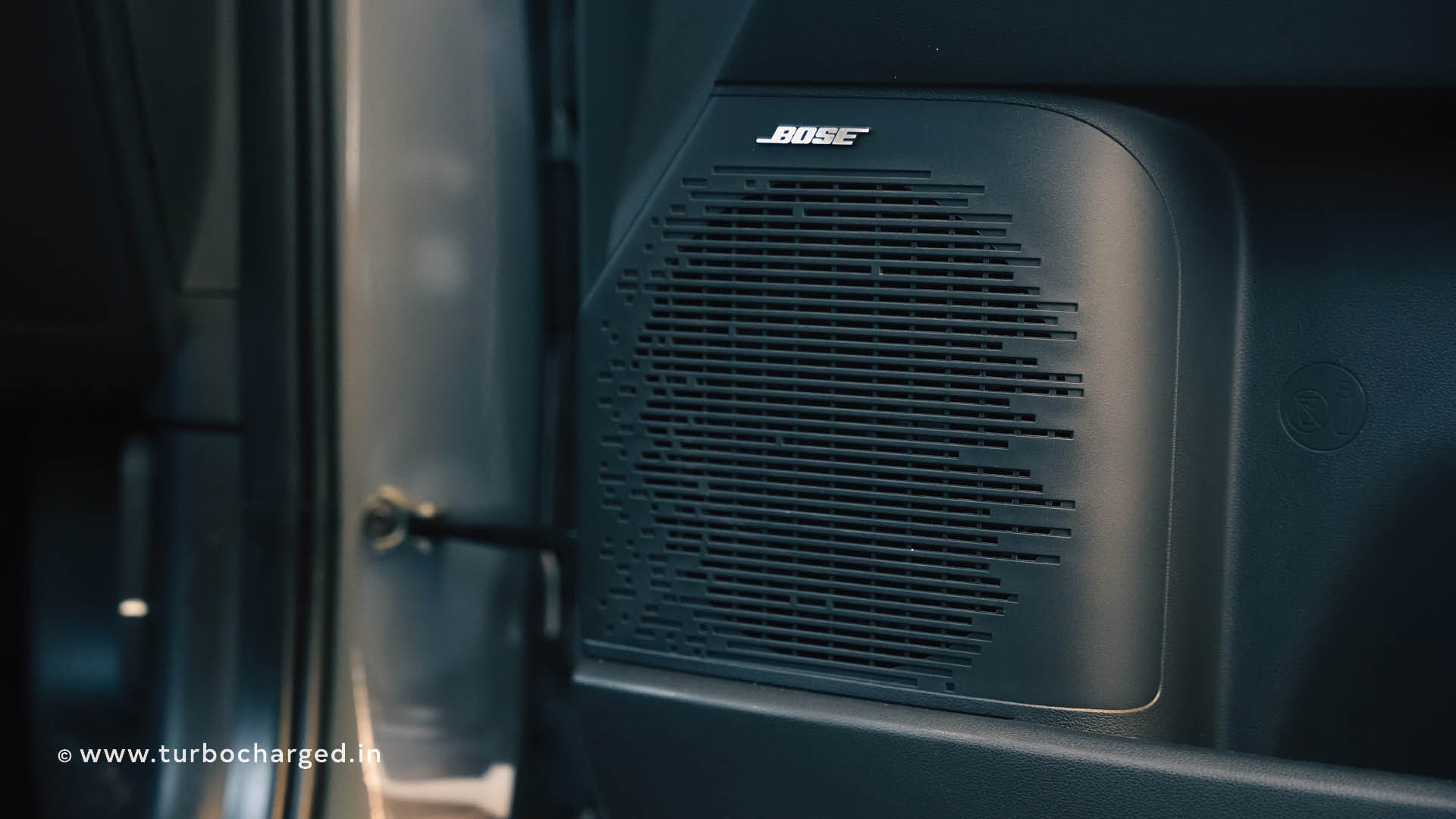
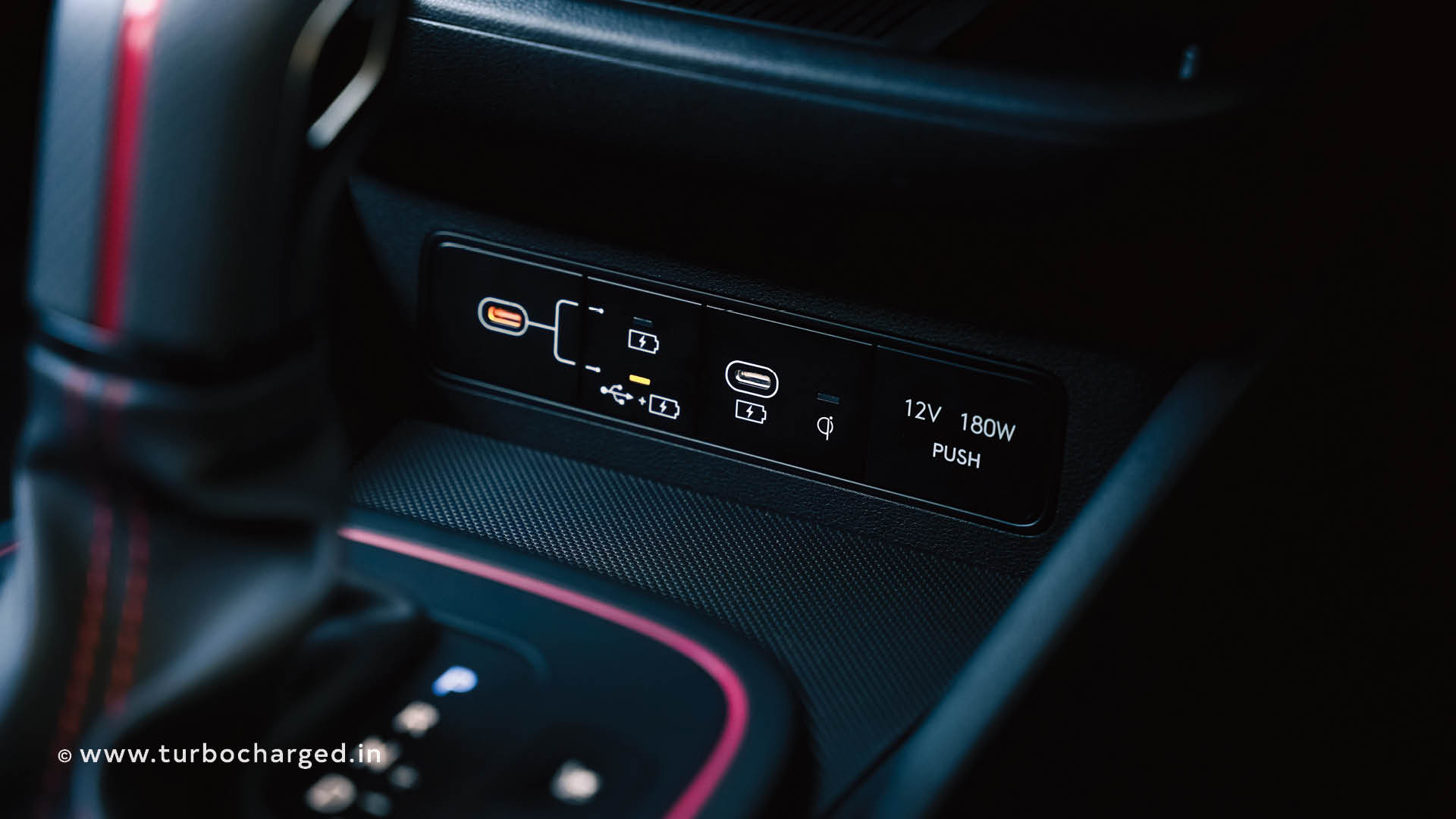
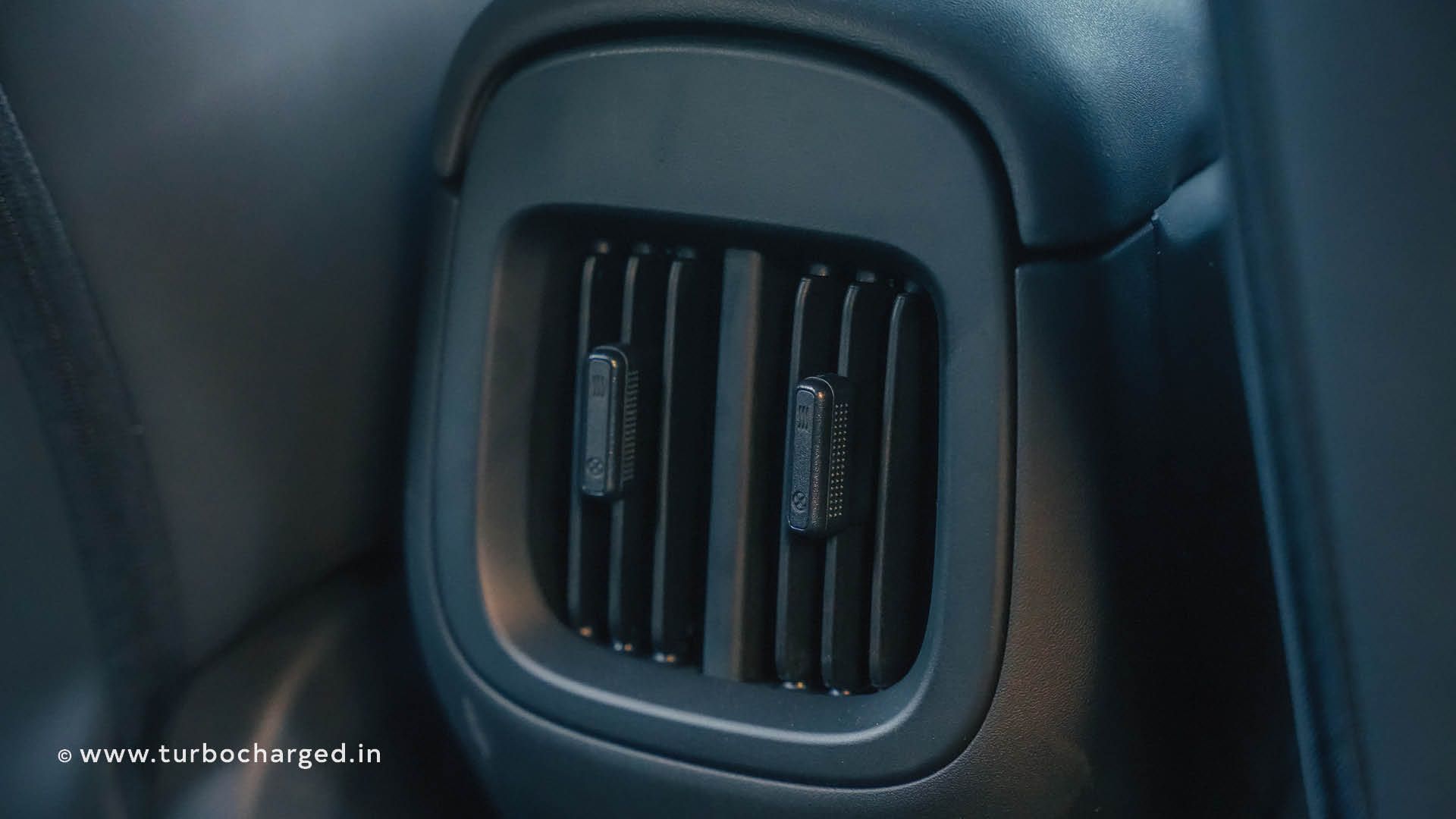
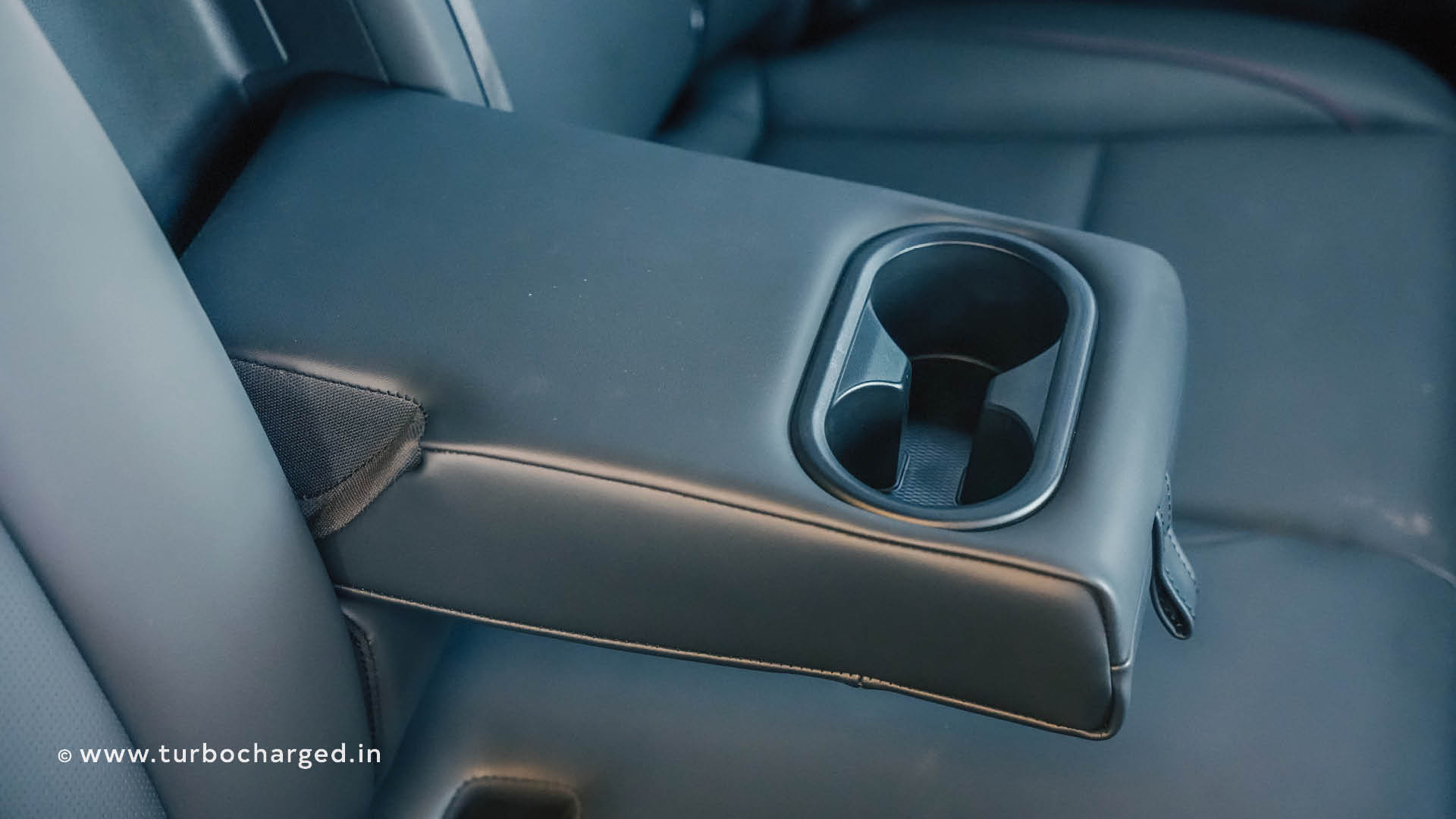
Another bit that many would appreciate is the presence of physical buttons for music and AC controls on the centre console. Other quirky bits include the horizontal central and vertical side AC vents that create an H pattern when you look closely. The steering too comes straight from the Ionic 5, complete with two buttons, one for the drive modes and the other for traction control. In terms of features, Hyundai never disappoints, and the Venue N Line is no exception. It gets ventilated front seats, four-way electrically adjustable driver’s seat, a sunroof, automatic climate control, 360 degree camera, smart aroma diffuser, premium sound courtesy Bose, wireless charging pad in the centre console, rear window sun shades, two-step reclining rear seat, 60:40 split rear seats, rear AC vents, small storage spaces in the dashboard and central armrest and on the N Line you get red stitching on the steering and seats, black upholstery, N logo on the seat and steering, metal pedals and paddle shifters for the DCT.
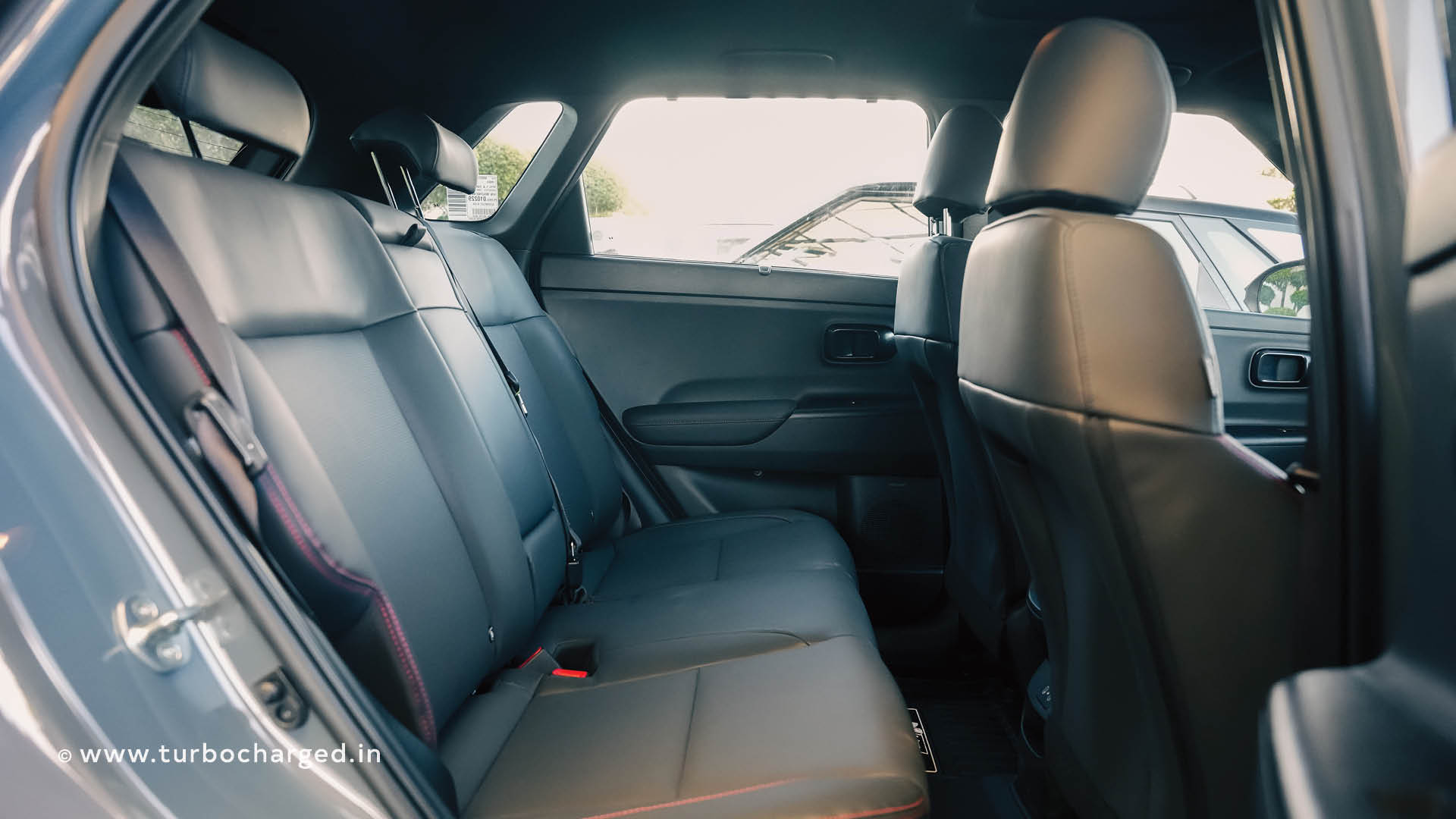
The all-new Venue, just like the last one, is big on space, and the Venue N Line, just like the standard variant, has plenty of it in the front and at the rear. The rear seats are well shaped to hold you in place, and the under-thigh support is quite good. Plus, the slight recline it offers lends more comfort. The front seats have good bolster support and ventilation, which is a must for our hot climate. In terms of safety, you get six airbags, ABS, ESC, hill-start assist control, roll-over sensors, TPMS, ISOFIX, headlamp escort function and rear parking sensors as standard fitment across the Venue range. On the N Line and the standard top-trim, you get a lot more safety features, including Level 2 ADAS with 21 features, 41 standard safety features, and over 70 safety features. Phew, that would make for an extensive list, but you get the point, the Venue is absolutely loaded to the gills with safety, features and comfort.
Now that we’ve driven the Venue N Line, here is the juiciest bit. The Venue N line and the standard variants are based on Hyundai’s global K1 platform, which we have already seen in the Kia Syros. This architecture uses high-tensile steel, which lends the new Venue excellent strength and improved torsional rigidity. This means the chassis flexes less, which ultimately aids handling and ride quality. And working its magic under the bonnet is the small but mighty 1.0-litre three-cylinder engine, I say mighty because it’s turbocharged and came mated to, in our case, a seven-speed dual-clutch transmission, serving the perfect recipe for fun. Because this little engine is a powerhouse with 120PS and 172Nm, all delivered to the front wheels via the DCT, which, to be honest, I absolutely loved. The delivery is smooth and linear, and for most of the drive, I did not feel much turbo lag. The acceleration is brisk, and while overtaking, the DCT was quick to downshift. It comes with paddle shifters, which are more of a novelty for me, but they were quick to respond as well. Overtaking was effortless, as the engine packs enough grunt to go from 40 kmph to 80 kmph in a jiffy. One thing I enjoyed thoroughly was the engine’s smoothness; it did not feel stressed or out of breath even at triple-digit speeds. The Venue N Line comes with three drive modes — Eco, City, and Sport — and the differences in power and torque delivery are pretty clear. In Eco, the engine response is muted and it shows on the speedo. City mode gives you some of that response back but it is in Sport mode that you get the most out of the 1.0-litre engine. Hence, I was sitting in Sport mode for most of the time.
Engine, ride-quality, handling
Navigating the narrow lanes of Goa made me realise how well-weighted the steering was; it responded quickly to my inputs, was direct, and the communication was on point. It felt more like a hot hatch than a compact SUV, which is always an enjoyable experience. Another element that blew me away was the suspension setup; it provides good damping in most conditions, and even light off-roading is a breeze for the Venue N Line. It glided over small road undulations without any fuss, whereas on rougher surfaces the shock did travel through into the cabin, but nothing my spine couldn’t handle. Now, the top-end trims do get all four disc brakes, and so does the N Line. The braking performance was quite good, but the feel could have been better. I accidentally tested the ADAS’s auto-braking feature and can attest that it works perfectly, just like the other ADAS features.
Now in its second generation, the Venue N Line carries forward the legacy of the first-generation Venue. It has ample space, features that would make midsize SUVs look pale, utmost safety, and excellent build quality and fit finish. And this also stands true for the standard Venue, which is essentially the same compact SUV with a different set of features. However, you have to applaud Hyundai for coming up with a fun-to-drive Venue N Line that starts at just ₹10.55 lakh, which is just as fun as the top-trim Venue N Line I drove, which costs ₹15.3 lakh ex-showroom. The standard Venue starts at ₹7.9 lakh ex-showroom, and I reckon that, with these prices, competition should really be worried because the Venue might just become the Creta of the compact SUV segment.