

Photography: Shrenith Bhandary
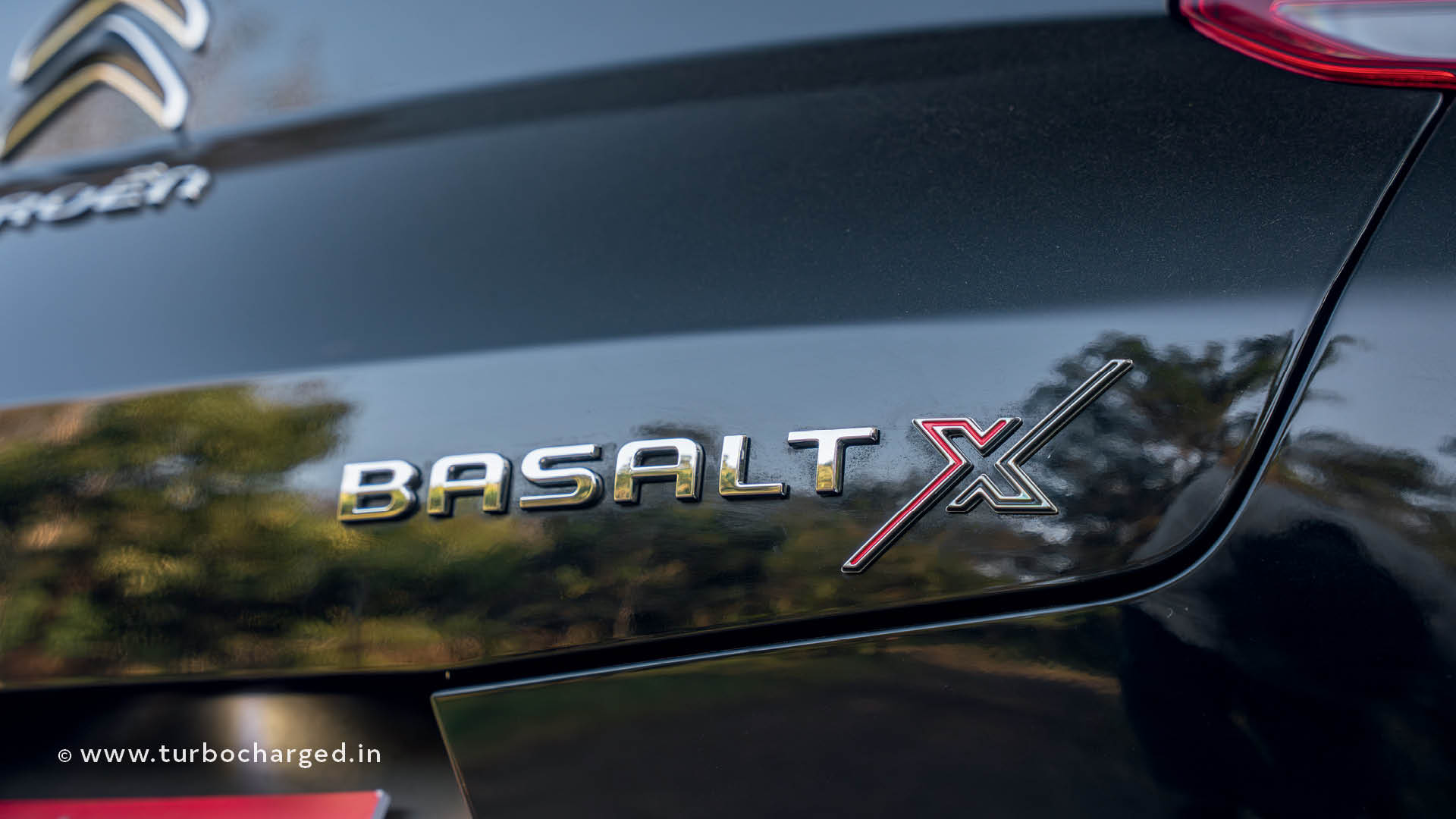
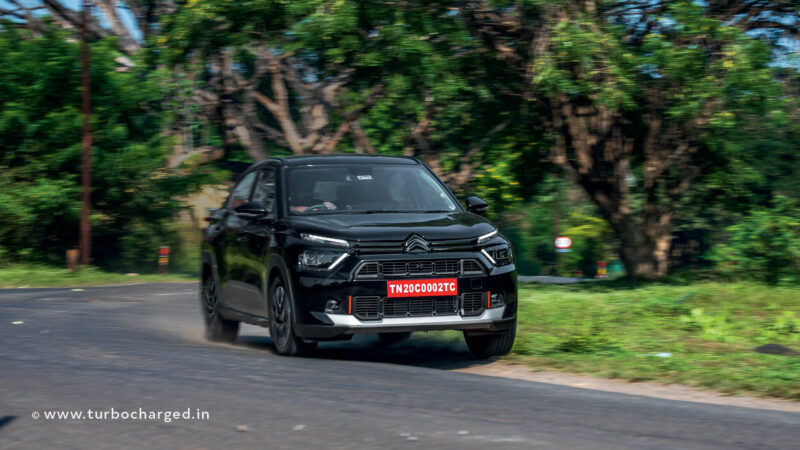
Citroën is as quirky as a carmaker can be, even outdoing its own country rivals at times. So it is not a surprise that they decided the best way to boost sales in an SUV-dominated market is to launch a coupé-SUV, and name it after a volcanic rock. This unfathomable chain of decision-making led us to the Basalt, and we are very grateful that it did, because once you get past the quirks, you reach one of the most versatile cars in this price bracket. But before we get down into the details, a quick overview of the vehicle is in order.
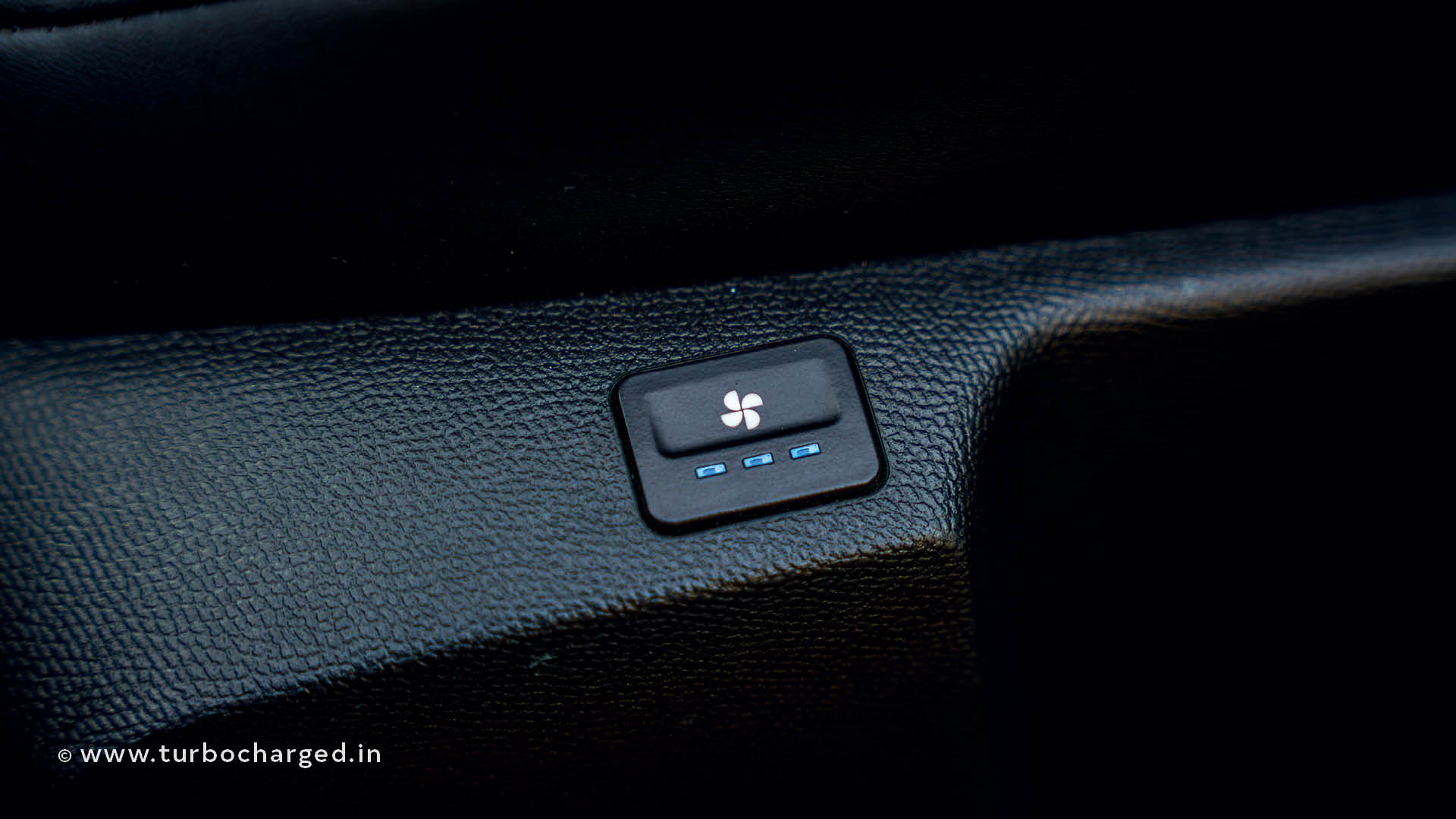
The Basalt came out last year and was immediately noticed by the enthusiasts, but it was a bit too unconventional for the average consumer. Furthermore, the lack of brand recognition for Citroën in India didn’t help. The Basalt impressed us journalists, but failed to turn that into sales numbers. So Citroën sought customer feedback and came out with this, the Basalt X, which adds a few features to improve the appeal of the SUV-coupé. They went with ventilated seats, which are super useful in India, ambient lighting, which provides an upmarket vibe, and Cara, a digital AI assistant who, when asked about Citroën, almost refused to stop talking, so they had their priorities right when programming her! There’s also a 360° camera, which is a dealer-fitted option but is very well-integrated and really rather useful during parking.
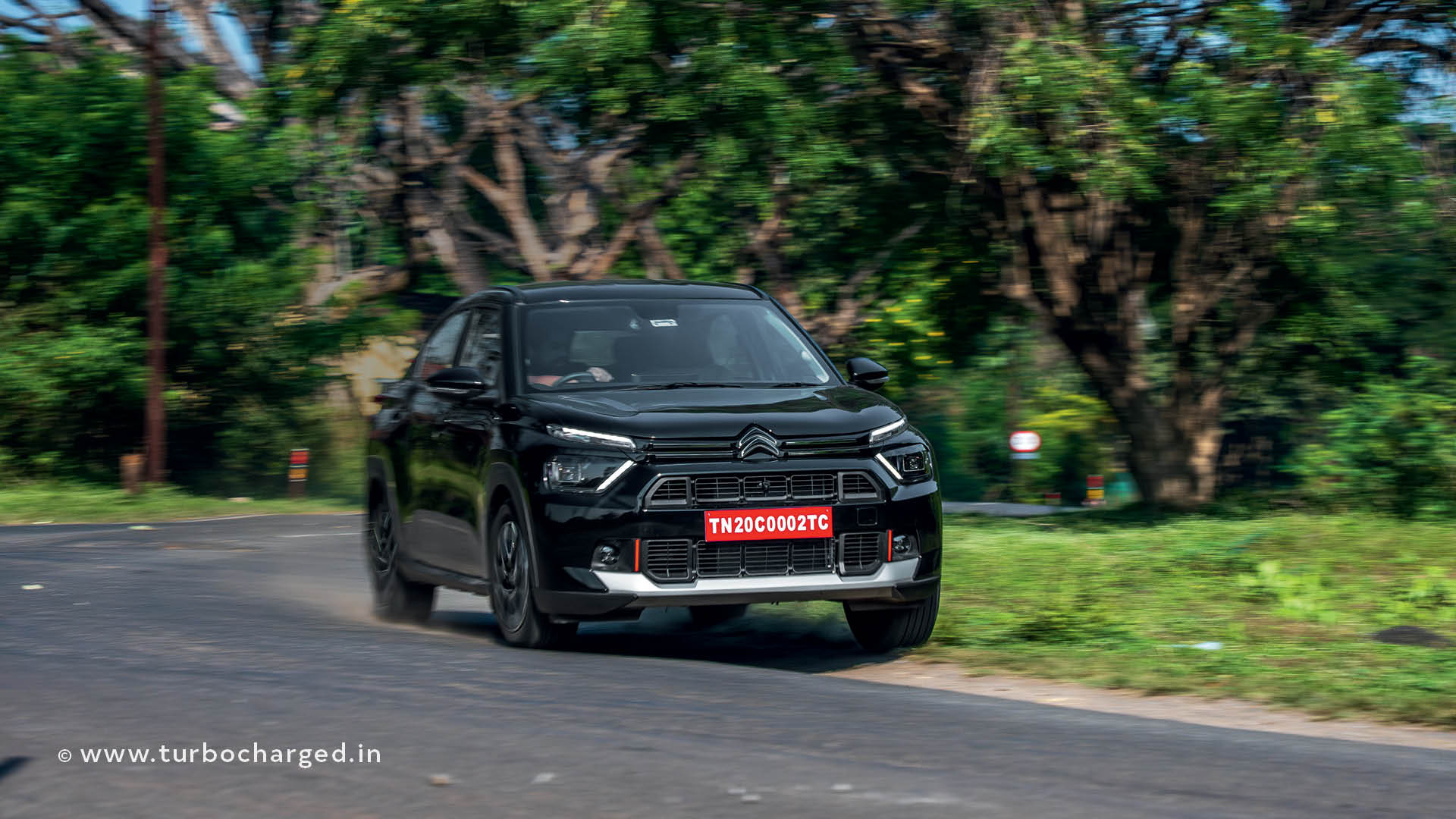
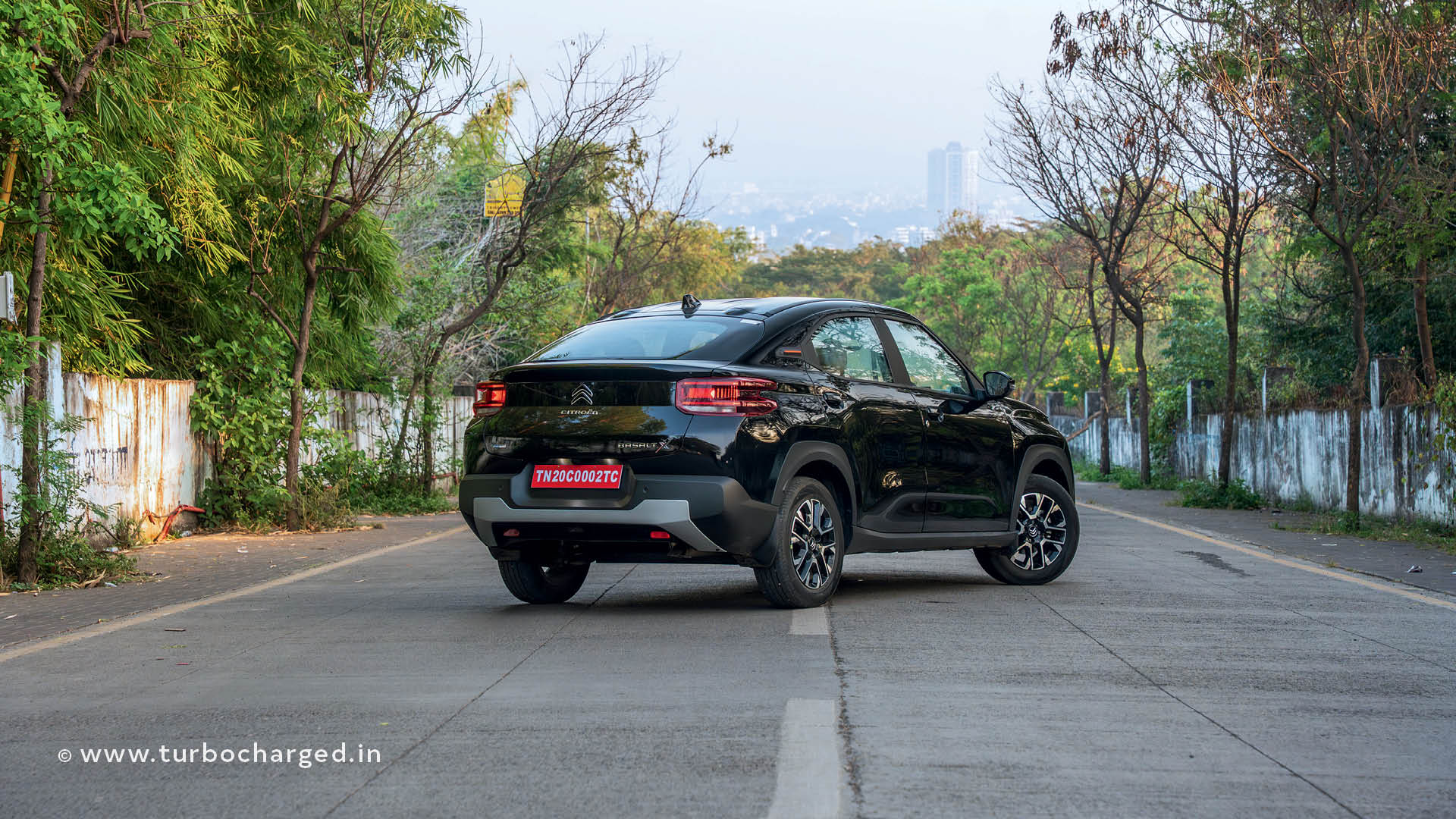
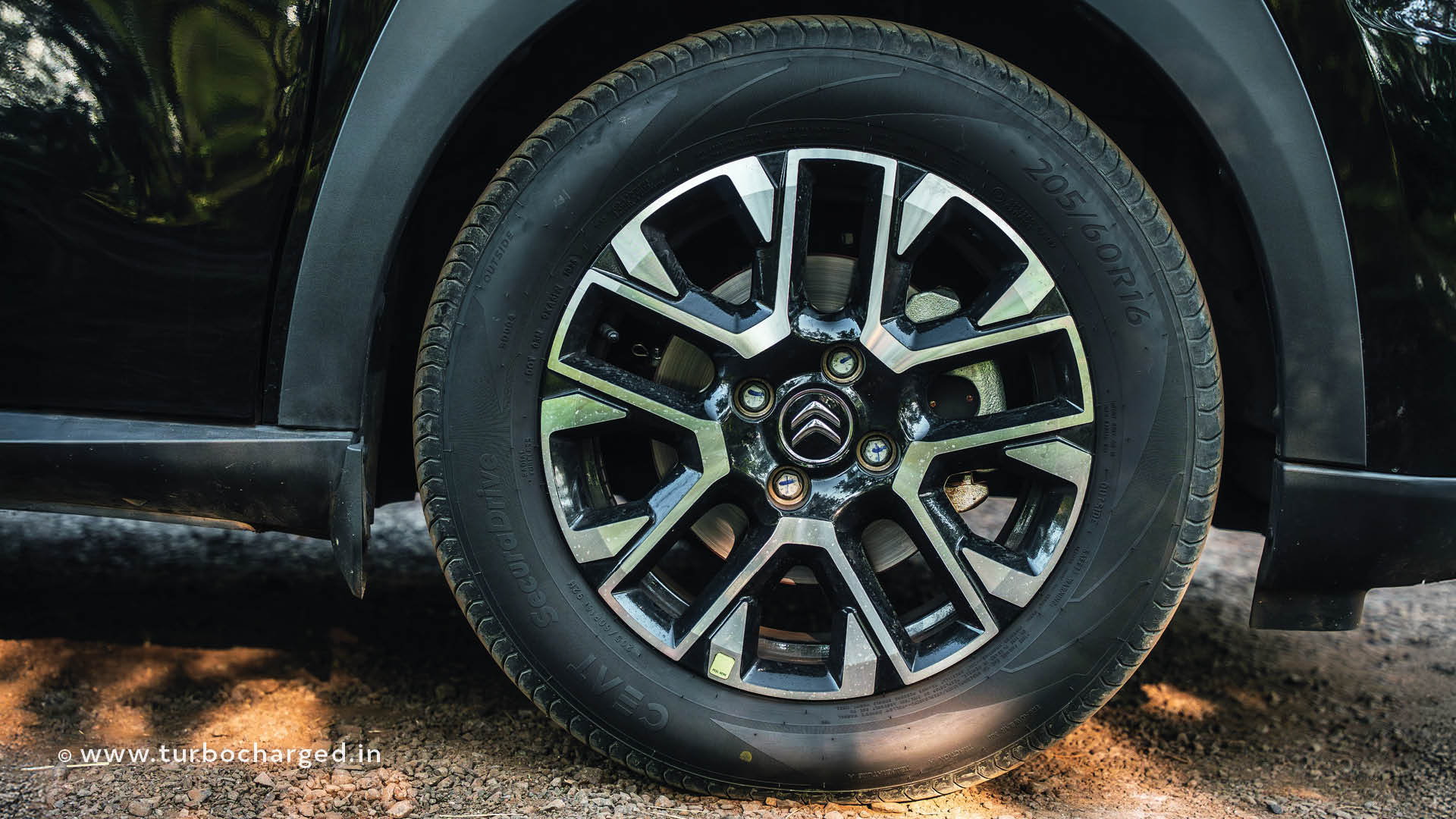
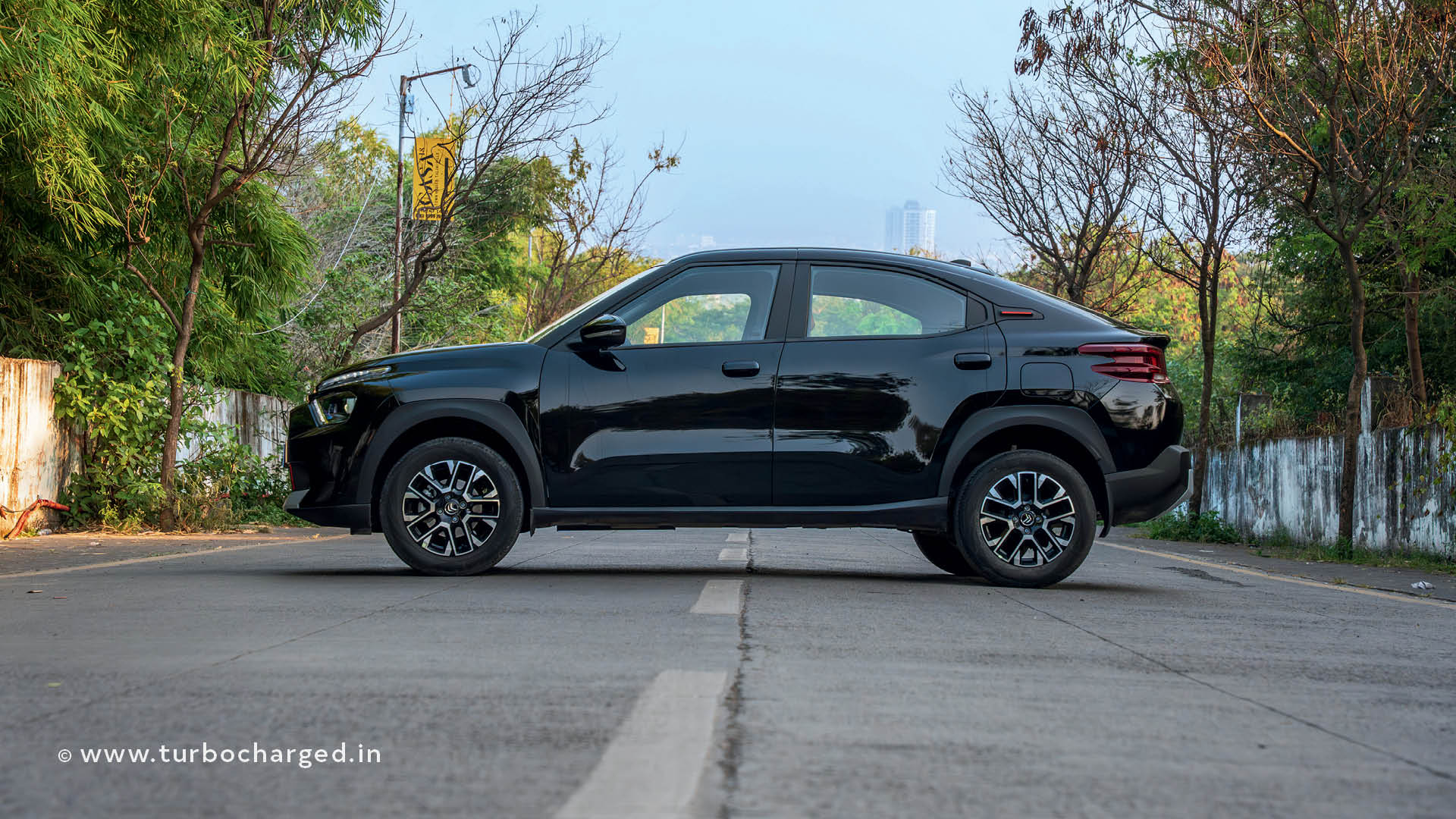
Design-wise, I love the shape; it is something that would have been called just a sedan back in the day, as the only other car I can think of that followed this path of evolution was the Maruti Suzuki SX4 sedan — also derived from an SUV bodystyle. The two cars share the raised ride height, a four-door body, and I feel a similar philosophy that led to their creation. The fastback from on the Basalt, though, turns heads, even in this stealthy black colour. I also love the symmetric alloy wheel design, which has become quite rare these days, with manufacturers opting for asymmetric ones a lot more.
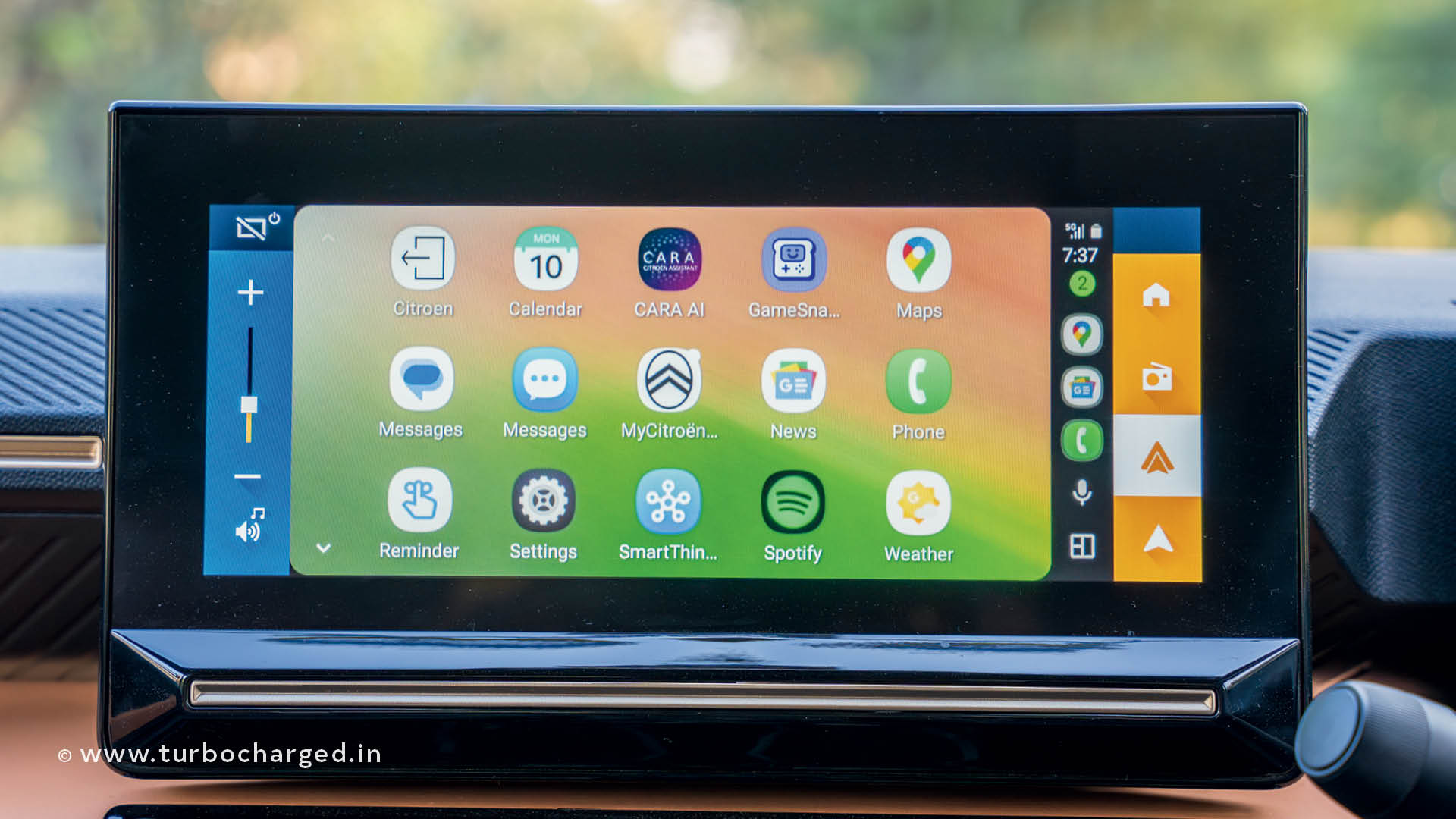
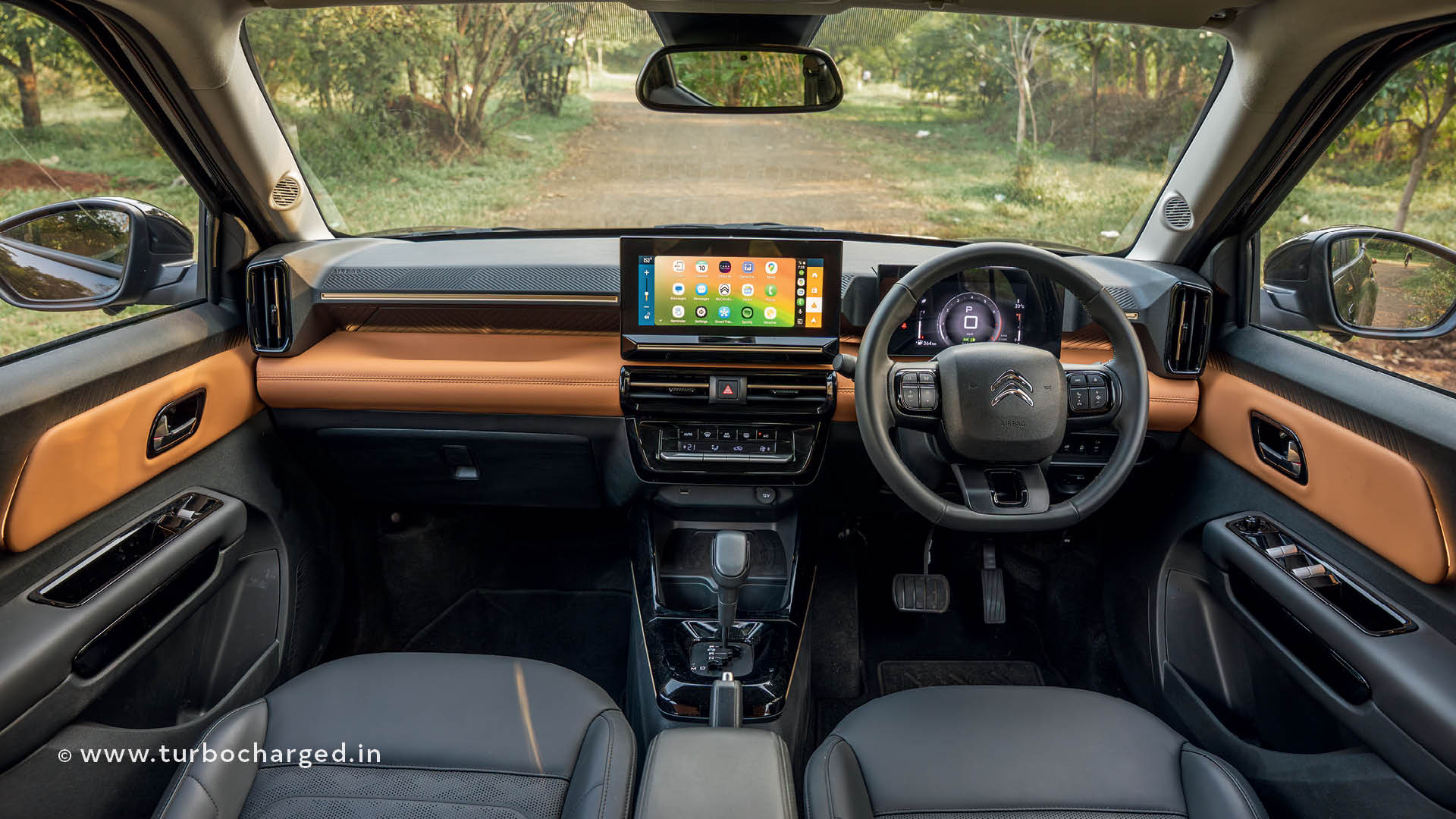
There’s a refreshing honesty about the interior of the Basalt. Materials are great for the price bracket these cars operate in, though some rivals offer a slightly more premium feel. Two things I love about Citroën interiors in general are the small-diameter steering wheel and excellent side bolstering on the seats, which are some of the most comfortable seats I have ever been in a sub-10 lakh rupee car. There is some French quirkiness here, like the fact that in order to charge your phone, you either have to own a 12V cigarette lighter port charging adapter or do the sensible thing of reaching out behind the centre console and groping around for one of the USB-C charging ports available exclusively to the rear passengers. But you’ll forgive the Basalt its little foibles once you reach the powertrain.
The functional nature of the Basalt interior made me yearn for a physical key to turn in a slot, but that’s not the case, as you press a start button to bring the 110PS 1.2-litre turbocharged petrol to life (there’s also a 1.2-litre naturally aspirated with 82PS with a choice of manual and auto transmissions). The automatic transmission made the Basalt feel more like a go-kart. The gearbox, having been tuned for fuel economy, does tend to short-shift a bit, but a firm shove with the right foot is enough to make it realise that it’s the time to drop down through the cogs, and then you’re off. The Basalt X picks up speed deceptively quickly, and the first time the speed chime came on at 80kmph, it was so unexpected that by the time I realised what it was for, I was into triple-digit territory. Make no mistake, the Citroën Basalt X with the turbo-petrol is a rather fast car.
While the Basalt lacks automatic headlamps and rain-sensing wipers, you understand where Citroën’s development budget went the moment you start driving. The Basalt paints a tapestry of the road underneath, which is richly detailed yet soft and not sharp, like the best of the impressionist painters from the same country. The suspension is nothing short of magic, and while you may expect top-tier suspension from a flagship product like the C5 Aircross and Citroën in general, it is shocking just how accomplished the damping is. Despite the cossetting ride quality, the handling is pin-sharp and the Basalt can be placed right on the apex of turns as your internal monologue says “5 right, don’t cut!” Citroën’s rally heritage is quite well-known, as it went on a nine-consecutive World Rally Championship (WRC) drivers’ title rampage, and it shows in the suspension of its most budget-friendly offerings as well. I pulled off Scandinavian Flicks in it without ever upsetting the balance of the car, and then it still smoothed out road imperfections of different amplitudes and at varying speeds. The Basalt X then comes with some choice upgrades over the regular Basalt, and is a hoot to drive and yet supremely comfortable. With prices starting at ₹7.95 lakh for the range and the ₹12.90 lakh for the one we drove with the turbocharged engine paired to an automatic transmission, the Basalt X is for those who value driver enjoyment more than features. Therefore, all Citroën needs to do is to position it slightly differently and entice people, particularly driving enthusiasts to take a test drive, which should see the Basalt post the sales numbers it deserves.