

BMW officially acquired Alpina this year, and it continues to drip-feed us details of the acquisition. The latest nugget is the reveal of the new logo. It is a modern interpretation of the original logo. Gone are the shield and red and blue colours, and they are replaced by a monochrome colour scheme. BMW has retained the carb and crankshaft of the original logo, along with the brand name at the top. This is a nod to Alpina’s beginnings – its first product was a Weber dual carburetor for the BMW 1500 that was so good, BMW retained the factory warranty for the vehicles fitted with it.
Alpina will be positioned as a premium sub-brand within the BMW hierarchy in a similar fashion to Maybach is with Mercedes. It will be positioned as a luxury product below Rolls Royce, and will avoid overlap with BMW M products by focusing on comfort and grand touring rather than outright performance. This falls in line with Alpina’s ethos, since its products historically have focused on better torque delivery and creature comforts rather than outright pace. There will be an ‘unprecedented level of customisation’ available for Alpina customers, says BMW.
Alpina was founded in 1965 in Bavaria, the same region of Germany as BMW. It has been an exclusive tuner of BMW vehicles, and its peak, its racecars were extremely successful in motorsport, winning the European Touring Car Championship, Spa 24 Hours, and the German Hillclimb Championship. The German Federal Ministry of Transport recognised it as a manufacturer rather than a tuner even before the merger with BMW. It has worked very closely with the latter, having models assembled at BMW’s plants, shipping its own engines to be fitted at these factories, and then having the assembled vehicles shipped to its own facility in Buchloe for the final touches. Now, the entire assembly and finishing will happen in select BMW factories, while the facility in Buchloe will continue to operate with a focus on heritage products, parts, and aftersales.
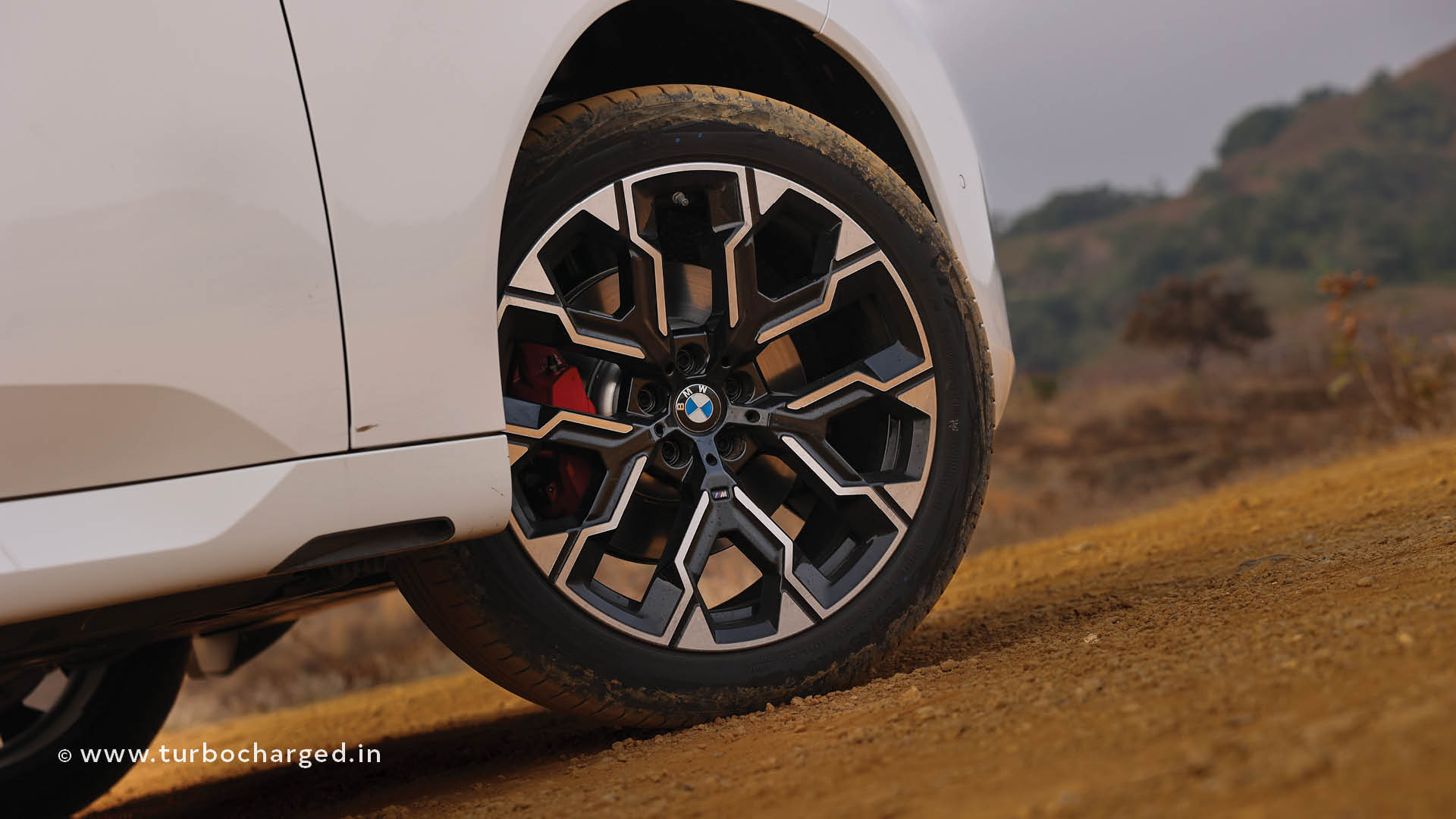
Alpina has influenced the automotive world in its own small way – it was the first manufacturer to put gearshift buttons on the steering wheel (remember the Porsche PDK buttons?), and if you’ve admired those deep-dish BMW alloy wheels with many, many spokes and the apparent lack of valves, that’s a nod to Alpina’s 20-spoke alloy wheel design with the valve hidden under the hubcap.