


Manufacturers always find ways to make us test new vehicles, some have a dedicated test track, while others trust our judgement and allow us to go where we want. But MG took an unconventional route and turned this test into a challenge: drive close to 1,000km on a single tank of fuel and a single charge. No refuelling, no plugging in, just the car and a very long road.
Our route began in Gurgaon, with Ahmedabad as the final destination and a halt in Jaipur to recharge ourselves, not the car.
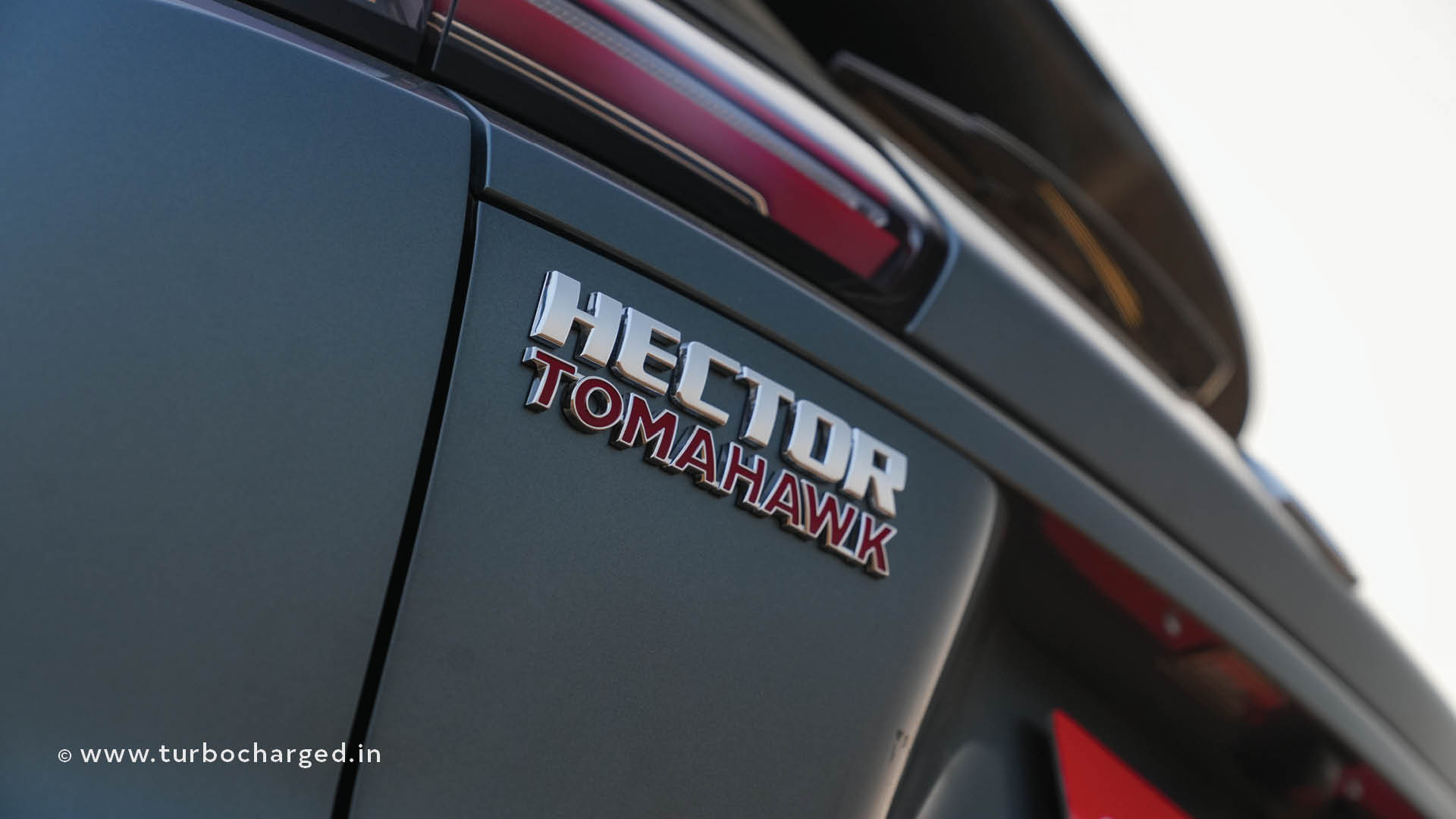
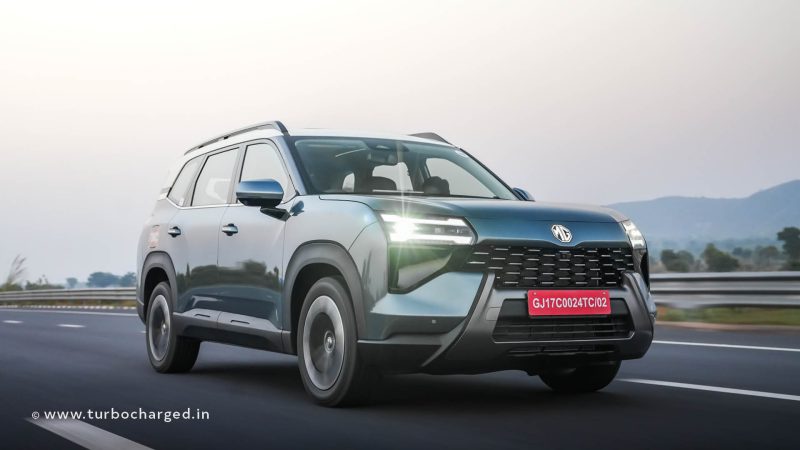
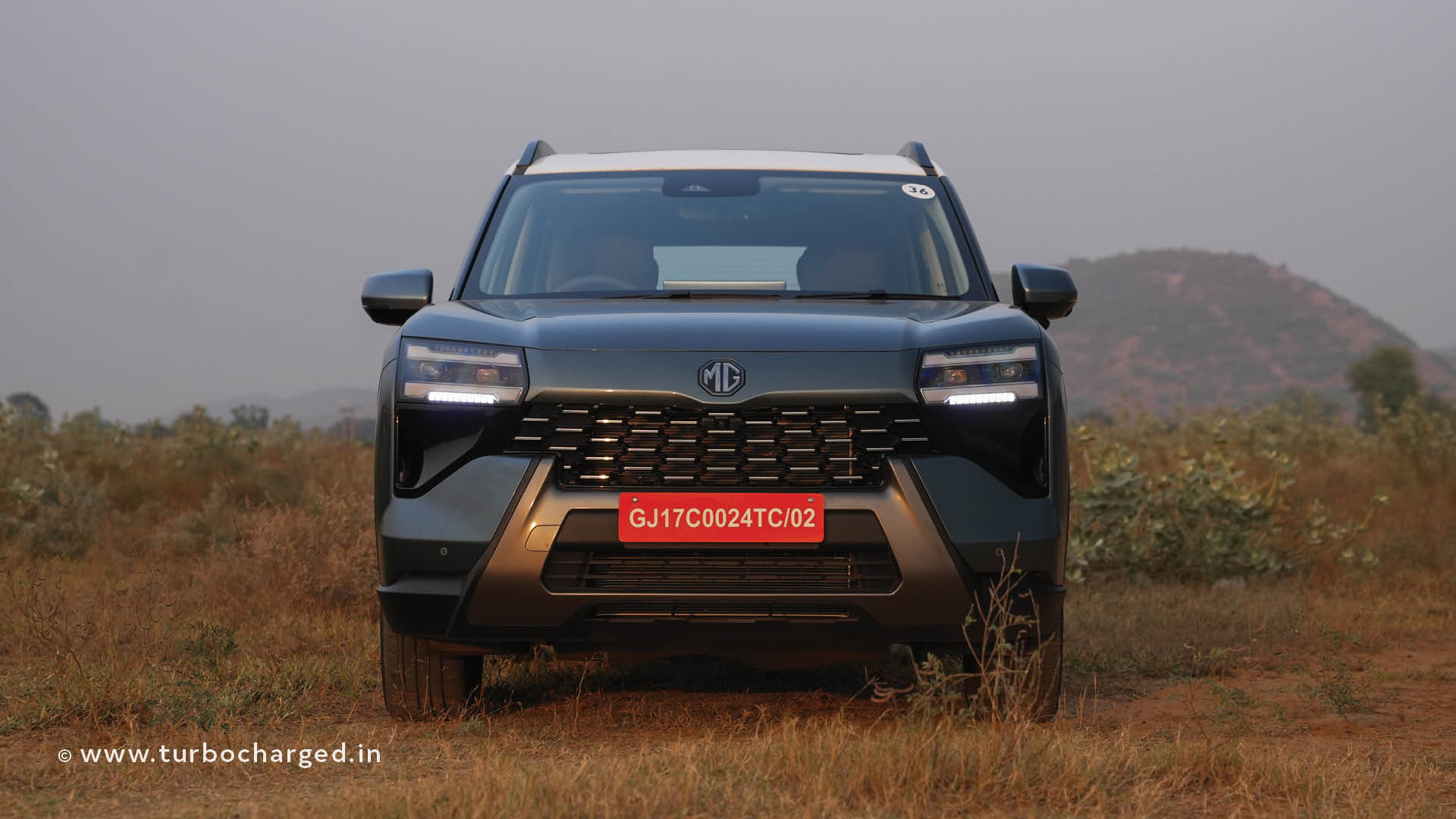
Before we rolled out, I took a quick walk around the car to soak up its design. Park the Tomahawk PHEV next to its all-electric sibling and you’ll struggle to tell them apart. The visible differences are the functional grille up front, which the EV doesn’t need, and a different alloy wheel design. Overall, I like the way it looks, and it carries the shared look well. With a long day ahead, the next question was whether the cabin is a place I’d want to spend time in.
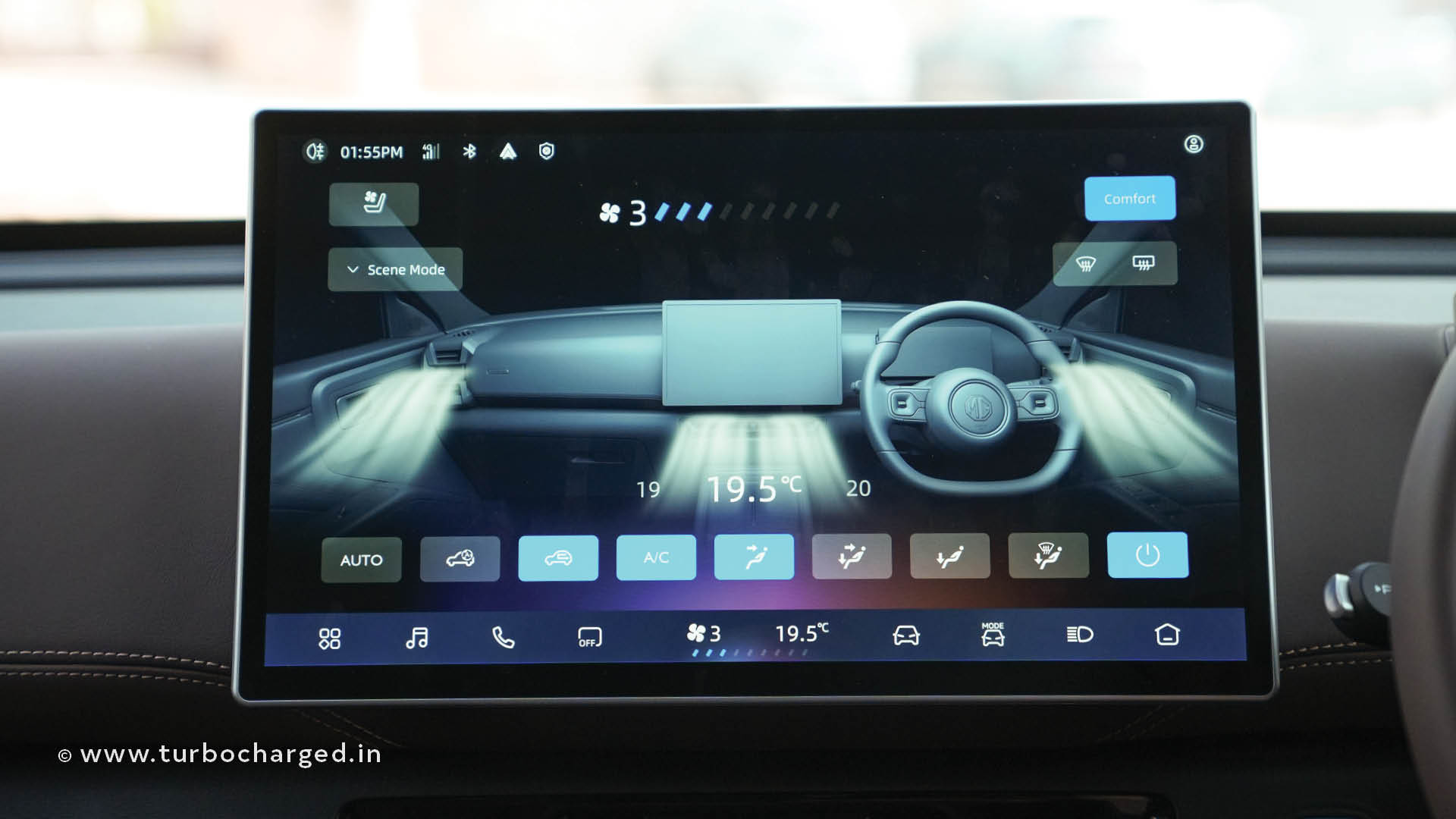
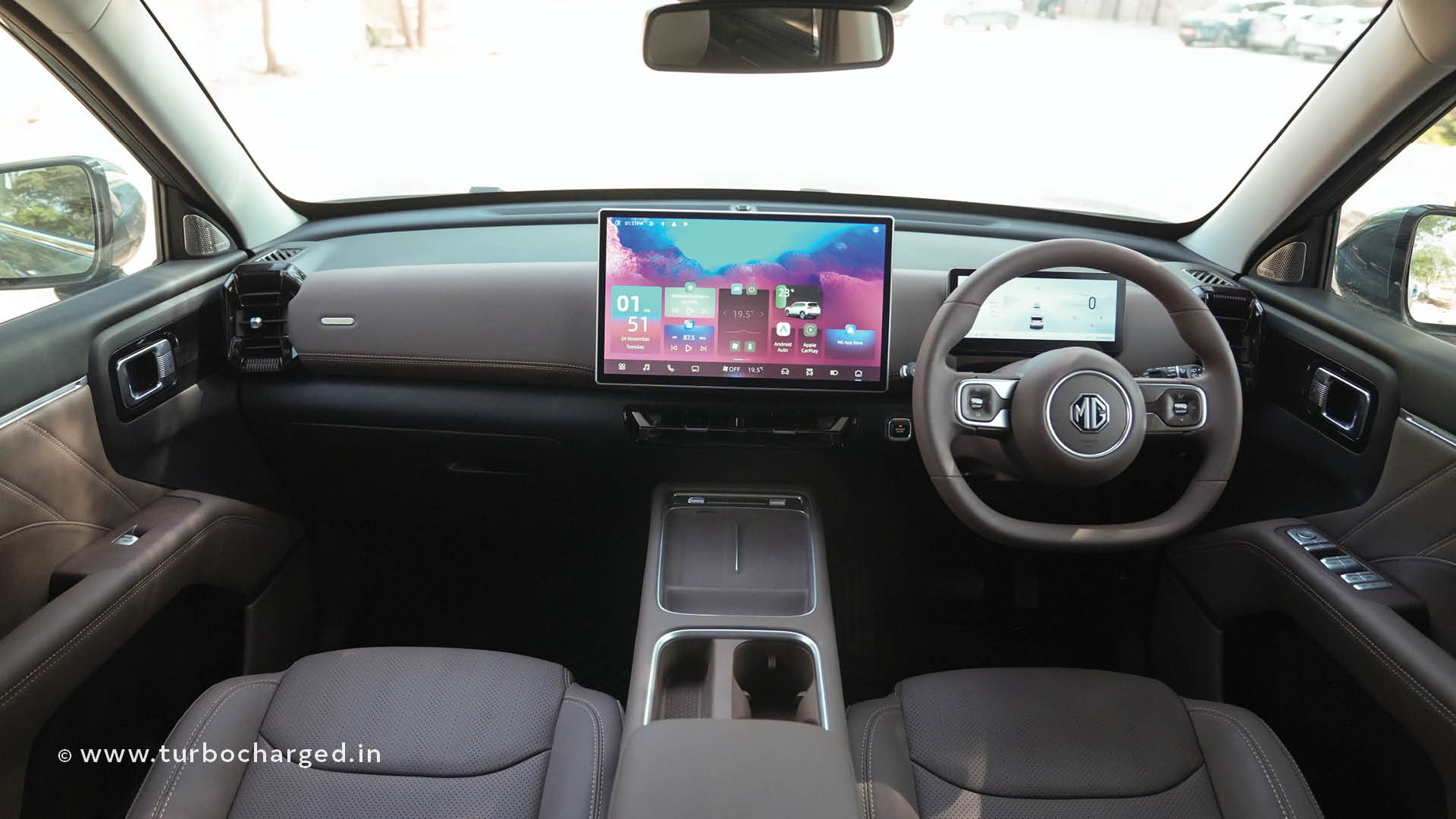
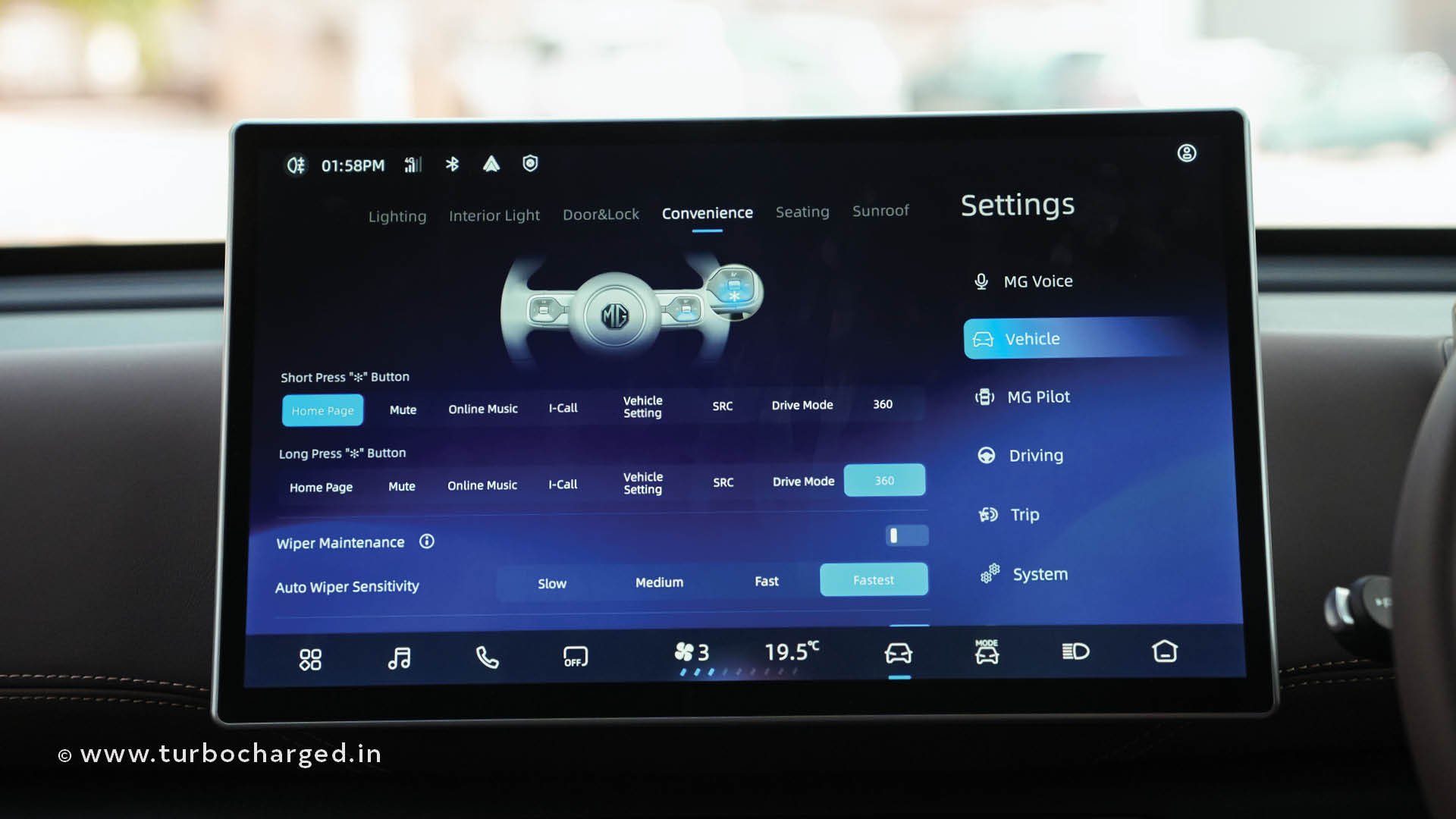
The first thing you notice once you settle in is how few physical buttons there are. Most of the functionality is baked into the 15.6-inch infotainment which is an impressive and pretty loaded unit with wireless Android Auto and Apple CarPlay. The animations are smooth and the overall quality is crisp, but under direct sunlight, legibility becomes an issue. I also don’t like the fact that it makes simple tasks into chores like changing the volume. There are physical buttons for the aircon but when using Android Auto, it doesn’t display the changes made using those physical buttons and I had to guess what the temperature is.
MG does offer gesture controls, where swiping three fingers horizontally changes the volume, two fingers horizontally changes the temperature, and swiping two fingers vertically changes the fan speed. I didn’t use them on the drive and stuck to the buttons on the steering wheel. There’s also a ‘Smoking Mode’ in the aircon settings which increases the fan speed, tilts the sunroof and disables recirculation, an interesting quirk in my opinion.
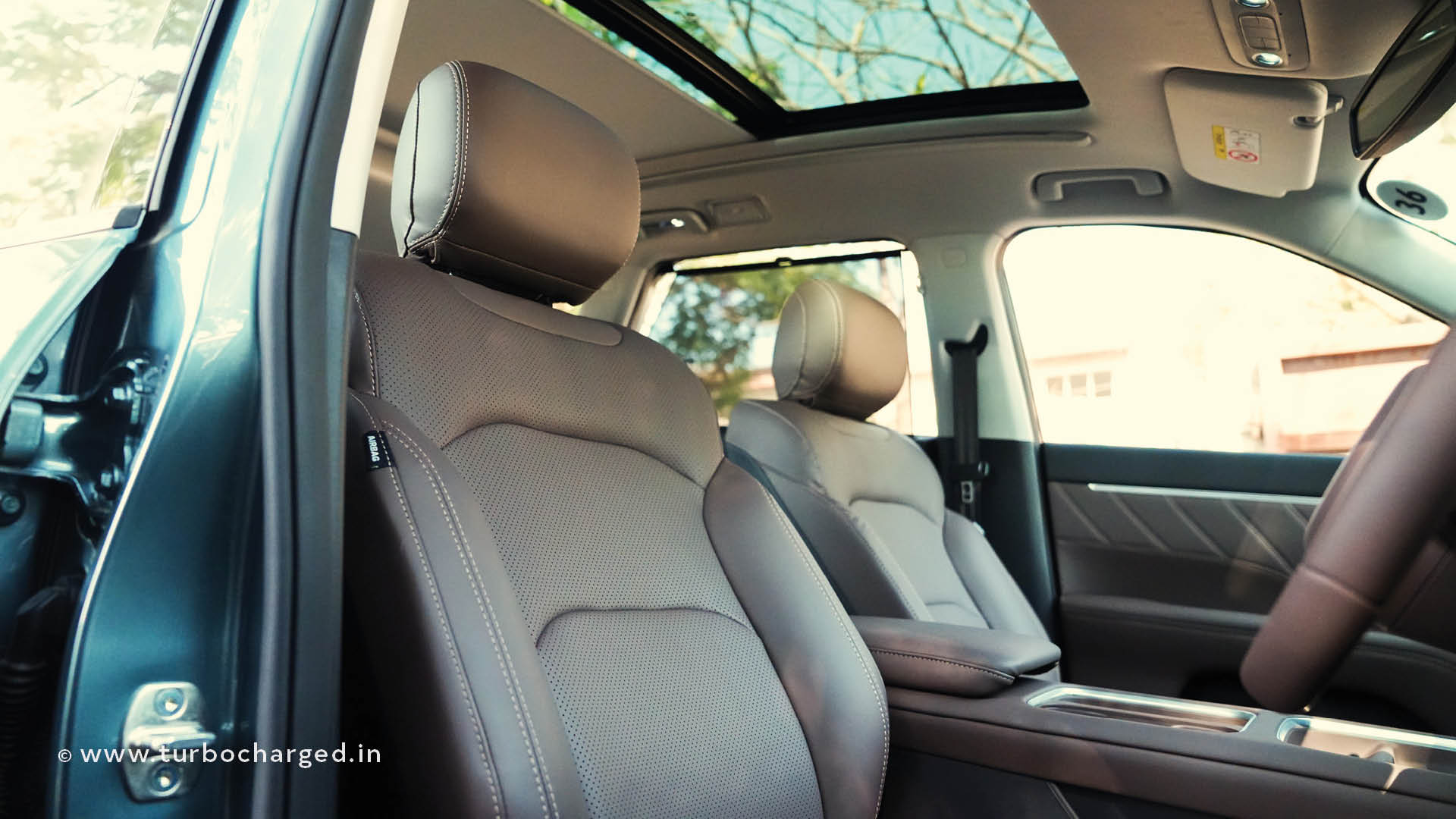
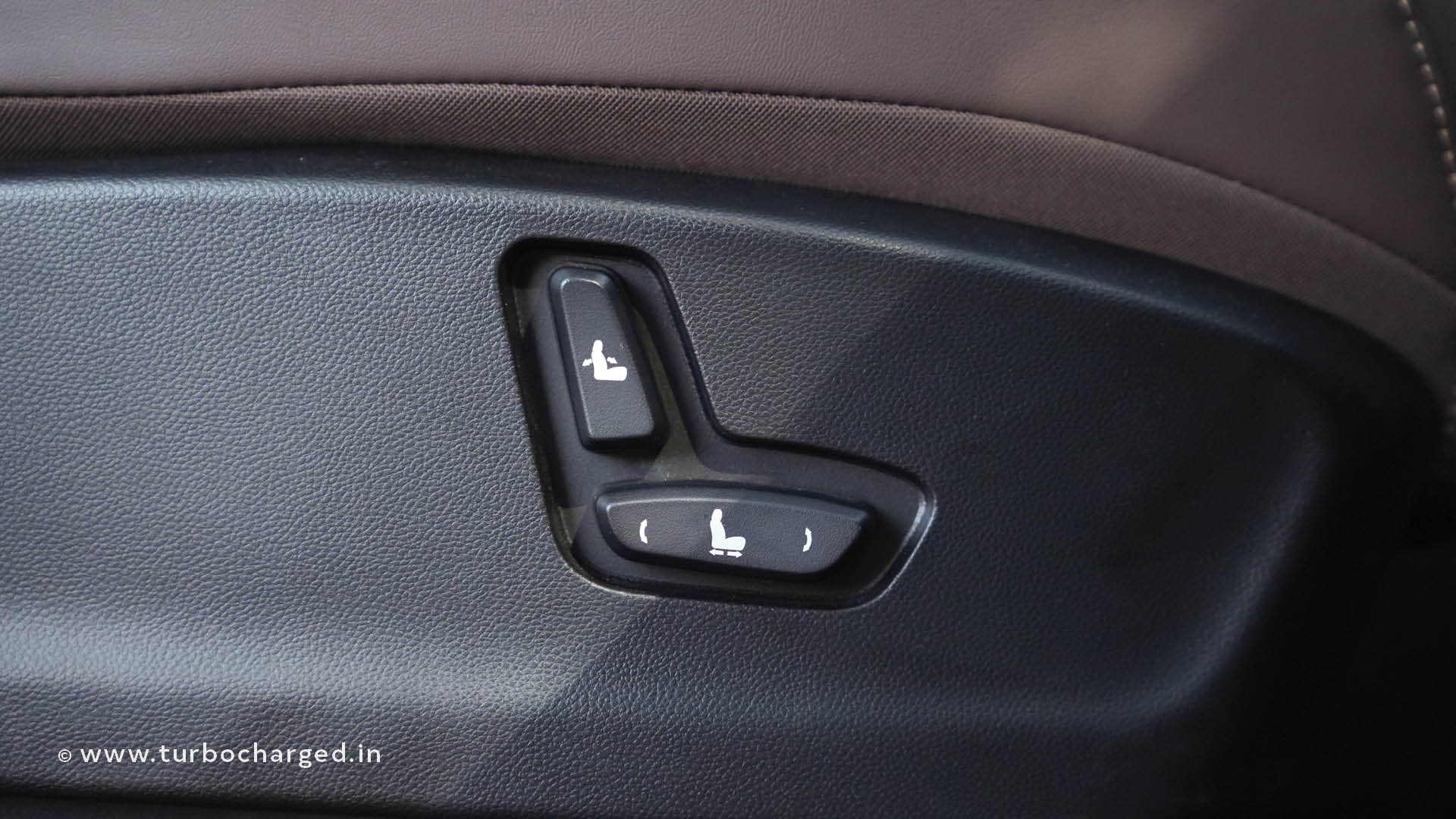
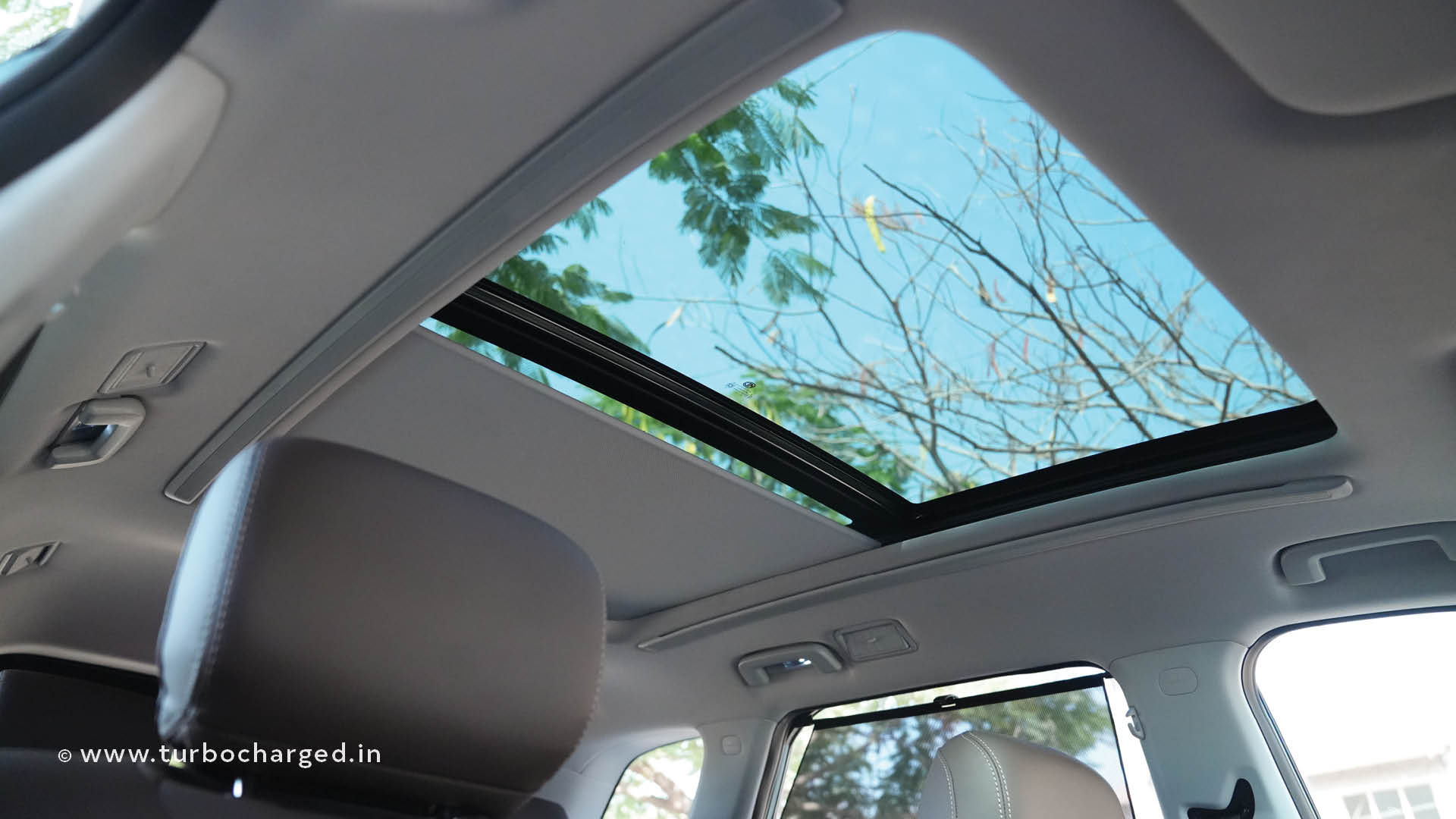
What made hours behind the wheel pleasant was everything else in the cabin. The feature list includes an 8.8-inch digital driver’s display, electric adjustment for driver and co-driver seats with ventilation, a 50W wireless charger, 10-speaker Infinity sound system and Level 2 ADAS. The fit finish levels are excellent with soft-touch materials on the dash and door panels, the seats are comfortable though the lumbar support was a bit protruding. All of that paired with ambient lighting, a large panoramic sunroof and a well balanced sound system uplifts the overall driving experience.
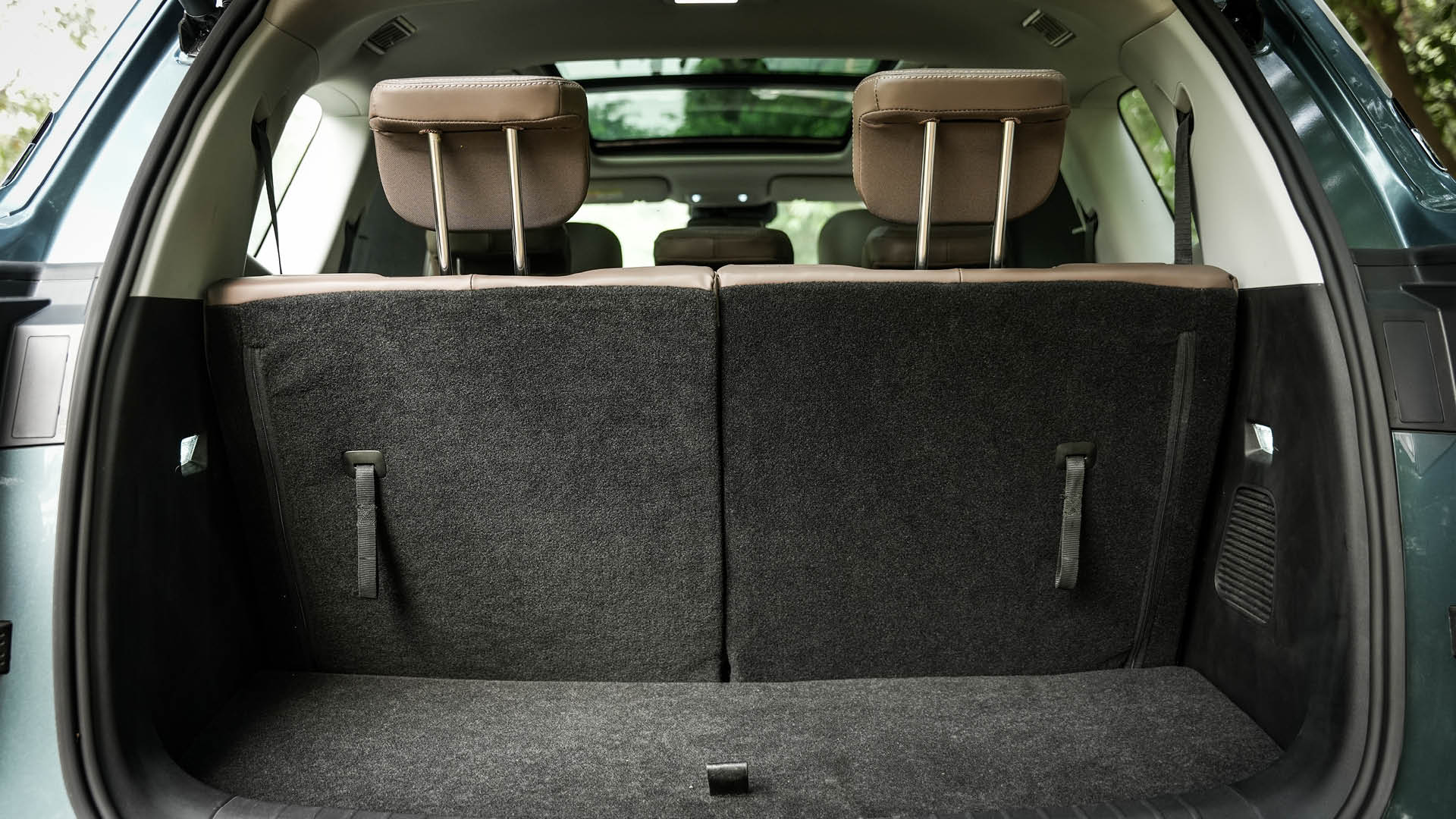
While the kilometres roll by, one thing kept nagging me: the Tomahawk PHEV comes only as a seven-seater, while the Tomahawk EV is offered in both five or seven-seater configurations. In my opinion, that’s a strategic decision. The PHEV is all about range and intra-state touring, and a seven-seat layout suits a car meant to carry a full family and their luggage over long distances.
The range is the reason why this challenge was held, so it’s worth a look at the numbers. A 1.5-litre NA petrol engine running on an Atkinson cycle makes 102PS and 125Nm. It works with an electric motor rated at 201PS and 237Nm, fed by a 20.5kWh battery. Combined output is roughly 201PS and 230Nm. MG claims over 115km of pure-electric range and more than 1,100km combined, which is really impressive.
So what is it like to drive? Well we’ve driven it mostly on the highway and the first thing that impressed me was the powertrain. The power delivery is punchy and overtaking was never an issue, even with a depleted battery. You can pull out and pass the traffic without any planning. The engine is extremely refined and only turns vocal at speeds upwards of 140kmph. The NVH levels are good overall, though some road noise creeps into the cabin. The steering is pretty light at city speeds which makes it easy to manoeuvre through traffic, and weighs up nicely as speed builds up. Braking is another strong point as they are sharp and offer good bite, but they’re brake-by-wire which puts them on the sensitive side of the spectrum, a little tap is all you’ll need.
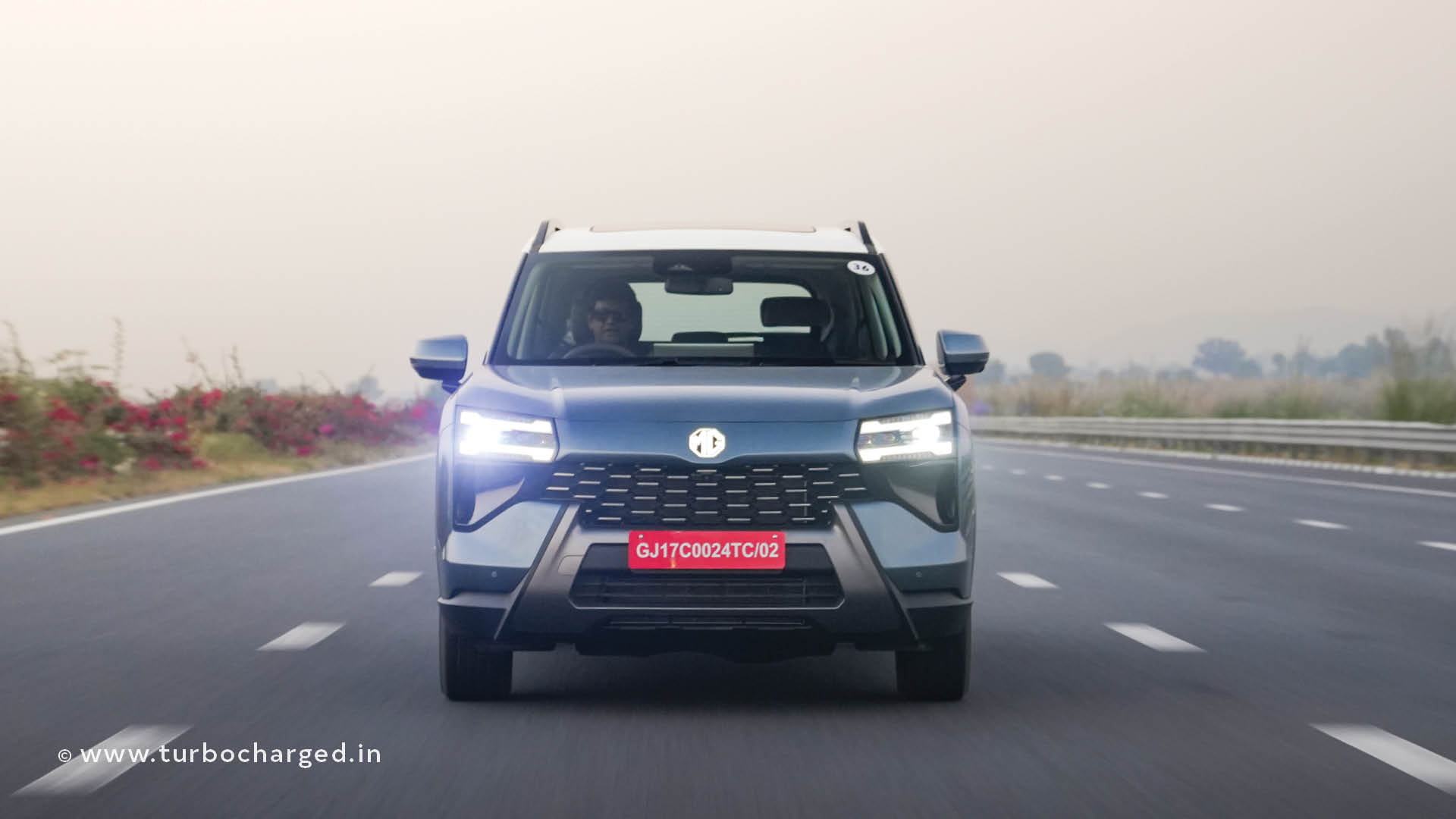
As for the driving dynamics, the suspension setup is pretty soft, at city speeds, it soaks up undulations nicely however big potholes and speed breakers can make it bottom out. At highway speeds, undulations make the ride a little bouncy and rumble strips tend to unsettle the rear. Turn in at speeds and the weight transfer is noticeable, a reminder that this is a tall seven-seater.
And then, after covering 973km the destination was in sight. We entered Ahmedabad with some fuel and charge still left! We managed around 22kmpl accumulated fuel economy, and that includes some spirited driving too.
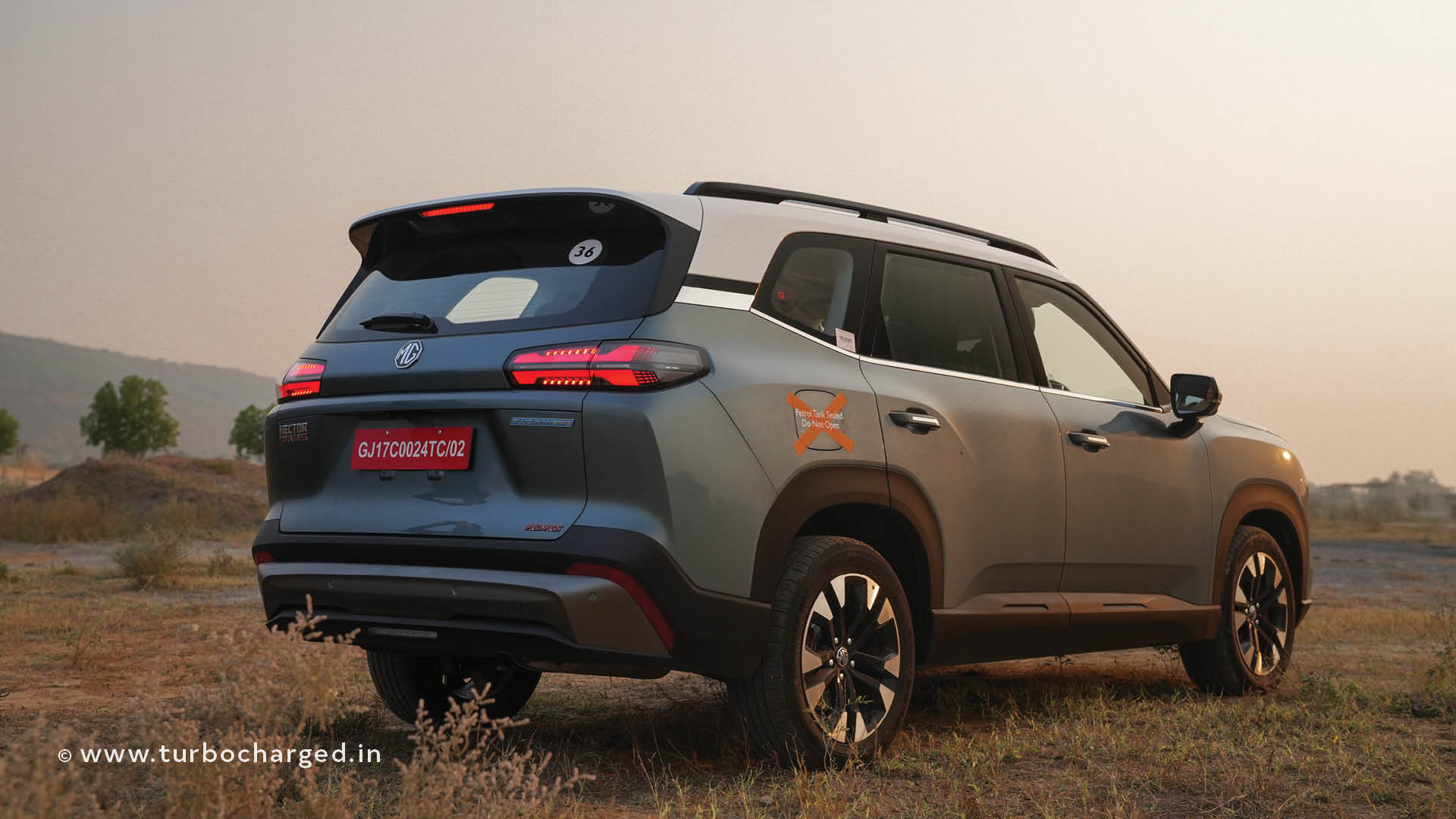
So having lived with it for the entire journey, I’d call the MG Hector Tomahawk PHEV a good overall package for the money with prices starting from ₹25.69 lakh ex-showroom or ₹21.79 lakh plus ₹3.20/km under BaaS. Yes the suspension is quite soft, but this isn’t a car you take to the back roads for fun. It’s the one you pack your bags into and take your loved ones on a long road trip. It will cover the distance comfortably, and you’ll get to spend most of that time with them, because you’ll tire out well before the car needs refuelling.
Words Yash Bhargava
Photography Tanmay Vartak