


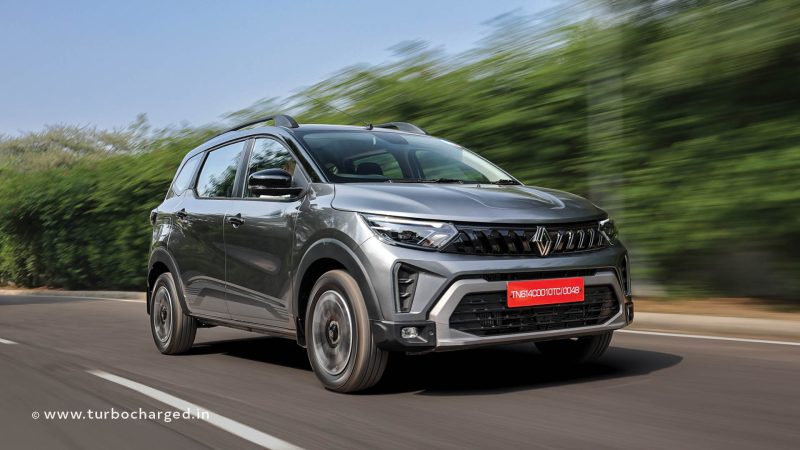
The Renault Triber has always been one of those cars that make you wonder why nobody else thought of it. A sub-four-metre, compact, 7-seat MPV with genuinely clever packaging, a very usable third-row space and practicality that can make larger SUVs look unnecessarily bulky. But there was always one thing missing: performance. The 1.0-litre, three-cylinder naturally aspirated petrol engine seemed to run out of breath when you needed it to perform the most, when carrying a full load, or even when trying to munch miles quickly. In fact its engine has been the Achilles’ heel for what is a brilliantly engineered vehicle otherwise.
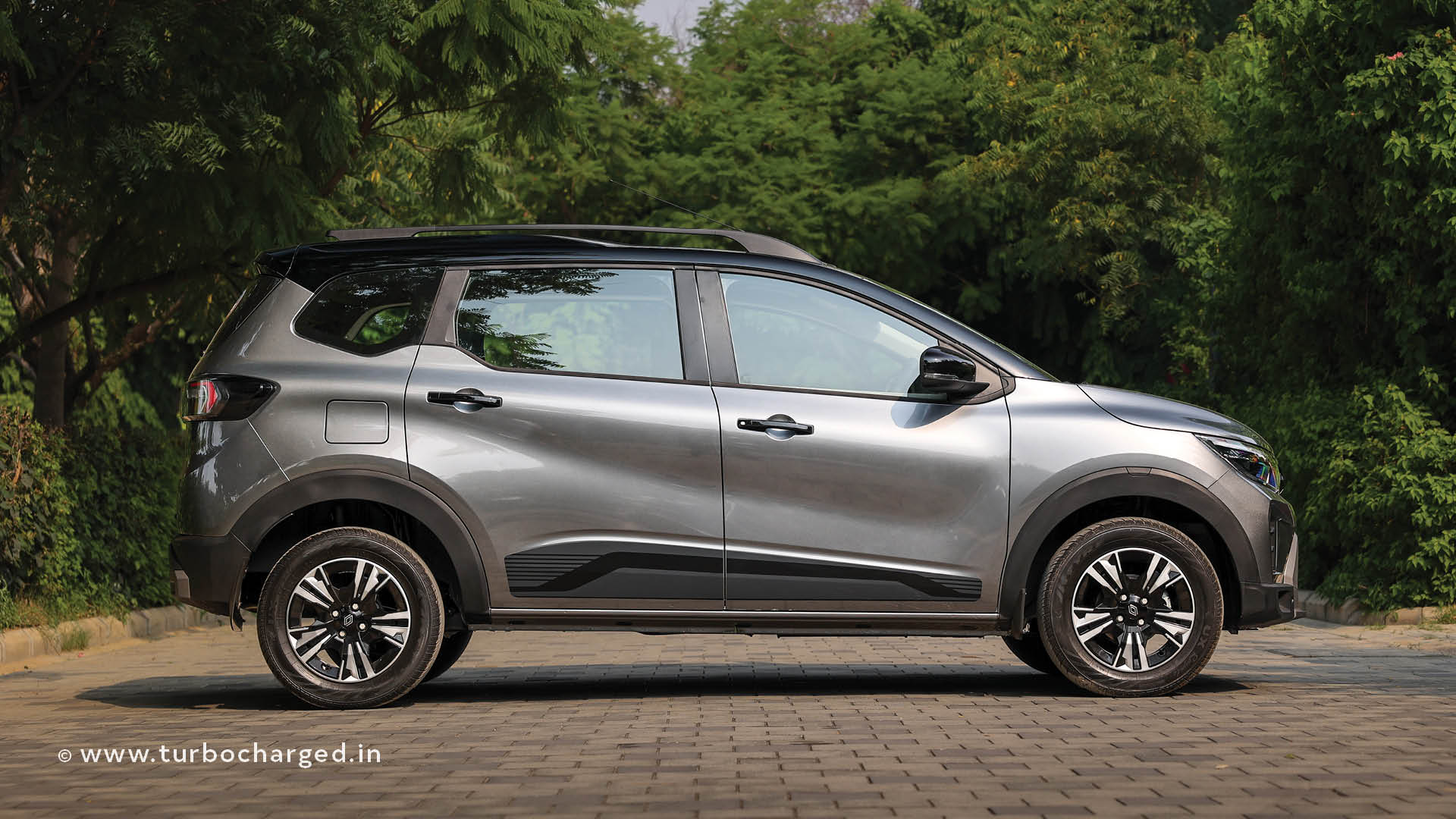
That changes now though because finally, Renault has plonked its 1.0-litre, three-cylinder turbocharged petrol engine making 100PS into the Triber’s engine bay. Except that it hasn’t exactly done that. You see, swapping the naturally aspirated engine with the Kiger’s 1.0-litre turbocharged petrol engine wasn’t simply a matter of dropping in a new engine. Renault has made structural changes to accommodate the higher performance, including switching from the CMF-A platform to its new RGEP (Renault Group Entry Platform), using 10 percent more high-strength steel, revising the engine mountings and making other reinforcements. So this isn’t merely an engine swap as you see in tuner videos.
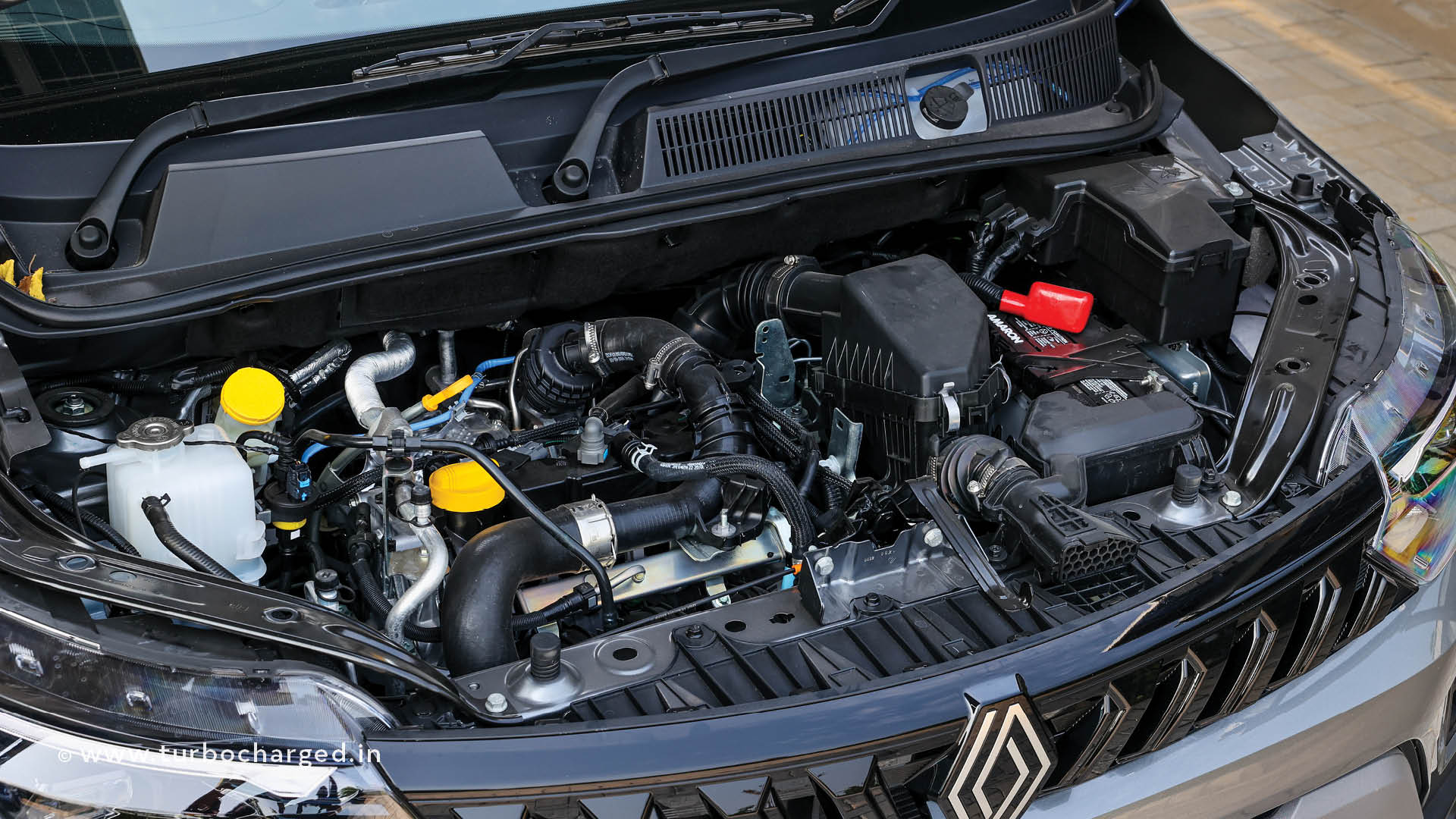
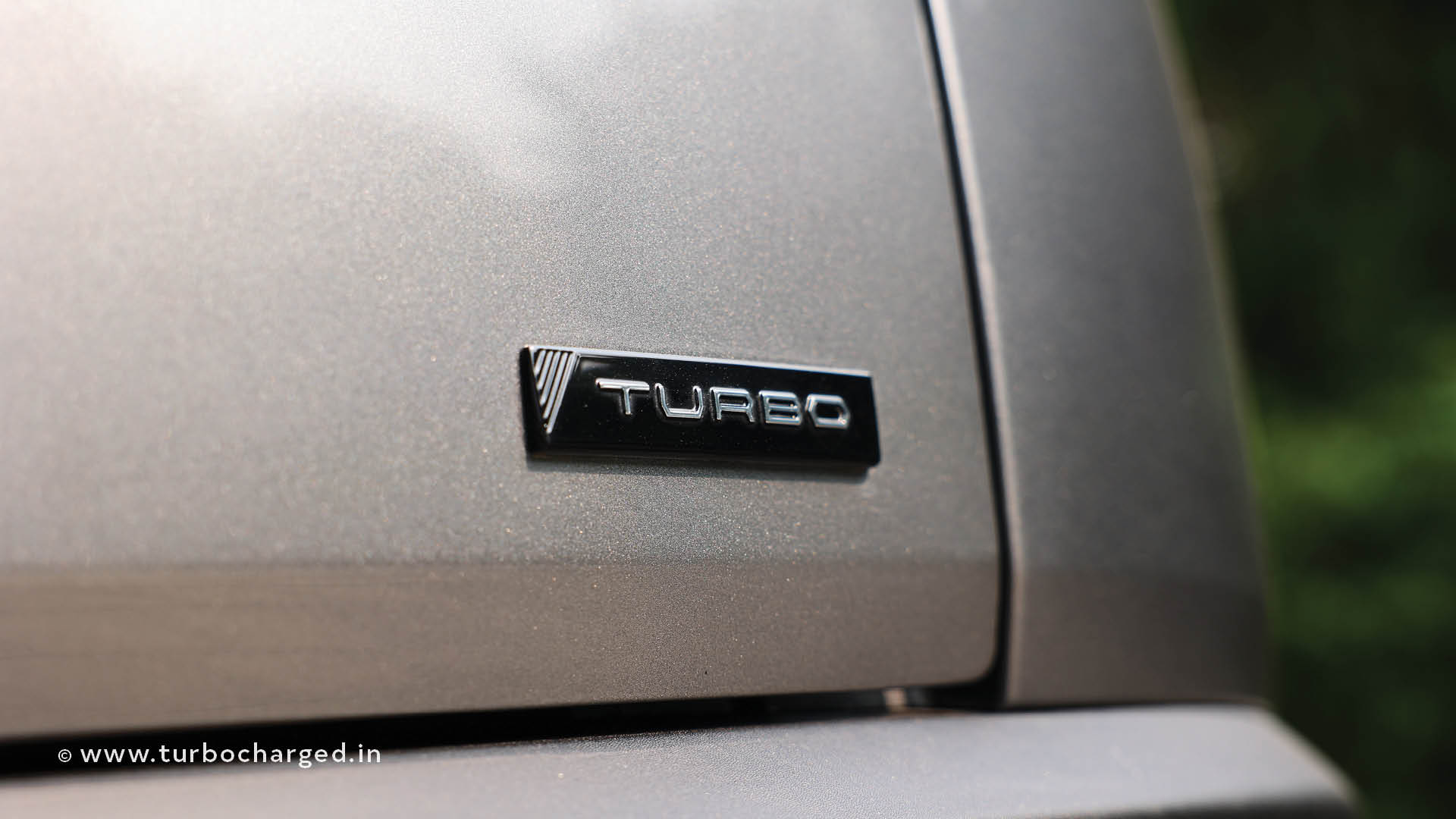
Of course, the result is still unmistakably Triber, and it feels the same – friendly and welcoming – but there is a newfound sense of energy surrounding it. As a member of the 100PS club the Triber Turbo also feels special, since as much power in something as compact and lightweight is a lot of performance lurking under the hood. What’s also worth noting is that the Triber Turbo boasts a peak torque output of 180Nm thanks to a new engine management system, which is higher than the Duster 1.0 and the Kiger! Renault claims a 0-100kmph time of 10.8 seconds, which is again very impressive.
The engine has that typical three-cylinder thrum at idle and it also sounds slightly coarse when revved hard, but the motor is refined and feels smooth. What I particularly like is how the extra performance works with the Triber’s inherent character. It feels as easy to drive as ever, compact enough for tight streets and responsive to inputs, with more than
enough shove to make overtaking and climbing inclines with a full house far less stressful. In fact, this is where the force-fed engine makes the biggest difference. Seven people on board no longer feel like the Triber is asking the driver to be patient; there is genuine urgency when you step on the gas, and the turbocharged engine breathes fresh life into the Triber’s appeal, quite literally! The midrange is punchy, and I also like the throttle response and the way the 5-speed manual gearbox responds to inputs; besides that, the clutch action is light.
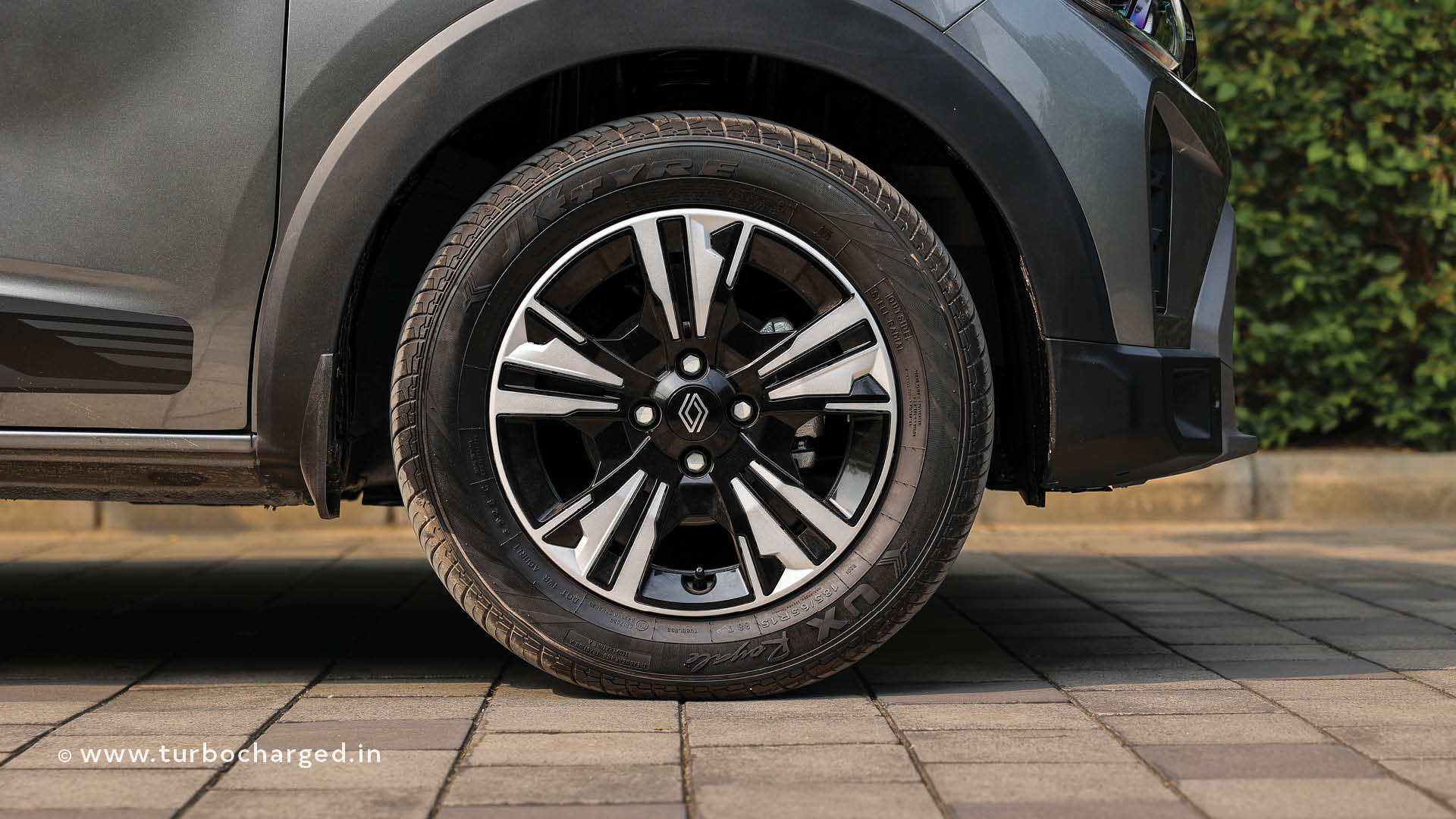
Renault has also reworked the thermal management system given the turbo-petrol’s need for better cooling, and the MPV uses a BLDC fan cooling system for improved cooling efficiency now. Speaking of efficiency, Renault is claiming 21kmpl for the Triber Turbo, which is very impressive on paper, but it should be interesting to see how frugal it will be in the real world. There are significant changes to the suspension setup as well to handle the additional loads and G-Forces, including enhanced springs and revised valves in the shock absorbers, and anti-roll bars at both ends. The changes have resulted in a weight gain of 80kg overall but the difference in terms of the MPV’s dynamics is telling, as it feels sportier and more confident. The ride feels more composed at higher speeds too and body roll is more controlled now – overall there’s a sprightlier feel, and youngsters will not exactly scorn at the prospect of having to drive one.
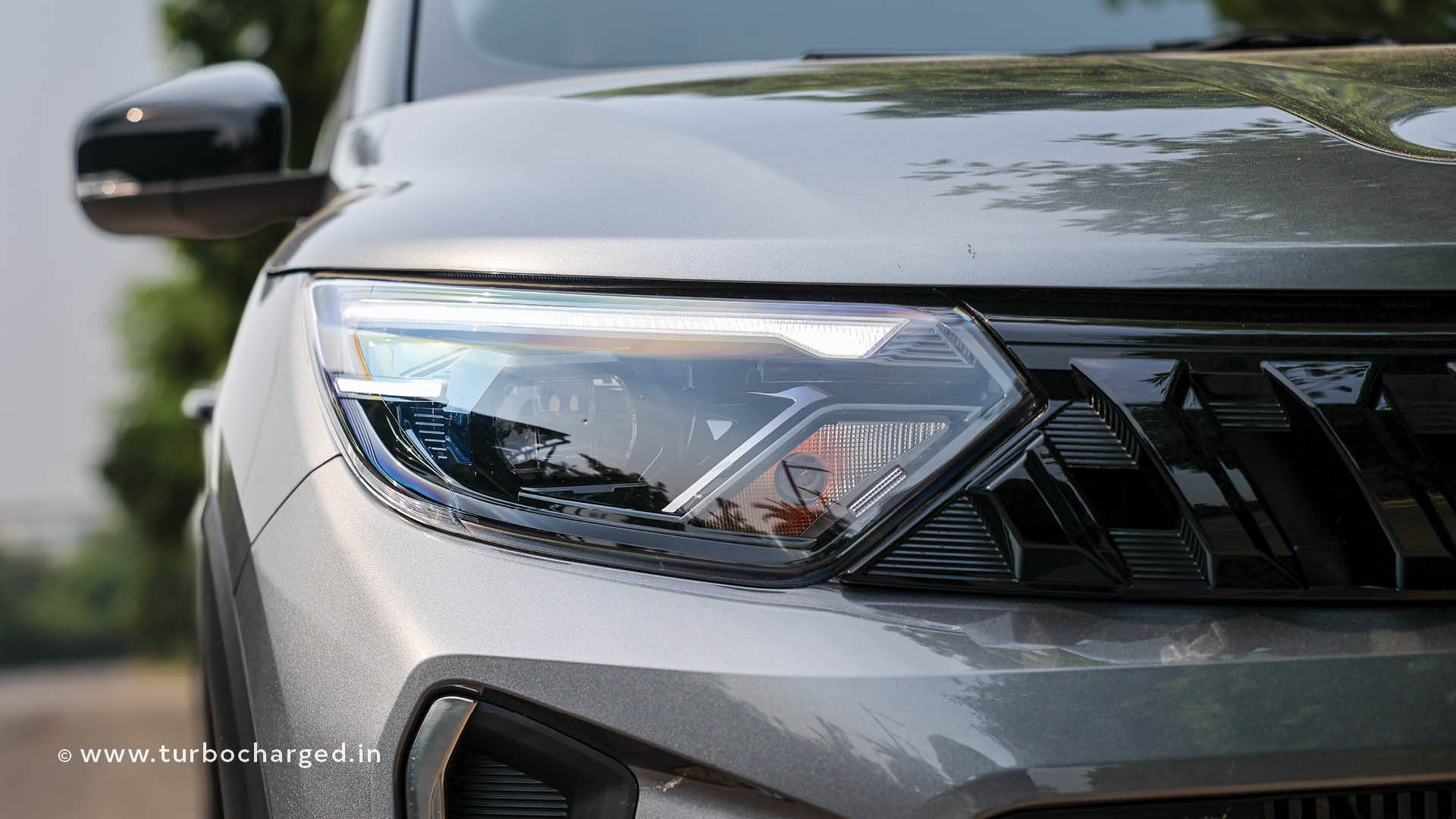
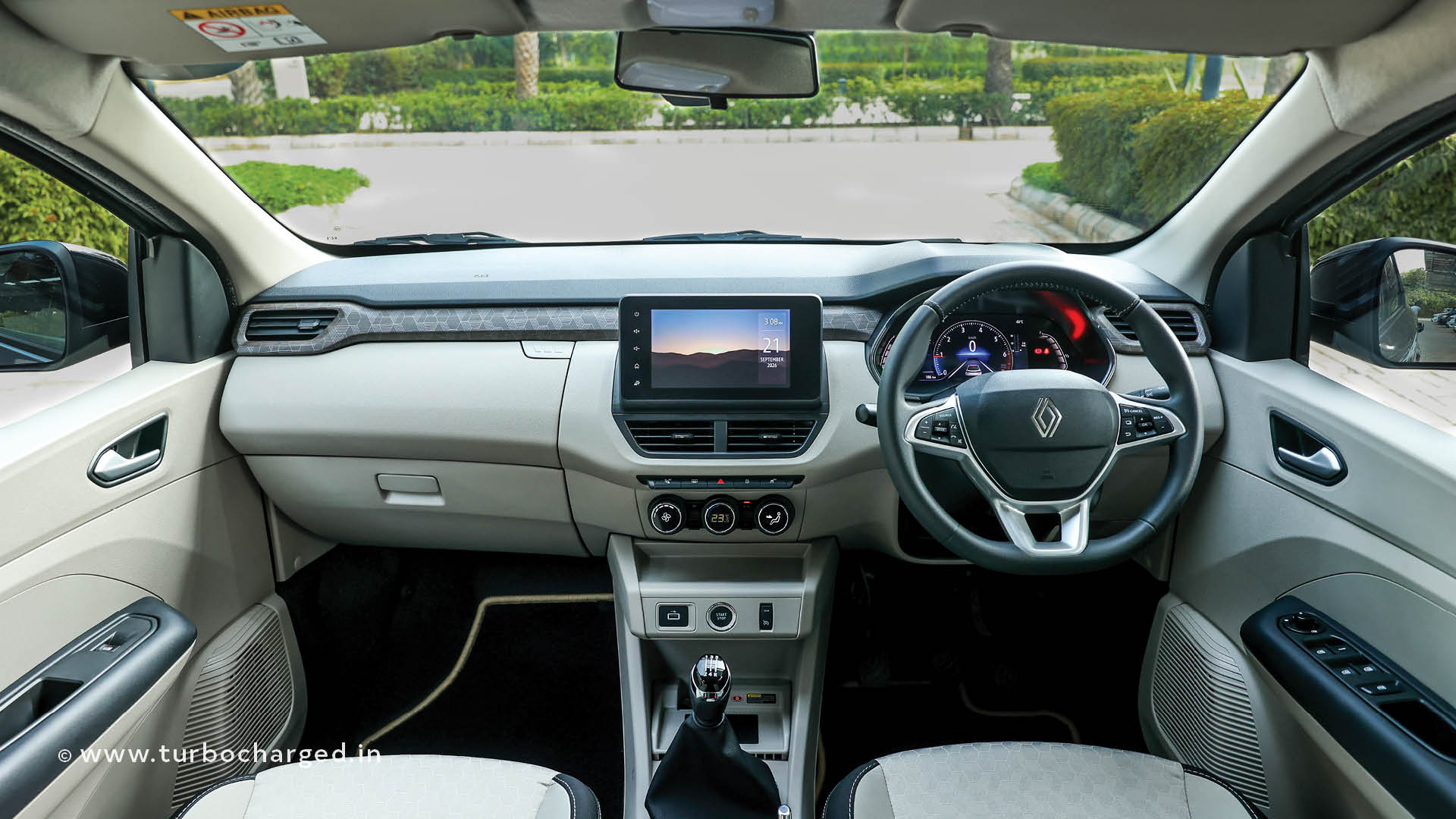
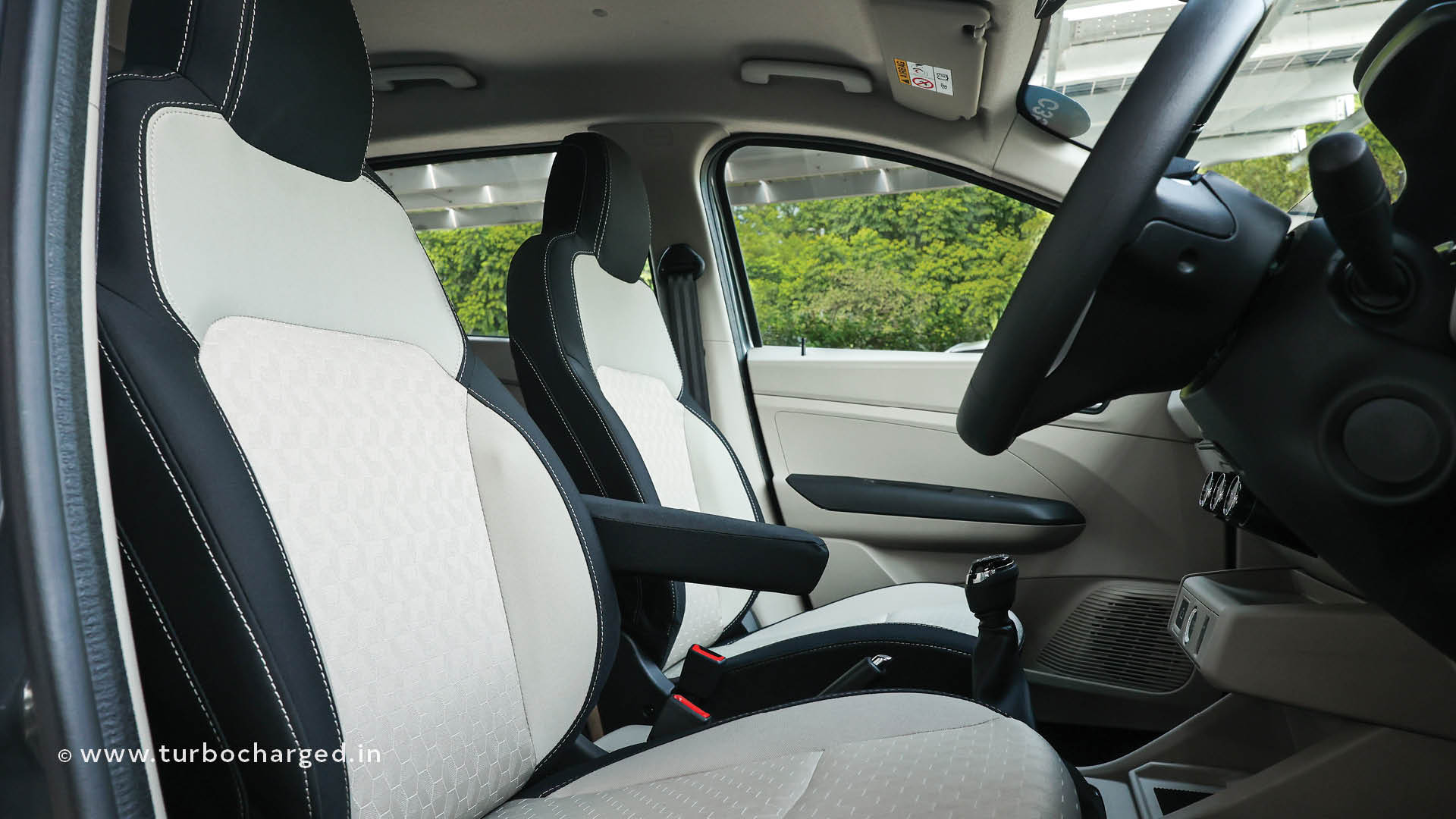
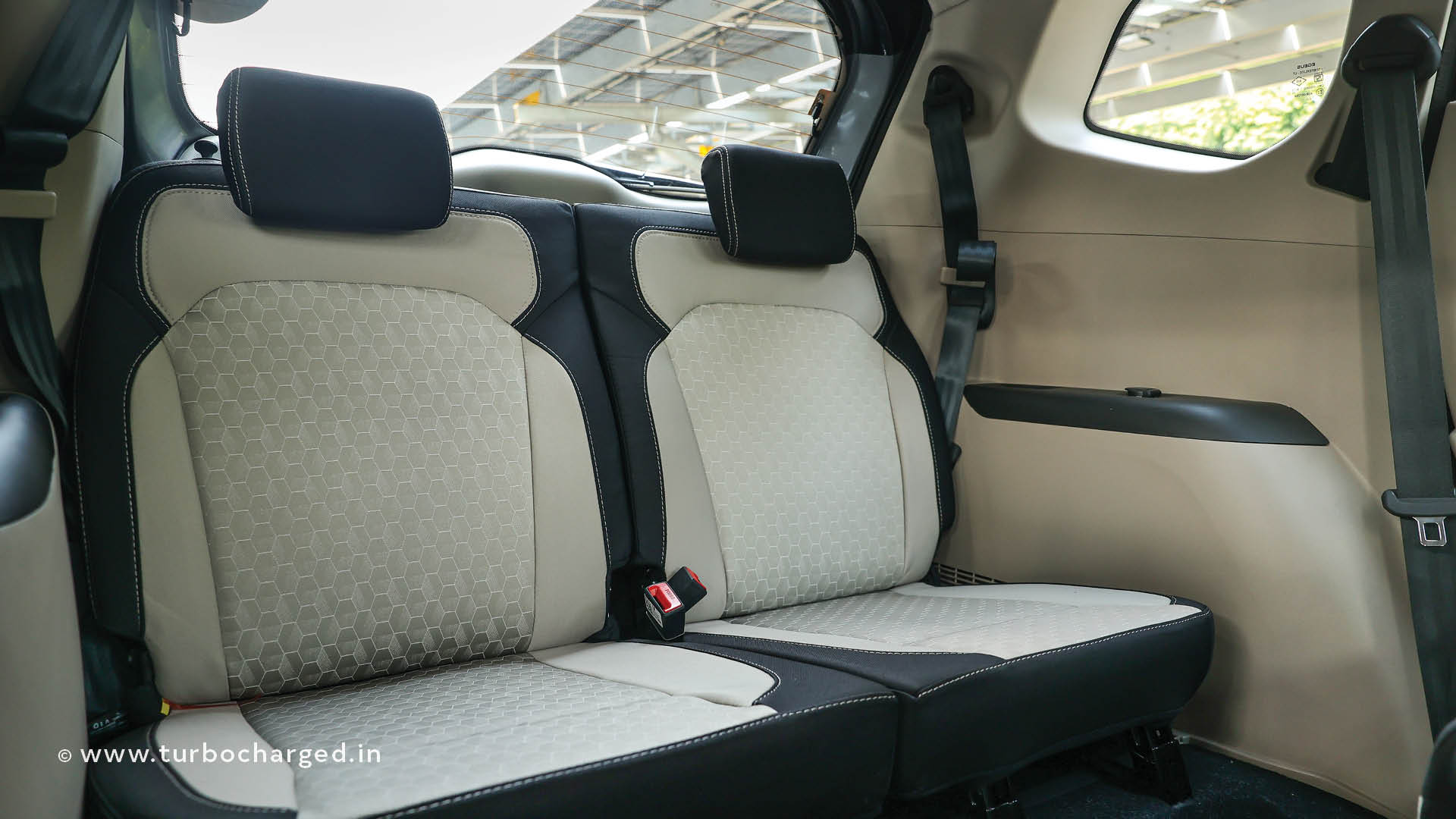
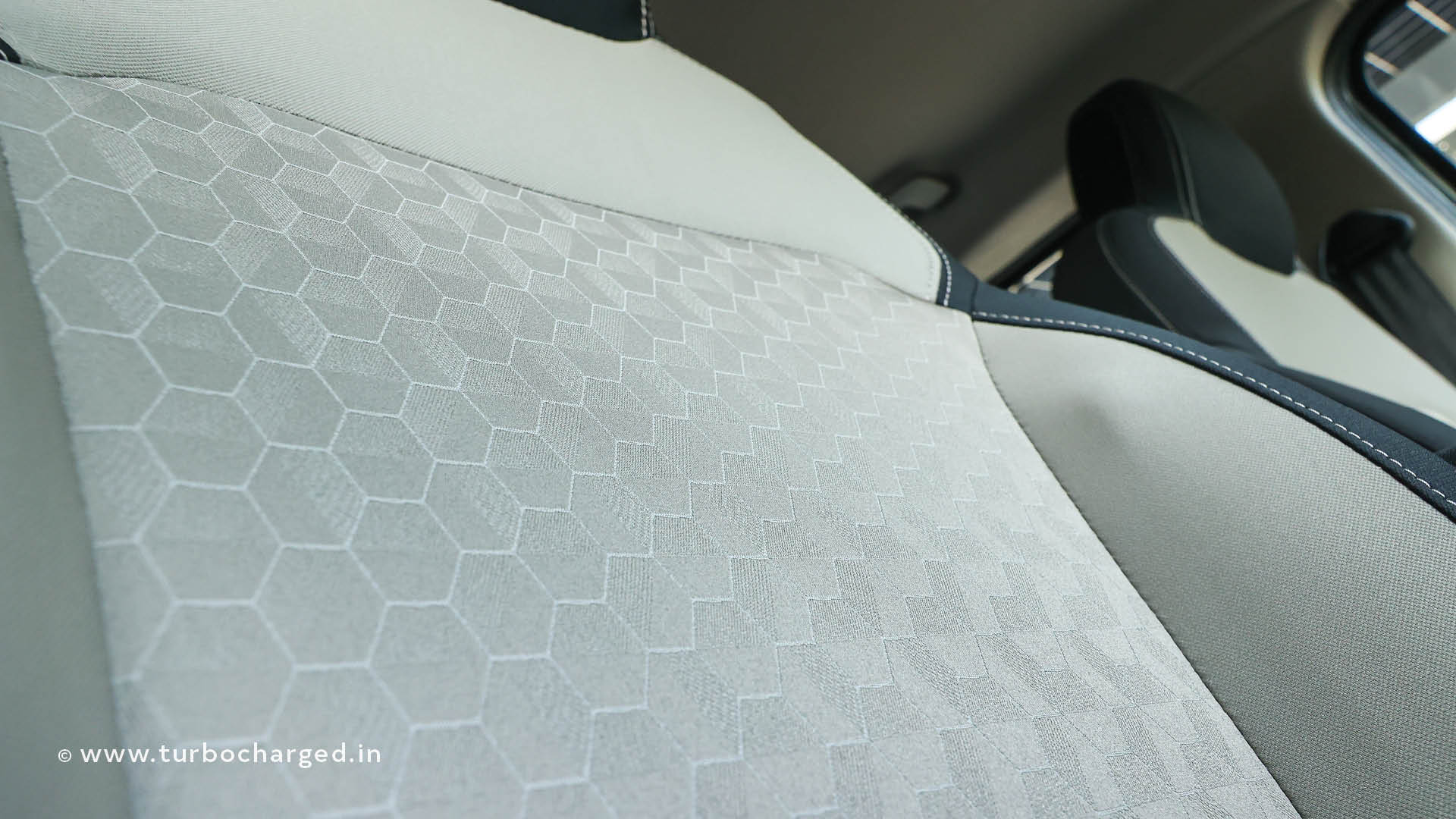
And yes, the Triber Turbo looks the part too. The sharp headlamps and substantial grille that came with the last update help it look good from the front, while the neatly designed tail lamps give the Triber an upmarket appearance from the rear. The cabin looks impressive too – you get the Kiger’s sportier steering wheel and a dashboard with nice-looking surface finishes and patterns, though the quality of some of the plastics feels subpar. Another highlight is the storage spaces – there are two large gloveboxes, a shelf for placing your phone or wallet, cup holders and a cooled compartment behind the gear lever besides large door pockets. Seating is as good as it gets, and a distinct highlight is the space management, especially the spacious third row and also how easily the third row seats can be folded and removed. Heck, Renault also offers AC vents and three-point seatbelts in the third row!
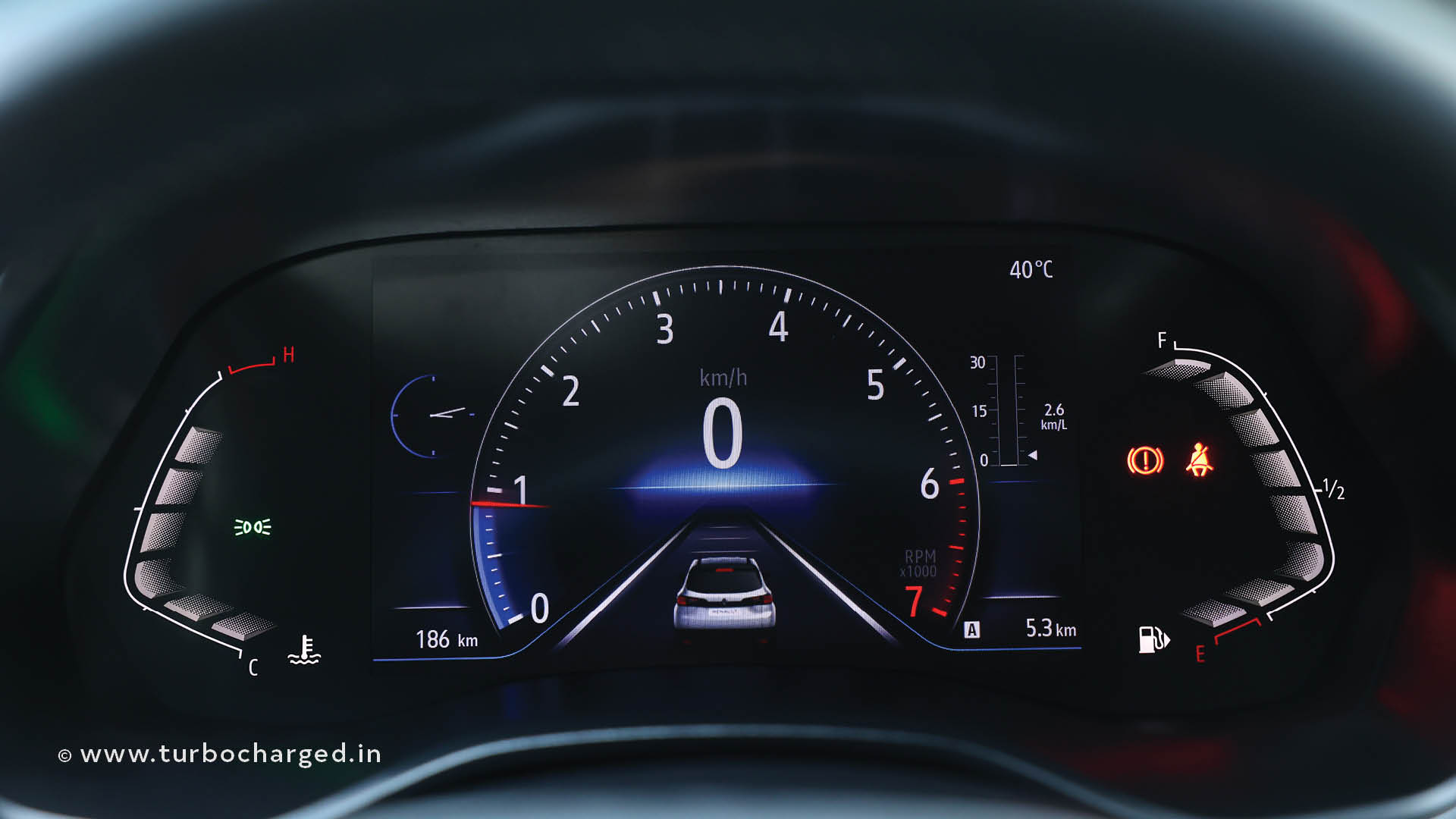
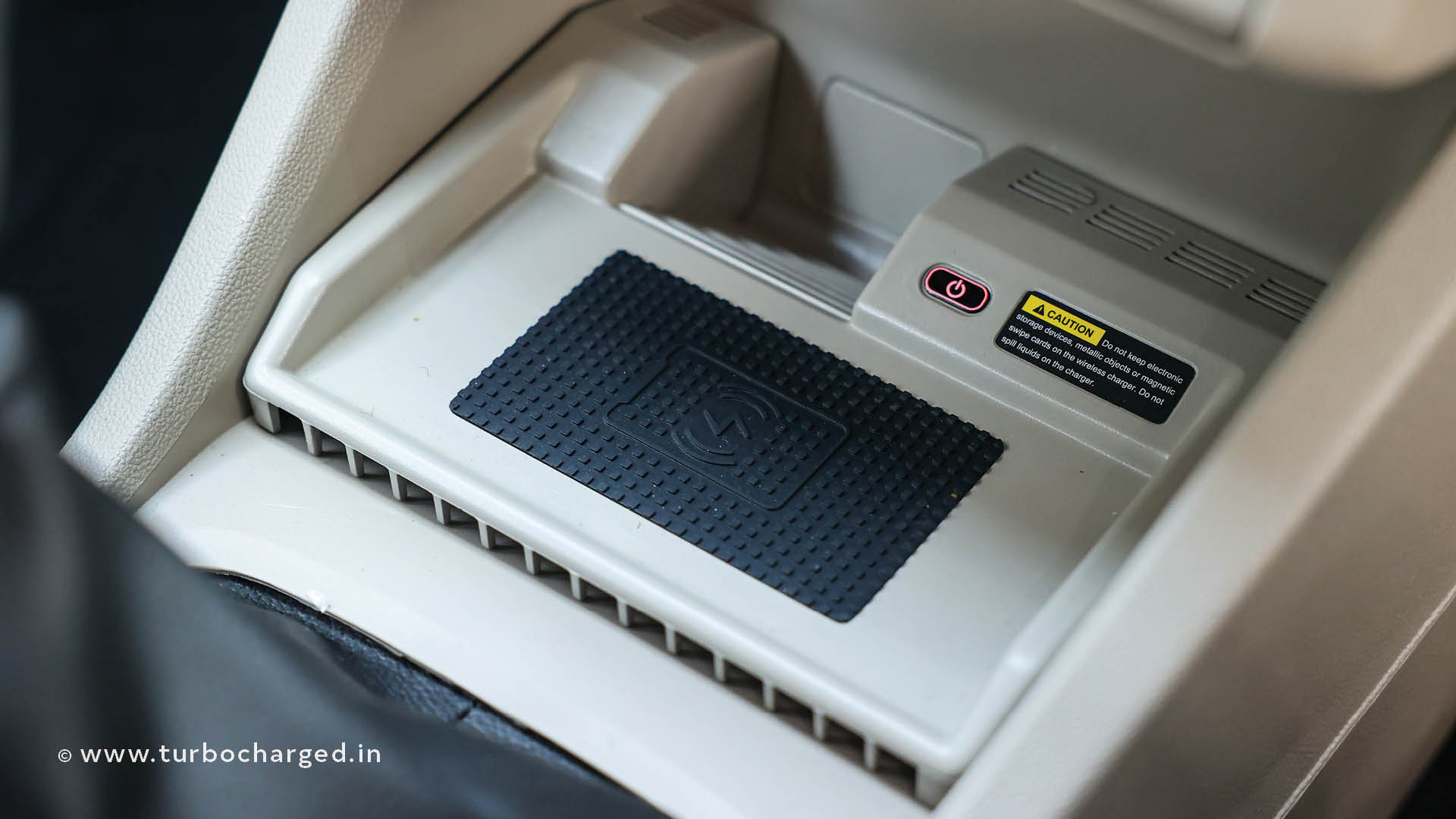
The 8.0-inch touchscreen does its job but feels built to a cost, though wireless Apple CarPlay and Android Auto are a highlight. You also get a 7.0-inch driver display, wireless charging and automatic climate control (with dedicated blower control for the second row), automatic headlamps, cruise control, TPMS, front and rear parking sensors and more, ensuring the Triber Turbo does not disappoint on the features front. Understandably, Renault has also had to recalibrate the Triber’s ABS, ESC and traction control for the Turbo version, besides which you get six airbags, hill-start and more on the safety front.
In a nutshell, as a member of the 100PS club the Triber suddenly feels a lot more desirable, especially as a sub-10 lakh rupee car. The turbocharged petrol engine helps it feel way more impressive than it ever was and effectively ticks more boxes than a lot of equally-priced and also more expensive hatchbacks, compact sedans and compact SUVs, including its own sibling, the Kiger. Prices begin from ₹7.84 lakh ex-showroom, which really helps this MPV deliver a true punch!
Words Abhay Verma
Photography Saidatta Naik