


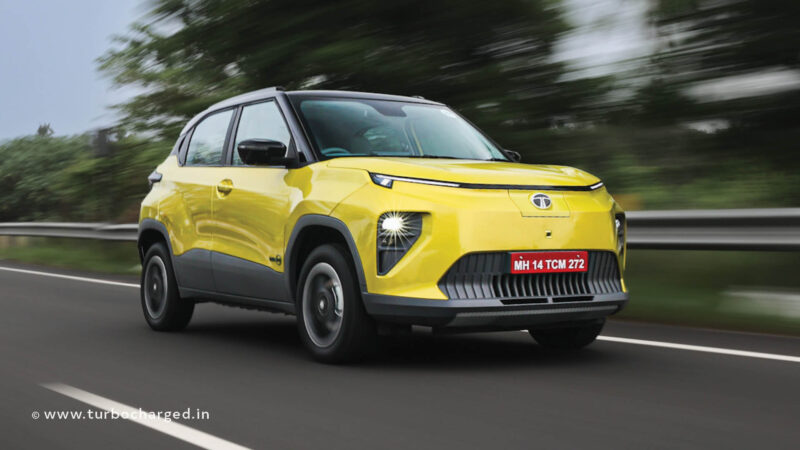
Tata Motors has been busy on many fronts. In 2025, it ended the year on a high with the launch of the Sierra; next up were the big two – Safari and Harrier – and just last month, they launched the extensively facelifted Punch. Now, the streak continues with the Punch.ev. Is it an electrified punch delivered at the right time? We drove it in God’s own Country, and here is what we have to say.
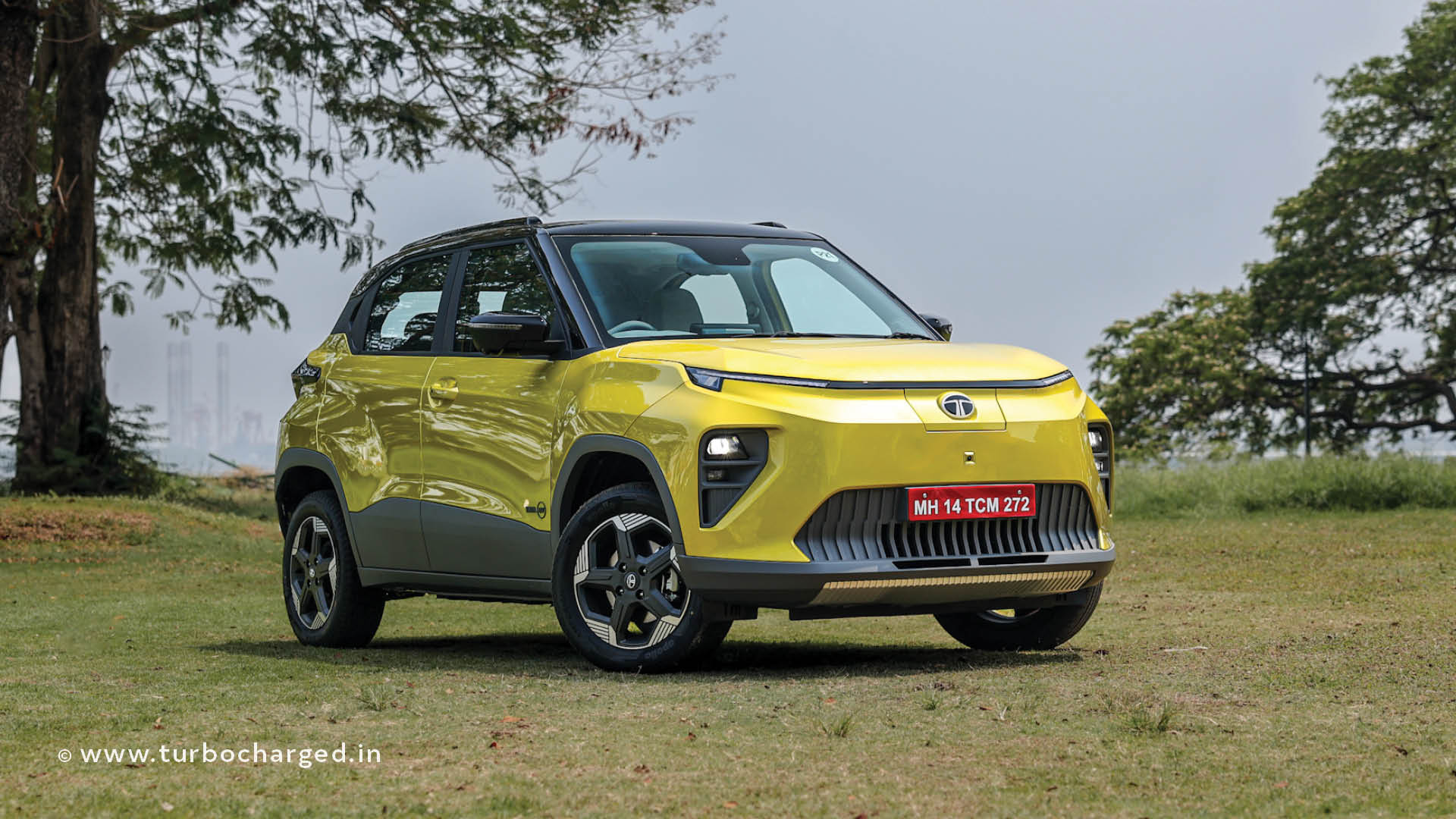
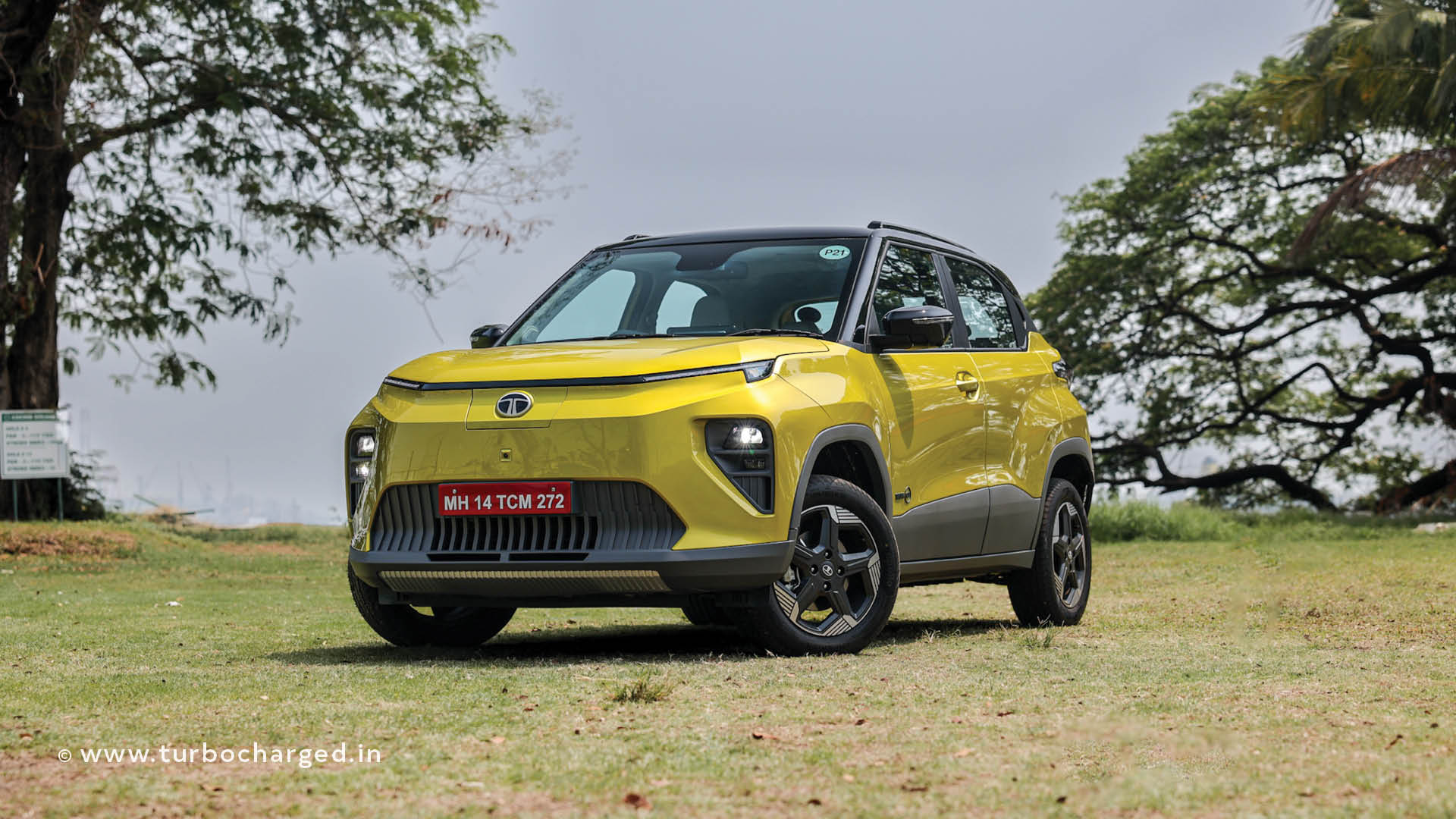
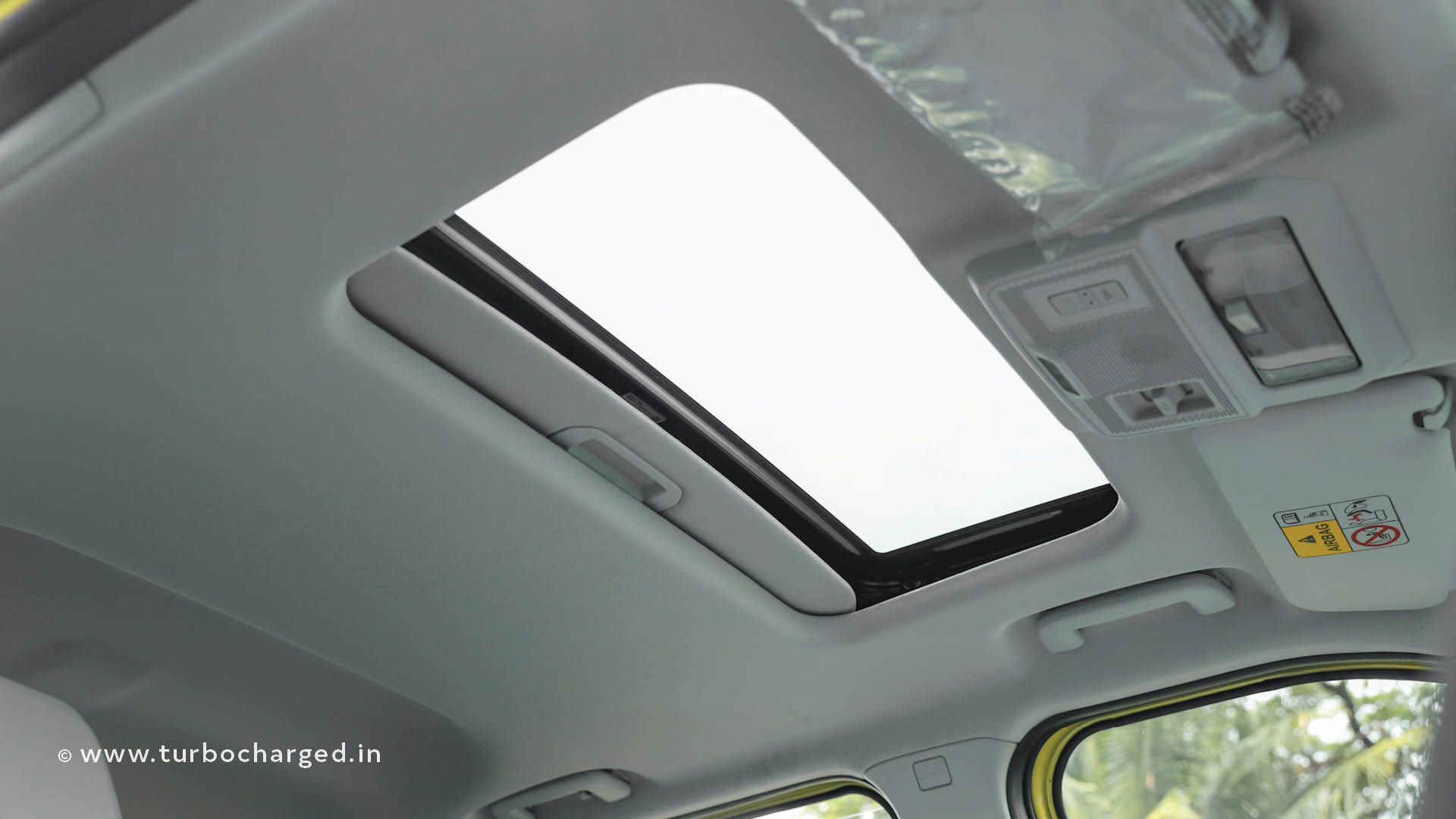
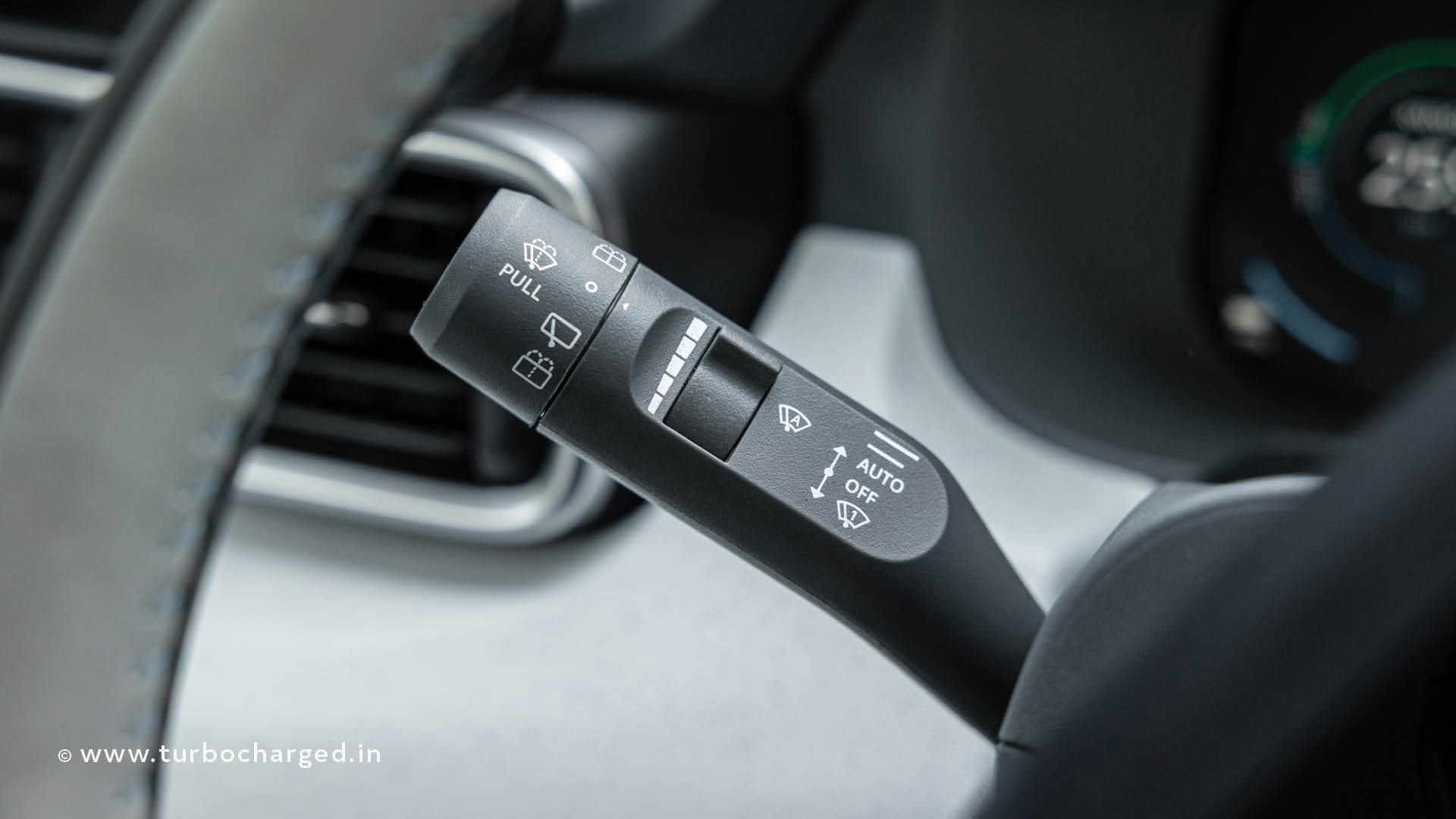
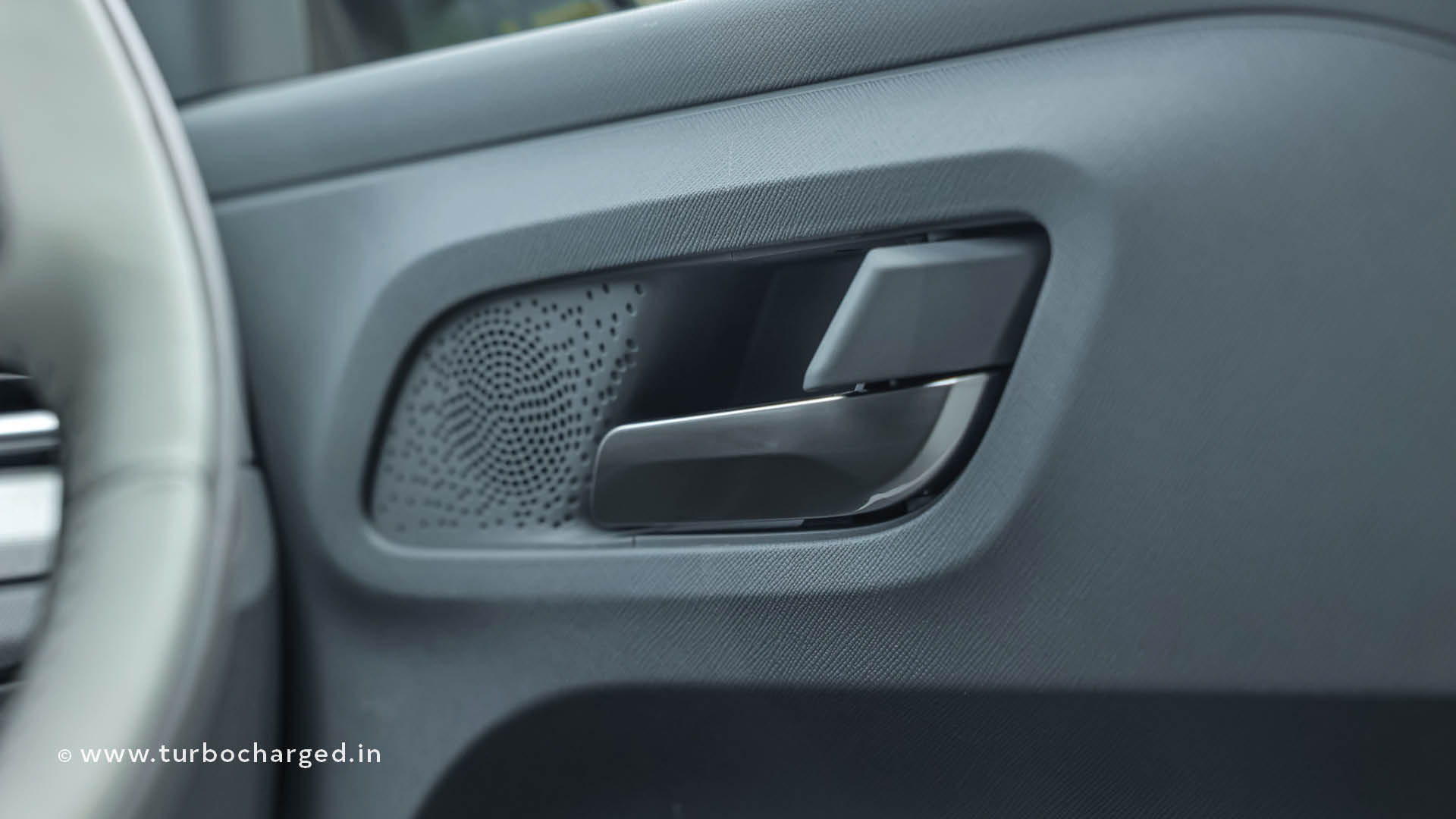
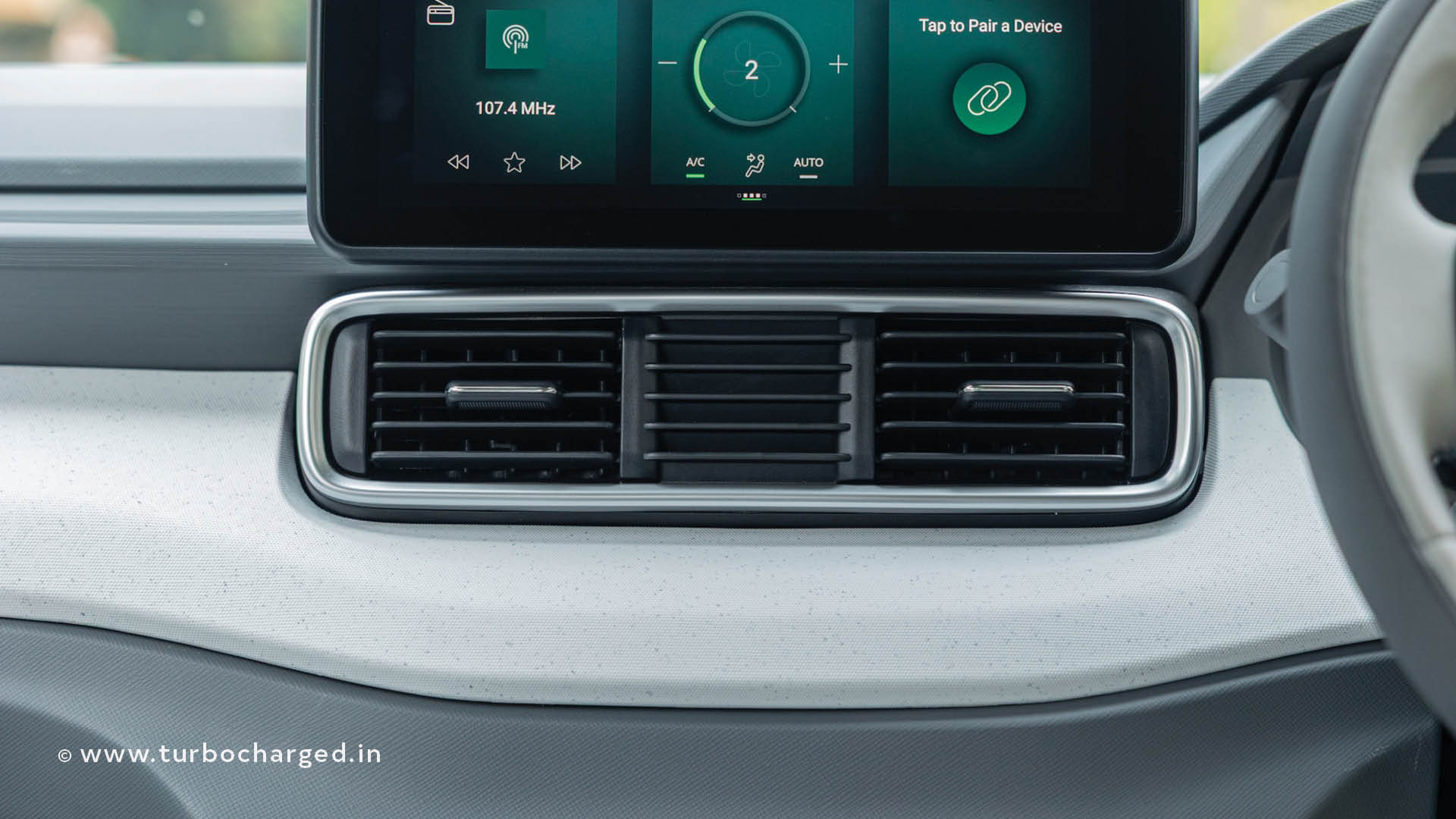
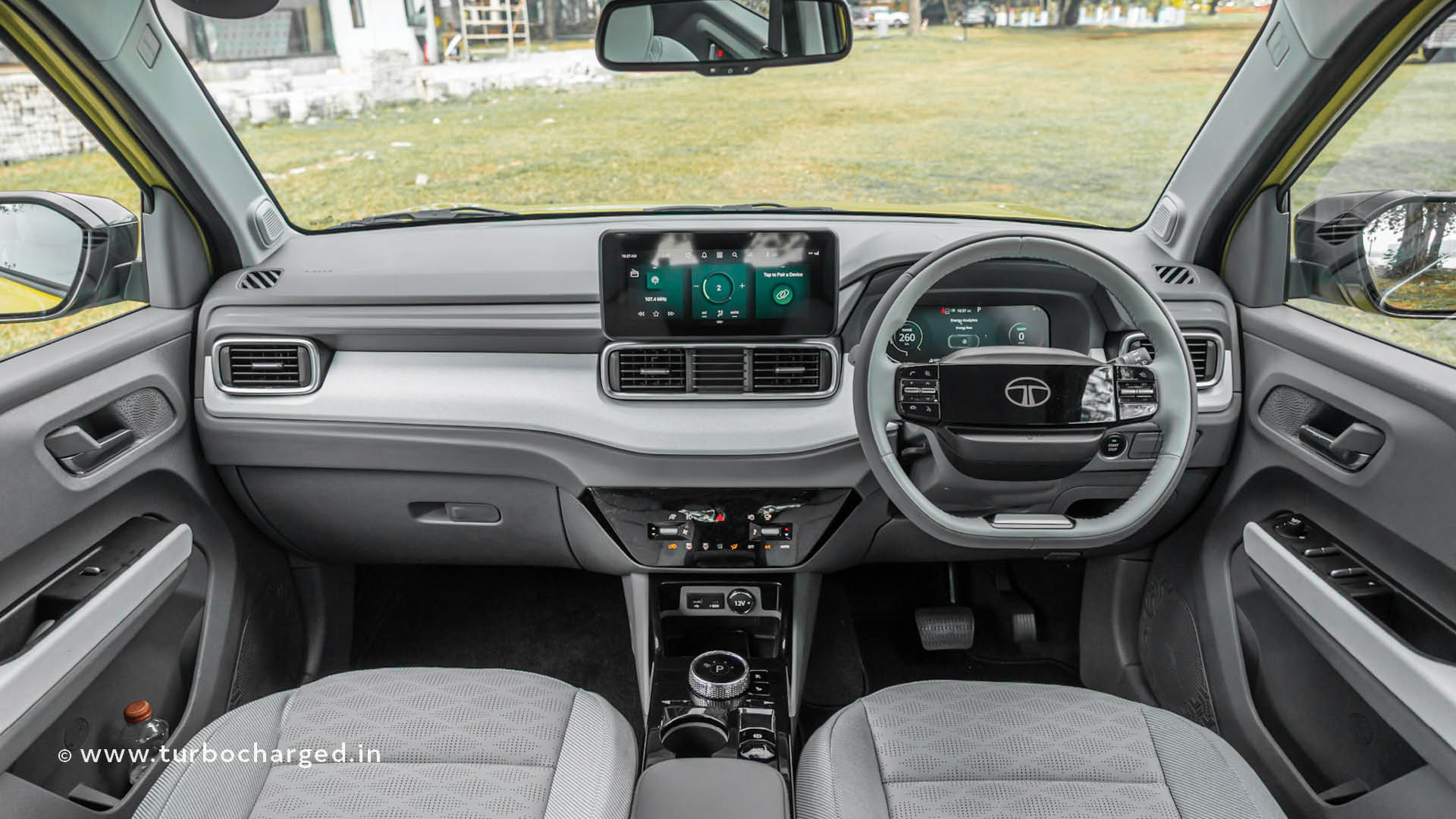
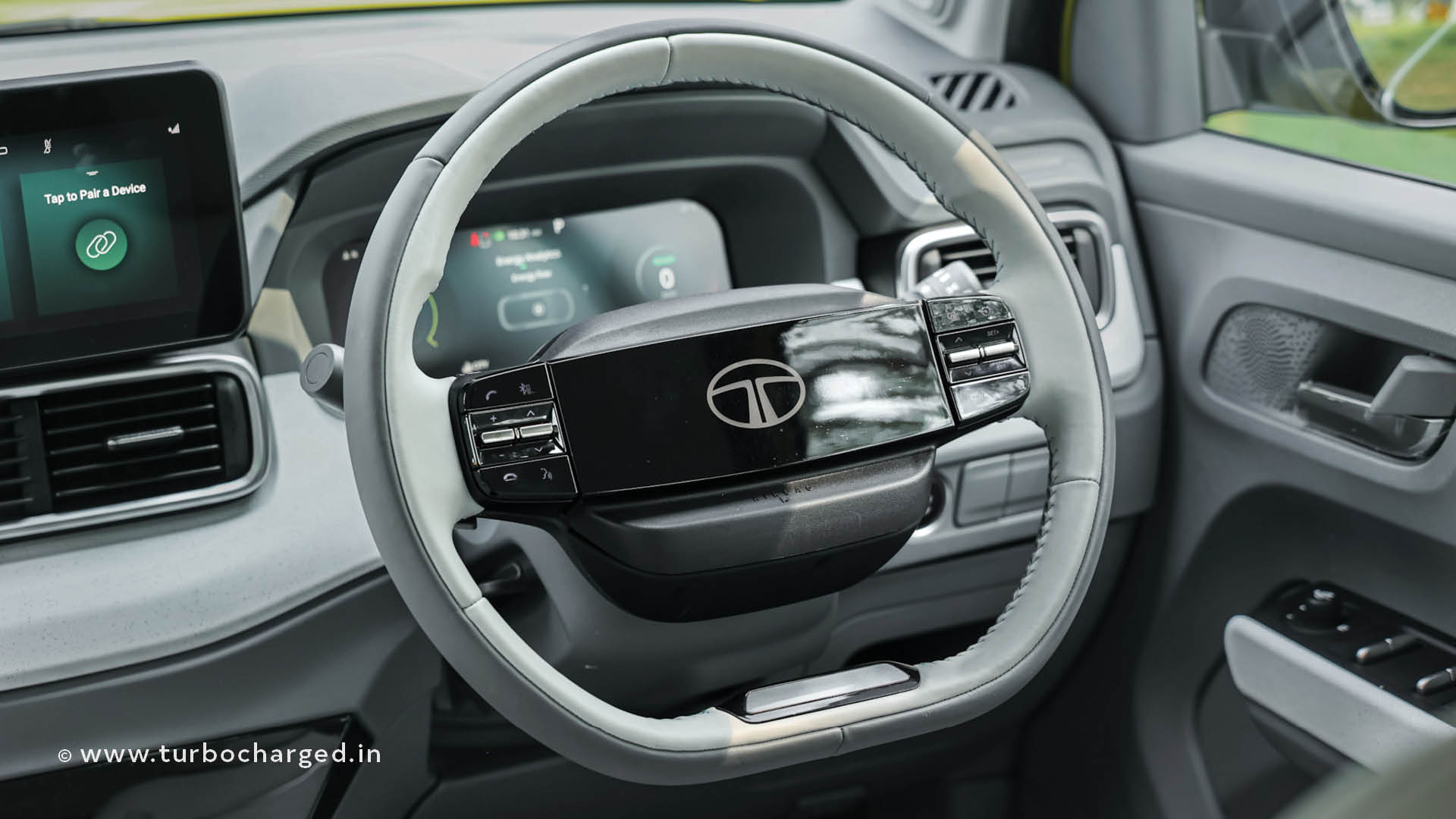
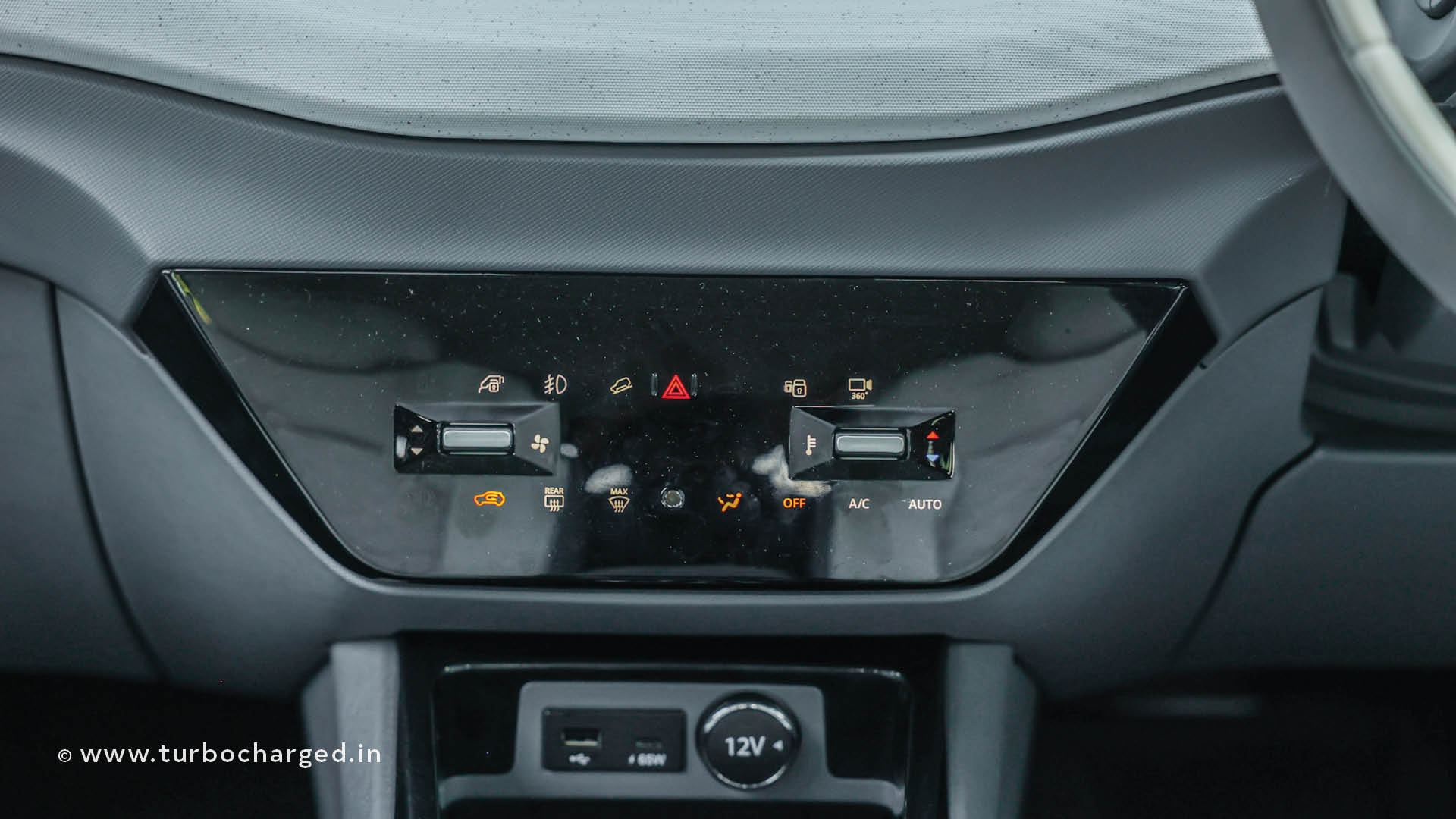
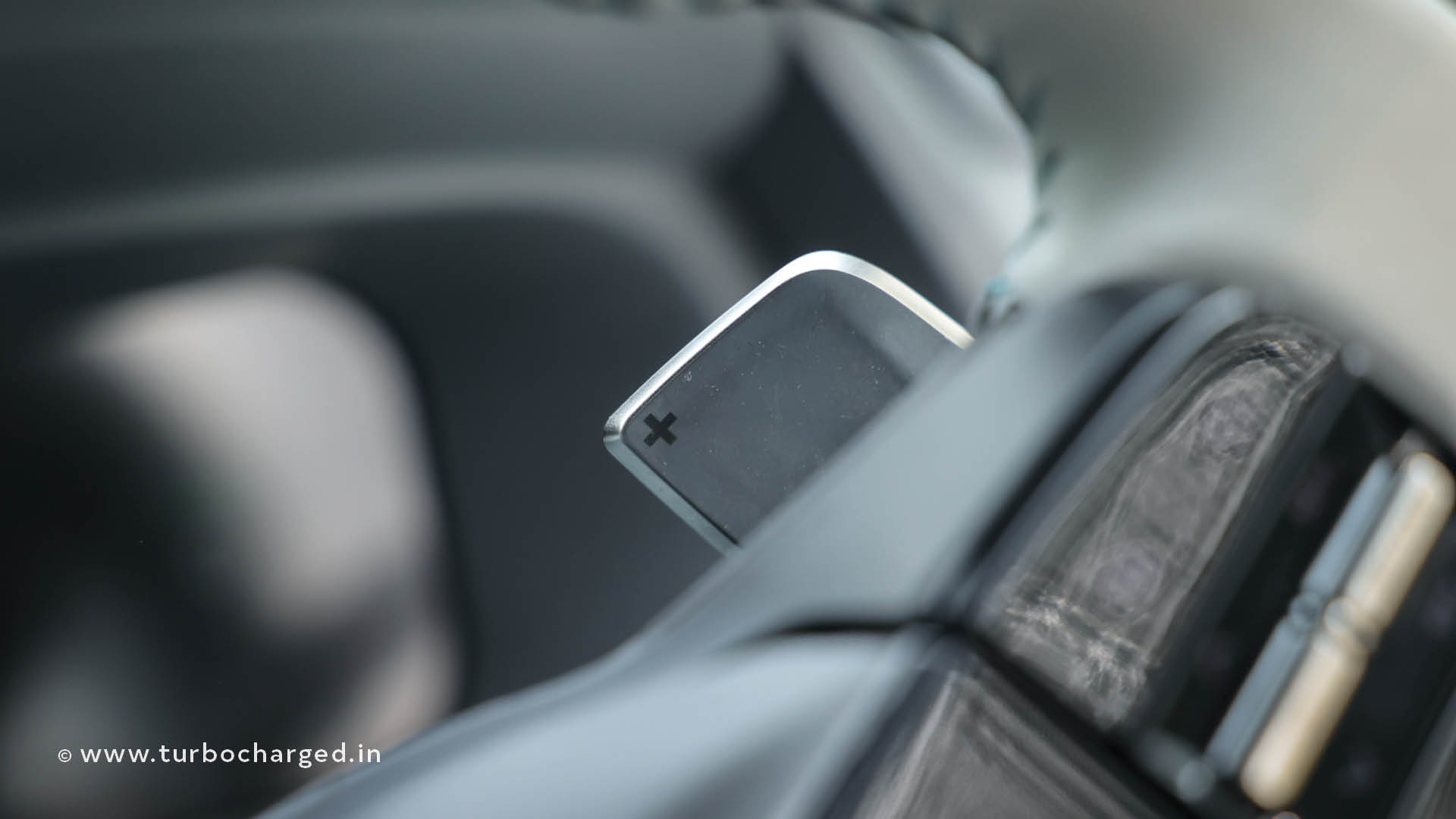
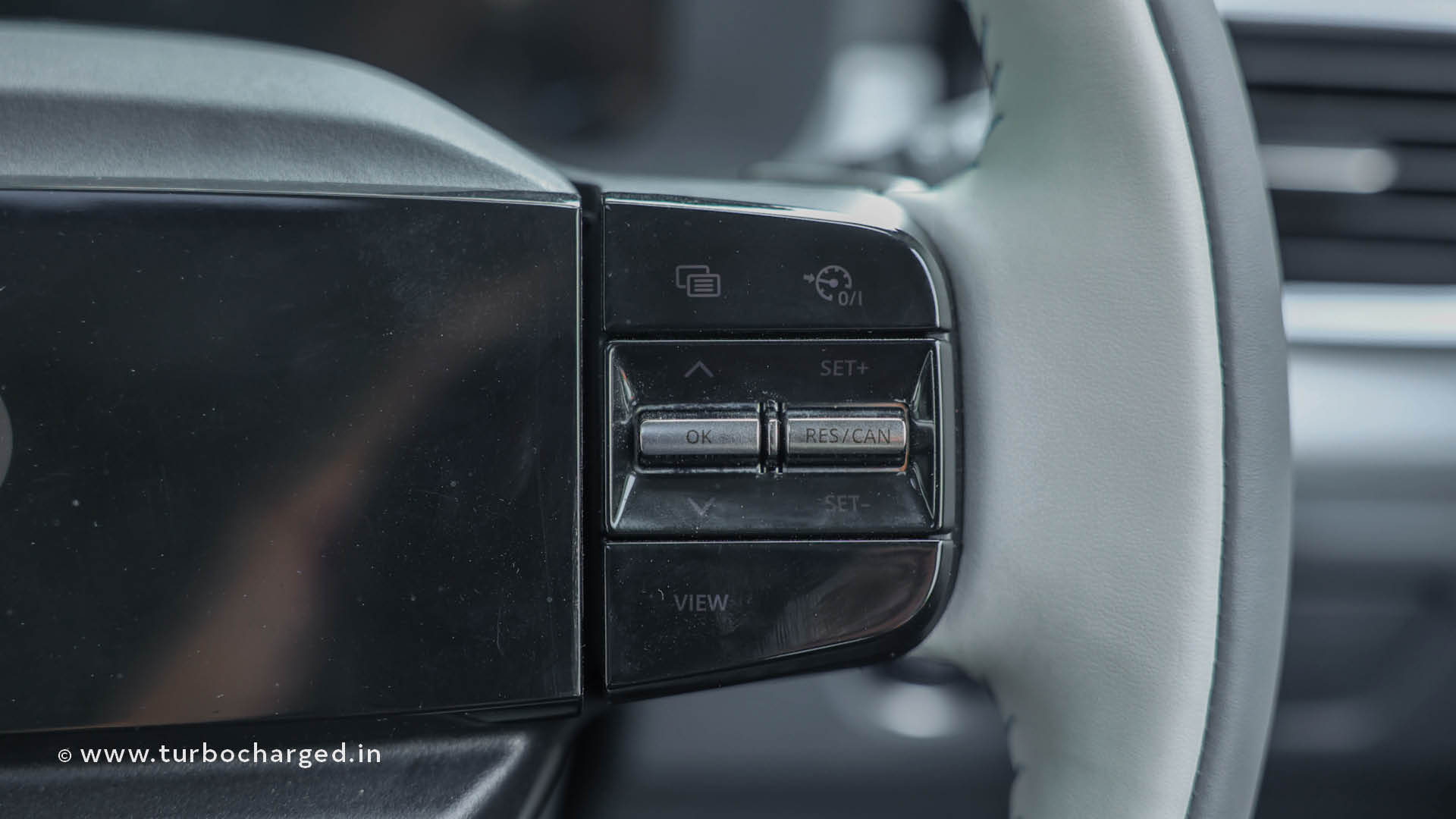
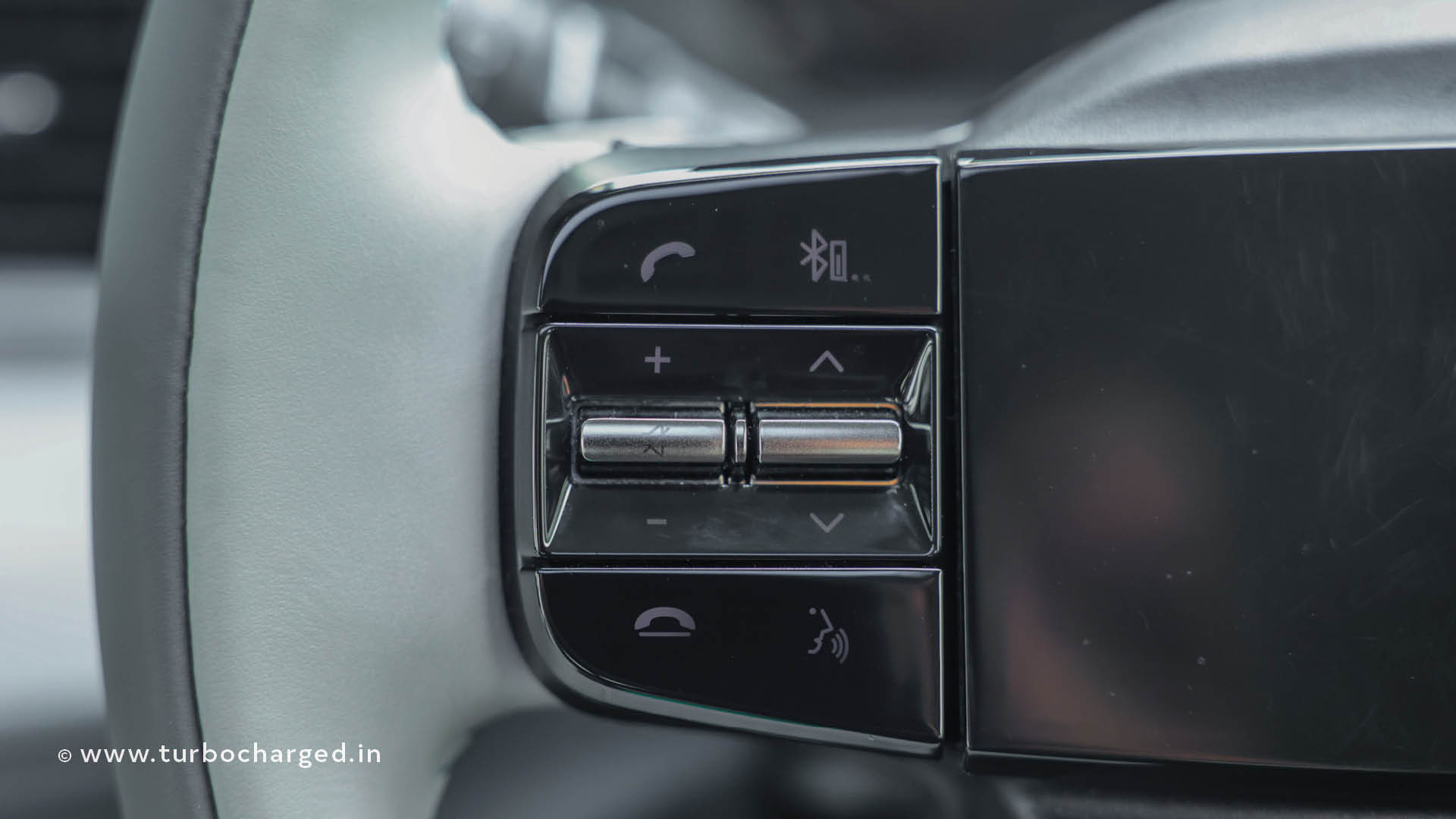
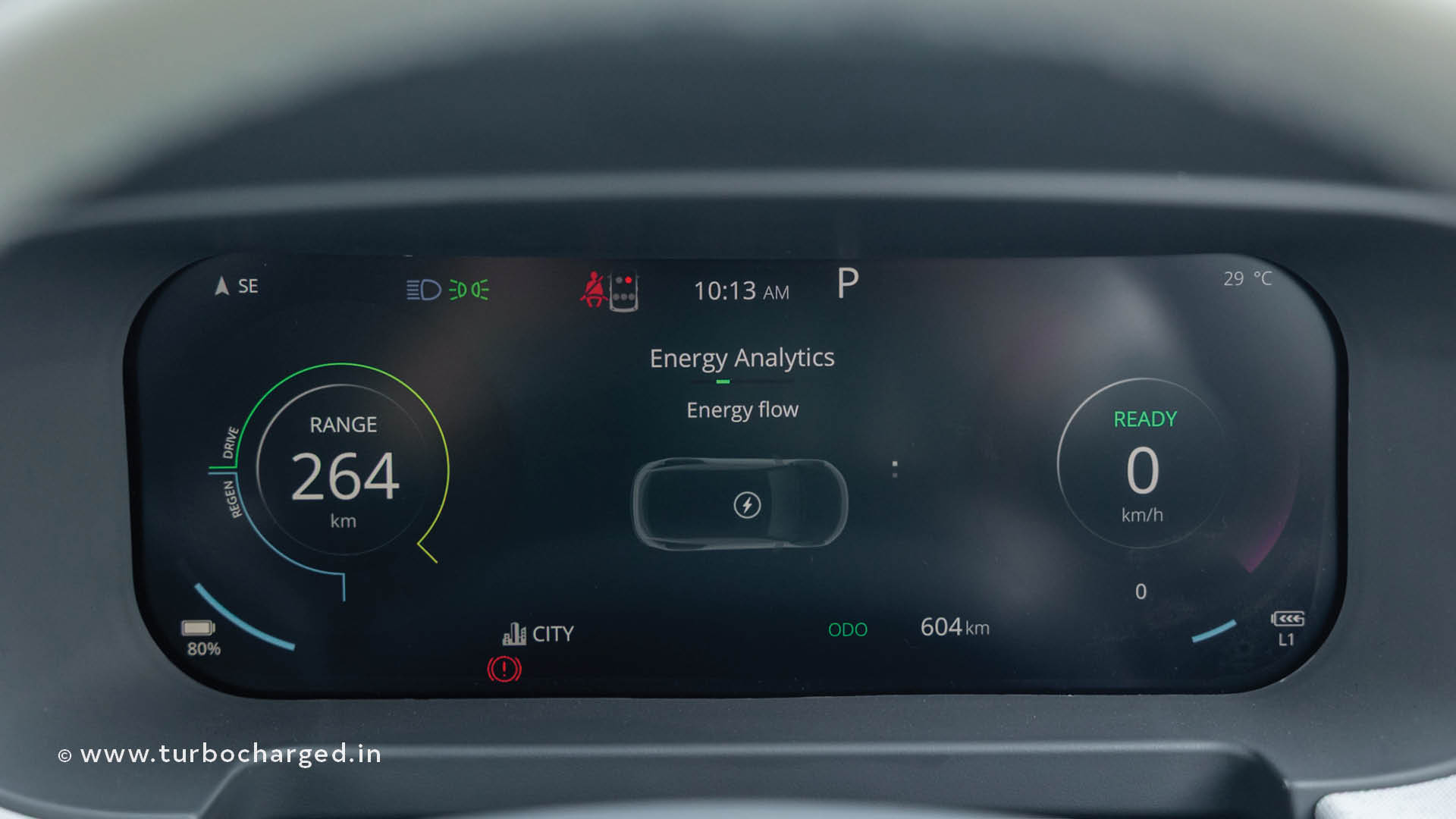
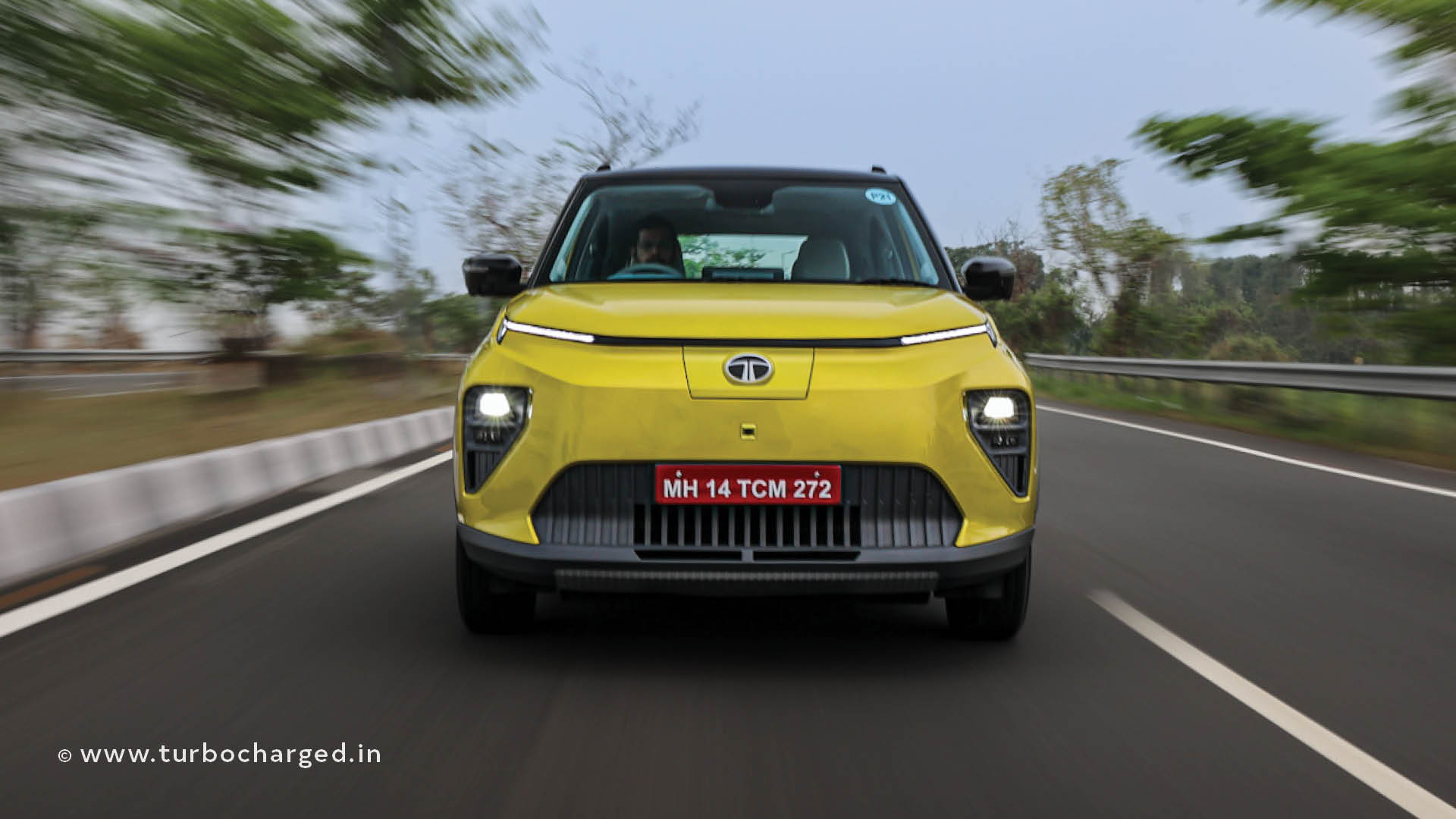
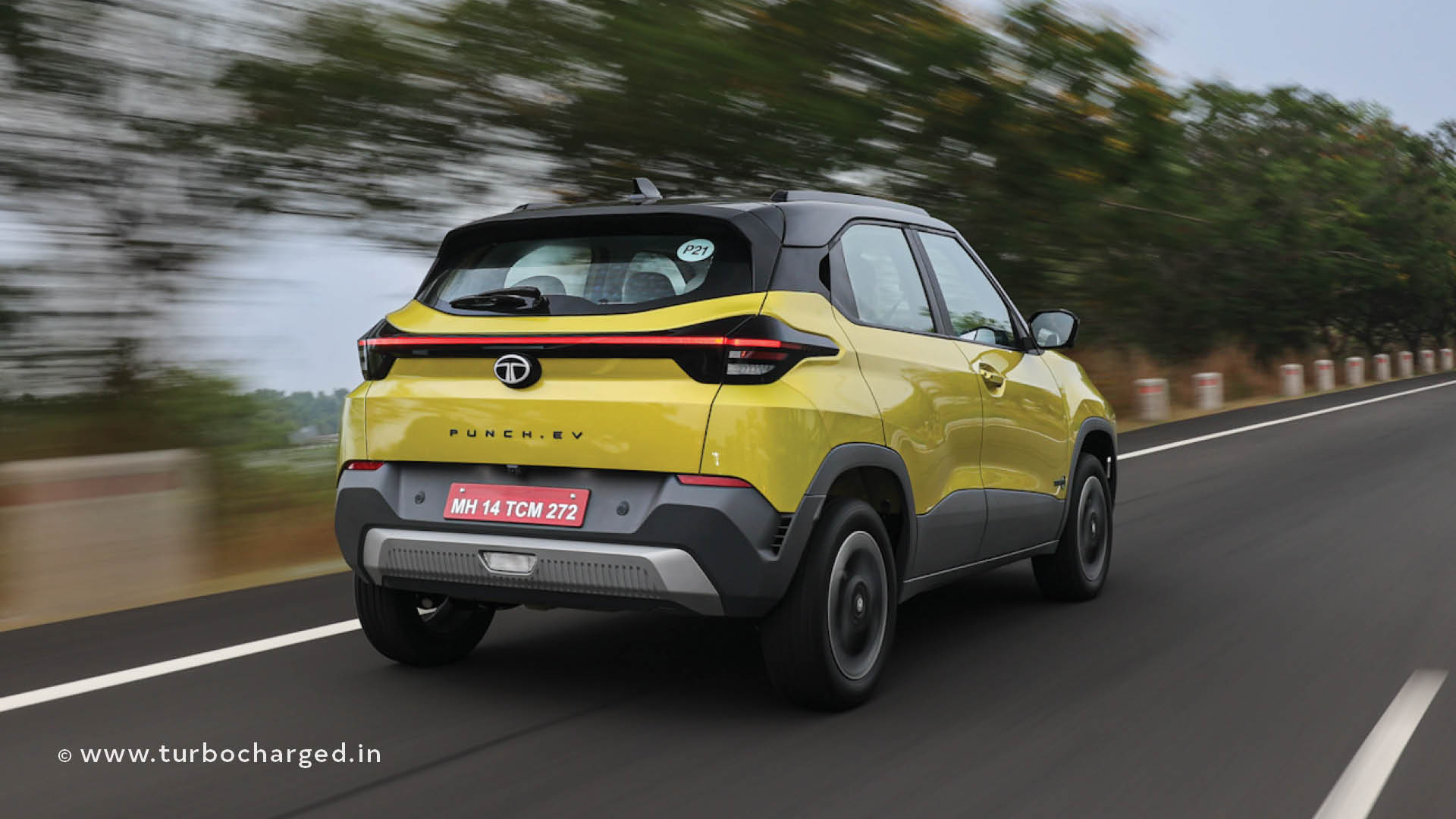
The Punch.ev is among Tata Motors’ top-selling products. Thanks to its size and capabilities, it holds a strong position on the sales charts. And with the recent facelift, the EV also looks far fresher than the competition. The new, flatter front end looks eye-catching, and the non-connected LED DRLs give it a slightly different identity. But the standout element has to be the grey cladding all around. It is a colour Tata says was selected to evoke a sense of warmth, but it looks inspired by gadgets, to say the least. It looks neutral to me. Another factor that stands out is the tail lamps, which are now connected via a lightbar. The rest of the rear end remains the same. On the inside, it gets the same treatment as the ICE Punch, with a new dashboard, an updated 10.2-inch touchscreen infotainment system, and a new 10.2-inch digital instrument cluster. The only new thing I found inside the Punch.ev was the rotary drive selector, which isn’t as quick as I’d like. Another feature is the ventilated front seats that are comfortable and supportive, just like the rear seats. However, the rear seats could have had a little more knee room. A 366-litre boot, however, can gobble up two large suitcases when stacked vertically.
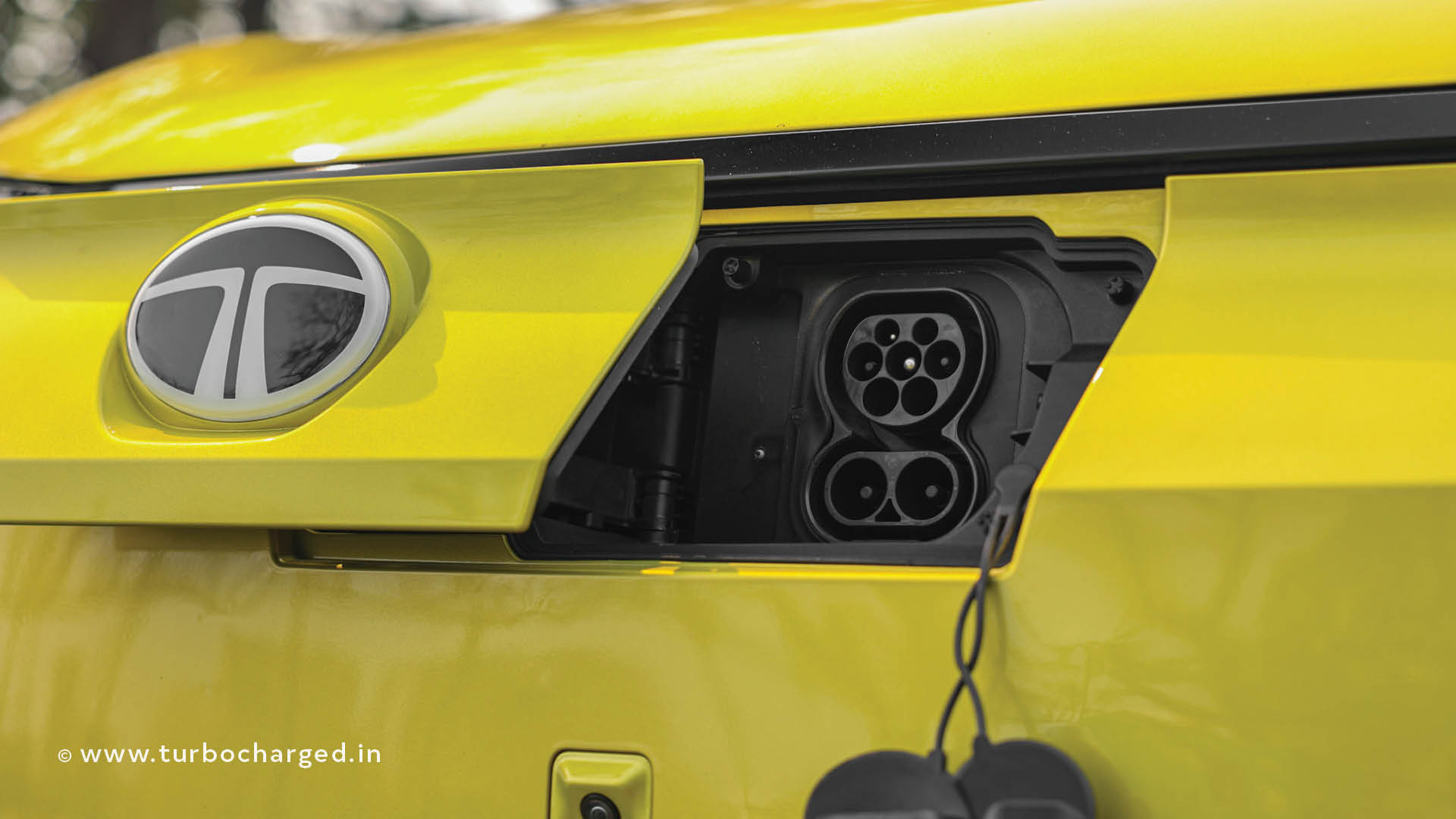
But this update of the Tata Punch.ev is about the drivetrain. It is still based on the same Acti.ev platform, but now the power unit is smaller and lighter by exactly 50 percent and 28 percent respectively. This has freed up more space for a larger battery pack, as the Punch.ev is now available with 30kWh and 40kWh battery pack options. There is fast charging too, upto 65kW. Tata claims that the battery pack can go from 20 to 80 percent in just 26 minutes and provide a range of 135km in just 15 minutes of fast charging. I did not have time to test it during the drive; however, I will test it at a later date. In terms of power, I drove the top-end variant with the 40kWh battery pack, which has a claimed real-world C75 range of 355km, and at 100 per cent SOC, the range meter displayed that figure. And after using up 40 percent battery during the day-long shoot, I still had more than 200km of range left. Impressive for a small SUV.
And when I drove the Punch.ev, I did notice that out of the three drive modes, the first two – Eco and City mode, felt pretty much the same. Power and torque were available, but the feeling and punch did not come on quickly, as they should in an electric vehicle. However, once I switched to Sport mode, I noticed the power and torque gushing in as I tapped on the throttle. This is where the Punch.ev really felt punchy. It won’t blow your socks off, but it will surely put a smile on your face. The ride quality was good as well, a trait I have been observing in all Tata cars that have hit the market recently. It managed to smooth out the undulations and bumps pretty well with minimum shock reaching the cabin.
But this is also where I noticed the compromise. The ride quality was good, but the softer suspension setup hampered the handling. Plus, the neutral steering feel doesn’t do much to boost confidence. The Punch.ev changes direction fairly quickly; however, it doesn’t like being pushed hard into the corners, as I noticed some understeer on some B roads in Kerala. However, if you don’t push it hard through bends, it stays on the chosen line with minimal body roll. The brakes could have been better. The car I drove had spongy brakes that required a little more pedal push to engage than you would normally expect in a new car, and these were brand-new cars we were driving.
Overall, the quick power delivery, a large battery with over 350km range on a single charge and six airbags as standard across the range make the Punch.ev a worthy contender in the compact eSUV segment. Plus, you get a 360-degree camera setup, 15-inch wheels, arcade.ev connected app suite, LED lighting and a whole host of features as standard on most variants make the Punch.ev a value-for-money proposition, especially considering the BaaS option. However, at ₹12.59 lakh for the one I drove, you can look at the Punch.ev’s bigger brother, the Nexon, which comes with a bit more space and features, a slightly bigger battery pack and a price tag similar to the top-end Punch.ev.