


Photography: Shrenith Bhandary
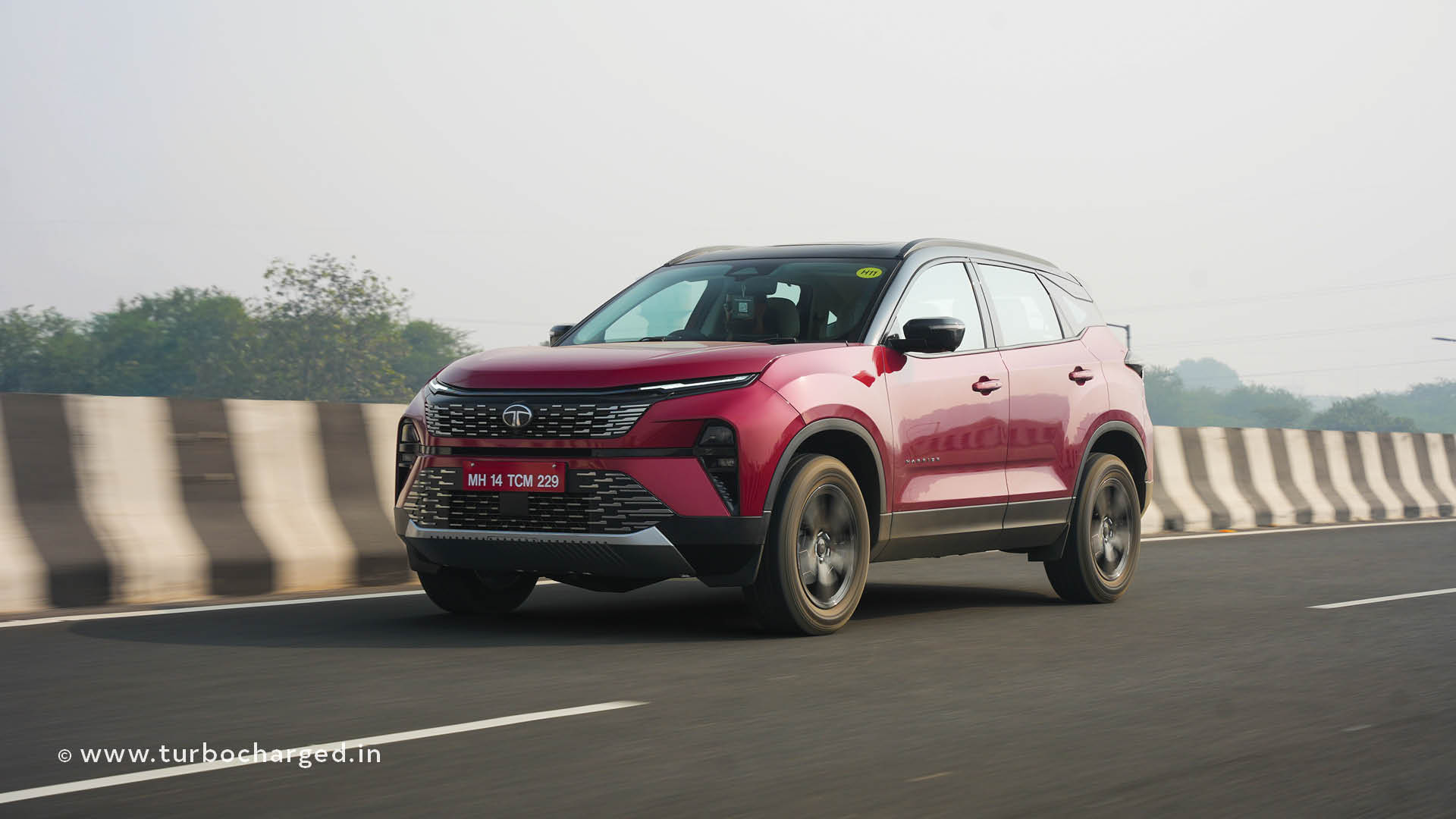
‘SUV’ and ‘diesel’ have gone hand in hand for a very long time, mostly because the torque of a diesel and its efficiency suited the bulk of the SUV much more than a petrol in a market where ‘Kitna Deti Hain’ is king. However, with time, perception – and SUVs – have changed, and petrol SUVs have gradually been taking up more and more market share. What was once 3 percent is now almost 30 percent. Tata has taken notice, and it now has revealed its second and third large petrol-powered SUVs, the Harrier and Safari petrols.
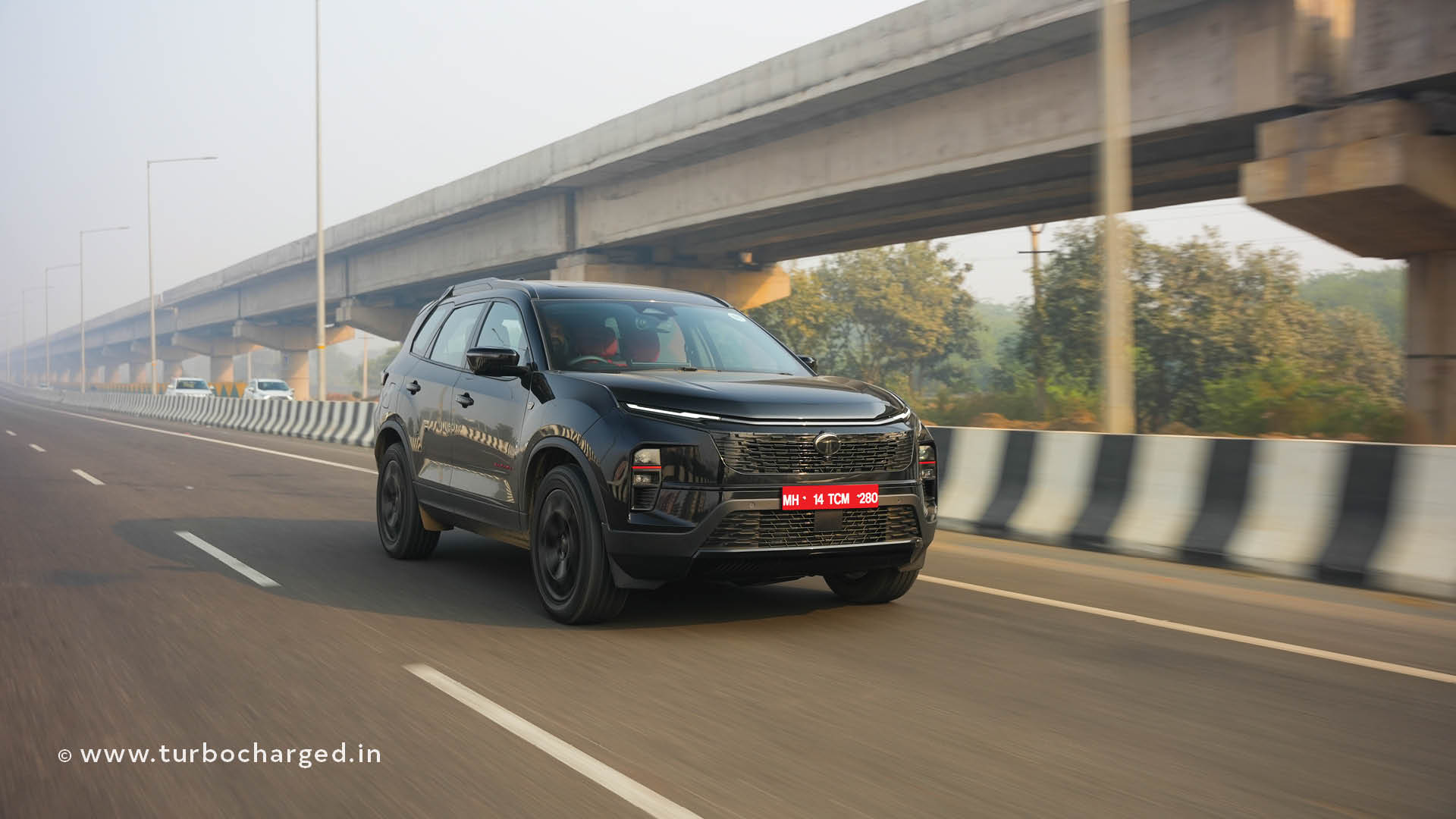
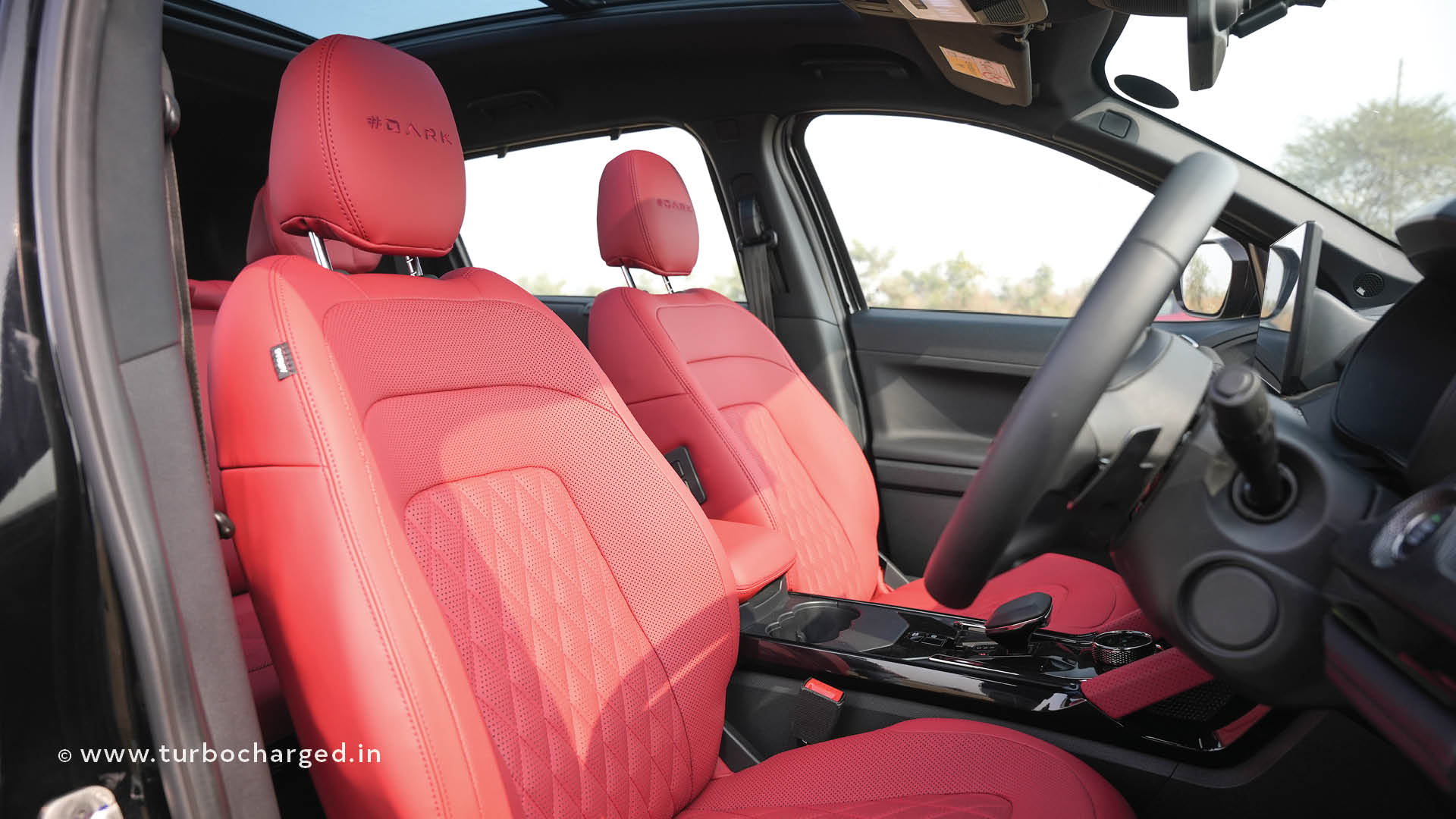
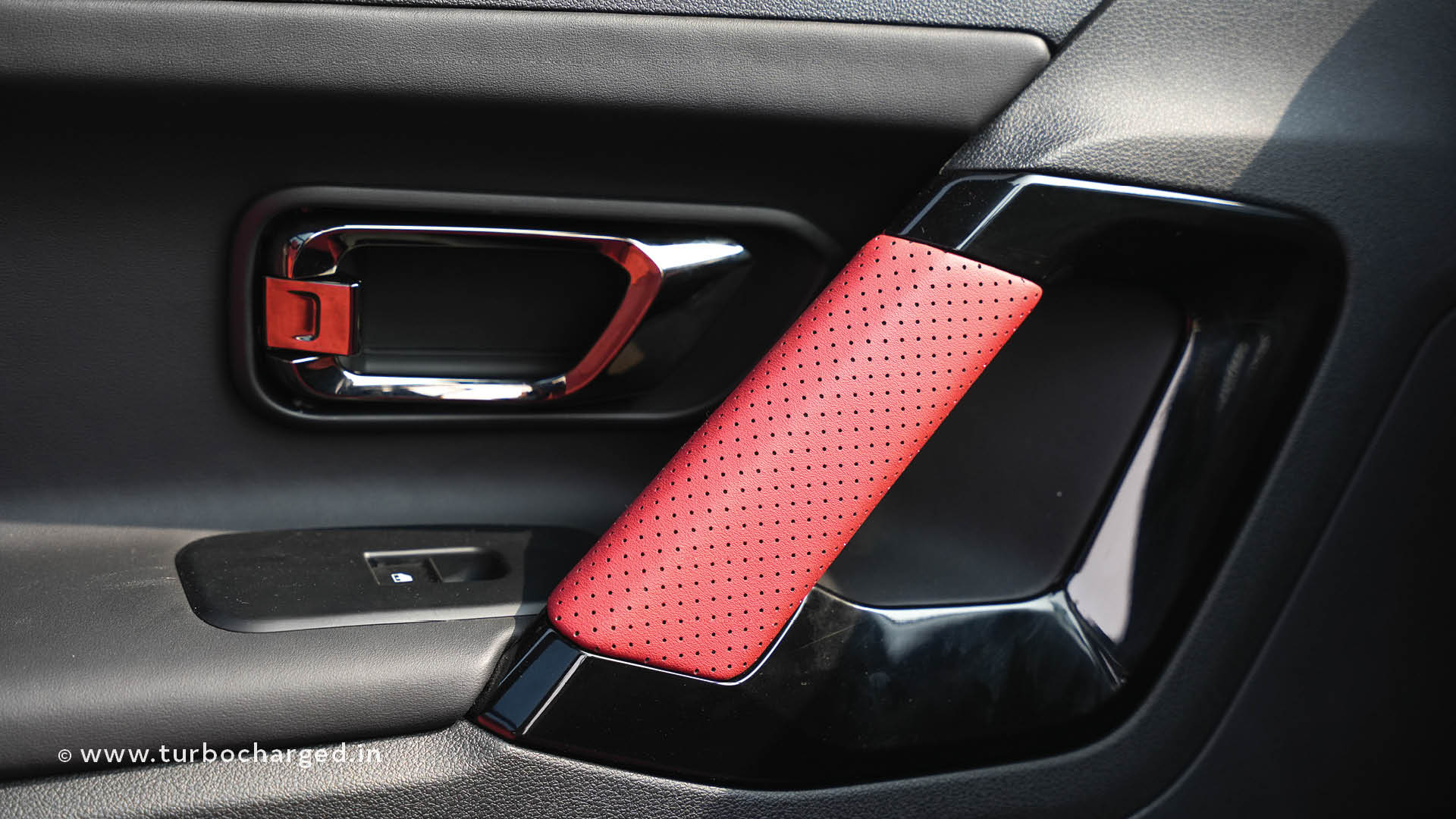
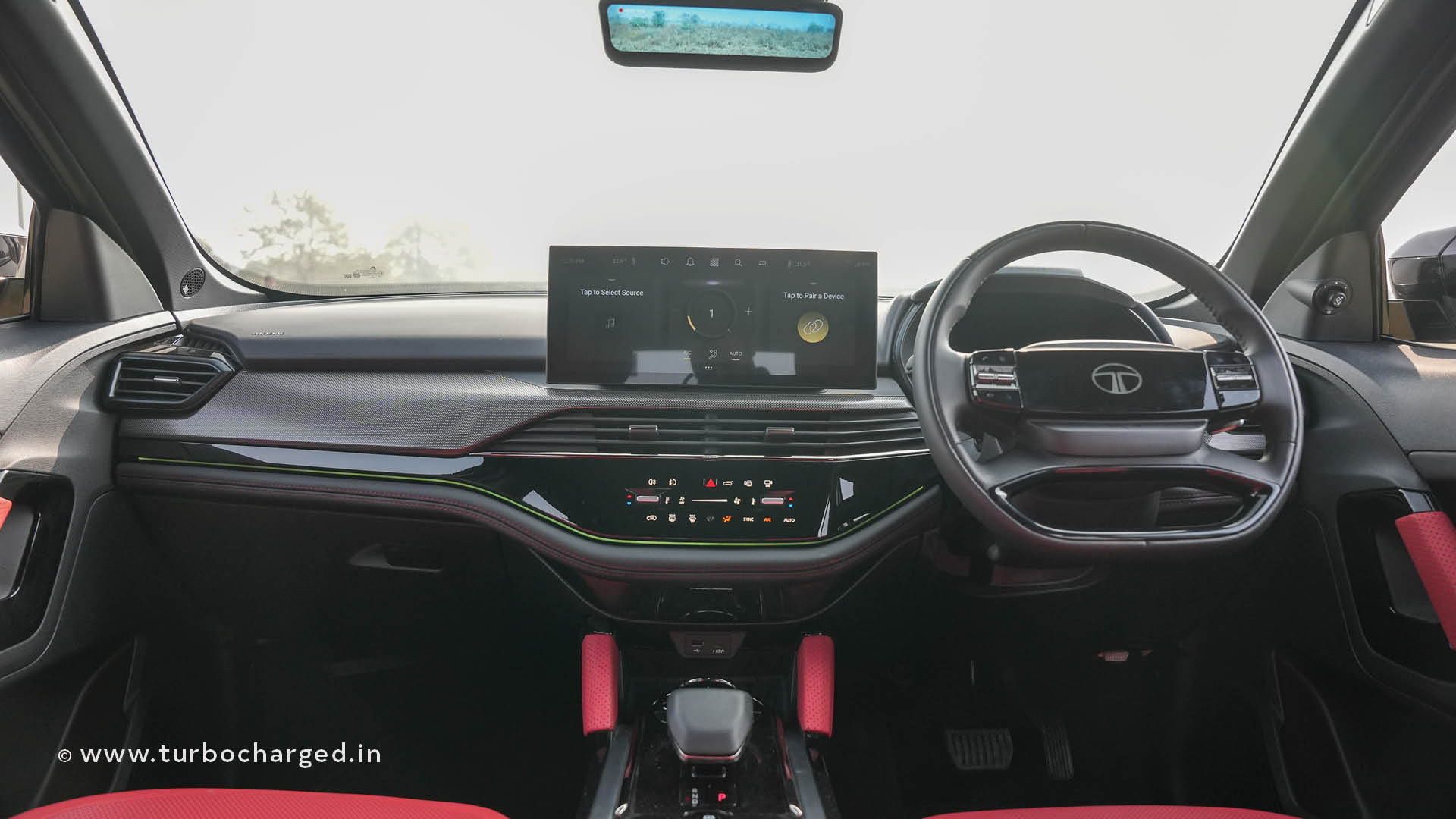
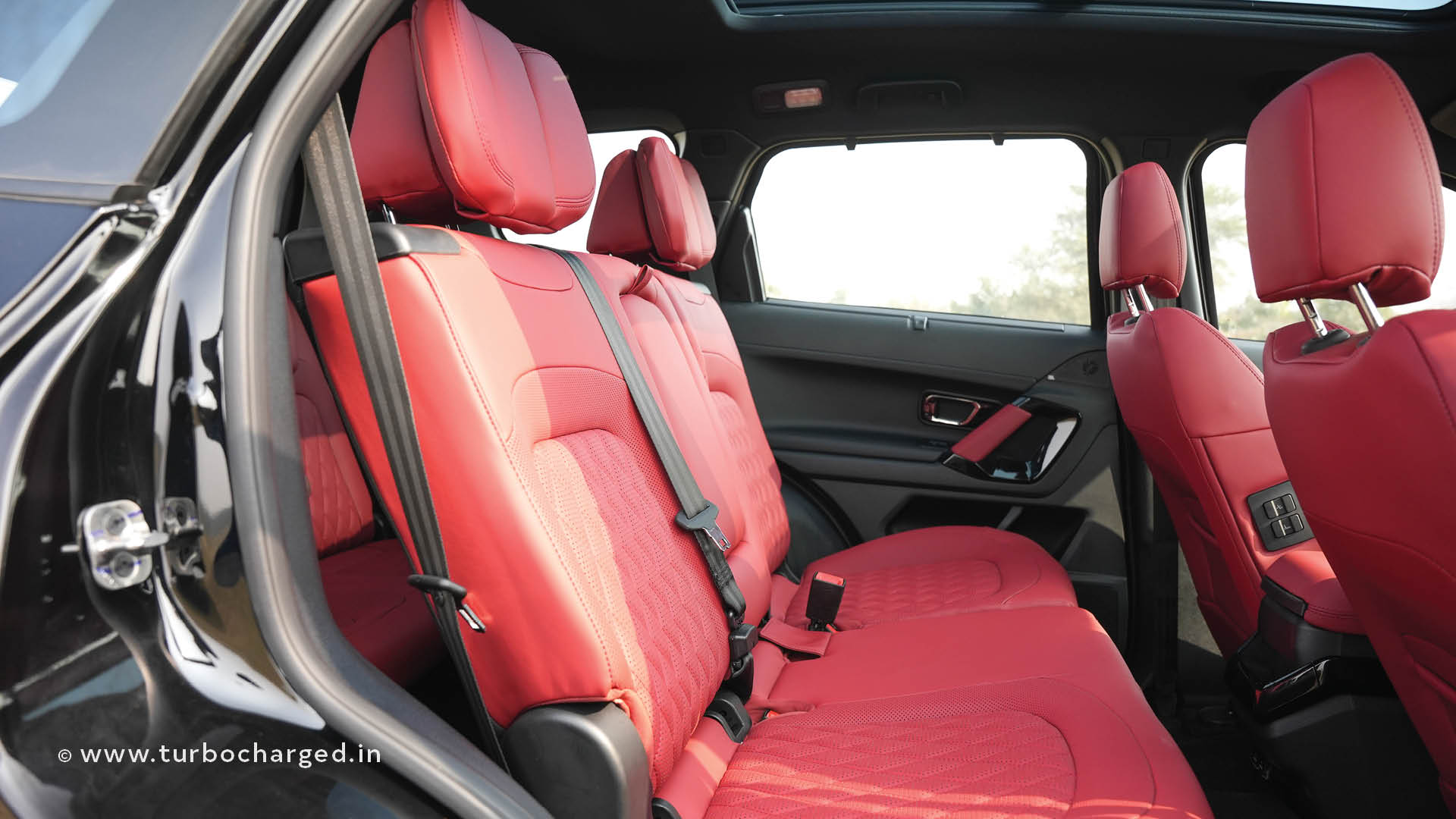
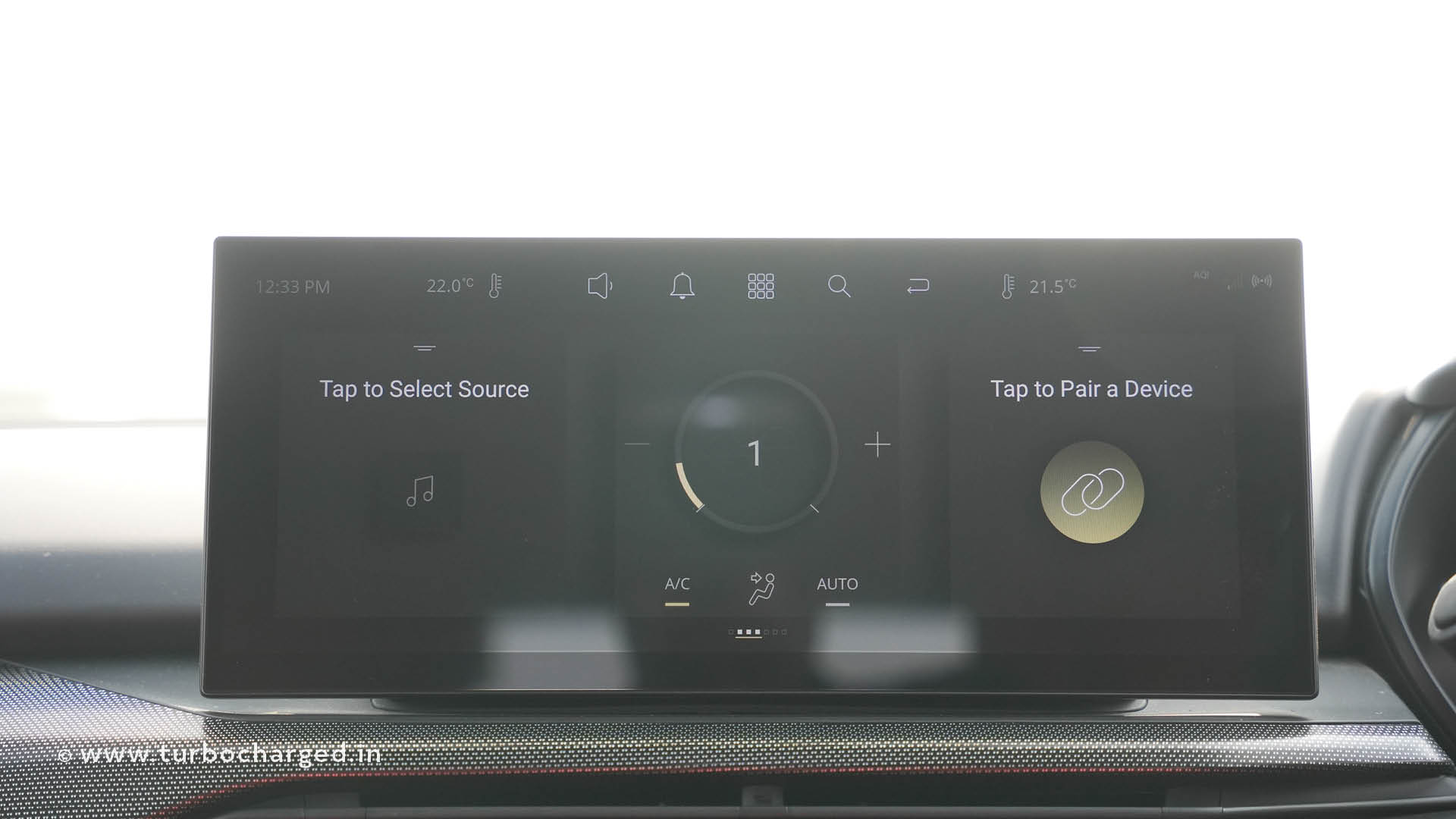
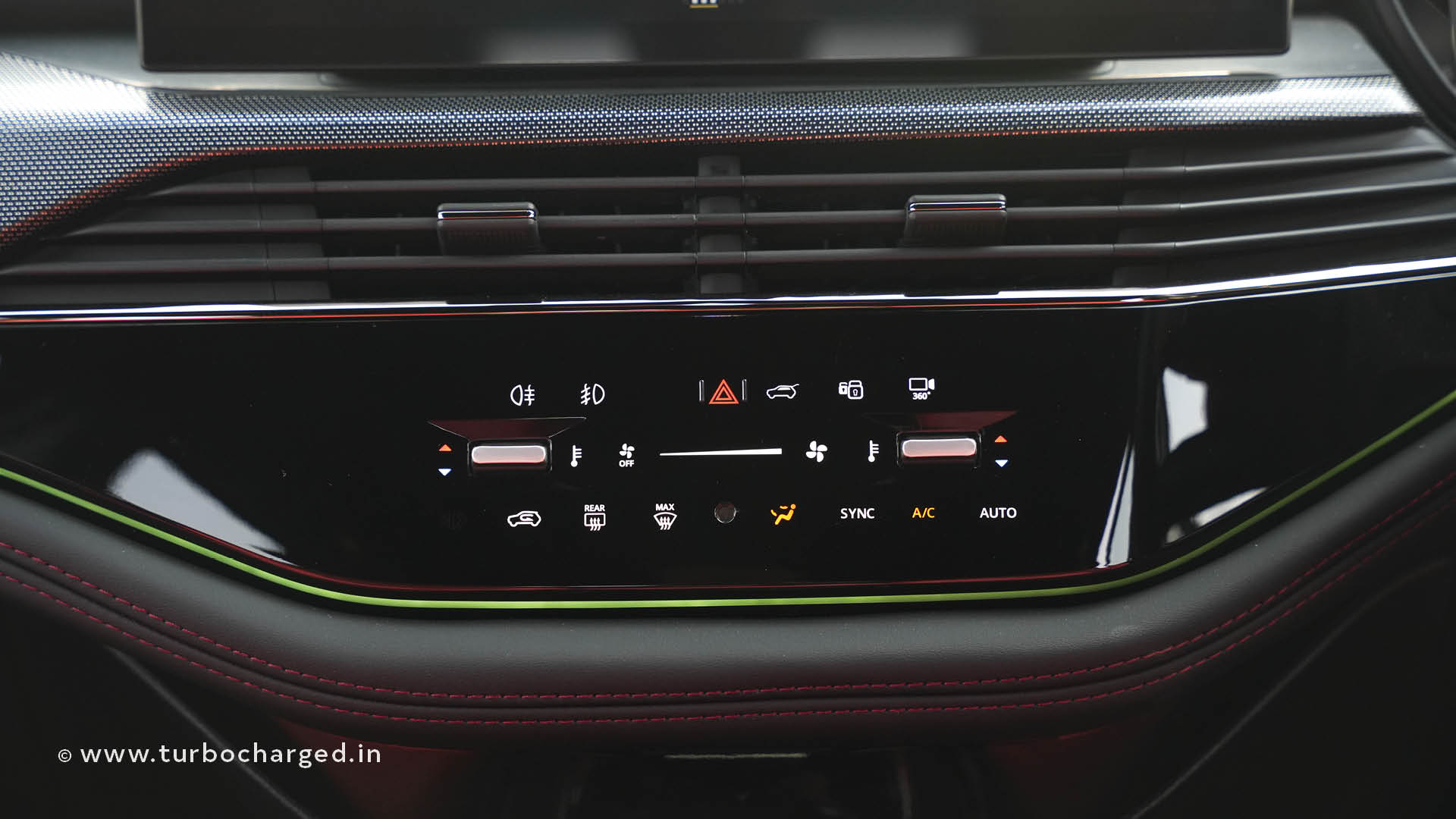
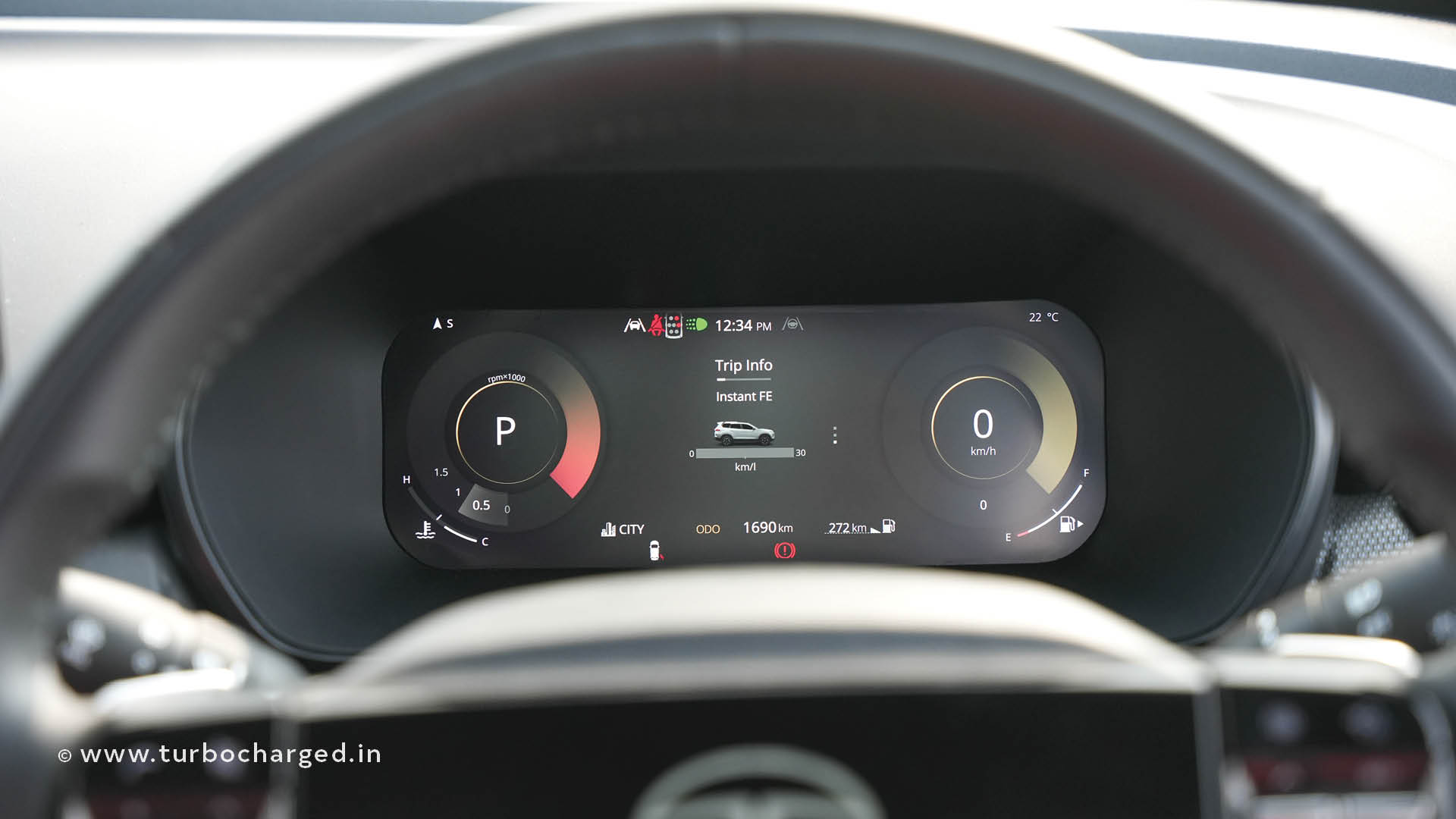
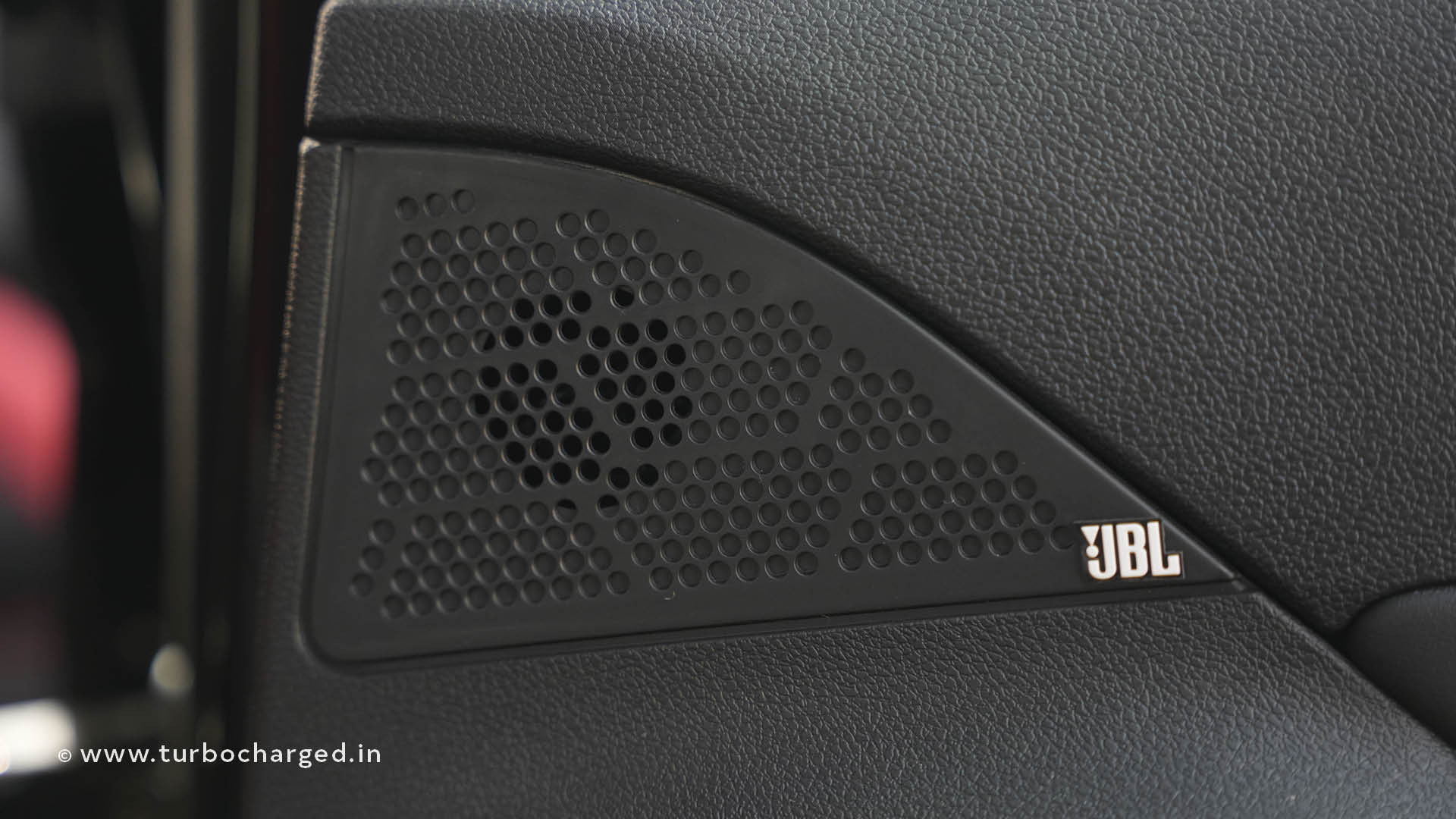
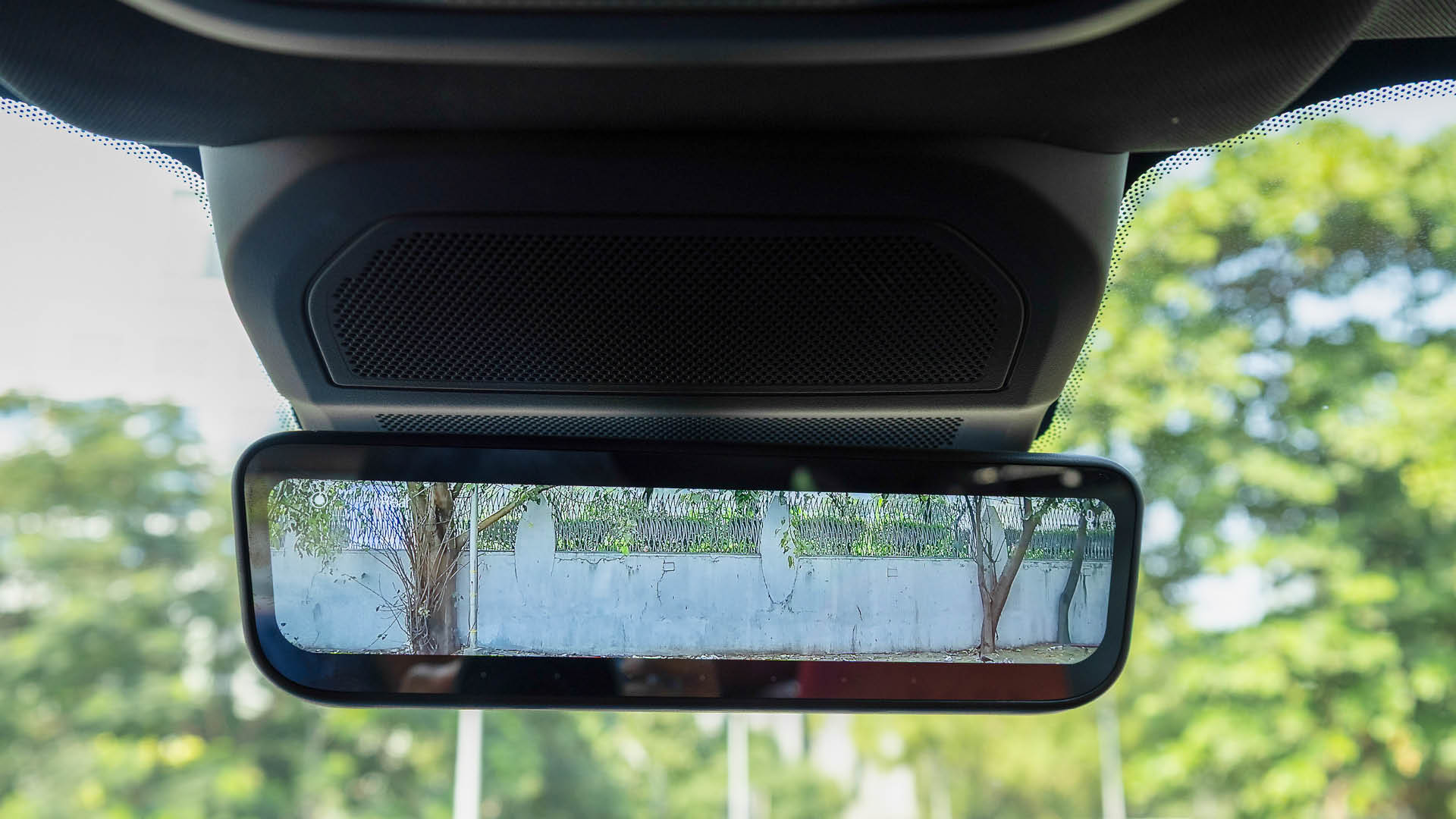
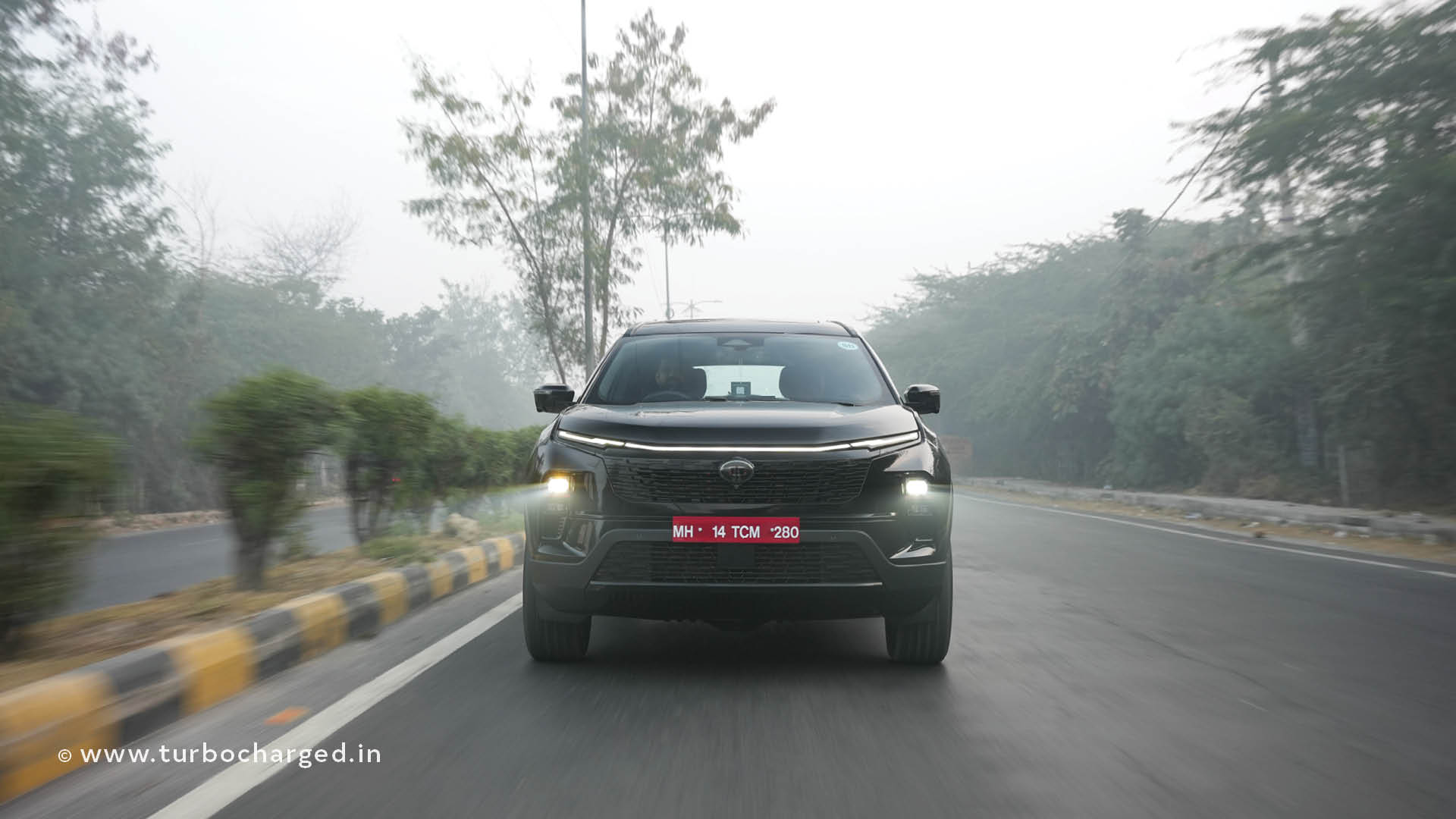
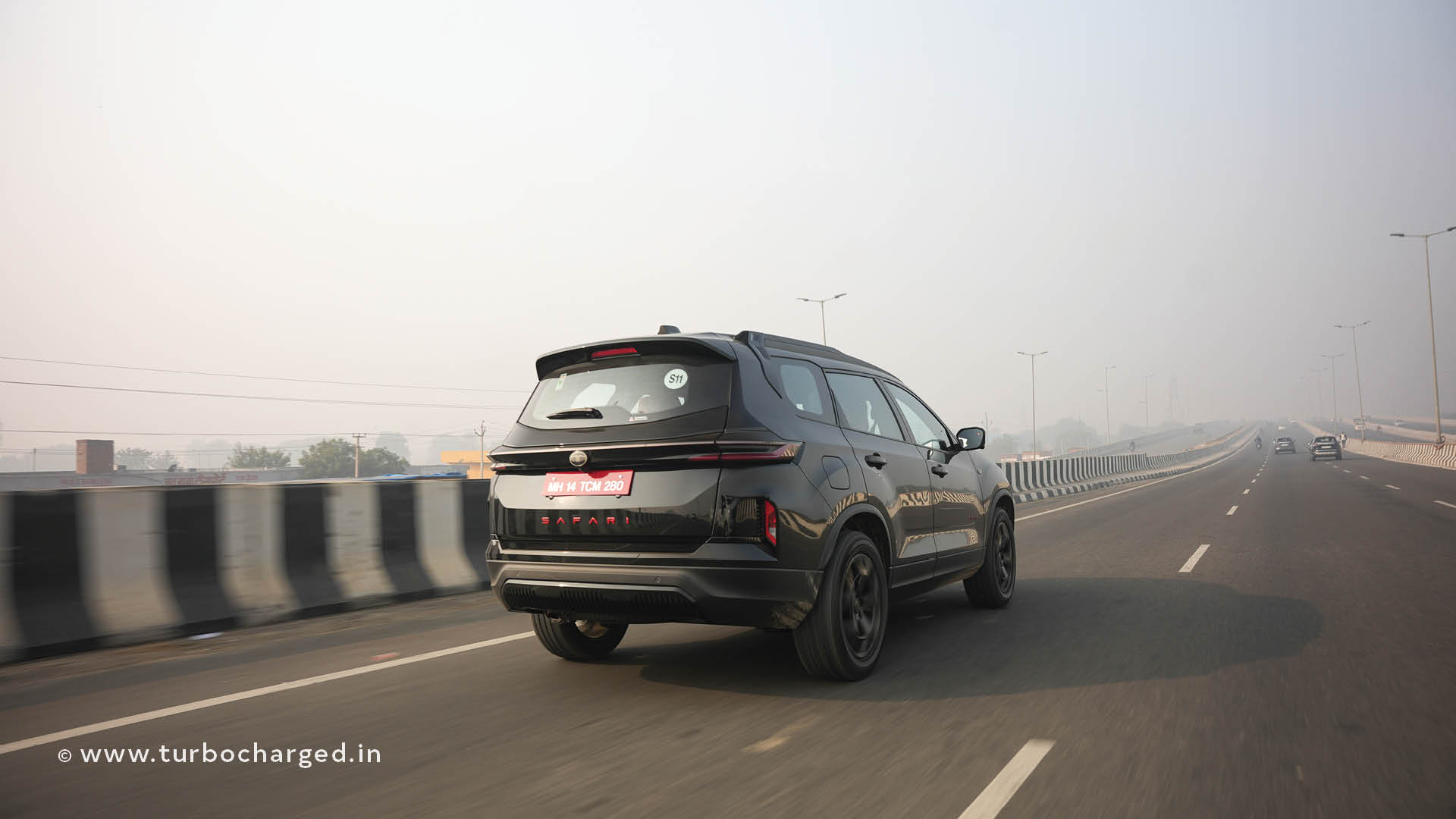
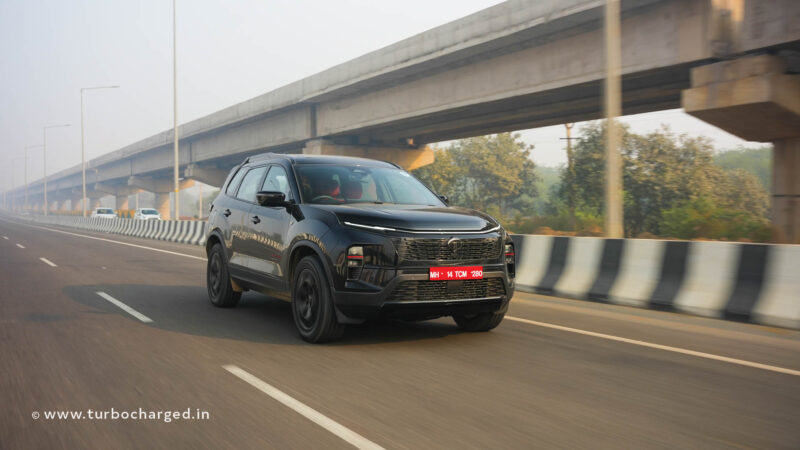
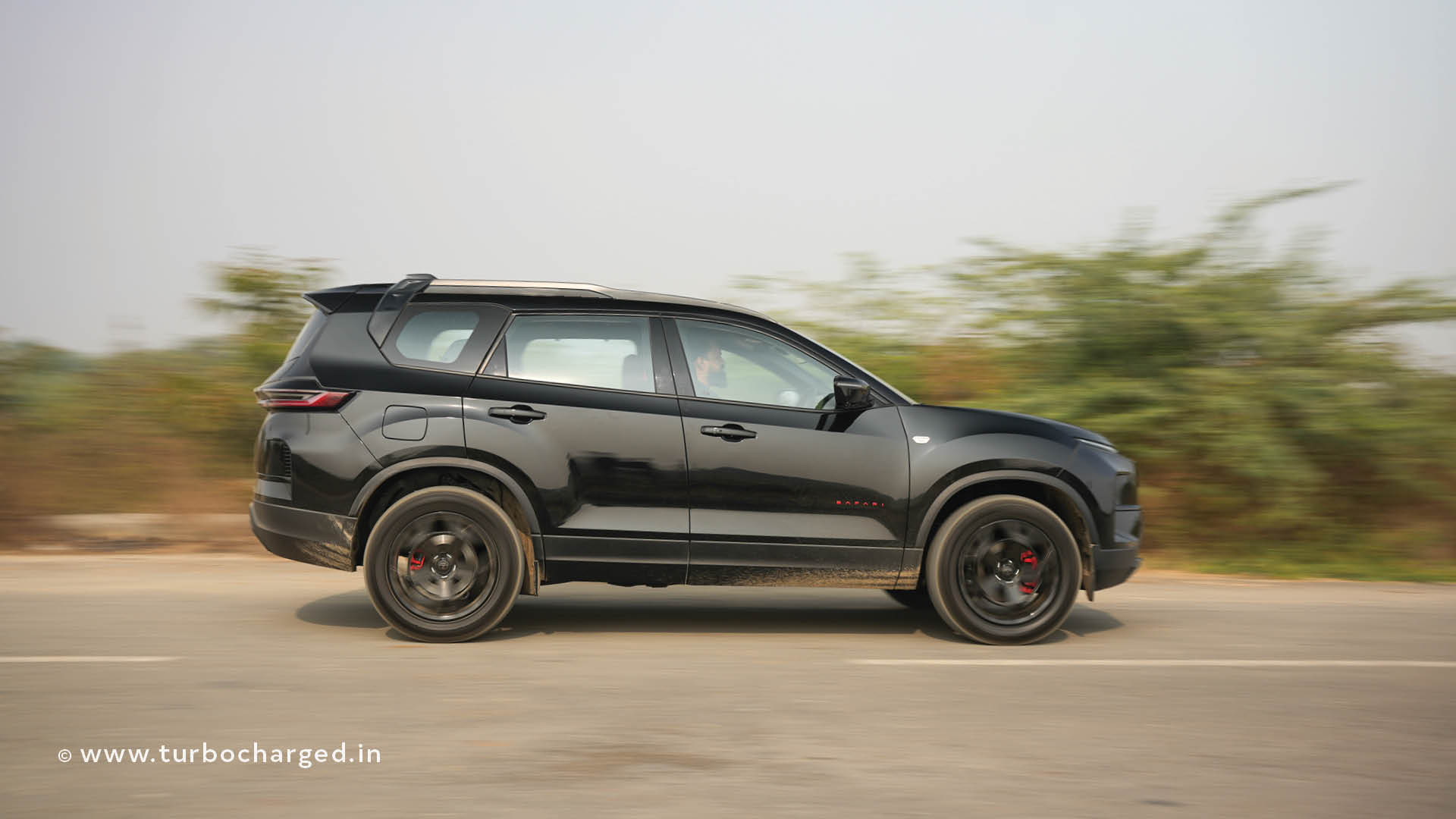
The Safari petrol remains unchanged mechanically other than the driveline. However, it is available in this new ‘Carbon Black’, exterior colour. This is also part of the Dark series, as the badging says, and has touches of scarlet via the brake calipers. There is more red on the inside, with a Carnelian Red interior in our test vehicle. Other new additions are the 14.5-inch qLED Samsung display that debuted on the Harrier EV, a 10 speaker JBL audio system with surround sound capability, and an inbuilt front and rear dashcam. The rearview mirror is a display fed from a camera mounted on the shark-fin antenna. The rest is as before, both inside and out, so we’ll move to the meat of the matter.
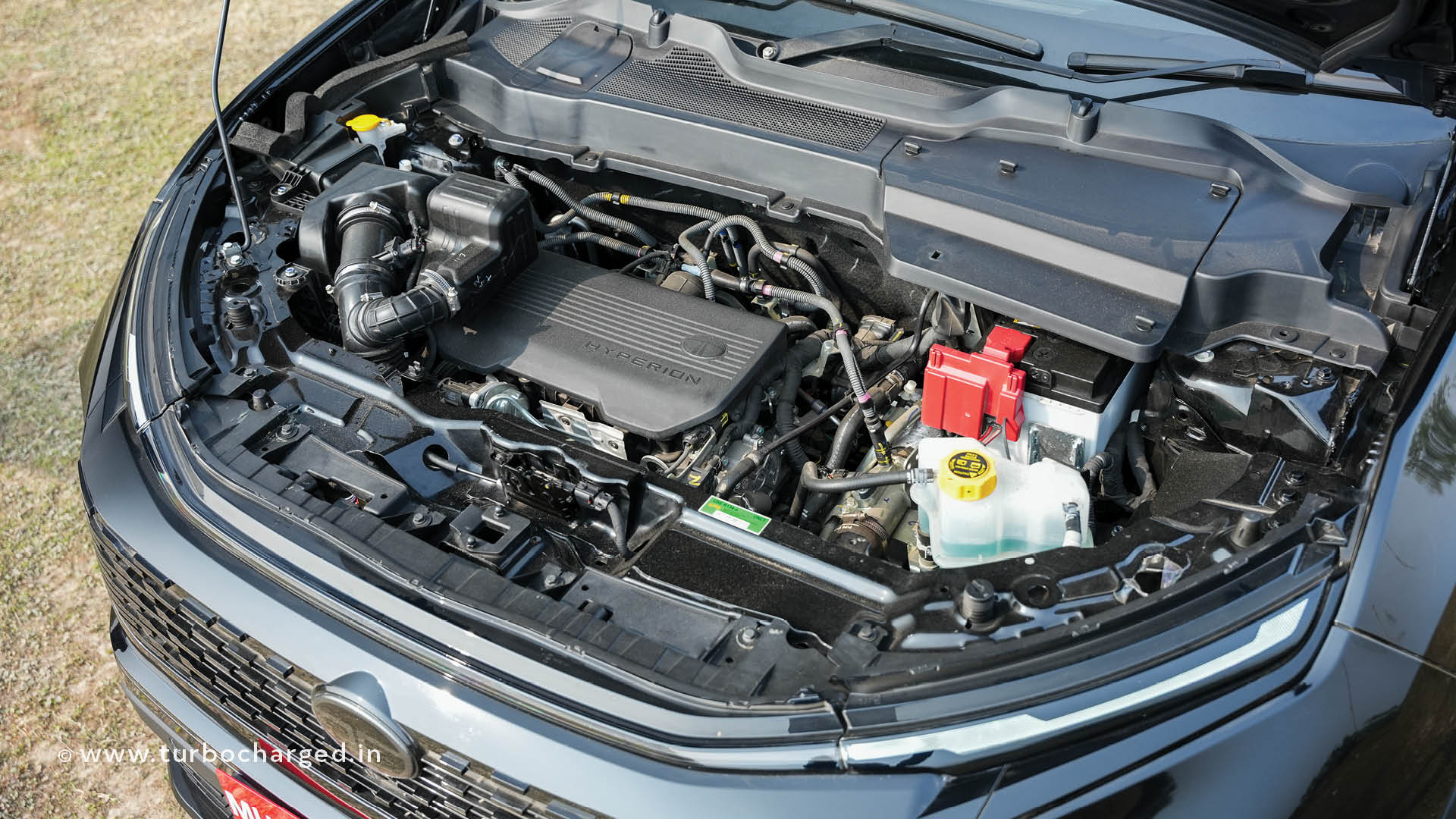
The Safari is now available with the 1.5-litre petrol engine that we first saw on the Sierra. If you like technology, you’re going to love this engine. Among its features are (deep breath) a variable vane turbocharger, variable valve timing, and direct injection. It has a 11.5:1 compression ratio, which is an eye-popping figure for an engine with forced induction. This engine uses the Miller cycle, which keeps the intake valve open for quite a long time during the compression stroke, which helps a cooler charge, and avoid detonation. The result is an engine that is more efficient than before. Under controlled conditions, Tata has managed to eke out 25kpl from the Safari petrol at the NATRAX proving grounds.
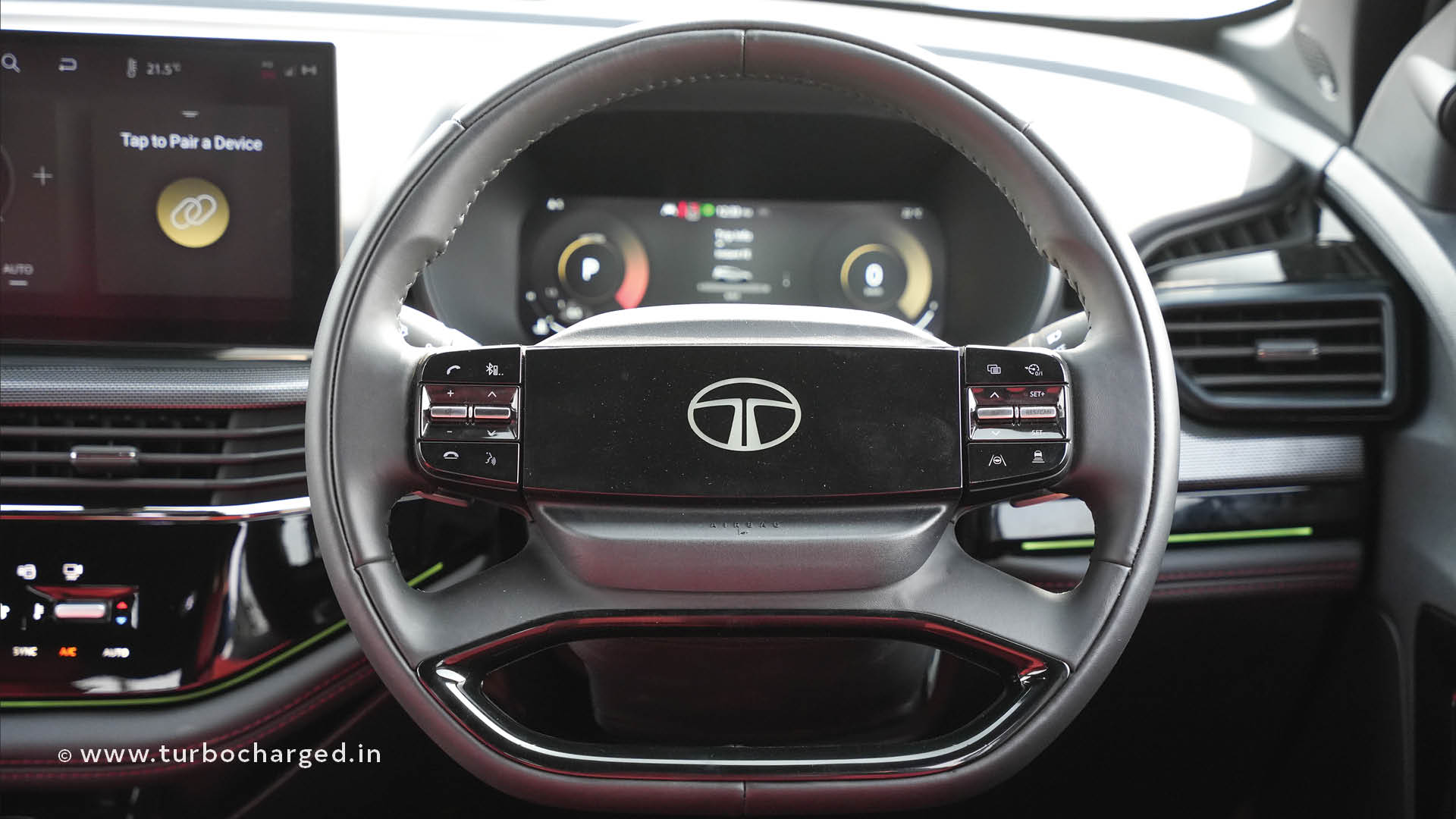
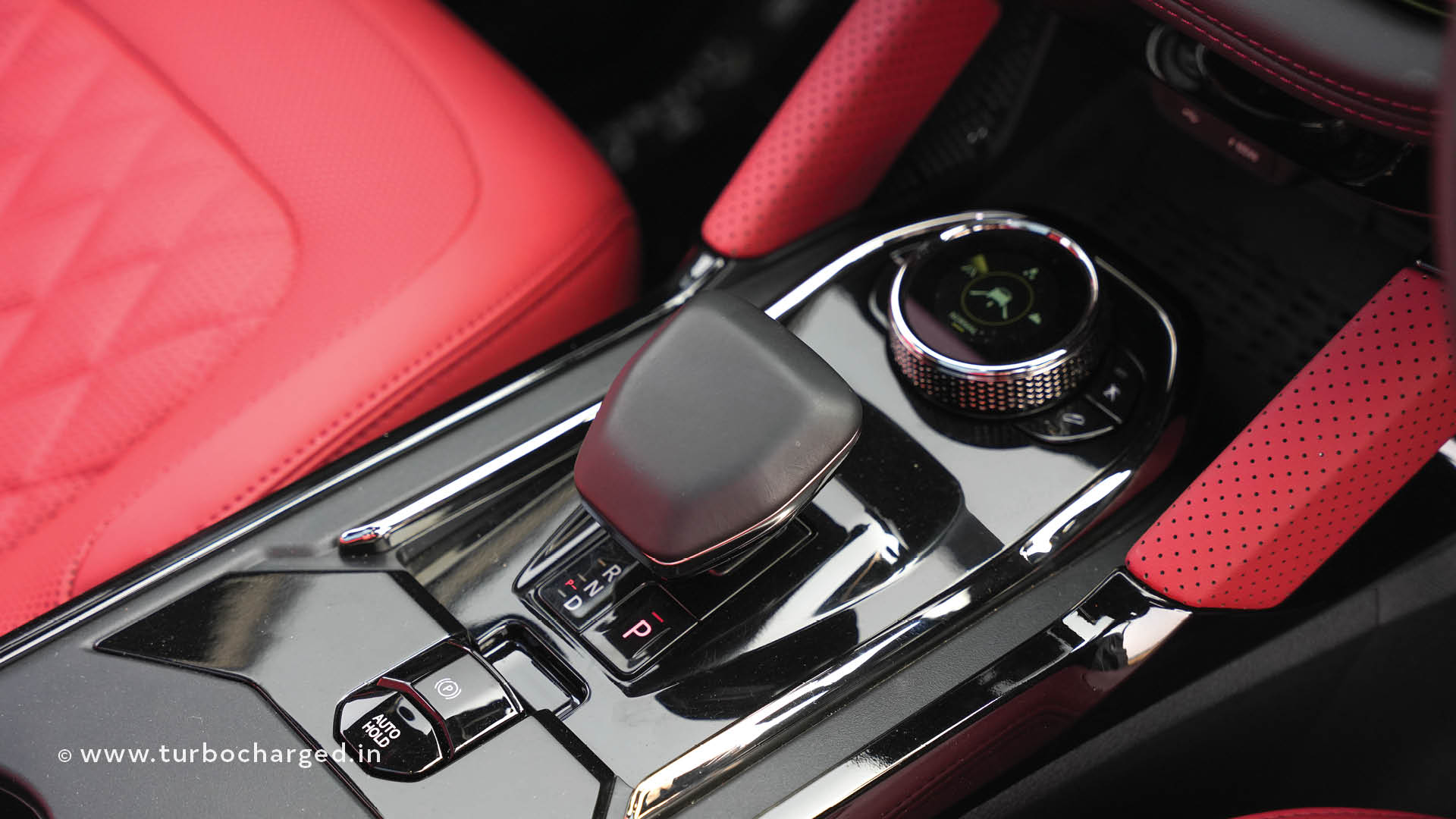
Of course, the other half is the automatic transmission. This is a standard torque converter with six speeds developed by Aisin, a Japanese specialist with immense experience of the Indian market and its requirements. The shifts are smooth and quick enough during regular use, and kickdown occurs fairly quickly when you give the Safari the boot. If you wish to take over yourself, there are shift paddles on the steering wheel. Tap either, and the Safari goes into manual mode. If the paddles aren’t used for a while, it reverts to ‘D’ mode automatically. This engine and gearbox mesh well with the Safari – there is what feels like no effort from the engine at 100kph, and the loudest thing in the car is the wind noise. Body roll is well controlled at speed, and there is a veritable army of electronics watching your back thanks to the presence of level 2+ ADAS features.
The Safari petrol enters a segment with some very strong competition. It is going to have to prove itself against established names like the Hyundai Alcazar, Kia Carens Calvis, MG Hector Plus and Mahindra XUV700 or 7XO. There is just one piece to the puzzle that remains to the Safari petrol: its price.
Tata Safari T-GDI
Engine Type: ‘Hyperion’ 1.5-litre turbocharged inline four cylinder
Special features: Variable-vane turbo, variable valve timing, direct injection
Compression ratio: 11.5:1
Power: 170PS @ 5,000rpm
Torque: 280Nm @ 1,750-3,000rpm
Transmission: 6 speed manual/AT