

Words: Sayantan De | Photography: Shrenith Bhandary
The Royal Enfield Meteor 350 is a motorcycle that makes little sense on paper, but customers continue to prove the pundits wrong, keeping it in the top five of Royal Enfield’s 350cc line-up. It offers a distinct identity which makes it stand apart from the Classics, Bullets or Hunters of the world, and now it’s here in a new avatar, with some updates to keep it fresh for the present. We determine if the sum of its parts still constitutes the excellent value proposition that the Meteor had always been in 2025.
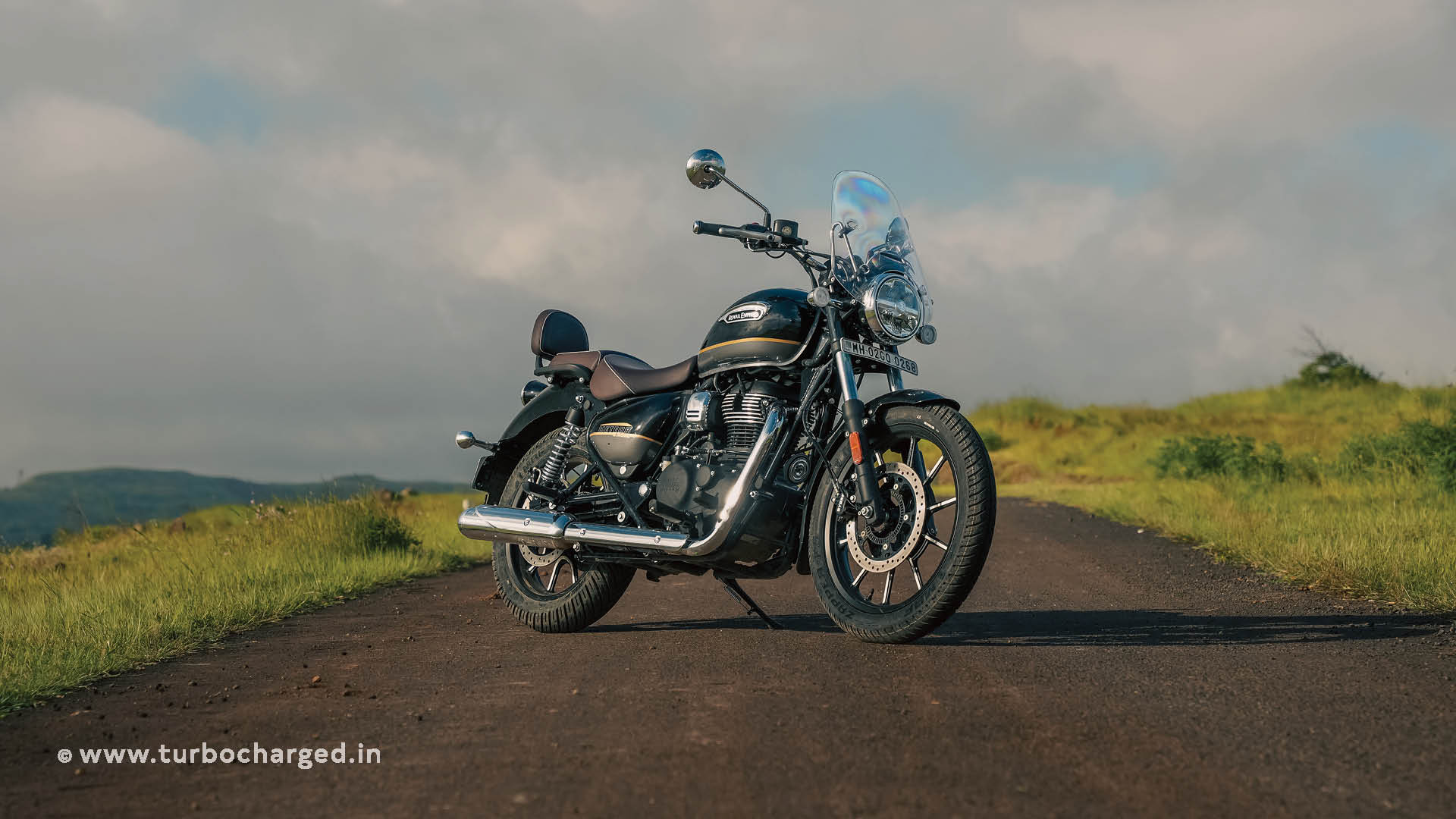
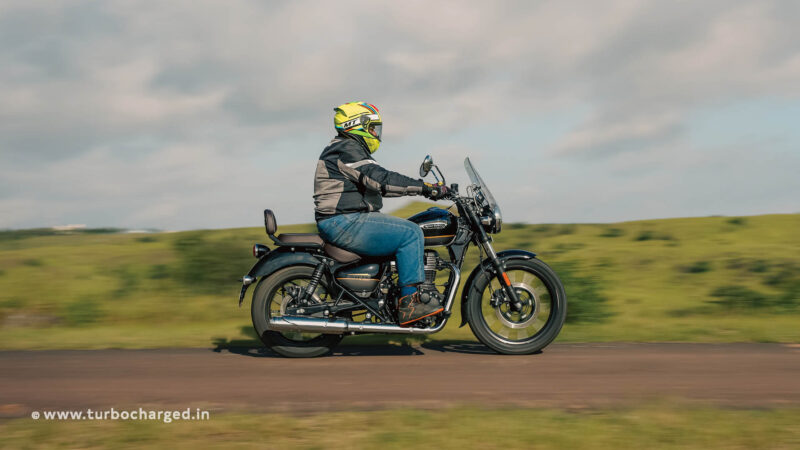
The Royal Enfield Meteor 350 is, for lack of a better classification alternative, a cruiser. Granted, the proportions are not classical, with a compact wheelbase, measuring just 1cm more than that of the Classic 350, and a rake angle of 26.7° (even the Super Meteor comes with a much lazier 27.6°). However, the ergonomics are proper, with a feet-forward riding position and a flat, wide handlebar. Even the perch is flared out to the side, and can accommodate all shapes and sizes of backsides. However, the cushioning is a bit lacking and sore buttocks are quite common, even during shorter rides (less than 20km), and we would urge Royal Enfield to look into this.
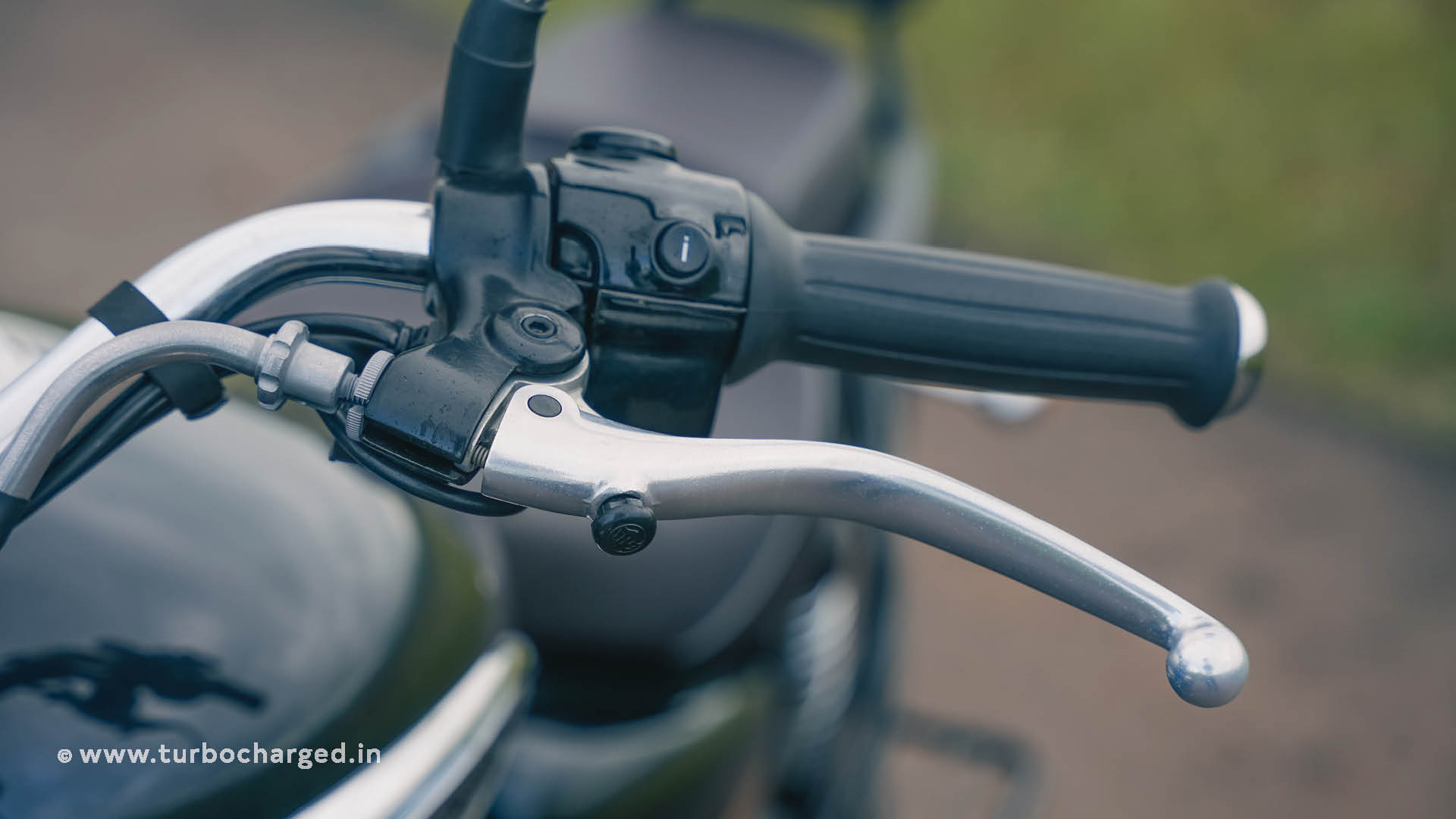
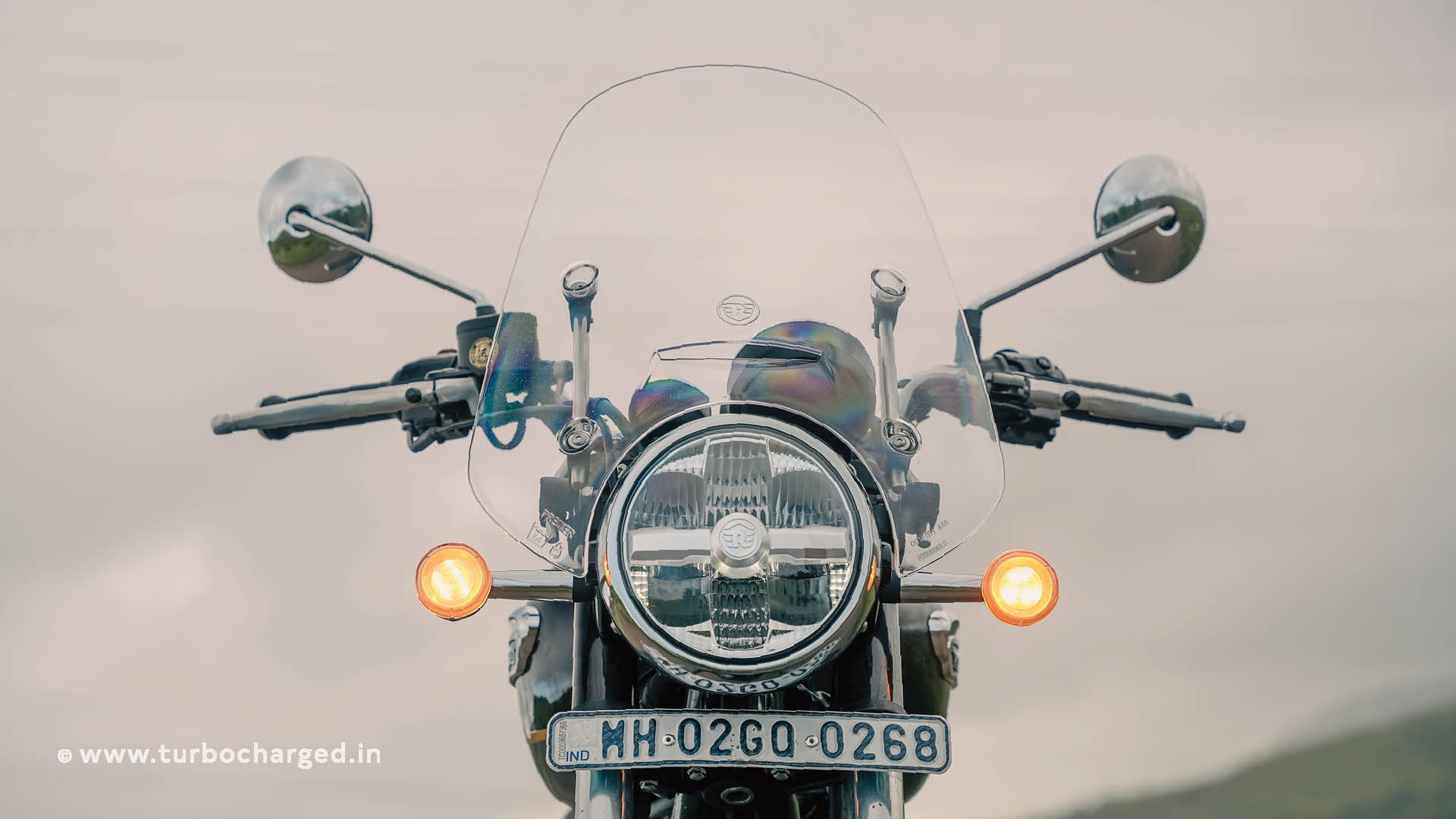
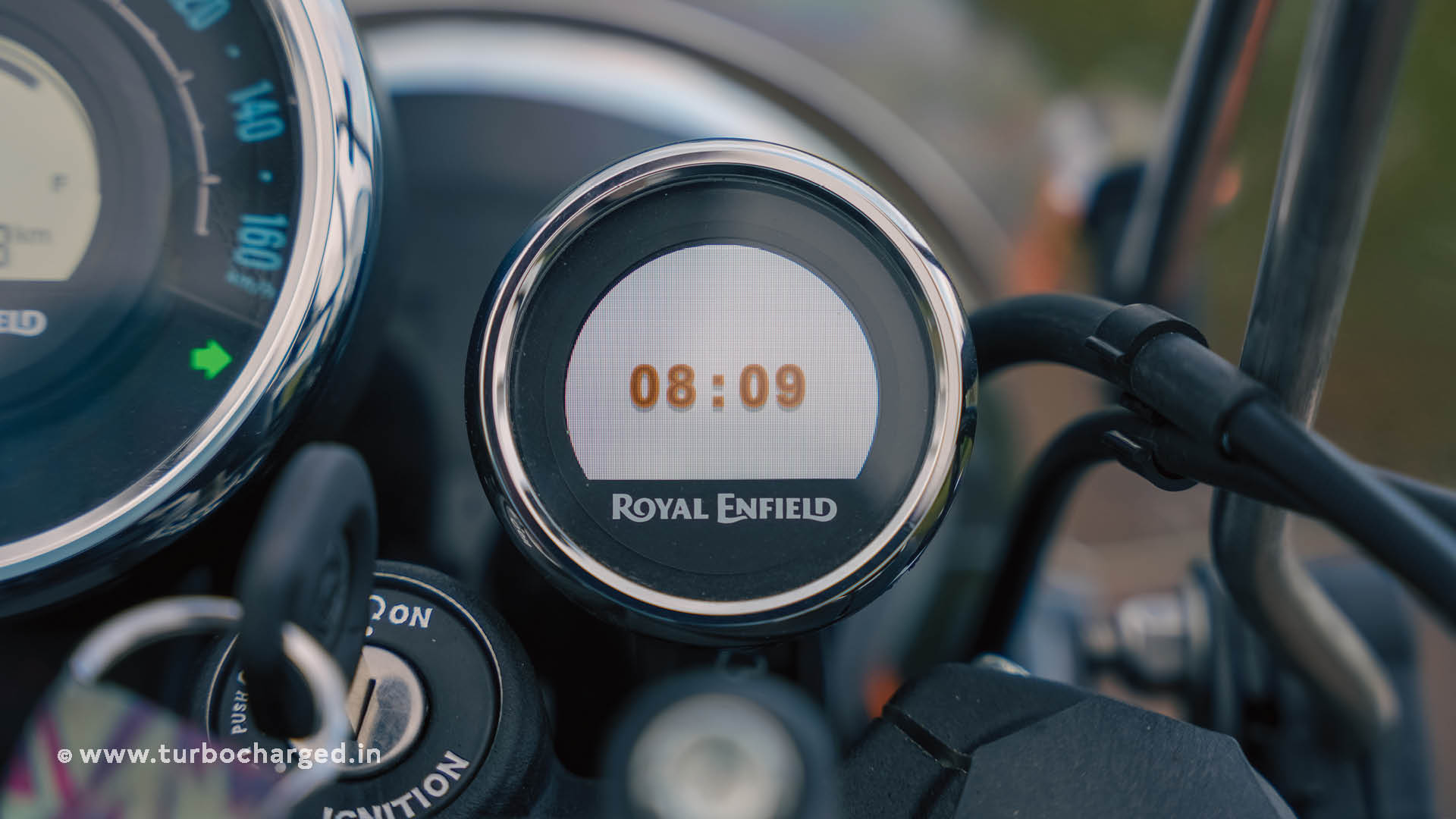
It does get a few new features, the pièce de résistance of which is the slip-and-assist clutch, which has reduced the force required for actuation by a large degree. The rest of the new features are the same as the ones we witnessed on the 2025 Hunter 350, which I also had the pleasure of reviewing—these comprise an LED headlamp, LED turn indicators with frosted white lenses which add a slightly upmarket vibe, and the tripper pod, which is a remarkably useful little gizmo, which is now standard across all variants of the Meteor 350. Furthermore, the two top trims, Aurora (with retro colourways inspired by the 60s as well as wire-spoked wheels) and Supernova, the one we had, come with adjustable levers. The base Fireball misses out on the pillion backrest, which is standard from the Stellar variant upwards, to the Aurora and the Supernova.
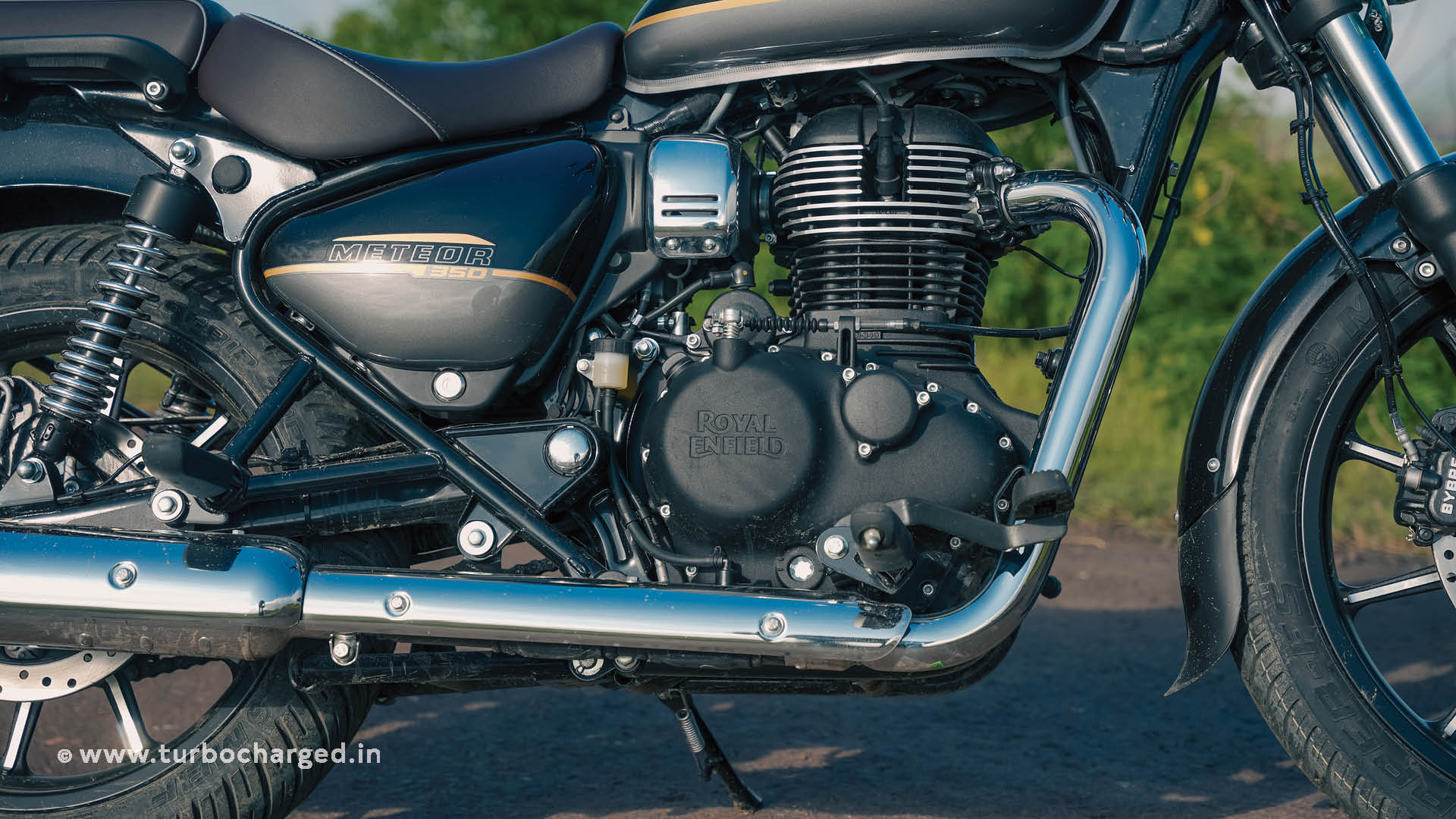
The J-Series engine has been impressive since its inception in 2020, and has the signature torquey, long-stroke power delivery. The refinement has improved over the years, and the unit on the Meteor borderline feels Japanese, with only the thump coming through and not the associated vibrations. That being said, I do feel the gearing on the Meteor 350 has always been a bit too city-centric, too short, to really ease into a cruiser-esque role. It accelerates a bit too quickly, which is great for negotiating traffic, but not-so-great on the highways when the engine ends up having to spin at a higher than necessary rpm for the same speed, had it been geared taller. What really works in favour of the Meteor, though, is the new slip-and-assist clutch—the action is very light and perfectly in sync with the relaxed character of the motorcycle.
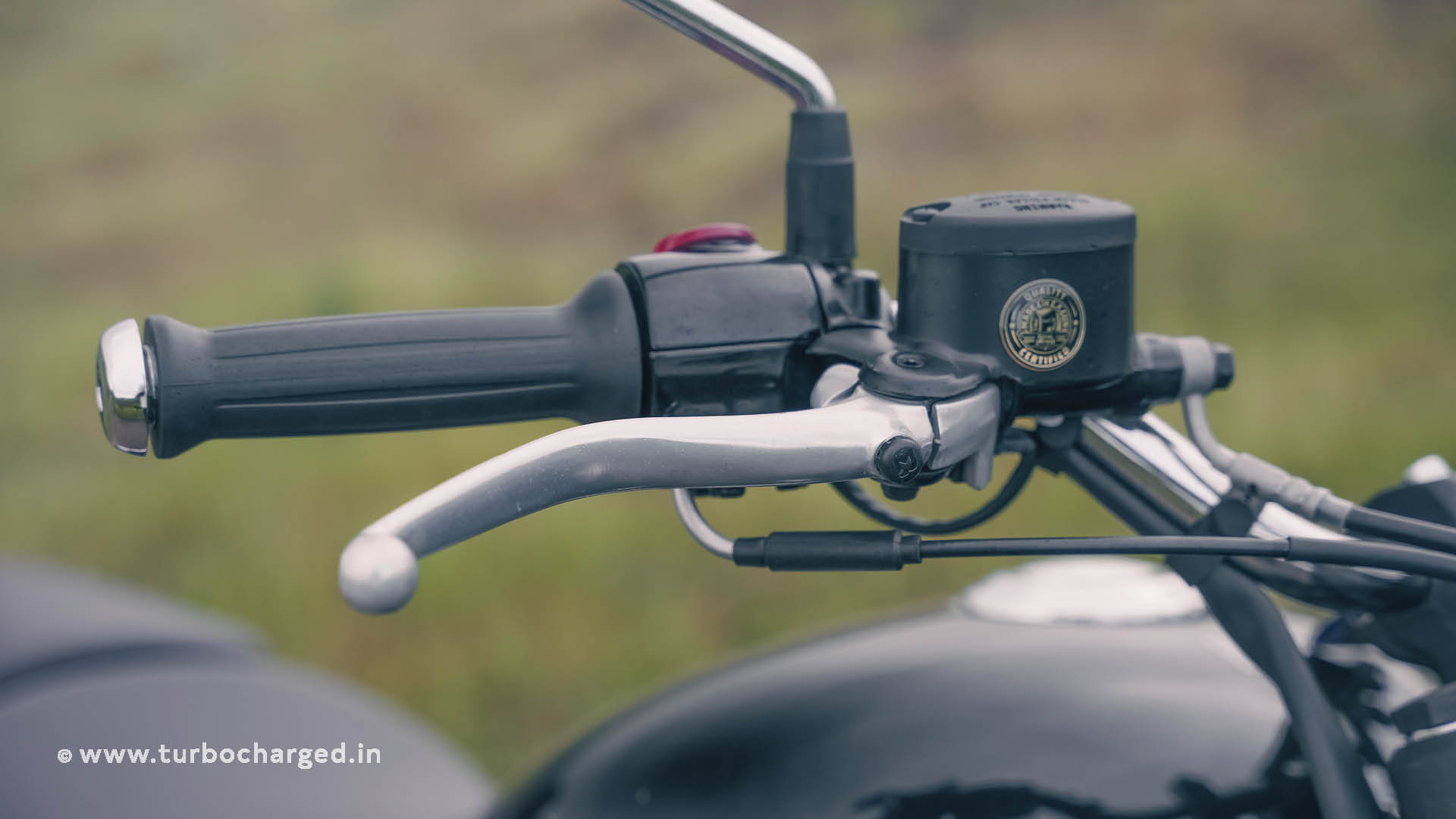
The tall and wide handlebar creates enormous leverage, which makes steering the Meteor require very little effort. The feet-forward position of the footpegs also reinforces the cruiser ideology, despite you sitting quite high up at a seat height of 765mm, which, for reference, is two-and-a-half centimetres taller than the Super Meteor. The couch-like orientation the body assumes upon getting on the Meteor has a profound effect on my psyche—I felt significantly less urge to curse at other road users despite riding through festival traffic on the streets of Pune—this is a phenomenon that is rarer than hen’s teeth. The braking is solid and predictable, though the rear suspensions are a bit too firm—while they deliver the confidence to pitch the bike into a corner effortlessly, they do tend to transfer most of the road irregularities directly to the spine, which is exacerbated by the too-firm seat padding.
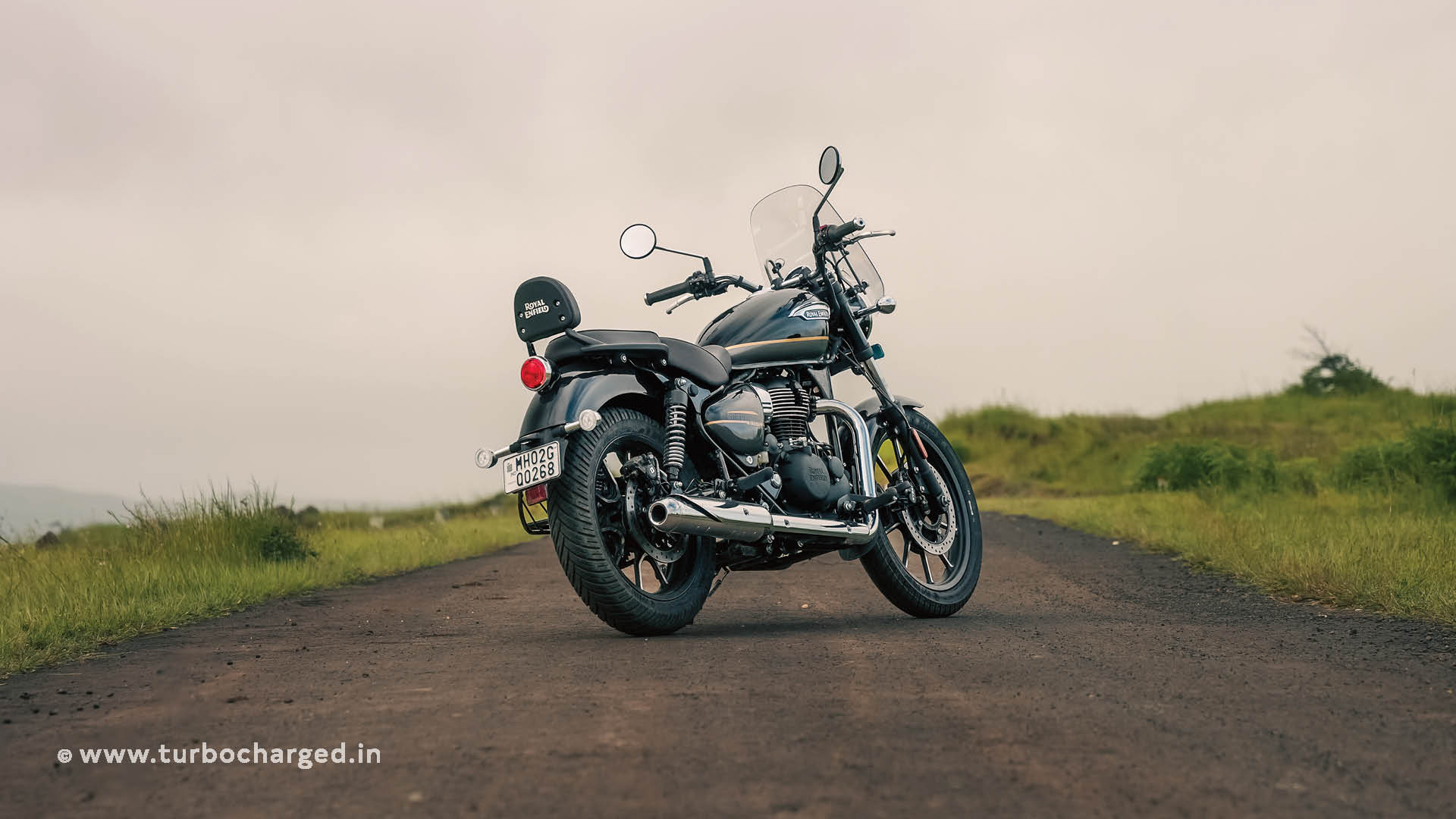
Overall, the Meteor remains what it always was—a cruiser which has been optimised more for city usage than the highways, despite being at home on either. When viewed through this lens, the tall-ish seat height, the not-so-steeply-raked front forks, and the close-ratio gearbox, all of which make it a less traditional mile-muncher, start to make sense. Now, combined with the added kit and a starting price of ₹1.96 lakh ex-showroom, which is dearer by just ₹5,000, makes it one of the best value propositions in the market, so we expect it to keep its position on the Royal Enfield sales charts for the foreseeable future.